| Pukui & Elbert - 1986
Māmaka Kaiao - 2003-10 Lorrin Andrews - 1865 |
updated: 12/18/2016 |
clothing 253
clothing, appearance, adornment
Aʻaʻahu. nvt. clothing in general, garment, array, attire, costume, mantle, gown; to put on or wear clothing, especially shirt, suit, or coat; to cover or wrap, as the body with a blanket. [(CE) PPN *kaa-kafu, clothing: *ka(a)kafu] ʻAʻahu au i ka pono.I have clothed myself in righteousness. ʻaʻahu hoʻohiwahiwafestive attire, evening gown ʻaʻahu i kau lula ʻiaformal attire E ʻaʻahu aku ʻoe i kēia.Wear this. hōʻaʻahuto put clothing on someone else; to dress, supply with clothing, clothe ʻaʻahu. n. clothing. nā ʻaʻahu hana keakawardrobe, as stage costumes for a play, movie or video production aahu [a-a-hu]. s. See aa, kind of cloth, and ahu, a fine mat. An outside garment. Kin. 27:15. A cloak; a garment thrown loosely over the shoulders. A robe. Iob. 29:14. A covering for ornament; aahu kapa maikai, the dress of a dandy, i. e., dandyism. NOTE.—The aahu was formerly some kind of kapa; mamua, aahu kapa, mahope, aahu lole. The bark of the mulberry soaked in. water for making kapa. Aahu kaua, armor. 1 Sam. 17:38. v. To cover with kapa; to cover, as with a cloak. To put on or wear clothes; to put on one’s garment. FIG. Iob. 29:14. Aahu iho au i ka pono, I have clothed myself with righteousness. Hoo. To clothe one; to provide clothes for one. Kin. 3:21; Oihk. 8:7. SYN. with hookomo kapa. ʻaʻahuwāwaeʻepane. n. same as lole wāwae ʻepane; overalls, coveralls. (Nākoa) ʻahu. nvt. garment or covering for the upper part of the body and shoulders, as a cape, shirt, coat; to put on or wear such; fine soft mat, formerly often used as a cloak; mat used as a canoe cover; short for ʻahu ʻula. cf. ʻaʻahu, ʻahu ʻao, ʻahu hīnano, ʻahu moena, ʻahunā liʻi₁, ʻahu ʻoʻeno, ʻahu ua, ʻahu uhi waʻa, ʻahu ʻula. [(MP) PPN *kafu, to cover; covering] ʻahu ʻili kanakacommoner' skin cloak [commoner] ahu [a-hu]. To cover one with a cloak; to be merely covered. Iob. 26:6. To clothe. s. A fine mat; a coarse one is moena; a mat for covering a canoe; o ka uhi ana i ka ahu, ea, oia ka mea e pale aku i kekahi ale, the spreading over a mat, that is what will keep off some of the waves; ahuao, ahu mokoloa. ʻahu ua. nvi. old type of raincoat made of dried ti leaves fastened to an olonā net, or consisting of a small mat about 1.2 by 1.8 m, made of makaloa sedge, and so supple that it could be rolled up; to wear this garment. Today, raincoat is kukaweke and kuka ua. ʻāʻī. neck, neck of a shirt or dress, neck of the iheihe fish net. cf. ʻāʻīkū, ʻāʻīlepe, ʻāʻī oeoe, ʻāʻī ʻoloʻolo, ʻāʻī pahāha, ʻāʻī palaʻe, ʻāʻīpau, ʻāʻī puʻu, ʻāʻī uaua. [(NP) PPN *kakii, throat, neck: *ka(a)kii] ʻaiana [ʻai·ana]. nvt. clothes iron; to iron, press, as clothes. Eng. ākea₁ [ā·kea]. nvs. E hoʻākea i ke kolone.Extend the column. [a military command] hoʻākeato widen, broaden, extend, enlarge, make public; broadening, expansion; extension; to escape (rare) hōʻike ākeaa public report; to lay before the public Ke hoʻolaha ʻia aku nei ma ke ākea.There is being widely advertised hereby. piliwaiwai ākeaopen gambling ʻāleuleu [ʻā·leu·leu]. nvs. old, worn-out, as tapa, mats, clothing; worn-out tapa, clothing; objects of inferior quality. also pāleuleu. he moku ʻāleuleudistricts of raga-muffins [said of Kaʻū and Puna by Kamehameha's followers because the farmers worked hard and wore old clothes] (ON 826) aleuleu [a-leu-leu]. s. Old kapa or mats; also applied to all kinds of bad kapa. ʻāneʻeneʻe₂ [ʻā·neʻe·neʻe]. n. old clothing; small mat that is carried about to sit on. aneenee [a-nee-nee]. s. Mats old and worn; he wahi moena aneenee uuku, a small mat about a fathom long. ʻāpā lole [ʻā·pā lole]. n. bolt of material. see ʻīālole. apo ʻili kuapo. n. belt loop, as on a pair of pants. Ua hala iaʻu kekahi apo ʻili kuapo i koʻu komo ʻana i koʻu ʻili kuapo.I missed a belt loop when I put on my belt. apo pāpale [apo pā·pale]. n. hatband. apo pepeiao [apo pepei·ao]. n. hoop earring. apo poʻo. n. hairband. Niʻihau.
Eʻepane, epani. n. apron. Eng. ʻepane. n. apron. also pale kuene.
Hhaka lole. n. clothes rack, as on wheels in a clothing store. also hao kau lole. hala kapa. n.v. sin of breaking clothing taboos; to sin thus. hao kau lole. n. clothes rack, as on wheels in a clothing store. Niʻihau. also haka lole. hehei₂. n. type of pāʻū, woman's skirt, sarong. (no data). heheo. nvi. a swaggering or swishing walk; swishing, as of a skirt; to whirl, swish, strut. hoʻoheheocaus/sim.; to swish, swirl; to swish up and down on the foot, as a child hena. n. buttocks; mons pubis; hollow of the thigh; nakedness. [PPN *fena, hard, solid (problematic)] E wehe ʻia auaneʻi kou hena.Your nakedness shall be uncovered. (Isa. 47.3) hoʻohenato see, feel, or handle the hena; to take off one's clothing and expose the hena hena [he-na]. s. The hollow of the thigh. Kin. 32:25. The buttock; the nakedness of a person. Isa. 47:3. The place of the kauha intestine. Anat. 52. The mons veneris. hoʻailona ʻalu. tuck (as in a dress) (EH) hōʻaluʻalu. to slacken, loosen; to make gathers, as in a skirt; a gatherer, as on sewing machines; yielding, loose, flexible, soft. see ʻaluʻalu, loose, flabby; misshapen, as a premature baby; slack, as a rope; to sag; wrinkled, uneven, rough, lined; foetus; skin, rind, peel... hōkeo₁ [hō·keo]. n. long gourd calabash, as used to hold food, clothing, fishing gear; any cooking pot. fig., an empty container, a trifle. cf. hōkeo kani. PCP *(f,s)ooteo: cf. Maori hooteo. He wahi hōkeo wale nō.Just an empty container [to have or know nothing]. hōkeo [hō·keo]. n. kit, as of equipment needed for a particular activity. cf. kini lapaʻau, kini poho ea, poho lāʻau pōulia. hōkeo kūmau hoʻāʻo lepostandard soil-testing kit hokeo [ho-ke-o]. s. The lower of two gourds which compose the drum. He hulilau, a calabash to put clothes in when traveling on a canoe. To go about destitute of clothing, i. e., in a state of nature. hoʻoheheo. to swish, swirl; to swish up and down on the foot, as a child, toss up. caus/sim of heheo, a swaggering or swishing walk; swishing, as of a skirt; to whirl, swish, strut... hoʻohulei. to trot, cause to trot, move back and forth. caus/sim of hulei, to lift, raise, draw up, as a skirt; to pull, pry; to pitch and toss, as a ship on the waves; to move along, as a ship; to flap wings; to trot, as a horse... hoʻohūleilei. to toss, as a child on one's foot. caus/sim of hūleilei, redup. of hulei, to lift, raise, draw up, as a skirt; to pull, pry; to pitch and toss, as a ship on the waves; to move along, as a ship; to flap wings; to trot, as a horse... hoʻokūkū lole. clothes fitting. (EH) hoʻopālaulau. caus/sim of pālaulau₁, broad, flat, extended; a wrapper, especially apron or skirt used as a conveyor; to carry in a wrapper... hua [hu-a]. A flowing robe; a train. Isa. 6:1. Hua lole, the skirts of a garment. Ier. 13:22, 26. hualole [hu-a-lo-le]. s. See hua and lole, cloth. The skirts of a garment. Kanik. Ier. 1:9. hui kahi₂. vs. girded in malo or pāʻū tightly fastened with a single hitch. huikahi [hu-i-ka-hi]. s. Name of a short malo. hulei. vt. hoʻohuleicaus/sim. to trot, cause to trot, move back and forth hulu hipa₁. n. sheep wool, fleece; woolen cloth. nā mea ʻako hulu hipawool shearers (1-Sam. 25.7) huluhipa [hu-lu-hi-pa]. s. Hulu, wool, and hipa (Eng.), sheep. Wool (LIT. Hair of sheep); a fleece of wool. 1 Sam. 25:7. hume. vt. hoʻohumeto put a loincloth on another hume [hu-me]. v. To bind around the loins, as a malo; to gird on, as a sash. Ier. 13:12. Ina hume ke kanaka i ko ke alii malo, e make no ia, if a person should bind on a chief's malo, the penalty would be death. Haw. Hist. humu kāholo, humu kāholoholo [humu kā·holo· humu kā·holo·holo]. same as humu hoʻoholoholo, running stitch, basting... humu kāholoholo. var. spelling of humu kāholo, running stitch, basting...
Iiho₄. n. block used in plaiting a hat to give shape to the crown. also pahu pāpale. ihu kāmaʻa [ihu kā·maʻa]. n. toe of shoes. ʻili₁. n. skin, complexion, hide, pelt, scalp, bark, rind, peel. see ex. kūakā. [(AN) PPN *kili, skin n] ʻAʻohe mea ʻē aʻe, ʻo ka lole wale nō i ka ʻili.There was nothing else except the clothing on the back. hoʻokae ʻilirace prejudice; to have race prejudice ʻili. n. skin. also ʻaluʻalu. see moena ʻili. ʻili kūlokosubcutus, in biology ʻōnaehana ʻiliintegumentary system, in biology welu ʻilichamois, chamois cloth n. bark, of a plant. also ʻaluʻalu. wale ʻilicambium, i.e. the slippery layer under the bark of a plant which is the growing area of the stem paihaʻakei ʻiliracism, i.e. adhering to a belief that one's own race is superior to another race paihaʻakei lāhuiracism, i.e. adhering to a belief that one's own race is superior to another race ili [i-li]. s. The skin of a person or animal. Iob. 16:15. Eia mai na ili o kanaka, he keokeo kekahi, he ulaula kahi, he eleele kekahi. The bark of a tree; the outer rind of any vegetable; the husk or shuck of fruit. The surface of the ground or sea; na ka la e hoomalamalama i ka ili o ka honua, the sun enlightens the surface of the earth; maluna o ka ili kai kona hele, his going was upon the surface of the sea. Mea ili, whatever is made of skin. Nah. 31:21. The surface of any substance; elua no ano o na ili, o ka ili laumania, a o ka ili hualala. Anahon. ʻili hau. n. bark of the hau tree, as used for rope and for modern grass skirts. ʻili kapu. n. taboo against contact with clothing or bedding of others; one with such a taboo. ʻili kuapo. n. belt. apo ʻili kuapobelt loop, as on a pair of pants
Kkāʻei poʻo. n. diadem, turban. kaeipoo [ka-ei-poo]. s. A turban; a diadem. Iob. 29:13. kākini₁ [kā·kini]. n. stocking, sock. Eng. kakini [ka-ki-ni]. s. A garment made to cover the foot and leg; a stocking. kākini₂, satini [kā·kini]. var. of kākīnia, sateen... kā lole. n. clothes hanger. see kā₉, hanger... (HE) kāmaʻa [kā·maʻa]. n. shoe, sandal, slipper, boot; ti-leaf or tapa sandal; shoes. (kā-, causative + maʻa, to bind.) [(CE) PPN *taamaka, sandals] hoʻokāmaʻato put on shoes, furnish shoes kāmaʻa ʻolebarefoot, without shoes kamaa [ka-maa]. s. Sandals; shoes, i. e., shoes for the bottom of the feet. Kapa or other material bound round the feet and legs when traveling on places of scoria or other rough places. Puk. 12:11. v. Hoo. To shoe; to furnish with shoes or sandals. Ezek. 16:10. kāmaʻa haʻuki. n. gym shoes, tennis shoes. (KAN) kāmaʻa hekehi [kā·maʻa hekehi]. n. hiking shoe. kāmaʻa hele hau [kā·maʻa hele hau]. n. snow shoe. lit., shoe (for) walking (on) snow. kāmaʻa hila. n. high heels, pumps. (KAN) kāmaʻa holo hau [kā·maʻa holo hau]. n. ice skate. see holo hau. kāmaʻa huila [kā·maʻa huila]. n. roller skates. see holo kāmaʻa huila. kāmaʻa ʻili helei [kā·maʻa ʻili helei]. n. oxford, saddle shoe. lit., shoe (with) straddling strap. kāmaʻa lapa huila [kā·maʻa lapa huila]. n. rollerblade. see holo lapa huila. kāmaʻa lole [kā·maʻa lole]. n. sneaker, tennis shoe. lit., cloth shoe. kāmaʻa miomio. pointed shoes (EH) kāmaʻa pāhinu. patent leather shoes (EH) kāmaʻa peku kai. n. swim fins, flippers. (KAN) kāmaʻa pohopū [kā·maʻa poho·pū]. n. loafer, slip-on style shoe. lit., pouch together shoe. kāmaʻa puki [kā·maʻa puki]. n. boot, boots. kāmaʻa puki heʻe hau [kā·maʻa puki heʻe hau]. n. ski boot. see heʻe hau. kānekopa. n. var. spelling of kānekōpā, a kind of foreign cloth. kānekōpā, kānekopa [kāne·kō·pā]. n. a kind of foreign cloth. kapa ʻino, kapa ʻinoʻino. n. sackcloth, as worn by mourners in the Bible. lit., despicable clothing. (Kin. 37.34) i loko o ke kapa ʻino a me ka lehu ahiin sackcloth and ashes Mat 11:21 kapa ʻinoʻino. n. var. spelling of kapa ʻino, sackcloth, as worn by mourners in the Bible. lit., despicable clothing. kapa komo. n. clothing in general. lit., kapa to put on. kapakomo [ka-pa-ko-mo]. s. Kapa and komo, to enter in, i. e., to put on. A garment for putting off and on. Kin. 37:3. kapeke₂. vi. hoʻokapeketo loosen, set askew; to tilt, as a canoe; to sit or loosen the clothing so as to cause indecent exposure Kapeke ihola kuʻu wāwae a ʻeha ke kuʻekuʻe.My foot slipped, hurting my ankle. kapeke [ka-pe-ke]. v. To be out of joint, as a limb; to limp, as a lame person. Kin.32:35, 31. To misstep. Hal. 37:31. To miss in attempting to do a thing; to mistake; to disjoint. kapuhau [kapu·hau]. ski cap, stocking cap see pāpale. kapu ʻili. n. a taboo on wearing another's clothing unless the relationship was very close. lit., skin taboo. kau lole. see uea kau lole, clothes hanger... kau pāpale. put on a hat (EH) kenikeni₁ [keni·keni]. vt. to assemble a complete outfit or set, as of furniture, food, fishing gear, clothing. rare. kenikeni [ke-ni-ke-ni]. v. To furnish a supply; to have enough. keʻokeʻo pia [keʻo·keʻo pia]. n. bleached muslin of inferior quality, so called because it was weighted down as though with starch (pia); it was used for underclothing. kīhae₁ [kī·hae]. vi. to tear or strip, as leaves; to remove thorns from pandanus leaves; to shred, as ti leaves for dance skirts. cf. hae, to tear. see ex. polapola₄. [(CE) PPN *tii-sae, tear, rend] kīhei [kī·hei]. nvt. shawl, cape, afghan; cloak of makaloa matting; rectangular tapa garment worn over one shoulder and tied in a knot; bed covering; to wear a kīhei. [(CE) PPN *tifa, insert, inlay, patch (problematic)] he kīhei loloaa long kīhei [said of a gadabout] (ON 692) kīhei. n. light blanket, shawl. also kīhei pili. kihei [ki-hei]. s. Name of the garment formerly worn by Hawaiian men; a loose garment of kapa thrown over one shoulder and tied in a knot; it was thrown off at work. kilika₁. nvs. silk. Eng. kīpuka₂ [kī·puka]. n. short shoulder cape; cloak, poncho. [(??) PPN *tii-puta, a type of cape or poncho] kōheo₃ [kō·heo]. same as kōheoheo₃, coattail... kōheoheo₃ [kō·heo·heo]. n. coattail. koheoheo [ko-he-o-he-o]. adj. The epithet of a frock coat, not a jacket, not a dress coat; he lole koheoheo. komo humuhumu₂ [komo humu·humu]. vt. to put on clothing inside out. lit., wear seams. komo lima. n. ring, thimble (rare). komolima [ko-mo-li-ma]. s. Komo and lima, the hand. A finger-ring; a thimble. The hoop of a barrel; he mea e hoopuni ana mawaho o ka pahu. A stocking; he kakini; a thing which the foot enters. komo lole. vt. to dress, put on clothes. komolole [ko-mo-lo-le]. v. Komo and lole, cloth; clothes. To dress; to put on clothes. To fit a dress to a person. s. Apparel; a change of clothes or raiment. kōwehe [kō·wehe]. vi. to billow or flutter out, as a dancer's skirt. cf. wehe, open. Ua ʻike lihi aku nei au i ka lawe kōwehe a ka pāʻū.I have just glimpsed the fluttering skirt. (song) kūakalikea₁ [kūa·kali·kea]. n. kind of cloth with white on its edges. rare. kuakalikea [ku-a-ka-li-ke-a]. s. Kua, back, and kalikea, border; fringe. White on the back, border or edge. kueka₁. n. sweater. Eng. kueka haʻuki. n. sweatshirt. lit., sports sweater. kuila. n. twill. Eng. kuila [ku-i-la]. s. The name of a kind of foreign cloth; he lole hinuhinu paa loa. kuka. n. coat. Eng. kūkaʻa₂ [kū·kaʻa]. vs. wholesale. kukaʻaila. n. var. spelling of kuka ʻaila, raincoat... kūkaenalo₃ [kū·kae·nalo]. unbleached muslin. lio keʻokeʻo kūkaenalodusty white horse kukaenalo [ku-kae-na-lo]. s. Kukae and nalo, a fly. A name given by Hawaiians to unbleached or brown cotton cloth. kuka makani. n. windbreaker, a kind of jacket. lit., wind coat. kukohana [ku-ko-ha-na]. v. Ku and kohana, naked. To strip off one's clothes; to be naked. Isa. 32:11. To go about without clothing; e hele aole kapa e uhi ana ia ia iho. kula pepeiao. n. var. spelling of kulapepeiao₁, earring. lit., gold [for] ears. kulapepeiao₁, kula pepeiao [kula·pepei·ao]. n. earring. lit., gold [for] ears. kula pepeiao hoakacrescent-shaped earrings kulapepeiao kolūearrings held in place by a screw kulapepeiao lewalewadangling earrings kulapepeiao ʻūmiʻiearrings for unpierced ears; lit., clamped earrings
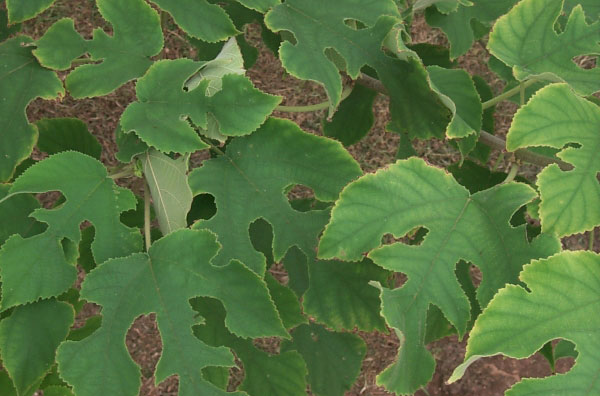
Llaba puki. n. var. spelling of lapa puki, rubber boot. also puki lapa. Eng. lakeke. n. jacket, blouse. lakeke. n. blouse. Niʻihau. also palauki. cf. lākeke. n. jacket. cf. lakeke. Eng. lakeke [la-ke-ke]. s. The Hawaiian pronunciation of the English jacket. A roundabout. lakeke hoʻolana. n. life jacket (HE) lako hoʻonani [lako hoʻo·nani]. n. jewelry. also lako kāhiko. cf. lako kula. lako kāhiko [lako kā·hiko]. n. jewelry. also lako hoʻonani. cf. lako kula. pahu lako kāhikojewelry box (KAN) lapa puki, laba puki. n. rubber boot. also puki lapa. Eng. laulau₂ [lau·lau]. n. hat rim. laulau [lau·lau]. n. brim, as of a floppy hat. [mān: mw] cf. kihikihi, pekekeu. lau lole. n. wauke leaf. lit., clothing leaf. laulole [lau-lo-le]. adj. Lau and lole, cloth; cloth-leafed. An epithet of the mulberry; laau laulole, a mulbery tree. leiʻāʻī. n. var. spelling of lei ʻāʻī, any lei worn on the shoulders... lei ʻāʻī, leiʻāʻī. n. any lei worn on the shoulders, as maile; necktie, scarf, neckerchief. fig., beloved person, especially child or mate. lit., neck lei. see pōhākiʻikiʻi. lei ʻāʻī [lei ʻā·ʻī]. n. necktie. also lei ʻāʻī kalawake, lei kalawake. cf. hīpuʻu pewa. lei kaimana. diamond necklace (EH) lei niho palaoa. same as lei palaoa, ivory pendant... lepa [le-pa]. s. A border, hem or fringe of a garment. Puk. 28:33. A skirt or flowing of a garment; he kihi o ke kapa, he mea e lewalewa ana malalo. 1 Sam. 24:5. lihilihi ʻula [lihi·lihi ʻula]. n. narrow band of red, as on a skirt. lilina. n. linen, flax, linseed (Linum usitatissimum). Eng. (Neal 475) lilina [li-li-na]. s. Eng. Linen cloth, i. e., fine white cloth. FIG. O Kahele oe, e ka lilina ume naau. lima ʻekekeʻi. short sleeve (EH) lima lāʻiki. sleeve (loose-flowing) (EH) lima pihapiha. sleeve (ruffled) (EH) lima ūhā hipa. var. spelling of lima ʻūhā hipa, sleeve (leg-of-mutton) lima ʻūhā hipa, lima ūhā hipa. sleeve (leg-of-mutton) (EH) lina piko. n. navel ring (NKE12) lole₁. nvt. cloth, clothes, costume, dress, gown; to wear clothes. cf. ʻaʻa lole. Komo i ka lole.To put on a dress. lole. see hao kau lole, pepa lole pipi, ʻāpā lole. lole [lo-le]. s. Cloth, particularly foreign cloth; he aa haole. A garment. Lunk. 8:25. Lole komo, a garment; wearing apparel; lole hana, garments for particular work. Puk. 39:1. Lole lauoho, sack cloth. Hoik. 6:12. loleʻaeʻae. n. fine cloth, gauze. lole ʻauʻau, loleʻauʻau. n. bathing suit. lole hāpai [lole hā·pai]. n. maternity dress. lole holoi. n. laundry; soiled clothes ready to be washed, washing. lole hoʻoluʻeluʻe. robe (EH) lole i paʻa mua. ready-made clothes (EH) lole kahiko. old clothes (EH) lole kalakoa. print (cloth) (EH) lole komo. n. clothes, garments. lit., clothes to put on. lole kueka haʻuki. n. warm-up suit, as for sports. lit., sweatshirt clothes. see kueka haʻuki. lole kūkaʻa. wholesale clothing (EH) lole lauoho [lole lau·oho]. n. sackcloth of hair. (Hoik. 6.12) lole lepo. n. soiled clothing, laundry. lole moe pō. n. nightgown. lit., night-sleeping clothes. lole moe pō. n. pajamas, nightgown. lole o lalo. n. bottom, as clothing. cf. lole o luna; paleʻili o lalo. lole o luna. n. top, as clothing. cf. lole o lalo; paleʻili o luna. lole paheʻe. silk (EH) lole paikau [lole pai·kau]. n. marching garments, regalia, full regalia. lole papamū [lole papa·mū]. n. checkered dress, especially gingham. lole pia. n. laundry washed, starched, and dried but not ironed. lit., starch clothes. lole wai. n. laundry washed and dried but not starched or ironed. lit., water clothes. lole wāwae [lole wā·wae]. n. trousers, pants, panties, slacks. lit., leg clothes. lole wāwae ʻekekeʻi [lole wā·wae ʻeke·keʻi]. n. shorts. lole wāwaeʻepane. n. var. spelling of lole wāwae ʻepane, overalls, coveralls. lit., apron trousers. lole wāwae ʻepane, lole wāwaeʻepane [lole wā·wae ʻepane]. n. overalls, coveralls. lit., apron trousers. lole wāwae ʻepane [lole wā·wae ʻepane]. n. coveralls, overalls. also lole wāwae kāʻawe, ʻaʻahuwāwaeʻepane. lole wāwae kāʻawe [lole wā·wae kā·ʻawe]. n. coveralls, overalls. Niʻihau. also lole wāwae ʻepane. lole wāwae kueka haʻuki. n. gym pants, sweat pants. cf. kueka haʻuki, sweatshirt... (KAN) lole wāwae loloa [lole wā·wae loloa]. n. long trousers. lole wāwae moe pō [lole wā·wae moe pō]. n. pajamas. lit., trousers for night sleeping. lole wāwae palaʻili [lole wā·wae pala·ʻili]. n. underpants. Niʻihau. also palemaʻi. see palemaʻi. lole wāwae paleʻili [lole wā·wae pale·ʻili]. n. briefs, panties, underwear. Niʻihau. Also lole wāwae liʻiliʻi. lole wāwae pōkole [lole wā·wae pō·kole]. n. short trousers, shorts. lole wāwae pūhaʻuhaʻu [lole wā·wae pū·haʻu·haʻu]. n. bloomers. lit., puffed-up trousers. lulu aliʻi. n. royal feather cloak (rare); chiefly protection. lulualii [lu-lu-a-lii]. s. Lulu, a shaking or fluttering, as a loose garment; and alii, chief; royal. A garment of bird's feathers; a robe of royalty.
Mmaʻawe loloa. n. lengthwise strand, warp. lit., long track. (Oihk. 13.48) maaweloloa [ma-a-we-lo-lo-a]. s. Maawe and loloa, long. The warp of cloth. Oihk. 13:48. maʻawe pokopoko [maʻawe poko·poko]. n. transverse strand, woof. lit., short track. (Oihk. 13.48) maawepokopoko [ma-a-we-po-ko-po-ko]. s. Maawe and pokopoko, short. The filling or woof of cloth. Oihk. 13:48.
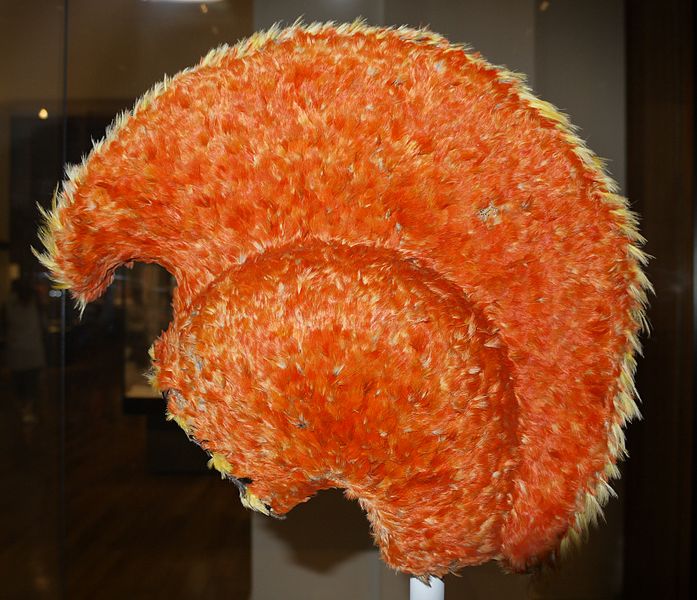
ʻoki mahiolea haircut with crest of hair left down the middle of the head mahiole [ma-hi-o-le]. s. A war cap; a helmet; an officer's cap. 1 Sam. 17:5. maʻi ʻaumakua [maʻi ʻau·makua]. n. sickness caused by ʻaumakua as punishment for wrong doing, as eating the ʻaumakua animal form, or kapu plant or fish, or wearing forbidden clothing. (Kam. 64:95) makaaniani [maka·ani·ani]. n. eyeglasses, spectacles. lit., crystal eye. cf. pilimaka, contact lenses... makaaniani ʻūmiʻispectacles held on the nose with clips, and without supporting handles on the ears; pince-nez makalena [maka·lena]. n. fine muslin cloth. Eng. makalena puʻu [maka·lena puʻu]. n. dotted swiss cloth. lit., lumped muslin. Manila. n. Manila hat, named for the city. Manila [ma-ni-la]. s. The name given to Manila hats from the city Manila. maʻuʻa. vs. careless, as of clothing, mats, tapa, property. I loko nō a ka hune, komo maʻuʻa nō i ka lole.In spite of poverty, wearing clothes without taking care of them. maunu. n. bait; objects used in black magic, as hair, spittle, parings, excreta, clothing, food leavings. [PPN *ma-unu, bait: *ma(a)-unu] maunu ʻai ʻolebait that fish will not take maunu [ma-u-nu]. s. A species of crab used for bait in catching fish. Any bait for taking fish. The writhing motions of a fish worm on a hook. Anything belonging to a person, as his kapa, hair, spittle, &c., which another could get, and by means of it, could pray him to death. See mele na Niau. mauʻu pilipili [mauʻu pili·pili]. n. the bristly foxtail (Setaria verticillata), a hairy grass from Europe and Asia, growing like a weed in Hawaiʻi. The green, cylindrical flower heads are full of barbed bristles that cling to animals and clothing. lit., sticking grass. (Neal 75–6) mikilima [miki·lima]. short for mīkini lima, gloves, mittens... mīkini₂ [mī·kini]. n. mitten, glove. Eng. mikini lima. n. var. spelling of mīkini lima, glove, mitten. lit., hand mitten mīkini lima, mikini lima [mī·kini lima]. n. glove, mitten. lit., hand mitten (Eng.). cf. mikilima, short for muʻumuʻu₂ [muʻu·muʻu]. n. a woman's underslip or chemise; a loose gown, so called because formerly the yoke was omitted (cf. muʻumuʻu₁), and sometimes the sleeves were short. cf. holokū. muumuu [muu-muu]. s. A shift or under garment worn by females.
Ppaʻa lole komo. suit (clothing) (EH) pāhoehoe₂ [pā·hoe·hoe]. n. satin. pāhoehoe lau. brocaded satin (EH) paʻi ā paʻi. vs. equal, as of two persons; to tie, have a draw. cf. paʻi₂. hoʻopaʻi ā paʻito make similar; to copy the clothing or manners of another, to ape, mimic, imitate Ua paʻi ā paʻi lāua ma ka naʻauao.They are equals in wisdom. paʻipaʻinahā [paʻi·paʻi·nahā]. n. tapa cloak worn over the shoulder like a cape. paipainaha [pai-pai-na-ha]. s. A cloak; a garment; a kapa. paʻiʻula₂. calabash receptacle for sarongs. (AP) paiula [pai-u-la]. s. Art. ke. A kind of platform used for spreading out paus. pākana [pā·kana]. n. waist, shirtwaist, blouse; pattern. Eng. palaʻili [pala·ʻili]. n. T-shirt; any pullover-style shirt. Niʻihau. cf. paleʻili. palaʻili kāʻawe [pala·ʻili kā·ʻawe]. n. tank top. lit., t-shirt (with) strap. also paleʻili kāʻawe. cf. palaʻili, paleʻili. palaka₃. n. a checkered shirt, usually blue and white, of block-print cloth; in the 19th century, a coarse work shirt worn by males, known then in English as a "frock", mentioned frequently in the literature and especially in Peter Kaʻeo's letters in 1873–4 to his cousin, Queen Emma (Korn 1976, pp. 14–38), and hence probably from English "frock" rather than from "block". Eng. palaka. n. shirt, with short or long sleeves. [mān] palaka [pa-la-ka]. The name applied to a short shirt; he wahi palule pokole. palauki. n. blouse. Eng. palauki. n. blouse. also lakeke. pale₇. n. apron, bib. paleʻaʻahu. n. underclothes, underwear. (Kel. 105) pale hānai [pale hā·nai]. n. child's bib. pale hou. n. sweatband, in a hat; protection from perspiration. paleʻili. n. undershirt. paleʻili kāʻawe [pale·ʻili kā·ʻawe]. n. tank top. lit., t-shirt (with) strap. also palaʻili kāʻawe. cf. palaʻili, paleʻili. paleʻili o lalo. n. underdrawers. (Kel. 105) paleʻili o luna. n. undershirt. (Kel. 105) palekoki [pale·koki]. n. petticoat, skirt. cf. pūheheo. Eng. palekoki ʻekekeʻi. short skirt (EH) palekoki lōʻihi. long skirt (EH) pale kuene. n. apron. Niʻihau. also ʻepane. palemaʻi [pale·maʻi]. n. underdrawers; sometimes used for undershirt. lit., genital protection. (Kel. 45) palemaʻi [pale·maʻi]. n. underpants. also lole wāwae palaʻili; sanitary pad. Niʻihau. palemai [pa-le-ma-i]. s. Pale and mai. An undershirt; lolewawae palemai, drawers. palemaʻi o lalo [pale·maʻi o lalo]. n. underdrawers. palemaʻi o luna [pale·maʻi o luna]. n. undershirt. pale maka. n. veil that conceals the face, especially as worn by Arab women. palemaka [pa-le-ma-ka]. s. Pale and maka, face. A veil; a covering for the face. Kin. 38:14. pāleuleu [pā·leu·leu]. vs. old, worn-out, as tapa, mats, or clothing. cf. ʻāleuleu. paleupoʻo [pale·upoʻo]. n. helmet. pale wāwae [pale wā·wae]. n. foot covering or protection; house slipper or sandals (also kāmaʻa pale wāwae); leather part of stirrups covering the rider's feet. He pale wāwae koʻu ʻili nona.My skin is [something] for her feet to walk upon. (For. 5:547) palewawae [pa-le-wa-wae]. s. Pale and wawae, leg. Greaves; defensive armor for the legs. Isa. 9:4. pālule [pā·lule]. n. shirt. see ex. ʻōniʻoniʻo. Eng. (blouse). pālule [pā·lule]. n. shirt, with short or long sleeves. also palaka. palule [pa-lu-le]. s. Name of the loose under garment for men; a shirt; palule onionio. Puk. 28:4. A broidered coat; he lole komo kane. Soft cotton or woolen cloth. pāpale [pā·pale]. nvt. komo i ka pāpaleto put on a hat [new form] pāpale i ka pāpaleto put on or wear a hat Ua ulu kou nani ā pāpale maluna o kou kaikuaʻana.Your beauty has increased so it overshadows that of your sister. (Laie [173]) pāpale [pā·pale]. n. cap, hat. pāpale kapuhauski cap, stocking cap pāpale konedunce cap, clown hat papale [pa-pa-le]. To have or to put on a hat or bonnet. Ezek. 44:16. Metaphorically, to cover up; to hide; ua ulu kou nani a papale maluna o kou kaikuaana. Laieik. 196 [173]. s. Pa and pale, a defense. A hat; a cap; a bonnet; any covering for the head. A chapiter for the top of a pillar. 2 Oihl. 3:15. A shovel. Puk. 27:3. Papale hainika, a mitre. Puk. 28:4. Papale kahuna, a mitre. Oihk. 8:9. Papale laa, a holy crown. Puk. 39:30. pāpale i ka pāpale. to wear a hat (EH) pāpale Kaleponi [pā·pale kale·poni]. n. felt hat. lit., California (Eng.) hat. pāpale kapu [pā·pale kapu]. n. cap. lit., cap (Eng.) hat. papalekapu [pa-pa-le-ka-pu]. s. A cap. pāpale lauhala. n. lauhala hat. (KAN) pāpale piwa. beaver hat (EH) pāpale pua. hat made of sugar-cane stem (EH) pāpale pua kō. hat made of sugar-cane stem (EH) pāpalu [pā·palu]. nvt. apron, covering, as to conceal nakedness; to cover. Kui ihola lāua i nā lau piku a paʻa, i mau pāpalu no lāua.They sewed fig leaves together, and made themselves aprons. (Kin. 3.7) papalu [pa-pa-lu]. v. To bind up; to dress, as a wound. To hide; to put out of sight; to cover up. To go off and hide one's self. s. An occasional dress when employed in dirty work that would injure a common dress. A dress different from the pa-u. An apron. Kin. 3:7. The principal covering garment, or covering of a person. pāpio₂ [pā·pio]. vt. pressed down, flat, especially of a woman's pāʻū, skirt; furled, as a flag, or as the makahiki banner; to hold flat; to tuck under, as a hen with chicks; sideways. KamalopāpioThe malo [-flap] held down. (name) noho pāpioto sit properly with knees together and feet to one side, of women pāpio i ka palekokito hold the skirt flat down [as in a strong wind] pareu. n. sarong. (KAN) pāʻū₁. nvt. woman's skirt, sarong; skirt worn by women horseback riders; to wear a pāʻū. fig., the sea. cf. pāʻū halakā. (UL 36) hoʻopāʻūto put on a pāʻū pāʻū hulaany kind of dance skirt pāʻūoluʻukiaornamental sennit lashing of canoe float to outrigger boom, said to have been named for the chastity belt worn by Luʻukia (Malo 134, Emerson note) peleka. n. felt, a type of fabric. Eng. pelu. n. hem, as of a dress. see kaʻa kaupaku pelu. pena kuʻemaka [pena kuʻe·maka]. n. eyebrow pencil. Niʻihau. hana i ka pena kuʻemakato 'put on' or 'do' one's eyebrows pena lehelehe [pena lehe·lehe]. n. lipstick. lit., lip paint. also pena waha. pena lihilihi maka [pena lihi·lihi maka]. n. mascara. Niʻihau. hana i ka pena lihilihi makato put on mascara pena maka. n. makeup; to put on makeup. lit., paint (the) face. mea pena makamakeup artist, as for a play, movie, or video production pena waha. n. lipstick. Niʻihau. also pena lehelehe. cf. peni pena waha. hana i ka pena wahato put on lipstick piʻi₆. n. triangular piece inserted in a holokū skirt to add width, or inserted at the base of the legs of bell-bottom trousers. PPN *piki.
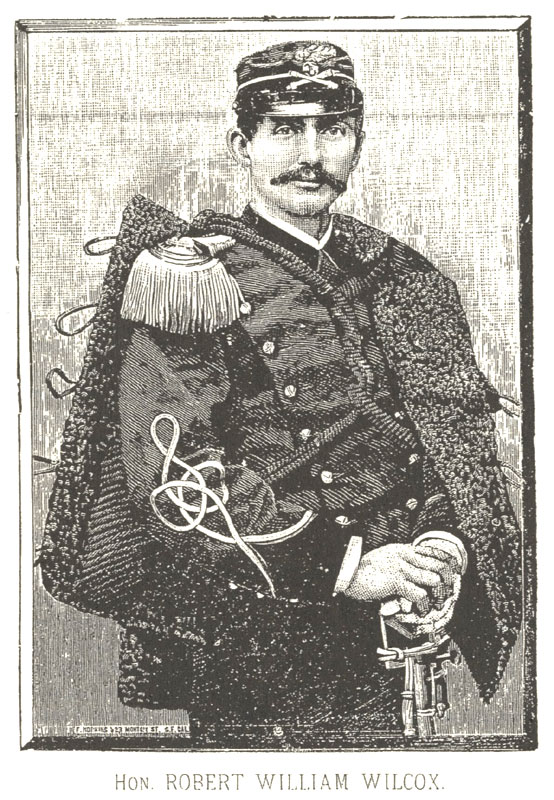
a e luhe ana hoʻi nā pīlali gula ma kona mau kīpoʻohiwigold epaulets hanging as well, at the tips of his shoulders (Lafelaka - 1893) e kau ana nā pīlali gula ma ka poʻohiwigold epaulets set on his shoulders (Napoliona - 1907) me nā pīlali e kau ana ma kona mau poʻohiwiwith epaulets on his shoulders Wilikoki - 1890, p.32 pīnauea₂ [pī·nau·ea]. vs. short and skimpy, as a skirt or pāʻū. rare. pōhuehue₂ [pō·hue·hue]. n. poetic name for a fisherwoman's skirt, so called because the goddess Haumea draped pōhuehue vines about herself as she fished. pua pilipili [pua pili·pili]. n. the Spanish clover (Desmodium uncinatum), a South American herb, long established in Hawaiʻi. It is good fodder. The plant is 30 to 90 cm high, each leaf having three ovate leaflets with a light area along the midrib. Flowers are small, pink or whitish, pea-shaped. Pods are narrow, flattened, chainlike, 2.5 to 5 cm long, clinging to clothing and animals. also kīkānia pipili. see pilipili ʻula. (Neal 451) puapuamoa₁ [pua·pua·moa]. n. long-tailed dinner coat. also pupuamoa. puapuamoa [pu-a-pu-a-mo-a]. s. See pupumoa, i. e., puapua and moa, a fowl. A long skirted coat. See puapua, v., 3. pūheheo [pū·heheo]. vs. round and swirling, as a full skirt or pāʻū with many folds. also pōheheo. cf. heo₁. puka pihi. n. buttonhole. pukikī. n. var. spelling of Pukikī₂, a tight-waisted dress, supposedly worn once by Portuguese. Pukikī₂, pukikī [puki·kī]. n. a tight-waisted dress, supposedly worn once by Portuguese. pukiki [pu-ki-ki]. A name given to tight waisted dresses for females. Sewed tightly; akamai i ka humuhumu papale pua, me ka papale pukiki. puliki [pu-li-ki]. s. A vest; any garment girded around the body. pūliki kaua [pū·liki kaua]. n. suit of armor, coat of mail, habergeon. lit., war vest. (2 Oihn. 26.14) pulikikaua [pu-li-ki-kau-a]. s. A habergeon; a war dress. 2 Oihl. 26:14. pūliki koa [pū·liki koa]. n. same as pūliki kaua, suit of armor, coat of mail... (Neh. 4.16) pulikikoa [pu-li-ki-ko-a]. s. A habergeon; a war dress. 2 Oihl. 26:14. pūlima₁ [pū·lima]. n. wrist, cuff. iwi pūlimaany one of the eight carpal bones of the wrist pulima [pu-li-ma]. s. Pu for puu, and lima, hand. The wrist bones; the wrist; pulima palule, wristbands of a shirt. adj. Pertaining to the wrist; iwi pulima, the wrist bones. Anat. 19. pupuamoa [pupua·moa]. n. dress suit, tails. pupuamoa [pu-pu-a-mo-a]. s. Pupu and moa, a fowl. A long skirted coat; so called from its resemblance to the tail of a fowl. pūpū hoaka [pū·pū hoaka]. shell bracelet. (And.) pupuhoaka [pu-pu-ho-a-ka]. s. Pupu, shell, and hoaka, a crescent. An ornament for the wrist made of small shells.
Ssatini. var. spelling of kākini₂, sateen...
Uua komo mai nei ʻoe i kou ʻaʻahu. Have you dressed yet? (EH) uea kau lole. n. hanger. lit., wire (for) placing clothes. see lāʻau kau lole, mea kau lole, ʻea kau lole. uhikino [uhi·kino]. n. body covering, garment, shield. pale kaua a me ka uhikinoshield and buckler (Hal. 35.2) uhikino [u-hi-ki-no]. s. Uhi, to cover, and kino, the body. A covering for the body; a shield. Hal. 35:2. uliuli [u-li-u-li]. adj. See uli. Blue. Puk. 25:4. Green. Kanl. 12:2. Dark colored. Iob. 6:16. Black. Mel. Sol. 5:11. Ka moana uliuli; ka lole uliuli. s. Green things; verdure; a pasture. Ioel. 1:19. uliuli₁ [uli·uli]. same as uli₁, any dark color, including the deep blue of the sea, the ordinary green of vegetation, and the dark of black clouds... he lole uliuliblue clothing (Puk. 25.4) hoʻouliulisame as hoʻouli ʻūmiʻi ʻilikuapo [ʻū·miʻi ʻili·kuapo]. vt. belt buckle. also ʻūmiʻi. ʻūmiʻi lauoho [ʻū·miʻi lau·oho]. n. hair clasp. ʻūmiʻi lauoho [ʻū·miʻi lau·oho]. vt. bobby pin. Niʻihau. ʻupaʻupā. redup. of ʻūpā, any instrument that opens and shuts, as shears, scissors, tongs, bellows, carpenter's compass; to beat, as the heart...; to rub clothes up and down a washboard.
W
wauke [wau-ke]. s. See waoke. The kapa shrub. wāwae ʻēpane. n. overalls (KAN) wāwae olonā. linen trousers (EH) wehe i ka pāpale. to tip the hat (EH) wehe i ka pihi. unbutton (EH) |