| Pukui & Elbert - 1986
P&E : Eng-Haw - 1986 Māmaka Kaiao - 2003-10 hide Andrews - 1865 Andrews-Parker - 1922 |
Hawaiian-English concordance English-Hawaiian introduction counts index reverse index references topical texts Hawaiian - English |
updated: 6/23/2020
|
| a 3318 | e 630 | h 7196 | i 1128 | k 8992 | l 3066 | m 4507 | n 1755 | o 2109 | p 7467 | u 1445 | w 1402 |
e
ea eb ed ee eg eh ei ek el em en eo ep er es et eu ev ew
|
e₁ part. marking imperative/intentive mood. see e (verb) ai, e (verb) ana. (Gram. 5.4) PCP *e. e is the sign of the imperative mood, And generally of the infinitive also, though after hiki and pono the e of the infinitive is changed into ke. Gram. § 191 and 193. E is also the sign of the future tense. Gram. § 190, 1. e₂ agentive part. by, by means of (follows a pas/imp.). (Gram. 9.9) [PPn *e, preposed agent marker: *(q)e] Ua ʻāhewa ʻia ʻoia e ke aliʻi.He was blamed by the chief. e prep. By. As a preposition, it is mostly used after passive verbs to express the agent; as, ua ahewaia oia e ke alii, he was condemned by the chief. Many verbs have no sign of a passive voice, the construction of the sentence alone determines it, and the e thus situated helps determine the point as much as anything; nui loa hoi ka poe daimonio i mahiki aku e ia. Gram. § 105,11. e₃ infinitive part. used before certain subordinate verbs. (Gram. 5.4) [(EO) PPn *ke, verbal particle introducing subordinate clauses; in order to, so that] Makemake au e hele.I want to go. ē₁ voc. part. a second ē often follows the head word for emphasis. Ē is shortened to e before third-person pronouns: see e ia nei, e lākou ala. PPN *(ʻe)e. Ē ke aliʻi o Maui.O chief of Maui. e standing before nouns marks the auihea or vocative case; it also often follows the same case; as, e ka lani e, O chief. Gram. § 105, 8. is used also to call or invite attention to what one is about to say; a contraction, perhaps of ea. NOTE.—E is mostly used at the beginning of an address, and ea in the middle, or if a single sentence, only at the end. ē₂ intensifying part. as in the common exclamation below. (Gram. 7.5) ē₃ interj. Alas! ē₄ a word used only at the end of a sentence or phrase, with meanings such as: yeah; right; isn't that so? (commonly pronounced the same as the French hein which carries the same meaning.) Paʻakikī loa kēlā haʻawina, ē?That was a really hard lesson, yeah? ʻe- prefix to numerals, inanimate, as ʻekahi, ʻelua, ʻekolu. PPN *e. ʻe After a word ending in a, 'e is a contraction for ae. ʻē₁ nvs. different, strange, peculiar, unusual, heathen (Biblical), other. cf. ʻē aʻe, ʻano ʻē, mea ʻē. (Gram. 1.4) [PPn *kehe, different, be different, other] He ʻē!How strange! [It] is gone, past! e adv. Other; another; strange; new; mea e, a stranger, a strange thing; kanaka e, a stranger; often syn. with malihini. Nah. 15:15. following either active, passive or neuter verbs signifies before hand, and serves to mark a kind of second future tense of the verb; as, lohe e au, I heard before; hiki e mai oia, he had arrived first. Gram. § 190, 2d. ʻē₂ interj. yes (unemphatic, as in mild agreement and indicating that one has heard; cf. ʻae). [PPn *ee, yes] e adv. Synonymous with and a contraction for ae; yes. E, yes, is more familiar, and not so dignified and respectful as ae. see ae. ʻē₃ n. the letter "e". Eng. e the second letter of the Hawaiian alphabet. It represents the sound of the long slender a in English, or its sound is like that of e in obey. It is sometimes commuted for a, as in the numericals from elua, alua, to eiwa, aiwa; also in alelo, the tongue, elelo; mahana, warm, mehana. In an unaccented syllable at the end of a word, its sound is similar to that of the English y, as ope, opy; mahope, mahopy, &c. ʻē₄ n. key of A (music). Eng. MUS ʻē₅ nvs. away off, elsewhere (Gram. 1.4) Hele ma kahi ʻē!Go away! Get out! Holo ʻē lākou.They fled beforehand (away, elsewhere). I kahi ʻē ka ua, waele ʻē ke pulu.When the rain is elsewhere, open up beforehand the mulch [prepare for rain before it comes]. (ON 1178) e adv. From; away; e holo e lakou, they will flee from; e puhi e, blow away; i kai lilo e, at sea afar off; v. To enter, as into a country or city. To dash upon, as waves upon the deck of a ship; aohe o kana mai o ka nui o na ale i e maluna o ka moku. see ee. ʻē₆ nvs. beforehand, already, before, premature, in advance (sometimes translated ‘had’ and called by (And) a sign of the pluperfect tense, although it is used after the imperative mood). (Gram. 1.4) Holo ʻē lākou.They fled beforehand (away, elsewhere). I kahi ʻē ka ua, waele ʻē ke pulu.When the rain is elsewhere, open up beforehand the mulch [prepare for rain before it comes.. (ON 1178) ʻIke ʻē lākou.They already knew. keiki hānau ʻēprematurely born child e (verb) ai particles indicating imperative/intentive mood and accompanying subordinate verbs (ai in this case is the anaphoric ai). (Gram. 5.4, 7.3) e (verb) ala same as e (verb) lā. ʻOia ia lepo ʻula āu e ʻike ala.It's that red dirt you see over there. e (verb) ana particles indicating incompleted action and future. (Gram. 5.2) [Pn(CE) *e__ana, continuous aspect marker] e (verb) lā similar to e (verb) nei, except that lā indicates action away. (Gram. 5.2) e (verb) nei particles indicating imperfect aspect and future tense and accompanying subordinate verbs. The nei indicates action here or now. See (Gram. 5.2). ea eb ed ee eg eh ei ek el em en eo ep er es et eu ev ew -top- ea eaaa eae eaea eaek eaha eaho eahu eaka eaku eama eaol eapa eapo eaul eawa -ea pejorative suffix. see hanaea, luea, nanaiea, poluea. (Gram. 6.5) PNP *-ea: cf. Rennellese -ea. ea₁ n. Hoʻihoʻi i ke ea o Hawaiʻi.Restore the sovereignty of Hawaiʻi. Lā Hoʻihoʻi Ea.Restoration Day. ea₂ n. He palupalu lākou, he ea hele wale aku.They were flesh, a wind that passes away. (Hal. 78.39) kaha eato deprive of rights of livelihood Kāʻili ʻia aku ke ea o ʻAberahama.Abraham gave up the ghost; lit., the breath of life was snatched away. (Kin. 25.8) Ua mau ke ea o ka ʻāina i ka pono.The life of the land is preserved in righteousness. (ON 2829 motto of Hawaiʻi) āohiohi eaair resistance, i.e. the force of air against a moving object pōhaku puka eaair stone, i.e. the porous rock in an aquarium that creates tiny bubbles at the surface of the water to facilitate the exchange of gases pūnuku ea makegas mask, as used during World War II ea s. Takes ke for its article. Spirit; vital breath; the breath of life. Life itself; oiai ke ea, while life lasts. The natural breath of life. 1 Tes. 2:8. E kaili aku ke ea, to die. Kin. 25:8. The breath of man or beast. Kekah. 3:21. Nani ka lokomaikai o ke Akua I kona haawi ana mai i ke ea o ke kanaka. Hal. 78:39. syn. with hanu. Isa. 42:5. He makani ku malie, oia ka makani e hanu ai kakou, the breathable air. ea₃ vi. to rise, go up, raise, become erect. cf. aea, to rise up,to raise the head..., eʻea, to rise up frequently, as in water..., hōʻea, to arrive..., maea₁, to rise to the surface... [PPn *eʻa, emerge, appear on surface of water after being submerged] [Aea; piʻi mai lalo aʻe o ka wai a kai paha a ʻōʻili i luna i ka ʻili o ia wai a kai paha. puka mai lalo o ke kai a i ‘ole o ka wai.]₁₄,₁₉FIS ʻAʻole hoʻi au e ea maluna o koʻu wahi moe.I will not go up into my bed. (Hal. 132.3) kai earising sea (Kep. 183) ke ea ʻana o ka ʻai, ka iʻathe obtaining of Ua ea kona poʻo.His head was raised. ea v. To raise up, as a person bowed down. To lift or throw up. To raise up, as from the grave. Iob. 7:9. To mount or go up upon, as an ancient bed. Hal. 132:3. To rise up, as water. Puk. 15:8. Hoo. To be thrown or raised up, as land out of the ocean; ua hoea mai na aina mai loko mai o ka moana, the land was thrown up out of the ocean. To rise in sight, as a cloud. 1 Nal 18:44. To heave in sight, as a ship; a hoea mai makai aku o Hilo, she hove in sight off Hilo. To rise up, as out of the water. Kin. 41:2, 3. To stir up, excite, as the affections; ia manawa ka hoea ana mai o ka hai, at that time was the exciting of other’s love. ea₄ vi. to smell. Also ʻea. cf. maea, māeaea. Perhaps PEP *ea. ea ʻinoʻino, ea pilauevil-smelling, rotten-smelling eā tra-la-la. (EH)
ʻea₁ n. ea s. A species of turtle much valued on account of the shell. The shell itself; he ea kuu wakawaka. Eset. 1:6. Put for ivory. NOTE.—The ea was forbidden to women to eat, under the kapu system. ʻea₂ vs. reddish-brown, as the color of the ʻea shell. cf. ʻea mālani, ʻea ʻula. bc COL ʻea₃ n. a general term for infections and infectious diseases; coated tongue, sometimes accompanied by sore throat, the thrush disease of children. Many diseases of miscellaneous nature begin with ʻea and are listed below. bc [PPn *kea, thrush (throat infection): *ke(q)a]ILL ʻEa ka waha.The tongue is coated. ʻOia kamaʻilio aku a ʻea ka waha, ʻaʻohe lohe ʻia mai.While talking on until the tongue is coated, yet no one pays any attention [a metaphor to show exasperation]. ea s. The thrush or aphthæ, a disease of children; art, ka. ʻea₄ n. spray. cf. ʻeʻa, dust. These words are sometimes interchanged. bc Kū ka ʻea i ka moana.The spray rises in the sea. ea s. Dirt; dust raised by the wind. Ea me he opua hiki kakahiaka la, Me he mea la o Hoku o Mahealani Ka hukiku o ka waa la i ka lae. adj. Dirty; dusty, as when the air is full of dust. ʻea₅ vocative interj. usually at the beginning or end of utterances. (1 Sam. 9.5) , (Lunk. 7.3) . (Gram. 12) bc [ʻeā: ʻauhea ʻoe / ʻolua / ʻoukou; ʻē; he ʻōlelo ma ka hoʻomaka ʻana o kekahi hopunaʻōlelo no ke kāhea ʻana i kekahi a i ʻole i mea hoʻomaliu mai i kekahi iā ʻoe.]₁₄ Hoʻolohe mai ʻoukou, ʻea.All of you there, listen. ea int. The expression of a call to one’s attention, as aloha oukou, ea, to which a reply is expected; generally ae. aloha. is used in answer to a call, more familiar and disrespectful than eo. Ea is also used by a speaker to call the attention of his hearers to some particular point which he is about to state; its frequency of use is according to the taste of the speaker; it is brought out generally, in the middle of a sentence. Lunk. 7:3. Sometimes it commences a speech. 1 Sam. 9:5. ʻea₆ var. of ea₄, to smell. bc ea adj. Strong smelling, as meat or food kept too long. see eaea. ʻea₇ nvi. noisy; to yell, whoop; whoop. bc E kani ana ka ʻea.A whoop sounded. ea adj. Windy; noisy; without effect; he ea ka waha i ke ao ana i ke keiki hookuli, wahapaa; noisy; clamorous; assenting to the commands of a parent, but not obeying; disobedient. ʻea₈ var. of ea₂, life, air, breath, respiration, vapor, gas..., ea₃, to rise, go up, raise, become erect... bc A waiho i ka ʻea nā iwi o kama hele.The traveler's bones are left in the air. [said of one dying in a foreign land] (RC 367) ke ʻeke ʻeaplastic bag. cf. pūʻolo pepa tuko paipu ʻeaplastic pipe cement ʻeā₁ interj. Isn't that so? That's it! bc [ʻAʻole anei?; ē?; he ʻōlelo ma ka pau ʻana o kekahi hopunaʻōlelo e noi ana i kekahi e hōʻoia i ka pololei o kāu ʻōlelo.]₁₄ ʻEā, e aha ana ʻoukou?Say, what are you up to? Pēlā, ʻeā?It's that way, is it? Ua hele aku ʻoia i Honolulu, ʻeā.She went to Honolulu, you know. ʻeā₂ song refrain. see (EM 81). also ʻeāʻeā, interj. at end of verses in some chants that maintains rhythm and affords pleasure in repetition, something like English tra-la-la... bc Kohā ka leo o ka wai kini, ua laʻi eā, ka wawalo i ka ʻohu noe i nā mauna eā.The roaring voice of the many waters is calm, tra-la, the roaring in the misty clouds in the mountains, tra-la. (song) ʻea n. melody, tune. also leo. see mū hōlapu pale ʻea pau, ʻōnaehana pale ʻea, ʻukulele ʻea honu. Eng. (air). MUS ea s. In music, the highest part; the air. ʻeʻa₁ nvs. dust, dirt, dust cloud, spray (ʻeʻa and ʻea₄ are probably interchanged at times). WIN Kū ka ʻeʻa i ke kula.The dust cloud rose over the plain. ʻŌkaʻi ka ʻeʻa, ʻōkaʻi huakaʻi ʻula.A marching cloud of dust, a red procession on the march [warriors with feather cloaks]. ea s. Ku ka ea o Lahainaluna i ka lepo; dust raised by the wind, but not a whirlwind. ʻeʻa₂ n. mountain banana patch. BAN Līlā ka maiʻa o ka ʻeʻa, wili ka ʻōkaʻi.Spindly is the growth of the mountain banana patch, the blossom container twists [even a spindly plant may bear fruit]. ʻeʻa₃ n. a fish similar to ʻaʻawa, but with dark flesh. FIS ea s. A species of fish, somewhat similar to the hilu, aawa and poou. eaʻaʻā n. gas. lit., burning air. ʻē aʻe vs. different, other, another, else. eaea₁ [ea·ea] n. air, breath, air current. Some confusion exists in the uses of eaea, ʻeaʻea, and ʻeʻaʻeʻa. eaea [ea·ea] vs. aerated; aerobic, i.e. living, active, or occurring only in the presence of oxygen. see hōʻeaea. ka hoʻohāpopo eaea ʻanaaerobic decomposition ka hoʻohāpopo eaea ʻole ʻanaanaerobic decomposition eaea₂ [ea·ea] to rise; high waves. redup. of ea₃, to rise, go up, raise, become erect...; PPN *eʻaeʻa. FIS He iʻa no ka pāpaʻu, he loaʻa wale i ka hopu lima; he iʻa no ka hohonu, noho i ke eaea.Fish of the shallows, gotten merely by catching in the hands; fish of the depths stay in the high waves [some tasks are easier than others]. eaea₃ [ea·ea] a smell, as of seaweed; to smell. redup. of ea₄, to smell...; SWD eaea s. see ea, adj., above. The strong, offensive smell of meat; eaea, paoa, hauna, hohono; eaea ka iloli o ka mano o Koolau; eaea ka hohono o ka palani (barani.) eā eā refrain₂, tra-la-la. (EH) hoʻeaeato approach ʻeaʻea₁ spray; encrusted with spray (sometimes confused with eaea and ʻeʻaʻeʻa). redup. of ʻea₄, spray...; FIS Ka lawaiʻa nui i ʻeaʻea nā kuʻemaka, i ʻehuʻehu nā lihilihi.The great fisherman whose brows are sprayed with sea and whose lashes are reddened [admiration of a fisherman]. (ON 1436) eaea v. To cover the eyebrows, as a fisherman, to shade the eyes while looking into deep water for fish; ka lawaia nui i eaea na kuemaka i ehuehu na lihilihi. v. To be covered with dust, as one out in the wind where the dust is flying; eaea na kamalii o Lahainaluna i ka lepo. ʻeaʻea₂ dignified, honorable. (And.) eaea adj. Dignified; honorable; high. syn. with hanohano, hiehie, eaea kai. Me he wawae, kuhaka la ka eaea. ʻeaʻea₃ n. a bird (no data). BIR ʻeāʻeā interj. at end of verses in some chants that maintains rhythm and affords pleasure in repetition, something like English tra-la-la. PAN MUS Nani wale nā hala, ʻeāʻeā, o Naue i ke kai, ʻeāʻeābeautiful indeed the pandanus, tra-la, of Naue by the sea, tra-la (song) ʻeʻaʻeʻa dust; dusty; obscure, darkened, cloudy, shady; to cloud, overshadow (sometimes confused with eaea and ʻeaʻea). redup. of ʻeʻa₁, dust, dirt, dust cloud, spray...; WIN eaeakai s. That which is covered with sea drops or the spray of the sea. ʻea ʻekeʻeke [ʻea ʻeke·ʻeke] n. six-pack ring, i.e. the plastic ring which holds the cans together. lit., six-pack plastic. ʻea ʻekeʻeke koloakasix-pack soda ring ʻea ʻekeʻeke piasix-pack beer ring eaha adv. int see E. E, sign of the future tense, and aha, what. How? what? used with the future, as heaha is with the present and past; eaha ia oe? how will it be with you? what will become of you? Eaha ana oukou? what will you be about? ʻea hanu paʻa n. condition of frequent colds. lit., ʻea with hardened breath. ʻea houpo lewalewa n. var. spelling of ʻeahoupo lewalewa, great hunger, perhaps due to diabetes. lit., loose-hanging diaphragm ʻeahoupo lewalewa, ʻea houpo lewalewa [ʻea·houpo lewa·lewa] n. great hunger, perhaps due to diabetes. lit., loose-hanging diaphragm ʻea. ILL ʻea huna n. dizzy spells, dizziness; latent ʻea disease. (Kam. 64:103)ILL ʻea kai wawaka n. impaired vision, perhaps labyrinthitis. ILL ʻea kāki n. charge card. lit., plastic (for) charging. also kāleka kāki. ʻea kakua n. var. spelling of ʻea kākua, a disease, perhaps secondary lues; lumbago. AltSpel BOD ILL ʻea kākua, ʻea kakua [ʻea kā·kua] n. a disease, perhaps secondary lues; lumbago (EH). (Kam. 64:115)BOD ILL ʻea kāmoloā n. var. spelling of ʻea kāmolowā, condition of listlessness. AltSpel ILL ʻea kāmolowā, ʻea kāmoloā [ʻea kā·molo·wā] n. condition of listlessness. ILL ʻea kau lole n. hanger, when made of plastic. lit., plastic (for) placing clothes. see uea kau lole, lāʻau kau lole, mea kau lole. ʻea kua neneke n. a variety of ʻea, a land tortoise. lit., tortoise with back fitted into sections. ʻea kūkaʻa [ʻea kū·kaʻa] n. disease with swelling symptoms. ILL ʻea kū manawa n. severe headaches, perhaps due to high blood pressure. lit., ʻea at fontanel. ILL ʻea māhani [ʻea mā·hani] n. a type of ʻea [illness] described as evanescent [vanishing, fading way, fleeting]. (Kam. 64:103)ILL ʻea mālani [ʻea mā·lani] nvs. light-brown in color. see ʻea₂. COL eamāmā [ea·mā·mā] n. gas. lit., light air. eaolamāmā [ea·ola·mā·mā] n. oxygen. lit., light life breath. ʻeaʻōlena n. var. spelling of ʻea ʻōlena, jaundice, hepatitis. AltSpel BOD ILL ʻea ʻōlena, ʻeaʻōlena [ʻea ʻō·lena] n. jaundice, hepatitis. BOD ʻea painaʻāpala [ʻea paina·ʻā·pala] n. polyethylene. lit., pineapple plastic (from the plastic used when planting pineapples). see hāliʻi ʻea. ʻea pōniu [ʻea pō·niu] S n. dizziness, vertigo. ILL ʻea ʻula nvs. wine-colored, such a color. COL ʻea wāhi paʻa n. osteomalacia, gradual softening of the bones. ILL ʻea wawaka n. acute childhood ʻea disease. (Kam. 64:105)ILL eboni s. Eng Ebony, a species of black wood. Ezek. 27:15. Edena var. spelling of ʻĒkena₂, Eden... edena s. Heb. Name of the garden planted for our first parents. Kin. 2:8. Edinaboro var. spelling of ʻEkinapolo, Edinburgh... ea eb ed ee eg eh ei ek el em en eo ep er es et eu ev ew -top- ee eea eee eeel eehi eehu eei eeia eeie eein eeka eeke eeku eele eelo eeme eemo eemu eena eene eepa eeu eewa eʻe₁, ʻeʻe nvi. hoʻēʻeto rise or swell, as surf; to mount, as a surfer mounts a wave (2-Oihn. 35.24) Hoʻēʻe akula ia i ka noho maluna o kona hoki.He saddled his ass. (Kin. 22.3) kai hoʻēʻetidal wave, deep sea ʻeʻe vi. to board, go aboard, get on, etc. [+] vi. to log on, log in, as of a network or other computer system. cf. lele. ee v. see E, to dash upon. To mount; to get upon anything higher, as a horse; to leap upon; to get on board a ship; ee aku la maluna o ka moku; to get into a carriage. 1 Nal. 12:18. To go aboard a vessel. Hoo. To receive on board a ship; to put upon, as a saddle upon a horse. Kin, 22:3. To set or put one up, as upon a horse. Kin. 31:17. To pass from one carriage to another. 2 Oihl. 35:24. Ee maluna o ka waa; ee maluna o ka lio. see ae, 4. adj. Hoo A rising; a sweeping; as, kai hoee. Dan. 9:26. eʻe₂ same as aʻa₂, to extend greetings. bc ee adj. Caressing; inviting; kind; he makamaka ee, he iike, he lokomaikai, he koe ole, aole wawau. ʻeʻe vs. hard, stiff, dry. cf. kaʻeʻe. [Pn(NP) *keke, stiff, hard, inflexible] ee adj. Maloo, kaee; dry; not wet. ʻēʻē₁ contrary, peculiar, opposite; adversely. redup. of ʻē₁, different, strange, peculiar, unusual, heathen...; PPN *kesekese, PEP *keekee. E pale ana i ka wawā lapuwale, a me ke kū ʻēʻē ʻana i ka mea i kapa hewa ʻia he naʻauaoavoiding profane babblings and oppositions of the thing falsely called science (1-Tim. 6.20) He ʻēʻē wale nō kona manaʻo.His opinion is in opposition. hoʻēʻēto keep away from, avoid ʻēʻē- pref. a prefix meaning anti-, scientific term only. [+]SCI ʻēʻēhuna ʻinepositron, an anti matter electron ʻēʻēmeakinoantimatter ee adv. Opposite to; adversely; against. 1 Tim. 6:20. ʻēʻē₂ n. yellow underwing feathers of the ʻōʻō, a bird, as used in featherwork. BIR ee adj. He hulu ee no ka manu oo, that is, the yellow feathers under the wing (or the ee) of the oo, oia ka lei hulu manu. ʻēʻē₃ n. armpit. See kuiʻēʻē . also pōʻaeʻae, poʻēʻē. [Pn(CE) *keekee, armpit]BOD ee s. The armpit. see poee and poaeae. Same under the wing of fowls. ee adj. Out of sight; at a great distance. see E, adv. eʻea to rise up frequently, as in water; to bob up and down. redup. of ea₃, to rise, go up, raise, become erect... Eʻea aʻe ke poʻo o ka honu i ka ʻilikai.The head of the turtle appeared again and again on the surface of the sea. eea v. To rise up frequently. see ea. ʻeʻea₁ vs. quick ready, expert. He ʻeʻea nō kona kūlana.He is quick in his ways. eea adj. see the foregoing. Quick; ready; expert. ʻeʻea₂ n. a bird, said to be an adult ʻalaiaha. (KL. line 307) BIR eʻeʻe var. spelling of ʻeʻeʻe, to keep climbing over everything, as an active child; mischievous. AltSpel ʻeʻeʻe, eʻeʻe to keep climbing over everything, as an active child; mischievous. redup. of eʻe₁, to climb on, mount, get on, go aboard, board, embark...; eee v. To rise up. see ee, to mount. To rise up from one’s seat to steal something. Hence, To be mischievous. eeelu s. The top of a tree when cut off. ʻeʻehi same as hehi, to step on. ʻEʻehi ihola ia a paʻa.He placed his feet down and stood firm. eehi v. To tramp up; to kick up, as dust. see ehi and hehi. ʻeʻehia [ʻeʻe·hia] nvs. ka ʻeʻehia iā Iēhowafear of Jehovah (2-Oihn. 17.10) Piha au i ka ʻeʻehia.I am filled with awe. eehia v. Passive, h inserted, for eeia. see E, another; strange. To fear greatly; to be afraid; to be dreadful. Kin. 28:17. To lop the ears, as an animal, through fear or shame. Applied to men whose countenances droop with fear; kindred with makau, but stronger; also written ehia. s. Art, ke. Fear; dread; reverence; awe. 2 Oihl. 17:10. A vision. adj. Fearful; dreadful; awful. Kin. 28:17. Trembling with fright, occasioned by a dream or vision. eʻehu same as ehuehu, healthy. ʻeʻehu reddish; a number of ʻehu persons. redup. of ʻehu₅, reddish tinge in hair, of Polynesians and not of Caucasians...; pala ʻeʻehuto turn red or yellow, as leaves or fruit (riper than pala hāʻama) ʻēʻēhuna ʻāne n. antiproton. lit. antiproton. [+]SCI ʻēʻēhuna hohoki n. antineutron. lit. antineutron. [+]SCI ʻēʻēhuna ʻine n. positron, an anti matter electron. lit. anti electron. [+]SCI ʻeʻei offensive, filthy, fly-ridden. (And.) eei Some of the words of a filthy song sung at a great day of the Princess. ʻeʻeiao [ʻeʻei·ao] rare var. of pepeiao, ear. BOD Mō ka ʻeʻeiao o ka puaʻa.Cut off is the ear of the pig. ʻeʻeiehiehi [ʻeʻei·ehi·ehi] same as ʻeʻei, offensive, filthy, fly-ridden... (AP) eeiehiehi Some of the words of a filthy song sung at a great day of the Princess. ʻeʻeʻina vi. to creak, crackle. cf. ʻaʻina, ʻuʻina. eeina v. To creak; to grate, as one thing against another; to crepitate. see uuina. ʻEʻeka same as ʻEka₂, a wind. WIN ʻeʻeke₁ redup. of ʻeke₂, to cringe, shrink from... cf. mūʻeʻeke. ʻEʻeke maila i ka wela o ke ahi.Shrinking back from the heat of the fire. eeke v. To start away, as a person from danger; to shrink back. The motion of one’s hand when he has burnt his finger. To twinge or writhe, as with great pain. To start, as with fear; e puiwa; eeke mai la ia i ka wela i ke ahi. s. A starting from fear; a shrinking from the contact with fire or any fearful object. The shrinking or contracting of a rope in length. ʻeʻeke₂ n. name given for a hard-shelled crab (no data). CRA eeke s. A species of crab in the sea. eeke adj. Excellent, &c. see eke. adj. Excellent; nice; applied to a canoe, &c see eke, adj. ʻeʻekeloi [ʻeʻeke·loi] vt. to tap a drum slowly, as to accompany a chant. MUS eekeloi, kaekeloi s. To drum with the fingers on the pahu and sing at the same time. ʻeʻeku same as ʻekuʻeku, to soften the earth... Ē Kānepuaʻa, e ʻeʻeku e kūlapa, e hoʻowali.O Kānepuaʻa, root, and make ridges and furrows. eʻe kuahiwi [eʻe kua·hiwi] v. to climb mountains; mountain climber. ʻeʻele₁ same as ʻeleʻele₁, black, dark... but used chiefly in old chants. BIR MUS Ka manu ʻeʻele koi.The black bird begged. (For. 5:99) ʻeʻele₂ vs. concave, i.e. hollowed or rounded inward, as the inside of a bowl. cf. ʻeʻemu. aniani kaulona ʻeʻeleconcave lens ʻeʻelekoa [ʻeʻele·koa] vs. stormy. WIN Kū ʻia ka malama ʻeʻelekoa.Weathered the stormy month [to have endured hardships]. ʻeʻelekū [ʻeʻele·kū] blackened or darkened, as leaves or fruit due to maturity or to pelting by storms; dark, gloomy, as clouds. redup. of ʻelekū₃, entirely black, coal-black... WIN TRE COL Ma ia malama o Nana, ua pau ka ʻeʻelekū o ka lau o nā lāʻau i ka noke a ka ua ma nā lā o ka hoʻoilo.In this month of Nana, the dark bruising of the leaves of trees by the pelting of the rains of the days of winter has ceased. (Kep. 89) Ma ia malama ua ʻeʻelekū ka lani i nā ao ua … a ua ʻeʻelekū hoʻi nā lau o nā lāʻau a me nā mea ulu i ke oʻo.In this month the sky is dark with rain clouds … and the leaves of trees and growing things are dark with maturity. (Kep. 93) ʻeʻelo₁ drenched, soaked. redup. of ʻelo, wet, soggy... WIN hōʻeʻeloto wet, drench, soak; tearfully sulky, as a crying child ʻeʻelo₂ vs. loitering; to dilly-dally. (rare.) ʻEʻelokoa [ʻEʻelo-koa] name of a storm from the northeast of Waimea, Hawaiʻi. (And.) WIN eelokoa s. A storm at Waimea from the north-east. ʻēʻēmeakino n. antimatter. lit. antimatter. [+]SCI eʻe moku nvi. to board a ship; ship passenger; immigrant. ʻeʻemu vs. convex, i.e. curved or rounded, as the exterior of a sphere or circle. cf. ʻeʻele₂. aniani kaulona ʻeʻemuconvex lens ʻeʻena₁ vs. ʻEʻena Hāʻena i ke ehu kai.Hāʻena is fearsome because of sea spray. eena adj. O ka pua eena ole ia o ka moku? Wild; untamed, as children in a school. Skillful; applied to birds and fish that discover the snare or net. ʻeʻena₂ vs. extraordinary. cf. ʻē₁. he ʻeʻena a mīkolohua ka ʻōleloimpressive and eloquent in speech Kani ʻeʻena ka pahu i ka moana.The drum sounds weirdly over the ocean. eene v. To tremble for, as for one in danger; eene aku i ka mea aneane haule. To be astonished at, or ashamed of one for lying or committing other evil. To tremble for one violating the kapu of the chiefs, as a child ignorantly climbing on the person of a chief, which was death. ʻeʻepa nvs. extraordinary, incomprehensible, abnormal, deceitful, peculiar, as persons with miraculous powers; such persons. Many ʻeʻepa characters in mythology were born in strange forms, as a plant, an animal, or a piece of rope. cf. ʻepa₁, ʻepaʻepa, kino ʻeʻepa. The Menehune, Nāwā, and Nāmū of Waolani in Nuʻuanu Valley were ʻeʻepa. Trickery or deceit that passes comprehension is also ʻeʻepa. [Ke kupaianaha. Ke kupanaha a ʻano ʻē paha o kekahi mea ma muli o kona ʻokoʻa loa.]₄,₁₀PLA hōʻeʻepamysterious, mystifying, incomprehensible Hōʻeʻepa wale hoʻi nā hana a kēlā keiki.That boy's behavior is certainly mysterious. eepa s. see epa. Forgery; deceit; treachery. ʻeʻepa pauʻaka [ʻeʻepa pau·ʻaka] n. goblin. lit., grotesque person with miraculous powers. ʻeʻeu₁ vi. to crawl, creep, as an insect. cf. ʻeu₂. PCP *kekeu. INS ʻeʻeu₂ nvi. shuddering sensation of revulsion (less strong than mania); to rise in horror, flinch (sometimes interpreted as a portent). ʻEʻeu aʻela ka hulu o ka ʻīlio.The dog's hair bristles [in anger]. ʻEʻeu ka ʻili o ke poʻo.The scalp of the head flinches. eeu adj. Alert; ready to obey orders. ʻeʻewa S vi. to make a wry face, pout, as in derision; to protrude the lips mockingly. eewa v. Ewa, ewaewa; to mock; to make mouths at; to vex. egena var. spelling of ʻēkena₁, agent... Egena var. spelling of ʻĒkena₂, Eden... ea eb ed ee eg eh ei ek el em en eo ep er es et eu ev ew -top- eh eha ehae ehah ehak ehaw ehe ehea ehee eheh ehen eheu ehi ehia ehie ehik ehin ehip eho ehoe ehoi ehu ehua ehue ehuh ehuk ehul ehuo ehup ehuw ēhā [ē·hā] same as ēhē, syllables repeated in chants... MUS He wahi maʻi ēhē, ēhā, no ʻIolani, ēhē, ēhā.A genital chant, oh, oh, for ʻIolani, oh, oh. (chant) ʻeha nvs. hurt, in pain, painful, aching, sore, pained; pain, injury, ailment, suffering, soreness, aching; to hurt, pain, cause suffering or pang. see mea ʻeha. (Gram. 4.4) bc [ʻeha ʻili: he ʻeha i loaʻa wale nō ma kahi o ka ʻili, ʻaʻole naʻe i komo ka ʻeha i loko.]₁₄ ʻAʻole e ʻeha ke keiki o Kauaʻi iāʻoe.You won't hurt the Kauaʻi lad. (For. 5:411) E ʻeha ana ʻoia iaʻu.I will hurt him. ʻEha i ka ʻeha lima ʻole.Aching with an ache not inflicted by [human] hands [love]. (ON 272) ʻeha konithrobbing ache; fig., throbbing love He ʻeha konikoni i ka puʻuwai.The heart throbs with agony [of love]. hōʻehato inflict pain or punishment, to hurt, oppress Nāna wale nō ka ʻeha, ā koe ke kaikuaʻana huhū.Only he inflicted pain, until [only] the angry older brother was left. (For. 4:37 - ʻAukele) eha v. To be hurt; to be sore; to be painful; to suffer; eha ka naau, the heart is pained. Hoo. To suffer in any way, as in sickness or pain, or by punishment according to law, justly or unjustly. 1 Pet. 4:15, 16. fig. TO cause hurt; to grieve one. Epes. 4:30. s. Pain; soreness of any kind; sorrow; suffering of punishment; a hurt; affliction. 1 Sam. 1:11. adj. Sore; painful; hurtful. ʻehā num. four; four times. bc MTH Waialua, laʻi ʻehā,Waialua, of fourfold calm. eha num. adj Four; the number four. see aha and ha. ʻehaʻeha great pain, agony, tribulation, many small pains; painful. redup. of ʻeha, hurt, in pain, painful, aching, sore...; bc ʻEhaʻeha ka naʻau.Feelings are hurt. hōʻehaʻeharedup. of hōʻeha; to torment, distress hōʻehaʻeha naʻauheart-breaking, tragic ehaeha v. Conj. 13 of eha. Hoo. To give pain; to afflict. Nah. 29:7. To chastise; to punish. Kanl. 8:5. To grieve, i. e., to cause grief to one. Hal. 95:10. To vex. Kin. 21:12. s. Suffering; torment; pain; grief. adj. Intensely painful. 1 Nal 12:4. adv. Painfully; grievously. ehaha vi. to breathe hard, pant. cf. hā, breath. ehaha v. To loll; to pant, as a dog or hog after violent exercise, or with heat. see ahaha. ʻehakō [ʻeha·kō] n. the Chinese lace-necked, or ring-necked dove (Streptopelia chinensis), an early introduction to Hawaiʻi, said to be named for its call ʻeha kō, prolonged pain. ʻEhakō placename. street, Nuʻuanu, Honolulu. (TM). lit.: dove.
ʻeha wale vs. easily hurt, sensitive, having feelings easily hurt; to hurt for no reason.
ēhē [ē·hē] interj. syllables repeated in chants at ends of verses, affording pleasure by repetition or sameness of sound harmonizing with repetition of sameness of drum beat; similar in function to English tra-la-la but different in mood, tending to be more serious. cf. ēhā, ahahana. MUS
Eia nō ʻo Kāwika, ēhē, ka heke aʻo nā pua, ēhē.Here is David, ah, ah, the greatest of descendants, ah, ah. (chant for Kalākaua) ehe adj. Huluiia mai kuu lani kuu alii ehe.
ʻehē nvi. a hard, dry cough; to cough.
ehea v. To call; to call aloud; perhaps the imperative mood of hea, to call. see kahea.
ʻehēʻehē redup. of ʻehē, cough... ILL
eheehe v. To cough; to cough slightly; to hack.
adj. Pertaining, or belonging to a cough; mai eheehe.
ehehe interj. song refrain. (EM 67)
ehehene₁ [ehe·hene] nvi. to laugh merrily, giggle in glee; laughter.
Ehehene kō ʻaka i ka leʻaleʻa.Your laughter is merry because of joy. ehehene₂ [ehe·hene] interj. syllables repeated for musical effect at end of verses, similar to ēhē. MUS
ʻehehene [ʻehe·hene] var. of ehehene₂, syllables repeated for musical effect...
ʻeheheu [ʻehe·heu] n. wings. cf. ʻēheu.
eheheu s. A wing. see eheu.
ehehoʻopiʻi [ehe·hoʻo·piʻi] n. carved parallel or undulating lines on a tapa beater and on tapa. (AP) TAP
ehena v. see hehena.
ʻēheu₁ [ʻē·heu] nvi. wing, as of bird, kite, or airplane; winged, soaring on wings; to fly, take wings. Also ʻēkeu, pēkeu. cf. ʻeheheu, ʻekekeu, pekekeu. (Kel. 140) bc PCP *ke(e)(f,s)eu. BIR
hoʻēheuto flap the wings; to lift up or stretch the wings; to undulate the arms in a hula imitating a bird in flight; to flap the arms, shrug the shoulders; to pull up shoulders proudly, hence to be proud ka uhi ʻana mai o nā ʻēheu o ka pōthe covering of the wings of night [nightfall] eheu s. The wing of a fowl; na mea eheu, winged animals. Kin. 1:21. fig. Care; protection; eia no au iloko o na eheu o ko kaua makuahine; the wing, as of an eagle. Puk. 19:4. Oukou, e na hoa (scholars of the Sem.) o na eheu o ke kakahiaka nui. Eheu takes both forms of the article ka and ke. see eheheu.
adv. As wings; as if with. wings. Isa. 40:31.
ʻēheu₂ [ʻē·heu] n. rim of a hat. bc
ʻēheu₃ [ʻē·heu] n. pectoral fin, as of a shark. (rare.) bc FIS
ʻēheu₄ [ʻē·heu] n. flipper, as of turtle. (rare.) bc
ʻĒheu₅ [ʻē·heu] a lua fighting stroke. lit., the wing. also Kaʻēheu. LUA
ʻĒheu placename. street, Puʻunui, Honolulu. (TM). lit.: wing.
eheʻula n. name recorded for adult stage of hāpuʻu fish. FIS
ʻēheulihilihi [ʻē·heu·lihi·lihi] n. insects of the order neuroptera, such as lacewings and antlions. lit., lace wing. [+]INS
ʻēheulihilihi nahele [ʻē·heu·lihi·lihi nahele] n. sylvan green lacewing (Anomalochrysa sylvicola). lit., forest neuroptera. [+]INS
ʻēheulihilihi pele [ʻē·heu·lihi·lihi pele] n. Wilson’s Hawaiian antlion (Distoleon wilsoni). lit., lava neuroptera. [+]INS
ehi v. To tread upon; to trample down; to kick. see hehi and hahi.
ʻehia num. inter. how many, how much, what price; also used with the meaning of no matter how many or much, so very much or many, just a few. (Gram. 10.4) bc PNP *efia. MTH
ʻEhia ka luhi, he mea ʻole ia iāia.However tired, it doesn't matter to him. ʻEhia mea aloha i ke keiki.So much pity for the child. (Nak. 104) ʻEhia nō lā, pau kēlā hana nui.In just a few days that big project was finished. ʻEhia nō lū ʻana, pau ke kālā.Just a few reckless spendings, the money was gone. ʻEhia o kāu pāpale?How much [money] for your hat? ʻEhia o kou pāpale?How much [money did you pay] for your [own] hat? ʻEhia ou pāpale?How many hats have you? ʻEhia ua mea aloha, ʻo wau!Woe is me! ʻehia how, what, as in asking about any kind of measurement. Niʻihau. also he aha. MTH
ʻEhia ka lōʻihi o kēlā pākaukau?How long is that table? ehia v. see eehia.
ehiehi v. To slander; to spread evil reports of one. see ahiahi.
ʻehiku num. seven; seven times. bc MTH
ehiku num. adj Seven; also ahiku and hiku.
ehina adj. Reddish; sandy; applied to the hair.
ʻehipa vs. somewhat crooked, warped; not in sound mind. (Similar to but perhaps less strong than hipa and hepa.) (rare.)
ehipa v. To crook; to bend.
s. A crook.
adj. Crooked.
ʻeho₁ n. stone pile (FS 107), especially as used to mark land boundaries; stone image; heap of stones under water (at times fishermen block one end with a net and drive the fish in from the other end), also umu, imu; pillar (Kin. 35.20) ; red-hot stones put inside dressed animals in cooking (also pōhaku ʻeho). [Pn(EP) *keho, a kind of stone (Clk): *ke(f,s)o]FIS NET STO
LonokaʻehoLono-the-stone [name of the god with eight stone foreheads, vanquished by Kamapuaʻa] (FS 209) eho s. A stone idol; he akua o Lonokaeha.
A collection of stone gods.
A monument; a stone pillar set up as a memorial. Kin. 28:18; also Kin. 35:14 Name of a pile of stones set up to attract the attention of fishermen.
Name of a stone put inside of an animal in cooking.
ʻeho₂ n. swelling or ulcerous sore, as caused by friction under the arm, tumor. see kuaʻeho.
eho A swelling or bunch internal, a kind of disease.
ʻehoʻeho redup. of ʻeho, stone pile. (And.)
ehoeho v. see eho, 3.
Ehoʻikauʻiomānoauaahiahi [E-hoʻi-ka-uʻi-o-Mānoa-ua-ahiahi] n. name of a lua stroke. lit., let the hero of Mānoa return, [it's] evening. (E- is sometimes omitted.) LUA
ehu₁ same as:
ehu₂ same as ehuehu₂, thriving. PPN *efu.
hoʻoehucaus/sim ehu₃ n. water or water mixed with fragrant herbs used in sprinkling or gently rubbing a patient to revive him from fainting.
ehu₄ var. name for ʻōlapa₂, Cheirodendron trees. TRE
ehu One of the servants of the king.
-ēhu cf. ehuehu₁, animation..., violent, furious...
hoʻēhuto drive or shoo away; to stir, as a fire ehu v. Hoo To drive away; to scare away, as hogs or hens.
ʻehu₁ n. spray, foam, mist. (Many older people say ehu for ʻehu₁,₂,₃,₄, which is probably the older form; note lack of glottal stops in such forms as ehuehu, ʻehuehu, kaiehu, kēhu, kuehu, luehu, puehu.) [Ehu]₁₄WIN MUS
ʻehu moifoam of sea where moi fish are found He moi ka iʻa, ehu ka lani.Moi the fish, misty the sky. [of easy victory]. I ka ʻehu nō o ka lāʻau.In the spray of the war club [of a swift or terrible blow]. ka ʻehu kēhauthe dew spray (Kel. 48) Kū ka ʻehu.To send spray flying [to lose one's temper]. Na ke kea ka ʻai, kū ka ʻehu o nā waʻa liʻiliʻi i ke keiki o Kuaihelanithe white [pebble] wins, the child of Kuaihelani stirs the spray of small canoes [an old kōnane game chant] (For. 4:57 - ʻAukele) ehu s. The spray of the surf.
The steam of boiling water. see mahu and kehu.
ʻehu₂ nvs. dust; dusty. PPN *efu.
he ala ʻehua dusty path [this might also be interpreted as a faint path: see ʻehu₄] (ON 524) ʻehu₃ n. pollen.
ehu n. pollen. see hoʻēhu pua.
ʻehu₄ nvs. faint, difficult to see; wisp.
he ʻehu wāwae no ka lania trace of the high chief's steps [rain, rainbow] (ON 557) ʻehu₅ nvs. reddish tinge in hair, of Polynesians and not of Caucasians; one with ʻehu hair; reddish-brown complexion said to be characteristic of some ʻehu people; ruddy. (This ʻehu is invariably pronounced with an initial glottal stop.) . cf. ʻeʻehu, ʻehuʻehu. [PPn *kefu, light-coloured (blond, brown, reddish) especially of hair] [He ʻano hāʻulaʻula hāmelemele o ka lauoho o kekahi poʻe Hawaiʻi]₁₄COL
He ʻehu, he nani kona mau maka.Ruddy and of a beautiful countenance. (1-Sam. 16.12) ehu adj. Red or sandy haired; ruddy in countenance; florid. 1 Sam. 16:12.
ʻehu ahiahi [ʻehu ahi·ahi] n. the dust of evening. fig., twilight, old age.
ehuahiahi s. lit. The red of the evening.
An epithet of old age.
ʻehuʻawa same as ʻahuʻawa (Cyperus javanicus).
ehuawa s. A species of strong grass or rush from which cords are made; also written ahuawa.
ehuea n. medium, i.e. the dust and gas distributed between the stars, in astronomy. see entries below.. [+]SCI
ehuea kōā hōkū n. interstellar medium. lit. star gap medium. [+]SCI
ehuea kōā hōkūhele n. interplanetary medium. lit. planet gap medium. [+]SCI
ehuea kōā kaia hōkū n. intergalactic medium. lit. galaxy gap medium. [+]SCI
ehuehu₁ [ehu·ehu] nvs. Ā ka laʻi a ʻEhu lā, ehuehu ʻoe ē ka lani lā.And the calm of ʻEhu, you, o chief, appeared with majesty. (song for Kalākaua) Kū ana ʻo Mauna Loa, kuahiwi ʻalo ehuehu.Stands Mauna Loa, hill resisting storms. (song) Waiho kāhela i ka laʻi ā ahiahi ehuehu mai.Lying stretched out in the calm until at evening full of animation. (ON 2908) ehuehu [ehu·ehu] n. animated, violent.
kiʻiʻoniʻoni ehuehuaction movie ehuehu s. A strong wind blowing severely; aka huhumanu ehuehu ka makani, inoino lepolepo ka moana; hakukai ka ale o ka moana i ka ehuehu o ka makani.
Darkness arising from dust, fog or vapor.
adv. Angrily; furiously; in a raging manner, as the wind. see ehu. Ku ehuehu, huhu, inaina.
ehuehu₂ [ehu·ehu] vs. healthy, vigorous. Less used than ahuahu.
ehuehu₃ [ehu·ehu] n. a kind of rock, used for adzes. (Malo 19)STO TOO
ʻehuehu [ʻehu·ehu] (this form was perhaps once ehuehu and is sometimes pronounced thus still). redup. of ʻehu₁, spray, foam, mist..., ʻehu₂, dust, ʻehu₃, dusty..., ʻehu₄, pollen...; faint, difficult to see, wisp... PPN *kefukefu. FIS
ʻEhuehu kai, noho ka moi.Where the sea foams, the moi fish lives. Ke ʻehuehu nei nā ʻale.The billows rise in waves [of flaring temper]. (ON 1688) kuʻu hoa i ka ʻehuehu a ka noemy companion in the spray of mist ʻehuʻehu redup. of ʻehu₅, reddish tinge in hair, of Polynesians and not of Caucasians...
ʻehuʻehu nā lihilihireddened eyelash ʻehu hīnano [ʻehu hī·nano] n. hīnano-blossom pollen.
ʻehu hōkū n. star dust. lit. star dust. [+]SCI
ehu kai n. var. spelling of ʻehu kai, sea spray, foam. AltSpel
ʻEhukai [ʻEhu-kai] n. name of a wind of Hālawa, Molokaʻi. (For. 5:103) WIN
ʻehu kai, ehu kai n. sea spray, foam.
ʻEhukai [ʻEhu-kai] placename. streets, Waimānalo, and between Makapuʻu and Koko Head, Honolulu; beach park and surfing area, Lāʻie qd., Oʻahu. lit.: sea spray.
ʻehu kakahiaka [ʻehu kaka·hiaka] n. the dust of morning. fig., dawn, youth, a shower that clears quickly. WIN
ehukakahiaka s. lit. The red of the morning; an epithet of youth. see ehuahiahi.
ehu kīkina [ehu kī·kina] n. visible airborne particles, as from a spray can. see kīkina.
ʻehu kumu uli n. hair black at the roots that shades out to reddish at the tips, said to be characteristic of some ʻehu people. COL BOD
ʻehu lepo nvs. dust; dusty.
ehuola [ehu·ola] n. vigor. cf. hāʻehuola, healthful, healthy, wholesome, i.e. promoting physical health...
Ke mālama pono ʻia ke olakino, he ehuola ke kino no ka wā lōʻihi o ke ola ʻana.When you keep your health in good condition, your body will have vigor for a long time in your lifetime. ehu poho n. chalk dust. cf. ehu lepo.
ʻehu pua n. flower pollen.
ʻehu wai n. spray from water.
ehuwewe n. electromagnetic radiation. [+]SCI
He ʻano ehuwewe ka hawewe kuawehi.Ultraviolet rays are a type of electromagnetic radiation. (add3) ehuwewe kūmaka n. visible light lit. visible electromagnetic radiation. [+]SCI
ehūwewe kūmaka ʻole n. non-visible electromagnetic radiation. lit. non-visible electromagnetic radiation. [+]SCI
ehuwewe malele n. emission line. lit. radiating electromagnetic radiation. [+]
ehuwewe omohia n. absorption line. lit. absorbed electromagnetic radiation. [+]SCI
ei₁ var. of eia, especially before words beginning with a-.
Ei au, ē Laka.Here I am, O Laka. ei adv. A particle of place; here; similar to eia; ei ae, here; close by; ei ae, ke hele mai nei, here, he is coming now.
ei₂ var. of ai₁, coition, sexual intercourse. also hana ei. BOD
nā maʻi hana eisexually transmitted diseases (Wight) ei₃ rather frequent variation of the anaphoric ai (ai₃) in fast speech, but seldom if ever found so in printed form.
eia adj. pron This. syn. with keia.
eia₁ idiom. here, here is, here are, present (as response to roll call). cf. ʻeiʻa, Numerous idioms are listed below. (Gram. 4.6) bc PCP *eia: cf. Marquesan eia. IDI
eia ʻoeso you have come; well, here you are. [In a kindly voice eia ʻoe may be an affectionate welcome, but in an angry voice it indicates displeasure] eia ʻoe ke hōʻike ʻia aku neiyou are hereby notified eia adv. Here; in this place; used in answer to the question auhea oe? Ans. Eia wau la, here am I. NOTE.—Eia, here, is in contrast with aia, there.
ke eia me ke eia akuthe here and the hereafter [phrase introduced by missionaries; sometimes pronounced ka ʻeia) ʻeiʻa emphatic variation of eia: here! here it is!
eia (nō) naʻe idiom. but, furthermore, however. IDI
eia aʻe idiom. here close by, here approaching. IDI
ʻO Kamapuaʻa eia aʻe, ua hiki mai nei.Here comes Kamapuaʻa, he's coming now. (FS 247) eia aku idiom. approaching, nearby, soon. IDI
Eia aku nō a eia mai, paʻa kēia mea hana.In no time this work will be finished. Eia aku ʻo Nāmaka.Here is Nāmaka coming. He hele mai nō e ʻike, eia aku, eia mai.Does come to visit every once in a while (every so often). Kō mākou noho ʻana me Winona mā, eia aku nō a eia mai.Our dwelling and that of Winona and her family, they are close. eia ala idiom. here, here it is; you over there, you. cf. e ia nei. IDI
eia hoʻi idiom. and, finally, behold. IDI
Eia hoʻi, ua hewa wau.Lo, I have sinned. (2-Sam. 24.17) eia hou hoʻi idiom. and again, furthermore. (Heb. 1.6) IDI
eia i ʻaneʻi var. spelling of eiā i ʻaneʻi, here... AltSpel
eiā i ʻaneʻi, eia i ʻaneʻi var. spelling of ei neʻi, here...
eia iho idiom. wait a moment. IDI
Eia iho a hōʻea mai.Wait a moment, [it] will be arriving. eia kā idiom. so at last, then. KAV IDI
Koʻu moe akula nō ia i ka ʻona a ka ʻawa, eia kā, ua hāpai ʻia mai au a loko nei o kou hale.I was just sleeping then with the drunkenness of the kava, and then I was carried here to the inside of your house. eia kekahi idiom. but withal, moreover, furthermore. IDI
eia lā same as eia ala, here, here it is; you over there, you...
eia nei pronoun. var. spelling of e ia nei, you (sg.)... AltSpel
e ia nei, eia nei pronoun. you (sg.), you there (as between husband and wife, often affectionate and replacing such Eng. terms as darling; shortened vocative e + pronoun ia + zero-demon.). (Gram. 8.2)
eina vs. scorched.
ei nei short for e ia nei, you (affectionate)...
einei comp. pron This one, present; this person; this thing.
ei neʻi, eiā i ʻaneʻi idiom. here, here it is. IDI
Ei neʻi ka wai.Here's the water. ʻeiwa₁ [ʻe·iwa] num. nine, nine times. bc MTH
eiwa num. adj see iwa. Nine; the number nine; also written aiwa.
ʻeiwa₂ [ʻe·iwa] see waoʻeiwa, an inland region... bc
ea eb ed ee eg eh ei ek el em en eo ep er es et eu ev ew -top-
ek eka ekae ekah ekak ekal eke ekea ekee ekeh ekek ekel ekem eken ekep ekeu ekew eki ekie ekik ekin eko ekoa ekoe ekok ekol ekon eku ekua ekue ekul ʻeka₁ nvs. dirty, foul, fecal (Kam. 64:109); filth, dirt, soil. see ex. kūlepe₁.
hōʻekato soil, make dirty kaha ʻekafoul spot [poor soil] ua hoʻoleilei nā wai ona i ka wai ʻekawhose waters cast up mire (Isa. 57.20) eka s. Costiveness; filth.
adj. Dirty; unclean; foul. Isa.57:20.
Costive; filthy.
ʻEka₂ n. name of a wind at Kona, Hawaiʻi. [Ka inoa o ka makani kaulana o Kona, Hawaiʻi.]₁₈WIN FIS CAN
He ʻEka, ka makani hoʻolale waʻa o nā Kona.The ʻEka breeze calls forth the canoes of the Kona districts. [good fishing] Ka makani kūkulu peʻa nui, he ʻEka.The ʻEka wind, that sets up big sails [good for fishing]. (ON 1467) eka Name of a sea breeze at Kona.
ʻeka₃ n. a variety of bananas. (PH 173)BAN
ʻeka₄ n. acre. Eng.
eka s. Eng An acre (of land); a measured quantity. Isa. 5:10.
ʻēkā₁ [ʻē·kā] n. hand of bananas. Compare maiʻa for pejorative connotations. [PPn *taa, bunch of fruit, especially a hand of bananas] [Ke keʻa maiʻa, ʻo ia hoʻi, he pūʻulu maiʻa e pilipaʻa ana ma hoʻokahi ʻau.]₁₈BAN
E painuʻu ʻoe me nā mahalo a pala hinu nā ʻēkā maiʻa.You brag with praise of bright and ripe banana hands [worthless bragging]. (Kel. 138) eka s. The upper part of a bunch of bananas; he lila wale no mai ka eka luna a hiki i ka pola.
ʻēkā₂ [ʻē·kā] n. agar, a gelatin-like product of certain seaweeds used as a thickening agent. Eng.
ʻekaʻeka₁ redup. of ʻeka₁, dirty, foul, fecal... cf. hāʻekaʻeka, dirty, drab; smudged, as by smoke...
ʻEkaʻeka ka lole.The dress is dirty. ekaeka adj. see eka. Dirty; covered with filth; very dirty.
ʻekaʻeka₂ n. Hawaiian name for a Japanese variety of taro (adado) grown in Hawaiʻi. (HP 32)TAR
ʻēkaha₁ [ʻē·kaha] n. the bird's-nest fern (Asplenium nidus), widespread in the tropics, forming large rosettes and in some forests perching on branches of trees. The fronds are large, entire, sword-shaped. The black midrib is used like the ʻamaʻu fern for decorating pandanus hats. Also ʻākaha. This fern is sometimes called ʻēkaha kuahiwi, mountain ʻēkaha, to distinguish it from the mosses or from ʻēkaha kū moana. (Neal 21) [PPn *katafa, bird's nest fern, (Asplenium nidus)]FER BIR PAN TRE
ekaha Also the name of a fern-like plant.
ʻēkaha₂ [ʻē·kaha] n. a moss growing on rotted trees. Also limu ʻēkaha. TRE
ekaha s. Name of a parasitical plant.
ʻēkaha₃ [ʻē·kaha] n. same as ʻēkaha kū moana, black coral (Antipathes grandis), used medicinally... MED FIS
ekaha Name of a hard kind of bush which grows in the sea.
ʻĒkaha placename. street, Wilhelmina Rise, Honolulu. (TM). lit.: bird's-nest fern.
ʻēkaha ʻākōlea [ʻē·kaha ʻā·kō·lea] same as pākahakaha, a small fern. (Neal 25)FER PLA
ʻēkahakaha₁ [ʻē·kaha·kaha] n. juvenile or small form of bird's-nest fern. cf. ʻēkaha. FER BIR
ʻēkahakaha₂ [ʻē·kaha·kaha] var. name for limu loloa and limu uaua loli.
ekahakaha s. Name of a species of sea-weed.
ekahakaha Name of a plant, large, long leaf.
ʻēkaha kuahiwi [ʻē·kaha kua·hiwi] see ʻēkaha₁, the bird's-nest fern (Asplenium nidus)...
ʻekaha kū moana n. var. spelling of ʻēkaha kū moana, black coral (Antipathes grandis), used medicinally. AltSpel ILL FIS
ʻēkaha kū moana, ʻekaha kū moana [ʻē·kaha kū moana] n. black coral (Antipathes grandis), used medicinally. ILL FIS
ʻēkahaloa [ʻē·kaha-loa] n. type of tapa. TAP
ʻĒkahanui [ʻĒkaha-nui] placename. land section, wind, and cave near the head ofLepelepe Gulch, Kamalō qd., south Molokaʻi. Gulch, Honouliuli, Oʻahu. lit.: large bird's-nest fern.
ʻēkaha ʻula [ʻē·kaha ʻula] n. a native fern (Elaphoglossum alatum), with entire, narrow fronds 24 to 64 cm long and with, close, parallel veins. The spore-bearing fronds are similar but smaller. cf. hoeamāui. FER
ʻekahi num. one, once. cf. kahi, ʻakahi. MTH
ʻēkakaʻa [ʻē·kakaʻa] vi. to separate easily, as a nut from its shell.
Ke pūlehu kūpono ʻoe i ka hua kukui, a i ke ʻano o kou kīkē ʻana i ka iwi, e ʻēkakaʻa wale mai nō ka ʻiʻo mai ka iwi mai.If you broil the kukui nut well, as you break open the shell, the meat will separate easily from the shell. ʻēkake [ʻē·kake] var. of kēkake, donkey. see iākake. Eng.
ekaku s. The rolling of a stone down a pali; kaa ka pohaku, ula ka pali, he ahaia? he ekaku.
ʻekalekia, ekalesia [ʻekale·kia] n. church (the organization, not the building; usually pronounced ʻekalesia). Gr. ekklesia. [ʻekalesia: Ka hui hoʻomana. ʻekalesia: Ka hui kanaka nona kekahi hale pule.]₇,₁₄
ekalesia s. Gr A church; a body of professing Christians. Oih. 8:1.
He ekalesia, a church member.
hoʻoekevar. of hoʻoweke, to open. (weke₁, crack, narrow opening... ) ʻeke ʻeke₁ - sack, pocket, bag, basket; bag-shaped fish net; scrotum. (Often preceded by .... ʻeke₁ n. sack, pocket, bag, basket; bag-shaped fish net; scrotum. (Often preceded by ke; many types are listed below.) bc [(OC) PPn *kete, bag, basket]FIS
ʻeke n. bag (preceded by ke). see pūʻolo. FIS
eke s. A pocket; a bag; a small sack. Luk. 9:3. Eke kala, a money bag; a purse. Ioan. 12:6. syn. with hipuu.
Name of a kind of net; properly, the bottom or bag part of the net.
ʻeke₂ vi. to cringe, shrink from, draw away from, flinch, wince; to become smaller, shrink. bc [Pn(EP) *ʻete, disgusted by, disgusting]
eke adj. Excellent; nice; applied to canoes; perhaps to other things.
ʻEke placename. land section, Waipiʻo qd., Hawaiʻi. Crater and peak (4,480 feet high), near the border between Lahaina and Wailuku qds., West Maui.
ʻēkea, ʻekea, ekea [ʻē·kea] boom on the right side of a double canoe. var. of ʻākea, canoe hull; (Ii 129)CAN
ʻeke ʻea n. plastic bag (preceded by ke). cf. pūʻolo pepa.
ʻekeʻeke₁ n. small bag or sack, pocket, purse, scrotum
ʻekeʻeke₂ fussy, overexacting, cranky, particular. redup. of ʻeke₂, to cringe, shrink from, draw away from, flinch, wince; to become smaller, shrink...; [Pn(EP) *ʻete, disgusted by, disgusting]
ekeeke v. To be in pain; to be pained, as the bowels on pressure.
To be pained, as the mind stung by an offense.
s. A piercing, stinging pain.
Displeasure, arising from an offense.
The feeling one has when that which he prizes is spoken against or injured.
adj. Hurt; pained, as the striking at something hard.
ʻekeʻeke₃ S n. a herringbone design, as in mat plaiting or in the pāpale ʻie.
ʻEkeʻeke₄ n. name of a wind of the island of Kaʻula. (For. 5:99) WIN
ʻekeʻeke₅ [ʻeke·ʻeke] n. six-pack, as of drinks. Niʻihau. cf. ʻope. see pahu, pūʻolo, ʻea ʻekeʻeke.
ʻekeʻeke koloakasix-pack of soda ekeeke v. To brush off, as a fly or insect;
adj. Excellent; nice, &c. see eke, adj.
ekeekei v. To be too short. Hoo.To shorten; to make short. see ekekei.
ʻekeʻeke kālā [ʻekeʻeke kā·lā] n. billfold, wallet, small purse.
ʻekeʻeke maʻa n. holder for stone in the sling (maʻa), sometimes a kind of woven basket, but in smaller slings merely a kind of noose.
ʻekeʻekemu redup. of ʻekemu, to answer briefly, speak but little; taciturn...
ʻAʻohe ʻekeʻekemu wale ʻo kēlā kanaka.That person hardly answers at all. ʻekeʻeke paʻa lima var. spelling of ʻeke paʻa lima, handbag...
ʻeke hau n. icecap [i.e. ice bag].
ʻeke hiamoe [ʻeke hia·moe] n. sleeping bag (preceded by ke). also ʻeke moe.
ʻeke hoʻopaʻa laho [ʻeke hoʻo·paʻa laho] n. male supporter, jockstrap. lit., basket supporting scrotum.
ʻeke huluhulu [ʻeke hulu·hulu] n. gunny sack. lit., hairy sack.
ʻEkeka Essex. (EH)
ʻeke kahakai n. beach bag (KAN)
ʻeke kālā n. wallet, purse. (Wight)
ekeke s. A wing; the wing of a bird. see eheu and ekeu.
ʻekekeʻi [ʻeke·keʻi] vs. short, as a dress or fishline (probably a redup. of ʻeke₂ + -ʻi, transitivizer). cf. mūʻekekeʻi. (Gram. 6.6.4) FIS
hōʻekekeʻito shorten; to pucker up, wrinkle, as the nose ihu ʻekekeʻishort wrinkled nose ekekei adj. Short; too short; shorter than something else; applied to clothes, strings, &c.
ʻEkekela placename. avenue, Puʻunui, Honolulu. (TM). lit.: Esther.
ʻEkekemō, Esekemo [ʻeke·kemō] nvs. Eskimo. Eng.
ʻekekēmu [ʻeke·kēmu] short for ʻekeʻekemu, redup. of ʻekemu, to answer briefly, speak but little; taciturn... (rare.)
ekekemu v. To open or move the lips, as in speaking, but without sound.
ʻeke kenikeni [ʻeke keni·keni] n. coin purse (preceded by ke). lit., bag (for) loose change.
ʻekekeu [ʻeke·keu] n. wings. see ʻēheu₁. BIR
ekekeu s. A wing; the wing of a bird. see eheu and ekeu.
s. A wing, &c. see ekeke above.
ʻeke kūkaenalo [ʻeke kū·kae·nalo] n. flour sack or sack of unbleached muslin (kūkaenalo), as formerly used for poi. POI
ʻEkela placename. avenue, Ala Wai section, Honolulu. lit.: Ethel.
ekele n. plant listed (no data). (KL. line 78)
ʻeke leka, ʻeke leta n. mail pouch, mailbag.
ʻeke leta var. spelling of ʻeke leka, mail pouch...
ʻekeliuma, eteriuma [ʻekeli·uma] n. ethereum. Eng.
ʻekelo see pihaʻekelo, mynah bird. BIR
ʻEkeloa [ʻeke·loa] n. wind name. see ʻOluʻekeloahoʻokaʻamoena. WIN
ʻekeloi tap (as drum). (EH)
ʻekemauʻu [ʻeke·mauʻu] n. gunny sack, burlap. lit., grass sack. PLA
ʻeke mimi n. bladder (preceded by ke).
ʻekemo vs. akimbo. Eng.
ʻeke moe n. sleeping bag (preceded by ke). also ʻeke hiamoe.
ʻekemu vi. to answer briefly, speak but little; taciturn. (Kin. 24.21) bc [Pane pōkole. He wahi pane iki; he wahi ʻōlelo iki. Ka pane iki wale ʻana aku.]₁₂,₆,₁₁
ʻAʻole i hiki ke ʻekemu iki mai kona poʻe hoahānau.And his brethren could not answer. (Kin. 45.3) ekemu v. To open, as the mouth.
To utter by the organs of speech. 2 Kor. 12:4.
To speak audibly or intelligibly. Kin. 24:21.
To speak out; to reply to a question. Kin. 45:3.
To answer in reply. Ios. 22:21.
ekemu To come forth in any way.
To operate as a cathartic.
ʻēkena₁, egena [ʻē·kena] n. agent. Eng.
Uku ʻēkenacommission, agent's fee ʻĒkena₂, Egena, Edena [ʻē·kena] Eden. Eng.
Kīhāpai o ʻĒkena.Garden of Eden. ʻeke paʻa lima, ʻekeʻeke paʻa lima n. handbag, hand basket, briefcase.
ʻeke pela n. mattress cover (preceded by ke). lit., mattress bag.
ʻekepue [ʻeke·pue] vi. to bend over, crouch, as to hide oneself or an object. fig., secretive, as in love affairs; to keep a secret.
E hōʻekepue ana ʻoe i ke aha?Why are you so secretive? hōʻekepuecaus/sim ʻekepuʻu [ʻeke·puʻu] n. a bird (no data). (KL. line 355) BIR
ʻēkeu [ʻē·keu] (cf. Easter kekeʻu, shoulder.) same as ʻēheu₁, wing, as of bird, kite, or airplane..., ʻēheu₂, rim of a hat....
ekeu s. A wing of a bird. Hal. 17:8. syn. with eheu. see ekeke and ekekeu.
ekeu adj. Proud; haughty; applied to a person neatly dressed, who despises others. syn. with haaheo.
ʻeke ukana n. basket, as on a bicycle (preceded by ke). Niʻihau. see ʻie.
ʻekeʻula n. a type of banana. (Kam. 76:38)BAN
ʻeke wai lāʻau n. intravenous bag. (HE)
ʻeke wai wela n. hot-water bag. ILL
ʻeki n. ace. Eng.
ʻeki n. ace, in volleyball. also ʻai hāʻawi wale. SPO VLB
ʻekī₁ n. bayonet. cf. kī, to shoot, and ʻēlau waikī.
ʻekī₂ n. place where ti plants grow. PLA
eki adj. see elaueki. Pertaining to the top of a ki leaf.
ʻekiʻeki n. Hawaiian tern (Anous sp.). cf. noio.
ekikilau [ekiki·lau] nvs. a stench that draws flies; bad-smelling. ODO
Some of the words of a filthy song sung at a great day of the Princess.
see eei. A word used in a dirty mele.
ʻEkinapolo, Edinaboro n. Edinburgh. G
eko var. of weko, bad-smelling. [Pn(CE) *keto, rotten]
eko s. Dirt; filth, &c. Spoken of a person unwashed.
adj. Dirty; filthy, as in former times, when it was kapu to bathe. see eka.
ēkoa [ē·koa] same as koa haole, false koa (Leucaena leucocephala), a plant. PLA
Ēkoa placename. street, ʻĀina Haina, Honolulu. (TM). lit.: false koa tree.
ʻēkoʻa [ʻē·koʻa] vs. opposite.
ʻēkoʻa meto be the opposite of me ia ʻēkoʻa aku nōvice versa. Ua ʻēkoʻa ka ʻeleʻele me ke keʻokeʻo.Black is the opposite of white. ekoeko [eko·eko] redup. of eko; extremely bad-smelling.
ekoeko s. Dirt; filth, &c. Spoken of a person unwashed.
adj. Dirty; filthy, as in former times, when it was kapu to bathe. see eka.
ʻekoko same as ʻakoko and koko, shrubs and trees. [ʻAkoko, koko; nā lāʻau haʻahaʻa a me nā kumulāʻau.]₁₃PLA TRE
ʻekolu num. three; three times. cf. kolu, ʻakolu. bc MTH
ekolu adj. num Three; the number three; also akolu. see kolu.
ʻekolu mika see laina ʻekolu mika, ʻaʻena ʻekolu mika.
ʻēkona [ʻē·kona] n. acorn. also hua kumu ʻoka. Eng.
ʻeku nvt. to root, as a pig. paw up dirt, as a dog (NKE12). fig., prow of a canoe. PEP *ketu. CAN
eku v. To root, as a pig; (motio foeti in utero;) to dig in the ground, as a plow. Laieik. 107.
ʻekua pas/imp. of ʻeku, to root, as a pig... PCP *ketua.
Ē Kānepuaʻa, ʻekua i uka, ʻekua i kai.O Pig-Kāne, root inland, root seaward. (Kep. 59) Ekuadora var. spelling of ʻEkuakola, Ecuador...
ʻEkuadora var. spelling of ʻEkuakola, Ecuador...
ʻEkuadora, ʻEkuakola [ʻekua·dora] n. Ecuador; Ecuadoran, Ecuadorean, Ecuadorian. G
ʻEkuakola, Ekuadora [ʻekua·kola] nvs. Ecuador; Ecuadorian. Eng. G
ʻEkuakola, ʻEkuadora [ʻekua·kola] n. Ecuador; Ecuadoran, Ecuadorean, Ecuadorian. G
ʻEkuakolia [ʻekua·kolia] see Kini ʻEkuakolia, Equatorial Guinea G
ʻekue see hona, ʻainohu Kauō, ʻainohu Nīhoa. BIR
nuku ʻekueKing Kong finch ( ʻekuʻeku ʻekulēkū [ʻeku·lē·kū] n. digging place.
Aia i ʻō ka ʻekulēkū a lākou.Over there is their digging place. ea eb ed ee eg eh ei ek el em en eo ep er es et eu ev ew -top-
el ela elaa elak elal elam elas elau ele elea elee eleh elei elek elel elem elen elep eleu elew eli elia elie elik elim eliu elo eloe elow elu elua elue eluw ʻela n. ale. Eng.
ʻēlaʻa [ʻē·laʻa] var. of ʻālaʻa, a tree. TRE
elaa adv. Together with; along with; likewise; thus; in like manner; as also; the same; alike; the same as; penei, elaa ka mea ole ana. see laa.
elaahoi adv. Together with; along with; likewise; thus; in like manner; as also; the same; alike; the same as; penei, elaa ka mea ole ana. see laa.
ʻela kinika n. ginger ale. Eng.
e lākou ala [e lā·kou ala] similar to e lākou nei, you there (usually affectionate), but persons addressed are farther away.
e lākou nei [e lā·kou nei] pronoun. you (pl.), you there (usually affectionate). (Shortened vocative e + pronoun lākou + zero demon.) (Gram. 8.2)
E lākou nei e peʻe hoʻopue nei, ʻaʻole ʻo ʻoukou lohe i ke kani o nā pū?O you who are hiding crouched over here, don't you hear the sound of the guns? (Kel. 81) ʻelala n. insect, bug. Wallis Futuna ngarara. INS
ʻōmole mālama ʻelalainsect holding jar ʻōmole pepehi ʻelalainsect killing jar pine ʻelalainsect mounting; to mount insects ʻupena ʻelala ʻekeinsect bag net ʻupena ʻelala hoʻolewalewainsect fixed net ʻupena ʻelala kāʻeʻeinsect sweep net ēlama [ē·lama] same as lama₁, ebony. (rare.)
ʻEla Salawadora [ʻela sala·wadora] n. El Salvador; Salvadoran, Salvadorian. Eng. G
ʻēlau₁, ēlau, ʻelau [ʻē·lau] n. tip, point, end, top, extremity, extreme, snapper (of whip). also wēlau.
ʻēlau [ʻē·lau] n. crown, as on a pineapple.
ʻēlau hala kahikipineapple crown ʻēlau painaʻāpalapineapple crown elau s. The straight top of a tree, or of a sugar-cane.
The end of one’s finger; the point of a bayonet: the bearded part of a spear.
The pointed end of a substance. see welau and welelau.
ʻēlau₂ [ʻē·lau] n. wisp of breeze. WIN
elau The commencement of a breeze of wind.
ʻēlau₃ [ʻē·lau] n. ʻēlau alelo [ʻē·lau alelo] n. tongue tip.
elauiki, elawaiki, elauwaiki s. The top of the ki leaves.
ʻelau waiki n. var. spelling of ʻēlau waikī, gun bayonet. AltSpel
ʻēlau waikī, ʻelau waiki [ʻē·lau wai·kī] n. gun bayonet.
-ele see ʻiele, lauele, luaiele, nīele, nīnauele.
ele An intensive added to many words; very; much; greatly, &c.
ʻele₁ nvs. black (less used than ʻeleʻele). cf. also ʻeʻele, pāʻele. [(CP) PPn *kele, dark, black]COL
ele v. To be dark; black; to be dark colored; not clear.
ʻele₂ n. embryo.
ʻEle Kūembryo of Kū [said of a child born on the night or day of Kū] ʻele n. embryo of a plant. cf. hāuli.[+]PLA SCI
ʻele₃ short for kaʻele₁, empty and hollow, as of a bowl...
ʻele₄ n. water hole, dark spring covered with growth. cf. kele.
ʻele-₁ old. see:
ʻele-₂ prefix to names of directions used by priests; see:
ʻeleao₁ [ʻele·ao] n. plant louse, aphid; germ, blight; blighted, as by ʻeleao. fig., troublemaker. TAR INS
Ua ʻeleao ʻia ke kalo.The taro is blighted by insects. ʻeleao [ʻele·ao] n. aphid, a kind of insect. INS
meli ʻeleaohoneydew, i.e. a sweet juice secreted by aphids eleao s. Name of a worm that destroys food; he ilo, he mea e make ai ka ulu o ka ai.
ʻeleao₂ [ʻele·ao] n. a native fungus (Gnomania iliau), parasitic on leaf sheaths of sugar cane. SUG
ʻeleao₃ [ʻele·ao] n. time of light, daylight, a term used in kuwā prayers, as to indicate that a new house is free from taboo and may be occupied. cf. ʻeleua, kuwā₂.
ʻeleao₄ [ʻele·ao] n. door at the leeward end of a house. cf. ʻeleua.
ʻEleao placename. land section, Waikāne qd., Oʻahu. lit.: plant louse.
ʻeleau₁ [ʻele·au] n. period of darkness.
ʻeleau₂ [ʻele·au] n. perhaps same as ʻakiʻaki, a seaweed. Maui. SWD
ʻEleʻele placename. village, ditch, small-boat harbor, landing, and elementary school, Kōloa district, Kauaʻi; Port Allen was called ʻEleʻele Landing until 1909 when it was renamed in honor of a Honolulu merchant, Samuel Cresson Allen (Stroup 35). Land section, Wailuku qd., West Maui. lit.: black.
ʻeleʻele₁ nvs. black, dark, the black color of Hawaiian eyes. also ʻeneʻene. bc PPN *kelekele. COL
hōʻeleʻeleto blacken, darken, become dark eleele adj. see ele. Dark colored; black; blue; dark red; brown. see ULIULI; also lipolipo.
s. Darkness; ua like ka eleele me ka uliuli.
adv. Darkly; without much light; ke hele eleele nei au, I walk in darkness, Iob. 30:28.
ʻeleʻele₂ n. variety of tapa said to have originated at Kaumakani, Maui; it was dyed with candlenut, pāʻihi, and black mud. bc TAP
ʻeleʻele₃ n. long, filamentous, green, edible seaweeds (Enteromorpha prolifera). Some kinds are among the most popular in Hawaiʻi, being eaten raw as condiments at feasts. Called pīpīlani on Maui. bc SWD
ʻeleʻele₄ n. a cooking banana (a form of Musa xparadisiaca), valued for shiny black skin of trunk, used for designs worked into pandanus mats and hats. also hinupuaʻa. (Neal 249) bc BAN PAN
ʻeleʻele₅ same as hinupuaʻa and naioea, varieties of taro. bc TAR
ʻeleʻele₆ same as māikoiko, a variety of sugar cane. bc SUG
ʻeleʻele₇ n. a variety of sweet potato. bc SWP
ʻeleʻele kanikau [ʻeleʻele kani·kau] n. black crepe worn for mourning.
ʻeleʻelekū [ʻeleʻele·kū] unattractively dark and ugly, coal-black. redup. of ʻelekū₃, entirely black, coal-black...; COL
eleeleku Unhandsome; unsightly; applied to a homely, lean, or insignificant person; a good for nothing man.
eleeleku v. To fly to pieces; to break easily. see eleku below.
adj. Easily broken; similar to helelei; pohaku eleku.
ʻeleʻele mākoko [ʻeleʻele mā·koko] n. a taro cultivar. (TC 3)TAR
ʻeleʻele paʻa n. coal-black. COL
ʻeleʻelepī₁ [ʻeleʻele·pī] nvs. agitated, turbulent, tumultuous.
ʻeleʻelepī ka wahablabber-mouth eleelepi adj. Dashing different ways, as waves affected by different winds.
Applied to men of different minds; as, eleelepi ka waha o kanaka.
ʻeleʻelepī₂ [ʻeleʻele·pī] same as ʻelepī, same as ʻalamihi, ʻeleʻelepī, and ʻelemihi, a small black crab... CRA
ʻeleʻeleu [ʻeleʻe·leu] vivacious, energetic, lively. redup. of ʻeleu, active, alert, energetic, lively, nimble, quick, dexterous...;
hōʻeleʻeleucaus/sim.; vivacious, energetic, full of life ʻeleʻeli deep (as a taboo or its removal). (EH)
ʻElehāhā [ʻEle-hāhā] placename. stream, tributary of Waimea Stream, Oʻahu. lit.: blackstalk (as of taro).
ʻeleheʻi [ʻele·heʻi] var. of ʻekekeʻi, short.
elehei s. Shortness; want of length; i ka elehei, i ka mumuku.
adj. Too short for the purpose designed; one leg too short; as an oopa, wawae pokoli. see ekekei.
ʻeleheʻu₁ [ʻele·heʻu] nvs. mutilated, deprived of some essential part; mayhem. cf. manuheʻu. (rare.)
ʻeleheʻu₂ [ʻele·heʻu] angry. (AP)
eleheu s. Anger; rage.
adj. Angry; very angry; in a raging manner.
ʻelehine [ʻele·hine] {ʻele-₁ + -hine} n. old woman. see luahine. (rare.)
ʻele hiwa nvs. coal-black, jet-black, all black. See chant, ʻelemoe. COL MUS
ʻelehonua [ʻele·honua] nvs. priests' name for west.
elehu n. slate or ash-colored pumice. cf. lehu. (rare.) COL
ʻelehune [ʻele·hune] n. silt. PPN *lepo.
ʻeleī, ʻeleʻī [ʻele·ī] nvs. blue-black, shiny black. fig., select, choice. COL
He mea ʻeleī kēia i koʻu manaʻo.This is choice, in my opinion. ʻeleʻī nvs. var. spelling of ʻeleī, blue-black, shiny black. Fig., select, choice. AltSpel COL
ʻeleiāhonua [ʻelei·ā·honua] same as ʻelehonua, , priests' name for west...
ʻeleiālani [ʻelei·ā·lani] same as ʻelelani, priests' name for east...
ʻeleiki [ʻele·iki] vt. to bear a grudge.
Ua ʻeleiki wale aku nō ia i nā hoahānau.He nursed a little grudge against the cousins. ʻeleʻio nvi. to go after secretly and speedily; agile, spry; the name of a famous runner of Maui. (For. 4:483–7)
eleio v. To go after anything privately, as a mouse after poi.
ʻēleka [ʻē·leka] n. elk. Eng. ANI
ʻēleka [ʻē·leka] n. moose. ANI
eleka s. Eng The elk; an animal.Lam. Haw. 6:1.
ʻelekanu [ʻele·kanu] n. planting medium. cf. lepo kanu meakanu.
ʻelekeʻi [ʻele·keʻi] var. of ʻekekeʻi, short
ʻelekū₁ [ʻele·kū] n. coarse vesicular basalt. [Pn(EP) *kere-tuu, a kind of stone]
eleku v. To fly to pieces. see eleeleku.
adj. Easily broken; similar to helelei; pohaku eleku.
s. A species of stone; he pohaku eleku, a brittle stone.
ʻelekū₂ [ʻele·kū] n. stone polisher or rubber made of this rock.
ʻelekū₃ [ʻele·kū] nvs. entirely black, coal-black, said jokingly of dark people, including Negroes. See chant, ʻelemoe. COL MUS
ʻelekū₄ [ʻele·kū] n. priests' name for north.
eleku A good for nothing man; a coward; applied to a homely, lean or mean insignificant person. see eleeleku.
ʻelekule [ʻele·kule] {ʻele-₁ + (ma)kule} n. old fellow, old chap. cf. the common ʻelemakule.
ʻEleu nō kahi ʻelekule.The old fellow is spry. ʻelekuma [ʻele·kuma] n. small crabs (Xanthidae spp.). CRA
ʻelelani [ʻele·lani] nvs. priests' name for east.
ʻelelau [ʻele·lau] var. of welelau, tip.
ʻelele n. messenger, delegate, ambassador, envoy, any diplomatic representative. also ʻalele. bc [Pn(CE) *karere, messenger] [Mea i hoʻouna ʻia e ʻōlelo no kekahi.]₁₄
elele s. A messenger; one sent by authority. Nah. 21:21. An ambassador; ka mea i hoounaia’ku; a representative to transact the business of another; one sent to carry news. 1 Sam. 4:17. Often syn. with luna.
elelelu s. A cockroach; elelu liilii, the small cockroach; elelu papa, the flat, broad cockroach.
ʻelele manakoho [ʻelele mana·koho] n. elector, as in the United States Electoral College. lit., voter delegate.
ʻelele waha ʻole n. letter, written message. lit., messenger without mouth.
elelo same as alelo, tongue. bc BOD
elelo s. Art, ke. The tongue of man or beast; the organ of speech; the instrument of communicating good or evil. Iob. 20:16. see alelo and lelo.
elelo lua nvs. double-tongued, deceitful; trickster.
Mai puni ʻoe, he elelo lua.Don't believe, [he] is deceitful. elelolua adj. Tongue-tied.
s. A tongue-tied person.
ʻelelū [ʻele·lū] n. cockroaches (Blattidae). [PPn *kakala-luu, stink-roach or other roach sp]INS
elelu s. A cockroach; elelu liilii, the small cockroach; elelu papa, the flat, broad cockroach.
ʻElelū placename. land section, Hālawa qd., Molokaʻi. lit.: cockroach.
ʻelelū kea [ʻele·lū kea] n. a cockroach that has shed its skin and is light (kea) in color; a term of ridicule for an unclean white person. INS
ʻelelū kīkēkē [ʻele·lū kī·kē·kē] n. a large American cockroach (Periplaneta americana). lit., knocking cockroach. INS
ʻelelū kīkēkē [ʻele·lū kī·kē·kē] n. American cockroach (Periplaneta americana). INS
ʻelelū laʻa loa [ʻele·lū laʻa loa] n. a cockroach, kitchen roach. INS
ʻelelū laʻaloa [ʻele·lū laʻa·loa] n. German cockroach (Blattella germanica). INS
ʻelelū lepo [ʻele·lū lepo] n. burrowing cockroach (Pycnoscelus indicus) lit., earth cockroach. INS
ʻelelū Nūhōlani [ʻele·lū nū·hō·lani] n. Australian cockroach (Periplaneta australasiae). INS
ʻelelū papa n. a cockroach. (Malo 41)INS
ʻElelupe [ʻEle-lupe] placename. road,Kuliʻouʻou, Honolulu.
ʻelelū ʻulaʻula [ʻele·lū ʻulaʻula] n. large, brown cockroaches, such as the American cockroach (Periplaneta americana), and the somewhat smaller Australasian cockroach (P. australasiae). INS
ʻelemakaiāuli [ʻele·makai·ā·uli] n. an expert taro farmer (no data). (For. 5:681). TAR
ʻelemakua [ʻele·makua] n. loam. Māori, loam.
ʻelemakule [ʻele·makule] {ʻeke-₁ + makule} nvs. old man; to become an old man; old (of males). bc
He hopena ʻelemakule.The result of being an old man. (said jokingly of oneself as he advances in years.). hōʻelemakuleto behave like an old man; to pretend to be an old man elemakule v. To be or become old; to have the evidence of decay; mostly applied to men; sometimes, fig., to other things. Heb. 8:13.
s. An old man; an aged man; olelo ino aku la ia i kekahi mau elemakule, he spoke reproachfully to certain old men; ukiuki iho la ua mau elemakule la. Mostly applied to persons; sometimes to things—the works of creation. Hal. 102:26.
adj. Old; aged; decaying, as men advanced in life, but often indefinite. When one has not seen a child for some time, and the child has grown considerably, he exclaims, ka, ua elemakule no, why, he has become an old man. NOTE.—The same idea applied to an old woman would be luahine.
ʻelemākule [ʻele·mā·kule] plural of ʻelemakule. bc
ʻelemihi [ʻele·mihi] same as ʻalamihi and ʻelepī, a small black crab. CRA
elemihi s. Name of a four-footed animal in the sea.
ʻelemika, eremita [ʻele·mika] hermit. Probably French. (MK 7)
elemimo var. spelling of ʻelemimo, quick... AltSpel
ʻelemimo, elemimo [ʻele·mimo] var. of alamimo, quick.
ʻelemio₁ [ʻele·mio] vs. tapering.
elemio v. To taper off to a point.
adj. Tapering to a point.
ʻelemio₂ [ʻele·mio] vt. to snatch without being seen, as by a thief.
Maʻaneʻi iho nei nō kuʻu ʻekeʻeke, eia kā ua ʻelemio ʻia aku nei.My purse was right here, and then it is snatched away. ʻelemoe₁ [ʻele·moe] vs. dark, still, as sea or forest. [Ka pouli hiwa, ka mālie a me ke kani ʻole ʻana mai o kahi mea ma ka ululāʻau.]₁₇MUS
kai ʻōmaʻo, ʻelekū, ʻele hiwa, ʻelemoe, ʻelewawāsea green, jet-black, sacred black, silent black, tumultuous black (chant for Kalākaua) ʻelemoe₂ [ʻele·moe] n. priests' name for south.
ʻēlemu [ʻē·lemu] n. buttocks. [a polite word for rear end, buttocks (NKE)] . also lemu. BOD
ʻElena placename. street, Nuʻuanu, Honolulu. (TM). lit.: Ellen.
Ua ʻelepaio ʻia ka waʻa.The canoe is [marked] by the ʻelepaio. (ON 2777) elepaio s. A species of bird. Laieik. 29. Also,
ʻelepaio₂ [ʻele·paio] n. a native variety of taro; the leaves are mottled with white. (HP 17)TAR
elepaio A species of kalo with spotted leaves.
ʻElepaio placename. street, Kāhala, Honolulu. lit.: flycatcher (a Hawaiian bird, Chasiempis sandwichensis.)
elepane s. The sea elephant; a seal; a walrus.
adj. Niho elepane, ivory. 1 Nal. 10:22.
elepani var. spelling of ʻelepani, elephant...
ka niho ʻelepaniivory (1-Nal. 10.22) elepane, elepani s. Eng The elephant.
ʻelepani kai [ʻele·pani kai] n. sea elephant.
ʻelepani o ke kai [ʻele·pani o ke kai] n. walrus. lit., elephant of the sea. also palaʻo. ANI
ʻelepani pūhuluhulu [ʻele·pani pū·hulu·hulu] n. woolly mammoth. lit., hairy elephant. ANI
ʻelepī [ʻele·pī] same as ʻalamihi, ʻeleʻelepī, and ʻelemihi, a small black crab. see kono ʻelepī. CRA
elepi s. Name of a four-footed animal found in the sea.
ʻelepopo [ʻele·popo] n. humus.
ʻeleu vs. active, alert, energetic, lively, nimble, quick, dexterous, agile, spry, sprightly, prompt. also ʻuleu.
hōʻeleucaus/sim.; to animate, stir into action, animated ʻEleʻū₁ n. a dark-skinned people said to be descended from a chief of this name.
ʻeleʻū₂ a hard stone, sometimes used as a fish god. FIS
ʻeleua₁ [ʻeleua·] n. darkness of rain or rain clouds. WIN
ʻeleua₂ [ʻeleua·] n. a new house before it has beem made noa, or free from taboo. cf. ʻeleao₃.
ʻeleua₃ [ʻeleua·] n. door on the weather end of a house. cf. ʻeleao₄.
ʻeleua₄ [ʻeleua·] n. ancestor or aged male of a family.
ʻeleua₅ [ʻeleua·] n. a major illness (no data).
ʻeleuli₁ [ʻele·uli] S nvs. grayish black. COL
ʻeleuli₂ [ʻele·uli] S a rare type of dark-gray or perfumed tapa. (FS 18–9) [kapa ʻeleuli: He ʻano kapa laho ʻole i hōʻaʻala ʻia a i uliuli kona waihoʻoluʻu.]₁TAP
eleuli s. A kind of kapa; kapa eleuli no Puna.
ʻEleuweuwe [ʻEle-uweuwe] placename. hill (1,145 feet high), Kaunakakai qd., north Molokaʻi. lit.: swaying blackness.
ʻelewawā [ʻele·wawā] nvs. dark and tumultuous, as sea or forest. See chant, ʻelemoe. MUS
ʻeleweka [ʻele·weka] n. elevator. Eng.
elewiki var. spelling of ʻelewiki, to hurry... AltSpel
ʻelewiki, elewiki [ʻele·wiki] same as alawiki, to hurry.
ʻeli vt. to dig, excavate. also ʻali, pāʻeli. bc [(MP) PPn *keli, dig v] [Ka hana ʻana i ka lua ma ka lepo me ke kopalā, ka ʻōʻō, ka lima a mea like paha. Hana i lua i loko o ka lepo a mea like paha; ʻali.]₄,₁₄
eli v. To loosen or break up earth; to dig in the ground, as a pit, hole or ditch; e kohi; e eli oukou i ka lua a poopoo, dig the pit until it is deep; alaila, e kanu aku i ka laau, then plant the tree; ua eli lakou i ka auwaha a hohonu, they dug a ditch very deep.
ʻelia pas/imp. of ʻeli, to dig, excavate...
ʻElie n. Erie. G
ʻeliʻeli Redup. of ʻeli;
Ā ʻeliʻeli kūlana i Hawaiʻi.And are firmly rooted in Hawaiʻi. ʻĀmama, ʻeliʻeli kapu, ʻeliʻeli noa.The taboo is over, profound has been the taboo, profound is the freeing. (Kep. 55) ʻEliʻeli kau mai.May a profound reverence alight [solemn supplication at the end of prayers]. elieli v. To dig repeatedly. see above.
Elieli kapu, elieli noa.
ʻElikelea [ʻeli·kelea] n. Eritrea. Eng. [+]G
ʻElikilea [ʻeli·kilea] n. Eritrea. Eng. G
ʻelima num. five; five times. cf. lima, ʻalima. bc MTH
Nā Hui Nui ʻElimaThe Big Five, i.e. the five corporations that controlled most of the sugar industry in Hawaiʻi elima num. adj Five; the number five; also alima. see lima.
ʻeli ua v. to dig a trench so that rain water will run off. (FS 211)WIN
ʻelo vs. wet, soggy. [PPn *ʻelo, stink]
hōʻelocaus/sim elo adj. Wet; to soak, as kapa with rain; pulu kahi kapa i ka ua elo wale, a kapa was wet with rain, and all soft.
ʻeloʻelo redup. of ʻelo, very wet, drenched. [Pulupē, pulu loa i ka wai.]₂WIN
ʻEloʻelo i ka wai o Kūlanihākoʻi.Drenched by the water of Kūlanihākoʻi. [soaked by a heavy rain] hōʻeloʻelocaus/sim ka ua hōʻeloʻeloa drenching rain eloelo adj. Very wet. see elo. Ua pulu eloelo wale ko lakou aahu i ka waimaka, their robes were soaked soft with their tears.
v. To moisten; to make wet; o Kaelo keia malama, ke eloelo nei na huihui i ke kai, o Kaelo ia ke eloelo nei i ka ua.
elowale v. To be wet; dirty; defiled.
ʻelua num. two; twice . cf. lua, ʻalua. bc MTH
ʻElua aʻu hele ʻana i laila.I went there twice. kūlana ʻeluarunner-up, second place elua num. adj Two; the number two. see alua and lua.
ʻĒlua placename. street, Kalihi Uka, Honolulu. (TM). lit.: two.
ʻelua ʻaoʻao like [ʻelua ʻao·ʻao like] isosceles. lit., two equal sides.
huinakolu ʻelua ʻaoʻao likeisosceles triangle ʻelua hale n. bicameral, as a legislature. lit., two houses. cf. aupuni ʻaoʻao ʻelua.
ʻElua hale o ka ʻahaʻōlelo.The legislature is bicameral. eluehe [elu·ehe] n. a Molokaʻi name for ʻūlei, a shrub. PLA
ʻEluwene placename. street, Kalihi Kai, Honolulu. (TM). lit.: Edwin.
ea eb ed ee eg eh ei ek el em en eo ep er es et eu ev ew -top-
em eman emeb emek emel emep emer emi emie emih emii emik emil emim emip emir emo emol emoo emow emu Emanuela s. Heb God with us; Emmanuel; a name of Jesus Christ. Mat 1:23.
emebase var. spelling of ʻemepake, embassy...
emebasedoa var. spelling of ʻemepakekoa, ambassador...
ʻemelala, emerala [ʻeme·lala] n. emerald. Eng.
ʻemepaea [ʻeme·paea] n. empire. Eng.
ʻemepake, emebase [ʻeme·pake] n. embassy. Eng.
ʻemepakekoa, emebasedoa [ʻeme·pake·koa] n. ambassador. Eng.
ʻemepela, emepera [ʻeme·pela] nvs. emperor. Eng.
ka pae mauna kai ʻo ʻEmepelaEmperor seamounts emepera var. spelling of ʻemepela, emperor...
emerala s. Eng Name of a precious stone. Puk. 28:18. An emerald.
emi₁ nvs. emi ihoto go down, settle (as earth) Emi mau nō ke olakino.The health keeps failing. hoʻēmito reduce, diminish (Puk. 21.10) , lessen, draw back, curtail, discount hoʻēmi kino, hoʻēmi momonareduce in weight emi vs. depleted, as a species.
see woela emi.
au emirecession, i.e. a period of reduced economic activity ʻōnaehana mīkā emilow-pressure system, in meteorology. cf. ʻōnaehana mīkā piʻi emi v. To fall behind, as one of several persons walking together.
To decrease in number.
To retire back; ebb; subside, as the tide; to diminish in quantity. Kin. 8:1.
To take an humble place after occupying one higher.
To think one’s self of little consequence.
To despond; to flag, as the mind or spirits; to fail, as the courage.
Hoo. To diminish. Puk. 21:10. To shorten; to make few; to sink back with fear; ke hoemi nei lakou i kau hana.
emi₂ vs. cheap, inexpensive. bc
hoʻēmito lower the price, cheapen; cheap emi₃ n. flat (in music). bc MUS
emi s. In music, aflat; the character b.
emiemi [emi·emi] redup. of emi₁, lowering, decreasing, diminishing, dwindling, lagging slowly, emi₂, backward.
hoʻēmiemicaus/sim; to retreat, lag, hesitate; to lower a price, to bargain emiemi v. see above. To fall behind, &c.; e emiemi iho la lakou i ka uala nui a hahai ae la i ke anamiu o ka uala.
adv. Backwardly; lazily; falling behind; mai hele emiemi i hope, mai hopohopo, mai makau, e hele aku i mua, do not fall behind, tremble not, fear not, go ahead.
emi haʻahaʻa loa [emi haʻa·haʻa loa] vs. greatest decrease, in math. lit., lowest decrease. cf. piʻi kiʻekiʻe loa. MTH
emi hope vi. to return, go backward, withdraw, back up. [Kuemi i hope.]₁₄
hoʻēmi hopecaus/sim hoʻēmi hope i ka waʻato back water emi iho vs. less than, in math. also ʻoi aku ke emi. cf. nui aʻe. MTH
emi ka māmā holo [emi ka mā·mā holo] vs. to decelerate; decelerated. lit., the running speed decreases. cf. emi māmā holo, hoʻēmi i ka māmā holo. see also piʻi ka māmā holo, hoʻopiʻi i ka māmā holo.
emi kua vi. to go backward with stooped back, as from the presence of a chief.
ʻemila, emira n. emir. Eng.
ʻEmira ʻAlapia Hui Pū ʻiaUnited Arab Emirates emi māmā holo [emi mā·mā holo] n. deceleration. lit., decrease (of) progress. cf. emi ka māmā holo, piʻi māmā holo.
emi pū vs. to lose weight rapidly, as due to sickness.
emira var. spelling of ʻemila, emir...
ʻemo nvs. a waiting, delay; to wait, delay (often used with a negative). bc [(MP) PPn *kemo, wink, blink] [ʻaʻole nō hoʻi i ʻemo: ʻAʻole i nui loa ka manawa i hala. Ka hala nui o ka manawa, ka liʻuliʻu.]₄,₁₈
ʻAʻohe i ʻemo, hiki ana ke kaʻa.In hardly any time at all, the car arrived. emo v. To be long; to delay; to put off; not much used, except with the negative ole; as, emoole, which see below.
s. A waiting; a delay.
ʻemoloa [ʻemo·loa] n. a native grass (Eragrostis variabilis) 30 to 90 cm high, with long narrow flowering panicles, growing on open slopes and ridges. also kalamālō, kāwelu. FLO PLA
ʻemo ʻole conj. without delay, immediately, suddenly, in no time at all, quickly. (Gram. 11.1) (FS 11, Oih. 2.2) [Me ka ʻāwīwī loa. Ka hana koke ʻana.]₁₀,₇
emoole s. Quickness; dispatch; he hikiwawe. Kin. 27:22. Suddenness. Gal. 1:6.
adj. Emo and ole. Quickly; soon; active; punctual; aole emo! O how quickly!
adv. Suddenly. Oih. 2:2.
emowai [emo·wai] n. an addition of water, as for mixing poi. Kauaʻi. POI
emu₁ vt. to shoo away.
emu v. To cast away; to throw away. Hoo. The same; e hookuke, e kipaku.
emu₂ vt. to rid plants of weeds. PLA
hoʻēmucaus/sim (Malo 199) ea eb ed ee eg eh ei ek el em en eo ep er es et eu ev ew -top-
en ena enae enak enam ene enee eneh enei enek enel enem enen enik eno enoe enuh Ena placename. road, Waikīkī, Honolulu, named for the son of John ʻEna (a Chinese merchant) and High Chiefess Kaikilani; the son was privy councillor under Queen Liliʻuokalani and cofounder and president of the Inter-Island Steamship Company. (TM)
ʻena₁ nvi. ʻena alohaintense affection or longing hōʻenacaus/sim ena v. To be in a rage, as in anger.
To burn, as fire; ua ena loa ka ula o ka mai, the sick person is red with heat; ke ena loa ae nei, wena.
adj. Red hot; raging, as fire; epithet of an oven when red hot; applied also to anger.
Angry; wild; untamed, as an animal; full of fury.
ʻena₂ vt. shy; to shy.
Mai ʻena i ke kanaka i laka aku.Do not shy away from a person who is attracted. [treat kindness with kindness]. (ON 2042) ena Jealous, as a bird of a snare, or fearful, as a villain of good men; threatening, as some kinds of clouds that threaten a storm.
ʻena₃ n. abundance, plenty. cf. Onelauʻena.
ʻena₄ n. opening in the clouds said to be like the jaw of the aʻu swordfish and a sign of rain. (Malo text, chapter 6, section 6)FIS WIN
ʻenaʻena₁ redup. of ʻena₁, glowing, red-hot, raging..., ʻena₂, shy; to shy... bc PCP *kenakena. [1. wela loa o kekahi mea paʻa e like me ka pōhaku a mekala paha e ʻula ai, e ʻula pū ai me ke keʻokeʻo; ma ka hoʻākea ʻia, he huhū. 2. ʻoʻoleʻa loa o ke kapu.]₁₄MUS
ʻenaʻena pilauunbearable stench ʻEnaʻena ulu o Malama i ka ʻilima.Growth at Malama glowing with ʻilima [leis]. (chant) hōʻenaʻenato cause heat, heat; to rouse to anger Ua hoʻaʻā ʻia ke ahi e kuʻu inaina, a e ʻenaʻena ʻia.A fire is kindled by my anger and shall burn. (Kanl32.22), enaena v. To burn, as a raging fire; to be hot. Kanl. 32:22. Spoken of anger.
To be strongly offensive to the smell, as the stench of a dead carcass; enaena ka pilau o ka lio make; ua enaena Kilauea i ka pele.
Hoo. To heat, as an oven. Hos. 7:4.
s. A raging, furious heat. Dan. 3:19.
ʻenaʻena₂ n. all species of cudweeds (Gnaphalium), members of the daisy family, small herbs having small inconspicuous flowers and more or less white woolly stems and leaves. Formerly Hawaiians stored feather standards, kāhili, with native species (G. sandwicensium and G. hawaiiense) to repel insects. called pūheu on Niʻihau. (Neal 836) bc PLA FLO INS
ʻenakōī [ʻena·kō·ī] nvi. to break wind foully; such action. Probably lit., flowing abundance.
E hele ʻoe i ka ʻenakōī.Go and break wind. [a vulgar insult] ʻena makani₁ n. stormy wind. WIN
Mahina ʻino kēia, ke kau nei ka ʻena makani.This is a stormy month that wind furies come. ʻena makani n. gale, stormy wind; whole trees in motion and inconvenienee felt in walking against the wind, in meteorology. see makani. WIN
ʻena makani₂ n. windmill. (rare.)
ʻenamela [ʻena·mela] nvs. enamel. Eng.
ene nvi. ene v. To creep, as a child first attempting; ua ene ke keiki, the child has begun to creep.
To creep along; to get near an object; ane aku la au e pehi i ka pohaku. Hoo. Hooene aku la na kahuna i ka laau halalo.
s. The commencement of a child’s creeping.
ʻeneʻene rare var. of ʻeleʻele, black. COL
ʻeneʻenemi redup. of ʻenemi, enemy; to feel enmity; to be an enemy...
ā ʻeneʻenemi hoʻi i kona noho hanohanoopposing his position of honor (Nak. 30) ʻenehana [ʻene·hana] n. technology. sh. ʻenekini + mea hana. cf. ʻoiʻenehana.
hope luna ʻenehanaassistant production engineer luna ʻenehanaproduction engineer, as for movie or video production manakia ʻenehanaproduction manager mea ʻenehana kanisound technician mea ʻenehana kiʻigraphics technician enehe v. see anehe. To be ready to do a thing; prepared for it; enehe aku no ka lima e lalau, the hand was ready to catch hold; enehe aku la laua e holo aku.
enei adv. For nei; here; this place; this neighborhood. Kol. 4:9. Mahea ko enei kamalii? where are the children of this place? see anei, here.
ʻEnekelakuke [ʻene·kela·kuke] n. Enceladus, a small moon of Saturn. Eng. STA
ʻEnekelea, Enekerea [ʻene·kelea] n. incarnation.
ma ka miterio o Kou ʻEnekerea Hemolelethrough the mystery of Thy Holy Incarnation Enekerea var. spelling of ʻEnekelea, incarnation...
ʻenekini [ʻene·kini] n. engine. Eng.
pani ʻenekinihood, as of a car or truck ʻenekinia [ʻene·kinia] n. engineer.
ʻenekinia mīkinimechanical engineer ʻenekinia kīwila [ʻene·kinia kī·wila] n. civil engineer. Eng.
ʻenekini kī n. jet engine (HE)
ʻenekini kīkaha [ʻene·kini kī·kaha] n. maneuvering engine, as for a spacecraft.
ʻEnelani [ʻene·lani] n. England, English person; English (of England). also Pelekāne. cf. Pelekānia. G
ʻenelule n. a portable memory storage device for computers, also called a jump drive, or thumb drive. lit. cockroach. [+]CMP
ʻenemi nvi. enemy; to feel enmity; to be an enemy. (Note that the Hawaiian stress is on the second syllable, contrasting with Eng. stress on the first syllable.) Eng. bc [Mea paio a makemake ʻole iā ʻoe.]₁₄
E lilo wau i ʻenemi no kou poʻe ʻenemi.I will be an enemy of your enemies. (Puk. 23.22) he wahine ʻenemi wale ʻiaa woman who has enemies without cause (Kep. 105) hōʻenemito feel animosity or enmity; to make an enemy kona poʻe ʻenemihis enemies (For. 5:385) enemi s. Eng An enemy. Puk. 23:22. He mea e ku e ai. Nal. 21:20.
enene To bore a small hole in order to make a larger.
To file or rasp gently.
enene₁ redup. of ene, first attempts of an infant to move; to draw up knees and push elbows, to crawl, creep...
Enene akula ke kama iki.The little child makes creeping movements. enene v. 9th conj. of ene. To move itself, as a thing of life.
Hoo. To move itself, as a chicken in the shell. Lam. Haw. 12:2, 1.
enene₂ vi. to dilate, as nostrils. (rare.)
enenue [ene·nue] var. of nenue, a fish. FIS
ʻenikini [ʻeni·kini] var. of ʻenekini, engine. Eng.
ʻeno vs. wild, untamed, fearful of people, shy.
hōʻenoeasily frightened, shy, wary, coy; to cause to be wild eno v. To be wild; easily made afraid, as an animal partially tamed. see Hoo.
ʻenoʻeno very wild, etc. redup. of ʻeno, wild, untamed, fearful of people, shy...; cf. māʻenoʻeno.
No ke aha ʻoia i ʻenoʻeno ai?Why was he so wildly excited? enoeno see maenoeno.
ʻenuhe n. caterpillar, as of hawk or sphinx moths (Sphingidae). fig., a rapacious person. also ʻanuhe, nuhe. bc INS
He ʻenuhe au.I am a worm. (Hal. 22.6) enuhe s. A species of worm, large and striped. see anuhe. On Maui it is called peelua. He puko, he peelua. NOTE.— The word is used for worm, generally in a moral sense, that is.
A poor, helpless, despicable creature. Hal. 22:6. Worms. Kanl. 28:39. fig. Applied to men. Isa. 41:14.
A caterpillar. Ier. 51:14.
ʻenuhe ʻaiea [ʻenuhe ʻai·ea] n. larva of Blackburn’s moth (Manduca blackburni). lit., ʻaiea shrub (genus Nothocestrum) caterpillar. [+]INS
ʻenuhe hamuiʻa [ʻenuhe hamu·iʻa] n. carnivorous caterpillar (Eupithecia spp). INS
ʻenuhe hele pō n. cutworm. lit., caterpillar (that) goes (at) night. also poko. INS
ʻenuhe kilika, ʻenuhe silika n. the introduced silkworm (Bombyx mori). INS
ʻenuhe maʻo hamuiʻa [ʻenuhe maʻo hamu·iʻa] S n. leafgreen ambushing inchworm, also called leafgreen carnivorous caterpillar or leafgreen killer caterpillar (Eupithecia orichloris). lit., carnivorous green caterpillar. [+]INS
ʻenuhe silika var. spelling of ʻenuhe kilika, the introduced silkworm...
eo vs. Eo iaʻu ka hākōkō.I won the wrestling match. Inā kāua i kilu a i eo ʻoe iaʻu, a laila, ʻo kou kino ka uku, a i eo wau iā ʻoe, ʻo koʻu kino ka uku.And if we play quoits, and I defeat you (lit., you are defeated by me), your body is the pay, and if you defeat me (lit., I am defeated by you), my body is the pay. (FS 275) nā ʻai eothe winning points (FS 283) eo (i/iā) vs. to lose. see hāʻule.
Ua eo iaʻu kāu mau kinikini.I won your Pogs. [discs in a game of the same name, popularized in the early 1990s.] Ua eo ʻo Punahou iā Kamehameha.Punahou lost to Kamehameha. eo v. To gain or win in a bet or wager; ua eo wau ia oe, I have gained you, i. e., the bet. Laieik. 97. E ko.
To give as an equivalent in a bargain; to have made an honest, bona fide bargain; no ka mea, eo ko kaua kuai ana me ka ae like.
adj. see Eo, v., to gain. Finished; made an end of; complete; puni eo, a full accomplishment.
eō₁ interj. yes, I am here (in answer to a call by name, or to a name chant in one's honor). MUS
eō₂ nvt. call; to call, answer (Ioba 13.22) [Ke kahea ʻana i kekahi poe.]₇
Eō e Liliʻu i kou inoa.Liliʻu, answer to your name song. Ua eō aku au i kuʻu makua.I called to my parent. eo v. see O. To answer to a call; to say here to one calling. Iob. 13:22. No ka mea, ua eo kakou i ke Akua; penei ko kakou eo ana ia ia.
s. The answer to a call.
ʻeo₁ vs. full of food, as a calabash (but not as full as pihaʻū).
ʻumeke ka ʻeoa full calabash [a well-filled mind] eo s. A calabash or other vessel brimful of food; he aloha i ka. ipu ka eo.
ʻeo₂ vt. to agree.
Ua ʻeo like lāua e hele.They agreed to go. ʻeʻoe rare var. of ʻaʻoe, no, not.
ʻEʻoe au e hele.I'm not going. eoekala (adv. phrase) for eole e kala; long ago; not lately.
eolani adj. Stretching or reaching up to heaven, i. e., very high; eolani na kia o ka moku kiekie.
ʻeʻole conj. if not for … would not have.
ʻEʻole koʻu holo, pakele au.If it were not for my running, I would not have escaped. ʻEʻole nō ia.If it weren't for him [in derision, meaning that he thinks nothing can be done without him]. ʻeʻole … inā conj. if not … would have. (Gram. 11.1)
ʻEʻole au e ʻike aku nei iāʻoe, inā ua make ʻoe.If I hadn't seen you here, you would have been killed. (FS 101) ʻeono num. six; six times. cf. ono. bc MTH
eono num. adj Six. see aono. Simple form, ono.
ʻeono ʻīniha [ʻeono ʻī·niha] n. six inches, i.e. a warm-up exercise for sports such as volleyball. SPO VLB
ea eb ed ee eg eh ei ek el em en eo ep er es et eu ev ew -top-
ep epa epaa epae epak epan epat epe epek epes epet epik epip epis epok epon epuk ʻepa₁ nvt. hōʻepato deceive, cheat Lā ʻEpa o ʻApelila.April Fools' Day. ʻO ka poʻe hoʻokiʻekiʻe ua ʻepa wahaheʻe mai lākou iaʻu.The proud have forged a lie against me. (Hal. 119.69) ʻepa vt. to fake out, in basketball. lit., deceive. see pākī ʻepa. SPO BSK
ʻEpa aku nei ʻo ia ma ka ʻākau, ka hema; kaha ihola ʻo ia ma waena o nā kūpale ʻelua.He faked to the right, the left; he made the drive right through the two defenders. epa v. To be deceived; to be led into error.
To be deceitful.
To steal.
To backbite; e wahahee, e hoopunipuni, e alapahi.
Hoo. To act basely or treacherously; also, epaepa with hoo; auhea oukou e ka poe i kapa ae nei, he pono ka hooepaepa? Epa wahahee, to get up a lie or false report. Hal. 119:69.
s. One who is false to his trust.
An act of villainy; fraud, or artifice.
Falsehood; forgery, by getting property in the name of another; haku epa, one who speaks falsely to the hurt of another.
adj. False; deceitful.
ʻepa₂, epa n. ephah. Eng. (Puk. 16.36) bc
hoʻokahi paha ʻepa hua baleabout an ephah of barley (Ruta 2.17) epa s. Heb Name of a Hebrew measure; an ephah. Lunk. 6:19; Puk. 16:36.
ʻēpaʻa n. see kikino ʻēpaʻa, count noun (NKE)
epaepa [epa·epa] n. part of a fish's tail above and below the cleft. cf. epaepa huila. FIS
ʻepaʻepa redup. of ʻepa₁, frequentative and intensive. (GP 46)
epaepa v. see epa above.
epaepa huila [epa·epa huila] n. propeller blade.
ʻepaka, epata, epeta v. ephphatha; let it be opened. Probably Aramaic ephathah. (Mar. 7.34)
ʻepaki n. phase. STA
ʻepaki mahinaphase of the moon (Western concept) ʻepane, epani n. apron. Eng. CLO
lole wāwae ʻepaneoveralls, coveralls. lit., apron trousers. ʻepane n. apron. also pale kuene. CLO
epani var. spelling of ʻepane, apron...
epata var. spelling of ʻepaka, ephphatha; let it be opened...
ʻepe n. stanza. (rare.)
ʻepekema [ʻepe·kema] n. science. also akeakamai. Greek epetema.
kanaka noiʻi ʻepekemascientific researcher kauhelu ʻepekemascientific notation ʻEpekopala [ʻepeko·pala] nvs. Episcopal; Episcopalian. Less common than Hoʻomana Pīhopa. Eng.
ʻepesoma [ʻepe·soma] n. Epsom. Eng.
epeta var. spelling of ʻepaka, ephphatha...
ʻepikekole, epistetole, ʻepikekolo, episetolo [ʻepi·kekole] n. epistle. probably Latin epistola. [ʻepisetole: He leka.]₇
ʻepikekolo var. spelling of ʻepikekole, epistle...
ʻepikopo [ʻepi·kopo] same as pīhopa, bishop. Latin episcopus.
ʻEpipania [ʻepipa·nia] n. Epiphany. Probably late Latin epiphania.
episetole var. spelling of epistetole, epistle... AltSpel
episetolo var. spelling of ʻepikekole, epistle...
epistetole, episetole var. spelling of ʻepikekole, epistle...
ʻēpoka, epoda [ʻē·poka] n. ephod. Eng.
Pūliki ʻia i ka ʻēpoka olonā.Did wear a linen ephod. (1-Sam. 22.18) epoda s. Heb An ephod; a part of the official dress of a Jewish high priest. 1 Sam. 2:18.
ʻēponi, eboni [ʻē·poni] nvs. ebony. Eng. (Ezek. 27. 15)
ʻepukane [ʻepu·kane] n. spouse. (Possibly French époux, husband, + kāne, male.)
ka ʻepukane o ka Virigine Hemolelethe spouse of the Holy Virgin eremita var. spelling of ʻelemika, hermit...
Eseka Essex. (EH)
Esekemo var. spelling of ʻEkekemō, Eskimo...
ʻEsetonia [ʻese·tonia] n. Estonia. Eng. G
eteriuma var. spelling of ʻekeliuma, ethereum...
ʻeto n. ethyl. Eng.
eu spelling occasionally found for e, part. + u, plural prefix (see (For. 5:507)).
no ke kāne a me ka wahine eu kaʻawale aifor the man and wife to be separated (Kep. 65) ʻeu₁ S nvi. Hōʻeu, kukupu, ʻīnana, kū i luna o ka moku.Bestir, grow, animate, rule the island. (For. 6:267, ancient prayer) hōʻeu₁to stir up, incite, animate, encourage, bestir Hōʻeu₂name of a star nui ka ʻeu o nā makaeyes full of mischief piha ʻeuroguish scamp; full of fun or humor eu In the abstract, mischief; theft; murder, and the like. Laieik. 104 [83]. NOTE.—Ka eu also means a peculiar sensation of the skin, a creeping numbness, like maeele or malanai; holo ka eu ma ka lae.
adj. Disobedient; mischievous; he wahapaa.
To steal; not quite so strong as aihue.
To trouble by asking favors.
ʻeu₂ vi. ka ʻeu o ka noethe rising of the mist eu v. To rise up, as one who has been sitting.
To ascend from an humble to an exalted situation.
To excite or stir up one to do a thing 1 Nal 21:15. O aku la o Poki ia Kalaiwahi, eu, hoi kaua ma Oahu, Poki said to Kalaiwahi, come on (up,) let us two return to Oahu.
Hoo. To collect; to call out, as a company of soldiers on an emergency; to excite to tears; ia manawa, e hoeu ana ke aloha, e hoolale ana i na wai maka. The root, eu. is often doubled, giving intensity; as, hooeueu, to excite, stir up, rouse to action. see eheu.
s. A rising up to do something; aole ana eu ae, he did not get up, i. e., did not exert himself.
v. To live; to crawl here and there, as worms in a putrid, dead body; eu ka ilo, apuupuu ka ili, eu ka nalo, eu ka naio, eu mai ka opae; e nee, e kolo paha.
ʻEu placename. lane, Iwilei, Honolulu. (TM). lit.: rascal.
ʻeuanelika, euanelita, ewanelika [ʻeu·ane·lika] nvs. Evangelist; evangelistic.
ʻeuanelio [ʻeu·ane·lio] nvs. Evangelical; gospel. (Mat. 11.5) bc
Haʻi ʻeuanelio.To preach the gospel. euanelio s. Gr The gospel; the life and labors of Jesus Christ as described by one of the Evangelists.
The system of salvation as revealed in the New Testament. Mat. 11:5; Gal. 1:6. Ke kauoha hou, ka olelo maikai.
euanelita var. spelling of ʻeuanelika, Evangelist...
e ue (this is sometimes said today as a chant ending, but is probably an innovation.) see ue, hula step. MUS
ʻeuʻeu S vs. exciting, rousing, alert, lively, animated, aroused. PPN *keukeu. [ikaika o ka hakakā me ka hana.]₁₄MUS
ʻeuʻeu ka puapua o ka moaanimated tall feathers of the chicken [full of exuberance] hōʻeuʻeuto encourage, stir, rouse, excite; vivacious, spirited. See chant, puʻuwai kō maʻi hōʻeuʻeuyour animated genital (chant) eueu v. 13th conj. of eu; see above. Hoo., conj. 15th. To stir up; to influence one to action. 2 Pet. 1:13. Often syn. with hoala.
To stir up one to perform his duty. 2 Oihl. 24:6. Eueu ka lehelehe o ka wahine nuku wale, the lips of a scolding woman make trouble.
s. A stirring up; an excitement. 2 Pet. 1:12, 13.
ʻEukalikia₁, Eukaritia [ʻeu·kali·kia] n. Eucharist. Latin eucharistia.
ʻeukalikia₂, eukaritia, eukalitia [ʻeu·kali·kia] n. eucalyptus tree. also nuhōlani, palepiwa. TRE
eukalitia var. spelling of ʻeukalikia₂, eucalyptus tree...
Eukaritia var. spelling of ʻEukalikia₁, Eucharist...
eukaritia var. spelling of ʻeukalikia₂, eucalyptus tree...
ʻEulāsia [ʻeu·lā ·sia] n. Eurasia; Eurasian. Eng. G
ka una honua ʻEulāsiaEurasian plate ʻEulopa₁, Europa [ʻeu·lopa] nvs. Europe; European. Eng. G
ʻEulopa [ʻeu·lopa] n. Europe. G
ʻEulopa HikinaEastern Europe; Eastern European ʻEulopa KomohanaWestern Europe; Western European ʻEulopa₂ [ʻeu·lopa] n. Europa, a moon of Jupiter. Eng. STA
ēulu₁ [ē·ulu] nvt. top of tree or plant; trimmed hedge top; cutting; to top, cut or crop off, as top branches. PLA TRE
ēulu [ē·ulu] n. top of a tree or plant. PLA TRE
eulu v. To cut or crop off a branch with some smaller branches; e oki aku i ka eulu me na lala liilii; no ka lau ka eulu pipili ka lani, oki ka honua. see ulu, to grow.
s. see ulu, to grow. A branch cut off to be planted again; a layer.
The top and branches of a tree which are cut off and left as good for nothing.
ēulu₂ [ē·ulu] n. a kind of taro, qualified by the terms keʻokeʻo and kohu uauahi. TAR
ʻeunuha [ʻeu·nuha] n. eunuch. (Bib.)
eunuha s. Gr. A eunuch; one castrated. Mat. 19:12.
v. Gr. Hoo. To make one a eunuch. Mat. 19:12.
ʻEupeleke [ʻeu·peleke] n. Euphrates. Eng. [+]G
Ka muliwai ʻo ʻEupelekeEuphrates River Europa var. spelling of ʻEulopa, Europe...
euweke v. To open; to take off, as a man takes off irons from one confined.
To burst open.
To dash upon, as a wave does a double canoe by rising between them.
evanelio s. Gr The gospel; the history of Jesus Christ; the news of salvation. see euanelio. Mar. 1:1.
ea eb ed ee eg eh ei ek el em en eo ep er es et eu ev ew -top-
ew ewa ewae ewah ewai ewal ewan ewe ewea ewee ewek ewel eweo ewew ewa ʻewa₁ S vs. hōʻewaone-sided, crooked; to cause not to fit Ua ʻewa ka pilina a ka nihoniho.The fitting of the scallops is imperfect. (song) ewa v. To crook; to twist; to bend out of shape.
To act improperly; to pervert.
To mock; to vex; to trouble. Hoo. Hooewa ae mahope kuai ka hale; e hoewa ae ma ke kua; e hoewa aku ma ke kala; hoewa nuku mua; he sneered at the house and afterwards bought it; it was crooked on the back side, it was crooked at the end, it was crooked in front. Anat. Generally in the reduplicated form.
ʻEwa₂ n. place name west of Honolulu, used as a direction term. see ex. kuhi₁, ʻū₁.
Hele ma ʻEwa.To go in the direction of ʻEwa. Kulanui Kaiaulu o ʻEwaLeeward Community College ʻEwa₃ n. Eve. fig., woman.
ʻEwa placename. plantation, plantation town, elementary school, and quadrangle west of Pearl Harbor, Oʻahu. lit.: crooked. (Kāne and Kanaloa threw a stone to determine district boundaries. The stone was lost but was found later at Pili-o-Kahe. see ʻewaʻewa; Ii 98; Sterling and Summers 1:8; UL 84.)
ʻewaʻewa₁ S irregular, biased, unequal, unjust. redup. of ʻewa₁, crooked, out of shape, imperfect, ill-fitting. fig., incorrect, unjust...; bc [Ka hewa a i ʻole ke kapakahi ma kekahi ʻano .]₇CAN
ʻAʻole anei ʻewaʻewa ʻole koʻu mau ʻaoʻao? ʻAʻole anei ʻo kō ʻoukou mau ʻaoʻao ka i ʻewaʻewa?Is not my way just? Are not your ways unjust? (Ezek. 18.25) Hoʻokō au ia kauoha me ka ʻewaʻewa ʻole.I carried out this instruction without a flaw. (Kel. 125) maka ʻewaʻewa ʻialooked at with disfavor, eyed askance Oʻahu maka ʻewaʻewa.Oʻahu with indifferent eyes [a term of reproach to Oʻahu people, said to have been said by Hiʻiaka when her Oʻahu relatives refused to help her mend a canoe for a journey to Kauaʻi]. (ON 2354) puʻuwai pana ʻewaʻewacardiac arrythmia ewaewa To act unjustly or unrighteously; to pervert justice. Ezek. 18:25.
s. Injustice; a turning aside from right. Hal. 9:8.
adj. Unequal; unjust; irregular in structure, as an irregular bone. Anat. 4.
adv. Unjustly, respecting persons in judgment. Kol. 3:15. With partiality. 1 Tim. 5:21.
ʻewaʻewa₂ n. sooty tern (Sterna fuscata oahuensis); forehead and sides of head white, rest of head black; upper parts black, white beneath. Also ʻewaʻewa iki. bc BIR
ewaewa v. To mock; to vex; to render one uncomfortable.
Hoo. To cause mockery; vexation, &c.see maewa and maewaewa.
Grinning or expressing anger; applied to the mouth and eyes; as, he maka ewaewa, he waha ewaewa.
ewaewa iki s. A lohe oe i ka leo o ka ewaewaiki e hoonene ana. Laieik. 149. The imaginary voice of a female spirit who had died, and her unborn infant with her.
ewaewa iki Name of a bird on Hawaii.
ʻewai perhaps a var. of ʻauwai, ditch (noted in 1848 land claim, Hāmākua, Hawaiʻi).
ʻēwai [ʻē·wai] same as ʻawaiāhiki, swelling in the groin. ILL
ewai s. A swelling under the armpit or groin; also awai; he auwakoi.
ʻewalu num. eight; eight times. cf. walu, ʻawalu. bc PPN *walu. MTH
ewalu num. adj Eight; the number eight; also awalu and walu.
ewanelika var. spelling of ʻeuanelika, Evangelist...
ʻewanelika [ʻewane·lika] var. spelling of ʻeuanelika.
ewanelio [ewane·lio] var. spelling of ʻeuanelio.
Ewe n. Eve. Eng.
ēwe₁ nvi. E kolo ana nō i ēwe i ke ēwe.Rootlet creeps to rootlet [kinfolk seek and love each other]. (ON 322) ēwe hānau o ka ʻāinanatives of the land hoʻēwecaus/sim Hoʻokahi nō o māua ēwe.We are of the same lineage. i ke ēwe ʻāina o ke kupunain the ancestors' family homeland Ke ēwe hānau i ka ʻāina.The lineage born of the land. [A native Hawaiian who is island-born, and whose ancestors were also of the land] Kū nō ke ēwe.True to the family traits. ua hoʻēwe paʻa ʻia i loko o kona papa houpo aliʻifirmly fixed in the heart of the chiefly class ewe v. To grow again after being cut off, as a stalk of sugar-cane; ke ewe ka aa; alaila kukulu na 'lii a pau i ewe ai, he heiau hoouluulu ua ia.
The place of one's birth and where his ancestors before him were born; kona ewe hanau. see iewe, placenta.
ēwe₂ n. ewe s. The navel string.
The abdominal aorta; he ewe, ke ewe.
ēwe₃ same as ʻiewe₁, afterbirth. [Pn(EP) *ʻewe, placenta, afterbirth]BOD
ēwe₄ n. white of an egg.
ke ēwe o ka hua moathe white of an egg (Ioba 6.6) ewe Ke ewe o ka huamoa, the white of an egg. Iob. 6:6.
eweʻai heiau. (EH)
ēweewe [ē·weewe] nvs. kinsmen, lineage; pertaining to the family, having a family. PCP *e(e)weewe.
Hānau ke ēweewe, he ēweewe kona.Born were those of the lineage, of the lineage they. (KL. line 524) ʻeweʻewe interj. cry of ʻEweʻeweiki, a legendary woman who died in childbirth and who is said to return at night as a ghost and make this cry, which is followed by a nā cry like that of an infant, an omen that a birth is imminent.
ēwe kapu n. sacred or taboo lineage.
ēwe lani n. chiefs of divine descent.
ʻEweleka [ʻewe·leka] n. Everest. Eng. G
ewe o lalo n. abdominal aorta. lit., lower aorta . cf. ewe o luna. BOD
ewe o luna n. aorta. lit., upper aorta. cf. ewe o lalo.
ewewe s. The love, affection and remembrance one has for the place, of his birth and where he has spent his first years; o ke aloha mai ia oukou me ke ewewe o ka noho pu ana, malaila mai no ke aloha ana ia oukou.
|
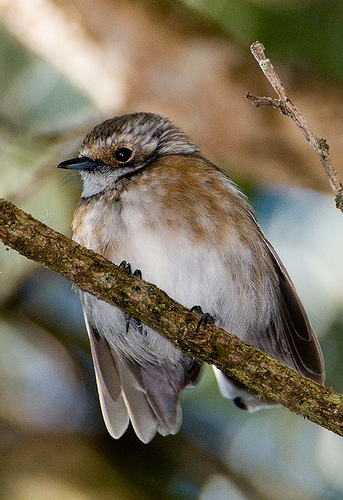
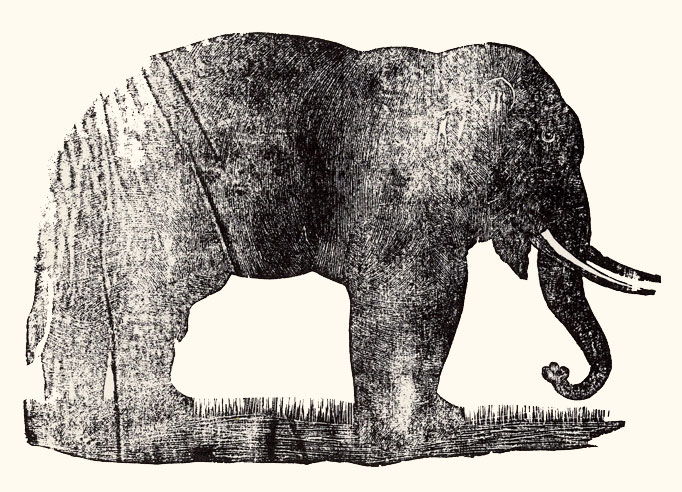
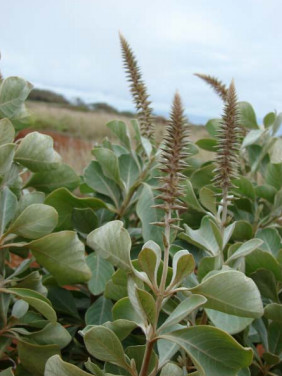
ea eb ed ee eg eh ei ek el em en eo ep er es et eu ev ew