| Pukui & Elbert - 1986
Māmaka Kaiao - 2003-10 Lorrin Andrews - 1865 |
updated: 12/18/2016 |
poi 175
Aā₃. nvs. mold found in souring foods, especially poi, generally known as Oidium lactis or Oospora lactis, but now called Geotrichum candidum. a. s. Name of the white spots that appear in poi when pounding; ʻae₃. vs. ʻae kīfine portions of he ahi ʻā nopu hōʻaea hot glowing fire that pulverizes hōʻaeto make fine, pulverize, refine, soften ʻaeʻae₁. redup. of ʻae₃, fine, mashed, soft... see lole, mehelu. hōʻaeʻaeto make soft, fine, etc aeae [ae-ae]. To work over and over, as in pounding poi, until very fine. adj. Comminuted; small or fine, as dust; fine, as poi well pounded; he poi aeae, he poi uouo, he wali.
I ke aha hoʻi? I ka ʻahakea.Why then? The ʻahakea [a saucy, retort containing a pun on the word aha, what]. (ON 1199) ahakea [a-ha-kea]. s. Name of a species of yellowish wood used for rims of canoes. It is also used for making poi boards, canoe paddles, &c. ʻai₁. nvt. ʻAʻohe ʻai ʻo ka maʻi.The disease makes no advance. ʻAʻohe kapu o kaʻu pā hula, he ʻai kū, he ʻai hele.There are no taboos in my hōʻaito feed, give food to, board mōhai ʻaicereal offering (Oihk. 2.14) pāʻū ʻai kauasarong worn in battle (For. 4:53) ʻaikūpele. n. var. spelling of ʻai kūpele, medicinal juices mixed with poi or mashed sweet potato... ʻai kūpele, ʻaikūpele [ʻai kū·pele]. n. medicinal juices mixed with poi or mashed sweet potato, used to build up strength. lit., kneaded poi. aimahaha [ai-ma-ha-ha]. s. A kind of hard kalo, difficult to make into good poi. ʻai paʻa. n. cooked taro pounded into a hard mass not mixed with water, sometimes preserved in ti-leaf bundles. fig., a difficult problem. lit., hard poi. aipaa [ai-paa]. s. Ai, food, and paa, hard. Hard food; food, that is, kalo prepared for keeping. ʻai puʻupuʻu [ʻai puʻu·puʻu]. n. lumpy poi.
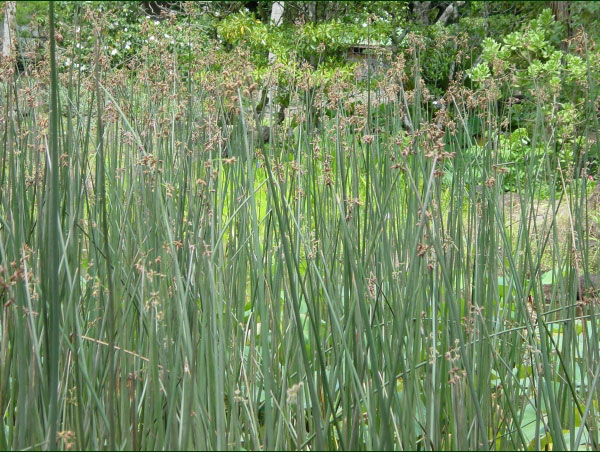
ʻai ʻakaʻakaito eat bulrushes [fresh ʻākia₃ [ʻā·kia]. vi. to ferment; very sour, as poi. ʻalā. n. dense waterworn volcanic stone, as used for poi pounders, adzes, hula stones; hard lava, basalt. Kinds of ʻalā rock, as used for adzes, are qualified by the phrases pia maka hinu, shiny-faced arrowroot; māhinu, shiny; and maka hinu, shiny face. also (Kam. 76:122) ʻalā haumeku ʻolokele, ʻalā lelekepue. [(OC) PPN *kalaa, hard, black, volcanic stone] Kaʻalāwaithe watery basalt (place name, Honolulu) ʻalā. cf. nukahaku, boulder, generic term, particularly outside of Hawaiʻi... pōhaku ʻalāboulder, in Hawaiʻi, referring to ʻaloʻalo₃. vs. lumpy, as poi. rare. ʻānana. nvt. same as kānana, sieve, strainer; to strain, as kava in fibers...; to strain, as juice or poi. ʻaʻohe. interj. none; no, not; to have or be none; there is no one who (in subordinate phrases). ʻaʻohe is a contraction of the negative ʻaʻole and he, the indefinite article . It is often followed by zero possessives, as ʻAʻohe āna hana., he has no work; ʻaʻohe oʻu makemake i poi, I don't want any poi. Today a gesture is commonly used by all races to replace ʻaʻohe koena, there isn't any more, or ʻaʻole, no. The gesture, taken from Hawaiians, is a quick flick of the hand with the palm turned downward and away front the body, originally significant of an empty hand. (Gram. 10.2) ʻAʻohe āna hana.He has no work. ʻAʻohe koena.There isn't any more. ʻAʻohe oʻu makemake i poi.I don't want any poi. ʻOia kamaʻilio aku ā ʻea ka waha, ʻaʻohe lohe ʻia mai.While talking until the tongue is coated, [yet] no one is listened to. ʻāpiʻi₃ [ʻā·piʻi]. n. a variety of taro in the piko group, having light-colored corms which are good for poi or table taro; red (ʻula) and white (kea) forms exist; it is called "curly" (ʻāpiʻi) because of crinkles under the leaf. ʻapowale [ʻapo·wale]. n. a native variety of wet-land taro grown chiefly for poi. Ē! loaʻa akula ke kalo, ʻo ka ʻapowale.O, you get taro, to grasp-foolishly taro [a waste of time, pun on ʻapo wale, to grasp needlessly]. ʻapuwai [ʻapu·wai]. n. a variety of taro: its corm is used for poi and table taro, its leaves for lūʻau. Varieties are white (kea) and red (ʻula). ʻāwala₁ [ʻā·wala]. vt. to throw a knife or stock with a back flip; to throw back the head so as to grab dangling food with an open mouth. cf. wala, to tilt. ʻO ka ʻāwala ʻana me nā miki poi.Throwing back the head to grab dabs of aweawe poi [awe·awe poi]. n. drip of poi; an insult to the chiefs of Hawaiʻi, playing on the name of their chiefs, Keawe, with implication that poi is excreted in a sticky chain. ʻāweu, ʻāweuweu [ʻā·weu, ʻā·weu·weu]. n. a native variety of taro, often growing wild; good for poi, but too acrid for table taro; the corms are shaggy and fibrous outside, the flesh white with yellow fibers. also māʻauea.
Eʻeke kūkaenalo [ʻeke kū·kae·nalo]. n. flour sack or sack of unbleached muslin (kūkaenalo), as formerly used for poi. emowai [emo·wai]. n. an addition of water, as for mixing poi. Kauaʻi.
Hhaehae₃ [hae·hae]. n. a native variety of taro in the piko group, characterized by having the two basal lobes of the leaf blade separated up to the piko (point of joining with the leaf stem); a hardy taro often grown commercially for poi, formerly common at Kaʻanapali, Maui, where strong winds tore the leaves (hence haehae). also piko uliuli. (HP 29, 32) hakē. vs. packed full, protruding, bulging, cramfull, swollen. Hakē ka paʻi ʻai o ka Malulani.The Malulani [ship] is overloaded with bundles of hard hoʻohakēto pack full, cram, push; to break, as a boil haku₃. n. haku ipupulp and seeds of melon haku kā koʻistone for chipping (Malo 51) hakuhaku₁ [haku·haku]. vs. lumpy, as poi. cf. haku₃. (Kep. 165) hakukele [haku·kele]. vs. wet, lumpy, as poi. (Kep. 163) hanoa, hanowa. vs. fermented. ʻO nā ʻumeke piʻialiʻi, nohu, … ua hanowa i loko o ke kūmau.The bowls with piʻialiʻi and nohu hānunanuna₂ [hā·nuna·nuna]. first fermentation of fresh poi. (AP) haokea [hao·kea]. n. a rather common native variety of taro; the leaves are narrow, the piko, leaf attachment, light, and petioles light green. This taro supplies some gray commercial poi and lūʻau greens. It was formerly used both medicinally and in religious ceremonies, as for dedicating new fish nets. According to (HP 17), it is a domesticated form of wild ʻāweu. The name may be qualified by the colors hāʻulaʻula and keʻokeʻo. Var. names reported include ʻahakea, haʻakea, and hāʻawikea. hāpuʻupuʻu₆ [hā·puʻu·puʻu]. same as hāpuʻu, taro: the plant is said to be distinguished by its leaf stems: yellow-green above, and dark brownish on lower half. The corms yield good light-colored poi, the leaves good greens. This name is qualified by the terms ʻeleʻele, keʻokeʻo, and maoli. (HP 17, 32) hē₆. n. poi from the center or core of taro, formerly reserved for chiefs, as it had not come into contact with dirt. (Kep. 165) hīlea [hī·lea]. vs. careless, shiftless (named for the people of Hīlea village, Kaʻū, Hawaiʻi, reported to have brought poorly prepared poi to a chief). Hīlea i kalo ʻekaʻeka.Hīlea of the dirty taro [a saying applied to anyone careless or inefficient in work]. holo₅. n. a long bundle, as of hard poi. [(NP) PPN *solo, food made with grated taro] holo ʻai. n. food bundle, especially ti-leaf bundle of hard poi. cf. paʻi ʻai, pūkeleʻai. holoai [ho-lo-ai]. s. See holo, bundle, and ai, food. A bundle of baked kalo. hoʻowali. to make soft, smooth, as soil, to mix, as poi or dough; to digest; ʻaila hoʻowali penapaint thinner nā lio kaʻinapu hoʻowali luagraceful, doubly supple horses (chant) nā mea hoʻowali a lokodigestive organs ʻuala hoʻowali ʻiamashed sweet potatoes ʻūlei hoʻowali ʻualadigging stick of ʻūlei wood that softens [the earth for] sweet potatoes [sexual reference] hōwai [hō·wai]. vs. watery, as thin poi; soggy. pā hōwaia dish containing liquids hū₁. nvi. to rise or swell, as yeast or souring poi; to ferment, leaven, overflow (Isa. 8.7) , percolate, effervesce, boil over; to surge or rise to the surface, as emotion; to gush forth; rising, swelling, outburst. cf. huaʻi. he hū wale mehe wai lāunstable as water (Kin. 49.4) hoʻohūto leaven, cause to rise, inflate, swell, overflow; yeast, baking powder Hū ka ʻaka.To burst into laughter, guffaw. Hū ka pele.To pour forth lava, erupt. Hū mai ke aloha no ka ʻāina.Love for the homeland swells forth. Inā hū aku kou ʻuhane i ka poʻe pōloli.If your soul has compassion for the hungry people. (Isa. 58.10) perena hū ʻoleunleavened bread hu. v. To rise or swell up, as leaven or new poi; to effervesce. hūhū [hū·hū]. redup. of hū₁, to rise or swell, as yeast or souring poi...; to bulge; to effervesce. PPN *suusuu. hūkākai₁ [hū·kā·kai]. vs. insipid, tasteless, brand, as food or poi made of immature taro; brackish. also ʻōkākai.
Iiʻa₃. n. any food eaten as a relish with the staple (poi, taro, sweet potato, breadfruit), including meat, vegetable, or even salt. also ʻīnaʻi. ka iʻa lauoho loloa o ke kuahiwithe long-haired relish of the mountain [greens] (ON 1361) iiaao [i-i-a-ao]. s. Hard mouldy poi. ʻiliuaua [ʻili·ua·ua]. n. a variety of taro with large, thick, firm leaf blades. The corms are very large, with white flesh tinged with pink; good as table taro but not for poi; leaves good for lūʻau. lit., tough hide. also kalo Pākē. ʻīnaʻi [ʻī·naʻi]. nvi. accompaniment to poi, usually meat, fish, or vegetable; to serve as ʻīnaʻi. fig., to flavor, garnish, spice. [(NP) PPN *kiinaki, food eaten with another food as relish] Kuʻu lā pōloli, ā ola i kou aloha, ʻīnaʻi pū me ka waimaka.On my day of hunger, your love saves me, seasoned with tears. (PH 86)
Kkaʻele₁. nvs. Mehe kaʻele papa lā Hilo, i lalo ka noho, kāʻele wale Hilo i ke ālai ʻia e ka ua.Like a poi board Hilo, dwelling below, darkened Hilo by the blocking rain. (UL 60) kahania₂ [kaha·nia]. vs. sour, as of poi. kahi₁. nvt. hale kahi olonāfiber-combing house (Laie 607 [180]) hoʻokahicaus/sim kahu ʻai. vt. to cook taro or vegetable food; to keep the store of such food; to make poi; a keeper or cook. same as kahu umu or kahūmu. cf. kahu₂. kāī [kā·ī]. n. a variety of taro, the corms of which are fragrant when cooked and, though tough, yield excellent poi. Kinds are qualified by the terms ʻeleʻele, kea, keʻokeʻo (said to be reserved for chiefs), koi, nenene, pala, ʻulaʻula, uliuli, welo ʻeka. Ua ʻai i ke kāī koi o ʻEwa.Having eaten of the very choice kāī koi taro of ʻEwa. [said of a sweetheart one can't forget]. (ON 2770) kaiehu₁ [kai·ehu]. vt. ʻAʻole pono ke kaiehu ka ʻōʻō ma ia apoapo ʻana.It is not right to stir up dust while digging and hilling [sweet potatoes]. (Kep. 157) kakakē [kaka·kē]. vs. poor quality, as of taro not fit for poi. rare. kalalau [kala·lau]. n. a variety of taro; corm white, yielding gray poi; perhaps originated in Kalalau, Kauaʻi. kale₁. vs. watery, nearly liquid, as thin poi. cf. kakale, kalekale. probably PCP *tale. hoʻokaleto make liquid (less used than hoʻokakale) waha kaleto drool at the mouth, talk excessively, gush kale [ka-le]. v. To be thin and watery, like very thin poi. See kakale and kalekale. adj. Thin and watery; very nearly liquid poi so mixed with water; he ai kale. kālepa₁ [kā·lepa]. nvt. trader, merchant, salesman, peddler; to trade, sell as merchandise, peddle; mercantile. kalepa [ka-le-pa]. adj. Trading; peddling; he mau moku kalepa kekahi, some were trading ships. NOTE—It is the custom of Hawaiians when they have poi or other articles to sell, to hoist a small flag (lepa); hence kalepa. to sell; to make market. See lepa and lepalepa.
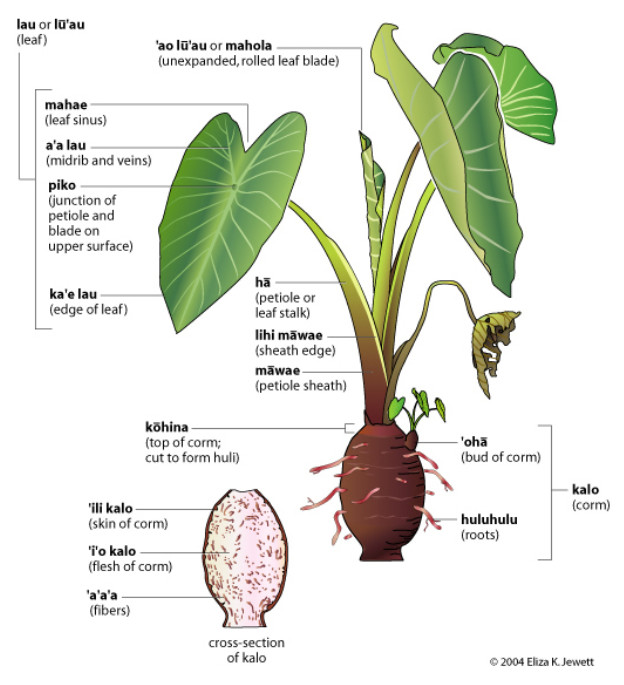
Kō mākou kalo kanu o ka ʻāina.Our planted taro of the land [proud and affectionate reference to a chief]. (saying) kalo [ka-lo]. s. The well known vegetable of the Hawaiian Islands; a species of the arum esculentum; it is cultivated in artificial water beds, and also on high mellow upland soil; it is made into food by baking and pounding into hard paste; after fermenting and slightly souring, it is diluted with water, then called poi, and eaten with the fingers. NOTE.—The origin of the kalo plant is thus described in Hawaiian Mythology (see Mooolelo Hawaii by Dibble, p. 37): ulu mai la ua alualu la, a lilo i kalo, the fetus grew (when it was buried) and became a kalo. kānana ʻai [kā·nana ʻai]. nvt. poi strainer, cloth through which poi is strained; strained poi; to strain, as poi. kāpala poi [kā·pala poi]. n.v. to daub with poi. ʻahaʻaina kāpala poipoi-daubing party; a person daubed with a finger of poi had to provide an extra contribution to the feast; much amusement was afforded among the planners of the feast by attempting to daub one another. cf. ʻahaʻaina pī wai. kāpiki₁ [kā·piki]. n. poi made with an inferior grade of soggy taro. kapiki [ka-pi-ki]. s. A kind of poi. kau₅. nvi. a method of feeding children or high-born persons as a special honor; the recipient held back his head and opened his mouth; the morsel of poi was dropped into his mouth; much enjoyed by children as a game. kelemania. n. var. spelling of kelemānia₂, earthen crock as used for poi, said to have been introduced from Germany. kelemānia₂, kelemania [kele·mā·nia]. n. earthen crock as used for poi, said to have been introduced from Germany. kelemānia ʻia [kele·mā·nia ʻia]. n. poi crock. kele wai. vs. thin, as watery poi; muddy, as water. hoʻo.kele wai To use much water in mixing or pounding poi, or in irritation. kīhele [kī·hele]. nvt. Kīhele ia ulu.Bail the center of a canoe [ambiguous expression: it may refer to the action of the hands in bailing]. kini ʻai. n. pail for carrying poi (ʻai) or other food. kīʻoʻe. nvt. ka ʻai kīʻoʻe lāʻauthe food reached with a stick [breadfruit] (ON 1270) kīʻoʻe poi. n. finger or single dip of poi. kiopoi [ki-o-po-i]. s. Kio, and poi, food. A poi calabash. kō₄. vt. to break up lumps in poi by pressing against the side of a container. koʻekoʻe₂ [koʻe·koʻe]. vs. tasteless; insipid, bland, as unsalted food or as too fresh poi; flat, unsavory, as warm food that has chilled. kohā lua. vi. to resound loudly, as poi being vigorously pounded. kōmou [kō·mou]. n. prepared poi not yet mixed with water, softer than paʻi ʻai. kūālani [kū·ā·lani]. vs. sour, especially of calabashes that have held poi and have not been soaked in the sun after washing. kua papa. v. to hew boards or planks; to hew out a poi-pounding board. kuʻi ʻai. n.v. to pound food, especially poi; one who pounds food, as poi. kuiai [ku-i-ai]. s. Kui, to pound, and ai, food. The act of pounding poi or food. kūmau₂ [kū·mau]. n. deep wooden bowl with a thick base, as for poi. Nā kūmau palapaʻa o Nāʻālehu, ʻoia mau no ka pāpaʻa.The thick-based cabashes of Nāʻālehu are always crusted [with dried poi; strict adherents to principles, are the thick-headed natives of Nāʻālehu; the old poi stays in the calabash]. (ON 2244) kūpaʻakai [kū·paʻa·kai]. nvt. same as pū paʻakai; to eat poi or sweet potatoes with salt or relish such as ʻinamona, and without meat or greens; hence a place without fish or meat. Mai kākou e kūpaʻakai.Come and let's have some poi with a little salt. kūpele₁ [kū·pele]. vt. to knead, as bread dough or very hard fresh poi. kupele [ku-pe-le]. v. To mix up or work over poi the day after it is made. See hoowali. Huli ka waha (ka waa) iluna, alaila kupele maloko. kūpele₃ [kū·pele]. n. concoction of juices of herbs mixed with poi, tender taro leaves, coconut cream, mashed sweet potato, and other food. kūpuʻu [kū·puʻu]. nvi. taro or sweet potatoes eaten with no preparation other than scraping or baking, i.e., without being pounded into poi or mixed with coconut cream; to take food from the oven and eat it informally; to have potluck.
Llāʻau hoʻowali ʻai [lāʻau hoʻo·wali ʻai]. n. implement for mixing poi or poi palaoa. lehua₄. n. a variety of taro, used for red poi. Cultivars may be qualified by the terms keʻokeʻo (white) or maoli (native). (TC 4) lehua palaʻiʻi. n. a variety of taro, of common upland culture in Kona, Hawaiʻi. The plant is short to medium, slender, with lilac-purple corm flesh and dark green petioles; used for poi. also palaʻiʻi, ʻiʻi. leʻo₂. vs. a variety of taro that cannot be eaten either cooked or as fresh poi without throat irritation. After fermentation, however, the poi is tasty. lima heheʻe. n. a thinning hand, of one whose poi thins and ferments quickly. limameke [lima·meke]. short for lima ʻumeke, index finger, so called because poi was dipped from the bowl (ʻumeke) with it. līwali [lī·wali]. soft, thin, as poi or dough. (And.) liwali [li-wa-li]. adj. Soft; thin; worked up like thin poi. luaʻa. vt. to pound poi. (For. 6:397)
Mmāʻauʻau. n. poi calabash as used by poi peddlers. cf. māʻau, going from place to place. maauau [ma-au-au]. s. A poi calabash. māhāhā [mā·hā·hā]. vs. dry and hard, as poi made of poor quality taro. mahū. vs. weak, flat, as diluted kava or stale beer; insipid, as fresh poi kept too long in the icebox; quiet, peaceful, undisturbed. cf. mahūmahū. [PPN *mafu, stale] mahūmahū [mahū·mahū]. redup. of mahū, weak, flat... (commonly said of tasteless poi).
makaiʻa₂ [maka·iʻa]. n. a kind of stone, used for adzes and poi pounders. also māhikihiki. makawī [maka·wī]. see pahapaha₃, mākohi₂ [mā·kohi]. n. a red variety of taro, used for pink poi, sometimes qualified by the colors ʻeleʻele or ʻulaʻula. also mōkohi. mākoko₃ [mā·koko]. n. a variety of taro, used for red poi. also nohu. (HP 22) malule [ma-lu-le]. To be soft, as poi. mamalahia [mamala·hia]. vs. sour, as poi. mana keʻokeʻo [mama keʻo·keʻo]. n. a native variety of taro; white corm; mainly used as table taro, a favorite for making kūlolo; consistency tough for poi. (HP 23) mana uliuli [mana uli·uli]. n. a variety of taro, introduced from South Seas; makes good poi of yellow color. The corms are tough and rubbery when cooked. Noted for prolific branching. lit., dark mana. maumau₂ [mau·mau]. vs. not sticky, not tenacious; of poi of medium texture, neither hard nor watery. miki₂. vi. miki poidab of poi, as on the finger miki pololeifresh poi, said to be so called because it wasn't tasty and one was content with a dab or two miki. vt. to take up with the fingers, as poi. manamana mikiindex finger. also manamana kuhikuhi miki [mi-ki]. v. To eat poi or other food by putting the fingers into it. Mar. 14:20. mikiʻai. n.v. finger of poi, a finger-dip of poi; to dip poi on the finger. miki pākahi. to dip poi with one finger (EH) miki pāpākahi. to dip poi with one finger (EH) miki pāpālua. eat poi with two fingers (EH) mīkoi [mī·koi]. vt. to nibble, eat in small pinches, as salt or ʻinamona with poi. kāmano mīkoisalmon eaten in small bits moala. vt. to raise to the mouth, as poi, or as a Chinese feeds rice into his mouth. cf. ala, to rise. rare. moi₃. n. a native variety of taro, with short, stocky growth, the leaf stems light green, the base pinkish, and base of leaf blade whitish; used for poi and table taro. This name may be qualified by the colors ʻeleʻele, keʻokeʻo, and ʻula. (HP 25), (Whitney 69). also neʻeneʻe. mōkaʻokaʻo [mō·kaʻo·kaʻo]. vs. hard and lacking moisture, as of tasteless bananas, taro, meat, poi. moku₄. n. a stage of pounded poi (such poi sticks together as a mass and can be separated cleanly, moku, from the pounding board). (Kep. 165)
Nnaioea [naio·ea]. n. a native variety of taro, with long, blackish leaf stem; blades large, dark-green; grown in uplands, valued for its red poi. also ʻeleʻele and also qualified by the colors ʻeleʻele and ʻulaʻula. (Whitney 48), (HP 25). napo. vs. mashed soft, as finely pounded poi that is free of lumps; glutinous, gluey; dented, as by hammering. also nape. napo [na-po]. adj. Mashed soft; made fine; finely pounded, as poi.
Oʻohe₅. n. a native variety of taro, thriving at altitudes above 450 m; leaf stem light-green, tinged with reddish-brown (perhaps like some variety of bamboo); the corm pink-tinted, making excellent poi. (Whitney 58). The term may be qualified by the colors ʻeleʻele, kea or keʻokeʻo, ʻulaʻula. Lele nō ka ʻohe i kona lua.The ʻohe leaps into its hole [a legendary reference; each in his own place]. (ON 1987) ʻōkalekale [ʻō·kale·kale]. vs. watery, as inferior poi. ʻokaʻokai [ʻokaʻo·kai]. vs. insipid, tasteless, especially of freshly pounded poi. okaokai [o-ka-o-kai]. Sweet, unfermented poi; he poi mananalo.
Ppaʻakai₂ [paʻa·kai]. n. a variety of taro, usually grown in the uplands, the plant short and stocky; petioles dark-green, edged with red; corm flesh white, used chiefly for poi. paʻakūkū [paʻa·kū·kū]. vi. to jell, set firmly, congeal; to clot, as blood; to stiffen, as hard poi; avaricious. hoʻopaʻakūkūto cause to clot, congeal, etc pahapaha₃ [paha·paha]. n. Oʻahu name for a kind of stone used for poi pounders. Called makawī on Kauaʻi. pāʻina poi. n.v. poi lunch or supper. paʻi ʻuala. n. cooked and compressed sweet potatoes allowed to ferment slightly and used as a substitute for poi when poi was scarce. Also poi ʻuala by analogy with poi. pākīʻai₂ [pā·kīʻai]. vi. to break up cooked taro with a pounder in first stage of poi making. pala ʻai, palaʻai. n. a daub of food, especially the film of poi that adheres to the walls of the container after the mass has been eaten. pale ʻumeke. n. dish towel. lit., bowl protection, so called because dish towels were tied about poi bowls to prevent dust or insects from falling in. papa kuʻi ʻai. n. poi-pounding board. papa pōhaku₃ [papa pō·haku]. n. stone table, stone flat, or stone surface, as for pounding. papapohaku [pa-pa-po-ha-ku]. s. Papa and pohaku, stone. A board on which food or poi is pounded; the pestle is made of stone; he pohaku kui ai; the board or thick plank is slightly hollowed out like a very flat tray. See kuiai and papawiliai. papapueo [papa·pueo]. n. a variety of taro, grown on Maui; petioles deep-pink at base, grading to light-pink and green with white edge; corm used for poi. lit., owl flat. papa wili ʻai. n. mixing board, food trough, board for kneading poi, kneading trough. (Puk. 12.34) papawiliai [pa-pa-wi-li-ai]. s. Papa, board, wili, to mix, and ai, food A board for mixing food; a poi board; a very flat tray on which poi is pounded; a kneading trough. Puk. 12:34. pāʻuluʻā. vt. to abuse, mistreat, knock around; to beat carelessly, as poi that one does not pound until all the lumps are removed. pāʻūohiʻiaka₄ [pāʻū-o-hiʻi·aka]. n. a variety of taro: petiole and leaf have smoky look; corm white, used to make good, gray poi. pā wiliʻai. same as papa wili ʻai, mixing board, food trough, board for kneading poi, kneading trough... (Puk. 8.3) pela₃. nvt. bale; to bale; mattress, cushion; package, as of hard poi. Eng. uhi pelabed sheet, mattress cover pele₂. vs. soft, swollen, fat; pounded or kneaded soft, as poi or dough. cf. hāpele, kāpele, kūpele, napele. hoʻopeleto knead pīhā₄ [pī·hā]. poi pounder. (AP) pīholoholo₂ [pī·holo·holo]. vs. watery, as poi. rare. piholoholo [pi-ho-lo-ho-lo]. s. A thin kind of poi made of kalo or potatoes for the sick. piʻialiʻi [piʻi·aliʻi]. n. a native variety of taro, one of the oldest varieties grown in Hawaiʻi; formerly known as one of the royal taros and desirable as an offering to the gods; today, an important wet-land poi taro. Leaves and corm are tinged with pink. This name may be qualified by the colors ʻeleʻele, keʻokeʻo, ʻulaʻula. (HP 28), (Whitney). see ex. hanoa. pīkale [pī·kale]. nvs. sticky, as water on a poi board after poi has been pounded on it; the watery residue. piko ʻeleʻele. n. a native variety of taro, with darkpurple petioles; common poi and table taro; the leaves are good for lūʻau. also helemauna. piko kea. n. a native variety of taro widely planted; an important poi taro, especially on Oʻahu, distinguished by whitish piko and by leaf stems light-green with pinkish base. also piko keʻokeʻo. piko uaua [piko ua·ua]. n. a native variety of taro, one of the hardiest piko taros and perhaps the only kind common in upland culture; yields good grade light-colored poi; distinguished by dark-green leaf stems with a pinkish base. piko ʻulaʻula. n. a native variety of taro, distinguished from piko lehua ʻāpiʻi by having leaves smooth below; corms yield red poi of good grade. pili₉. n. first stage of poi-pounding, with taro beginning to stick. poe₃. n. stone poi pounder. rare. poe [po-e]. v. To break up; to mash; to pound, as in pounding poi. pohā₁. nvi. hoʻopohāto cause to break, burst; to crack, as a whip Hoʻopohā maila hoʻi ka mea kiʻekiʻe loa i kona leo.The most high uttered his voice. (2-Sam. 22.14) Mālama a pohā ka lae.Watch out or [you] will crack [your] forehead [get into trouble; be shocked at the high prices]. Ua pohā ka ʻai.Poi is bubbly [in fermentation]. Ua pohā ka male.The phlegm has come up into the mouth. pohā ka ʻai. poi beginning to ferment (EH) pōhaku kuʻi ʻai [pō·haku kuʻi ʻai]. n. poi pounder. pōhaku kui ʻai pukapoi pounder with a hole in the center of the handle, through which the fingers are put, used on Kauaʻi. also pōhaku puka pōheoheo [pō·heo·heo]. n. knob; any round, smooth, knoblike object; head of a rafter; nail, pin; rounded top of a poi pounder, rounded head of a cane. hoʻopōheoheoto round, smooth, or shape into a knob (insulting: see pōheo) poho₂. nvt. mortar; to knead, as bread or poi. (Kep. 165) hoʻopohocaus/sim poho ʻinamonastone mortar for grinding cooked kukui nuts and salt into a relish; to mix the relish poi₁. n. poi, the Hawaiian staff of life, made from cooked taro corms, or rarely breadfruit, pounded and thinned with water. cf. kalo. [(CP) PPN *poʻoi, pounded starchy food together with a sauce or gravy] poi ʻawaʻawasour poi [an unpleasant disposition] poi ʻiliportion of a poi. s. The paste or pudding which was formerly the chief food of Hawaiians, and is so to a great extent yet. It is made of kalo, sweet potatoes or breadfruit, but mostly of kalo, by baking the above articles in ovens under ground, and afterwards peeling and pounding them with more or less water (but not much); it is then left in a mass to ferment; after fermentation, it is again worked over with more water until it has the consistency of thick paste. It is eaten cold with the fingers. poi ʻawaʻawa. sour poi (EH) poi palaoa. n. flour poi, made by stirring flour in hot water, eaten alone or mixed with taro poi. polokē [polo·kē]. n. fresh poi. rare. poloke [po-lo-ke]. s. New fresh food, as poi just pounded up from kalo. See also pololei, another name. See aiakakai. v. To be fresh, as new pounded poi; ua poloke i ke kai ole ka loaa. pololei₃ [polo·lei]. n. fresh poi. Kauaʻi. pololei [po-lo-lei]. A name given to new fresh food (poi.) See poloke. pōluku [pō·luku]. vt. to pound, as poi (Kep. 163); to destroy, slaughter, overthrow, pound to pieces. see ex. palahē. cf. pāluku. [(CE) PPN *poo-rutu, ?? [dash, pound, pour heavily...]] pōpōʻai [pō·pōʻai]. n. ball of poi or other food. popoai [po-po-ai]. s. See poaiai. A bunch or bundle of pounded kalo. pūʻā₃. vt. to feed by passing directly from mouth to mouth, of masticated food such as fish or poi; infants and the aged were fed thus. puahala₁ [pua·hala]. n. a medium-sized bowl, as used for serving poi, named for a supposed resemblance to a pandanus key (pua hala). puaniki₂ [pua·niki]. n. small wooden bowl, as for an individual serving of poi. pūkeleʻai [pū·keleʻai]. n. small package of unmixed poi. (paʻi ʻai is larger, and holo ʻai still larger.) pūniu₁ [pū·niu]. n. polished coconut shell or bowl. ʻumeke pūniucoconut-shell calabash, as for pūʻulīʻulī. n. a variety of small gourd, as used for making feather gourd rattles (ʻulīʻulī), medicine cups (ʻapu), and individual poi containers. Ka lonolau nō i ka lonolau, ka pūʻulīʻulī nō i ka pūʻulīʻulīlarge gourds to large gourds, small gourds to small gourds [chiefs seek the society of chiefs, commoners seek the society of commoners; in battle chief against chief and commoner against commoner]. (ON 1448)
Uʻuala hoʻomalamala [ʻuala hoʻo·mala·mala]. n. mashed sweet potato, slightly fermented and eaten as poi. ʻulaʻula₃. n. a native variety of taro, with red or purple petioles, small leaf blades with purple piko, reddish flowers, the corms used for both poi and table taro, grown in wetland and upland culture. ʻulaʻula may be qualified by the terms kumu, moano, and poni. (Whitney 50–52) ʻuluhaku [ʻulu·haku]. vs. lumpy, as of poi; knotty, bumpy, pimply. cf. ʻuʻuluhaku. ʻumekeʻai. n. var. spelling of ʻumeke ʻai, poi bowl. Fig., source of food, of the uplands. ʻumeke ʻai, ʻumekeʻai. n. poi bowl. fig., source of food, of the uplands. [(EO) PPN *kumete, wooden bowl] ʻumeke māna ʻai. n. very small bowl, as formerly used for poi by favorite children. lit., poi mouth-fed bowl. ʻumeke palapaʻa [ʻumeke pala·paʻa]. n. thick-bottomed wooden calabash. lit., firm-dabbed bowl, perhaps so called because dabs of poi are held firm in this type of calabash that does not upset. ʻuoʻuo₁. vs. adhesive, sticky, but without lumps, as good poi; tough, strong. ka poi ʻuoʻuo o kāohi puʻusticky poi that settles nicely down the throat (ON 1541) uouo [uo-u-o]. adj. See uo, soft. Soft; paste like, as poi wet with water; clear; fine; without lumps.
Wwailau₁ [wai·lau]. n. large leaf bundles of food, as poi, for carrying. wailau [wai-lau]. s. A bundle of food (poi) done up for carrying; a pai-ai. wali. vs. ʻaila hoʻowali penapaint thinner hoʻowalito make soft, smooth, as soil, to mix, as poi or dough; to digest nā lio kaʻinapu hoʻowali luagraceful, doubly supple horses (chant) nā mea hoʻowali a lokodigestive organs ʻuala hoʻowali ʻiamashed sweet potatoes ʻūlei hoʻowali ʻualadigging stick of ʻūlei wood that softens [the earth for] sweet potatoes [sexual reference] |