| Pukui & Elbert - 1986
Māmaka Kaiao - 2003-10 Lorrin Andrews - 1865 |
updated: 12/18/2016 |
hula 199
entries mentioning or related to hula...
Aʻahaʻaina ʻūniki [ʻahaʻaina ʻū·niki]. n. graduation feast, as for hula dancing or lua fighting. ʻaiʻami. nvi. type of hula with little foot movement, but with hip revolving throughout the dance; to dance thus. ʻai haʻa₁. nvi. hula step danced with bended knees; the chanting for this dance is usually bombastic and emphatic (UL 266) ; to dance thus. lit., low style. ʻai kū. vt. to eat freely; to do as one wishes; to break taboos or transgress. see ex. ʻai₁. (Kam. 64:87) ʻO ka hula ʻai kū ʻai hele.A dance completely free of taboos [a saying often said by ʻailolo₂ [ʻai·lolo]. vt. skilled, adept, expert, trained, proficient. Ua ʻailolo ʻoia i ka hula.He is trained in the ʻalā. n. dense waterworn volcanic stone, as used for poi pounders, adzes, hula stones; hard lava, basalt. Kinds of ʻalā rock, as used for adzes, are qualified by the phrases pia maka hinu, shiny-faced arrowroot; māhinu, shiny; and maka hinu, shiny face. also (Kam. 76:122) ʻalā haumeku ʻolokele, ʻalā lelekepue. [(OC) PPN *kalaa, hard, black, volcanic stone] Kaʻalāwaithe watery basalt (place name, Honolulu) ʻālaʻapapa₂ [ʻā·laʻa·papa]. n. type of ancient dramatic hula. (UL chapter IX) alaapapa [a-la-a-pa-pa]. s. The name of a kind of dance; he alaapapa kahi hula. alakaʻi [ala·kaʻi]. nvt. to lead, guide, direct; leader, guide, conductor, head, director. (Gram. 6.6.4) [(FJ) PPN *hala-taki, to lead] alakaʻi hīmeni, alakaʻi melesong leader alakaʻi hoʻopaipaicheerleader kumu alakaʻileading teacher; exemplary teacher, pattern, or example kumu alakaʻiprecedent, , i.e. something done or said that may act as an example to justify it being done again. leo alakaʻione who sings the melody of a song puke alakaʻiteacher's guide, manual alakaʻi hula. n. hula leader (HE)
alokele₁ [alo·kele·]. vs. attractive, of fine appearance. Alokele ke ʻike aku i ke alo o ia kuahiwi.A pleasure to see the face of that mountain. (hula song) ʻami₂. nvi. a hula step with hip revolutions; to do this step. Three types are ʻami kāhela, ʻami kūkū, and ʻami ʻōniu. see also ʻami honua, ʻami kuʻupau, ʻami ʻōpū, ʻami poepoe. ami [a-mi]. A swinging, pendulous motion. ʻamiʻami. redup. of ʻami₁, ₂, hinge, joint, to turn on hinges...; a hula step with hip revolutions...; amiami [a-mi-a-mi]. adj. Elastic; pendulous. ʻami honua. nvi. exaggerated and rapid revolving of the hips in the hula; to do so. also ʻami kuʻupau. ʻami kāhela [ʻami kā·hela]. nvi. hula step; hip rotations with weight on the right hip as the left heel lifts very slightly, then reversing; to do this ʻami. see ʻami kūkū. ʻami kūkū [ʻami kū·kū]. nvi. a hula step with ʻami; like the ʻami kāhela except that the revolutions are smaller and faster and in groups of three; sometimes two slower kāhela revolutions are followed by three faster kūkū revolutions; to perform this step. ʻami kuʻupau [ʻami kuʻu·pau]. nvi. very rapid revolution of the hips in the hula; an uninhibited (kuʻupau) ʻami; to do so. also ʻami honua, ʻami hue. ʻamiʻōniu [ʻamiʻō·niu]. nvi. the figure-eight hula step; the revolving hips (ʻami) form an eight, with weight shifting; to perform this step. lit., spinning ʻami. ʻami ʻōpū [ʻami ʻō·pū]. nvi. an ʻami hula step with abdomen thrust forward, considered in poor taste; to do this step. lit. stomach ʻami. ʻanapau [ʻana·pau]. vi. to leap, frisk, frolic; frisky. [Now heard only in the song: He aha ka hana a ʻAnapau (mele maʻi for Queen Liliʻuokalani)? What does Frisky do?] hōʻanapauto caper, cavort; to twist and turn the body, especially in the finale of a hula with rapid hip movements anapau [a-na-pau]. v. To turn; to bend; to warp; to turn, as on hinges; to crook round. s. A crook in a thing; a bending; a turning; a hinge. ʻaui₄. nvi. a hula step: the dancer turns to the side and points out one foot once or several times, drawing the foot well back between each pointing; at the same time the body is tipped, with a lowered hand pointing to the outpointing toes, and the other hand raised in the opposite direction; to dance thus. cf. ue. ʻaumakua₃ [ʻau·makua]. vt. to ask someone to hula; the request was not refused without giving the caller a lei or flower. ʻAumakua iā Kamuela,Samuel must dance!
Hv. To dance; ha ana, a dancing; more generally written haa, which see.haʻa₂. n. haa. v. To dance; connected among Hawaiians with singing. 1 Sam. 18:6. As an act of worship formerly among the Jews. 2 Sam. 6:14. s. A dance; a dancing, as in idolatrous worship. Puk. 32:19. haʻanapu [haʻa·napu]. vi. to sway, as in a dance. rare. haʻihaʻi₁ [haʻi·haʻi]. redup. of haʻi₁, to break or snap, as a stick; broken; fracture, joint, break...
e haʻihaʻi i ke kanakato break the bones of people [in fighting] (For. 4:35) E haʻihaʻi iho ʻoe i kāna ʻauamo.You break his yoke. (Kin. 27.40) hoʻohaʻihaʻicaus/sim. to break, as waves kauka haʻihaʻi iwichiropractor ma ka leo kauō, hoʻānuʻunuʻu, ā hoʻohaʻihaʻiwith loud voice, vibrating, rising and falling.
hālau₁ [hā·lau]. n. long house, as for canoes or hula instruction; meeting house. [(FJ) PPN *falau, canoe shed: *f(a,o)lau] Ā ua nui Hilo, hālau lani i ke ao.And Hilo rains so much, a heavenly shed in the clouds. (chant) malu hālau loashade of the long house; fig., shade of trees hapa haole. nvs. part-white person; of part-white blood; part white and part Hawaiian, as an individual or phenomenon. hula hapa haolea hula danced to a mele hapa haole (a Hawaiian type of song with English words and perhaps a few Hawaiian words) A kind of dance used for lascivious purposes, accompanied by singing. haʻuhaʻu₂ [haʻu·haʻu]. interj. a refrain in dance songs, usually fast, and perhaps related to haʻu. Hoʻolewa aʻe ʻoe, haʻuhaʻu ē.Dance, puff, puff. (song) heke₂. n. top gourd in a hula gourd drum. cf. ʻolo₁. heke₃. n. feathered top of an ʻulīʻulī, hula rattle. hela₃. nvi. Hula step: one foot is placed at about a 45-degree angle to the front and side, with the weight on the opposite hip and with that knee bent; the foot is then returned to the original position and the step is repeated with the other foot; to dance thus. Hiʻiakaikapoliopele [Hiʻiaka-i-ka-poli-o-Pele]. Pele's favorite younger sister born from the mouth of Haumea rather than from the bosom, as were the many other Hiʻiaka sisters ((Westervelt p. 69), says there may have been forty sisters). Born as an egg, she was carried under Pele's bosom until she became a young beauty. She is the heroine of the epic concerning her trip from Kīlauea Volcano to Kauaʻi to find and fetch Pele's dream lover, Lohi'au; on her long and dangerous journey she transformed many evil moʻo into stones which are still visible (see PH). One of her forms was the palaʻā lace fern used to treat diseases and one of the first plants to grow on new lava. As the physician of the Pele family, she resuscitated Lohiʻau. She instituted the eating of fish from head to tail. She was worshiped by hula dancers. lit., Hiʻiaka in the bosom of Pele.
Ā hīmeni aku ka poʻe hīmeni.The singers sang. (2-Oihn. 29.28) hīmeni waeselected hymn or anthem hoʻāla kuahua. nv. chant said at the construction of a hula altar (kuahu hula), calling on the gods, especially Laka, to possess the altar hoʻi₃. n. a parting chant to which hula dancers dance as they leave the audience. holo₄. n. running hula step to the side; similar to kāholo except that the feet are not necessarily brought together hoʻohula. to cause someone to dance; to pretend to hula see hula₁, the hula, a hoʻokāpōʻai. to rotate, revolve, as in a hula. see -kāpōʻai. To dance; to play; to rejoice. hoʻopaʻa [hoʻo·paʻa]. vt. hoʻopaʻa haʻawinastudy the lesson; studious hoʻopaʻa i ka hauto freeze [i.e., ice solidifies] Hoʻopaʻa i kāna ʻae.Holding back his consent. Hoʻopaʻa ihola lāua ā ʻelua i berita.The two together sealed a covenant. (Kin. 21.27) hoʻopaʻa inoato register, enroll hoʻopaʻa kuleanato copyright, establish ownership hoʻopaʻa lehoto get calluses from work hoʻopaʻa manawato make an appointment hoʻopaʻa moʻoleloto keep the minutes; to record a story I hoʻopaʻa mai iā lākou iho.To bind themselves [as under contract to a chief] (Nak. 27) leka i hoʻopaʻa ʻiaregistered letter mea hoʻopaʻabrake, holder, fastener, cast Ua hoʻopaʻa au i mau noho no māua i ka ʻaha mele.I reserved some seats for us at the concert. uku hoʻopaʻainsurance premium To dance. hoʻopapaʻi. redup. of hoʻopaʻi; to move the stomach muscles, as in certain hula dances see papaʻi₁, Redup. of hoʻopuka₂ [hoʻo·puka]. Hoʻopuka i kai ka lā i Unulau.Let the sun rise at the sea at Unulau. Ua hoʻopuka ʻia paha mamuli o ka palapala hoʻopiʻi kūpono.Acquitted after a proper indictment. hoʻowilimoʻo₃. quadrille dance see wilimoʻo, to turn, twist, writhe, as a reptile. Hōpoe₂ [hō·poe]. n. a dancer who was turned into a balancing rock by Pele at Puna, Hawaiʻi... A girl friend of Pele's little sister, Hiʻiakaikapoliopele. When Hiʻiaka left to fetch Pele's dream lover, Lohiʻau, from Kauaʻi, she entrusted Hōpoe and her favorite lehua groves to Pele. Pele became jealous of Hiʻiaka, burned the lehua groves, and changed Hōpoe into a balancing rock at Keaʻau, Puna, Hawaiʻi (HM 181) . The stone may still be there, and waves lapping against it suggest movement; hence Hōpoe, famous as a hula dancer, is mentioned in songs as ka wahine hoʻolewa i ke kai, the woman shaking hips in the sea. lit., fully developed, as a lehua flower. Other names are Hōpoe-lehua and Hōpoe-wahine. huʻa kapu. n. taboo borders, as of a taboo place, or of the taboo enclosure where hula was taught. hue₃. nvi. a type of hula dancing, usually at the end of a program, a kind of ʻai ʻami with a revolving of the hips as fast as the drummer can beat time, to see who can dance longest; to dance thus. huʻelepo₂ [huʻe·lepo]. n. small hula graduating exercises held at noon outside in the dust (lepo). huhuhula [huhu·hula]. nvi. Hawaiian hula by many persons; to hula, of many. huhuhula [hu-hu-hu-la]. v. See hula, to dance. A frequentative. To dance and sing; to dance much and often. v. See hula. To dance and sing and play, as at a hula; e pae, e hula, e like pu. huhuhulei [hu-hu-hu-lei]. v. To ride rapidly with a dress fluttering in the wind; to dance with kapas fluttering. huhula. nvt. hula dance by many; to dance the hula, of many. huhula [hu-hu-la]. v. See hulahula. To sing, dance and practice the forms of the hula. huki₃. nvi. a hula step: one foot steps to the side, the other foot is pulled toward it so that the heels almost touch, and then is taken to the opposite side. hula₁. nvt. the hula, a hula dancer; to dance the hula. For types of hula see below and ʻai haʻa, ʻālaʻapapa, ʻami, hapa haole, hue, kiʻelei, kōlani, kuhi, kuʻi, muʻumuʻu, ʻōhelo, ʻōlapa, ʻōniu, pahua, paʻi umauma, ʻūlili, (UL 275–6) . For hulas named for instruments see ʻiliʻili, kāʻekeʻeke, kā laʻau, pahu, pā ipu, papa hehi, pūʻili, ʻulīʻulī. For hulas named for creatures see below or honu, ʻīlio, kōlea, manō, peʻepeʻemakawalu, puaʻa. [(NP) PPN *fula, dance: *(f, s)ula] Haihai akula nā wāhine apau mamuli ona, me nā mea kuolokani, a me ka hula.All the women followed after her with timbrels and dancing. (Puk. 15.20) he hulaa hula dancer (For. 5:479) hoʻohulato cause someone to dance; to pretend to hula Hula mai ʻoe.Come to me dancing the hula. (song) kumu hulahula master or teacher hula [hu-la]. To shake; to dance; to play an instrument and dance; to sing and dance. 2 Sam. 6:21. The same as haa and lele in verses 14:16. Alaila, hula iho la kahi poe alii ame kanaka, then danced certain of the chiefs and people. To sing; to sing and dance together. s. Music; dancing; singing, &c. hula₂. nvt. song or chant used for the hula; to sing or chant for a hula. hula ʻauana [hula ʻau·ana]. n. informal hula without ceremony or offering, contrasted with the hula kuahu; modern hula. hula helo. same as hula ʻōhelo, a hula dance; the dancer leans over on one side, supporting himself with one hand, and with the opposite foot and arm making a sawing motion... see ʻōhelo₃. hula honu. n. Hula in which the dancer imitates the motions of a turtle. hula hoʻonānā [hula hoʻo·nā·nā]. n. any hula for amusement. see nānā₂, quiet, restful... (UL 244) hulahula₁ [hula·hula]. nvt. ballrom dancing with partners, American dancing, ball; massed hula dancing; to dance. PEP *(f,s)ula(f,s)ula. hulahula [hu-la-hu-la]. s. Music; dancing; singing, &c. A play in which numbers dance and a few sing and drum. A dance; a carousal; the action of dancing. Puk. 15:20. A dance; a dancing, an expression of joy. Kanik. Ier. 5:15. NOTE—The name of the hula god was Lakakane. hulahulakona [hula·hula·kona]. n. dance-a-thon. hula ʻiliʻili. n. Hula in which smooth water-worn stones are used as clappers or castanets; the pebble hula. hula ʻīlio [hula ʻī·lio]. n. a hula imitative of the movements of a dog. (UL 223) hula kiʻi₁. nvi. dance of the images in which the dancers postured stiffly like images; to dance thus. Kauaʻi. hula kiʻi₂. n. a dance with marionettes. (UL 91–102) hula kōlea [hula kō·lea]. n. a kneeling hula imitative of the kōlea, plover. (UL 219) hula kolili. n. a dance with love forfeits, similar to those in the kilu and ʻume games. (UL 247) hula kuahu. n. altar hula, any hula taught with ceremonies and an altar, contrasting with hula ʻauana. hula kuhi lima. sitting dance with gestures of hands and swaying of torso see kuhi₁. hula kuʻi. nv. any interpretive hula, so called since the days of Kalākaua; lit., joined hula, i.e., old and new steps were joined together . see kuʻi₂, joined... hula kuʻi Molokaʻi [hula kuʻi molo·kaʻi]. n. the punch (kuʻi) hula of Molokaʻi, an ancient, fast dance with stamping, heel twisting, thigh slapping, dipping of knees, doubling of fists as in boxing, vigorous gestures imitative of such pursuits as dragging fish nets, and unaccompanied by instruments. This dance originated on Molokaʻi, an island famous for sports. Many of the songs contain taunts, as a laʻa kō kū i ke aʻu, now you are jabbed by the swordfish. cf. hula kuʻi under kuʻi, joined. hula kuolo. n. sitting chant dance; the performer beats the gourd drum (ipu) and chants. also pā ipu. hula lāʻau pili. n. name of hulas performed for the coronation of Kalākaua, probably stick hulas. hula mānai [hula mā·nai]. n. dance with a thin flexible stick which the squatting dancer beats time as by striking the floor. hula muʻumuʻu [hula muʻu·muʻu]. a sitting dance... see muʻumuʻu₁. hula nemanema [hula nema·nema]. n. name of hulas performed for Kalākaua's coronation. hula noho. nvi. any sitting hula; to perform such. hula ʻōhelo [hula ʻō·helo]. see ʻōhelo₃, a hula ʻōlepelepe [hula ʻō·lepe·lepe]. n. name of hulas performed for Kalākaua's coronation. hula pahu. dance to drum beat, perhaps formerly called ʻai haʻa (UL 103) see pahu₁. hula Pahua. nvi. a kind of fast hula that increases to a frenzy, said to have been named originally for a mele maʻi named Pahua [pahua₁] (shoved). Emerson (UL 183–5) calls it a stick dance and gives an example. To perform this dance. hula Palani paʻi umauma [hula palani paʻi uma·uma]. n. name of chest-slapping hulas performed for Kalākaua's coronation. hula papa hehi. n. dance in which the dancers use the papa hehi, treadle boards; this dance is said to have originated on Niʻihau. hula peʻepeʻemakawalu [hula peʻe·peʻe·maka·walu]. n. a spider dance with stiff legs, dancers hopped, right foot forward and left in reverse; then opposite, keeping time with a boisterous chant and with hands fluttering vigorously. hula Pele. n. sacred dance in honor of the goddess Pele. hula puaʻa. n. a hula dance in which the hips sway from side to side in imitation of a fat hog's waddling. Also ʻami puaʻa. hula ʻulīʻulī. n. hula with ʻulīʻulī, gourds.
Iʻī₄. interj. of scorn, used idiomatically. No hea ke aʻo ʻana i ka hula? I ka ʻī!Where learn the hula? Much [she] knows about it! Stuff and nonsense!
ʻiliʻili₁. n. pebble, small stone, as used in dances or kōnane. [PPN *kili-kili, gravel, usually coral rubble] hoʻonoho i ka ʻiliʻilito arrange pebbles on a mat in the shape of a man and his vital organs, to teach anatomy ʻiliʻili hānau [ʻiliʻili hā·nau]. n. the birth pebbles of Kōloa (a small section of the beach at Puna-luʻu, Kaʻū), which were believed to reproduce themselves, the smooth nonporous ones being male, the porous ones female. These stones were best liked for the pebble hula. Ka ʻiliʻili hānau o Kōloa, ka nalu haʻi o Kāwā.The birth pebbles of Kōloa, the breaking waves of Kāwā. (ON 1404) (song) ipu hula. n. dance drum made of two gourds sewed together. cf. ʻolo. iwi ʻaoʻao₂. n. wife (so-called because Eve is said to have been taken from Adam's rib); assistant leader in a hula troupe. also paepae.
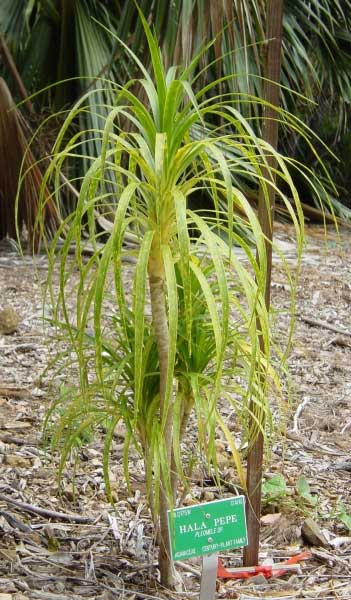
Kkaʻapuni₂ [kaʻa·puni]. nvt. the hula step now called "around the island": the dancer pivots on the ball of one foot in a complete circle; the other foot takes four or more steps to complete the circuit; to do this step. kāhea [kā·hea]. nvt. to call, cry out, invoke, greet, name; recital of the first lines of a stanza by the dancer as a cue to the chanter; to recite the kāhea; to give a military command; to summon; a call, alarm (kā, caus. + hea, call). kāhela₂ [kā·hela]. see ʻami kāhela, a kāholo₃ [kā·holo]. nvi. the "vamp" hula step, more common in modern than in ancient dance, consisting of four counts: (1) one foot is extended to the side, (2) the other is brought alongside, (3, 4) this is repeated on the same side; then the four steps are repeated on the opposite side; to execute this step. kaʻi₇. the chant during which dancers appear and leave; to come dancing out before an audience; see kaʻi₁, to lead, direct... kaʻi hemo. same as kaʻi hoʻi, exit dancing... kaʻi hoʻi. vi. to exit dancing, as in a hula. kaʻi komo. vi. to enter dancing, as in a hula. kaʻina wāwae [kaʻina wā·wae]. n. steps, as in a dance or routine. lit., foot sequence. cf. kiʻina. kake₁. n.v. chants with mixed or garbled words, for and by chiefs, with inserted syllables and some secret words (as: nohouwō o luhunā, nohouwō o lahalō, for: noʻu ʻo luna, noʻu ʻo lalo, mine are the chiefs, mine are the commoners); to use this language; play language used for amusement and intrigue; code. cf. holokake, hōkake. [(MQ) PPN *tate, garbled speech] hoʻokaketo speak kake; to speak unclearly hula kakehula danced to a garbled chant kālaʻau₁, kālāʻau. n.v. stick dancing; to stick dance; kālāʻau. n.v. var. spelling of kālaʻau₁, stick dancing; to stick dance; -kāpōʻai. rare. hoʻokāpōʻaito rotate, revolve, as in a hula Kapoʻulakīnaʻu, Kapoʻulakīnaʻu. more commonly known as Kapo, this unusual goddess was a sister of Pele and daughter of Haumea. She had a dual nature — as a benevolent hula goddess identified with Laka, and as a fierce goddess of sorcery. At Maunaloa, Molokai, she entered an ʻohe tree and poisoned it (see kālaipāhoa). She saved Pele from being raped by Kamapuaʻa by sending her flying vagina (kohe lele) as a lure. Kama followed this to Koko Head, Oahu, where it left an imprint. Later Kapo hid it in Kalihi Valley. (HM 187, 212-213) . Kapo was also called Kapokohelele. As a hula goddess, one of her forms was the hala-pepe tree, branches of which were therefore placed on hula altars. lit., Kapo red dotted with dark. kaula kāliki [kaula kā·liki]. n. lacings, cords as those by which the coconut knee drum (pūniu hula) was tied to the high of the player. kāwele₂ [kā·wele]. nvi. a hula step: one foot makes a half circle forward and to the side without touching the floor; usually in combination with other steps as the holo or ʻuwehe; to do this step. Often called ʻai kāwele, kāwele style. [(CE) PPN *taa-were, hang free, be suspended] kāwelu₂ [kā·welu]. nvi. a hula step, to do this step, which is said to be named for the grass: one foot taps time with the heel, the toes being stationary, while the other foot, flat, steps forward and then a little back, twice or more; the step is repeated reversing the feet. In English this is called the Kalākaua nō he inoa, ka pua mae ʻole i ka lā.A name chant for Kalākaua, the flower that wilts not in the sun. kē₁. nvt. protest, complaint, criticism; critic, especially a hula critic; formerly a hula master who was invited by another hula master to criticize his class; to criticize; to push, shove, struggle against, oppose, shun, avoid, abstain from, refuse. hoʻokēto crowd, elbow, push aside, jostle, struggle, oppress, shun, scorn, protest. Fig., to beset with difficulties hoʻokē ā makato favor some at the expense of others, as relatives Kaʻula i ka hoʻokē a nā manu.Kaʻula [Islet] is crowded with birds [of any crowded place]. (saying) nā weliweli hoʻokēoppressive terrors Nui ke kē o ka poʻe i kēlā puke.There was much protest by the people about that book. kelamoku₃ [kela·moku]. nvi. a hula step invented by Hawaiian sailors: one foot swings alternately on ball and heel of foot, the other points with the toe front and back four times, then reversed; knees are bent, arms out, bent at elbows with hands up and fingers often snapping, swaying with the body; to dance thus. kiani. vt. to flick, flip, wave gently, as the hand overhead in a hula gesture; to wheel and dip, as a soaring bird; frisky. cf. ani, to wave. kiʻelei₂ [kiʻe·lei]. n. type of hula in which the dancer danced in a squatting position. cf. (UL 210) . kielei [ki-e-lei]. s. The name of a kind of hula; he kielei kekahi hula kiʻi₄. nvi. hula step: one foot points to the side, front, and back; then the other foot does the same. also wāwae kiʻi, fetching step. kiʻi₆. n. gesture, as in hula. kiʻi hua. nvi. to make gestures in the hula pūʻili and hula ʻulīʻulī imitative of the words of the chant; these gestures. kiʻi kuhi. n.v. to make time-keeping hula gestures with the left hand reaching forward and back to the front of the shoulder, while tapping the ʻulīʻulī on the right lap; these gestures. kiʻi pā. nvi. in a hula, tapping the lap or left hand with the base of the ʻulīʻulī; tapping the palm of the left hand, floor, back of left hand and right shoulder with end of pūʻuli; both are now called in English "common motion"; to do so. kiʻipā [kiʻi·pā]. vi. to vamp, as in hula or singing. kilu₁. nvt. a small gourd or coconut shell, usually cut lengthwise, as used for storing small, choice objects, or to feed favorite children from. Used also as a quoit in the kilu game: the player chanted as he tossed the kilu towards an object placed in front of one of the opposite sex; if he hit the goal he claimed a kiss; to play this game. (Malo 216-18: ch. 42). In the Bishop Museum are stone quoits labelled kilu. See ex., eo and (FS 275–83). Nā kilu a Lohiʻau.Kilu hulas by Lohiʻau [name of some hulas performed for the coronation of Kalākaua]. Nā kilu a Pele.Kilu hulas by Pele [performed for the coronation of Kalākaua].
E ola koa.Live like a koa tree [i.e. long]. kōlani [kō·lani]. n. sitting hula in honor of a chief (lani). rare. kolani [ko-la-ni]. s. Name of a species of hula; he kolani kekahi hula. kōwehe [kō·wehe]. vi. to billow or flutter out, as a dancer's skirt. cf. wehe, open. Ua ʻike lihi aku nei au i ka lawe kōwehe a ka pāʻū.I have just glimpsed the fluttering skirt. (song) kuamuamu [ku-a-mu-a-mu]. The name of a play or dance. kuhi₁. nvt. to point, gesture, as in speaking, directing an orchestra, or dancing the hula; gesture, pointing. [(EO) PPN *tusi, point (to), indicate] hoʻokuhito teach the art of gesturing in the hula; to point, etc hula kuhi limasitting dance with gestures of hands and swaying of torso Ka iʻa kuhi lima o ʻEwa.The gesturing sea creature of ʻEwa [the pearl oyster; it was taboo to talk while gathering them]. (ON 1357) kū … kā. used only in the idiom ʻo kū! ʻo kā! This originated in Wahineʻōmaʻo's chant: ʻO kū, ʻo kā ʻo Wahineʻōmaʻo, wahine a Lohiʻau ipo (PH 184), bam! boom! Woman-in-green, wife of Sweetheart-Lohiʻau. Wahineʻōmaʻo did not know how to dance or chant; her song was merely a rhythm beat to which she marched about comically. Hence the idiom has come to mean 'a lick and a promise, do it as quickly as possible and get it over with.' kūkulu hulahula [kū·kulu hula·hula]. vt. choreographer; to choreograph. lit., arrange dances. kūlō [kū·lō]. same as kūlōʻihi, to wait a long time; to stand long...; short for kūloa, name of the lengthy ceremonies on the night before graduation day in hula... E kūlō aʻe ana au i kuʻu haku.I am waiting long for my master. kūloa [kū·loa]. same as kūlōʻihi, kūlō; name of the lengthy ceremonies on the night before graduation day in hula; a 'long waiting' with feasts and ceremonies lasting for hours; lengthy religious prayers, ceremonies. He lā kēlā e kūloa ai i nā mea ʻai i ulu mai.That was the day for long prayers to get food to grow. (For. 6:125) kumu₂. n. kumu alakaʻiguide, model, example kumu hoʻohālikepattern, example, model kumu hula. n. hula teacher (HE) kupe₂. n. a hula step: with the feet still and the knees bent, the body swings three times quite low down to the right, over to the left, and up.
kūwili₁ [kū·wili]. vt. LLaʻamea. one of Kalākaua's middle names. (reportedly an alternate spelling for laʻamia, calabash tree)...
Laka₄. goddess of the hula, maile, ʻieʻie, and other forest plants (UL 24) , often identified with Kapoʻulakīnaʻu. see Maile. Lakakane [la-ka-ka-ne]. s. The name of a god; the god of dances; he akua no ka poe hula. lele₆. nvi. hula step: the dancer walks forward, lifting up the rear heel with each step, with slight inward movement; sometimes with the ʻuwehe step with each foot forward. This can also be done backwards; to dance thus. lewa₂. vi. E ola ana ʻoia nei a lewa ke kanahiku.He will live on to past seventy. halelewatabernacle He aha ē ka hana a ʻAnapau lā? Hoʻolewa ka hana a ʻAnapau lā.What is the work of ʻAnapau there? Rotating the hips is the work of ʻAnapau there. (song) hoʻolewa₁to float, as a cloud; to lift up and carry, as on a stretcher; to suspend hoʻolewa₂to rotate the hips in dancing, sway. See song under Hōpoe₂. ka moana lewa loathe deep ocean kai lewadeep sea out of sight of land moe hoʻolewastretcher, hammock nā mea hoʻolewapeddlers [they carried their goods swinging on a carrying pole; cf. kālewa₁] waiū lewalong, pendulous breasts lohelohe₂ [lohe·lohe]. n. larvae of the dragonfly; this was used in hula ceremonies because lohe means to hear and obey. see puaʻalohelohe. also poʻolānui, lohaloha. [(CE) PPN *roferofe, insect larvae] lolo₂. nvs. religious ceremony at which the brain of the sacrificed animal was eaten (such ceremonies occurred at a canoe launching, start of journey, completion of instruction); to have completed the lolo ceremony, hence expert, skilled. Aʻo ihola ʻo Halemano i ka hula … pau ke aʻo ʻana, lolo ihola i ka puaʻa.Halemano learned the hula … after learning, a pig was offered ceremonially. (FS 275) he lolo ʻau moanaseafaring expert
M
Maile₃. four sweet-scented sisters with human and plant forms: Mailehaʻiwale (brittle maile), Mailekaluhea (fragrant maile), Mailelauliʻi (small-leaved maile), Mailepākaha (Laie 454-455). They appear in numerous legends, in the most famous as guardians of Lāʻieikawai and her house thatched with bird feathers in legendary Paliuli. Fragrance had supernatural power and was associated with gods (HM 531) , royalty, and religion, especially for worshipers of Laka, the hula goddess. see Kahalaomāpuana, Lāʻieikawai. mālani [mā·lani]. vs. sketchy, not deep, superficial, as of knowledge, emotion, a sore; obvious or plain rather than profound; mild, as of sickness. He ʻike mālani kona i ka hula.He has a superficial knowledge of the hula. malina₂. n. sisal (Agave sisalana; Furcrae foetida on Niʻihau), a tropical American plant grown for its fiber; used for rope, twine, hula skirts. The plant forms a huge rosette of stiff, straight leaves (1.8 m by 15 cm). It is called malina because marine ropes were made from it. cf. malina₄. (Neal 224–5) mea hula. n. Hula dancer. mele₁. nvt. song, anthem, or chant of any kind; poem, poetry; to sing, chant (preceded by both ke and ka). cf. oli, a chant that is not danced to. cf. haku mele. [(NP) PPN *umele, kind of song or chant (problematic)] hoʻomeleto cause to sing or chant kāna melehis song [sung by him or composed by him] Ke Mele a SolomonaThe Song of Solomon (Biblical) kona melehis song [in his honor] mele [me-le]. To sing in chorus or concert. Puk. 15:1. To sing with joy; to sing and dance. See hula. mele kāhea [mele kā·hea]. n. chant for admittance to an old-time hula school. lit., calling song. mele kaʻi. n. chant or song sung while dancers come out before the audience. lit., procession song. mele kaʻi hoʻi. n. chant or song sung while dancers leave the audience. lit., song for proceeding back. mele kuahu. n. altar chant, as before an altar in a hula school.
Nnaue, nauwe. vi. hoʻonaueto cause to shake, revolve, sway, rock; to disturb Ka ua hōʻoni, hoʻonaue i ka puʻu koʻa.The rain sways in a dance and shakes the coral pile. No ke aha lā ʻoe i hoʻonaue mai ai iaʻu?Why have you disquieted me? (1-Sam. 28.15) niʻo₂. n. altar, as for hula. also kuahu.
Oʻō₄. n. a hula step in which the hip is quickly thrust (ʻō) outward; similar to the kāwelu except that the foot pivots while turning to the opposite direction. ʻōhelo₃ [ʻō·helo]. n. a hula dance; the dancer leans over on one side, supporting himself with one hand, and with the opposite foot and arm making a sawing motion; many mele ʻōhelo have sexual import. also hula helo. ʻōlapa₃ [ʻō·lapa]. n. dancer, as contrasted with the chanter or hoʻopaʻa (memorizer); now, any dance accompanied by chanting, and drumming on a gourd drum. oli. nvt. chant that was not danced to, especially with prolonged phrases chanted in one breath, often with a trill (ʻiʻi) at the end of each phrase; to chant thus. [(NP) PPN *oli-oli, a chant] ʻolo₁. n. long gourd container used as a receptacle, as for kava or water; long body of a gourd used as a hula drum cf. heke, ipu. cf. ʻolo ʻawa. ʻōlohe₂ [ʻō·lohe]. nvs. skilled, especially in lua fighting, so called perhaps because the beards of lua fighters were plucked and their bodies greased; bones of hairless men were desired for fish hooks because such men were thought stronger; also said of hula experts; skilled fighter. (Kel. 115) ʻolu. nvs. hōʻoluto make soft, limber, pleasant, cool, comfortable; to comfort, please, satisfy, pacify Ka ʻolu o ka noho ʻanaThe amenities of life. (Kep. 97) ʻOlu kona kino i ka hula.Her body is supple in the hula. ʻōnohi₁ [ʻō·nohi]. n. He paʻakai poepoe liʻiliʻi, he ʻōnohi awa ka inoa.Small round-grained salt is called milkfish eyeball. Kahi mea iāia ka ʻōnohi o ka pahu hula.The one who has the central [role] among hula drummers. ʻŌnohi kau maka.Beloved one; lit., eyeball placed in the eye. ʻōnohi uliulidark pupil of the eye
Ppā₅. nvi. Pā maila ka leo hone o ka waiolina.The sweet sound of a violin reached here. pahua [pa-hu-a]. v. To dance; to go through the evolutions of dancing. pahuhula [pa-hu-hu-la]. s. A kind of drum used at hulas in former times; it was covered with shark skin. pā hula. n. hula troupe, hula studio, place reserved for hula dancing. pahula [pa-hu-la]. v. Pa and hula, to dance. To dance; to hula, i. e., to sing and dance. s. A dance. See hula. pā hula keʻena aʻo hula. hula studio (EH) pahu paʻi. n. small sharkskin hula drum. lit., beating drum. pahupai [pa-hu-pai]. s. A drum for beating at a hula; o ka ili mano, he mea ia e hana ia i pahupai. pā ipu₂. n.v. to beat a gourd drum; the drum itself and accompanying chant and sitting dance by the chanter. also hula kuolo. paipu [pa-i-pu]. s. Name of a hula or dance. paʻipunahele [paʻi·puna·hele]. n.v. to fete a favorite (punahele), especially by composing songs in his honor, and staging dances and feasts for him; an expression of love for a favorite. He paʻipunahele kēlā nā ke kupuna i ke keiki.That is the grandparent's expression of affection for the child. paipunahele [pai-pu-na-he-le]. s. Name of a dance. paʻi umauma [paʻi uma·uma]. n. chest-slapping hula. [(MQ) PPN *paki-uma, chest-slapping dance] paiumauma [pai-u-ma-u-ma]. v. Pai, to strike, and umauma, the breast. A play which consisted in striking on the breast; he hula pai ma ka umauma.
Palani₆, Farani. nvs. France; Frenchman; French; Frank. Eng. hula Palanisame as the paʻi umauma pale₉. n. division, canto of a song, scene of a play, division of song in a hula papaʻi₁. redup. of paʻi₁, ₂, ₃, ₄, ₅, to slap, spank, beat, hit...; to tie, a draw, equal...; to mix, as ingredients, to mingle...; to put clothes to soak...; a bundle, package, to tie up such a bundle... [(AN) PPN *paki, slap] hoʻopapaʻiredup. of hoʻopaʻi; to move the stomach muscles, as in certain paʻūpaʻū₂ [paʻū·paʻū]. n. overlaid tapa (Kam. 76:115) said to be so called because it was wet during its manufacture; sometimes worn by dancers.
hale pilihouse thatched with pili grass Hū wale aku nō ka waiwai i ke pili.The wealth overflowed on the pili grass [of great quantities]. (Kep. 119) lei kōkō ʻula i ke pilired network lei [rainbow] on the pili grass (song) poahi₂. vi. to revolve, spin, go around; to rotate, of hips in a hula. rare. pō kūloa. taboo night (hula) (EH) pono hula. n. hula supplies (KAN) poʻopuaʻa₁ [poʻo·puaʻa]. n. head pupil in a hula school. lit., pig head, so named because the head pupil provided a pig or pig-head offering. cf. (UL 29) . pule hoʻonoho [pule hoʻo·noho]. n. prayer calling on a god to possess an individual or a hula altar. pule kala. n. prayer of protection from any evil, as of hula teachers before a program. cf. also (Malo 113). lit., removal prayer. pūniu₂ [pū·niu]. n. small knee drum made of a coconut shell with fishskin cover, as of kala. pūpūweuweu. var. spelling of pūpū weuweu₂, a chant prayer to Laka after a period of training in the hula pūpū weuweu₁ [pū·pū weu·weu]. n. clump of grass; clump of greenery, especially as placed on the hula altar to the goddess Laka. pūpū weuweu₂, pūpūweuweu [pū·pū weu·weu]. a chant prayer to Laka after a period of training in the hula to free the taboo.
Uue₂, uwe. nvi. a hula step: the caller announces the step to drummer (who changes the beat) and dancers by calling e ue (e imperative and ue). The right foot is extended forward with toes pointing, while both arms are brought forward to chest level with hands crossed and fingers tipped upward; the left hand stays up, while right arm and foot swing back in an outward arc. Then the right arm and foot are moved forward, and the step is repeated to the left. Then three short steps are taken forward. In the last step the left hand is forward, and the right foot and arm back. To do this step. ʻūlili₅ [ʻū·lili]. n. hula step similar to ʻuwehe, except that only one heel at a time is raised; this step has a distinctive beat. ulili [u-li-li]. The name of a hula; he ulili kahi hula. ʻulī-ʻulī. nvi. var. spelling of ʻulīʻulī, a gourd rattle... ʻulīʻulī, ʻulī-ʻulī. nvi. a gourd rattle, containing seeds with colored feathers at the top, used for the hula ʻulīʻulī (at one time there were no feathers); to rattle. hōʻulīʻulīto shake the ʻulīʻulī; to rattle uluulu lei. n. leis offered to the gods. hoʻouluulu leihula altar where fresh leis were placed during hula instruction ʻūniki [ʻū·niki]. nvi. graduation exercises, as for hula, lua fighting, and other ancient arts (probably related to niki, to tie, as the knowledge was bound to the student). ʻuwehe₂, ʻuehe. nvi. hula step: one foot is lifted with weight shifting to opposite hip as the foot is lowered; both knees are then pushed forward by the quick raising of the heels, with continued swaying of the hips from side to side (a difficult step); to do this step.
Wwahine hula. n. female hula dancer (KAN) walea₂. vs. accustomed; so familiar that one does a thing without effort, as a dance; adept; to do well and effortlessly, as an acquired skill. ua hana ā waleadone until automatic ua walea i ka pena kiʻian experienced and perfect painter wali. vs. ʻaila hoʻowali penapaint thinner hoʻowalito make soft, smooth, as soil, to mix, as poi or dough; to digest nā lio kaʻinapu hoʻowali luagraceful, doubly supple horses (chant) nā mea hoʻowali a lokodigestive organs ʻuala hoʻowali ʻiamashed sweet potatoes ʻūlei hoʻowali ʻualadigging stick of ʻūlei wood that softens [the earth for] sweet potatoes [sexual reference] waha walismooth talk, smooth talker; to talk smooth; glib wāwae₂ [wā·wae]. n. hula step (general name). wāwahi [wā·wahi]. redup. of wāhi; to tear down, shatter, wreck, dash to pieces, break into, demolish; to break, as a law or a twenty-dollar bill; to cause disorder. cf. pōhaku wāwahi waʻa. (Gram. 6.2.1) PCP *waawasi. mīkini wāwahi pōhakurock crusher wāwahi i ka huato break the egg wāwahi i ka manawato keep open an infant's fontanel by applying crushed pōpolo berries; it was believed that an infant might be fed through the fontanel wāwahi pā hulato disturb a hula show by presenting a rival show |