| Pukui & Elbert - 1986
Māmaka Kaiao - 2003-10 Lorrin Andrews - 1865 |
updated: 12/18/2016 |
animals 379
animal names, animal-related entries...
AʻAhahui Makaʻala Holoholona [ʻaha·hui maka ·ʻala holo·holona]. n. Humane Society. lit., society (which) attends to animals. ʻāhiu₁ [ʻā·hiu]. vs. wild, untamed, as animals or plants. ʻāhiu [ʻā·hiu]. vs. wild, general term; shy. cf. lapa. see lōhiu, lakauā. ahiu [a-hi-u]. adj. Wild; untamed, as a horse; he aa; aole laka mai. See hihiu. ʻainaonao [ʻai·nao·nao]. n. anteater. ʻakuiki [ʻaku·iki]. n. chipmonk. (Ute ʻakwiisi.) also kiulela ʻakuiki, ʻalakeka [ʻala·keka]. n. alligator. Eng. ʻalikekoa, ʻālikekoa [ʻali·kekoa]. n. alligator. Eng. alopeka. var. spelling of ʻalopeke, fox... ʻalopeka ʻĀlika. n. var. spelling of ʻalopeke ʻAlika, Arctic fox. ʻalopeke, alopeka [ʻalo·peke]. n. fox. Gr. alopeks. (Luka 13.32) ʻalopeke ʻAlika, ʻalopeka ʻĀlika [ʻalo·peke ʻa·lika]. n. Arctic fox. alopeke [a-lo-pe-ke]. s. Gr. A fox. Lunk. 15:4. ʻamakila [ʻama·kila]. n. armadillo. Eng. ʻanaka. n. gekko (RSV); polecat, ferret (KJV). Heb. ʻanaqa. (Oihk. 11.30) anaka [a-na-ka]. s. Heb. A ferret. Oihk. 11:30. anetelopa, anetelope [a-ne-te-lo-pa]. s. Eng. An antelope. Mel.Sol.2:7; 1 Nal. 4:23. anetelope. s. var. spelling of anetelopa, Eng. An antelope. Mel.Sol.2:7; 1 Nal. 4:23. ʻaoa₁. nvi. hōaoato make a dog bark or howl ʻāpeʻapeʻa₁ [ʻā·peʻa·peʻa]. same as peʻapeʻa, bat. ʻapowai₁ [ʻapo·wai]. n. type of Hawaiian dog with solid grayish-brown body and nose tip and eyes of the same color, believed to love water and consequently offered as a sacrifice to moʻo water spirits. ʻauhaka [ʻau·haka]. nvs. spindle-legged; spindleshanks; an animal with slender legs. ʻau ʻīlio [ʻau ʻī·lio]. vi. dog paddle, in swimming; to dog paddle. lit., swim (like a) dog.
Eʻea₁. n. ea [e-a]. s. A species of turtle much valued on account of the shell. The shell itself; he ea kuu wakawaka. Eset. 1:6. Put for ivory. NOTE.—The ea was forbidden to women to eat, under the kapu system. ʻēleka [ʻē·leka]. n. elk. Eng. eleka [e-le-ka]. s. Eng The elk; an animal.Lam. Haw. 6:1.
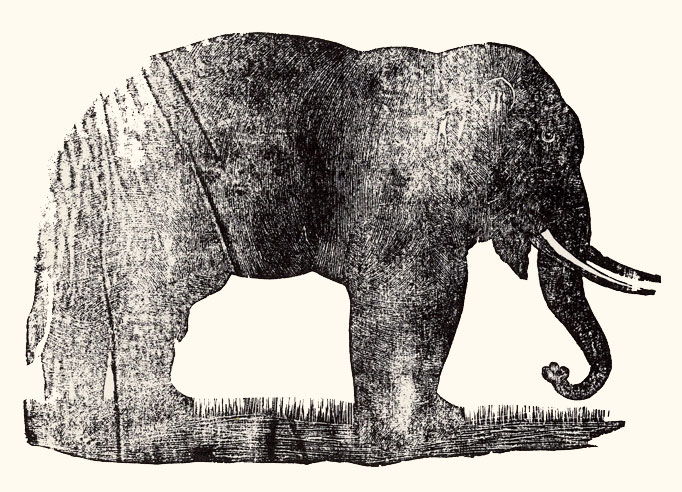
ka niho ʻelepaniivory (1-Nal. 10.22) elepane, elepani [e-le-pa-ne, e-le-pa-ni]. s. Eng The elephant. ʻelepani o ke kai [ʻele·pani o ke kai]. n. walrus. lit., elephant of the sea. also palaʻo. ʻelepani pūhuluhulu [ʻele·pani pū·hulu·hulu]. n. woolly mammoth. lit., hairy elephant.
Hhaʻakipu [haʻa·kipu]. vt. to breed animals or propagate plants. (Māori whakatipu.) cf. hoʻēhu pua, hoʻopiʻi. hahei₁. same as kīkepa, a type of pig. rare. hahei [ha-hei]. v. To follow; to push with the shoulder; e pahu pu ma ka hokua; he puaa hahei, a pushing or fighting hog. hale ʻīlio [hale ʻī·lio]. n. doghouse. see hale mālama ʻīlio. hale mālama ʻīlio [hale mā·lama ʻī·lio]. n. kennel, an establishment for boarding or breeding dogs. lit., building (for) taking care of dogs. cf. pene halihali, pene ʻīlio. hānaiahuhu [hānai·ahuhu]. n. pet. hale kūʻai hānaiahuhupet shop heehe. vi. to bleat. heehe [he-e-he]. v. To bleat, as a goat. hiena₂. n. hyena. Eng. hiena [hi-e-na]. s. Eng. A hyena. Lam. Haw. 22:1, 2; Ier. 12:9. NOTE.—This last reference is not hyena in English. hipa₂. n. sheep. Eng. (Ioane 10.2) hipa [hi-pa]. s. Eng. Sheep. Ioan. 10:2, 3. hipa kāne. n. ram. lit., male sheep. hipa kāne ʻakolu ona makahikithree-year-old ram (Kin. 15.9) hipa kāne wāwahibattering ram (Ezek. 4.2) hipakane [hi-pa-ka-ne]. s. Hipa, sheep, and kane, male. A ram. Kin. 15:9. Ili hipakane, a ram skin. Puk. 25:5; Gram. § 95. FIG. Hipakane wawahi, a battering ram. Ezek. 4:2. hipa keiki. n. lamb. hipakeiki [hi-pa-ke-i-ki]. s. Hipa, sheep, and keiki, the little one. A lamb. Oih. 8:32. See keikihipa. NOTE.—The word lamb is rendered in Hawaiian by both forms, hipakeiki and keikihipa. hipa wahine. ewe (EH)
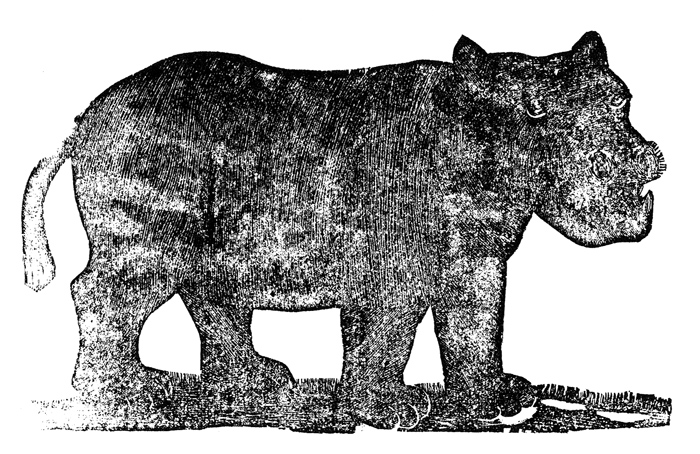
hipopōkamu [hipo·pō·kamu]. n. hippopotamus. hipopotamu [hi-po-po-ta-mu]. s. Gr. The river-horse. Iob. 40:15. The hippopotamus. hiwakea [hiwa·kea]. n. an all-black pig with white hoofs and white tips of tail, ears, and nose. hoki₁. n. mule, ass. Eng. (horse). (Nah. 16.15) hoki [ho-ki]. s. Eng. An ass; a mule. Nah. 16:15. Hoki keiki, a young ass. NOTE.—Hoki is the Hawaiian pronunciation of the English word horse, which was first used, but afterward lio was applied to a horse, and hoki was applied to the ass and the mule. holoholo lio [holo·holo lio]. redup. of holo lio; to go horseback riding. holohololio [ho-lo-ho-lo-li-o]. s. See holo and lio, a horse. A rider on a horse; a horseman; cavalry. 2 Oihl. 1:14. holoholona₁ [holo·holona]. n. animal, beast, insect holoholona [holo·holona]. see hoʻomalu lawaiʻa a me ka hahai holoholona, fish and game management... ʻAhahui Makaʻala HoloholonaHumane Society ʻĀina Hoʻomalu Holoholona Lōhiu o HawaiʻiHawaiian Islands National Wildlife Refuge hoʻomalu holoholona lōhiustate wildlife official loea holoholona lōhiuwildlife expert luna hoʻomalu holoholona lōhiustate wildlife official ʻOihana Iʻa me ka Holoholona Lōhiu o ʻAmelikaUS Fish and Wildlife Service holoholona [ho-lo-ho-lo-na]. s. See holoholo and ana, a running about. A four-footed beast; generally applied to domestic animals, but often to wild ones. holoholona ʻai waiū [holo·holona ʻai waiū]. n. mammal. lit., animal (which) suckles. also māmela. holoholona iwi kuamoʻo [holo·holona iwi kua·moʻo]. n. vertebrate animal. lit., animal (with) backbone. see holoholona iwi kuamoʻo ʻole. holoholona iwi kuamoʻo ʻole [holo·holona iwi kua·moʻo ʻole]. n. invertebrate animal. lit., animal without backbone. see holoholona iwi kuamoʻo. holoholona lōhiu [holo·holona lō·hiu]. n. wildlife. lit., naturally wild animals. holo kūkū [holo kū·kū]. vi. to trot, as a horse; to jounce. holokuku [ho-lo-ku-ku]. v. Holo and kuku, to stop short. To trot, as a horse. To ride roughly or uneasily. holo lio. n.v. to ride horseback; horseman, rider. (Isa. 36.8) hoʻoholo liosame as holo lio; horseman (Puk. 14.9); to make a horse run ka wahine holo liothe woman rider hololio [ho-lo-li-o]. s. Holo, to ride, and lio, horse. A rider of a horse. Isa. 36:8. Hoo. A horseman; a rider on a horse. Puk. 14:9. holopeki [holo·peki vi·]. vi. to trot. lit., pace (Eng.) run. homeka, hometa. n. sand lizard (RSV), snail (KJV). (Oihk. 11.30) homeka. n. land snail. ʻAi ka homeka hamuhika i kōna ʻano lāhui ponoʻī o ka homeka.Cannibal snails eat their own species of snail. honu₁. n. general name for turtle and tortoise, as Chelonia mydas. [(AN) PPN *fonu, turtle] Honu neʻepū ka ʻāina.The land moves like the turtle [land passes slowly but inexorably from owner to heir]. hula honuan ancient dance imitating the movements of a turtle honu. see honu lūʻau, honu pahu, green sea turtle...; box turtle... honu [ho-nu]. s. The turtle; a terrapin; more generally applied to the sea turtle; a tortoise. Oihk. 11:29. NOTE.—The honu was formerly forbidden to women to eat in the times of the kapu under penalty of death. honu ʻāina. n. land turtle (KAN) honu lūʻau [honu lū·ʻau]. n. green sea turtle. lit., turtle (with) greenish meat. also honu. huhu₂. vt. to pet, cherish, as animal pets. Moe kō a ka huhu.Dream fulfilled and cherished. huhulu kū. vi. to rise, as fur of an angry dog. hui₆. n. flippers of a turtle. Ua loha nā hui o Hāʻupu.The flippers of Hāʻupu droop [an aged person, a reference to the story of Kana and Niheu, in which a turtle lifted up Hāʻupu hill on Molokaʻi]. (ON 2823) hui [hu-i]. The flippers of the sea-turtle. hulu₃. n. fur, wool, fleece, human body hair (contrasting with lauoho, head hair). [(OC) PPN *fulu, hair, feather] Ka hulu ʻako mua o kāu poe hipa.The fleece first shorn of your sheep. (Kanl. 18.4) hulu. n. wool. hulu [hu-lu]. A bristle of a hog; the hair of the body; hulu kuemaka, the eyebrows. Oihk. 14:9.
Wool; a fleece from a sheep. Kanl. 18:4.
Iiaka. n. yak. Eng. iākala [iā·kala]. n. jackal. Eng. iākua, iagua [iā·kua]. n. jaguar. Eng. iagua [ia-gu-a]. s. Eng Name of the animal jaguar. ibeka [i-be-ka]. s. Name of an animal; the ibex. Sol. 5:19. see ʻipeka. ihihī [ihi·hī]. vi. to neigh, whinny. hōihihīto imitate neighing; to make a horse neigh ihihi [i-hi-hi]. v. To neigh, as a horse. ʻikuana [ʻiku·ana]. n. iguana. Eng. ʻīlio₁ [ʻī·lio]. n. dog (brought to Hawaiʻi by early Polynesians, considered an ʻaumakua by some). cf. ʻapowai, hula ʻīlio, nūkea, (Gram. 2.9) , (Titcomb 1969), (Hal. 22.16) , (Hoik. 22.15) . Many types of dogs are listed below. [(CE) PPN *kurio, dog] ʻau ʻīliodog paddle, in swimming; to dog paddle. lit., swim (like a) dog ʻīlio moʻo, ʻīlio peʻeluabrindled dog ilio [i-li-o]. s. A dog; ilio hihiu, a wolf; ilio hahai, a greyhound. Sol. 30:31. ʻīlio₂ [ʻī·lio]. a generic term for foreign quadruped. See below and (Gram. 2.9.2) . ʻīlio hae. n. fierce or vicious dog; wolf, jackal. iliohae [i-li-o-hae]. s. Epithet of a wolf; a fierce, cross dog. Lam. Haw. 23:1,1. ʻīlio hahai [ʻī·lio hahai]. n. greyhound. lit., chasing dog. (Sol. 30.31) ʻīlio hahai holoholona [ʻīlio hahai holo·holona]. n. hunting dog. ʻīlio hahai manu. n. bird dog. ʻīlio hanu kanaka [ʻī·lio hanu kanaka]. n. bloodhound. lit., dog that smells man. iliohihiuhae [i-li-o-hi-hiu-hae]. s. Epithet of a wolf; a fierce, cross dog. Lam. Haw. 23:1,1. ʻīlio hihiu hae [ʻī·lio hihiu hae]. n. wild, fierce dog; wolf. ʻīlio hipa [ʻī·lio hipa]. n. sheep dog, shepherd dog. ʻīlio hohono [ʻī·lio hohono]. n. bad-smelling dog; skunk. ʻīlio holo i ka uaua [ʻī·lio-holo-i-ka-ua·ua]. n. seal. lit., quadruped running in the rough [seas]. also sila. ʻīlio hulu pāpale [ʻīlio hulu pā·pale]. n. beaver. lit., hat-fur dog. ʻīlio ʻiʻi [ʻī·lio ʻiʻi]. n. small curly-haired native dog, said to be in four colors; reddish-brown (as the fibers of the hāpuʻu ʻiʻi tree fern), cream-colored, ashy-gray, and wine-colored. ʻīlio ʻiole. n. rat terrier. ʻīlio kawaū [ʻī·lio kawa·ū]. n. a damp dog. fig., one shivering with cold (said in fun). ʻīlio kekeko [ʻī·lio kekeko]. n. pug-nosed dog. ʻīlio kēlia [ʻī·lio kē·lia]. n. terrier. also kēlia. Latin terrarius.. ʻīlio kiaʻi hipa [ʻī·lio kiaʻi hipa]. n. sheep dog, shepherd dog. ʻilio kula ʻōlohelohe. n. var. spelling of ʻīlio kula ʻōlohelohe, prairie dog. lit., hairless dog of the plains. ʻīlio kula ʻōlohelohe, ʻilio kula ʻōlohelohe [ʻī·lio kula ʻō·lohe·lohe]. n. prairie dog. lit., hairless dog of the plains. ʻīlio mākuʻe [ʻī·lio mā·kuʻe]. n. native dog, brown dog. ʻīlio moʻo. n. brindled dog. (HM 139) ʻīlio ʻōlohe [ʻī·lio ʻō·lohe]. n. ʻĪlio ʻōlohe kona ʻāina.His land is fierce as a hairless dog. (GP 6–7) ʻīlio pulu [ʻī·lio pulu]. n. bulldog. lit., bull (Eng.) dog. ʻīlio wahine [ʻī·lio wahine]. n. bitch. ʻioʻiole. vs. mousy, like a rat. hoʻioʻiolecaus/sim ʻiole₁. n. Hawaiian rat (Rattus exulans); introduced rat, mouse (Oihk. 11.29) ; rodent (see ʻiole lāpaki, ʻiole manakuke, ʻiole puaʻa); mole (Isa. 2.20) ; considered by some an ʻaumakua. cf. piko pau ʻiole, haumakaʻiole, paʻipaʻiʻiole, papaʻiole, ʻuwīʻuwī₃. [(NP) PPN *kiole, rat] hōʻioleto behave like a rat; ratlike. Fig., to steal, cheat, lie in wait in order to assail ʻiole. n. mouse, as for a computer. see nahau ʻiole. n. mouse, rat. ʻiole wāwae keawhite-footed mouse iole [i-o-le]. s. A mouse. Oihk. 11:29. Iole nui, a rat or rabbit; a mole. Isa. 2:20. ʻiole kebira. n. var. spelling of ʻiole kepila, gerbil. ʻiole kepila, ʻiole kebira. n. gerbil. ʻiole lāpaki, ʻiole rabati [ʻiole lā·paki]. n. rabbit. ʻiole lāpiki [ʻiole lā·piki]. n. rabbit. Niʻihau. see entries under lāpaki. also lāpiki, lāpaki. ʻiole liʻiliʻi [ʻiole liʻi·liʻi]. n. small rat, mouse. ʻiole māmala. n. chipmunk (HE) ʻiole manakuke [ʻiole mana·kuke]. n. mongoose. ʻiole nui. n. introduced large rat. iolenui [i-o-le-nu-i]. s. A rat, especially the large wharf-rat. ʻiole poʻo wai. n. introduced large rat, probably Norway rat. lit., water-source rat. ʻiole puaʻa. n. Guinea pig. ʻipeka, ibeka. n. ibex. Ka ʻipeka ʻoluʻolupleasant doe (RSV), roe (KJV) (Sol. 5.19) iwi kuamoʻo ʻole [iwi kua·moʻo ʻole]. n. invertebrate. lit., without (a) backbone. see iwi kuamoʻo. holoholona iwi kuamoʻo ʻoleinvertebrate animal
Kkahu hipa. n. shepherd. see hipa₂, sheep... kahuhipa [ka-hu-hi-pa]. s. Kahu and hipa, sheep. A shepherd. Ioan. 10:11. kaikea₂ [kai·kea]. n. fat, as of pork. (Isa. 34.6) kaikea [kai-ke-a]. s. The fat of hogs or other animals. Puk. 29:13. FIG. Isa. 34:6. kākala wela₂ [kā·kala wela]. vs. black with brown markings, of a pig. cf. kala wela. kalamena, salamena [kala·mena]. n. salamander. Eng. kalamena kuaʻulared-backed salamander kamaloli [kama·loli]. n. slugs and snails in general; Eulota similaris, a snail. lit., sea-slug child. kamaloli [kama·loli]. n. slug, a gastropod closely related to land snails. Kamapuaʻa₁, Kama [Kama-puaʻa]. a pig demigod... The pig demigod whose rootings created valleys and springs. He leaned against the cliffs at Kaliuwaʻa, Oahu (where a troughlike depression is still visible) to allow his family to climb up his body and escape Chief ʻOlopana₁. He had many affairs and is a symbol of lechery. He exchanged ribald taunts with Pele and then called on his plant forms — olomea, hala (pandanus), ʻuhaloa, ʻamaʻumaʻu (ferns) — to block her advancing fires, which they did (FS 228-229). He finally mated with Pele, taking for himself Hilo, Hāmākua, and Kohala, and allotting Kaʻū, Puna, and Kona to Pele. When he fought the dog Kūʻīlioloa he called on his kukui, ʻuhaloa, and ʻāmaʻumaʻu forms to hold the dog's mouth open; he then multiplied himself into many pigs and entered the mouth to kill the dog (FS 214-215). Other forms included a handsome man, kūkaepuaʻa grass, clouds, the humuhumunukunukuāpuaʻa fish, and the god Lono. lit., hog man. See Makaliʻi₄; ʻOlopana₁. (FS 196–249). See texts. Kamapuaa [ka-ma-pu-aa]. s. Kama, child, and puaa, hog. LIT. The son of a hog. The name of a fabled kupua or wizard, half man, half hog. He was the son of Hina and Kahikiula, and grandson of Kaunuaniho. Kamapuaa was the husband of Pele, and their child's name was Opeluhoolili. He was worshiped as a god. kame. n. chamois. Eng. kameleona [kame·leona]. n. chameleon (RSV), mole (KJV). (Oihk. 11.30) Jackson's chameleon (Chamaeleo jacksoni) has been noted on Oʻahu since 1972, the green anole lizard (Anolis carolinensis porcatus) since, 1950; this is also commonly called chameleon. (McKeown 28–33). see ex. kohu₁, (resemblance, appearance...) Eng. kameleona [ka-me-le-o-na]. s. Eng. The chameleon. The mole. Oihk. 11:3. kameleona keaka [kamele·ona keaka]. n. Jackson chameleon. lit., Jack chameleon. kāmelo [kā·melo]. n. camel. Gr. kamelos. kamelo [ka-me-lo]. s. Eng. A camel, an unclean animal among the Jews. Oihk. 11:4. kamelopaki, kamelopadi [kamelo·paki]. n. camelopard, giraffe. Eng. kamelopadi [ka-me-lo-pa-di]. s. Eng. A camelopard. kanakalū, kanagaru [kana·kalū]. n. kangaroo. Eng. kanekalū, kanekalu [kane·kalū]. n. kangaroo. Eng. kani oe. see pūpū kani oe, a "singing" land shell kao₅. n. goat. (See (Gram. 2.9.2) ) ʻaʻahu ʻili kaogoatskin garment [said of shiftless people accused or sleeping under goatskins because they were too indolent to make tapa] (ON 1) Ē! ʻumiʻumi kao!Say! Goat's beard! [a taunt of one child to another child who has been scolded, sometimes accompanied by goat-like bleating and tugging on an imaginary beard]. kao [ka-o]. s. A goat; kao hele, a scape-goat. Oihk. 16:15. kao hele. n. azazel (RSV), scapegoat (KJV). lit., goat going. (Oihk. 16.8) kao hihiu. n. wild goat, gazelle, satyr. (Isa. 13.21) kaohihiu [ka-o-hi-hi-u]. s. Kao, goat, and hihiu, wild. The gazelle or wild goat. kao kanaka. n. satyr (1941 Bible has kao hihiu). lit., human goat. kaokanaka [ka-o-ka-na-ka]. s. Kao, goat, and kanaka, man. Names of an animal to be found in the desolations of Babylon; a satyr.Isa. 13:21. kao keiki. n. kid, young goat. kapa uhi lio. n. horse blanket. kapuaʻihao lio [kapu·aʻi·hao lio]. n. horseshoe. lit., horse iron tread. kapuaʻi maheleʻia. cloven-footed (EH) kapuaʻi mahele ʻia [kapu·aʻi mahele ʻia]. vs. cloven-footed. kāpuhi [kā·puhi]. n. master of an animal; nurse or caretaker of a child; provider in general (named from the Oʻahu custom of taming and feeding a particular eel [puhi] in the sea). [(CE) PPN *tapuhi, to nurse, tend] hoʻokāpuhisame as kāpuhi; to feed an eel; to nurse or care for a child or person. Fig., clever, smart Mai puni mai nā hoʻokāpuhi.Don't be taken in by smart, wily folk. kapuhi [ka-pu-hi]. s. A master of an animal; a nurse of a child; a provider. See hookapuhi. kauka holoholona [kauka holo·holona]. n. veterinary. lit., animal doctor. kau lio. n.v. to ride horseback; horseback rider. kaulua lio [kau·lua lio]. v. to harness or put two horses together. kaulualio [kau-lu-a-li-o]. s. See kaulua above. kawia. see ʻiole kawia, Guinea pig... kea₆, dea. n. hart, male deer. (Kanl. 12.15) keʻa₄. n. male animal reserved for breeding; virile male; sire. [(EP) PPN *teka, penis] kū i ke keʻalike the sire [of a child] kea [ke-a]. The name of the semen of males, from the color. See keakea below and kea, adj. kehaka, tehasa. n. badger. Hebrew tahash. keiki hipa. n. lamb. lit., sheep (Eng.) offspring. keikihipa [ke-i-ki-hi-pa]. s. Keiki and hipa(Eng.), sheep. A lamb. Oihk. 4:35. keiki kao. same as kao keiki, kid, young goat. keikikao [ke-i-ki-ka-o]. s. Keiki, and kao, goat. A kid. Oihk. 4:23. kēkake₁ [kē·kake]. n. donkey, jackass. also ʻēkake, iākake. Eng. keko₁. monkey, ape; said to be an ancient name for a small and ugly creature, especially with a pug nose. hana kekofoolish or ugly behavior keko [ke-ko]. s. A little short man; hence, a monkey. 2. Oihl. 9:21. He kanaka poupou inoino, kokikoki ka ihu me ka maka. keko lekuka. n. rhesus monkey. kelakona, deragona [kela·kona]. n. dragon. Eng. (Hoik. 12.3) kēlia [kē·lia]. n. terrier. also ʻīlio kēlia. Latin terrarius.. kepela₂, zebera. n. zebra. Eng. kepila. see ʻiole kepila, gerbil... kia₄, dia. n. deer, hart. Eng. kia keiki. n. fawn. kīau [kī·au]. nvi. to gallop; to walk lightly and swiftly; fast movement. Maʻō nō ka lio i kīau aʻe nei.The horse just went trotting yonder. kika₄, tiga. n. tiger. Eng. kike. n. kitty. Eng. kīkepa₅ [kī·kepa]. n. pig of one solid color with a spot of another color on the shoulder. kilape. n. giraffe. Eng. kimepani [kime·pani]. n. chimpanzee. Eng. kinikila [kini·kila]. see lāpaki kinikila, chinchilla rabbit... kipoka, kipoda. n. porcupine (Isa. 34.11) ; hedgehog (RSV), bittern (KJV) (Zep. 2.14) . cf. puaʻa ʻili ʻoiʻoi, puaʻa ʻōkalakala. Heb. qippod. kīpoka [kī·poka]. n. porcupine. kiulela, kiurela [kiu·lela]. n. squirrel. Eng. kiulela [kiu·lela]. n. squirrel. also ʻakuiki. kiulela ʻĀlikaArctic ground squirrel kō₆. n. and interj. A call to pigs, fowl. Also kolo, kolo, kolo. koa₅. n. land crocodile (RSV), chameleon (KJV). (Pronunciation uncertain) (Oihk. 11) kokeiʻa. n. prairie dog. Ute toceyʻa. koki₁. vs. snub-nosed, as of a bulldog. koki [ko-ki]. adj. Short-nosed; snub-nosed, like a monkey; kekokeko, keko, ihu kumence, kokikoki. kolila, gorila. n. gorilla. Eng. kolo₅. interj. call to fowl, pigs. Kolo, kolo, kolo! Come, come, come! kone₁. n. rock badger (RSV), coney (KJV) . described by (Kep), perhaps a gony (gooney). Eng. (Kanl. 14.7) kone [ko-ne]. s. Eng. A cony; a species of hare. Kanl. 14:7. konini. vi. kopahela, gopahera [kopa·hela]. n. gopher. Eng. kopola, kobora. n. cobra. Eng. koukā, kouga [kou·kā]. n. cougar. Eng. kouga [ko-u-ga]. s. Eng. The name of an animal, the cougar. kuaʻi. vt. to remove internal organs of animals, disembowel; to clean, as chickens. [(CP) PPN *tuaki, disembowel fish or fowl] mea kuaʻi ʻiʻo holoholonabutcher kuaʻi. vt. to remove, as an ʻopihi from its shell. also poke, poʻe. kuaka₅. n. quagga, zebra. Eng. kua kulilipi. razorback (pig) (EH) kua pipi. n. ox yoke. kuapoʻi₂ [kua·poʻi]. n. shell on back of crab or turtle. kuʻekuʻe pipi [kuʻe·kuʻe pipi]. n. beef joint or knuckle; soupbone. Kūʻīlioloa [Kū-ʻīlio-loa]. a giant man-dog. He was killed by Kamapuaʻa (pig man), who stuffed his own weed bodies down the dog's throat and cut his way out (HM 202) . The hero Kaulu tore him apart; therefore dogs are small today (HM 348) . A girl fled down his throat and his tail was cut off; hence dogs have short tails (HM 500) . lit., Kū long dog. kuʻi puaʻa. pig tusk (EH) kulai [ku-lai]. To move, as the tail of an animal. Iob. 40:17. kumu₆. n. herd, flock. cf. kumu hipa, kumu pipi. kumu [ku-mu]. A shoal of fish; a flock; a herd; kumu puaa, a herd of swine; kumu hipa, a flock of sheep. kumu hipa. n. flock of sheep. kumuhipa [ku-mu-hi-pa]. s. Kumu and hipa, sheep. A flock of sheep. Mik. 5:7. kunu₄. vi. to buck, as a horse. kūpeʻe niho ʻīlio [kū·peʻe niho ʻī·lio]. n. dog-tooth anklets. kūpeʻe pipi [kū·peʻe pipi]. v. to bind feet of cattle, especially with the lasso.
L
laehaokela [lae-hao-ke-la]. s. Lae, forehead, hao, horn, and kela, projecting. Name given to the unicorn; the unicorn. adj. Having one horn in the forehead; he holoholona kiwi hookahi ma ka ihu. Lio laehaokela. Nah. 23:22. laka₁. vs., vt. tame, domesticated, gentle, docile; attracted to, fond of; to tame, domesticate, attract. see ex. ʻena₂. [(EO) PPN *lata, tame, domesticated] Ē Laka ē … e laka i ka leo, e laka i ka loaʻa, e laka i ka waiwai.O Laka, attract the voice, attract profit, attract wealth. (UL 34) hoʻolakato tame, domesticate; to treat with kindness, as a child or animal, so as to familiarize with one Mai ʻena i ke kanaka i laka aku.Don't shy away from a person attracted [to you]. (ON 2042) Nui ka laka o kēia keiki i ke kupuna.This child is so fond of the grandparent. laka [la-ka]. v. To tame, as a wild animal; to feed to the full. Hoo. To bring under, as a ferocious beast; to render docile and obdient; to tame; to domesticate. lak. 3:7. adj. Well fed; tame; domesticated; familiar; gentle; not ferocious; the opposite of hihiu. s. Domesticated or tamed animals. lakuna, rakuna. n. raccoon. Eng. lakuna. n. raccoon. lāmia [lā·mia]. n. lemur. Greek. He pili lāhui ka lāmia me ke keko ma kekahi ʻano, akā, no ka nui kūpono o ka ʻokoʻa i ke keko, ua manaʻo ʻia he lāhui ʻokoʻa aʻe nō.The lemur is a related species to the monkey, but because of some marked differences, it is considered a different species altogether. lana₄, rana. n. frog. Latin rana, a genus. lāpaki [lā·paki]. n. rabbit, hare. lāpaki [lā·paki]. n. rabbit. also lāpiki, ʻiole lāpiki. lāpaki huelo pulupulu [lā·paki huelo pulu·pulu]. n. cottontail rabbit. also lāpiki huelo pulupulu, ʻiole lāpiki huelo pulupulu. lāpaki kinikila [lā·paki kini·kila]. n. chinchilla rabbit. also lāpiki kinikila, ʻiole lāpiki kinikila. Eng. lawa₆. vs. white, as of a cock or dog. moa lawa, moa lawa keawhite cock lawa [la-wa]. A white fowl; he moa keokeo; such as was offered in sacrifice. Laieik. 49. White; shining; he moa lawa, a white fowl. Laieik. 14. lēhei₁ [lē·hei]. vi. to jump, hop, as a goat over a wall; to leap, start up and fly. lēkei is a common variant. lehei [le-hei]. v. See lehai. To jump from an elevation, as a dog or goat from a wall. To start up suddenly. leinekia, leinadia [lei·nekia]. n. reindeer. Eng. lele ʻōpeʻapeʻa. to fly like a bat see ʻōpeʻapeʻa₂, bat... (EH) leopaki, leopadi [leo·paki]. n. leopard. Eng. (Ier. 5.6) leopadi [le-o-pa-di]. s. Eng. A leopard. Ier. 5:6. leopaki kikī [leo·paki kikī]. n. cheetah. lit., swift leopard. leo uwō. n. bass or baritone notes or voice; roar, as of a lion. leouwo [le-o-u-wo]. s. Leo, sound, and uwo, to bellow. The lowest notes in music; the name of the base notes. lepu. n. hare. (Kanl. 14.7) (1843 Bible). Latin lepus, a genus. lepu [le-pu]. s. Heb. A hare, an unclean animal mentioned in Kanl. 14:7. lineka. n. lynx. Eng. lineka [li-ne-ka]. s. Gr. The lynx, a four-footed animal.
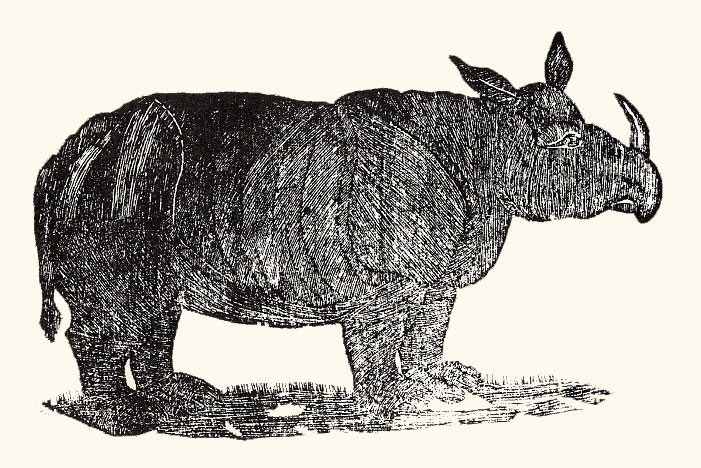
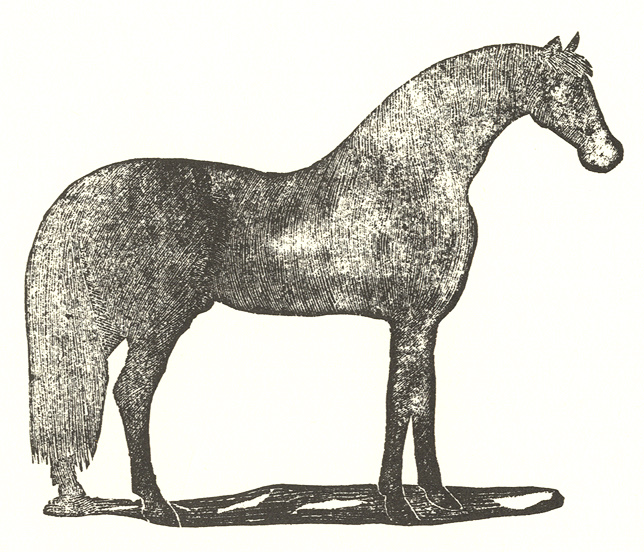
lio [li-o]. s. A name given to foreign animals generally when first introduced into the islands. See the verb. The word is now mostly applied to the horse; the horse. lio hulupala. bay horse (EH) liona. n. lion. Eng. kanaka kino lionasphinx, a mythological monster with the head of a woman and the body of a lion Sapenika Lionathe huge Sphinx found near the pyramids at Giza in Egypt liona [li-o-na]. s. Eng. A lion. Kin. 49:9. liona kai. n. sea lion. liona keiki. lion cub (EH) liona wahine. lioness (EH) lio peki. n. pacing horse. lio poʻa. n. gelding. lio wahine. n. mare. lūʻau₃. n. greenish meat in a turtle, considered a delicacy; so named because the color of its meat suggested the color of taro tops. Mmāʻāʻā₂. n.v. goat's bleat; baa; to bleat. mahina₃. n. eye of the snail at the end of its horn. mahina [ma-hi-na]. The eye of a snail in the end of his horn; he maka pupu. maiʻao holoholona. hoof (EH) makaha [ma-ka-ha]. The sickness of hogs. maka ole. n. eyetooth; point of a dog's tooth, fig., point of an ʻōʻō, digging stick; sprouting plant. makaole [ma-ka-o-le]. s. Maka, eye, and ole, the eye teeth; the edge of the eye teeth. Epithet of the oo; an oo. makekana, masetana [make·kana]. n. mustang. Eng. mākinikā₁ [mā·kini·kā]. nvs. monkey. fig., ugly person; ugly. malailua₂ [malai·lua]. hornless goat or cow (said to be named for a particular goat at Kona, Hawaiʻi). (AP) malailua [ma-lai-lu-a]. s. A goat without horns, derived from the name of a particular goat formerly found at Kona, Hawaii. māmela [mā·mela]. n. mammal. also holoholona ʻai waiū. Eng. Kānāwai Māmela Kai.Marine Mammals Act. Komikina Māmela Kai.Marine Mammal Commission. māmota [mā·mota]. n. groundhog, marmot. Eng. mapu [ma-pu]. A ring-tailed monkey. masetana. n. var. spelling of makekana, mustang. Eng. meaʻai ʻīlio. n. dog food (KAN) mea lole pipi. n. butcher. also kanaka lole pipi. see pepa lole pipi. melalemu [mela·lemu]. n. sloth, the animal. meula [me-u-la]. s. A mule; the offspring of a horse and an ass; vulgarly pronounced piula. See miula. Eng. mioʻawi [mio·ʻawi]. n. mole, the animal. miula. n. mule, ass. Eng. (Kin. 36.24) miula [mi-u-la]. s. Eng. A mule; the offspring of an ass and a mare. Kin. 36:24. See meula. moe hānai ā huhu. n. pet bed. (HE) moekau [moe·kau]. vi. hibernation; to hibernate. moko₃. n. lizard. rare. mole₆. n. mole. Eng. (Oihk. 11.29) momole₁. same as molemole, redup. of mole₂, smooth, round, bald... pipi wahine momolehornless cow moʻo₁. n. lizard, reptile of any kind, dragon, serpent; water spirit. [(FJ) PPN *moko, lizard (a large black skink sp.)] mea nānā moʻoenchanter (Kanl. 18.10) moo [moo]. s. A general name for all kinds of lizards. Ohik. 11:30. Hence, a serpent; a snake; the lizard god of Paliuli, whose name was Kihanuilulumoku, ka moo nui. Laieik. 104. Ka mea nana moo, an observer of times by watching serpents.Kanl. 18:10. moʻo₈. n. young, as of pigs, dogs; grandchild. Kuʻu moʻo lei.My beloved grandchild. moʻo₉. vs. brindled, as a dog, favored for sacrifice to the moʻo spirits; streaked, tawny, as cattle; color of a tabby cat. cf. ʻīlio moʻo, brindled dog, and moʻo ʻīlio, puppy dog. moʻo ʻalā, moʻoʻalā. n. black lizard, gecko. lit., rock lizard. Kaʻū. also kaʻalā. moʻohana [moʻo·hana]. n. reptile. moʻo kaʻalā [moʻo kaʻa·lā]. same as moʻo ʻalā, black lizard... mookaala [moo-ka-a-la]. s. Name of the species of lizard found on dry lands running about on the rocks. moʻo kāula [moʻo kā·ula]. n. a variety of gray lizard. lit., prophet lizard. mookaula [moo-ka-u-la]. s. A species of black lizard found about houses. moʻokiha. var. spelling of moʻo kiha, lizard... moʻo kiha, moʻokiha. same as moʻo₁, lizard... moʻo lau₁. n. many lizard gods, monsters, spirits, dragons. moʻolele. n. var. spelling of moʻo lele, flying serpent... moʻo lele, moʻolele. n. flying serpent, dragon (Kanl. 32.33) ; viper (RSV), adder (KJV) in (Kin. 49.17) ; great owl (Isa. 34.15) ; frog (old term). moolele [moo-le-le]. s. Moo and lele, to fly. The name of a reptile mentioned in Kin. 49:17, Kanl. 32:33 and Isa. 34:15; a dragon; a flying serpent. moʻo lele luʻeluʻe. frog (EH) moʻo makāula [moʻo makā·ula]. same as moʻo kāula, a variety of gray lizard... moʻo make. n. deadly reptile; dead lizard; viper, adder (Hal. 91.13) , asp (Isa. 11.8) . moomake [moo-ma-ke]. s. Moo and make, death. Name of a deadly reptile in Isa. 11:8; asp; viper. Iob. 20:16. moʻomoʻo₃ [moʻo·moʻo]. vs. young, of animals. moʻo-niho-ʻawa. n. var. spelling of moʻo niho ʻawa, scorpion (Scorpionida); viper, asp. lit., lizard with bitter tooth. moʻo niho ʻawa, moʻo-niho-ʻawa. n. scorpion (Scorpionida); viper, asp. lit., lizard with bitter tooth. (Kanl. 32.33) moonihoawa [moo-ni-ho-a-wa]. s. Moo and niho, tooth, and awa, poison; bitter; LIT. A lizard with poison tooth. A serpent; a viper; a poisonous reptile. Kanl. 32:33. See MOO-LELE. moʻonui. n. var. spelling of moʻo nui, big lizard, dragon moʻo nui, moʻonui. n. big lizard, dragon (Hal. 91.13) , alligator, crocodile. moonui [moo-nu-i]. s. Moo and nui, great. LIT. A great lizard. A being several times mentioned in the Scriptures and translated dragon. Hal. 91:31; Isa. 51:9. moʻo pepeiao hao. n. adder (RSV), cockatrice (KJV). (Isa. 11.8) moopepeiaohao [moo-pe-pe-i-ao-ha-o]. s. Moo and pepeiao, ear, and hao, iron or horn. Name of an animal mentioned in Isa. 11:8; translated in English cockatrice. moʻo pōhaku pele [moʻo pō·haku pele]. n. lava lizard. lit., lava rock lizard. moʻopunaakahīhīwai [moʻo·puna·aka·hī·hī·wai]. n. newcomb’s snail (Erinna newcombi). lit., grandchild of the hīhīwai (Neritina granosa). mutuela [mu-tu-e-la]. s. Heb A weasel, an animal. Oihk. 11:29.
Nnaheka, nahesa. n. snake. Heb. nahas. naheka welafiery serpent (Kanl. 8.15) nahesa [na-he-sa]. s. Heb A serpent. Kin. 3:1. SYN. with moolele. Kin. 49:17. Hoowalewale i na nahesa, a snake charmer. Kanl. 18:11. See mooomole and mookahiko. nāhesa pulu [nā·hesa pulu]. n. bullsnake. naka₃. n. a land shell (Thaumatodon nesophila). [(CE) PPN *ŋata, sea-slug, slug etc] naku₁. vi. to root, wallow, as a hog; to tread, trample, push, as through mud or grass; to struggle; to roil, as water; to delve, search. see ʻakaʻakai and ex., oi₂. also haunaku. [(FJ) PPN *natu, knead, mix with water] hoʻonakucaus/sim naku [na-ku]. v. To root, as a hog; to throw up ground in heaps or ridges. To tread upon; to trample down; to destroy. To seek; to hunt after; to search for; to look or inquire for; oi imi, oi naku, oi noke, oi huli wale a! aole he loaa. To follow; to pursue; e naku aku ia ia a loaa. To shake; to be in a tremor, as one dying; naku iho la a make. A rooting; a throwing up dirt in ridges or hills. A destroying; an overturning. A pursuit after a thing; aia no i kau naku ia ia a loaa; no ka imi, ame ka naku, ame ka huli, ame ka noii ana; a search; a pursuit after. Ami Nuuanu i ka wa waahila, Lea ole no ia Lalanihuli, Huli ka makani, Naku i ke oho o ke kawelu. nalala. n. dinosaur. [(EP) PPN *ŋaarara, lizard] nalea. n. trick, as a dog's. cf. kēpuka, pāhaʻohuna. nānā₃ [nā·nā]. n. goat. cf. kao₅. niho ʻelepani [niho ʻele·pani]. n. elephant tusk, ivory. (Hoik. 18.12) niho kepa. n. boar's tusk. Niʻihau. nilegai. var. spelling of nilekai, nilgai, antelope... nilekai, nilegai [nile·kai]. n. nilgai, antelope. Eng. Oʻohana sila. n. pinniped, i.e. any of the suborder of aquatic mammals including the seal and walrus. lit., seal family. olomea₂ [olo·mea]. vs. brown, with darker stripes or spots, of pig or dog. olomea [o-lo-me-a]. s. The name of a striped hog; ina i onionio ka hulu o ka puaa ma ka loa, he olomea ia puaa. ʻopakuma [ʻopa·kuma]. n. opossum. Eng. ʻopakuma [ʻopa·kuma]. n. opossum. Eng. ʻopakuma ʻAmelika ʻĀkauNorth American opossum ʻōpeʻapeʻa₂ [ʻō·peʻa·peʻa]. n. bat. [(CE) PPN *koo-peka, swiftlet, a kind of bird] lele ʻōpeʻapeʻato fly like a bat, i.e., to flutter wings, as would a frightened bird. opeapea [o-pea-pea]. s. A bat, an animal between fowls and quadrupeds. Kanl. 14:18. So called from the shape of the wings being similar to the ancient sails (pea) of their canoes. ʻopekama, opesama [ʻope·kama]. n. opossum. Eng. ʻota. n. otter. Eng. ʻoulanakana, ouranatana [ʻou·lana·kana]. n. orangutan. Eng.
Ppā hipa. n. sheepfold. pahipa [pa-hi-pa]. s. Pa, yard, and hipa (Eng.), sheep. A yard for sheep; a sheep fold. 2 Sam. 7:8. pā holoholona [pā holo·holona]. n. an enclosure for animals, as a dog pound. pahu holoholona. cage (EH) pākā [pā·kā]. vt. to skin, as a pig or sheep. Niʻihau. pākā hapahāto quarter, as an animal palaʻai₂. nvs. fat, as animals. ʻōpū palaʻaipotbellied, a term of ridicule palaai [pa-la-ai]. adj. Pala and ai. Fat, as animals; palaai ka holoholona, palaai ka ia, palaai ka manu. palami. n. brumby, a wild Australian horse. Eng. palaʻo₁. n. walrus. also waleluka, wolu. palaʻo. n. walrus. also ʻelepani o ke kai. pale ʻea. ʻōnaehana pale ʻeaimmune system, as in mammals paneka, paneta. n. panther. Eng. paneta. var. spelling of paneka, panther... Papa Hana Hoʻopakele Sila [papa hana hoʻo·pakele sila]. n. Seal Recovery Program. lit., program (to) protect seals. pāpaka [pā·paka]. n. crustacean. PPN *pāpaka (crab). pāpulō, bafulo [pā·pulō]. n. buffalo. cf. pūpalō. Eng. papuna, babuna. n. baboon. Eng. pea₃, bea. n. bear. Eng. peʻa₂. n. bat. cf. more common ʻōpeʻapeʻa. [(OC) PPN *peka, fruit bat, flying-fox] Hanalei … ʻāina a ka peʻa i noho ai.Hanalei … land where the bat lived. (FS 95) pea ʻĀlika [pea ʻā·lika]. n. polar bear. lit., Arctic bear. pea kina. n. var. spelling of pea Kina, panda. lit., China bear. pea Kina, pea kina. n. panda. lit., China bear. pea o ke kāʻeianu [pea o ke kāʻei-anu]. polar bear (EH) peʻapeʻa₂ [peʻa·peʻa]. n. Hawaiian bat (Lasiurus cinereus). also ʻōpeʻapeʻa, ʻāpeʻapeʻa, peʻa. [(OC) PPN *peka, fruit bat, flying-fox] peawa, beava. n. beaver. Eng. peawa. n. beaver. Eng. pekale. n. peccary. Eng. pene₂. n. cage. cf. hale mālama ʻīlio. Eng. (pen). pene halihalikennel or crate for transporting animals pene ʻīliokennel, as a shelter for a dog pepeʻekua [pepeʻe·kua]. n. amphibian. Māori, pepeketua (frog).. pepeiao hao. n. var. spelling of pepeiaohao, horn of an animal; trumpet or horn made of an animal's horn. pepeiaohao, pepeiao hao [pepei·ao·hao]. n. horn of an animal; trumpet or horn made of an animal's horn. (Hal. 118.27) lit., iron ear. pepeiaohao [pe-pei-ao-ha-o]. s. Pepeiao, ear, and hao, horn. Any hard projection; pepeiaohao, the horn of an animal. Pepeiaohao o ke kuahu, horn of the altar. Oihk. 4:7. FIG. Power; strength. Hal. 89:17. A horn, i. e., the name of a wind instrument of music. Hal. 98:6. Pepeiaohao kao, a goat's horn or a goat's ear. pīʻena. vs. fiery-tempered; to shy, of a horse. cf. ʻena. hoʻopīʻenato cause anger; to cause to shy; to feign anger piena [pi-e-na]. adj. Wild; untamed; angry; disagreeable. Rough; rude in speaking; uncivil. pihaweuweu₂ [piha·weu·weu]. vs. full of grass, but thin, said of a grass-eating animal that does not put on flesh. piʻi₅. nvt. intercourse; to practice intercourse; to mount, as of male animals. hoʻopiʻi₃to cause to mount, as of male animals; to breed, impregnate pipi₇, bipi. beef, cattle, ox. see pipi kāne, pipi wahine. Eng. pipi ʻĀlika [pipi ʻā·lika]. n. musk-ox. lit., Arctic ox. pipi hihiu. antelope (EH) pipi kāne. n. bull. lit., male beef. pipi keiki. n. calf. lit., child beef pipi kolo. n. yearling cow or bull. pipi kua puʻu. n. var. spelling of pipi kuapuʻu, bison. lit., beef [with] humped back. pipi kuapuʻu, pipi kua puʻu [pipi kua·puʻu]. n. bison. lit., beef [with] humped back. pipi laho. n. bull. pipi Pākē [pipi pā·kē]. n. water buffalo, carabao. lit., Chinese beef. pipi poʻa. n. steer. lit., castrated beef. pipi pulu. n. bull. lit., bull beef. Eng. pipi wahine. n. cow. lit., female beef. pipi waiū [pipi wai·ū]. n. milk cow. piula₁. n. mule, donkey (Molokaʻi). piula [pi-u-la]. s. A vicious orthography and pronunciation for miula (Eng.), a mule, a mongrel breed of the horse and the ass. See miula. piwa₂, biwa. beaver. Eng. Poki₂. n. general name for supernatural dog after the time of Kamehameha I, said to have been taken from the name of Kamehameha's favorite dog, Boss (Eng.), which was deified and worshipped; name of a supernatural dog on Kauaʻi, said to have owned land at Lāwaʻi and Wahiawa (HM, p. 573). According to some, any supernatural animal. polewao [pole·wao]. n. tadpole, polliwog. [mān: hkm] poloka₁. n. frog, toad, bufo. Eng. poloka. n. frog. poloka kau lāʻau ʻālaniorange tree frog pone. n. pony. Eng. ponī. n. skunk. Ute poniyi. pōpoki [pō·poki]. n. cat (noted in Lisiansky's (1804) vocabulary (#17); said by some to be derived from English "poor pussy"). pōpoki kīa spitting cat [a spiteful, malignant person] pōpoki lehuMaltese cat; lit., ash cat. pōpoki nāwaliwaliweak cat [a weakling] pōpoki peʻeluagray cat with darker markings, as a tabby cat; lit., caterpillar cat. popoki [po-po-ki]. A cat. NOTE.—Popoki applies to that which is short and thick; and a cat is so called from its plump, short, thick head. pōpoki keiki. kitty (EH) pōpoki lehu. Maltese cat (EH) pōpoki lōhiu [pō·poki lō·hiu]. n. wildcat. lit., naturally wild cat. pōpoki pae hewa. stray cat (EH) pōpoki peʻelua. tabby cat (EH) puaʻa₁. n. pig, hog, swine, pork. cf. hula puaʻa, wilipuaʻa, ulepuaʻa. Many references to puaʻa are to Kamapuaʻa and his plant forms (FS 215, 229). (Gram. 2.7) [(OC) PPN *puaka, pig] Iāʻoe ke poʻopuaʻa a kākou.You are in charge of our offering of pig. [lit., pig head]. Moe ka ihu o ka puaʻa.The snout of the pig has been laid down [entire pig sacrifice is offered]. puaʻa ʻimi aliʻia chief-seeking pig [a priest after proper prayers would release a pig, which would then approach a chief that the priest was to serve] (FS 127) puaʻa kāluakālua pig, cooked in imu (NKE) puaʻa nui huelo huluhulugreat pig with hairy tail [a name given to the horse on Lānaʻi] puaa [pu-aa]. s. A hog; a swine; the flesh of a hog. Oihk. 11:7. NOTE.—The hog was found indigenous, when the Islands were visited by Captain Cook. puaʻa₂. n. formerly a general name for introduced quadrupeds; see below. (Gram. 2.9.2) puaʻa ʻāʻaua. old tough pig (EH) puaʻa ʻāhiu. wild pig (EH) puaʻa hiwa. n. a solid-black pig, much desired for sacrifice. puaʻa ʻili ʻoiʻoi. n. porcupine (Isa. 34.11) , hedgehog (Zep. 2.14) (RSV); in (KJV), both references, bittern, heron. puaʻa ʻili ʻoiʻoi of the 1843 Hawaiian Bible was changed in later editions to kipoda. puaʻa ʻili ʻoʻoi. bittern (EH) puaʻa kāne. n. boar. puaʻa keiki. piglet (EH) puaʻa kumulau [puaʻa kumu·lau]. n. sow, pig who has borne young. puaakumulau [pu-aa-ku-mu-lau]. s. Name of a woman whose husband had gambled her away with all his property. puaʻa laho. n. boar; term of reproach for a lecherous male, named for the pig demigod, Kamapuaʻa. lit., scrotum hog. puaʻa māiki [puaʻa mā·iki]. n. small pig. puaʻa makanahele. wild pig (EH) puaʻa nui huelo huluhulu [puaʻa nui huelo hulu·hulu]. n. horse (old name, Lānaʻi). lit., big animal hairy tail. puaʻa ohi. n. a young female pig that has not borne young. puaaohi [pu-aa-o-hi]. s. Name of children whose father had gambled them away. See kuaki. puaʻa ʻōkalakala [puaʻa ʻō·kala·kala]. n. hedgehog. lit., rough pig. He puaʻa ʻōkalakala ʻola nā ʻulu, a he manu falamino ola ka hāmale...The balls were live hedgehogs, the mallets live flamingoes... (ʻĀleka) puaʻa olomea₁ [puaʻa olo·mea]. n. a striped pig. puaʻa pipi. n. early name for cattle when brought to the islands by Vancouver. lit., beef (Eng.) pig. puaapipi [pu-aa-pi-pi]. s. A name applied to the first cattle brought to the Islands by Captain Vancouver; ua mahaloia kela poe pipi e ko Hawaii, a ua kapaia aku ka inoa he puaapipi, those cattle were admired by the Hawaiians and they called them cattle-hog. puaʻa pūkoʻa [puaʻa pū·koʻa]. n. spotted pig. lit., coral head pig. puaʻa wahine. n. sow. pua hipa. n. lamb. also hipa keiki. pūʻā hipa. n. flock of sheep. pūʻā pipi. n. herd of cattle. pua puaʻa. n. piglet. Kakaʻi ka pua puaʻa i ka mālie, he ʻino.When the little pigs follow in the calm, it is bad weather [pun on puapuaʻa clouds piling up in the sky]. pūhuluhulu₁ [pū·hulu·hulu]. vs. hairy, shaggy, downy, hirsute, bushy. ʻelepani pūhuluhuluwoolly mammoth sila pūhuluhulufur seal ʻumiʻumi pūhuluhulubushy beard pūʻiwaʻiwa. redup. of pūʻiwa, startled, surprised, astonished, aghast, frightened...; to shy, as a horse; excitable, as a horse that is easily frightened. pukahipa [puka·hipa]. n. sheep market. (Ioane 5.2) pūkolo [pū·kolo]. n. team, as of oxen or mules putting a plow. pūkolo [pū·kolo]. n. team of draft animals. punuku [pu-nu-ku]. s. A halter; a noose passed over the nose of a beast. pūnuku₁ [pū·nuku]. nvt. muzzle, halter; to muzzle; muzzled. ke hemo ka pūnukuwhen free of the halter [when at liberty] pūpalō, bufalo [pū·palō, bufalo]. n. roebuck (RSV), fallow deer (KJV). cf. pāpulō. Eng. (1 Nal. 4:23) pūpū kani oe [pū·pū kani oe]. n. a land shell (Partulina physa). lit., shell that sounds long, so called because of the belief that land shells sing. pupukanioe [pu-pu-ka-ni-oe]. s. Name of a class of mountain snails having shells, the achatinella. The Hawaiians declare that the animal sings. See pupu. pūpū koaʻe [pū·pū koaʻe]. n. a rare land shell (Succinea olaaensis). lit., tropic-bird shell. pūpū kōlea uka [pū·pū kō·lea uka]. n. a land shell (Partulina confusa). lit., inland-plover shell. pūpū kuahiwi [pū·pū kua·hiwi]. n. land shell.
Ssalamena [sala·mena]. n. Salamander. also kalamena. Eng. sila₃. n. seal [mammal]. [mān] also ʻīlio holo i ka uaua. ʻohana sila.pinniped, i.e. any of the suborder of aquatic mammals including the seal and walrus. papa Hana Hoʻopakele SilaSeal Recovery Program sila HawaiʻiHawaiian monk seal sila pūhuluhulu.fur seal.
Uʻūhā mua [ʻū·hā mua]. n. shoulder, as of a cow, horse, pig. uhamua [u-ha-mu-a]. s. Uha and mua, first, fore. The shoulder of an animal. Ezek. 24:4. ʻulaʻula₁. redup of ʻula₁ red, scarlet; brown, as skin of Hawaiians; to appear red. bay, as a horse. PPN *kulakula. hōʻulaʻulato redden, make red ʻili ʻulaʻula a naʻau ʻulaʻulavenom-tongued and heart filled with hate mea hōʻulaʻula lehelehelipstick mea hōʻulaʻula papālinarouge ʻulaʻula o ke ahithe red of fire; fig., a flush of intoxication, newly distilled liquor ulaula [u-la-u-la]. v. To be or appear red, as the end of a blaze of fire, or of a lamp; to be red. Isa. 63:2. adj. Red, as a blaze seen in the night; purple; kanaka ula. s. See ula above. Ka weo-weo, ke kolekole; the redness of the flesh when the skin is rubbed off. adj. See ula above. He helohelo; slight red; reddish. ʻumiʻi ʻiole. n. var. spelling of ʻūmiʻi ʻiole, rattrap, mousetrap. ʻūmiʻi ʻiole, ʻumiʻi ʻiole [ʻū·miʻi ʻiole]. n. rattrap, mousetrap. umo, umō. nvi. to moo, bellow; to bark, of seals; mooing. umō. nvi. var. spelling of umo, to moo, bellow; to bark, of seals; mooing.
Wwaleluka, walerusa [wale·luka]. n. walrus. also wolu. Eng. wolu₂. n. walrus. also waleluka. Eng.
Zzebera. n. zebra (KAN) |