| Pukui & Elbert - 1986
Māmaka Kaiao - 2003-10 Lorrin Andrews - 1865 |
updated: 12/18/2016 |
crabs 78
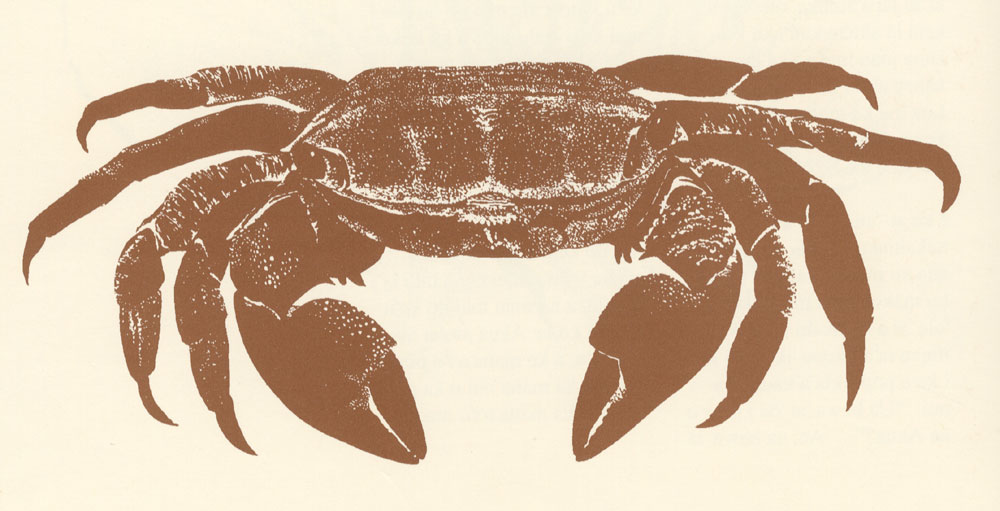
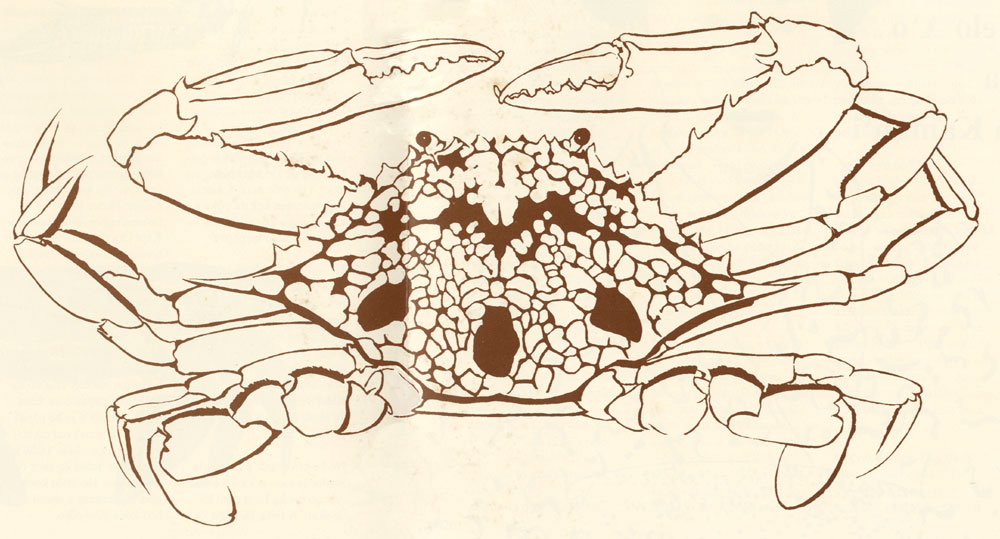
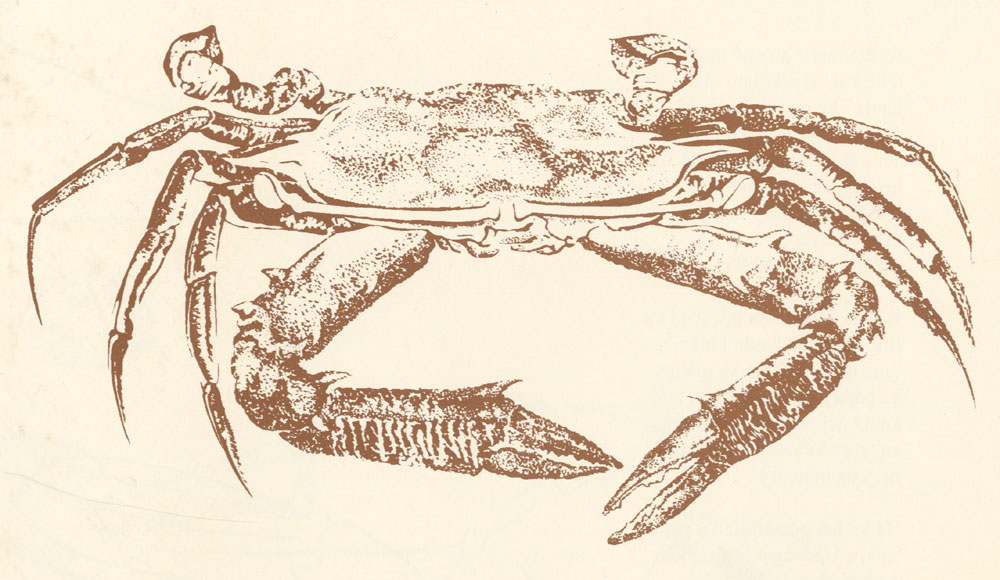
Aʻaʻama₁. n. a large, black, edible crab (Grapsus grapsus tenuicrustatus) that runs over shore rocks. [(NP) PPN *kama-kama, crab sp] ʻaʻama kua lenalenarock crab with yellow back; fig., swift, strong warrior aama [a-a-ma]. A black crab living on a rocky shore. Name of a four-footed animal in the sea. ʻaʻama₂. vi. to spread and relax, as the fingers. [The ʻaʻama crab was offered in sacrifices so that the gods would loosen (aʻama) and grant the request.] aama [a-a-ma]. v. To stretch out the hands for the purpose of catching something. To steal small articles; to pilfer. s. That motion of the hands when a person would try to seize hold of something while it rolls down a pali. The act of stealing or pilfering. ʻahele. nvt. snare; to snare. also pahele. ʻahele pulu niusnare of coconut fibers, as for ʻaʻama, a crab ahele [a-he-le]. s. A snare; used in a former translation for pahele. Ier. 18:22. A snare; same us pahele, but is more used. ʻalaʻeke. n. an edible crab of the Portunus sp., sandcolored, and found in shallow water. ʻalakuma [ʻala·kuma]. n. a large crab (Carpilius maculatus), with 11 dark red spots on its back, usually found concealed in rocks or under stones.
ʻalamihi ʻai kupapaʻucorpse-eating black crab [a scavenger] (ON 107) ʻāloa₁ [ʻā·loa]. same as makaʻāloa, a crab.
Eʻeʻeke₂. n. name given for a hard-shelled crab (no data). eeke [e-e-ke]. s. A species of crab in the sea. ʻeleʻelepī₂ [ʻeleʻele·pī]. same as ʻelepī, same as ʻalamihi, ʻeleʻelepī, and ʻelemihi, a small black crab... ʻelekuma [ʻele·kuma]. n. small crabs (Xanthidae spp.). ʻelemihi [ʻele·mihi]. same as ʻalamihi and ʻelepī, a small black crab. elemihi [e-le-mi-hi]. s. Name of a four-footed animal in the sea. ʻelepī [ʻele·pī]. same as ʻalamihi, ʻeleʻelepī, and ʻelemihi, a small black crab. see kono ʻelepī. elepi [e-le-pi]. s. Name of a four-footed animal found in the sea.
Hhāliko [hā·liko]. vi. to bud, spring forth; to shed a shell, as a crab. hē₅. n. upper part of a crab's leg. rare. hīhīwai₃ [hī·hī·wai]. n. a pelagic grapsid crab, probably Grapsus tenuicrustatus. hihiwai [hi-hi-wai]. s. The name of a four-footed animal living in the sea. hōlū [hō·lū]. vs. soft; to soften. hōlule₁ [hō·lule]. vs. soft, flexible, limp; soft-shelled, as an egg or crab; hanging loose, as fat. hoʻomalule [hoʻo·malule]. vi. to molt, as a crab its shell. cf. māunu. hoomalule [hoo-ma-lu-le]. v. To change from one form to another; to metamorphose, as a caterpillar into a butterfly. hua₁. nvi. fruit, tuber, egg, produce, yield, ovum, seed, grain, offspring; meat as in ʻopihi shell or ʻalamihi crab; to bear fruit, tuber or seed; to bear a child; fruitful. For kinds of eggs, see hua ʻaluʻalu, huamakani, hua moa. [(AN) PPN *fua, fruit; to bear fruit; egg] A e hana aku au iā ʻoukou e hua aʻe.And I will make you fruitful. (Oihk. 26.9) hoʻohuato bear fruit, reproduce, produce, yield; to sire or give birth; to swell high, as a wave (UL 36) hoʻohua kawowoa medicine for women to induce conception hua. n. corm, as of taro. see ʻauhua. hua [hu-a]. v. To sprout; to bud; to bear fruit, as a tree or vegetable.
To grow or increase in size, as fruit; to increase, as a people. Oihk. 26:9.
To swell up, as the foam of water. See huahua.
Hoo. To produce fruit.
To increase, as a people. Kin. 1:28. To be fruitful, as a race. Kin. 9:1.
s. The swelling, growing and maturity of vegetables; name of the moon when perfectly full; the name of that night is akua.
Fruit; offspring; production of animals or vegetables. Kin. 46:7.
A fruit produced; an egg; a kidney, &c. Hua oo, ripe fruit; hua maka, fresh fruit. Oihk. 23:14.
Fruit in several senses; as, hua o ke kino, children; hua o ka aina, increase of the fruits of the land, i. e., means of living; hua o na holoholona, flocks, herds, &c.; hua ala, spices.
A flowing; a going out from; froth; foam, as of one in a fit.
Seed, as of grain for sowing. Kin. 47:23.
Iiʻa₁. n. fish or any marine animal, as eel, oyster, crab, whale. [(AN) PPN *ika, fish n] Ka iʻa kīnohinohi pōhaku.The sea creature that adorns rocks [periwinkles and Nerita]. (ON 1354) iʻa. n. fish or any marine animal. ʻOihana Iʻa me ka Holoholona Lōhiu o ʻAmelikaUS Fish and Wildlife Service ia [i-a]. s. A fish; the general name of all sea animals, also those in fresh water; ua kapaia na mea a pau ma ke kai he ia, o na mea holo a me na mea holo ole; aia no kekahi mau ia maloko o ka wai mauka o ka aina. NOTE.—The names of the fish formerly kapu for women to eat were: kumu, moano, ulua, honu perhaps, and the ea.
Kkao₂. n. snare of coconut midrib and fiber, used for ʻaʻama, a crab. kā ʻōhiki [kā ʻō·hiki]. v. to catch ʻōhiki crabs with a nohu blossom as bait. rare. kono ʻelepī [kono ʻele·pī]. v. to catch black crabs (ʻelepī), as by tying ʻopihi limpets to a cord dangled above a rock fissure; the crab snatches the bait, the cord is drawn up and the crab seized. (Kep. 172) kuahonu₂ [kua·honu]. same as kūhonu, a crab. kuapoʻi₂ [kua·poʻi]. n. shell on back of crab or turtle.
kuhonu [ku-ho-nu]. s. A species of crab-fish. kūkae [kū·kae]. n. excreta, dung, feces. See below for many compounds formed with kukae; lepo, dirt, is sometimes a euphemism. [(EC) PPN *tuu-taʻe, excrement] kūkae liohorse manure; fig., common Kūkae lio kēlā mea ʻo ka pānini ma kō mākou ʻāina.On our land cactus is as common as horse manure. kūkae ʻōhikisand pellets as left on the beach by ʻōhiki crabs kukae [ku-kae]. s. Excrements; dirt; filth; he honoa. kūkūau [kū·kū·au]. n. a large grapsid crab (Metopograpsus thukuhar). [(CE) PPN *tuutuu-akau, crab sp: *tuutuua(k)au] kukuau [ku-ku-au]. s. The name of a four-footed animal in the sea. kukuma. n. a crab, often qualified by the terms kea, white, and ʻōhuluhulu, hairy. kukuma [ku-ku-ma]. s. A whitish crab of the species paiea. kūmimi [kū·mimi]. n. small crabs such as Lophozozymus intonsus. Varieties are kūmimi mākaʻo (Petrolisthes coccineus) and kūmimi pua (Lybia tesselata). Both were used in sorcery and are inedible. kumimi [ku-mi-mi]. The name of a species of shell fish, poisonous to eat; it resembles the papai; kumimi, he papai, he mea make ke ai, he awaawa. kūmoana [kū·moana]. n. large deep-sea crab (no data). kumulīpoa [kumu·lī·poa]. n. a crab (Simocarcinus simplex) commonly found in līpoa seaweed. lit., līpoa source. Perhaps also makuaokalīpoa.
Mmakaʻāloa [makaʻā·loa]. n. a small reddish crab (Macrophthalmus telescopicus) found on mud flats. lit., long, bright eyes. also ʻāloa. makuaokalīpoa [makua-o-ka-lī·poa]. n. sponge crab. cf. kumulīpoa. malule. vs. limp, weak, flexible; soft and fragile, as some eggshells. cf. haʻi malule, hāpai malule. hoʻomaluleto make lax, limp, weak; to relax, weaken, enfeeble; to shed a hard shell, as of a crab; to change from a caterpillar into a butterfly; to metamorphose. cf. lāʻau hoʻomalule kino wai hoʻomalulewater of relaxation [liquor]
moala [mo-a-la]. s. Name of a species of fish; he papai. mōkū₂ [mō·kū]. nvt. method of fishing pāpaʻi crabs with bait and a net; to fish thus. mū₄. n. a crab (Dynomene hispida). mūheʻe ʻōhiki [mū·heʻe ʻō·hiki]. n. pearl-shell lure with streaks that suggested the legs of the ʻōhiki, a sand crab.
Nniho₁. nvs. tooth; toothed; nipper, as of an insect; octopus beak; Aristotle's lantern, of a sea urchin; claw, as of crab; tusk; stones set interlocking, as in a wall; biting, of the teeth; cog. see nihomanō, a tapa design. lit., shark tooth... [(AN) PPN *nifo, tooth] hoʻonihoto lay stones interlocking; to set stones, as in a fence Hoʻonoho niho ʻia.The stones are set [as in a fence]. Mai hana wale aku ʻoe iā Keʻoi, he niho.Don't act indiscriminately toward Keʻoi, he has teeth! [He is dangerous, as in sorcery.]. nā niho o kāna pale kauathe bosses of his bucklers (Ioba 15.26) Puka ka niho o Laʻakea.Laʻakea is getting his teeth. niho kīlou [niho kī·lou]. n. claws of a crab. lit., hook tooth. niho mole. nvs. He iʻa lapuwale, he pāpaʻi niho mole.A worthless sea creature, a crab with missing claw. (hula song) nihomole [ni-ho-mo-le]. s. Niho and mole, smooth. A gap in a row or series; a broken place; places open here and there.
adj. Not regular; open; toothless.
Oʻōhiki₂ [ʻō·hiki]. n. sand crab, probably Ocypode ceratophthalma and O. laevis. [(CE) PPN *koo-fiti, crab sp] lua ʻōhikisand crab hole [said of a house improperly placed and open on all sides to attack, as a crab hole, by sickness or misfortune] (For. 6:80) ohiki [o-hi-ki]. s. Name of a species of small crab or sand spider. ʻōhiki ʻau moana [ʻō·hiki ʻau moana]. n. crabs found in the open ocean, possibly of the genera Planes or Pachygrapsus (P. marinus). lit., ocean-swimming ʻōhiki. ʻōhiki maka loa₁ [ʻō·hiki maka loa]. n. a variety of edible crab (no data). lit., long-eyed ʻōhiki. ʻōlū [ʻō·lū]. vs. soft-shelled, as of a crab (pāpaʻi) or lobster (ula). olu [o-lu]. adj. Epithet of certain kinds of fish or shells; as, ka papai olu; ka ulu olu; he wahi leho olu. ʻōluheluhe [ʻō·luhe·luhe]. vs. sagging, drooping, as a potbelly; limp; flabby; soft, as a crab that has shed its shell. [(CE) PPN *koo-ruhe, wrinkled: *kooru(f,s)e] hoʻōluheluheto cause limpness, etc one wai. n. sand near outlet of fresh-water springs; pokipoki, sand crabs, are said to be found here. ʻoʻopu moʻala. n. a variety of ʻoʻopu smaller than the kāniʻo, perhaps named for the moʻala, a crab. ʻōpae ʻoehaʻa₂ [ʻō·pae ʻoe·haʻa]. n. same as ʻalamihi, ʻelemihi..; an indigenous crab (Metopograpsus thukuhar, not M. messor). ʻōunauna [ʻō·unauna]. same as unauna, hermit crab. ounauna [o-u-nau-na]. s. The name of a four-footed animal in the sea.
Ppaeaea ʻaʻama [paea·ea ʻaʻama]. n. a method of catching ʻaʻama crabs with a coconut fiber snare on a coconut midrib; it is looped over the crab's eye and jerked upward; to crab thus. paeaea ʻōhiki [paea·ea ʻō·hiki]. n.v. a method of catching ʻōhiki sand crabs, with a blossom, usually nohu, tied to the end of a line as bait; to crab thus. paiʻea. n. an edible crab, found where the ʻaʻama is found, but with a harder shell and shorter legs fringed in front with short, stiff hair; perhaps one of the grapsids; one of the names of Kamehameha I. fig., a star athlete. [PPN *paʻikea, crab sp] paiea [pai-e-a]. s. A species of crab with a soft shell; kuapa, the hard shell. pākīkī₂ [pā·kīkī]. n. a variety of poisonous crab, said to be the same as kūmimi. panapana [pana·pana]. redup. of pana₁, ₂, shoot; pulse... to strike gently, as the butt of a coconut midrib used as a pole for catching crab. cf. panapana nīʻau. PPN *fanafana, PCP *panapana. panapana [pa-na-pa-na]. v. See pana. To snap with the thumb and finger. To shoot, as a marble; lealea kamalii i ka panapana hua. pāpā₃ [pā·pā]. n. a small, active green-colored crab, perhaps Percnon planissimum. papa [pa-pa]. s. A species of fish; a small crab, a species of the paiea. pāpaʻi₁ [pā·paʻi]. n. general name for crabs. [(CE) PPN *paapaka, crab] papai [pa-pai]. A species of crab-fish. He kikalapai, he pananai, he papa. pāpaʻi iwi pūpū [pā·paʻi iwi pū·pū]. n. hermit crab. lit., bone shell crab. also unauna, ʻōunauna. pāpaʻi kua lenalena [pā·paʻi kua lena·lena]. n. yellow-backed crab. fig., experienced warrior. pāpaʻi kualoa. n. var. spelling of pāpaʻi kua loa, the crab commonly called "
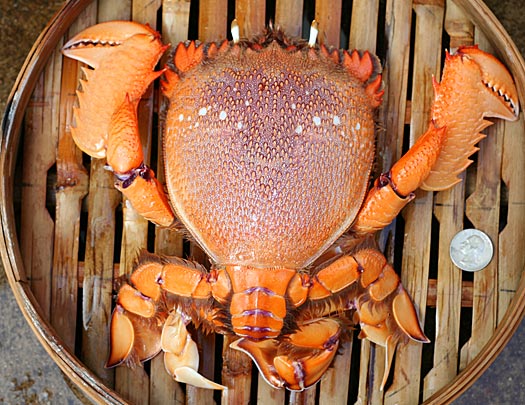
pāpaʻi kūhonu [pā·paʻi kū·honu]. same as kūhonu, a crab. pāpaʻi Lānaʻi [pā·paʻi lā·naʻi]. n. a kind of crab. (Malo 45) papailanai [pa-pai-la-nai]. s. The name of a species of small crab. pāpaʻi limu [pā·paʻi limu]. n. a species of crab, probably Simocarcinus simplex. lit., seaweed crab. pāpaʻi līpoa [pā·paʻi lī·poa]. same as pāpaʻi limu; lit., līpoa (seaweed) crab. pāpaka koloana [pā·paka kolo·ana]. n. Kauaʻi cave landhopper (Spelaeorchestia koloana). lit., cave-crawling crustacean. pāpaka pūnāwai Makaleha [pā·paka pū·nā·wai maka·leha]. n. Kauaʻi spring landhopper, a newly discovered amphipod. lit., Makaleha (Kauaʻi) spring crustacean. paua₂. n. a rare crab. peʻeone [peʻe·one]. n. sand crab that buries itself backwards in wet sand (Hippa pacifica). lit., sand hiding. peeone [pee-o-ne]. s. Pee, to hide, and one, sand. A species of crab that burrows in the sand. pōhaku₃ [pō·haku]. n. type of crab. see pōhaku hali, pohaku hele. pōhaku hali [pō·haku hali]. n. a species of crab, perhaps one of the Leucosiidae, as Nucia sp. lit., stone-fetcher. pōhaku hele [pō·haku hele]. var. of pōhaku hali, a species of crab... pohakuhele [po-ha-ku-he-le]. s. Pohaku and hele, to go. LIT. A walking stone. A species of crab which has a shell like a stone. pokipoki₂ [poki·poki]. n. a gray hard-shelled box crab (Calappa hepatica), not liked as food. pokipoki ʻau moana [poki·poki ʻau moana]. n. a kind of deep-water crab. lit., sea-swimming pokipoki. puakala₂ [pua·kala]. n. a kind of crab.
Uunauna [una·una]. n. hermit crabs in general. also pāpaʻi iwi pūpū. [(MQ) PPN *uŋa-uŋa, hermit crab] ʻupena mōkū [ʻupena mō·kū]. n. net that is baited and left in the sea, as for pāpaʻi, crabs. ʻupena pāpaʻi [ʻupena pā·paʻi]. n. net for catching pāpaʻi, crabs. also ʻupena mōkū. |