| Pukui & Elbert - 1986
Māmaka Kaiao - 2003-10 Lorrin Andrews - 1865 |
updated: 12/18/2016 |
ferns 185
A
ʻaʻaliʻi kū ma kuaʻaʻaliʻi standing in back ʻaʻaliʻi kū makaniʻaʻaliʻi standing [in] wind He ʻaʻaliʻi au, ʻaʻohe makani e hina aiI am an ʻaʻaliʻi shrub, no wind can push me over. (a boast of the people of Kaʻū. see similar ex., ʻulaʻa.) (ON 507) aalii [a-a-lii]. s. Name of a hard timber; more generally alii. ʻae₅. n. a native fern (Polypodium pellucidum) commonly seen at Kīlauea Volcano. It has oblong fronds 15 to 40 cm long, once divided into about fifteen or more pairs of oblong segments, each of which bears many round fruit dots. cf. ʻae lau nui. (Neal 25) ʻāhewa₃ [ʻā·hewa]. n. Oʻahu name for the mānā fern. ʻāhina kuahiwi [ʻā·hina kua·hiwi]. n. a native fern (Cyrtomium caryotideum), with fronds 25 to 35 cm long, once divided into 6 to 18 broadly sickle-shaped pinnae, lobed at the base. also kāʻapeʻape. ʻākaha [ʻā·kaha]. same as ʻēkaha, bird's-nest fern. [PPN *katafa, bird's nest fern, (asplenium nidus)] akaha [a-ka-ha]. s. Name of a tree. One species has long leaves and grows inland; one species by the sea. It is a hard tree, like the uwea; also called ekaha. ʻakole₂. n. a large endemic fern (Dryopteris unidentata), 1 m or more high, with triangular-oblong fronds much subdivided.
akolea [a-ko-le-a]. s. Name of a species of shrub, grass, or fern. akoloa [a-ko-loa]. s. A species of fern. akua loa. n. a tall image, especially an image of Lono carried on a circuit of the island during the makahiki, harvest festival; it was called loa, long, because of its "long" travels. The image consisted of a staff about two fathoms long. Pieces of pala fern, feather leis, and skins of the kaʻupu bird were fastened to a crosspiece tied near the top of the staff, in the center of which was a tiny carved head. A long and white tapa banner was attached to the crosspiece. ((Malo 143–5), but see (Malo text, chapter 36, sections 22–4)) Tribute was collected. also Lono Makua. alaʻalai₃ [alaʻa·lai]. same as waimakanui, a kind of large coarse endemic fern (Thelypteria keraudreniana).
ʻamaʻu₂. place where ʻamaʻu₁ ferns are found. ʻamaʻumaʻu, ʻāmaʻumaʻu [ʻamaʻu·maʻu]. n. young ʻamaʻu ferns; many ʻamaʻu ferns, ferny, abounding in ʻamaʻu ferns; a covering of ʻamaʻu ferns (preceded by ke). (FS 215) amaumau [a-mau-mau]. adj. A god growing among the ferns on the mountains; i na ’kua amaumau o ke kula. s. The fern; the brake. ʻāmaʻumaʻu. n. var. spelling of ʻamaʻumaʻu, young ʻamaʻu ferns; many ʻamaʻu ferns... ʻanaliʻi₂ [ʻana·liʻi]. n. a native fern (Asplenium lobulatum) with narrow fronds to 45 cm long, having many narrow lobes along two opposite sides of the axis. also piʻipiʻilaumana mana. ʻapuʻu₁. n. an endemic fern (Sadleria squarrosa), 30 to 60 cm high, with short trunk, narrow oblong leaves; related to ʻamaʻu.
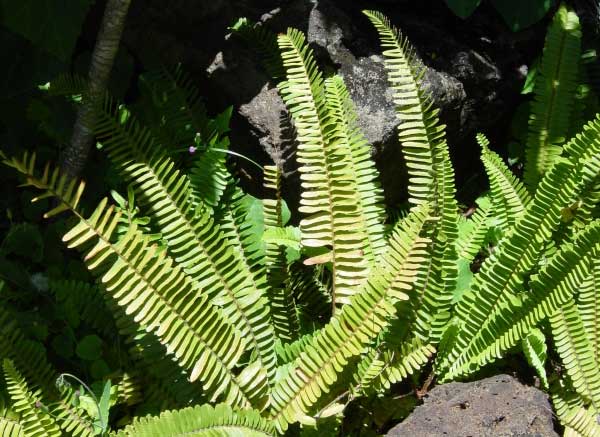
Eʻēkaha₁ [ʻē·kaha]. n. the bird's-nest fern (Asplenium nidus), widespread in the tropics, forming large rosettes and in some forests perching on branches of trees. The fronds are large, entire, sword-shaped. The black midrib is used like the ʻamaʻu fern for decorating pandanus hats. Also ʻākaha. This fern is sometimes called ʻēkaha kuahiwi, mountain ʻēkaha, to distinguish it from the mosses or from ʻēkaha kū moana. (Neal 21) [PPN *katafa, bird's nest fern, (asplenium nidus)] ekaha [e-ka-ha]. Also the name of a fern-like plant. ʻēkaha ʻākōlea [ʻē·kaha ʻā·kō·lea]. same as pākahakaha, a small fern. (Neal 25) ʻēkahakaha₁ [ʻē·kaha·kaha]. n. juvenile or small form of bird's-nest fern. cf. ʻēkaha. ʻēkaha ʻula [ʻē·kaha ʻula]. n. a native fern (Elaphoglossum alatum), with entire, narrow fronds 24 to 64 cm long and with, close, parallel veins. The spore-bearing fronds are similar but smaller. cf. hoeamāui.
Hhailiopua [haili-o-Pua]. n. a small native fern (Schizaea robusta) found in high mountain wet areas believed to be the plant form of the sorcery goddess Pua; sometimes used as a psychological remedy to ward off the evil influence of Pua. lit., Pua's memory. Hawaiʻi. also ʻoāliʻi makaliʻi. (Neal 8) hākonakona₁ [hā·kona·kona]. vs. parched, as a blemished bread-fruit; unhealthy condition of a banana when the skin adheres to the pulp, supposedly after the plant has been touched by the ʻākōlea fern. hanu. nvt. Eia ua lani a Hāloa i pili ai ka hanu i ke kapu.Here is a chief descended from Hāloa, whose taboo makes one hold his breath [as in terror]. Hanu lipo o ka palai.Breathing deep of the palai fern. (song) He hanu wale nō kuʻu mau lā.My days are vanity. (Ioba 7.16) hoʻohanuto cause to breathe, resuscitate, administer an inhalant i ka hoʻohanu ʻana o kou mau puka ihuwith the blast of your nostrils (Puk. 15.8) Nāna nō i hāʻawi mai nei ke ola … a me ka hanu.He has given life … and breath. (Oih. 17.25) nui nei ka hanubreathing hard; to puff, sigh (Kel. 52) omo i ka hanusuck in the breath, gasp paʻa ka hanubreathing is stifled; smothering; to gasp hanu. vi. respiration; respiratory. see lāʻau make hanu, paipu hanu. cf. nui lama koko. ʻōnaehana hanurespiratory system hanu [ha-nu]. v. To breathe naturally, as a well person. Hoo. The same. s. The breath; the power of breathing. Oih. 17:25. The natural breath. v. See hano. To breathe; to emit air from the lungs. Laieik. 104. To beat; to throb, as the pulse. To act with energy. To be so exceedingly angry that one cannot stand still, that he runs one way then another, ranting. scolding and threatening all that come in his way. Hoo. To breathe furiously or angrily. Puk. 15:8. s. The breathing; the natural breath. Breath; spirit. FIG. 2 Oihl. 9:4. Hanu wale, mere existence without enjoyment; vanity. Iob. 7:16. Breath, i. e., anything evanescent; vanity. Hal. 39:5, 11. adj. Na mea hanu, the breathing things, i. e., people. Ios. 10:40.
hapuu [ha-puu]. s. Name of a species of large fern; the root is eatable in time of famine. See kahapuu. hāpuʻu ʻiʻi₁ [hā·puʻu ʻiʻi]. n. an endemic tree fern (Cibotium chamissoi, formerly called C. menziesii) much like the hāpuʻu and also known as hāpuʻu, but bearing stiff blackish hairs on the frond stems. also ʻiʻi. (Neal 10–1) hāpuʻu ʻiʻi₂ [hā·puʻu ʻiʻi]. n. Dryopteris paleacea var. fusco-atra, a much smaller endemic fern (not a tree) with dark hairs at stems' base. also ʻiʻi. hāpuʻu pulu [hā·puʻu pulu]. same as hāpuʻu₁, an endemic tree fern (Cibotium splendens)... hāpuʻupuʻu₁ [hā·puʻu·puʻu]. n. young hāpuʻu ferns that have not yet developed trunks. hāunu [hā·unu]. nvi. a line, as used in lashing a mat canoe cover; to add a new weft in plaiting. moena hāunu ʻole o ka nahelemats of the forest without added wefts [a bed of forest ferns and greenery] (ON 2175) hihiawai [hihia·wai]. n. the swamp fern (Ceratopteris thalictroides), an edible, somewhat succulent fern, distributed through the tropics. It grows in mud or water, as around taro patches, in tufts about 30 cm high. The fronds are triangular and are finely divided into long, narrow parts. Young fronds are eaten with fresh-water shrimps. also palai kahawai. (Neal 12) Hiʻiakaikapoliopele [Hiʻiaka-i-ka-poli-o-Pele]. Pele's favorite younger sister born from the mouth of Haumea rather than from the bosom, as were the many other Hiʻiaka sisters ((Westervelt p. 69), says there may have been forty sisters). Born as an egg, she was carried under Pele's bosom until she became a young beauty. She is the heroine of the epic concerning her trip from Kīlauea Volcano to Kauaʻi to find and fetch Pele's dream lover, Lohi'au; on her long and dangerous journey she transformed many evil moʻo into stones which are still visible (see PH). One of her forms was the palaʻā lace fern used to treat diseases and one of the first plants to grow on new lava. As the physician of the Pele family, she resuscitated Lohiʻau. She instituted the eating of fish from head to tail. She was worshiped by hula dancers. lit., Hiʻiaka in the bosom of Pele. hiʻuiʻa [hiʻu·iʻa]. n. fishtail fern (Nephrolepis biserrata cv. furcans), a kind of sword fern, with forked divisions (pinnae). In Kaʻū, leis are made by combining pinnae of this fern (or whole frond) with flower sprays of wāpine (lemon verbena). (Neal 14, 15) hoeamāui [hoe-a-mā·ui]. n. probably same as ʻēkaha ʻula fern, but according to some it is Elaphoglossum pellucidum, a smaller Elaphoglossum than the ʻēkaha ʻula. lit., Māui's paddle. hohiu. n. a native fern (Dryopteris glabra) with rather finely divided fronds. hōʻiʻo₁. n. a large native fern (Diplazium [Athyrium] arnottii) with subdivided fronds. The young fronds are eaten raw, much liked with raw fresh-water shrimps or with salted salmon. Only Orientals cook this fern. It was formerly sold in the market. It will not grow at low altitudes. cf. pohole, the Maui name. (HP 214), (Neal 25). hoio [ho-i-o]. s. A species of plant, the tender leaves of which are used for herbs. hōʻiʻo kula. n. a native fern (Dryopteris stegnogrammoides syn. Stegnogramma sandwicensis), resembling the kikawaiō, having large pinnate fronds, but the tip tapering to a point instead of forming a separate lobe. Young fronds are eaten raw, like those of the hōʻiʻo. hoʻolau₂. a bundle of grass or ferns set in water to attract shrimps or ʻoʻopu fish; a net was placed under this bundle, and the fish shaken into it. see lau₂, dragnet, seine, so called because formerly made of huna palai. same as pai, a native fern hunehune₁ [hune·hune]. redup. and intensification of hune₂, very fine, delicate. Hunehune ka lau o kēia lole.The design of the cloth of this dress is delicate. kilika hunehunefine quality silk palai lau hunehunefine-leafed fern
Iʻiʻi₅. short for hāpuʻu ʻiʻi₁, ₂, ferns. ʻiʻiʻi₂. same as ʻiʻi₅, ₆; small hāpuʻu ʻiʻi and ʻamaʻu ʻiʻi ferns. iii [i-i-i]. Name of a plant eaten in time of scarcity. ʻiʻiwi haole. n. cape honeysuckle (Tecomaria capensis), a climbing shrub bearing narrow, curved, tubular, scarlet flowers and fernlike leaves (Neal 765), introduced to Kaʻū by George Jones. ʻīlio ʻiʻi [ʻī·lio ʻiʻi]. n. small curly-haired native dog, said to be in four colors; reddish-brown (as the fibers of the hāpuʻu ʻiʻi tree fern), cream-colored, ashy-gray, and wine-colored. ʻīnia₂ [ʻī·nia]. n. the pride of India (Melia azedarach), a tree from the Old World, naturalized in Hawaiʻi. It has much-divided fernlike leaves, and bears large clusters of purplish flowers and fruits like golden balls. also ʻilinia. (Neal 491–2) io [i-o]. s. Lean flesh; the animal muscle. Anat. 3. A muscle; he io ku e, an antagonistic muscle. Anat. 26. Flesh in general. Puk. 29:14. Flesh, i. e., person. Oihk. 16:4. One's flesh, i. e., kindred; relation. Kin. 29:14. Io maha, the muscle on the side of the head. ʻiʻo nui₂. n. a fern known in many countries (Dryopteris parallelogramma syn. D. paleacea), up to 80 cm high, with feather-shaped fronds clustered on a short trunk, the frond stems clothed with long brown to black scales. ʻiwa₂. n. a native fern (Asplenium horridum) with narrow, feather-shaped fronds 45 to 95 cm long, their dark stems bearing dark-brown hairs and scales. The stems were formerly used for making hats. also ʻalae. [(CE) PPN *kiwa, a fern (asplenium)] ʻiwaʻiwa₁. n. all maidenhair ferns (Adiantum spp.), from warm regions of the world, many grown ornamentally. The stems are dark, commonly shiny, slender, wiry; the fronds' subdivisions are four-sided, oblong, or wedge-shaped. (Neal 17–9) PCP *kiwakiwa. ʻAʻohe i ana iho koʻu makemake i nā ʻiwaʻiwa o ka ua o Hāʻao.My desire is not satisfied for the maidenhair ferns in the Hāʻao rain. (hula) ʻiwaʻiwa [ʻiwa·ʻiwa]. n. maidenhair fern. iwaiwa [i-wa-i-wa]. Also the name of a plant; he mea ulu e like me ka palaa, ua ulana pa ia me ka papale mauu. ʻiwaʻiwa₂. n. a small, high-mountain fern (Asplenium adiantum-nigrum), with shiny, brown stems and triangular or ovate, subdivided, stiff fronds, the spores numerous, often found covering the under side of the fronds. Known in many countries. ʻiwaʻiwa₃. n. var. name for manawahua₂, ferns (Doryopteris spp), listed by (Rock) and (Hillebrand). ʻiwaʻiwaakāne [ʻiwaʻiwa-a-Kāne]. n. an endemic fern (Asplenium rhipidoneuron) with narrow, feather-shaped fronds, which are stiff, 10 to 30 cm long, dark-green, the divisions pointed and obliquely cut, their stems bearing many dark scales. ʻiwaʻiwa ʻāpiʻipiʻi [ʻiwaʻiwa ʻā·piʻi·piʻi]. n. the curly-leaved maidenhair (Adiantum tenerum f. farleyense), an ornamental fern much like the ʻiwaʻiwa hāuli, but the leaf subdivisions much larger, more deeply cut, fringed and overlapping. lit., curly maidenhair. also ʻiwaʻiwa ʻAukekulalia. (Neal 18) ʻiwaʻiwa hāuli [ʻiwaʻiwa hā·uli]. n. the fan maidenhair fern (Adiantum tenerum), with each of the last fan-shaped subdivisions split into five to ten segments. ʻiwaʻiwa hāwai [ʻiwaʻiwa hā·wai]. n. the Venus-hair, a kind of maidenhair fern (Adiantum capillus-veneris), known in many warm countries, both wild and cultivated in Hawaiʻi. The fronds are subdivided into many small, bright-green, fan-shaped divisions, borne on slender, black stems. also ʻiwaʻiwa kahakaha. (Neal 18) ʻiwaʻiwa lau liʻi. n. a native fern (Asplenium macraei) with narrow, feather-shaped fronds 30 to 60 cm long, with subdivisions of each frond lobed or scalloped. lit., small-leafed ʻiwaʻiwa. also ʻiwa lau liʻi. ʻiwaʻiwa lau nui. n. an endemic fern (Tectaria gaudichaudii) with thin, triangular fronds 30 cm to 1.2 m long, much divided into rather broad lobes. lit., large-leafed ʻiwaʻiwa. ʻiwa lau liʻi. same as ʻiwaʻiwa lau liʻi, a native fern (Asplenium macraei) with narrow, feather-shaped fronds 30 to 60 cm long... ʻiwa puakea [ʻiwa pua·kea]. same as mānā₂, a fern. Maui.
Kkāʻapeʻape₁. same as ʻāhina kuahiwi, a fern. kahapuu [ka-ha-puu]. s. Name of a plant of the fern species growing on the mountains, eaten in time of famine for food. See hapuu. kalamoho₂ [kala·moho]. n. cliffbrake (Pellaea ternifolia), a short, slender fern, the fronds with short, paired, narrow divisions. It grows in dry, sunny places, as at Kīlauea Volcano. Also kalamoho lau liʻi. kalukalu₁ [kalu·kalu]. n. a fern somewhat like palapalai. [(AN) PPN *talu, weeds; fallow: *talu(talu)] kalukalu [ka-lu-ka-lu]. s. A vegetable growing like the kaluha, chiefly at Kapaa on Kauai. Kamapuaʻa₁, Kama [Kama-puaʻa]. a pig demigod... The pig demigod whose rootings created valleys and springs. He leaned against the cliffs at Kaliuwaʻa, Oahu (where a troughlike depression is still visible) to allow his family to climb up his body and escape Chief ʻOlopana₁. He had many affairs and is a symbol of lechery. He exchanged ribald taunts with Pele and then called on his plant forms — olomea, hala (pandanus), ʻuhaloa, ʻamaʻumaʻu (ferns) — to block her advancing fires, which they did (FS 228-229). He finally mated with Pele, taking for himself Hilo, Hāmākua, and Kohala, and allotting Kaʻū, Puna, and Kona to Pele. When he fought the dog Kūʻīlioloa he called on his kukui, ʻuhaloa, and ʻāmaʻumaʻu forms to hold the dog's mouth open; he then multiplied himself into many pigs and entered the mouth to kill the dog (FS 214-215). Other forms included a handsome man, kūkaepuaʻa grass, clouds, the humuhumunukunukuāpuaʻa fish, and the god Lono. lit., hog man. See Makaliʻi₄; ʻOlopana₁. (FS 196–249). See texts. kapuaʻilio [kapu·aʻi·lio]. n. a modern Molokaʻi name for the pala fern; the bases of the frond stems suggest a horse's hoof (kapuaʻi lio). kaʻupu₂. n. a native rather narrow fern (Polystichum hillebrandii) with scaly stems, the fronds twice divided. also papaʻoi. kihe₂. n. a small native fern (Xiphopteris saffordii), narrow, 4 to 14 cm high, the fronds somewhat notched. kīheʻaheʻa palaʻā [kī·heʻa·heʻa palaʻā]. n. coloring matter for tapa made from the palaʻā fern. kikawaiō [kika·wai·ō]. n. a native fern (Cyclosorus [Dryopteris] cyatheoides), with pinnate fronds, 1 m high or more, used for food and medicine. Roots and young fronds eaten raw; the roots grated and salted to taste, slimy like okra. Also pakikawaiō. See ex., kiʻoa. cf. kupukupu makaliʻi. kīkomo₁ [kī·komo]. vt. to inlay; to mix, as sap from tree-fern fronds (palaholo) and māmaki bark with wauke bark while beating tapa. kīlau₁ [kī·lau]. n. bracken or brake (Pteridium aquilinum var. decompositum), a cosmopolitan, stiff, weedy fern, with creeping underground stems and long-stemmed, triangular fronds 60 or more cm long, much divided. Also kīlau pueo, paiʻā. (Neal 15–6) He ua nō, he kulu ua no ka liko … ke hoʻokiʻoa i nā kikawaiō.It is rain, rain-drops for the buds … water settling on the kikawaiō fern. (chant for Kamehameha III) kipaipai [ki-pai-pai]. s. See kipaepae. A pavement, i. e., a road paved with stones, fern trunks or the like. See kipapa. kipona₄. vt. mixed, mingled; varying in color or texture, as of the sea; to add to, as something of different character, as ferns to a lei . ka wai kipona me ke kaiwater mixed with sea water Kipona paukū i ka lauaʻe, ka pua o ka ʻilima nono i ka lā.Add a section of lauaʻe fern [to] the flower of the ʻilima, bright in the sunlight. (chant for Kaʻiulani) kipona [ki-po-na]. s. Variable places in the sea, some calm, some ruffled; hiki i na kipona ino o Kohala. v. To be variable, as spots in the sea in a calm. See kiponapona. koʻana wai. n. small pool from which most of the water has evaporated. cf. koʻana₁. E holoi ʻia mai ka pū niu, i ke koʻana wai ʻākōlea.Wash the coconut cup in the tiny pool amid the ferns. (hula chant) kuapala₁ [kua·pala]. n. a taboo chief who had the right to carry a pala fern in ceremonies. cf. kuaʻā, kuakapu, kualoi. kūau₁ [kū·au]. n. an endemic fern (Asplenium kaulfussii) with oblong fronds about 60 cm. long, with twelve or more pairs of narrow, pointed pinnae. kumuniu [kumu·niu]. n. an endemic fern (Doryopteris spp.), with broadly heart-shaped fronds, spore-bearing on edges. kupukupu₂ [kupu·kupu]. n. general name for ferns on a single stem, such as kupukupu₃. ʻAʻala kupukupu ka uka o Kānehoa.Fragrant with ferns is inland of Kānehoa. kupukupu [ku-pu-ku-pu]. s. A vegetable; what springs up from the ground. A species of ground pine. An odoriferous plant.
kupukupu lau liʻi [kupu·kupu lau liʻi]. n. long, narrow fern (Nephrolepis duffii), with numerous short lateral divisions to the frond. lit., small-leafed fern. (Neal 14–5) kupukupu makaliʻi [kupu·kupu maka·liʻi]. n. a fern (Thelypteris boydiae, synonym Dryopteris cyatheoides var. depauperatum). cf. kikawaiō.
Llaʻa₄. same as palai ʻula, a fern. lau₂. n. dragnet, seine, so called because formerly made of ti leaves (lau) tied to a rope. cf. hukilau, lauahi, lauʻapoʻapo, laukō. [PPN *rau, a kind of net made of coconut fronds] hoʻolau₁to use a lau hoʻolau₂a bundle of grass or ferns set in water to attract shrimps or ʻoʻopu fish; a net was placed under this bundle, and the fish shaken into it.
lauae [lau-ae]. s. An aromatic herb. lauaʻe₂, lauwaʻe [lau·aʻe]. nvs. beloved, sweet, of a lover. hoʻolauaʻeto cherish, as a beloved memory I ka make ʻana o kāna kāne, ua hoʻolauaʻe aʻela ʻoia i ke aloha.At the death of her husband, she cherished the loving memory. Ka ipo lauaʻe o Makana.The sweet beloved of Makana [reference to the famous lauaʻe ferns of Makana, Kauaʻi]. lauaʻe₃, lauwaʻe [lau·aʻe]. same as lauaʻe haole, a fern... lauaʻe haole [lau·aʻe haole]. n. a fern (Phlebodium aureum), hare's-foot fern, from tropical America, much like the lauaʻe, but with larger, dull light-green scentless fronds. First collected in Hawaiʻi in mountains of Kauaʻi (August, 1909), probably as an escape. (Neal 26) lauʻamaʻu. n. tapa-beater design. lit., ʻamaʻu fern pattern. lauʻiʻi. n. a native fern (Doodia spp.), somewhat like kupukupu₃. laukahi liʻiliʻi [lau·kahi liʻi·liʻi]. n. a native sword-shaped fern (Elaphoglossum sp.) lit., small laukahi. laukahi nunui₁ [lau·kahi nunui]. n. native sword-shaped fern (Elaphoglossum aemulum). laukūkahi [lau·kū·kahi]. n. a native fern (Lindsaya macraena), with narrow, divided fronds. Hawaiʻi. lit., leaf that is alone. lei haku. n. braided lei, as of ferns and flowers. lei hili. n. a plaited lei, as of ferns and maile but without leaves. liliwai [lili·wai]. n. a small native herb (Acaena exigua), growing in bogs, only on top of West Maui and Kauaʻi, the narrow, fernlike leaves forming a rosette. also nani Waiʻaleʻale. limu kau lāau [limu kau lā·au]. n. all tiny ferns (such as filmy ferns), lichens, liverworts, and mosses growing on trees. lola₂. n. a native fern (Asplenium acuminatum), with much-subdivided fronds. lolena₁. nominalizing form of lole₂. loʻulu. n. an endemic fern (Coniogramme pilosa) with leaves somewhat like those of the breadfruit tree (ʻulu) but the divisions narrower and deeper. lūlō [lū·lō]. n. lei of braided leaves or ferns. cf. (And) . lulo [lu-lo]. s. Thick leaves of a tree wreathed or twisted into an ornament for the neck; a wreath for the neck. lupalupa₁ [lupa·lupa]. vs. flourishing, of luxuriant growth, lush, thriving. see nupanupa, redup. of hoʻolupalupato cause to flourish; lush Lupalupa ke oho o ka palai.Thriving fronds of fern. lupea. vs. pleasing, attractive, as plants. Lupea ka uka i ka palai.The inland is lovely with ferns.
Mmahinalua [mahina·lua]. n. a small creeping native fern (Grammitis tenella), with simple narrow fronds 5 cm long or longer, each bearing none to many round spots of spores. makaʻuo. n. gathering and tying, as pala fern for a heiau service, rare. mākole mākōpiʻi [mā·kole mā·kō·piʻi]. n. a native moss (Thuidium hawaiense), the plants branching in one plane, looking like small ferns. also mākōpiʻi, maka ʻōpiʻi, limumākolemakaʻōpiʻi, kala maka piʻi. makou₃. n. a native fern (Botrychium subbifoliatum), with fronds fan-shaped and lobed much like leaves of buttercups. mākuʻe₃ [mā·kuʻe]. n. a native fern (Elaphoglossum hirtum var. micans), with long, narrow, undivided fronds, which are coated on both sides with soft, brown scales. mākuʻe lau liʻi [mā·kuʻe lau liʻi]. n. a small native fern (Grammitis hookeri), with narrow, unbranched fronds 8 to 24 cm long, clothed with dark-red hairs. lit., small-leaved mākuʻe. mana₅. n. a native fern (Hypolepis punctata), with large, much subdivided fronds. The dark-brown mature stems were used to plait the best hats, after being scraped to remove the pulp. also olua. mānā₂ [mā·nā·]. n. a native fern (Pteris irregularis), with large, bright-green, much-subdivided fronds. also ʻae, ʻāhewa, ʻiwa puakea. manawahua₂ [manawa·hua]. n. a native fern (Doryopteris spp.), about 30 cm high, with heart-shaped fronds divided into many long segments. also ʻiwaʻiwa. manō lālā kea [manō lā·lā kea]. n. shark, perhaps Squalus fernandinus, sometimes called dogfish; considered harmless. lit., white-fin shark. maʻu. same as ʻamaʻu, a native genus of ferns. maʻu. s. Name of a plant on the mountains, eaten for food in time of scarcity. maʻumaʻu [maʻu·maʻu]. same as ʻamaʻumaʻu, ferns. HalemaʻumaʻuʻAmaʻu fern house. (name of the pit at Kīlauea Crater)
Nnae₂. nvs. fragrant, sweet-smelling; fragrance. He ʻala ka nae o ka palai.The perfume of the palai fern is sweet. (song) neke₁. n. a fern (Cyclosorus interruptus) found in many tropical countries, somewhat like the kikawaiō, but only half as large. niʻaniʻau [niʻa·niʻau]. same as kupukupu; Niʻihau. cf. ʻōkupukupu, ferns. nolu ehu. vs. softened and wet with mist and rain, as upland ferns. Nolu ehu luhe i ka palai.A soft mist dripping on drooping palai fern. (song) nuʻa₁. nvs. Haki nuʻa ka uahi i ke kai.The spray breaks in masses in the sea. hoʻonuʻato heap up; to give generously and continuously; to indulge, as a child; surging, rising in swells, as the sea ka nuʻa o ka palaithe thick clump of palai ferns moena kumu nuʻaa sleeping mat made thick at one end to serve as a head rest; lit., mat piled beginning nua [nu-a]. v. To tread up, as dirt in a path from much travel; nua ke ala a hele ku ke ea.
To come together in great numbers as people assemble.
To sit down to rest, as a traveling company.
To go constantly in the same place.
To turn up dirt, as a hog; to root.
To be accustomed or practiced in any business.
adj. Trodden up, as a road frequently or much trodden.
Oʻōali₁, ʻowali [ʻō·ali, ʻo·wali]. n. cretan brake, a fern (Pteris cretica), widely distributed in warm parts of the world, growing wild in Hawaiʻi. Long-stemmed, ovate fronds rise about 60 cm from creeping underground stems, and each frond has four to six pairs of long narrow divisions. (Neal 17) ʻoāliʻi, ʻowāliʻi [ʻoā·liʻi, ʻowā·liʻi]. n. maidenhair spleenwort, a fern (Asplenium trichomanes) found on high mountains of Hawaiʻi and also present in many temperate regions of the world. Wiry-stemmed, narrow fronds grow in dense tufts 10 to 30 cm high, the fronds consisting of numerous small, round divisions on two sides of the stem. ʻoāliʻi makaliʻi [ʻoā·liʻi maka·liʻi]. n. a native fern (Schizaea robusta). Called haili-o-Pua on Hawaiʻi. ʻōhiʻakū. n. var. spelling of ʻōhiʻa kū, a native filmy fern (Mecodium recurvuum) with narrow... ʻōhiʻa kū, ʻōhiʻakū. n. a native filmy fern (Mecodium recurvuum) with narrow, subdivided fronds, to 30 cm long, growing on trees in damp forests. lit., standing [on] ʻōhiʻa. oho₁. nvi. Oho kā hoʻi ka ulu ʻana o ka palai.The ferns are growing and sending out leaves. Ua ʻūpalu wale ke oho o ke kupukupu,.The kupukupu fern fronds are soft. oho [o-ho]. s. The hair of the head. Mat. 5:36. Or human hair; oho hina, gray hair. Kin. 42:38. See lauoho. The leaves of the cocoanut trees from their resemblance to hair; wehe ke kaiaulu i ke oho o ka niu, the strong wind loosens the leaves of the cocoanuts. ʻoka kilika. n. the silky or silver oak (Grevillea robusta), a large tree from Australia, used for reforesting in Hawaiʻi. The leaves are subdivided like some ferns; the orange flowers are abundant in early summer. lit., silk oak. also haʻikū keʻokeʻo and on Niʻihau, ʻoka. Eng. (Neal 320–1) ʻōkupukupu₂ [ʻō·kupu·kupu]. n. same as kupukupu, niʻaniʻau; any fern growing on a single stem, as the sword fern (Nephrolepis exaltata). ʻōkupukupu lauʻiʻi [ʻō·kupu·kupu lauʻiʻi]. n. a fern (Doodia kunthiana) much like Nephrolepsis exaltata, ʻōkupukupu, but hairy. cf. lauʻiʻi. ʻopeha. n. a native fern (Elaphoglossum aemulum variety), a small variety of ʻēkaha ʻula. ʻowali. n. var. spelling of ʻōali₁, cretan brake... ʻowāliʻi [ʻowā·liʻi]. var. spelling of ʻoāliʻi, maidenhair spleenwort, a fern...
Ppāhili [pā·hili]. vi. to blow strongly, as a wind, especially of a veering wind; to lash, as a storm. hoʻopāhilito cause such a wind; to blow, as such a wind, etc Ka pāhili ʻia o ka ʻamaʻu e ka Mālualua.The lashing of the ʻamaʻu fern by the Mālualua wind. makani pāhilistrong wind, cyclone, hurricane pahili [pa-hi-li]. v. Pa and hili, to turn; to twist. To blow on different sides, as a flickering wind; pahili ka pea i ka makani. Ke pahili mai nei ka makani. pai₆. n. a native fern (Adenophorus hymenophylloides) with clustered, narrow, pinnate fronds, 5 to 13 cm long, growing on trees at rather high altitudes. also huna palai, palai huna. [(CE) PPN *pai, plant sp] paiʻā. n. bracken, a fern (Pteridium aquilinum var. decompositum). also kīlau, kīlau pueo. (Neal 15–16) paiʻiʻihā [paiʻiʻi·hā]. n. a small, light-green, oblong fern (Dryopteris dentata), tapering at both ends and divided into many long, narrow divisions, widely distributed in woods of temperate and tropical countries. In Hawaiʻi it also volunteers in gardens. (Neal 20–1) pākahakaha [pā·kaha·kaha]. n. a native fern (Pleopeltis thunbergiana), with related forms in Asia and Africa, common on forest trees. A creeping, underground stem bears erect, short-stemmed, narrow fronds 15 to 30 cm long. also ʻēkaha ʻākōlea, puaʻakuhinia. (Neal 25) pala₇. n. a native fern (Marattia douglasii), with a short trunk and large, long-stemmed, much divided, dark-green fronds. In time of famine, the thick, starchy, hoof-shaped bases of the frond stems, which cover the short trunk, were eaten after being baked in an imu over night. The mucilaginous water resulting from slicing and soaking the raw stems in water was used medicinally. Pieces of the fronds mixed with maile leis enhanced their fragrance. The fern was used also in heiau ceremonies. (Neal 6, 7) [(EO) PPN *pala, tree-fern sp] pala [pa-la]. The name of a vegetable eaten in time of famine. A hahai mai na kanaka e hele ana me ke akua i ka pala a haawe—hai mai ka pala mai uka—kii hou ka pala ma ia po iho.
palaʻā₂. n. a tapa of māmaki bark dyed brownish-red with palaʻā fern, of silky quality. palahoʻa [pala·hoʻa]. n. young ʻamaʻu fern fronds cut to be made into palaholo paste. palaholo₁ [pala·holo]. n. rolled-up frond of the ʻamaʻu fern; paste made of sap from the fronds, used in welding strips of tapa together. tapa made with old torn pieces added to new pieces was also called palaholo. (For. 5:641) palaholo [pa-la-ho-lo]. s. Pala and holo for hee, to flow. Paste made from the fern called amaumau; the paste was used in pasting kapas.
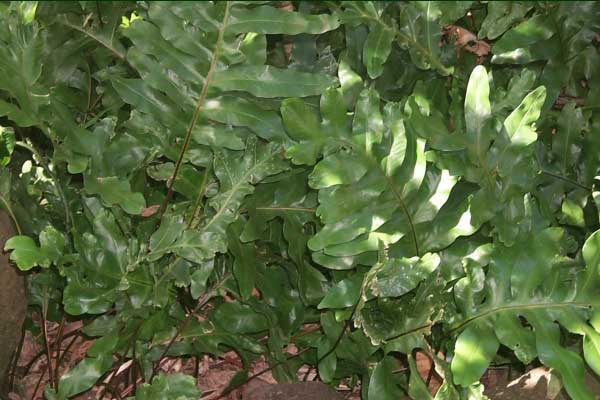
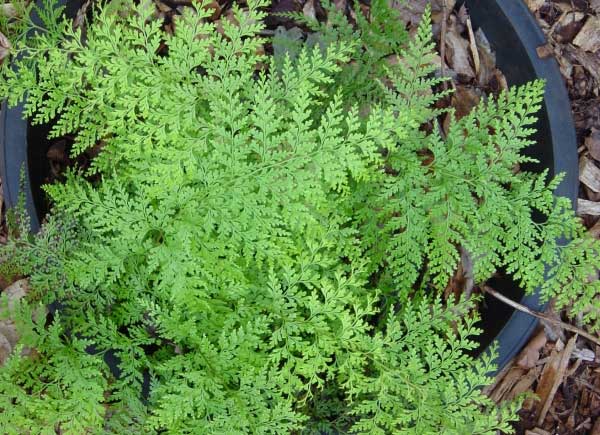
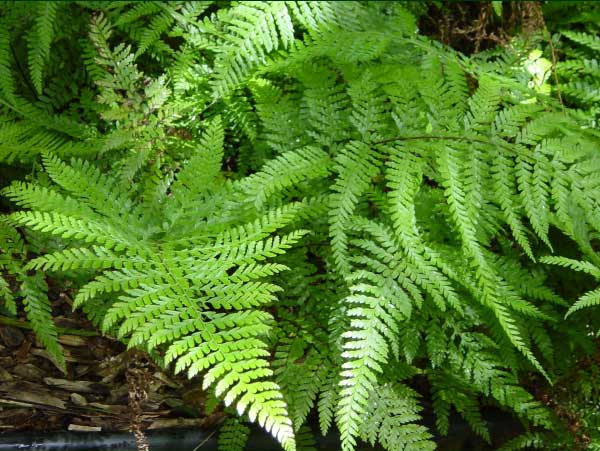
palai [pa-lai]. Name of a species of fern; he mea ulu, he palapalai; he ieie ame ka palai. Laieik. 103. palai aliʻi. n. a variety of palai, a fern. palai hihi. n. a native filmy fern (Vandenboschia davalioides), climbing on trees in damp forests, with narrow dark-green fronds, 13 cm long or more, divided three times. lit., creeping palai. palai hinahina [palai hina·hina]. n. a native filmy fern (Sphaerocionium lanceolatum), climbing on trees, with narrow fronds 5 cm long or longer, divided three times, edged with red hairs. lit., white-haired palai. palaihuna. var. spelling of palai huna, a native fern... palai huna, palaihuna. same as pai, a native fern. palai kahawai [palai kaha·wai]. same as hihiawai, a fern. palai lāʻau. n. a small native fern (Adenophorus pinnatifidis), with narrow fronds 10 to 40 cm long, having many short side lobes; they hang down on forest tree trunks. lit., plant palai. palai lau liʻi. n. a small native filmy fern (Sphaerociomium obtusum), growing on forest trees, 2.5 to 6 cm long, with oblong, much-divided fronds. lit., small-leafed palai. palai moe anu. n. a variety of stunted fern. palapalaʻā [pala·palaʻā]. same as palaʻā, lace fern. palapalai₁ [pala·palai]. n. same as palai, a fern. palapalai [pa-la-pa-lai]. s. The name of a species of fern. See palai. palapalai₃ [pala·palai]. Niʻihau name for gold fern, Pityrogramma calomelanos (syn. P. chrysophylla). (Neal 20) palapalaiakamapuaʻa [pala·palai-a-kama·puaʻa]. n. a native fern (Dryopteris globulifera), 45 to 120 cm high, the frond 15 to 45 cm wide, and pinnate to almost bipinnate. lit., fern of Kamapuaʻa. palapalai ʻaumakua [pala·palai ʻau·makua]. n. a native fern (Dryopteris crinalis var. tripinnata), 60 to 120 cm high, with broad, much-subdivided fronds. palapalai lau liʻi [pala·palai lau liʻi]. n. a native fern (Diellia pumila), 10 to 30 cm high, with narrow, pinnate fronds. lit., small-leaved fern. pāmoho [pā·moho]. n. a creeping fern (Asplenium unilaterale), found in tropical Polynesia, Asia, and Africa, 35 to 105 cm high, the fronds about 5 or more cm wide, pinnate, with 15 to 30 pairs of oblong, blunt pinnae, their upper edges more or less indented. papaʻoi. same as kaʻupu, a fern. pāʻū heihei [pāʻū hei·hei]. n. a pāʻū festooned with leaf or ferns tied about; a sarong made of such leaves. Nā wāhine kīheihei, pāʻū heihei a uka.Women with shawls, leaf-draped sarongs of the uplands. (PH 170) pauoa [pau·oa]. n. a fern (Dryopteris squamigera) to 90 cm or more high, the stem clothed with tan scales, the frond triangular to ovate and two or three times pinnate. pāʻūopalaʻe [pāʻū-o-Palaʻe]. another name for the palaʻā fern. Palaʻe was a servant of Pele and a companion of Hiʻiaka. peʻahi₃. n. a native fern (Microsorium spectrum syn. Polypodium spectrum) about 30 cm high, the fronds broad, pointed, commonly three-lobed. (Neal 26) pepeʻe₂. n. young fern leaves, as of hāpuʻu, hōʻiʻo, and ʻamaʻu, that are rolled up, sometimes suggesting a question mark. piʻipiʻilaumanamana [piʻi·piʻi·lau·mana·mana]. same as ʻanaliʻi, a fern. pohole₂. n. Maui name for hōʻiʻo, a native fern, but larger and coarser on Maui. pololei₄ [polo·lei]. n. an adder's-tongue fern (Ophioglossum concinnum), a small native fern with single narrow-oblong blade, which supports one narrow spore-bearing spike about 2.5 cm long. popohe. nvs. round, shapely; neat and trim, as flowers; roundness, a round or clean-cut object. hoʻopopohecaus/sim Ka popohe lau o ka palai.The dainty leaf roundness of the palai fern. popohe [po-po-he]. adj. See pohe. Cut short and smooth, as a rope cut with a knife. puaʻaʻehuʻehu. n. var. spelling of puaʻa ʻehuʻehu, red pig... puaʻa ʻehuʻehu, puaʻaʻehuʻehu. n. red pig, a poetic name for ʻāmaʻumaʻu, ferns. The demigod Kamapuaʻa took this form when he ran from Pele to the forest of ʻamaʻu ferns and turned into a fern himself. puaʻakuhinia [puaʻa·kuhi·nia]. same as pākahakaha, a fern. puapuamoa₂ [pua·pua·moa]. n. a kind of adder's-tongue fern (Ophioglossum pendulum), found in Polynesia westward into Madagascar, commonly growing on trees. It has ribbon-like fronds, erect or bent and hanging, 60 cm long or less, some bearing short, narrow, spore-filled spikes. pulu₂. n. a soft, glossy, yellow wool on the base of tree-fern leaf stalks (Cibotium spp.). It was used to stuff mattresses and pillows and at one time was exported to California. Hawaiians stuffed bodies of their dead with pulu after removing vital organs. [(NP) PPN *pulu, plug of fibrous material] pulu [pu-lu]. That which is soft, as cotton. Specifically, name of the material that grows on and is collected from a species of large fern; it has lately become an article of export. pūnanamanu [pū·nana·manu]. n. a fern (Asplenium caudatum), 60 cm high or more, known from Polynesia west into Africa. It resembles the kupukupu, but the narrow-oblong divisions of the frond taper to sharp points, and the spores are borne in oblique lines, not in dots. lit., bird nest. punia₁. pas/imp. of puni₁, ₂, ₃, ₄, surrounded, overcome, pervade...; fond of...; deceived...; completed... Aloha wale kuʻu kaikunāne ē, ua punia au.Alas for my brother, I am overcome with grief. (dirge) Ke ʻala o ka lauaʻe, punia ai ka nahele.The fragrance of lauaʻe fern permeates the forest. (chant)
U
uluhe lau nui. n. a large species of false staghorn fern (Hicriopteris pinnata, formerly known as Gleichenia glauca). unuhe. same as uluhe, ferns. [PPN *hulufe, fern sp: *(s,h)(a,u)(l,n)ufe] ʻūpalu₁ [ʻū·palu]. vs. gentle, mild, soft-spoken, soft, tender, fragile, languid. Ua ʻūpalu wale ke oho o ke kupukupu.The kupukupu fern fronds are soft. ʻūpalu [ʻū·palu]. vs. mild, as a solution. see ʻakika ʻūpalu kūlohelohe. E hoʻomākaukau i kekahi māʻōʻāna kopa ʻūpalu.Prepare a mild solution of soap. upalu [u-pa-lu]. v. To be young; beautiful; comely.
Ua upalu wale i ke oho o ke kupukupu
Pepe ka maka o ka ahihi ka makahelei o
Malalla—e.—Mele.
adj. Beautiful; splendid; lovely.
Wwahine-noho-mauna. n. var. spelling of wahine noho mauna, an endemic fern (Adenophorus tamariscinus)... wahine noho mauna, wahine-noho-mauna. n. an endemic fern (Adenophorus tamariscinus), with finely subdivided narrow-elliptical fronds 10 to 40 cm long, growing on trees and on the ground. lit., mountain-dwelling woman. waimakanui₁ [wai·maka·nui]. n. an endemic fern (Thelypteris keraudreniana), with large, broad, pale, subdivided fronds, the last divisions triangular or oblong, the spores arranged in small dots scattered on the frond back. also alaʻalai. waimakanui₂ [wai·maka·nui]. n. a native fern (Pteris excelsa), with large, broad, bright-green, subdivided fronds, in general like waimakanui₁, but the last divisions longer and subfalcate, and the spores arranged in a line under the curled frond margin. wale₁. n. slime, mucus, phlegm; sticky sap, as from cuts in tree ferns and māmaki wood that is mixed with bark in making tapa. cf. waha wale. [PPN *wale, slimy, slimy substance] wilia. pas/imp. of wili₁, to wind, twist, writhe, crank, turn, screw, drill, bore... Ka liko o ka palai i wilia me ke ʻala.The young fern frond is interwoven with fragrance. (name song) wilia [wi-li-a]. v. For wiliia, passive of wili. To be twisted; to be contorted by the wind; ka hala i wilia e ka makani. |