| Pukui & Elbert - 1986
Māmaka Kaiao - 2003-10 Lorrin Andrews - 1865 |
updated: 12/18/2016 |
sweet potatoes 285
sweet potatoes, yams...
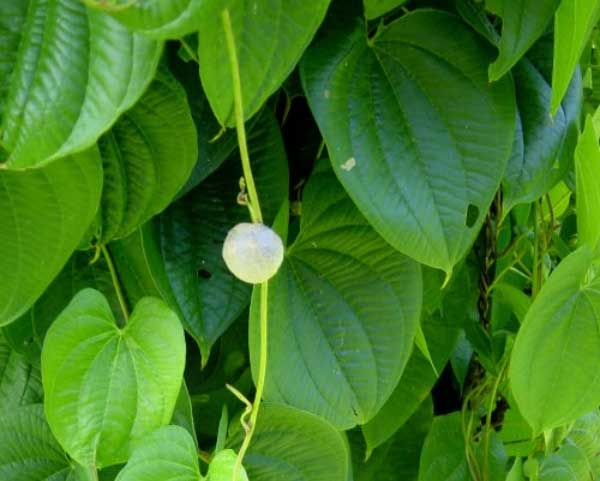
Aʻaʻaʻaʻa. redup. of ʻaʻaʻa, fibrous... ʻAʻaʻaʻa hoʻi kēia ʻuala.This sweet potato is full of fibers. ʻaeʻahaukaʻe. n. var. spelling of ʻaeʻa haukaʻe₂, a variety of wild sweet potato, good only as pig food. ʻaeʻa haukaʻe₂, ʻaeʻahaukaʻe [ʻaeʻa hau·kaʻe]. n. a variety of wild sweet potato, good only as pig food. ʻaikūpele. n. var. spelling of ʻai kūpele, medicinal juices mixed with poi or mashed sweet potato... ʻai kūpele, ʻaikūpele [ʻai kū·pele]. n. medicinal juices mixed with poi or mashed sweet potato, used to build up strength. lit., kneaded poi. ʻakūʻakū₃. n. an endemic lobelia (Cyanea rollandioides) 1 to 1.4 m high, with rough leaves to 50 by 15 cm. The leaves were cooked like cabbage or taro tops or sweet potato leaves, with pork or salt beef. cf. ʻakū. akuaku [a-ku-a-ku]. s. A species of rush. ʻalaʻala₃. n. aerial tubers of bitter yam, hoi (Dioscorea bulbifera). [(??) PPN *kala, male genitalia (problematic)] alaala [a-la-a-la]. The name of potatoes that grow on the leaf of the potato. ālālā [ā·lālā]. n. sweet potatoes that bear front branch (lālā) vines. alala [a-la-la]. s. A specie of potato with fruit on the leaves. See alaala. ʻālela [ʻā·lela]. see uhi ʻālela, a yam. ʻamokiʻi₁ [ʻamo·kiʻi]. n. stem of fruits or tubers; small end of sweet potato tuber. ʻāniʻuniʻu [ʻā·niʻu·niʻu]. n. root connecting sweet potato to vine. ʻao₂. n. dried baked taro or sweet potato; in Kaʻū this food was hung in baskets in the wind so that it dehydrated; it was used on sea journeys and is perhaps related to ō, sea rations. [(NP) PPN *kao, dried food, such as sweet potato, taro or fish] ao. s. Dried kalo or potatoes (i. e., kalo or potatoes baked and dried,) used for food. ʻapo₂. n. a variety of sweet potato (no data). (For. 5:664–5) apo [a-po]. s. A particular variety of sweet potatoes. apoapo [apo·apo]. nvt. hill, as of sweet potatoes; bunch, as of taro; to hill up plants. apoapo [a-po-a-po]. s. A bunch, as of kalo; a hill of potatoes; he apuepue. ʻapu₂. n.v. general name for medical potions, as made of taro, yam, or herbs. kalo ʻaputaro used as medicine ʻapuʻapu₂. n. type of agricultural land, as for sweet potatoes, mentioned in 1848 land claims, perhaps a pocket-like area. au₆. n. small sweet potatoes of poor quality that grow from the vine. ʻaumakiki [ʻau·makiki]. n. a variety of sweet potato. ʻawapuhi₂ [ʻawa·puhi]. n. a variety of sweet potato.
Eʻeleʻele₇. n. a variety of sweet potato.
Hhāʻae₂. n. a variety of sweet potato used to make beer. haae [ha-ae]. The name of a beer made of the sugar-cane when fermented and foaming. The beer was intoxicating. hāʻapuʻapu. same as hāʻupuʻupu, sweet potato sprouts. hāʻelelepo [hāʻele·lepo]. n. a variety of sweet potato. (HP 141) hahae₂. n. small sweet potatoes removed in thinning a hill. Kaʻū. hahaʻi₁. redup. of haʻi₁, to break or snap, as a stick... to break into pieces; to break off, as to thin sweet potato vines. PPN *fafaki. hahai [ha-hai]. s. A breaking; a disjoining; a separating. See hae. hahaʻi₂. redup. of haʻi₂, to say, tell, mention, state, declare, confess...; hāloa₅ [hā·loa]. n. a variety of sweet potato. hālonaipu [hā·lona·ipu]. n. a variety of sweet potato. hamo₃. n. a variety of sweet potato. (HP 141) [(CE) PPN *samo, sweet-potato variety] hāpuʻupuʻu₅ [hā·puʻu·puʻu]. same as hāʻupuʻupu, sweet potato sprouts. hāʻulelani₁ [hāʻule·lani]. n. a variety of sweet potato. lit., fallen from the sky. hāʻupuʻupu₂. n. sprouts from sweet potatoes. also hāpuʻupuʻu, hāʻapuʻapu. hāwaʻe₃ [hā·waʻe]. n. sprouts from sweet potatoes. hāwaʻewaʻe₂ [hā·waʻe·waʻe]. n. sprouts from sweet potatoes. hāwai₄ [hā·wai]. n. a variety of sweet potato. hēʻī₂. n. a variety of sweet potato usually called ʻuala hēʻī. hekili₃. n. a variety of sweet potato. helelei [hele·lei]. n. quick-bearing kind of sweet potato. (Kam. 76:27) hilo₆. n. a variety of sweet potato. hinapū₂ [hina·pū]. n. a variety of sweet potato.
Ua ua paha, ke ulu nei ka hoi.Perhaps it's been raining, the hoi is growing [said when someone looks happy, a play on hoi₁ and hoi₂]. hoi. s. The name of a vine bearing a bulbous root, eaten in time of scarcity, acrid to the taste. hōkeo₃ [hō·keo]. n. a variety of sweet potato. hōlei₄ [hō·lei]. n. a variety of sweet potato. hōlule₂ [hō·lule]. n. a variety of sweet potato. hua hāule wale [hua hā·ule wale]. same as hua hāʻule; also said of a sweet potato produced from the extended vine as distinguished from the product in the hill. huahaulewale [hu-a-ha-u-le-wa-le]. s. Name of certain leaves of the potato. The name of the potato itself. hualani [hua·lani]. n. a variety of sweet potato. huamoa₄ [hua·moa]. a variety of sweet potato. huaʻono. n. a variety of sweet potato.
Iiʻa₃. n. any food eaten as a relish with the staple (poi, taro, sweet potato, breadfruit), including meat, vegetable, or even salt. also ʻīnaʻi. ka iʻa lauoho loloa o ke kuahiwithe long-haired relish of the mountain [greens] (ON 1361) ʻiʻiaao, ʻīʻīaao [ʻiʻi·aao]. n. cooked and partly dried taro or sweet potato that becomes sour or ferments. ʻīʻīaao. n. var. spelling of ʻiʻiaao, cooked and partly dried taro or sweet potato that becomes sour or
Kkā₅. n.v. vine, as of sweet potato; to send out a vine, to vine, to grow into a vine. cf. hīkākā, kāhihi. Ua kā nā ʻuala a kākou.Our sweet potatoes have grown into vines. ka. A vine, the branches of which spread and run. kāʻai₂. vt. to dig food crops, as taro, sweet potatoes. kaekae₁ [kae·kae]. vs. Kaekae ka ʻumeke.The wooden bowl is smoothly polished. Kaekae ke olonā.The olonā fibers are perfectly cleaned. kaekae [kae-kae]. v. To be smooth and plump; without protuberances. adj. Young, fresh and smooth, as an unmarried woman who is much desired; hence, applied to a small woman. Applied to a canoe, new; smooth; without knots, &c.; he waa kaekae; also, i mai no ia, he kihei pili nau, he kaekae ka olupi. adj. Soft; mellow; soft, as a cooked potato. Light in traveling. s. See kae. The narrow edge of a rule. adv. See kae, border. Having many edges; by borders; on the borders. kaʻeumu [kaʻe·umu]. n. a variety of sweet potato. kāhē [kā·hē]. nvi. first appearance of young caterpillars on vines, especially of sweet potatoes; to be eaten by caterpillars. Kaʻū. cf. hē, caterpillar. Ua kāhē ka ʻuala.The caterpillars are beginning to eat the sweet-potato leaves. kahe [ka-he]. To begin to wither, as leaves eaten by a worm. kāhuli₃ [kā·huli]. n. sport or mutant, as of sweet potato. kahului₃ [kahu·lui]. n. variety of sweet potato. kaiehu₁ [kai·ehu]. vt. ʻAʻole pono ke kaiehu ka ʻōʻō ma ia apoapo ʻana.It is not right to stir up dust while digging and hilling [sweet potatoes]. (Kep. 157) kāili [kā·ili]. n. runner on sweet potato vine; string of fish, string or fiber of any kind on which fish are strung. also kālī. kāʻioʻio. vi. to bear a second crop of sweet potatoes. (HP 148) kaiue₂ [kai·ue]. vt. to hill up sweet potatoes. (Kep. 157), (HP 148). kakaka₄. n. a sweet potato, usually qualified by the terms ʻili paheʻe, smooth skin, or ʻili pohole o Keawe, scraped skin of Keawe. kake₃. n. a native variety of sweet potato; the name may be qualified by the term ʻeleʻele. kake [ka-ke]. s. A species of potato. See kakake. kākonakona₂ [kā·kona·kona]. a variety of sweet potato. kala₁₃. n. a sweet potato. Kinds are qualified by the colors keʻokeʻo and poni. kala poni. see kala₁₃, sweet potato. kalawela. n. var. spelling of kala wela, a black caterpillar with a red dot at the base of the head... kala wela, kalawela. n. a black caterpillar with a red dot at the base of the head, probably the sweet potato sphinx moth (Herse cingulata). It is destructive, especially of sweet potato leaves. kālī [kā·lī]. n. spine, spindle, rod; string, as used to thread things upon, as flowers for a lei, or candlenuts for a torch; long vine or runner, as of sweet potato. cf. kāili. kālī pahūpahūstring of firecrackers kali [ka-li]. To gird; to tie; to fasten on. kalia₃. n. a variety of sweet potato. kalika₃. n. a variety of sweet potato. The name may be qualified by lau keʻokeʻo, white-leafed, and ʻulaʻula, red. kalikolehua [kaliko·lehua]. n. a slow-growing sweet potato. (Kam. 76:27) kālina₁ [kā·lina]. n. long vine, as of sweet potato. kalina [ka-li-na]. s. Kali and ana, a remaining. Old potato vines that have done bearing. Potatoes of the second growth. A garden of potatoes where the old refuse potatoes and vines only remain. kamalino [kama·lino]. n. a sweet potato. kāmau₃ [kā·mau]. n. small taro or sweet potato that serves as food until the major crop matures. kamau [ka-mau]. Name of a kind of kalo. kāneʻohe. n. a variety of sweet potato, named for the place on windward Oʻahu. The name may be qualified by the colors keʻokeʻo and ʻulaʻula. kano₁. n. large, hard stem, as on a banana bunch, sweet potato, or pandanus fruit; shank of fishook (Kam. 76:77); tool handle; crosspiece on a lāʻau kia, bird-catching pole; bones of the lower arm or lower leg; male erection; stiffening, hardening; hard, stiff. cf. kakano. hoʻokanoto harden; to form a tuber, as of sweet potato kano [ka-no]. The body of a tree in distinction from its branches. kāokoʻa. vs. var. spelling of kāʻokoʻa, whole... kāʻokoʻa, kāokoʻa. vs. whole, entire; separated, independent, neutral, standing apart, definite. cf. ʻokoʻa, different, kūʻokoʻa, and holoʻokoʻa, entire. see kūʻai. He ʻuala kāʻokoʻa kāna.He had a whole sweet potato. hoʻokāʻokoʻato separate from others, keep away, abstain Ua kāʻokoʻa nō kāna kalo mai kā mākou.His taro was separated from ours. kāpapa₅ [kā·papa]. n. a variety of sweet potato (no data). (For. 5:664–5) kāpenakeoe [kā·pena·keoe]. n. an introduced variety of sweet potato, probably named for a captain. kauaheahe₃ [kau·ahe·ahe]. n. a variety of sweet potato. kauaiki [kaua·iki]. n. first harvest of small sweet potatoes, others being left to grow larger. Ka Ulu Hoi. n. name of the Hawaiian newspaper printed by students of the Hawaiian language at the University of Hawaiʻi at Mānoa, begun in 1971. lit., the growing bitter yam [or happiness; see hoi₁ and hoi₂ for word play]. [online here at Ka Ulu Hoi Index] kāwao₁ [kā·wao]. n. a variety of sweet potato. kawelo₁. n. a variety of sweet potato. kawelo kupa. n. a variety of mountain sweet potato. It has heart-shaped leaves and hard tubers, and is very sweet. keaumāhina [ke·au·mā·hina]. n. a variety of sweet potato. keoe₁. n. a sweet potato. kihe₃. a variety of sweet potato. kīhene [kī·hene]. n. bundle or basket of ti or other leaves, as used to carry sweet potatoes, flowers, etc. Nā wāhine kīhene pua.Women with baskets of flowers. kihene [ki-he-ne]. s. A bundle, as of potatoes done up for carrying. kihi₂. n. a variety of sweet potato. Descriptive terms are lau manamana, lau nui, and lau poepoe. kihi [ki-hi]. s. The name of a variety of sweet potatoes, the ancient potato of Hawaii; uala paa. kihikihi₃ [kihi·kihi]. n. a variety of sweet potato. kihi lau nui₁. n. a sweet potato. lit., large-feafed kihi. kiʻihekekē₂ [kiʻi·heke·kē]. n. a variety of sweet potato. kilo. vt. to study (i.e. examine, observe) something. cf. huli, kālai-. kilo [ki-lo]. v. To look earnestly at a thing. To act as a sorcerer. An astrologer; a magician. Kin. 41:8. A soothsayer; an enchanter. Kanl. 18:10. s. A kind of looking-glass. kiʻo₃. n. rootlet of sweet potato. kio [ki-o]. A part of a potato which branches off from the main root. kīolaola₁ [kī·ola·ola]. redup. of kiola; tossing back and forth or up and down, as in juggling; to cast for fish; to sort and distribute, as sweet potato cuttings. (For. 5:665) kiolaola [ki-o-la-o-la]. v. See kiola. To throw or cast frequently, as stones or other missiles. kīpapa₃ [kī·papa]. n. a sweet potato. kipawale [kipa·wale]. n. a variety of sweet potato. (HP 142) kipawale [ki-pa-wa-le]. The name of a species of sweet potato. kīpoʻipoʻi₂ [kī·poʻi·poʻi]. n. sweet potato patch. (For. 5:115) koaʻe₅. a variety of sweet potato. koali₃, kowali. n. a variety of sweet potato. koehonua₁ [koe·honua]. nvs. a large remainder, a balance, remnant; to be many remaining. Koehonua ka ʻuala.Plenty of sweet potatoes left. koehonua [ko-e-ho-nu-a]. s. Koe and honua, adverb. A remainder; a remnant; as when a piece of work is almost done, the unfinished part is the koehonua. kōelepālau, kōʻelepālau [kō·ele·pā·lau]. n. pudding made by peeling and mashing cooked sweet potatoes, then adding coconut cream gradually. Also pālau, poi pālau. koelepalau [ko-e-le-pa-lau]. s. A pudding made of potatoes and cocoanut. kōʻelepālau. n. var. spelling of kōelepālau, pudding made by peeling and mashing cooked sweet potatoes... kōhikōhi [kōhi·kōhi]. same as kokōhi; to cull, separate, grade, as fish or sweet potatoes. kohikohi [ko-hi-ko-hi]. v. See kohi 2. To separate food, the worthless from the good. To separate the good from the bad fish after a great haul. s. The act of separating or sorting out the good from the bad fish after a large haul. kokokoʻohā [koko·koʻo·hā]. n. small, inferior, and sometimes soggy sweet potatoes. kokokooha [ko-ko-koo-ha]. s. Very small potatoes with red veins. Water-soaked potatoes. kokookiawe [koko-o-Kiawe]. n. a variety of sweet potato. komeʻulaʻula. a variety of sweet potato. kona pākeke [kona pā·keke]. n. a variety of introduced sweet potato. lit., Kona packet (Eng.). koʻokā₂ [koʻo·kā]. n. a variety of sweet potato. kowali. var. spelling of koali, morning glory; swing; sweet potato; eel... [PPN *tawali, a tree sp] kowali [ko-wa-li]. v. To swing to and fro, as a rope for children to jump over. s. A kind of play for children; swinging a rope. There were two kinds of kowali. Name of a certain stick or buoy on which to float a fish-hook. The name of a running vine; a convolvulus; also written koali. kūhalakau [kū·hala·kau]. n. aerial tubers of uhi, yam, hoi, and related plants. kuʻipopo [kuʻi·popo]. n. a variety of sweet potato. lit., decayed molar. kūloku [kū·loku]. vs. falling, flowing, as rain or stream; flattened, as plants by rain. ʻO ka hoi, uhi, pia … ua nika nānawaū mai kō lākou ulu ʻana, ā ua kūloku loa ā make.The hoi vine, yam, arrowroot … are blackened and sickened in their growth, and flattened down [by bad weather) until dead. (Kep. 93) kulukulu₂ [kulu·kulu]. vi. to multiply, become numerous. Kulukulu ka hua o ka ʻuala.The fruit of the sweet potatoes become numerous. (Kep. 109) kūʻōʻō. n. broken fragments of sweet potato, as cut by ʻōʻō, digging stick, or spade. Pūpū wahi kūʻōʻō ka mahi ʻai o uka; ola nō ia kini he mahi ʻai na ka ʻōiwi.The upland farmer gathers the small injured sweet potatoes; the multitudes find life, when the farmer farms for himself. [though the potatoes may be small, the independent farmer supplies his kin]. (ON 2762) kūpaʻakai [kū·paʻa·kai]. nvt. same as pū paʻakai; to eat poi or sweet potatoes with salt or relish such as ʻinamona, and without meat or greens; hence a place without fish or meat. Mai kākou e kūpaʻakai.Come and let's have some poi with a little salt. kūpala₃ [kū·pala]. n. a wild sweet potato or morning-glory with enlarged tuber, eaten in time of famine. also paha, ʻuala koali. (HP 214) Kahoʻolawe, ʻai kūpala.Kahoʻolawe, eater of kūpala. [Kūpala was eaten here for lack of other food.]. (ON 1317) kūpele₃ [kū·pele]. n. concoction of juices of herbs mixed with poi, tender taro leaves, coconut cream, mashed sweet potato, and other food. kūpuʻu [kū·puʻu]. nvi. taro or sweet potatoes eaten with no preparation other than scraping or baking, i.e., without being pounded into poi or mixed with coconut cream; to take food from the oven and eat it informally; to have potluck.
Llaʻelaʻe₂ [laʻe·laʻe]. n. a variety of sweet potato. (HP 142) laha₃. n. a kind of yam with white flesh under the skin (HP 168), contrasting with those with purple-red flesh under the skin that were liked for medicine. lahaina₂. n. a variety of sweet potato. (HP 142) lahalile₂ [laha·lile]. n. a variety of sweet potato. laʻilaʻi₂ [laʻi·laʻi]. n. a variety of sweet potato. laʻiokona₁ [laʻi-o-Kona]. n. a variety of sweet potato. lit., calm of Kona. lālā₅ [lā·lā]. n. sweet potato produced on a branch vine. lala [la-la]. A species of potato bearing its fruit on the leaves. See alala. laloloa [lalo·loa]. n. a variety of sweet potato. (HP 142) lānaʻi₂. n. a variety of sweet potato. (HP 142) lapa₆. n. a variety of sweet potato. lapa [la-pa]. A species of red potato. laukanu [lau·kanu]. n. planted sweet-potato vine. see lau₈. laumanamana [lau·mana·mana]. n. a variety of sweet potato. lauʻulaʻula. n. a kind of sweet potato. lit., red leaf. (HP 142) lehelehenui [lehe·lehe·nui]. n. a variety of sweet potato. (HP 142) lehua₆. n. a variety of yam; the stem has red wings and the tuber has light pinkish flesh. (HP 168) līhau₂ [lī·hau]. n. a variety of sweet potato (no data). (HP 142) lihilihi₆ [lihi·lihi]. n. a variety of sweet potato (no data). This may be qualified by the term palu. likolehua₁ [liko·lehua]. n. a variety of sweet potato limawīwī [lima·wī·wī]. n. a variety of sweet potato. lit., thin hand. loaloa [loa·loa]. redup. of loa₁; elongated garden plot, as for sweet potatoes (so used in 1848 land claims).
Mmahakea₁ [maha·kea]. n. once uncultivated land, as for bananas, sweet potato, taro; fallow land. cf. kūmahakea. maha ʻōʻō₂. piece of sweet potato broken off by the ʻōʻō, digging stick. same as the more common kūʻōʻō. maheu₂. vt. to dig and rake the earth, as for planting. E maheu aʻe ana i kēia puʻu e kanu ʻuala.Preparing the soil in this hill for planting sweet potatoes. mahina₆. n. a variety of sweet potato. mahinakēhau [mahina·kē·hau]. n. a variety of sweet potato. maʻihuʻi keʻokeʻo [maʻi·huʻi keʻo·keʻo]. n. a variety of sweet potato. maʻihuʻi ʻulaʻula [maʻi·huʻi ʻulaʻula]. n. a variety of sweet potato. māʻiʻo₃. n. a variety of sweet potato. maka₈. n. varieties of sweet potato. see maka kila, maka koali, maka nui, name for mākaʻa₂ [mā·kaʻa]. n. a faint green striped mutant of the sweet potato. (HP 221) makaili [maka·ili]. n. rocky patches where sweet potatoes or taro were cultivated (For. 6:165) ; soil consisting of coarse sand, cinders, or gravel. cf. ʻili, pebble. maka kila₁. n. a name given to the kala poni, sweet potato. maka koali. n. wild sweet potato found in Puna, Hawaiʻi; it may have been eaten in famine times; fed raw to pigs. maka nui. n. a variety of sweet potato. (HP 142) makika₂. n. plant blight that attacked sweet potato, taro, and other food crops, believed caused by mosquitoes. mala₂. vs. sour, as fermented sweet potatoes, insipid. see mamala. [(NP) PPN *mala, sour, bitter] malamala [mala·mala]. redup. of mala₁, ₂, aching; sour, fremented... hoʻomalamalato leave so as to sour, as mashed sweet potato to be eaten as malamala [ma-la-ma-la]. v. See mala, to swell. To swell; to rise up round and full; to be large. s. See mala. Something swollen; enlarged by swelling; swollen with pride or haughtiness; he poe makau kakou i ka malamala. mānalo₁ [mā·nalo]. vs. sweet, potable, of water that may be drunk but is not deliciously cool (huʻihuʻi); firm and tasty, as taro or sweet potato. Waimānalo (place name), potable water. [PPN *maaŋalo, palatable, sweet] hoʻomānaloto remove bitterness or saltiness, as of overly salty salmon Mānalo iki kēia wai.This water is drinkable, but perhaps a little brackish. manalo [ma-na-lo]. Firm; hard, as good kalo, in distinction from loliloli. manamana₅ [mana·mana]. n. a variety of sweet potato with finger-like leaves, sometimes qualified by keʻokeʻo, white. (HP 142) manana₂. n. a variety of sweet potato. manana [ma-na-na]. s. Name of a kind of potato. manini₆. n. a variety of sweet potato. manioka [mani·oka]. n. the cassava or manioc (Manihot esculenta), a bushy herb or shrub 1 to 2.8 m high, from Brazil, widely grown for its tuberous, edible roots, like sweet potatoes. The roots also yield a starch, tapioca. cf. pia manioka. Eng. (Neal 513–4) maoli₄. n. a variety of sweet potato. -mau. hoʻomaua variety of sweet potato maui₂. n. a variety of sweet potato. moeāhua₁ [moe·ā·hua]. n. a variety of sweet potato. mōhihi₁ [mō·hihi]. n. a variety of sweet potato, sometimes qualified by the colors keʻokeʻo or ʻulaʻula. mohihi [mo-hi-hi]. s. Mo and hihi, a vine. Name of a strong vine used for strings. moi₄. n. a variety of sweet potato. [(CE) PPN *moii, sweet potato variety] mōkaekae [mō·kae·kae]. vs. gratifying to the taste, tasty, as mealy sweet potato. cf. kaekae. mokiawe [moki·awe]. n. a variety of sweet potato. mōlina₂ [mō·lina]. n. wing on stem of a plant, as of yam. (HP 167) mōlina₄ [mō·lina]. n. a variety of sweet potato. molokaʻi₂ [molo·kaʻi]. n. a variety of sweet potato.
Nnakulehu [naku·lehu]. n. a variety of white sweet potato. nanani ʻeleʻele. n. a variety of sweet potato. nanani keʻokeʻo [nanani keʻo·keʻo]. n. a variety of sweet potato. nāʻū₃. n. a variety of sweet potato. (HP 142) nauewai [naue·wai]. n. a variety of sweet potato. neʻeneʻe₃ [neʻe·neʻe]. n. a variety of sweet potato. nenewai [nene·wai]. n. a variety of sweet potato. nihopopo [niho·popo]. n. a variety of sweet potato. Niʻihau₂. n. a variety of uhi, yam. nika₃. n. a variety of sweet potato; sometimes qualified by the terms ʻeleʻele, keʻokeʻo, nui. also pāʻele. hoʻonohonohoa variety of yam (uhi) having tuber with white flesh and red skin; vine and its wings green, petiole red, veins of blade red and green nuku₄. n. see below for nuku sequences as names of taros, a legume, sweet potatoes, jackfish, and birds. nuku kau₂. n. a variety of sweet potato. nuku lehu. n. a variety of sweet potato.
Oʻoaka₂, ʻowaka. vi. to sprout, as sweet potatoes. Waiho ā ʻowaka like ka ulu o ka lau ʻuala.Left until the sweet potato leaves all grow and sprout. ʻoheʻohe₃. n. a variety of sweet potato. ʻōhiʻa₆ [ʻō·hiʻa]. vs. tabooed, as food patches during famine, so-called because people did not eat from their taro patches, but from upland ʻōhiʻa ʻai, ti, and sweet potatoes. (Ii 77) ʻōhulu [ʻō·hulu]. vi. to feather out; to grow, especially of vines growing from discarded or broken bits of sweet potato; watery and of poor quality, as such potatoes. ohulu [o-hu-lu]. s. Potatoes of the second growth; old sprouted potatoes; ka uala kahiko. ʻōihoiho [ʻō·iho·iho]. vi. to go downwards, as deep sweet potatoes. (For. 6:125) ʻokilipi [ʻoki·lipi]. n. a variety of sweet potato. ʻōkoholā [ʻō·koholā]. n. a variety of sweet potato, said to have been introduced during whaling days. ʻōmealani [ʻō·mea·lani]. n. variety of sweet potato. ʻonohinohi₂ [ʻo·nohi·nohi]. n. a variety of sweet potato. ʻōpihipihi₁ [ʻō·pihi·pihi]. nvs. a mere trifle, small thing; tiny, trifling, as a fish or worthless sweet potato. ʻōpū palula [ʻō·pū palula]. vs. idle, indolent, eating food without working; potbellied. lit., sweet-potato-leaf stomach; said to be so called because it took little effort to cook sweet potato leaves.
Ppaʻa₆. n. type of sweet potato, pronunciation not certain. (For. 5:664–5) paʻahao₂ [paʻa·hao]. n. proceeds (as pigs, sweet potatoes or taro) paid to holders of land on which tenants worked; penalty for failure to pay was imprisonment. cf. lā paʻahao, loʻi paʻahao. paʻapaʻaʻina₃ [paʻa·paʻaʻina]. n. a variety of sweet potato. paʻauhau [paʻau·hau]. n. a variety of sweet potato. pae₃. n. type of sweet potato, pronunciation uncertain. (For. 5:664–5) pāʻele₃. n. a variety of sweet potato. also nika. pāʻele hili mānoanoa [pāʻele hili mā·noa·noa]. n. a variety of sweet potato. pahulu₃. n. volunteer sweet potatoes, sweet potatoes of the second growth. pahulu [pa-hu-lu]. s. Potatoes of the second growth. paioea, paiowea [paio·ea, paio·wea]. n. a variety of sweet potato. paʻi ʻuala. n. cooked and compressed sweet potatoes allowed to ferment slightly and used as a substitute for poi when poi was scarce. Also poi ʻuala by analogy with poi. pākeke₁ [pā·keke]. n. a variety of sweet potato. Eng. pala₈. n. a variety of sweet potato. pala kaia. n. a variety of sweet potato. palakē [pala·kē]. vs. soggy and watery, as taro or sweet potatoes of poor quality. palake [pa-la-ke]. adj. Mixed up of water and other things; heavy; water-soaked, as kalo or potatoes. pala mahiki₂. n. a variety of sweet potato. palani₄. n. a variety of sweet potato pālau₄ [pā·lau]. short for kōelepālau, a pudding of sweet potatoes and coconut cream kīʻoʻe pālaua spoon used for stirring and dipping pālau pudding pālau₆ [pā·lau]. n. Maui name for yam. palau [pa-lau]. A species of yam; the same as the uhi. palikea [pali·kea]. n. a sweet potato. palula. n. cooked sweet-potato leaves. palula [pa-lu-la]. s. Art. ke. The leaf of the sweet potato. A dish of food made by roasting sweet potato leaves with hot stones. pānini₂ [pā·nini]. n. a variety of sweet potato. paniʻole₁. n. a variety of sweet potato. pāʻōʻō. n. broken or discarded portions of sweet potatoes; sprouting bits of these fragments. paoo [pa-oo]. s. A species of potato. See pao 5. adj. Of or belonging to the ama, a species of sweet potato; ikaika i ka ama paoo. pāpaʻakoali [pā·paʻa·koali]. n. a sweet potato. pāʻūohiʻiaka₅ [pāʻū-o-hiʻi·aka]. n. a variety of sweet potato. pāʻūʻū₃. n. a variety of sweet potato. pehu₂. n. a variety of sweet potato. pia₅. n. a variety of sweet potato. (HP 142) piʻa. n. a kind of yam (Dioscorea pentaphylla), a climber with lobed leaves known throughout Pacific islands and in tropical Asia. It bears small aerial and subterranean, edible tubers. (HP 215), (Neal 230–1). piapia₃ [pia·pia]. n. a variety of sweet potato. (HP 142) piele₃. n. pudding of grated taro, sweet potato, yam, banana, or breadfruit, baked in ti leaves with coconut cream. [(CE) PPN *piere, pudding of grated taro, banana, etc: kind of food made from banana, breadfruit or taro.] pīkaʻo₁ [pī·kaʻo]. nvs. dehydrated food, as yam cooked, grated, dried, packed in banana fiber, used on long sea voyages; dried up, juiceless, parched (applied jestingly to old hags). cf. pōkaʻo. (For. 6:386) pilimai₃ [pili·mai]. a variety of sweet potato. piʻoi₁. n. Kauaʻi name for hoi, the bitter yam (Dioscorea bulbifera). poe₂. n. a sweet potato. pōhina₆ [pō·hina]. n. a variety of sweet potato. pōhuehue₃ [pō·hue·hue]. n. a variety of yellow sweet potato. pona₁. n. socket; eyeball, eye socket; joint of sugar-cane stalk, bamboo; hollow, as left after a sweet potato vine has been dug. cf. puna. [(NP) PPN *poŋa, hole, orifice, esp. nostril or other bodily orifice] pona. n. atrium, of the mammalian heart. lit., heart socket. also pona puʻuwai. see keʻena. pona [po-na]. s. The joints, as of the spine and the fingers; the spaces between the bulbs or joints of bones. That part of a stalk of sugar-cane which is between the joints. The joints themselves of sugar-cane or bamboo. v. To divide off into joints or pieces. To cut into parts; e pauku aku. poni₅. n. a variety of sweet potato. (HP 142) poni₆. n. a variety of yam. (HP 169) pū₁₀. n. a variety of sweet potato. puakawaihae₂ [pua·ka·wai·hae]. n. a variety of sweet potato. puʻe₁. nvt. hill, as of sweet potatoes; dune; to hill up. cf. puʻe one. [(MP) PPN *puke, mound of earth, heap] pue [pu-e]. To make a round elevated hill, as in weeding out and hilling up potatoes. s. A round heap of dirt or mud for planting kalo or potatoes; a potato hill. puku kālina [puku kā·lina]. n. collected sweet-potato vines. Poetical, a stormy or whirling wind. pukukalina [pu-ku-ka-li-na]. adj. Wild; whirling; sweeping, as a small whirling wind that removes light things; makani pukukalina o Mahikihiki. pulakamaka [pula·kamaka]. n. a variety of sweet potato. (HP 142) pūlehu₁ [pū·lehu]. vt. to broil, as sweet potatoes, breadfruit or bananas placed on hot embers. cf. kōʻala, to broil flesh. pūnana₂ [pū·nana]. n. a variety of sweet potato. punapuna₁ [puna·puna]. vs. mealy, firm, not soft or soggy, as taro or sweet potato. pūpū₅ [pū·pū]. nvt. to draw or gather together; to draw tight, as a fishing net. cf. pūpū lauoho, pūpū weuweu. Pūpū wahi kūʻōʻō ka mahi ʻai o uka; ola nō ia kini he mahi ʻai na ka ʻōiwi.The upland farmer gathers the small injured sweet potatoes; the multitudes find life, when the farmer farms for himself. [though the potatoes may be small, the independent farmer supplies his kin]. (ON 2762) puʻu₁₆. n. a hard, white variety of sweet potato. also puʻu keʻokeʻo. puʻukōlea₁ [puʻu·kō·lea]. n. sweet potato tubers that form on old vines.
Uuahiapele₃ [uahi-a-Pele]. n. a variety of sweet potato.
uala [u-a-la]. s. See U and ala, sweet. The sweet potato. ʻuala₃, ʻuwala. n. see uhi ʻuala, a variety of yam (Dioscorea alata). ʻuala ʻawaʻawa. n. sweet-potato beer. ʻuala hēʻī. n. a variety of sweet potato. ʻuala hoʻomalamala [ʻuala hoʻo·mala·mala]. n. mashed sweet potato, slightly fermented and eaten as poi. ʻuala hūpē [ʻuala hū·pē]. n. Madeira vine (Boussingaultia gracilis.) lit., mucus sweet potato. (Neal 344) ʻuala kahiki. n. the white or Irish potato (Solanum tuberosum), a weak-stemmed herb about .9 m high, with lobed leaves. The white, starchy, underground tuber is a valuable food in many countries. A native of the Andes, it was introduced to Hawaiʻi in the early 1800s. (Neal 745) He Hawaiʻi ʻuala kahiki.An Irish-potato Hawaiian [one who apes white men instead of appreciating his own culture] lit., foreign sweet potato. (ON 570) ualakahiki [u-a-la-ka-hi-ki]. s. Uala, potato, and kahiki, foreign. A foreign or Irish potato. ʻuala koali. same as kūpala₃, a wild sweet potato. ʻuala lehu₂. n. a variety of sweet potato. (HP 225) ʻuala nika. n. a variety of introduced sweet potato. ʻuala ʻula kīnaʻu [ʻuala ʻula kī·naʻu]. n. a variety of red sweet potato. ʻuaʻuala, ʻuwaʻuwala. nvi. sour odor, as of fermenting or decaying sweet potatoes; to smell thus. uauala [u-a-u-a-la]. s. A strong smell of decaying food; the smell of rotten potatoes; wekoweko. uhi₃. n. the yam (Dioscorea alata), from southeast Asia, a climber with square stems, heart-shaped leaves, and large, edible, underground tubers. The plant is widely distributed through islands of the Pacific, where it is commonly grown for food. (HP 166–172), (Neal 230). In the past botanists have applied the name uhi incorrectly to the hoi kuahiwi. also pālau, ulehihi. [(AN) PPN *ʻufi, yam (dioscorea)] uhi [u-hi]. s. A yam, a vegetable; grows in the ground. uhi ʻālela [uhi ʻā·lela]. n. a variety of yam, the tuber having white flesh and skin; grown in Puna, Hawaiʻi. (HP 168) uhi hoʻonohonoho [uhi hoʻo·noho·noho]. n. a variety of yam. see -nohonoho. uhi kalakoa [uhi kala·koa]. n. a variety of yam, the tuber with mottled red and white flesh and white skin; grown at Hāʻena, Kauaʻi. also uhi ʻōniʻoniʻo. (HP 168) uhi keʻokeʻo [uhi keʻo·keʻo]. n. a variety of yam, grown throughout the islands; tuber with white flesh and skin. (HP 168) uhi lehua. n. a variety of yam, grown in Kona, Hawaiʻi, having a tuber with pinkish flesh, the vine stem with red wings. Perhaps the same as uhi ʻulaʻula. (HP 168) uhi Niʻihau [uhi niʻi·hau]. n. a variety of yam, the tuber with pink flesh; grown in Kona, Hawaiʻi. (HP 168) uhi ʻōniʻoniʻo [uhi ʻō·niʻo·niʻo]. same as uhi kalakoa, a variety of yam... uhi poni. n. a variety of yam, the tuber with red skin and red and white flesh; grown on the island of Hawaiʻi. (HP 169) uhi ʻuala. n. a variety of yam, the tuber like a sweet potato; grown on the island of Hawaiʻi. (HP 169) uhi ʻula, uhi ʻulaʻula. n. a yam, probably the same as uhi lehua. ulehihi [ule·hihi]. same as uhi, yam. rare. uli₈. n. type of sweet potato (no data). (For. 5:664–5) uli [u-li]. s. Name of a species of kalo. Name of a species of fan leaf cocoanut; ka uli, ka loulu, ka hawane. ulu [u-lu]. s. Name of a tree; the bread-fruit; the fruit good for food, the timber for building, for canoes, &c. unahiuhu [unahi·uhu]. n. a variety of sweet potato.
Wwaha₁. n. mouth, opening, inner surface of a bowl, open top of a canoe, muzzle of a gun, oral, one who talks too much (see ex., hewa₄). see kakaʻo, waha wale, wahāwahā. [(CE) PPN *wafa, mouth] hoʻowahato talk excessively; to make faces; to make an opening or furrow; to dub out a canoe, hew Kā i ka waha.Smite the speaker [said disparagingly of one who does himself what he has condemned others for doing]. (ON 1396) Mai lawe mai i kāna ʻuala, he waha.Don't bring his sweet potato, [he] talks too much. waha [wa-ha]. s. A mouth; an opening generally. The mouth of a person; e olelo he waha no he waha, to speak mouth to mouth. The mouth of a cave or pit; ka waha o ke ana. Ios. 10:18. The mouth of a bag. See auwaha, a furrow. To dig a furrow or a ditch, especially a long one. See waha, s. waianiani [wai·ani·ani]. n. a variety of Molokaʻi sweet potato. wailua₂ [wai·lua]. n. an ancient variety of sweet potato, presumably introduced from Wailua, Kauaʻi. waipalupalu [wai·palu·palu]. n. name recorded for a variety of sweet potato. wali. vs. ʻaila hoʻowali penapaint thinner hoʻowalito make soft, smooth, as soil, to mix, as poi or dough; to digest nā lio kaʻinapu hoʻowali luagraceful, doubly supple horses (chant) nā mea hoʻowali a lokodigestive organs ʻuala hoʻowali ʻiamashed sweet potatoes ʻūlei hoʻowali ʻualadigging stick of ʻūlei wood that softens [the earth for] sweet potatoes [sexual reference] waha walismooth talk, smooth talker; to talk smooth; glib wehiwa₄. a variety of sweet potato. wela₃. n. a new field, as of sweet potatoes; a piece of land cleared for planting by burning. also makawela. He wela he kauwahi e mahi ʻai.A wela is a certain place to be cultivated. |