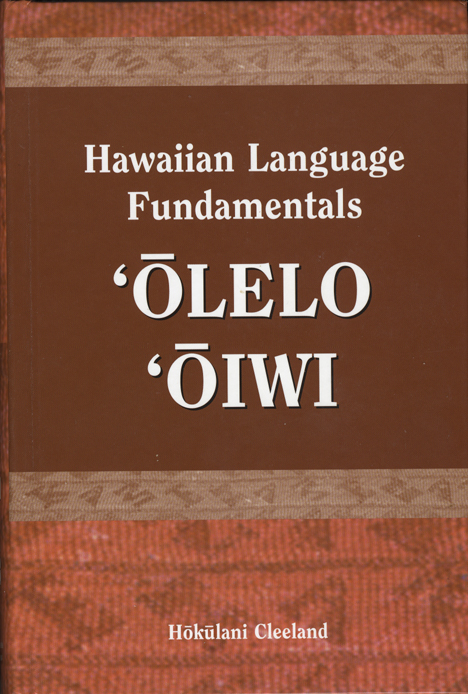
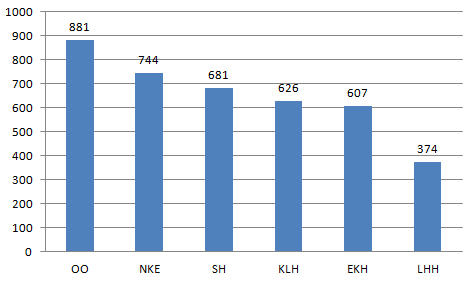
| Pukui & Elbert - 1986
Māmaka Kaiao - 2003-10 Lorrin Andrews - 1865 |
updated: 12/18/2016 |
Basic Vocabulary 1026
words appearing in two or more vocabulary lists of
six Hawaiian language textbooks*
8/6ahiahi [ahi·ahi]. nvi. evening, late afternoon; to become evening. [(AN) PPN *afiafi, evening] Aia a hele aku au e hoʻāhiahi me ʻolua.When I get there I'll spend the evening with you two. E kali kāua a hoʻāhiahi iho.Let's wait until evening begins to fall. hoʻāhiahito become evening; to spend an evening; to detain until evening; to darken, obscure hoʻoahiahisame as hoʻāhiahi: to become evening; to spend an evening; to detain until evening; to darken, obscure Ua manaʻo māua e hiki ʻē i ʻaneʻi, ʻo ke ahiahi ʻia ʻana ihola ia.We thought of arriving here earlier but were overtaken by evening. ʻāina. n. land, earth. cf. ʻai, to eat; ʻaina, kamaʻāina. [PPN *kaaiŋa, place of residence, home] ʻāina hoʻoilinainherited property or estate kō nā ʻāina like ʻolebelonging to foreign lands, foreign, international Ua mau ke ea o ka ʻāina i ka pono.The life of the land is preserved in righteousness. (ON 2829) (motto of Hawaiʻi) akamai [aka·mai]. nvs. smart, clever, expert; smartness, skill, wit. cf. akeakamai. [(EO) PPN *ʻatamai, intelligent, expert, clever] hoʻākamaito make wise or smart; to make a pretense of wisdom; to show off, display erudition; theorist nā ʻōlelo akamai a Kolomonathe proverbs of Solomon alanui [ala·nui]. n. street, road, highway, thoroughfare, waterway, course. lit., large path. PCP *alanui. alanui a ke kuʻukuʻuroad of the spider (poetic name for the equator) alanui i ka piko o Wākearoad at Wākea' navel (poetic name for the equator) alanui maʻawe ʻula a kanaloaroad of the scarlet footprint of Kanaloa [the western sky] alanui o ke keʻastation of the cross alanui polohiwa a Kanaloathe dark path of Kanaloa [southern limit of the sun in its yearly cycle, about the 15th and 16th days of the month Hilina Mā] alanui polohiwa a Kānethe dark path of Kāne [northern limit of the sun, about the middle of the month Kaulua] ʻano₁. n. kind, variety, nature, character, disposition, bearing, type, brand, likeness, sort, way, manner, shape, tendency, fashion, style, mode, circumstance, condition, resemblance, image, color, moral quality, denomination, meaning (preceded by ke). [PPN *kano, substance, or essential part of anything; flesh] He aha ke ʻano?What is [it] like [sometimes said scornfully]? What kind of nonsense is that? He aha nō lā kou ʻano?What's the matter with you? hōʻanoto cause to take a definite shape, produce a resemblance ke ʻano o ka nohonaway of life, standard of living haʻawi. nvt. var. spelling of hāʻawi₁, to give... hāʻawi₁, haʻawi. nvt. hāʻawi lokomaikaʻito give freely, open-handed hāʻawi waleto give freely, gratis haʻawina [haʻa·wina]. n. hāʻawi haʻawinato assign a lesson He haʻawina kaʻu i ka pō nei.I had a dream last night. nā haʻawina o ua maʻi … neithe symptoms of this disease (Kel. 18) hale₁. nvi. house, building, institution, lodge, station, hall; to have a house. Many types of hale are listed below. [(MP) PPN *fale, house n] E hoʻohale ʻia aku, he makamaka ola.Extend the hospitality of the house, [he is] a friend who extends appreciation. hale i luna a i laloa two-story house hoʻohaleto lodge in a house; to receive in a house Ua hale mākou.We have a house. hana₁. nvt. ʻAʻohe kona he maʻi maoli, he maʻi hana ʻia.His is not a natural sickness, it is induced by sorcery. E hana nō ke anaina kanaka o ʻIseraʻela a pau ia mea.The whole community of Israel must celebrate it. (Puk. 12:47) hana ʻiamade, completed, wrought Hana ʻia maila ka wai ā ʻono.The waters were made sweet. (Puk. 15.25) Hana maikaʻi i ka ʻāina.Clear the soil well. hoʻohanato use, employ, cause to work, carry out, administer, manage, encourage; use, employment, management, administration i … hanawhen; as; while; at the time that I hele aku kona hana, ua lilo ka pāpale.When he went, the hat was gone. ka haʻi ʻana i ka hana akuactive voice ka haʻi ʻana i ka hana ʻia maipassive verb Ka hana ia a ka loea, ʻo ke akamai paheʻe ʻulu.That is the way an expert does, smart in bowling. (chant) Ke hana mai ʻo Pele i kāna hana.When Pele does her work. luna hoʻohanamanager, administrative head mea hanatool; task; offering to ʻaumākua gods nā mea hoʻohanatools, implements, or anything to work with noho hoʻohanato act or serve as manager ʻO ka hana, ua hana ʻia.The work has been done [a completed task]. hauʻoli. nvs. happy, glad, gay, joyful; happiness, enjoyment, joy. The common expressions Hauʻoli Makahiki Hou, Happy New Year, and hauʻoli lā hānau, happy birthday, are translations from English. [PPN *sau, (in compounds) temperament, disposition] hauʻoli maualways happy, cheerful hoʻohauʻolito cause happiness, gaiety, joy; have fun, do fun things. (NKE) mea hoʻohauʻolientertainment, pleasure, treat hele₁. nvi. to go, come, walk; to move, as in a game; going, moving; a gadabout. fig., to die. cf. hele wale, hele wāwae. [(EC) PPN *sele, go] E hoʻohele aku ʻoe i ka uaki.Start the watch. hele a ka lāthe path of the sun; circuit of the sun Hele nō ā ka poʻe ʻōpiopio.Extending even to the young people. hele pololeito go straight ahead hoʻoheleto cause to move, set in motion; to start, as a clock; to manage; to walk someone else or force oneself to walk Kāu hele kēia.This is your move [as in the kōnane game]. kō kākou mau hoʻohele ʻanaour management heluhelu₁ [helu·helu]. v. to read, count. (2 Nal. 23.2) aʻo heluhelureader (book); to learn to read mea heluhelureader (either a book, or a person who reads) hiamoe [hia·moe]. nvi. sleep; to sleep, fall asleep, asleep. PPN *fiamohe. hiamoe i ka maketo sleep in death, die holoholona hiamoesloth hoʻohiamoeto put to sleep, lull to sleep, to pretend to sleep; soporific lāʻau hoʻohiamoesleeping tablet or drug hoʻolohe [hoʻo·lohe]. listen, obedient; to mind, heed; attention (a military command). caus/sim of lohe, to hear, mind, obey, listen... see mea hoʻolohe, hearing aid... he kanaka hoʻolohe i kauohaa person obedient to commands hoʻolohe ʻoleinattentive, not heeding, unreceptive, unresponsive; to disobey hui₁. nvi. club, association, society, corporation, company, institution, organization, band, league, firm, joint ownership, partnership, union, alliance, troupe, team; to form a society or organization; to meet, intermingle, associate, congregate. (probably hū₇ + -i, transitivizer) (Gram. 6.6.4) [(??) PPN *fui, come together, join, associate] A hui hou aku.Goodby; till [we] meet again. hoʻohuito form a society palapala hoʻohuicharter, as of an association ikaika₁. nvs. strong, powerful, sturdy, stalwart, potent; strength, force, energy, might, vigor, determination (rare) (usually pronounced ikeika). (Gram. 2.7) E hoʻoikaika ana au e hana i kēia.Iʻm going to make a great effort to do this. Hoʻoikaika Kalikiano.Christian Endeavor Society. hoʻoikaika kinobody-building exercise hoʻoikaika, hōʻikaikato make a great effort, work hard, encourage, animate, strengthen, fortify, try, strive, strain; calisthenics pili hoʻoikaika kinorelating to body building, athletic pōhaku hoʻoikaikastones lifted as a test of strength Ua hoʻomaka ʻia nā hoʻoikaika pāloka ʻana mawaena o nā kālaiʻāina ʻekolu.Political campaigns were begun by three political parties; lit., ballot strengthening. ʻike₁. nvt. to see, know, feel, greet, recognize, perceive, experience, be aware, understand; to know sexually (For. 4:275) ; to receive revelations from the gods; knowledge, awareness, understanding, recognition, comprehension and hence learning; sense, as of hearing or sight; sensory, perceptive, vision. cf. anaina ʻike aliʻi, ʻike loa. PPN *kite. aniani hoʻonui ʻikemagnifying glass, telescope, microscope Ē Leo, e hele mai e ʻike i kō hoahānau.Leo, come and greet your cousin. haʻawina hōʻikeexamination, test He ʻike kumu, he ʻike lau, he ʻike lono, he ʻike pū ʻawa hiwa; Ka ʻike ia āu ē ke akua.A knowledge basic, a knowledge flowering, a knowledge heard, a knowledge from kava offerings; this is the knowledge from you, O god. (hula prayer) hōʻike ā maka, hōʻike ākeato reveal openly and clearly Hōʻike ʻana.Revelation (Biblical). hōʻike ʻanodescription, example, illustration; to tell the nature of, describe hōʻike hoʻopōkoleshortened review, synopsis, sketch, summary, outline, resumé hōʻike hoʻopunipuni, hōʻike wahaheʻefalse witness; to lie, commit perjury hōʻike maopopo akuto demonstrate clearly hōʻike paʻawitness, one who confirms hōʻike panakōbank statement or report hōʻike₁to show, make known, display, tell, exhibit, reveal, indicate, inform, report, notify, explain, testify, cause to know or see, discover, announce, allege; acquaint; testimony, notice, information; identifying characteristics, as of land claims; proof, token guide, exhibition hōʻike₂witness, as in court hōʻike₃school commencement; to hold commencement hōʻike₄congregational convention of various Sunday Schools with singing and recitation ʻIke aku, ʻike mai.To recognize one another. ʻike hoʻomaopopoconscious, consciousness ʻike nui ʻiawell known, famous ʻike wale ʻiaeasily seen, conspicuous nā hōʻike makahikithe annual conventions palapala hōʻikeaffidavit, report pau ka ʻiketo lose consciousness Ua hele au e ʻike i kuʻu hoaloha; ua pau ka ʻike, pau ka lohe.I went to see my friend, he was in a coma, neither seeing or hearing. ʻīlio₁ [ʻī·lio]. n. dog (brought to Hawaiʻi by early Polynesians, considered an ʻaumakua by some). cf. ʻapowai, hula ʻīlio, nūkea, (Gram. 2.9) , (Titcomb 1969), (Hal. 22.16) , (Hoik. 22.15) . Many types of dogs are listed below. [(CE) PPN *kurio, dog] ʻau ʻīliodog paddle, in swimming; to dog paddle. lit., swim (like a) dog ʻīlio moʻo, ʻīlio peʻeluabrindled dog inoa₁. n. name, term, title. (in fast speech often preceded by ke) [PPN *hiŋoa, name] inoa laulā, inoa nuigeneral name Ola ka inoa.The name lives [a family name is given to a child]. (ON 2484) inu. nvt. to drink; a drink, drinking. also unu. rare. [(AN) PPN *inu, drink] hoʻīnu, hoʻoinuto give to drink mea inu hoʻohuihuimixed drink mea inu hoʻohuʻihuʻicold or iced beverage Pūʻali inu wai.Army of water drinkers (name of a temperance society). ka₁. definite singular article replaced by ke before words beginning with a, e, o, and k, and before some words beginning with the glottal stop and p (ka ʻaka, the laugh, ke ʻala, the fragrance; ka pā, the yard, ke pā, the dish). In documents in the State Archives dating from the 1850s, ke was used also before words beginning with other letters. Ka is sometimes used before nouns that are obviously plural and instead of possessives (see ex., mae). Ka is usually translated ‘the’ except that it is not translated before English mass nouns and status titles, as ka hanohano, glory, and ke Akua, God. (Gram. 10.2) [PPN *te, definite article singular] kaʻa₂. n. vehicle, carriage, wagon, automobile, car, cart, coach, buggy. nui nā kaʻamany cars, heavy traffic uku kaʻacarfare, transportation charge kahiko₁. nvs. E paupauaho a manakā kahiko ʻoe iaʻu.You would be disheartened, weary, and old before me. (Kel. 60) he wahine hoʻokahikoan old-fashioned woman hoʻokahikoto think, act, speak in the old way; to speak of old times; to cling to old ways; old-fashioned; maturity wahi a kahikosaid the old people (Kel. 50) kaikamahine [kaika·mahine]. n. girl, daughter, niece, lass. PNP *tamaʻafa-fine. hana kaikamahinewoman's work [said of air easy task, somewhat like English “There's nothing to it!”] kaikamahine hoa wahinebridesmaid kākou [kā·kou]. pronoun. we (inclusive, three or more). [(NP) PPN *taa-tou, first person inclusive plural pronoun (independent): *(ki)taa-tou] kali₁. nvi. to wait, loiter, linger, tarry; loiterer; hesitant, slow. [(AN) PPN *tali, wait] He kali koʻu waha, ā he kali hoʻi koʻu elelo.I am slow of speech and slow of tongue. (Puk. 4.10) hoʻokalito cause to wait, delay; lingering, slow, as a disease Kali iki.Wait a moment, just a minute. kāmaʻa [kā·maʻa]. n. shoe, sandal, slipper, boot; ti-leaf or tapa sandal; shoes. (kā-, causative + maʻa, to bind.) [(CE) PPN *taamaka, sandals] hoʻokāmaʻato put on shoes, furnish shoes kāmaʻa ʻolebarefoot, without shoes kāua₂ [kā·ua]. pronoun. we, us (dual, inclusive). (Gram. 8.2) [PPN *taa-ua, first person inclusive dual pronoun (independent): *(ki)ta(a)ua] Aloha kāua!Warm greetings! [one person to another, as at the beginning of a letter] kaumaha₁ [kau·maha]. nvs. heavy; weight, heaviness. fig., sad, wretched, dismal, dreary, downcast, troubled, depressed; grief. [(CE) PPN *tau-mafa, heavy] hoʻokaumahato burden, load down, laden. Fig., to oppress, cause sadness or grief; sorrowful, woeful, sorry, depressed, oppressive, burdensome Mai hoʻokaumaha.Don't worry. mea hoʻokaumaha mokuballast mea kaumaha loatragic event, tragedy ke₁. definite article, same as ka, often translated "the." For use of ke as an alternant of ka, see ka₁. (Gram. 10.2) [PPN *te, definite article singular] kēia [kē·ia]. demon. this, this person, this thing; the latter. For kēlā mea kēia mea see kēlā…kēia. (Gram. 8.3) [(CE) PPN *tee-ia, this: *te(e)-ia] a me nā pilikia o kēiaand the troubles of the latter E hele ana kēia i ka hana.This person is going to work; work; I'm going to work. [Note use of kēia for “I.”] Nā kānāwai … e hoʻopau ʻia, a ma kēia ua hoʻopau loa ʻia nō.The laws … are to be revoked, and hereby are revoked. keiki₁. nvi. child, offspring, descendant, progeny, boy, youngster, son, lad, nephew, son of a dear friend; calf, colt, kid, cub; worker; shoot or sucker, as of taro; to have or obtain a child; to be or become a child. cf. keiki kāne. [(CE) PPN *taiti, young male child] keiki a ka pueochild of the owl [one whose father is not known] keiki hānau o ka ʻāinaa native son, one born on the land Ua keiki kākou no ke Akua.We are the children of God. (Roma 8.16) kēlā [kē·lā]. demon. that, that one, he, she, it, that person or thing; the former. See kēlā … kēia below. In connected discourse or narration, kēlā preceding a noun means "the" in the sense of aforementioned. (Gram. 8.3) PNP *teelaa. Ka mea kūpono i ka ʻike hapa o kēlā.The proper thing for the limited knowledge of the former. kēlā Pōʻahā aku neilast Thursday kēlā pule aku nei a ia pule akuweek before last Ua hele aku nei kēlā i ka hana.He has just gone to work. keʻokeʻo₁ [keʻo·keʻo]. nvs. white, clear. PCP *tekoteko; cf. Marquesan tekoteko. E ʻike ai ka mahi ʻai i ke keʻokeʻo.The farmer sees clearly. (Kep. 91) hoʻokeʻokeʻoto whiten Ke keʻokeʻo mai o ka nalu.The whiteness of the (breaking) waves. kope keʻokeʻocafé au lait, i.e. hot coffee served with an equal amount of hot or scalded milk palaoa keʻokeʻowhite bread. see entries under palaoa papa keʻokeʻowhite board, dry erase board. also: papa peni kuni kiʻi₁. n. He ʻokoʻa kona kiʻi a me kona kūlana.Her features and appearance were different. (FS 279) kāna kiʻia picture (or statue) by him or owned by him kiʻi maka liʻiliʻiordinary person; lit., small-eyed image (ON 1793) kiʻi maka nunuiprominent, wealthy, or important person, VIP; lit., big-eyed image (ON 1794) kona kiʻihis picture, statue (of him) ʻO ke kiʻi nō kēlā o ka makuahine.He's the image of his mother. pepa kiʻijoker, in deck of cards kiʻi₂. vt. hoʻokiʻito send, have sent for; to take away kokoke. vi. near, close, adjacent, soon, shortly, immediately, friendly (rare); to draw near; almost, approximately. cf. koke, fast. hoʻokokoketo draw near, approach kahi kokokenearby place, vicinity kokoke i ka halenear the house Kokoke lākou e loaʻa i ka ulia.They were almost in an accident. kōkua [kō·kua]. nvt. help, aid, assistance, relief, assistant, associate, deputy, helper; Hui kōkua kūʻai home.Co-operative home purchasing society. kōkua hewapartner in crime, accessory or accomplice; to aid in wrong doing kōkua mamua i ka mea hewa mamua o ka hana hewa ʻanaaccessory to the offender before the commission of an offense mea kōkuahelper, benefactor, useful, helpful kona₁, kōna. poss. his, her, hers, its (o-form) (Gram. 8.4, 9.6) PNP *tona, PEP *toʻona. kou₃. poss. your, yours (o-form, singular). (Gram. 8.4, 9.6) PNP *tou, PEP *to(o)u. koʻu₃. poss. my, mine (o-form). (Gram. 8.4, 9.6) PNP *toku. kū₁. vs. kū pololeito stand straight, sheer, perpendicular, vertical Kū!Whoa! Stop! Halt. E kū iho i hōʻike noʻu.Stand as a witness for me. hoʻokūto set up, make stand, establish, as a society; to brace a canoe with a paddle while sailing or coasting over waves in order to steer and steady the canoe; to carry on, as a family name (Kanl. 25.7) hoʻokū ākeato make known publicly kai kūquiet sea, especially at mid-tide Kū anahulu ka moku.The ship anchors every ten days. Kū i ke kui.Pierced by the needle; punctured by a nail [as a tire]. Kū ʻumi lau kānaka i ka make.Ten four-hundreds of men were struck dead. Mahea ke kaʻa e kū ai?Where will the car be parked? nā kānāwai e kū neiexisting laws Ua hoʻoholo ʻia ke kaula a kū maʻō.The rope was let out as far as over there. kula₄. nvi. school, academy; to teach school, go to school; to hold school or class sessions. Specialized schools are usually kula aʻo. cf. kukula, to go to school... Eng. kula aʻo hana limamanual training school, school of arts and crafts; kula aʻo hīmenisinging school; kula aʻo hulahuladancing school; kula aʻo humuhumusewing school; kula aʻo kamanācarpenter's school; kula ʻiato be educated in school, sent to school Lāpule [lā·pule]. n. Sunday. lit., prayer day. lawe₁. nvt. to take, transport, carry, bring, haul, fetch, undertake, accept (as a duty), make off with, acquire; portable; bearer. cf. lalawe, lawe hānai. [(NP) PPN *lawe, take, lay hold of] E hoʻolawe lua mai ka ʻewalu, a ʻo ka haʻina he ʻeono.Take two from eight and the answer is six. he mea lawe nūpepaa newspaper subscriber; newspaper carrier, paper boy hoʻolaweto cause to take, pretend to take, deduct, subtract; subtraction, deduction, minus ka lawe ʻia ʻanathe assumption [as of the Virgin Mary] ka lawe kōwehe a ka pāʻūfluttering of the skirt lawe ʻanacarrying, transportation lawe i nā ʻōlelo hoʻohikito take oaths Lawe mai i ka puke.Bring the book. ʻO kaʻu keiki … ke lawe ma ke ʻano mālama waiwai.My son … shall serve as trustee. Ua lawe ia i wahine no ʻAikiopa nāna.He took a woman from Ethiopia as his wife. (Nah. 12.1) Ua lawe mai au i ka ʻōlelo hoʻohiki.I accepted the pledge. Ua lawe nui au no loko aʻe o kēia mau kānāwai.From these laws I have borrowed largely. lōʻihi₁. nvs. hoʻoloʻihito lengthen, extend, prolong lōʻihi aʻe nei ka manawalong since Lōʻihi ke ala.The road is long. lole₁. nvt. cloth, clothes, costume, dress, gown; to wear clothes. cf. ʻaʻa lole. Komo i ka lole.To put on a dress. mahina₁, māhina. n. moon, month; moonlight. [PPN *maa-sina, moon] mākaʻi₁ [mā·kaʻi]. nvt. hoʻomākaʻito act as a policeman; to appoint or invest as a policeman Ua mau kānaka lā mākaʻi i ka ʻāina.The aforementioned men who had spied in the country. (Ios. 6.22) makana. nvt. gift, present; reward, award, donation, prize; to give a gift, donate. cf. maka₂. kāna makanahis gift [one that he gives or receives] Makana kā hoʻi!What a gift! [sometimes said sarcastically, indicating that a person is ungrateful]. mākaukau₁ [mā·kau·kau]. nvs. hoʻomākaukauto prepare, make ready Hoʻomākaukau ʻia ma kēia kānāwai.Provided for by this law. mākaukau ʻoleunprepared, unskilled, unqualified, not ready mālama₁ [mā·lama]. nvt. Ē kuʻu Akua, e mālama au iāʻoe ma ka noʻonoʻo.O my God, let me serve you in thought. hoʻomālama₁caus/sm Hoʻomālama₂star name Ka mālama ʻole i kō haʻi ola.Negligence of the lives of others. kālā mālamasavings, as money saved on a sale item; value. Mālama i kou makua kāne.Honor your father. Mālama Lā Kāpaki.Keeping the Sabbath. mālama makuaone who cares for parents Mālama pono!Be careful! Watch out! mālama wahinecaring for one's wife O ka hoʻolohe a me ka mālama pono i ke aupuni.Obedience and fidelity due the government. maopopo [mao·popo]. nvs. E hoʻomaopopo aku ʻoe e hele mai i kēlā ʻapōpō.Remind [him] to come tomorrow. E hoʻomaopopo aku ʻoe, i ka hola ʻehia kākou e hele ai.Find out what hour we are going. E hoʻomaopopo mai ʻoe i kēia mea e aʻo ʻia aku nei.Pay attention and comprehend these things being taught you. hoʻomaopopoto understand, make plain or clear, tell clearly, cause to understand, pay attention in order to understand; to certify, inform, remember, recollect, recall, think about, remind, believe in, realize, ascertain, take care of, recognize, discover (Depending on context, many translations are possible; for substitution of maopopo for hoʻomaopopo see (Gram. 4.4) ) hoʻomaopopo ʻēto understand ahead, anticipate; inkling hoʻomaopopo ʻole ʻiamisunderstood, unintelligible, uncared for, unclear maopopo ka ʻikenaclearly seen or known maopopo loato understand clearly, definite, certain maopopo maikaʻi, maopopo leʻaobvious, evident, clearly understood maopopo ʻoleunintelligible, unaware, unaccountable Ua maopopo iāʻoe?Do you understand? Ua maopopo iaʻu kou manaʻo.I understand your idea. mea₁. n. thing, person, matter, stuff, object. cf. mea ʻole, what₃. [PPN *meʻa, thing] Hāʻawi mai i ka mea keʻokeʻo.Give me the white one. He aha ia mea?What difference does it make? ka mea e loaʻa anawhatever is gotten, found; anything Ka mea hea?Which one? Which? Which person? Nā mea āu i noi mai.Whatever you asked. nā mea like ʻolevaried things, miscellaneous ʻO wai ka mea e ʻaʻa e haʻi ʻōlelo?Who will volunteer to make a speech? nānā₁ [nā·nā]. vt. to look at, observe, see, notice, inspect; to care for, pay attention to, take care of. cf. kūnānā, nānā ʻole. [(CE) PPN *naa-naa, look at] he keiki nānā mākuaa son who cares for his parents Hiamoe wale ke kāne, nānā wale ka wahine.The husband just sleeps, the wife looks about but has nothing. Hoʻokūkū hoʻonānā, nānā kō maka i ka mahina.Stand about, look, let your eyes see the moon. (children's game chant) hoʻonānāto cause to look, show Mai nānā i kāna ʻōlelo.Don't pay any attention to what he says. maikaʻi ke nānā akugoodlooking Nānā aʻela ia ma nā kiʻi maka nunui, koe nō nā kiʻi maka liʻiliʻi.He caters to the important people, and leaves out the ordinary folk. nānā i nā puketo audit accounts Nānā ma ka ʻākau.Dress right [military command]. noho₁. n. seat, chair, stool, bench, pew, saddle. nui₁. nvs. big, large, great, greatest, grand, important, principal, prime, many, much, often, abundant, bulky; plenty, a lot, maximum, most, size, number, amount, bulk, volume, magnitude, quantity, dimension, extent, area, entirety, greater part, enough, sufficiency. Before a noun, nui may mean ‘group’, as nui manō, group of sharks, or nui manu, flock of birds. cf. ʻano nui, haʻanui, hapa nui, mea nui, nui kino. [(NP) PPN *nui, big] Aloha nui loa, aloha ā nui.Very much aloha. [common salutations to letters] hoʻonuito enlarge, increase, multiply, magnify, exaggerate, add to, dilate; multiplication; to increase in volume, of music; crescendo mark in music hoʻonui ʻōlelowordy, verbose, padded, prolix; to exaggerate, boast, enlarge on the truth; to talk excessively Ka nui mai auaneʻi kona kino.What a large body he has. Nui ʻino lākou.They were very many. nui loa, nui ʻino, nui hewahewavery much or many, abundant, too much, very large, immense, huge nui lua ʻoleimmeasurably large, tremendous Ua hele nui aku nei i kahakai.The many of them went to the beach. Ua hoʻi aku nei ka nui kamaliʻi.The great part of the children have returned. ʻoe₂. pronoun. you (singular), thou. (Gram. 8.2) [(MP) PPN *koe, second person singular pronoun, thou (independent)] ʻOe ponoʻī, ʻoe iho.You yourself. ola₁. nvs. E ola au i ke Akua.May God grant me life; so help me God. (ON 364) E ola au iā ʻoe.Save me, spare my life. hoʻōlato save, heal, cure, spare; salvation; healer; savior I ola ʻole nei keiki.This (beloved) child did not survive. makamaka olaa live friendship; a friend who extends hospitality and appreciation mālama olafinancial support, means of livelihood nā kālā no ke ola o ka nūpepamoney for the support of the newspaper ʻo nā lā apau o kona ola ʻanaall the days of his life Ola ka inoa.The name lives on, said of a child bearing the name of an ancestor. (ON 2484) Ola ka mōʻī i ke Akua.God save the king. Ola ka pōloli.Hunger is satisfied. pōʻaiapuni olalife cycle poʻe i kūʻai hoʻōla ʻiaransomed people (Isa. 35.10) Ua loaʻa ke kāne a kuʻu hānai, a ua ola nā iwi o ke kahu hānai.My foster child has found a husband, and the foster parent will enjoy peace and comfort in life and the body will be preserved after death; lit., the bones will live, i.e., they will not fall into an enemy's hands. ʻōlelo [ʻō·lelo]. nvt. language, speech, word, quotation, statement, utterance, term, tidings; to speak, say, state, talk, mention, quote, converse, tell; oral, verbatim, verbal, motion (in early House of Nobles regulations). cf. ex. nui₁: hoʻonui ʻōlelo, verbose. cf. hua ʻōlelo, kuʻu ʻōlelo, lunaʻōlelo, mahele ʻōlelo, piliʻōlelo, uea ʻōlelo, word...; make known...; apostle...; interpreter...; grammar...; telegraph wire... [(NP) PPN *koo-lelo, speak, orate, recite] ʻaʻohe ʻōlelo ʻananot worth mentioning i kekahi manawa i ʻōlelo ʻiaat a specified time Inā ʻoe e makemake i ke kō, ʻaʻohe ʻōlelo ʻana, naʻu e kiʻi.If you want some sugar cane, don't say anything about it; I'll get some. ʻo John Owen i ʻōlelo ʻiathe aforesaid [or alleged] John Owen ʻōlelo a nā hōʻikeevidence, as in court; lit., word of the witnesses ʻōlelo ʻia maluna aʻeabove-mentioned ʻōlelo mai nā kūpuna maitradition, traditional lore ʻoluʻolu. redup. of ʻolu; pleasant, nice, amiable, satisfied, contented, happy, affable, agreeable, congenial, cordial, gracious; please. ʻaʻahu ʻoluʻolucomfortable, casual, informal wear ʻAʻole o lākou ʻoluʻolu i ʻelua dālā.They are not satisfied with two dollars. E hōʻoluʻolu mai i kō ʻoukou mau naʻau.Comfort your hearts. (2-Tes. 2.17) E ʻoluʻolu i ka mea i loaʻa.Be satisfied with what you have got. (ON 367) E ʻoluʻolu ʻoe e hele mai.Please come here; lit., be kind to come here. E ʻoluʻolu ʻoe i koʻu manaʻo.Please do me a favor. hōʻoluʻoluredup. of hōʻolu; to satisfy, alleviate, allay, console; to retire to rest, to seek rest; parade rest, at ease (military commands) Ke noi aku nei au i kou ʻoluʻolu.I am asking a favor of you. ʻoluʻolu nō iāia ihosatisfied with himself, complacent ʻoluʻolu ʻoleunpleasant, impolite, uncomfortable one. nvs. sand; sandy; silt; poetic name for land (cf. one hānau). [(AN) PPN *ʻone, sand] hoʻōnepumice; to rub and polish with sand Ke one ʻai aliʻi o Kākuhihewa.The chief-destroying sands of Kākuhihewa [said of O'ahu because of the prophecy made by Kaʻōpulupulu about the death of the Oʻahu chiefs upon the coming of foreigners]. (ON 1772) pau₁. vs. finished, ended, through, terminated, completed, over, all done; final, finishing; entirely, completely, very much; after; all, to have all; to be completely possessed, consumed, destroyed. (Used in loaʻa-type constructions, as: E pau nō kēia hana iā kākou, we will finally finish this work; also an intensifier before verbs: see pau ʻeka, pau kilo, pau lehia, pau ʻono, pau pāʻele. pau or pau ā precedes some words with meaning of "very, very much." cf. pau maʻalea, pau ʻole, pau ʻono. cf. also apau, kūʻike, pau a pau, pau loa, pau nui, -pau pilikia. (Gram. 4) [(CP) PPN *pau, consumed, exhausted; finished; definite, determined] E hoʻopau ʻia ā ma kēia ke hoʻopau loa ʻia nei ke kānāwai.The law shall be and hereby is revoked. E hoʻopau ʻoe i kāu uwe ʻana.Stop your crying. hoʻopauto put an end to, finish, get rid of, suppress, terminate, conclude, annul, stop, cancel, revoke, repeal, abolish, consume; to dismiss or discharge, as from work; to use too much, waste; cancellation, finishing; completely, all. cf hoʻopau manawa hoʻopau ʻaito waste food, said figuratively of one not worth his food hoʻopau ʻanaabolition, cancellation, revocation hoʻopau hoʻoʻino ʻia akudishonorably discharged [as from the armed services] ka hoʻopau ʻana o ka ʻaelikecancellation of contract Ka pau ʻana ihola nō ia o kaʻu haʻawina.My lesson is just finished. Oki pau ka hana a ka huila.Extremely wonderful is the doing of the wheel. Pau i ka lilo.All sold, gone, taken, consumed. Pau ka haʻawina.The lesson is finished. Pau ke kaʻa i ka nāhāhā.The car was completely destroyed. Pau nā luna i ka ʻeha.All the officers were injured. Pau Pele, pau manō.Consumed by Pele, consumed by a shark [an oath meaning "may I be destroyed if I have not spoken truth"]. (ON 2617) Pau poʻo, pau hiʻu.Consumed head, consumed tail [total destruction]. Ua hoʻopau ʻia kō Hauaʻīliki naʻau ʻeʻehia, ala aʻela ia ā halo wikiwiki akula.Hauaʻīliki's heart was completely filled with terror, he jumped and ran swiftly away. (Laie 457 [73]) pepa₁. nvt. kāwele pepapaper napkin or towel pilikia [pili·kia]. nvi. trouble of any kind, great or small; problem, nuisance, bother, distress, adversity, affliction, accident, difficulty, inconvenience, perturbation, tragedy, lack; in trouble, troubled, bothered, cramped, crowded (2-Nal. 6.1) , unsafe. cf. -pau pilikia, wahi hoʻopau pilikia. Possibly PNP *pilitia; cf. Rennellese pigitia. ʻAʻole pilikia.No trouble, no problem. hōʻailona hoʻopilikiainauspicious omen hoʻopilikiato cause trouble, bother, disturb, inconvenience; to lead into difficulty, get into trouble, meddle Ke noho kāua a pilikia ʻia au.When we live together and I get into difficulties. (Kel. 60) pō₁. nvs. He aha ka puana a ka pō?What declares the night? [Any revelation from the gods? What is to happen in the future?]. hōʻike a ka pōrevelation from the gods [as in dreams or omens] hoʻopōto behave in an ignorant manner, perhaps purposely; to keep out of sight, to stay in the dark; ignorant Iho i ka pō, ā i ke kolu o ka pō, ola hou mai.Descended into hell, the third day rose again from the dead. inoa pōname suggested for a child in a dream Kāne o ka pō, wahine o ka pō.Husband of the night, wife of the night [spirit lover: it was believed that a child born of such a mating might resemble an eel, lizard, shark, or bird, or might have supernatural powers;. Sometimes death or sickness followed nightly visits]. kēlā pō ā ao aʻe i nehineinight before last; lit., that night until dawned yesterday Kou pō ua moe ʻia, ʻo koʻu nei lā, ʻaʻole.You slept during the night, but not I. (song) mai ka pō maifrom the gods; of divine origin (ON 2067) nā pō o ka mahinadays [lit., nights] of the month ʻO ʻakahi ka pō, ʻo ʻalua ka pō … lele wale ka pō.One night spirit, two night spirits … the night spirits fly off. (FS 47) ʻO ke kumu o ka pō i pō ai.The source of the night that was dark. (KL. line 8) Pō ʻahia kēia?What day of the week [or month] is this? pō i ka lāʻaudarkened by the tree Pō nui hoʻolakolako.The great night that supplies [the gods revealed their will in revelations and dreams at night]. Pō pouli ʻaʻaki.A night so dark it bites with the teeth. Ua hana māua ā ao ka pō.We worked until daylight; lit., until the night lighted. Ua hana māua ā pō ka lā.We worked until night; lit., until the day darkened. Ua hiamoe akula kona pō.He spent the night sleeping. (FS 99) Ua pō.It's late (not necessarily night, but usually said if one is in danger of not being home by dark]. pololei₁ [polo·lei]. vs. E pololei ana ke kua.The back will be straightened. hoʻopololeito straighten, correct, reform; to aim, as a gun; to be partial and treat with favoritism Kū pololei.To stand straight, sheer, perpendicular, vertical. Kula hoʻopololei keiki kāne.Boys' reform school. poʻo₁. n. ʻAʻohe mea nāna e paʻi i ke poʻo.No one can slap his head. [he has no superior, especially in knowledge] (ON 190) hoʻopoʻoto appoint a head or leader; to go ahead; to be brave ke poʻo o nā mokuthe head of the islands [Hawaiʻi] Lele hoʻopoʻo aʻela ka ua.The rain falls headlong. (For. 6:240) Moe poʻo ā hiʻu.To lie from head to tail [in trouble]. (ON 2177) nā poʻo ʻoihanaexecutive departments poʻo maiʻaupper part of a banana stalk pōpoki [pō·poki]. n. cat (noted in Lisiansky's (1804) vocabulary (#17); said by some to be derived from English "poor pussy"). pōpoki kīa spitting cat [a spiteful, malignant person] pōpoki lehuMaltese cat; lit., ash cat. pōpoki nāwaliwaliweak cat [a weakling] pōpoki peʻeluagray cat with darker markings, as a tabby cat; lit., caterpillar cat. puke, buke. n. book, volume (in a series). Types of books are listed below. Eng. ua₁. nvi. rain; to rain; rainy. See rain. Rain was beloved as it preserved the land; it was called kāhiko o ke akua, adornment of deity. For symbolic connotations of rain cf. wai₁, rain, and (Elbert-1962). Many rains are named and associated poetically with particular places. Many rain names refer to the action of rain on plants, as Hehipuahala, Kanilehua, Kinailehua, Lūlaukō, Moanianilehua, Moelehua, Pōʻaihala. Other names show the supposed effects of rain on people or their possessions, as Poʻolipilipi, Poʻonui, Pōpōkapa, Pupūhale. see hikikiʻi₁, lehua, Hilo. Rains are often referred to with ua preceding a base, as ua Kuahine. They are entered in this dictionary without initial Ua. (Ua- is retained before prepositions, as Uamakalaukoa) [(AN) PPN *ʻuha, rain] Ē ka ʻohu kolo ē, hoʻoua ʻia mai i ulu ka ʻawa.O creeping mist, make it rain so that the kava will grow. hoʻouato cause rain Kā hewahewa, he ua.Hit wildly, it's raining [let's get going, let the fight begin]. (FS 37) ua liʻiliʻilight rain, drizzle uʻi. nvs. youthful, youthfully stalwart, heroic, handsome, pretty, beautiful, vigorous; youth; youthful vigor and beauty; youthful hero, beautiful young woman. [PPN *ʻuhiki, offspring (problematic)] hoʻouʻito beautify, make beautiful ka wā uʻiyouth; age of youthful vigor, grace, and beauty; age of greatest physical beauty nā poʻe uʻiyoung people, as in the late teens and early twenties wahine₁. nvs. woman, lady, wife; sister-in-law, female cousin-in-law of a man; queen in a deck of cards; womanliness, female, femininity; feminine; Mrs.; to have or obtain a wahine; to become a woman, as an adolescent. In some chants, as those about Pele, the word wahine has a connotation of goddess (see ex., ʻolokaʻa). cf. wāhine. [(CE) PPN *wafine, woman, female] A laila wahine ʻoe.Then you will have a wife. (Laie 493 [99]) hoʻowahineto behave like a woman, effeminate, feminine; to imitate the ways of a woman; to grow into womanhood; to have the manners and ways of a lady; to become a wife; to obtain a wife (rare); to take a wife ʻIke ʻoia i ka wahine maikaʻi o Kamaile, ʻo ka hoʻowahine ihola nō ia.He saw the beautiful womanliness of Kamaile, [and] took her as wife. (For. 5:607) kai wahinea gentle sea (Kep. 183) kāna wahine maikaʻihis good wife kona wahine maikaʻiher good-looking femininity Ua wahine ʻoe.Now you have a woman. (GP 12) wai₁. nvs. E wai kahi ka pono i mānalo.Better sweeten with a single color. [unity to find serenity] hoʻokahi wai ʻo ka likethe sameness of a single dye [unity] Hoʻolana i ka wai ke ola.Life floats on water. [near death] I wai noʻu.Give me some water. [let's have a contest or fight] (ON 1264) Komo wai ē ʻia.Foreign liquid has entered [of a child conceived by other than the married husband]. Koni au, koni au i ka wai, koni au i ka wai huʻihuʻi.I throb, I throb for liquor, I am eager for cool liquor. song Paʻihi ʻoe lā, lilo i ka wai, ʻaʻohe ʻike iho i ka hoa mua.Well-adorned are you, carried to water. [wealth], not knowing former friends (ON 2574) ua hewa i ka waigreat quantities of water Wai ihola ke koko.The blood flowed. wai o ka lehualehua flower honey wai o ka wahinemenstruation or other discharge wai o kaunuthrilling discharges of love waihoʻoluʻu [wai·hoʻo·luʻu]. n.v. color, dye, coloring liquid; to impart scent. He aha ka waihoʻoluʻu o kēlā pua?What is the color of that flower? paʻa i ka waihoʻoluʻudyed, colored wāwae₁ [wā·wae]. nvs. leg, foot, paw; upper leg of a crab; foot of a rainbow; trousers (rare); afoot, on foot; to walk. see hele wāwae. PPN *waʻe, PCP *wae(wae. pōhaku ʻai wāwae o Malamafeet-eating rocks of Malama [of sharp aa lava] (ON 2673) puaʻa wāwae loloalong-legged pig [human sacrifice] ; cf. Tahitian ʻaavae.) wāwae olonālinen breeches (Puk. 28.42) wela₁. nvt. hoʻowelato beat, burn, arouse passion Ua wela kekahi i kekahi.One lusted for another. (Kep. 97) Wela ka hao i nā kaikamāhine home lula!Hurray for the home rule girls. Wela ka hao!The iron's hot [now is the time for fun! Whoopee! Hurray! (see also ʻalu). (ON 2929) 7/6ʻae₁. interj., nvt. yes; to say yes, consent, conform, grant, agree, approve, let, confirm, admit, permit, allow, accept, yield; approval, admission, permission. cf. aʻe nei. [(NP) PPN *ae, yes: *a(a)e] ʻae waleto agree easily; pliable hōʻae₃to yield, as in traffic Ua ʻae mai ʻoia i koʻu hele.He consented to my going. ʻai₁. nvt. ʻAʻohe ʻai ʻo ka maʻi.The disease makes no advance. ʻAʻohe kapu o kaʻu pā hula, he ʻai kū, he ʻai hele.There are no taboos in my hōʻaito feed, give food to, board mōhai ʻaicereal offering (Oihk. 2.14) pāʻū ʻai kauasarong worn in battle (For. 4:53) ʻākau₁ [ʻā·kau]. nvs. right (not left). cf. mākaukau, hema. [(CE) PPN *katau, right (not left)] Lālau ka ʻākau, lū ka hema.The right [hand] grabs, the left throws away [of a spendthrift]. (saying) Ma ka ʻākau, huli.Right, face. [military command]. Nānā ma ka ʻākau.Dress right [military command]. ʻākau₂ [ʻā·kau]. n. north (when one faces west, the direction of the sun's course, the right hand is to the north). aloha. nvt., nvs. aloha, love, affection, compassion, mercy, sympathy, pity, kindness, sentiment, grace, charity; greeting, salutation, regards; sweetheart, lover, loved one; beloved, loving, kind, compassionate, charitable, lovable; to love, be fond of; to show kindness, mercy, pity, charity, affection; to venerate; to remember with affection; to greet, hail. Greetings! Hello! Good-by! Farewell! Alas! The common greetings follow:
Aloha ʻoe, Aloha ʻoe, ē Maria, ua piha ʻoe i ka maikaʻi.Hail, Mary, full of grace. Aloha aʻe ana mākou i ke ehu wāwae o ka lani.We remember fondly the footprints of the king. (chant for Kalākaua) aloha akualove of god; divine love, pity, charity aloha aliʻiroyalist, royal love Aloha ʻino!What a pity! Alas! [Expression of regret, either great or small] aloha makuaconsiderate and thoughtful of parents and elders, filial Aloha nō ia mau lā o nā makahiki he kanalima i kūnewa akula!Affectionate [memories] of these days of fifty years past! aloha pumehanawarm aloha, affection E aloha aku au i ka mea aʻu e manaʻo ai e aloha aku.I show mercy to those I want to show mercy to. (Puk. 33.19) Ē Maria hemolele, e aloha mai ʻoe iā mākou.Holy Mary, have mercy on us. hōaloharare var. of hoʻālohaloha. cf. hoaloha kinipōpō alohaaloha ball, in volleyball Me ke aloha o Kawena.With the love (or greeting) of Kawena. ʻO wau iho nō me ke aloha.I remain, with very best regards. anuanu [anu·anu]. redup. of anu, cold; chilly. hoʻanuanucaus/sim ʻaoʻao₁. n. side, boundary, hemisphere. see ex. ʻānonanona. [PPN *kao-kao, side, ribs] ma ka ʻaoʻaoon the side, sideways ma kekahi ʻaoʻaoon the other side, on the other hand ma kēlā ʻaoʻaoon that side, across ʻaoʻao₃. n. page. ʻaʻole. interj. no, not, never; to be none, to have none, un-. Commonly pronounced ʻaʻale. cf. ʻaʻohe. (Gram. 2.7) [(CE) PPN *ka-ore, negative marker: *ka(a)-ore] ʻaʻole i maʻamaʻahiaunfamiliar ʻAʻole loa anei ʻoe i hele i Hilo? ʻAʻole paha.Have you ever been to Hilo? Probably not, perhaps not (polite). ʻAʻole loa!Certainly not! Not at all! I should say not! Never! au₁₄. pronoun. I. also wau. (Gram. 2.1) [(OC) PPN *au, first person singular pronoun (independent)] ʻauʻau₁. vi. to bathe. cf. ʻau₁, wai ʻauʻau. [(OC) PPN *kau-kau, bathe] ʻauʻau waito bathe in fresh water hōʻauʻauto give a bath ʻeleʻele₁. nvs. black, dark, the black color of Hawaiian eyes. also ʻeneʻene. PPN *kelekele. hōʻeleʻeleto blacken, darken, become dark hale ʻaina, haleʻaina. n. restaurant, cafe, eating house, boardinghouse; in ancient times, the eating house for women. hale pule, halepule. n. church, chapel. lit., prayer house. hānau₁ [hā·nau]. nvi. Hānau ʻia ʻo Hina.Hina was born. Hānau ka moa i ka hua.The chicken lays an egg. Hānau ʻo Hina.Hina gave birth. he keiki hānau ʻēpremature baby hoʻohānauto act as midwife, deliver a baby; to reproduce ʻiliʻili hānaureproducing pebbles welo hānauproductive or prolific family haole, Haole. nvs. white person, American, Englishman, Caucasian; American, English; formerly, any foreigner; foreign, introduced, of foreign origin, as plants, pigs, chickens; entirely white, of pigs ((Malo 37); perhaps (Malo) actually means of foreign introduction). See kōlea₁. References in traditional literature are few, but these have been noted. (Marquesan haoʻe is probably a loan from Hawaiian) [(MQ) PPN *haore, ??] Hānau ke poʻo haole, he haole kēlā.Born was the stranger's head, that was strange. (KL. line 505) He haole nui maka ʻālohilohi.A big foreigner with bright eyes [referring to Kamapuaʻa, the pig demigod]. (FS 201) hoʻohaoleto act like a white person, to ape the white people, or assume airs of superiority [often said disparagingly, especially of half-whites] hoʻohaole ʻiaAmericanized, Europeanized; to have become like a white person or have adopted the ways of a white man hoʻokahi o Tahiti kānaka, he haoleonly one people in Tahiti, foreigners (For. 4:375, Kualiʻi chant) ʻōlelo haoleEuropean language, especially English haumana, haumāna [hau·mana, hau·māna]. n. student, pupil, apprentice, recruit, disciple (Mat. 10.1) . Perhaps lit., to lay before one a ball of masticated food (māna); also see hau-₂. haumana aʻo ʻoihanatechnological student, trainee, apprentice haumana komo hounew student, freshman hoʻohaumānato act as a pupil, become a pupil; to make pupils of he. indefinite article. a, an; to be a, have (with a possessive). (Gram. 10.2) [(NP) PPN *se, non-specific article] He kanaka maikaʻi ia.He is a good person. hiki₃. vi. to get to or reach a place, come, arrive, approach, appear, arise. Ā + hiki followed by a word expressing time or place, is often translated: to, until. cf. hikina. [(NP) PPN *fiti, rise, appear (esp. of heavenly bodies)] ā hiki lāua malailawhen they got there (FS 45) ʻaʻole i hiki maidid not come, absent hiki honuato happen suddenly, unexpectedly, by chance Hoʻi maila ia ā hiki i Waikīkī.He came back to [until arrived at] Waikīkī. (FS 41) hoʻohikito cause to come, arrive, appear hoʻohiki waweto rush, come fast, speed up, expedite kelepona kāki hikicollect call; to make such a call ʻohi hikic.o.d., cash on delivery Ua hiki ka lā, aia i luna.The sun has risen, there [it] is above. (FS 39) Ua paʻa ia ʻōlelo ā hiki i kēia wā.This story has been preserved until this time.
Ā hīmeni aku ka poʻe hīmeni.The singers sang. (2-Oihn. 29.28) hīmeni waeselected hymn or anthem hoa aloha, hoaaloha. var. spelling of hoaloha, friend... hoe₁. nvt. paddle, oar; to paddle, row. fig., to travel, get to work, continue working. Hoe aku i ka waʻa.Paddle ahead the canoe [do your share; continue; keep going]. hoʻohoecaus/sim.; to have a canoe paddled hoʻi₁. vi. to leave, go or come back; to cause to come back. cf. hoʻi hou. [(OC) PPN *foki, return] ʻAʻole e hoʻi kō wahine ia mau hana.These things won't cause your wife to return. (FS 273) hoʻi loato go or come permanently holo₁. vi. hoʻoholoto sail, run; to cause to run, sail, run free, as a horse; to ride, as a horse; to add water, as to poi; to flush, as a toilet; to drive, as a carriage hoʻoholo ʻāwīwīto speed up, accelerate hoʻoholo i ka wai o ka luato flush the toilet hoʻoholo kāmeloto ride camels (1-Sam. 30.17) hoʻoholo moato slide the moa dart Ka mea e holo ana.Whatever goes; however it goes or happens. Pehea ka holo ʻana?How is it going? What fortune? ua holo ka ulu ʻana o ka pēpēthe baby is growing fast hoʻokahi₁ [hoʻo·kahi]. one, one only, alone; oneness, separately, single, singular, solitude, sole; together as a unit, at the same time; to make one, unite; to be similar; same; a, an... see kahi₂, one, only one, alone, lone, some... [(NP) PPN *soko-, just, exactly (with numerals)] E ʻimi kākou ma ka mea e hoʻokahi ai ka manaʻo ʻana.Let us seek to unite our thoughts into one. Hoʻokahi kō kāua noho pū ʻana.Let us live together. hoʻokahi nō ʻanoof similar nature; synonym, synonymous hoʻokahi nō makua kānethe same father o ia lā hoʻokahi nōthat very day hoʻomaka [hoʻo·maka]. vt. hou₁. vs. new, fresh, recent. [(AN) PPN *foʻou, new] KapunahouThe new spring (place name) i₁. part. marking direct and indirect object, agent, source (indefinite), instrument, causation. To, towards, at, in, on, by, because of, for, due to, by means of. (After loaʻa-type words i marks the agent. Before pronouns, the interrogative wai, who, names of people, and sometimes before names of places and titles of songs or stories, i is replaced by iā.) (Gram. 9.3) [(FJ) PPN *ki, preposition indicating motion towards, to (problematic)] ia₁. pronoun. he, she, it. (See e ia nei for use of ia as a second person vocative.) cf. ʻoia, ʻo … ia. (Gram. 8.2) [(OC) PPN *ia, third person singular personal pronoun] no ia hoʻitherefore; for this reason iʻa₁. n. fish or any marine animal, as eel, oyster, crab, whale. [(AN) PPN *ika, fish n] Ka iʻa kīnohinohi pōhaku.The sea creature that adorns rocks [periwinkles and Nerita]. (ON 1354) iwakālua [iwa·kā·lua]. num. twenty, twentieth. kakahiaka [kaka·hiaka]. n. morning. (cf. Tahitian ʻaʻahiata, dawn.) kēia kakahiaka akulater this morning kākau₁ [kā·kau]. nvt. to write, sign; to print on tapa; to mark out for distribution, as land (Ios. 18:6, 8) ; writing. (Probably kā-, causative + kau, to place) [PPN *tatau, tattoo] kākau ʻia maiwritten to us (as a report submitted) kākau waleto write carelessly, scribble kālā, dālā [kā·lā]. nvs. dollar, silver, money, price, currency, means, funds; moneyed. cf. kūkālā. Eng. kālā ma ke kānāwailegal tender kaulana₁ [kau·lana]. nvs. famous, celebrated, renowned, well-known; fame; to become famous. hoʻokaulanato make famous; to spread a report concerning a person or thing lā kaulanaday of celebration or festivity, famous day keiki kāne, keikikāne. n. boy, lad, son. kekahi. article. a, some, one, few, other, another, a certain; besides, too, also, including, moreover, likewise, someone, anyone, companion, fellow worker, spouse. (Gram. 10.1) [(NP) PPN *te-tasi, a certain (one), a particular but unspecified one, another] ʻAʻole ʻo au kekahi.I'm not either. eia kekahimoreover, furthermore, also i kekahi ā i kekahi akuto one or the other, alternatingly kekahi kanakasomeone else, someone, somebody kekahi lāsome other day, a certain day kekahi measomeone, else, something else, something kekahi wā, kekahi manawasometime, some other time ʻO au kekahi e hele.I'm going too. ʻO ka iʻa kekahi na ke akua.The fish also for the god. Pehea kekahi o ʻolua?How's your companion (wife, colleague)? Ua kamaʻilio aku nā moho kekahi me kekahi.The candidates conversed with one another. kelepona, telepona [kele·pona]. nvt. telephone; to telephone. Eng. kēnā₂ [kē·nā]. demon. that (near the person addressed). Used disparagingly for "you." cf. kēlā. (Gram. 8.3) PPN *ena, PNP *teenaa. He aha kāu, ē kēnā moʻo!What's that to you, you reptile! kolohe. nvi. mischievous, naughty, unethical or unprincipled in any way, illegal, fraudulent, destructive; rascal, mischief-maker, scamp, rogue, prankster, comic, roughhouse, crook, vandal, lecher; to act in this fashion, misbehave, cheat, transgress, tamper; to violate, as a taboo. hana koloheto fake or hit, in volleyball hihia waiwai kolohelaw suit or case involving smuggling; lit., case for dishonest goods hoʻokoloheto do mischief, play pranks, etc.; to cause to be mischievous; to disturb, annoy; to do amusing things to create laughter; funny, humorous, comical, mischievous Hoʻokolohe nohoʻi kāna hīmeni ʻana.He sings in such an amusing manner. Kō lāua hui kolohe ʻana.Their adulterous union. kolohe waleto be mischievous for no particular reason; to trifle moekoloheadultery Nānā ʻia ke kupu, ka ʻeu, ke kolohe o kai.Look at the upstart, rascal, and mischief-maker of the sea area. waiwai loaʻa ma ke koloheillgotten gains komo₁. nvt., vs. ʻahaʻaina komoinitiation feast E komo no kuʻu hoʻoilina ia ʻīlio.Including for my heirs this dog. E nānā ʻoe i kō lākou komo ʻana … a ʻike ʻoe ua pau loa i ke komo ….Watch them coming in … and when you see they are all in …. (FS 111) haumana komo houfreshman, new pupil hoʻokomoto insert, put or let in, enter, pack, penetrate, import, sink into, deposit, install, admit. See niho hoʻokomo Hoʻokomo i ke kālā i ka panakō.Deposit money in the bank. hoʻokomo makani, hoʻokomo eato ventilate hoʻokomo waiwai hoʻopae maientry of goods komo ʻanaaccess, admission, entry, entrance Komo i ka hale.Enter the house. Komo mai e ʻai.Come in and eat. komo maila ka huhūfilled with wrath Ua komo ka waʻa.The canoe is filled [as with fish]. kūʻai. vt. to buy, barter. lit., to stand up food. cf. kūkālā. kūʻai aku kūʻai maibuying and selling, trade kūʻai heleto go shopping; to go about buying or selling; shopping. [In older usage directionals were not used with kūʻai; in such cases ‘bargain’ is a good translation.] kūʻai hoʻēmi kūikawāa special sale kūʻai hoʻēmi, kūʻai emireduction sale kūʻai hoʻopauclose-out or clearance sale kūʻai liʻiliʻiretail buying or selling; lit., little buying, selling kūʻai malūto buy secretly, as contraband or as on a black market kūʻai nuiwholesale buying; lit., big buying kūʻai nui, kūʻai kāʻokoʻawholesale kumu₂. n. kumu alakaʻiguide, model, example kumu hoʻohālikepattern, example, model lākou [lā·kou]. pronoun. they, them (more than two). See e lākou ala and e lākou nei for use of lākou as a third person plural vocative. (Gram. 8.2) [PPN *laa-utolu, third person plural independent pronoun: *(ki)laa-(u)to(l)u] lāua. pronoun. they, them (dual). (see ē lauala for use of lāua as a second person vocative.) (Gram. 8.2) [PPN *laa-rua, third person dual independent pronoun: *(ki)laa-(r)ua] lepo₁. nvs. dirt, earth, ground, filth, rubbish, silt, soil, excrement; dirty, soiled. fig., common people. See ex., dust. (For. 6:391) [(EP) PPN *repo, dirt, earth; dirty] hana lepostools, excreta; to excrete hoʻolepocaus/sim liʻiliʻi [liʻi·liʻi]. vs. hoʻoliʻiliʻito decrease, lessen, make small kau liʻiliʻiscattered or lying here and there Koʻu wā liʻiliʻi.The time of my infancy. kūʻai liʻiliʻiretail buying or selling lele liʻiliʻito scatter or fall in every direction cf. (ON 1986) ʻoki ā liʻiliʻito cut into small bits ʻoki liʻiliʻito cut a little at a time uku liʻiliʻito pay in installments lima₁. n. arm, hand; sleeve; finger. for types of sleeves see ʻekekeʻi, lāʻiki, loloa, paʻi ʻai, pihapiha, pōkoʻu, ʻūhā hipa. [(AN) PPN *lima, hand, arm] hana lima ʻikeexpert craftsmanship Kui lima.To go hand in hand, arm in arm; to hold hands. lohe. vt. to hear, mind, obey, listen; to feel, as the tug of a fishing line; obedient. See idiom, aʻo₁. he kanaka hoʻolohe i kauohaa person obedient to commands hoʻolohecaus/sim.; obedient; to mind, heed; attention (a military command). See mea hoʻolohe hoʻolohe ʻoleinattentive, not heeding, unreceptive, unresponsive; to disobey Lohe mai i ke aʻo.Heed the teachings. Lohe mai ke aʻo.How terrible [in idioms]. Lohe pono.To listen carefully, attentive, to hear correctly. lohe waleto hear vaguely, as rumors Pau ka ʻike, pau ka lohe.In a coma, unconscious. lumi₂, rumi. n. room, cell. Eng. ma. prep. indefinite locative, instrumental, manner. At, in, on, beside, along, through; by means of, because of, in behalf of, according to. This very common part. is perhaps more specific than the similar i, at, in; it is written in the dictionary as a part of the following words: ʻaneʻi, hea, hope, kai, laila, lalo, luna, muli, uka. With meaning "because" it is frequently followed by o, of. (ma is frequently pronounced mā before primary stress.) (Gram. 9.4) [(EC) PPN *ma, by way of] ʻAʻole au i hele mai ma ke ʻano ikaika, i hele mai au ma ka mākaʻikaʻi.I didn't come in an aggressive way, I came to sightsee. (For. 5:507) E noho ana ma Ulukou i Waikīkī.Living at Ulukou place in Waikīkī. (FS 267) Kona make ʻana ma o Kawelo ala.His death at the hands of Kawelo there. Ma o wai ʻoukou i pili ai?Through whom are you related? maʻaneʻihere makaiat the sea, seaward maukainland, at the mountains Ua hele mai au ma ona ala.I came for his sake. mai₄. preverb part. of negative command. Don't. (Gram. 5.4) maikaʻi [mai·kaʻi]. nvs. good, fine, all right, well; good-looking; handsome, beautiful; goodness, righteousness, benefit, well-being, morality; good looks, good health. (Gram. 2.7) [(EP) PPN *maitaki, good, pleasant: *ma(`)itaki] E ʻai ā pau maikaʻi ka iʻa.Eat until the fish is completely finished. he maikaʻi ʻōlelogoodess in speech [with implication that actions are not good] he wahine maikaʻi loa ke nānā akua woman very good to look at hoʻomaikaʻito thank, bless, render thanks, congratulate, make acceptable, praise, improve, perfect, correct; grateful, gratified, thankful. See inu hoʻomaikaʻi, palapala hoʻomaikaʻi, pule hoʻomaikaʻi Hoʻomaikaʻi ʻana.Congratulations, improvement. Hoʻomaikaʻi.Congratulations. Lā Hoʻomaikaʻi.Thanksgiving Day. Mele hoʻomaikaʻi.Song of praise; Doxology. ʻO wau nō me ka hoʻomaikaʻi.I am very gratefully yours [in conclusion of a letter]. ʻōlelo hoʻomaikaʻicompliment, congratulations Pehea ʻoe? Maikaʻi nō.How are you? Fine. maka₁. n. ʻAʻole e moe kuʻu maka ā kō kuʻu makemake.My eyes won't sleep until my wish is accomplished. [said with determination] Hōʻike ā maka.To reveal in the light, as of something long hidden. hoʻokēāmakato be partial, show favoritism Kuʻi ka hekili i ka maka o ka ʻōpua.The thunder claps in the presence of the cloud bank. maka pōniuniu pōlolieyes faint with hunger Mohala nā maka.The eyes are open [a frank countenance]. nānā makato look, but not help ʻO nā maka wale nō kēia i hele mai nei.Only the eyes have come [said by one not bringing a gift, as was customary]. ʻOi kaʻakaʻa ka maka.While the eyes are open [and there is still life]. Puka nā maka i ke ao.The eyes appear in the light [said of birth]. makani₁. nvs. wind, breeze; gas in the stomach, flatulent wind; windy; to blow. fig., anger, gossip; to show anger. cf. ani. [(OC) PPN *mataŋi, wind, breeze] Hāmau o makani auaneʻi.Be still or there will be anger. Kali i ka makani ʻōahi.Wait for the firebrand wind. Mai walaʻau aʻe hoʻi o makani auaneʻi.Don't talk too much or the wind will blow [gossip]. (saying) mākou [mā·kou]. pronoun. we, us (plural, exclusive). (Gram. 8.2) [(NP) PPN *maa-tou, first person exclusive plural pronoun (independent): *(ki)maa-tou] makua. nvs. ʻAʻole hoʻi e hoʻomakua aku ʻoukou i kekahi kanaka.And call no man your father. (Mat. 239) Ē ka Makua.Sire. (Kanonanona, beginning of a letter, Sept. 5, 1843) hoʻomakuato grow into maturity, mature; to act the part of a parent; to foster, adopt, as a child; to call or treat as a parent; to address as parent, aunt, or uncle one related by affection rather than by blood or adoption; to become established or permanent Makua Laiana.Father Lyons [the Hawaiians' name for the Rev. Lorenzo Lyons, 1807–1886]. ʻO kō mākou Makua i loko o ka lani.Our Father who art in heaven. ʻO kou ahonui ka i hoʻomakua mai nei iaʻu.Your gentleness has made me great. (Hal. 18.35) ʻO koʻu makua aku ana kēia.This one will be the one who cares for me in the future [may be said by a parent of his child]. Ua hoʻomakua aku au nona.I became his parent or guardian. māluhiluhi [mā·luhi·luhi]. vs. tired, weary; worn out; tiresome, wearisome, fatiguing. ʻAʻohe waiwai o ka hele ʻana, he hoʻomāluhiluhi.There's no use going, it wears one out. hoʻomāluhiluhito cause fatigue, exhaust, tire; tiresome, exhausting, toilsome manaʻo. nvt. thought, idea, belief, opinion, theory, thesis, intention, meaning, suggestion, mind (Mat. 22.37) , desire, want; to think, estimate, anticipate, expect (see ex., leleʻoi), suppose, mediate, deem, consider (not the intellectual process of noʻonoʻo). see manaʻo nui. [PPN *manako, to desire] Eia koʻu manaʻo iāʻoe.This is my thought for you. (beginning of a letter) He hoʻomanaʻo.In memoriam. he mau ʻōlelo hoʻomanaʻonotes hoʻomanaʻoto remember, recall, commemorate, reflect deeply on, meditate. see ʻōlelo hoʻomanaʻo hoʻomanaʻo alohato remember with affection Ka mea i manaʻo ʻia.The one thought of [the intended victim of sorcery]. kau nui ka manaʻothink constantly, concentrate kia hoʻomanaʻomonument, memorial tablet mea hoʻomanaʻosouvenir, keepsake, reminder, memorandum ʻO ka mea i hoʻopiʻi ʻia e manaʻo ʻia nō, ʻoia he kanaka maikaʻi nō.The accused party shall be presumed a good man. māua. pronoun. we, us (dual, exclusive). (Gram. 8.2) [PPN *maa-ua, first person exclusive dual pronoun (independent): *(ki)ma(a)ua] me₁. prep. with. (Gram. 9.7) [(CE) PPN *me, with, and] ka puke a me ka penithe book and the pencil Ua hele au me ia.I went with him. Ua noho ʻoia me aʻu.He stayed with me. melemele₁ [mele·mele]. vs. yellow, blonde. hoʻomelemeleto color or paint yellow moe₁. vi. ʻAʻohe e moe kuʻu maka ā kō kuʻu makemake.My eyes shall not sleep until my desire is obtained. hoʻomoeTo put to sleep, to lay down; to set, as a hen (Isa. 59.5) or fish net; to offer, as a sacrifice; to deposit, as in banks; to bring down, as a club (FS 241); to "drop" a matter; to defer, postpone, rest a while; to table, as a motion; to lay, as bricks or cement; to subscribe, as to a newspaper. As an epithet for Ka-lā-kaua, moe probably refers to the kapu moe. cf. hoʻomoemoe koa hoʻomoereserve militia (term used in 1845) Moe ʻia ka iwi ʻaoʻao e ke kanaka ʻē.The rib bones will be laid to rest by strangers. (For. 4:47) Moe ka ihu o ka puaʻa.The nose of the pig is down [a pig has been killed for ceremony]. Moe kau a hoʻoilo.Sleep summer to winter [the sleep of death]. Moe ke kanaka.A human sacrifice was made. mokupuni [moku·puni]. n. island. mokupuni pālahalahalow or flat island, atoll moʻopuna₁ [moʻo·puna]. n. grandchild; great-niece or -nephew; relatives two generations later, whether blood or adopted; descendant; posterity. [PPN *mokopuna, grandchild: *m(a,o)kopuna] hoʻomoʻopuna,to claim a moʻopuna relationship; to address and treat as a moʻopuna, as from affection Moʻopuna i ke alo.Beloved grandchild raised by a grandparent; lit., grandchild in the presence. mua₁. loc.n. before, ahead, forward, in advance, future, front, first, former, foremost, primary, principal; previously, beforehand, ʻAʻole au i ʻike iāia mamua.I've never seen him before. hele muaolder brother or sister, senior branch of a family; to go ahead or first holo i muato progress, go forward hoʻomuato push forward, to do something first; to claim to be senior; to advance to seniority; to give the rights of seniority to a junior kēia mua aʻefairly near in the future Na ka mua, na ka muli.Belonging to the older [sibling], belonging to the younger [sibling] [a way of describing the parentage of first cousins]. (ON 2231) ʻO kō mākou mua loa ia.He is our eldest. ʻOi kēia mamua o kēlā.This is better than that; lit., superior this before that. Ua noho ʻoia i mua o ke aliʻi.He stayed in the presence of the chief. nā₃. plural definite article. (Gram. 10.2) [PPN *ŋaa, plural marker preposed to definite or specific nouns] nani₁. nvs. beauty, glory, splendor; beautiful, pretty, glorious, splendid. [(FJ) PPN *ŋali, be attractive, appropriate] hoʻonanito beautify, adorn, trim, decorate, glorify, honor, exalt, praise, adore; decorative, glorifying Hoʻonani kākou iā Ia.Let us adore Him. (hymn) mea hoʻonani kinoany bodily adornment, as jewelry nā mea hoʻonanidecorations of any kind nani makamaeprecious, exquisite nīele [nī·ele]. nvs. to keep asking questions; inquisitive, curious, plying with frivolous questions (often used in pejorative sense, as of a busybody asking things that do not concern him); to quiz, pump; question. As an exclamation of annoyance: you are too inquisitive! Who cares to answer your questions! hoʻonīelequestioning, especially by leading up indirectly rather than directly; quizzing; curious; curiosity nīnau [nī·nau]. nvt. question; to ask a question, inquire, interrogate; interrogation, query. cf. noi, to ask for something. he nīnau wāhi pūniua question that cracks the skull [a difficult question] hoʻonīnauto ask a question; to have questions asked; to ask indirectly nō₃. intensifying part. Very, quite, fairly, anyway. (Maikaʻi nō is less emphatic than maikaʻi loa, 'very good'.) (Gram. 7.5) PCP *noo. ʻAʻole nō au e ʻae.I won't agree. E hana mua ʻia ana nō ka alanui.The road will actually be made first. Eia aʻe nō kā!So here [he] is! Inā maopopo ʻole, kākau nō.If [you] don't understand, write anyway. Inā nō au e make nou.If only I had died for you. Maikaʻi nō.Quite good, very good, fairly good. ʻOia nō.So that's it; that's so. Pehea ʻoe? Maikaʻi nō.How are you? Oh, all right. Ua koe nō naʻe ke ola.Yet life remains. noho₂. vt. He kānāwai e hoʻonoho ana i aupuni.An act to provide a government. hoʻonohoto take up residence; to install, establish, provide, seat, locate, arrange, pack, regulate, convey, carry, appoint; to place in authority; to set, as type hoʻonoho i ka pākaukauto set a table hoʻonoho iwito set bones; a bone setter hoʻonoho kahuinstallation of a pastor luna nohoincumbent, i.e. the holder of a political office mīkini hoʻonoho hua paʻi palapalalinotype machine noho liketo live in unity, with equal rights noho mālieto keep quiet, remain still noho ʻoluʻoluto live comfortably ʻO ʻOlopana ke aliʻi o ia wā e noho ana ma Oʻahu nei.ʻOlopana was the chief of this time ruling here on Oʻahu. (FS 197) Ua noho ka ʻaha.The court is in session. noi. nvt. to ask for something, request, solicit, appeal, apply, make a motion, move, propose, plea; proposal, request, petition, motion (in documents of the 1860s, often preceded by the article ke). cf. nīnau, noinoi, nonoi, to ask a question; [(EP) PPN *noʻi, to ask for something, solicit] hoʻonoicaus/sim ka mea noithe applicant, petitioner Ke noi aku nei au i kou ʻoluʻolu.I am asking a favor of you. ma ka noi a Mr Mahelonaon motion of Mr. Mahelona noi haʻahaʻato beg humbly, implore noi mauto ask constantly, nag, importunate palapala noi hoʻololi kānāwaiconstitutional initiative, i.e. a process by which one can propose an amendment by gathering signatures on a petition o₁. prep. of. This o forms part of the possessives, as koʻu, kou, kona, kō laila. Note idiomatic use, as below. (Gram. 9.6) PPN *(ʻ)o. ʻAʻohe mea o loko.Nothing inside. ʻAʻole ʻili o ka puke.The book has no cover. ma o kō ke Akua alohabecause of God's love ʻohana₁. nvs. family, relative, kin group; related. [(CE) PPN *koofaŋa, nest] ʻohana holoʻokoʻa, ʻohana nuiextended family, clan ʻolua. pronoun. you two. [(NP) PPN *koo-lua, second person dual pronoun, you (independent)] ʻōmaʻomaʻo₁ [ʻō·maʻo·maʻo]. redup. of ʻōmaʻo₁, green. an emerald. (Puk. 28.18) ʻano ʻōmaʻomaʻogreenish hoʻōmaʻomaʻoto make green, paint green ʻono. nvt. delicious, tasty, savory; to relish, crave; deliciousness, flavor, savor. cf. mea ʻono. PCP *kono. Hana ʻia maila ka wai ā ʻonoThe waters were made sweet. (Puk. 15.25) He ʻono ʻiʻo nō.How delicious. (song) Hoʻomanawanui i ka ʻono.Wait patiently and you'll have what you crave. hōʻonoto tempt the appetite; to make tasty, season ʻono ka puʻutasty to the palate; lit., the throat craves ʻoukou [ʻou·kou]. pronoun. you (plural), ye. (Gram. 8.2) [(NP) PPN *kou-tou, 2nd person plural cardinal pronoun] pāʻina. nvt. meal, dinner, small party with dinner; to eat a pāʻina. pali. nvs., nvi. cliff, precipice, steep hill or slope suitable for olonā or wauke; full of cliffs; to be a cliff. fig., an obstacle, difficulty; haughty or disdainful. see ex., puʻupuʻu₁ and saying, haʻakoaʻe. [(FJ) PPN *pali, cliff] E pali paha wau?Shall I become [magically] a cliff? He pali lele koaʻe.A cliff where tropic birds fly [i.e., very high]. (ON 879) Pali kaulu ʻole ka lani.The chief is a cliff without a jog [of very high rank]. (Laie [152]) Pali ke kua, mahina ke alo.The back is a cliff, the front a moon. [said of handsome persons] (ON 2595) Pali mai nā maka o ka hoa.The companion's eyes are a haughty cliff. (song) papa₁. nvs. helu papato recite in consecutive order hoʻopapato place in rank or file; to put in order, to put in layers, overlay, as shingles; to make a shelf; to pack neatly kui papato make overlap on a lei, as feathers kūkū papato stand in ranks, as an army pehea. inter. How? What? How about it? (Gram. 8.3) [(NP) PPN *pee-fea, how?] Pehea hoʻi!How, I don't know! Who knows? Pehea ka luhi, hana nō.Whatever the tiredness, just keep working. Pehea nohoʻi inā maʻaneʻi?How would it be if [you looked] here? (song) Pehea ʻoe i kēia pālule?What do you think of this shirt? Pehea ʻoe?How are you? What about you? Pōʻahā. n. Thursday; lit., fourth day. Pōʻakahi. n. Monday. lit., first day. Pōʻakolu. n. Wednesday. lit., third day. Pōʻalima₁. nvs. Friday. lit., fifth day. Pōʻalua. n. Tuesday. lit., second day. see ʻauhau Pōʻalua. Pōʻaono. n. Saturday. lit., sixth day. Hoʻomana Pōʻaono.Seventh Day Adventist religion. poi₁. n. poi, the Hawaiian staff of life, made from cooked taro corms, or rarely breadfruit, pounded and thinned with water. cf. kalo. [(CP) PPN *poʻoi, pounded starchy food together with a sauce or gravy] poi ʻawaʻawasour poi [an unpleasant disposition] poi ʻiliportion of a pōkole [pō·kole]. nvs. short, brief; shortage, shortness. cf. ʻekekeʻi, naʻau. hoʻopōkoleto shorten, cut short, abbreviate; contraction hoʻopōkole ʻanaabbreviation keʻehi pōkoleshort stride; halfstep [military] pua₁. nvi. flower, blossom, tassel and stem of sugar cane; to bloom, blossom. [(EP) PPN *pua, to flower; flower, blossom] E hauʻoli hoʻi ka wao akua, ā e pua mai hoi.The wilderness shall be glad and blossom too. (Isa. 35.1) pāpale pua, pāpale pua kōhat made of stem of sugar cane Pua ka wiliwili, nanahu ka manō.The wiliwili tree blooms, the sharks bite [a blossoming girl is desired by males; sharks are believed to mate when the wiliwili blooms and to be especially ferocious]. (ON 2701) puka₁. n. hoʻopukato perforate, puncture, make a hole or opening ka puka kahikothe ancient hole [the anus] (ON 1546) pule₁. nvt. prayer, magic spell, incantation, blessing, grace, church service, church; to pray, worship, say grace, ask a blessing, cast a spell. (Probable derivatives are pulepule, pupule, and ʻōpulepule.) Many types of prayer are listed below. [PPN *pule, have authority; exert authority] hoʻopuleto cause to pray, to feign praying Iāʻoe ka pule a kākou.Will you say grace; pray. Lāpule.Sunday; lit., prayer day. Pule a ka Haku.The Lord's prayer. Ua hele anei ʻoe i ka pule?Did you go to church? uē₁, uwē. nvi. to cry, weep, lament, mourn; a cry, lamentation, weeping. cf. auē, haʻuhaʻu uwē. hoʻouēto cause weeping, make someone cry uē waleto cry for no reason; crybaby ʻulaʻula₁. redup of ʻula₁ red, scarlet; brown, as skin of Hawaiians; to appear red. bay, as a horse. PPN *kulakula. hōʻulaʻulato redden, make red ʻili ʻulaʻula a naʻau ʻulaʻulavenom-tongued and heart filled with hate mea hōʻulaʻula lehelehelipstick mea hōʻulaʻula papālinarouge ʻulaʻula o ke ahithe red of fire; fig., a flush of intoxication, newly distilled liquor uliuli₁ [uli·uli]. same as uli₁, any dark color, including the deep blue of the sea, the ordinary green of vegetation, and the dark of black clouds... he lole uliuliblue clothing (Puk. 25.4) hoʻouliulisame as hoʻouli wā₁. n. period of time, epoch, era, time, occasion, season, age. [PPN *waa, interval (of space or time)] ʻAʻohe nohoʻi he wā, hoʻokuʻi ʻia e ke kaʻa.In no time at all, hit by the car; almost hit by the car. i ka wā mua, i ka wā mamuabefore, in past times, formerly i ka wā oat the time of, during i ka wā pau ʻole, i ka wā mau loaforever, eternity mai kēia wā akufrom this time forth, henceforth mai kēlā wā maifrom that time on nā wā me nā kauseasons, chronology Wā huli i luna ke alo.The time the belly turns up [infancy]. wā kamaliʻi, wā liʻiliʻichildhood wai₅, ai. interr. pronoun. who, whom, whose, what (animate antecedents). (Gram. 8.5) [(MP) PPN *hai, who?] Iā wai ʻoe i kamaʻilio ai?To whom did you speak? Kō wai kaʻa kēlā?Whose car is that? Na wai nō i ʻōlelo iāʻoe e hele malaila?Who told you to go there? No wai?For or in honor of whom? ʻO wai ia?Who is he? (angrily) Who does he think he is? ʻO wai kou inoa?What is your name? wehe₁. vt. hoʻoweheto cause to open, undo, etc wehe ʻaha meleto hold a concert wehe i ka pihiunbutton the buttons 6/6ʻaʻala₁. nvs. fragrant, sweet-smelling; fragrance, perfume, fume, aroma, sweet scent. fig., of high rank, royal. [PPN *kakala, fragrant] He ʻaʻala nō ʻo Kaʻahumanu.Kaʻahumanu is of sweet high rank. Pupuka hoʻi paha, he ʻaʻala ka inoa.Ugly perhaps, but a noble name. ahi. nvs. fire, match, lightning; to burn in a fire, destroy by fire. see ahikao, ahikoe, ahi koli, ahimakani, ipo, limu ahi, pau ahi. [(AN) PPN *afi, fire] ahi welahot fire, love hot as fire hoʻopau ahi, kinai ahito put out a fire ke ahi o Kamailethe famous firebrands thrown over cliffs at Kamaile, Kauaʻi leho ahia cowry shell used for octopus fishing, colored red by toasting over fire aia₁. idiom. there, there it is, there are (sometimes shortened to ai, with loss of the following part. i, see ai lalo, ai luna). cf. also aia hoʻi, aia kā, aia lā, aia naʻe, ai lā, ai loa. (Gram. 4.6) Aia i hea ka hale?Where is the house? The house is there, there's the house. Aia malaila ka hale.The house is there, there's the house. ʻaihue [ʻai·hue]. nvt. to steal, rob, pilfer, filch, cheat; thief, robber, theft, larceny. [(MQ) PPN *kaihue, to steal] akā. conj. but, however, nevertheless, on the other hand, notwithstanding. akua₁. vs. god, goddess, spirit, ghost, devil, image, idol, corpse; divine, supernatural, godly. Akua might mate with humans and give birth to normal humans, moʻo, or kupua (Nānā 23) . Children of Kamehameha by Keopuolani were sometimes referred to as akua because of their high rank. Kauā, or outcasts, were sometimes called akua because they were despised as ghosts. [(MP) PPN *ʻatua, deity] ʻai akuato have a prodigious appetite, as though possessed of gods [as youthful heroes in legends] Akua nō kona ʻike.His knowledge is indeed divine. hoʻākuato deify, make a god of; godlike, supernatural, extraordinary, divine. cf. hoa kua Hoʻākua nohoʻi kāna hana.His deeds are marvelous. Nāna nō i hāʻawi i ke akua.Through her given to the god [death by sorcery, cursed]. ʻaneʻi₁. loc.n. here (usually after ma-, i, or kō). see ex. nei₃, ʻoi. (Gram. 8.6) ʻAʻohe o ʻoneʻi wahine e like me ʻoe, ā inā nohoʻi no ʻaneʻi aku nei, ʻaʻole nō e hele, mai i ʻaneʻi; he kapu o ʻaneʻi, he make.None of the local women are like you, and had [you] been of this place, [you] would not have come here; it is taboo here, death. (FS 259) Ē kuʻu aloha, maʻaneʻi mai, neʻeneʻe mai nō ā pili.My loved one, come here, sidle up close. (song) aʻu₂. pronoun. me (used after e and me and fusing with iā to form iaʻu). (Gram. 9.6.3) PNP *aku. Nānā mai ʻoia iaʻu.He looked at me. Noho ʻoia me aʻu.He stayed with me.
ʻAwapuhi lau pala wale.Ginger leaves yellow quickly. [of things that pass too soon] (ON 247) ʻāwīwī [ʻā·wī·wī]. vi. to hurry; speedy, swift, quick, fast. ʻeha. nvs. hurt, in pain, painful, aching, sore, pained; pain, injury, ailment, suffering, soreness, aching; to hurt, pain, cause suffering or pang. see mea ʻeha. (Gram. 4.4) ʻAʻole e ʻeha ke keiki o Kauaʻi iāʻoe.You won't hurt the Kauaʻi lad. (For. 5:411) E ʻeha ana ʻoia iaʻu.I will hurt him. ʻEha i ka ʻeha lima ʻole.Aching with an ache not inflicted by [human] hands [love]. (ON 272) ʻeha konithrobbing ache; fig., throbbing love He ʻeha konikoni i ka puʻuwai.The heart throbs with agony [of love]. hōʻehato inflict pain or punishment, to hurt, oppress Nāna wale nō ka ʻeha, ā koe ke kaikuaʻana huhū.Only he inflicted pain, until [only] the angry older brother was left. (For. 4:37) ʻehā. num. four; four times. Waialua, laʻi ʻehā,Waialua, of fourfold calm. ʻehiku. num. seven; seven times. ʻekahi. num. one, once. cf. kahi, ʻakahi. [(NP) PPN *te-tasi, a certain (one), a particular but unspecified one, another (problematic)] ʻekolu. num. three; three times. cf. kolu, ʻakolu. ʻelima. num. five; five times. cf. lima, ʻalima. Nā Hui Nui ʻElimaThe Big Five, i.e. the five corporations that controlled most of the sugar industry in Hawaiʻi ʻelua. num. two; twice cf. lua, ʻalua. ʻElua aʻu hele ʻana i laila.I went there twice. kūlana ʻeluarunner-up, second place ʻeono. num. six; six times. cf. ono. haʻi₂. vt. to say, tell, mention, state, declare, confess. cf. haʻina, haʻi pōkole. PNP *fa(a)ki. ka haʻi ʻanathe telling, annunciation kona haʻi maoli ʻana i kona hewathe true confession of his offense hale kūʻai, halekūʻai. n. store, shop. hale leka, haleleka. n. post office. lit., letter (Eng.) house. helu₁. nvt. He lehulehu loa kēia poʻe, ke helu ʻia nā kāne, a me nā wāhine.These people are very many, counting men and women. he mau mea helu bālotaelection tellers helu ʻole ʻianot counted, excluded hoʻohelucaus/sim.; numerator, in fractions; a telling, explanation mīkina heluadding machine; comptometer poʻe helu ukanashipping clerks hema₁. nvs. left, left side. [(CP) PPN *sema, left (not right)] Ma ka hema, huli.Left, face. [military command] Nānā i ka hema.Left, dress. [military command] hemahema₁ [hema·hema]. nvs. awkward, clumsy, unskilled, inexpert, incompetent, unprepared, inefficient, inexperienced; lack of skill; to not know well. PPN *semasema. hoʻohemahemato neglect, not care for; careless, negligent, defective, deficient, ignorant (Roma 1.31) ʻike hemahemato know imperfectly ke kā waiho hoʻohemahemaa bailer left unnoticed [a skilled person whose services are not used] Nui kona hoʻohemahema i ke aʻo a nā kūpuna.He was most neglectful of the teachings of the grandparents. hiki₁. nvs. can, may; to be able; ability; possible. cf. hiki nō, hikiwale, hikiwawe. (Gram. 4.4) Hiki iāia ke hele mai.He can come; he may [has permission to] come. ka lā e hiki anaany possible day ka manawa e hiki anaany possible time pau ka hikino longer able to do; impotent hohono. nvi. acrid odor, unpleasant body odor of perspiration; to smell thus. cf. honohono₅, pepeiao hohono. [PPN *soŋo, offensive smell, esp. of urine] hoʻohohonoto cause or produce such an odor hōkele, hotele [hō·kele]. n. hotel. Eng. hola₄. n. hour, time, o'clock. Eng. Hola ʻehia kēia?What time is it? holoholo₁ [holo·holo]. vi. to go for a walk, ride, or sail; to go out for pleasure, stroll, promenade. PPN *solosolo. E holoholo ana ma ka mahina ʻai.Walking in the garden. (Kin. 3.8) he pule holoholo ʻanaa continuous prayer holoholo waleride anywhere or aimlessly, stray hoʻoholoholoto take someone out for a drive or excursion; to escort; to help walk, as a child or invalid hoʻoholoholo waʻato sail canoes (For. 4:161) holoi. nvt. to wash, clean, scour, scrub, rub, erase, wipe (Biblical); washing, erasure. (2 Nal. 21.13) [(EC) PPN *solo-ʻi, wash by wiping or rubbing] Holoi ā nalo.Erase completely, blot out. hoʻoholoito have washed, cleaned; to pretend to wash mea holoiwashing, laundry, eraser honua₁. nvs. hoʻohonuato establish land, act as land; to scoop out earth, as for a fireplace; firmly established. Fig. rich (rare) ka wahine ʻai honuathe earth-eating woman [Pele] (ON 1639) Ke Kai Waena HonuaMediterranean Sea Pūnaewele Puni HonuaWorld Wide Web (www), as on the internet. Ua koi ʻia ʻo Kelemānia nāna ka uku hoʻopaʻi ma hope o ke Kaua Honua ʻEkahi.Germany was required to pay reparations after World War I. hoʻomākaukau [hoʻo·mā·kau·kau]. vt. to prepare, make ready... see mākaukau₁, able, competent, capable, handy, efficient, proficient, versed, adept, skilled, expert, qualified; prepared, ready... hoʻoponopono₁ [hoʻo·pono·pono]. vt. To put to rights; to put in order or shape, correct, revise, adjust, amend, regulate, arrange, rectify, tidy up, make orderly or neat, administer, superintend, supervise, manage, edit, work carefully and neatly; to make ready, as canoemen preparing to catch a wave. cf. luna hoʻoponopono, mea hoʻoponopono. see ponopono₁, neat, tidy, in order, arranged, cared for, attended to, administered. (For. 5:127) hale hoʻoponoponoadministration building hoʻoponopono houto revise, reorganize, re-edit hoʻoponopono ʻoleslovenly untidy, disorderly, careless, thoughtless, uninhibited, blunt, reckless hoʻoponopono waiwaiadministrator or executor of an estate; to administer an estate ka hoʻoponopono ʻanaregulation ka hoʻoponopono waiwai ʻanathe financial arrangements, adjustments (For. 5:129) kāna hoʻoponopono ʻana i ka ʻāinahis apportioning of the land [on becoming chief] (Laie 495 [101]) kānāwai hoʻoponopono ʻiarevised law noho hoʻoponopono ʻolesitting in a careless or indecent way pukaaniani hoʻoponoponoedit screen, in a computer program hope₁. loc.n. after, behind, last, late, younger, subsequent, residue, next, back, rear, aft, posterior, stern of a vessel, fate (see ex., nalu₂); afterwards; those behind. (This common word usually occurs without a preceding k-word; it frequently follows ma, usually then pronounced ma hape but not so written. (Gram. 8.6) PPN *sope. hope loayoungest, very last, final, ultimate i hopein back, behind, astern [does not refer to time] Kāhāhā ʻo hope.Those behind were astonished. (FS 255) ke keiki hope loathe very last child, the youngest Ma hope aku au.Iʻll come later. Ma hope mākou a Liliʻulani.We are supporters of Liliʻulani. (song) ma hope, ma hope akuafterwards, by-and-by, late, later, hereafter, behind [referring to both time and place] Noʻonoʻo ʻo hope nei ….The people in the rear thought …. (FS 255) huhū. nvi. angry, offended, indignant, mad, scolding; anger, wrath; to scold, become angry. see ex. pau pū. hoʻohuhūto provoke anger, pretend anger huhū wela loavery great anger, fury Mai hoʻohuhū aku iāia.Do not rebel against him. (Puk. 23.21) iā₃. part. replacing i₁,₅, and sometimes used before kai, uka, ʻō, neʻi, and after mai; coalescing with aʻu (iaʻu) and joined to ia (iāia), and usually joined to ʻoe (iāʻoe). PEP *iaa. He kua ke ʻano, ʻaʻole e make iāʻoe.A god in nature, not to be killed by you. (FS 205) Iāia nō ā hala, kū ana ke kaʻa.As soon as he had gone, the car came. Iāʻoe ia wahi?Is that your business? Is it any business of yours? Ke nānā ihola iā kai.Looking down to the sea. (Kep. 95) iaʻu₁. pronoun. me, to me; because of or due to me (the particle iā and aʻu, me; see i₁). (Gram. 8.2) inā₂. conj. if, would that; unless, whether (with a negative). (Gram. 11.1) [(CE) PPN *ina, if, when] Inā ʻaʻole ʻoe e hoʻoikaika, ʻaʻole e holomua.Unless you make great efforts, [you] will not progress. Inā e like au me nā malama mamua.Oh, that I were as in months past. (Ioba 29.2) Inā nō au i make nou!Would that I had died in your stead! Inā ʻoe e hana, ā e hana ʻole.Whether you work or not. Inā ʻoe e hele, e hele nō au me ʻoe.If you go, I'll go with you. kai₁. nvs. sea, sea water; area near the sea, seaside, lowlands; tide, current in the sea; insipid, brackish, tasteless. [(AN) PPN *tahi, shallow sea near shore or in lagoon, salt water, tide] Ka mokupuni kai lalo, ʻo Kauaʻi, Kauaʻi.The island of the western sea. kai lalolower sea, i.e., western sea, where the sun sets kō a kaipeople from the shore district makaion the seaside, toward the sea, in the direction of the sea Nā kai ʻewalu.The eight seas [a poetic expression for the channels dividing the eight inhabited islands]. (ON 2224) o kaiof the lowland, of the sea, seaward kaikaina [kai·kaina]. n. younger sibling or cousin of the same sex, as younger brother or male cousin of a male, or younger sister or female cousin of a female; sibling or cousin of the same sex of the junior line, whether older or younger. cf. kaina. (Gram. 2.7) [(MP) PPN *tahina, younger sibling of same sex] hoʻokaikainato claim a kaikaina relationship; to act as a kaikaina, to address and treat as kaikaina, as from affection koʻu kaikainamy younger sibling kaikuahine [kai·kua·hine]. n. sister or female cousin of a male. see kuahine₁. [(CE) PPN *tua-fine, sister of a male] hoʻokaikuahineto claim a kuahine relationship; to address and treat as a kaikuahine, as from affection kaikunāne [kai·kunāne]. n. brother or male cousin of a female. see kunāne. (Gram. 2.7) PPN *tungaʻane. hoʻokaikunāneto claim a kaikunāne relationship, to act as a kaikunāne; to address and treat as kaikunāne, as from affection kalaiwa. nvt. to drive, as a car; driver; chauffeur. Eng. kalaiwa kaʻato drive a car; car driver kamaʻilio [kamaʻi·lio]. vi. to talk, converse; conversational. hoʻokamaʻilioto talk and lead up to the subject one wishes to discuss kāna₁. poss. his, hers, its (a-form). (Gram. 8.4, 9.6) PNP *tana, taʻana; PEP *taʻana, PCP *taana,. kanaka₁. nvs. E hoʻokanaka ʻoukou, ʻaʻole e hoʻonāwaliwali kō ʻoukou mau lima.Be strong, let your hands not be weak. (2-Oihn. 15.7) E hoʻokanaka.Be a man. He kanaka maoli.A true human, a mortal. hoʻokanakamanly, human, courageous; to become a servant or helper; to assume human shape, as a child in the womb. See hoʻokanaka makua. I wawā ʻia nō he hale kanaka, na wai e wawā ka hale kanaka ʻole.The inhabited house sounds with voices, who would talk loud in an uninhabited house. (name song for Kaʻahumanu) Kanaka nō!A real man! Well done! People have come. kaʻu kanakamy man selected for a purpose koʻu kanakamy helper, servant, etc Mahalo ʻia ke kāne i ke kanaka maikaʻi.The man was admired for his handsome physique. (FS 205) kāpulu [kā·pulu]. vs. careless, slovenly, unclean, gross, slipshod, untidy, disgusting, unkempt. Hana kāpulu ka lima, ʻai kāpulu ka waha.Unclean handling puts unclean food in the mouth [i.e., food should be prepared with cleanliness]. (ON 458) Kāpulu kāna humuhumu ʻana i kona lole.She is careless in sewing her dress. kauka. nvs. doctor, physician; medical. Eng. kino₁. nvs. body, person, individual, self, main portion, physique, receptacle; form; fully formed, as a foetus; bodily, physical, material, nonspiritual; hull of a ship. cf. kino pālua, kinopāpālua under pālua, pāpālua. [(OC) PPN *tino, body (of a person or animal)] E lawe aku ʻoe i kēia ma kou kino lahilahi.Take this for your thin form [in the spare columns of a newspaper]. hoʻokinoto take shape, embody; to develop, as a puny infant; to take form, as a spirit hoʻolako ma ke kinosupply material (nonspiritual) needs ka poʻe e lawe ana i kou kinoyour subscribers [as of a newspaper] kino lelepower to fly, flying form (For. 4:73) Nani ke kino o kēia kīhei.The main part of this shawl is pretty. ʻōlelo pili kinomaterial, personal or worldly talk (cf. pili ʻuhane under ʻuhane). pili i ke kino, kō ke kinocarnal, bodily, corporal Ua komo ihola ke kai i ke kino ʻākea o ka waʻa.Seawater entered the starboard hull of the canoe. (KUH 7:6(6)) kipa₁. vt. to visit, call. hale kipaguest house, inn (Puk. 4.24) hoʻokipato entertain, treat hospitably; hospitable; hospitality Ua kipa aʻe au i kō lākou hale.I visited their house. kua₁. nvi. back, rear, burden, windward; to carry on the back, as a child. See ʻōpeʻa kua, paoa₂, and saying, pali. (Kua refers to a husband: cf. pilikua) [(EO) PPN *tuʻa, back] He hana hoʻokua nui.It's a very burdensome job. He kua a kānāwai.A back [guarded by] law [certain chiefs' backs were taboo and such chiefs might not be approached front behind]. hoʻokuato persevere in work even when interest and pleasure have gone from it; burdensome huli kuato turn the back on, as to insult; back wall of a house i kua naʻua burden for me [as a request to a dying person, asking for last instructions] (ON 1218) kāhea kuato call from behind one's back Kaʻū nui kua makani.Great Kaʻū with windy back. Pili ke kua me ke alo.The back touches the front [of a thin person]. (ON 2650) kupuna₁. n. grandparent, ancestor, relative or close friend of the grandparent's generation, grandaunt, granduncle. [(OC) PPN *tupuna, grandparent] hoʻokupunato take a person as a grandparent or grandaunt or granduncle because of affection; an adopted grandparent; to act as a grandparent lā₁. nvs. sun, sun heat; sunny, solar. see ex. lolo, brain. [PPN *laʻaa, sun] hoʻolāto sun, put out in the sunlight lā₂. n. day, date. [(EP) PPN *raʻaa, day (period of time)] ia lā aʻe, ia lā aʻefrom day to day Ka lā i ala hou ai ka Haku.The day the Lord rose; Easter (Protestant). Lā kākou i kēia lā.We have much sun today. LāpuleSunday Poʻe Hoʻāno o nā Lā Hope Nei.Latter-Day Saints; lit., saint people of these last days. laila. loc.n. there, then (usually pronounced leila or lila). laila follows particles with varying meanings: (Gram. 2.7, 8.6) [(CE) PPN *reira, there (a place already mentioned)] ʻaʻohe aʻu mea makemake o lailathere is nothing I want there he ʻoluʻolu kō laila poʻethe people of that locality are kind mai laila mai ā hiki i kēia mau makahikifrom then until the present years malailathere no lailatherefore, for that reason, hence, consequently; belonging to that place lawa₁. nvs. enough, sufficient, ample; to have enough, be satisfied. [(EO) PPN *lawa, enough, sufficient, abundant, completed] E hoʻolawa mai ʻoe i lau hala e paʻa ai kēia moena.Supply me enough pandanus leaves to finish this mat. hoʻolawato supply, apportion sufficiently, equip lawa ponoplenty, abundant, ample, adequate lawa pono ʻoleinsufficient, deficit lawaiʻa₁. nvi. fisherman; fishing technique; to fish, to catch fish. PCP *lawaika. ʻAha Hoʻomalu Lawaiʻa o ka Pākīpika KomohanaWestern Pacific Fishery Management Council. hoʻomalu lawaiʻa a me ka hahai holoholonafish and game management; to manage fish and game ʻO ka hī aku ka lawaiʻa nui a ʻUmialīloa.Casting for bonito was ʻUmialīloa's principal means of fishing. (FS 173) ʻOihana Lawaiʻa Kai PekelalaNational Marine Fisheries Service. lei₁. n. hoʻoleito put a lei on oneself or on someone else; to crown kāna leihis lei (to give away or sell) LeilaniRoyal child, heavenly lei. (name) ʻUhene ahahana kaʻu lei naʻu ia.Oh joy, oh boy, she's my darling. (song) leka₂. nvt. letter; to write a letter. Eng. Ua hōʻea mai kaʻu leka.My letter has come [either the one I wrote or the one received]. lele₁. nvi. to fly, jump, leap, hop, skip, swing, bounce, burst forth; to sail through the air, as a meteor; to rush out, as to attack; to get out of, as from a car; to dismount, as from a horse; to land, disembark, as from a canoe; to undertake; to move, as stars in the sky; to move, as in checkers; a jump, leap, attack. (For lele with emotional words, see ex., hauli, kūpilikiʻi; also cf. haʻalele.) [(FJ) PPN *lele, fly, run, leap] ʻĀmama, ua noa, lele wale.Finished, free of taboo, fly on. [of the taboo and prayer] (For. 5:413) E hoʻolele mai i nā kānaka.Disembark the people. hoʻoleleto cause to fly; to fly, as a kite; to disembark, to embark, as on a project; to palpitate, as the heart; to enlarge or project, as pictures hoʻolele leoradio broadcast, broadcaster, microphone, ventriloquism, ventriloquist I hewa nō iāʻoe i ka lele mua.It is your fault for attacking first. ka lele muathe first to play or speak [in a riddling contest); the first sorcery victim (Emerson, 20) kiʻi hoʻoleleenlargement of a picture Lele maila ia uwē.Tears poured forth. (FS 57) mea hoʻolele kiʻipicture projector Ua lele ka hanu o Moa.Moa's breath has departed [he has died]. See also ʻuhane. like. vs. alike, like, similar, resembling, equal, same, uniform, mutual; hoʻolikesame as the more common hoʻohālike, to compare, contrast, make alike, resemble, copy...; to equalize, make alike, translate launa like (me)socialize (with) (OO) nā mea like ʻolemiscellany, assortment noho like (me)live together (with) (OO) ola likeliving at the same time, contemporaneous; a similar way of living loko₁. loc.n. in, inside, within; interior, mainland, inside; internal organs, as tripe, entrails . (Gram. 8.6) [PPN *loto, inside] hoʻolokoto insinuate, suggest, implant a thought, either good or bad I ka moe ʻana o loko o ka hale.While those in the house slept. (FS 259) i lokointo, inside, on or to the mainland make na lokodeath caused by own relatives, or failure to observe one's taboo gods; lit., inside death mea o lokothings inside, contents ʻO ka inaina i loko o kekahi hana hewa.Malice in respect to the commission of any offense. Ua lawe nui au no loko aʻe o kēia mau kānāwai.I have taken much from within these laws. luna₁. loc.n. high, upper, above, over, up; on, in, to, into. luna follows particles as ā, i, kō, ma-, mai, no, o. (Gram. 8.6) [PPN *luŋa, above, top (locative noun)] Kau i luna o ke kaʻa.Get into the car. mahalo₁. nvt. thanks, gratitude; to thank. [(NP) PPN *masalo, be astonished at, admire] Mahalo ā nui.Thanks very much. Mahalo nui loa.Thanks [you] very much. maʻi₁. nvs. sickness, illness, disease, ailment, patient, sick person; sick, ill, menstruating. [PPN *maki, sickness, illness; sore] hoʻomaʻito cause or feign sickness maʻi makefatal or terminal disease or sickness maʻi na lokoinside sickness [caused by family troubles] maʻi na waho maisickness from outside [caused by sorcery] makahiki₁ [maka·hiki]. nvs. year, age; annual, yearly (sometimes written MH.) see kūlana. [(EP) PPN *mata-fiti, year] ʻEhia ou makahiki?How old are you? hōʻike no ʻelua makahikibiennial report i ka makahikiin the year; yearly kēlā ma kēia lua makahikievery two years, biennial nui nā makahikimany years; old, aged makaʻu. nvt. hoʻomakaʻuto frighten, scare, terrify, make afraid; fear; to pretend to fear Makaʻu ʻoia i ke kaua.He is afraid of war. makemake₁ [make·make]. nvt. desire, want, wish; to want, like, prefer, favor, wish; willing (often replaced colloquially by mamake). see make₂. E mālama ʻia Kou makemake.May Thy will be done. hoʻomakemaketo cause or feign desire makuahine, makuwahine [makua·hine]. n. mother, aunt, female cousin or relative of parents' generation. lit., female parent. PPN *matuʻa fafine. hoʻomakuahineto act as or claim to be a makuahine; to treat as a makuahine makua kāne, makuakāne. n. father, uncle, male cousin of parents' generation. hoʻomakua kāneto act as or claim to be a makua kāne; to address or treat as a makua kāne māmā₃ [mā·mā]. n. mama, mother. manawa₁. n. time, turn, season, date, chronology, period of time. cf. haʻi manawa. hoʻopaumanawato waste time I ka manawa o Kamehameha.In the time of Kamehameha. I kēlā manawa i kēia manawa.Now and then, from time to time. Ia manawa, ia manawa nō.At this time, then, contemporary. mai kēia manawa akuhenceforth, from now on manawa mau loaeternal; eternity manawa ʻolein no time, instantly, immediately nā bona no ka manawaterm bonds nā manawa āpau loaalways, all the time no ka manawa pōkolefor a short time or while, for awhile No ka manawa.For the time being, for a short time or while, temporary. ʻO kou manawa kēia.This is your turn. mau₅. part. marking plural, used principally after the k-class possessives and demonstratives, numerals, and he. (Gram. 10.4) PCP *mau. moʻolelo [moʻo·lelo]. n. story, tale, myth, history, tradition, literature, legend, journal, log, yarn, fable, essay, chronicle, record, article; minutes, as of a meeting. (from moʻo ʻōlelo, succession of talk; all stories were oral, not written.) hoʻomoʻolelocaus/sim (For. 6:523.) puke moʻolelo aupunipublic records nehinei [nehi·nei]. loc.n. yesterday (usually preceded by locative particle i and not an article). (Gram. 8.6) [(CE) PPN *i-nanafi, yesterday] i nehinei a i kēia lā akuday before yesterday ʻo. part. marking the subject, being especially common before names of people, the interrogative wai, and the pronoun ia. ʻo also marks apposition (Gram. 9.13) . (Gram. 9.2) [(FJ) PPN *ko, specifier particle (preposed)] Make nō ʻoia iaʻu.I killed him. (lit., died indeed subject-he by-me). me kāna wahine ʻo Hinawith his wife, Hina ʻoia₂, ʻo ia. part. ʻo + pron. ia₁, he, she, it. ʻōpū₁ [ʻō·pū]. n. Mahola aʻela ka ʻōpū o ka ʻupena.The bag of the net opened out. ʻO kuʻu ʻōpū, ʻo kuʻu ʻōpū! Ua hoʻokaʻawili ʻia au ma kuʻu naʻau.My bowels, my bowels! I am pained at my heart. (Ier. 4.19) paʻa₁. nvs. a common and broadly used loaʻa-type word; many meanings depend on qualifying words...
E loaʻa ai ke anapaʻa o nā paʻa.Obtaining the cubic content of a solid. E paʻa ā paʻa ʻolua i ke kaula.Hold fast to the rope. Hoʻonoho ihola lākou iāia ma kahi paʻa.They put him in custody. (Nah. 15.34) hoʻopaʻaTo make fast, firm, hard, tight, solid; to bind, attach, moor, snub, hold fast to, hold back, keep, restrain, confine, detain, withhold, reserve, close, catch; to learn, memorize, master, study, complete, fix; to record, as music; to plug or seal, as a hole; to subscribe, as to a newspaper; to order, reserve, register; to insist on, persist; to insure; to bolt, as a door; to muzzle (Kanl. 25.4) ; drummer and hula chanter (the memorizer); insurance. cf. hoʻopaʻa haʻawina, mea hoʻopaʻa, ʻōlelo hoʻopaʻa hoʻopaʻa i ka hauto freeze (i.e., ice solidifies) Hoʻopaʻa i kāna ʻae.Holding back his consent. Hoʻopaʻa ihola lāua ā ʻelua i berita.The two together sealed a covenant. (Kin. 21.27) hoʻopaʻa inoato register, enroll hoʻopaʻa kuleanato copyright, establish ownership hoʻopaʻa lehoto get calluses from work hoʻopaʻa manawato make an appointment hoʻopaʻa moʻoleloto keep the minutes; to record a story I hoʻopaʻa mai iā lākou iho.To bind themselves [as under contract to a chief]. (Nak. 27) I paʻa ke kino i ka lāʻau.That the body be strengthened by medicine. kanu paʻato bury whole, as a body leka i hoʻopaʻa ʻiaregistered letter Mai paʻa i ka leo, he ʻole ka hea mai.Do not withhold the voice, or refuse to call to us. [said by one wishing permission to enter a hula]. (hula password) Mai paʻa ʻoe iaʻu.Don't detain me. nā lole i paʻa muaready-made clothes Paʻa i ka hana.Very busy working. paʻa i ka ʻoleto deny persistently paʻa i ka ʻūkelestuck in the mud Paʻa ka hale hou.The new house is finished. Paʻa ka manaʻo.Determined in thought; to have made up one's mind. Paʻa ka puka.The door is closed. Paʻa ka wai ā lilo i hau.Water solidified into ice. Paʻa ke kelepona.The telephone line is busy. Paʻa mai me ona lole ʻauʻau.Bring some bathing suits too. Paʻa maila ʻo uka i nā kānaka.The shore was packed solid with people. (FS 71) Paʻa ʻoia ma ka pono.He is steadfast in righteousness. Ua hoʻopaʻa au i mau noho no māua i ka ʻaha mele.I reserved some seats for us at the concert. Ua paʻa iāia ka waha o ka poʻe Sadukaio.He had silenced the mouths of the Sadducees. (Mat. 22.34) Ua paʻa kaʻu haʻawina.My lesson is learned. paʻakai₁ [paʻa·kai]. n. salt; encrusted discharge in the inner corners of the eyes, as after sleeping. Types of salt are paʻakai lele wai, very fine, dried salt; paʻakai walewale, slimy salt; paʻakai puʻupuʻu, coarse salt; paʻakai lepo, salt mixed with earth; paʻakai ʻulaʻula, salt mixed with ocherous earth. cf. ʻalaea₁. [(MQ) PPN *paka-tai, salt] Lokopaʻakai.Salt Lake City. pāʻani. nvt. play, sport, game, amusement, joke; joking, playing, amusing, playful; to play, sport. [(CE) PPN *paakani, to compete] he mea hoʻopāʻania game hoʻopāʻanito make sport, cause to play, joke, playful pāʻani kinipōpōto play ball; ballplayer pāʻani lapafrolic. cf. hoʻokani, to play music pākaukau₁ [pā·kau·kau]. n. table, counter, stand, booth, desk; formerly a long mat on which food was placed (kaukau) (occasionally preceded by ke). Pāpā₄, pāpā [pā·pā]. n. Papa (introduced by white missionaries, who thought it rude for children to call father by first name). pāpale [pā·pale]. nvt. komo i ka pāpaleto put on a hat [new form] pāpale i ka pāpaleto put on or wear a hat Ua ulu kou nani ā pāpale maluna o kou kaikuaʻana.Your beauty has increased so it overshadows that of your sister. (Laie [173]) penikala [peni·kala]. n. pencil (sometimes preceded by ke). lit., sharpening pen. pipi₇, bipi. beef, cattle, ox. see pipi kāne, pipi wahine. Eng. pōhaku₁ [pō·haku]. nvs. hoʻopōhakuto harden, as lava; to petrify; hard. Fig., stubborn Ke kaʻa maila ka pōhaku.The thunder peals. poina. vt. to forget; forgotten. PCP *poina. ʻAʻole ʻoe e poina i ke aliʻi.The chief will not forget you. (For. 5:125) hoʻopoinato cause to forget; same as poina Mai poina ʻoe iaʻu.Don't forget me. poina ka noʻonoʻoforgetful; amnesia, dim memory poina waleforgetful, absent-minded Ua hoʻopoina ʻoe i ke Akua.You have forgotten God. (Isa. 17.10) pōloli [pō·loli]. nvs. Hunger, famine; hungry. [(CE) PPN *poorori, hungry] hoʻopōlolito deprive of food, starve, cause hunger; to fast, puaʻa₁. n. pig, hog, swine, pork. cf. hula puaʻa, wilipuaʻa, ulepuaʻa. Many references to puaʻa are to Kamapuaʻa and his plant forms (FS 215, 229). (Gram. 2.7) [(OC) PPN *puaka, pig] Iāʻoe ke poʻopuaʻa a kākou.You are in charge of our offering of pig. [lit., pig head]. Moe ka ihu o ka puaʻa.The snout of the pig has been laid down [entire pig sacrifice is offered]. puaʻa ʻimi aliʻia chief-seeking pig [a priest after proper prayers would release a pig, which would then approach a chief that the priest was to serve] (FS 127) puaʻa kāluakālua pig, cooked in imu (NKE) puaʻa nui huelo huluhulugreat pig with hairy tail [a name given to the horse on Lānaʻi] pukaaniani, pukāniani [puka·ani·ani, pukāni·ani]. n. window. lit., transparent opening. pule₂. n. week. kēia pule aʻe a ia pule akuweek after next kēlā pule aku nei a ia pule akuweek before last kēlā pule, kēia puleweekly, every week pupule. vs. crazy, insane, reckless, wild (sometimes pūpule for emphasis; probably derived from pule, prayer: see haihaiā, ʻōpulepule). cf. holo pupule. hoʻopupuleto make insane; to drive crazy; to act crazy, pretend to be crazy Pupule ka moa, ʻaʻohe puka mimi.The chicken is crazy, it has no urine vent. [the vulgar latter part of this saying is sometimes omitted]. uaki, waki. wati. n. watch, clock; a watch, as of a sailor. see kū uaki. Eng. uka. loc.n. inland, upland, towards the mountain, shoreward (if at sea); shore, uplands (often preceded by the particles i, ma- [usually written mauka], or o). (Gram. 8.6) [(AN) PPN *ʻuta, shore (from sea), inland (from shore)] hele i ukago inland; go ashore [if at sea] kō ukathose belonging to the uplands; mountain folk uka manuuplands where birds are found ʻUwā ʻo uka.Those inland shouted. (FS 259) waʻa₁. n. canoe, rough-hewn canoe, canoemen, paddlers; a chant in praise of a chief's canoe. see waʻa kaukahi, waʻa kaulua, single canoe...; double canoe [(AN) PPN *waka, canoe] waʻa komebasket (RSV), ark (KJV), of bulrushes (Puk. 2.3) waena₁. loc.n. middle, between, center, central, intermediate, medial (often preceded by i, ma-, mai); mean, average. cf. leo waena, paʻapū. [PPN *wahe-ŋa, division, portion, share, piece of land; middle: *wa(a)he-ga] manamana waenamiddle finger (Niʻihau) also manamana loa wahi₁. n. place, location, position, site, setting. (ka wahi contracts to common kahi). [(NP) PPN *waafi, side, place, part: *wa(a)(fs)i] Iāʻoe ia wahi.None of your business [rude]; it's your turn [polite]. ma ia mau wahihereabouts, thereabouts ma nā wahi āpaueverywhere, wherever, universal Ua hele akula lāua ia wahi aʻe, ia wahi aʻe.They went everywhere. waiho. nvt. (coalescence of wai₄, to retain, place, leave, remain, earn, deposit, and the directional iho.)
ʻAʻole au e waiho iāʻoe, e ʻeha ana ʻoe iaʻu.I won't spare you, I will inflict punishment on you. hoʻowaihoto leave, abandon, ignore, shun; to expose or leave naked ka waiho helahela mai o nā Koʻolauthe panoramic view of the Koʻolaus ʻo ka waiho ʻana o ka ʻāinathe lay of the land (old land claim) ʻO ka waiho haʻahaʻa ʻana aku.Respectfully submitting. Ua hoʻowaiho maila ia ka pōkiʻi.He shunned the younger brother. Ua pani ʻia ka waiho ʻana aʻe i nā inoa.The nominations were closed. Waiho akula ʻoia i kāna puʻupuʻu.He laid to with his fists. waiho ʻaoʻaoto lie on the side; heeled over, as a ship waiho i kahi moelie sick in bed, bedridden waiho maketo be left as though dead; to be faint; unconscious 5/6ā₄, a. conj., prep. hele ā ukago clear to the uplands hola ʻelua ā ʻoia little after two o'clock Holo aʻela ia ā hiki i ka ʻāina kahiki.He sailed and sailed and sailed until he reached a foreign country. Mahalo ā nui.Thanks very, very much. Noho ʻoia malaila ā make.He lived there until death. aha. inter. Why? What? For what reason? To do what? To ask what? (aha frequently follows he and is often written heaha.) (Gram. 4.6, 8.5) [(AN) PPN *hafa, what] Aha maila ke kahuna, "He mea aha?".The priest asked, “What's that?”. (Kep. 21) E aha ana lā lāua nie?What are the two doing here? (FS 231) E aha ana ʻoe?What are you doing? E aha ʻia ana?What is being done? E hele ana ʻoe i ke aha?Why are you going? E kamaʻilio ā e aha?What's the use of talking? He … aha?What kind of? For what purpose? He aha ia mea?What of it? [frequently spoken with an outward gesture of the right hand with palm upwards]. He aha ihola lā ʻo ka ua nō ia.For no reason it's raining. He aha ihola lā.No one knows why, for no apparent reason. He aha kāna?What has he got there? What does he have to say about it? What business is it of his? [sarcastic]. He hale aha kēlā?What kind of a house is that? What is it used for? He mea aha?What's it used for? [annoyance] Why? I aha ai ka hele ʻana?Why go? (pronounced iahai). I aha ʻia ke kaʻa?What happened to the car? O aha?Lest what? What will happen then? O ahaʻina?Lest what happen? (contraction of o aha ʻia ana) ʻaina₁. n. meal. cf. ʻaina ahiahi, ʻaina awakea, ʻaina kakahiaka, and ʻai, to eat. PNP *kainga. ʻaina ahiahi [ʻaina ahi·ahi]. n. evening meal, supper, dinner. aku₂. part. expressing direction away from the speaker, and time either past (with nei) or future (without nei, sometimes translated soon). Aku contrasts with mai and sometimes may be translated away. Aku + demon. lā is pronounced and written as a single word, akula. ʻĪ akula ʻoia, he said to someone far away (cf. aʻe₄). Aku sometimes expresses the comparative degree: Nā mea nui aku i kēia, things larger than this. In an idiom, aku is sometimes used as a noun after the plural definite article nā: I nā aku, right away, soon. He mea ʻai i nā aku (Kep. 121), food will be here soon. (Gram. 7.2, Table 12) [(OC) PPN *atu, postposed particle indicating direction away from speaker] ʻapōpō ā ia lā akuday after tomorrow I aha ʻia aku nei?What happened a while ago? kēia lā akulater today, sometime today kēlā makahiki aku neilast year Na Ioane aku i nā ʻekalekia.John said to the churches. (Hoik. 1.4) nehinei ā ia lā akuday before yesterday ʻalani, ʻālani. n. any kind of orange, both fruit and tree, as Citrus sinensis. Eng. (Neal 483) ʻalani nuigrapefruit (Kahananui 75) melemele ʻili ʻalaniorange-yellow color poloka kau lāʻau ʻālaniorange tree frog aliʻi. nvs. chief, chiefess, officer, ruler, monarch, peer, headman, noble, aristocrat, king, queen, commander; royal, regal, aristocratic, kingly; to rule or act as a chief, govern, reign; to become a chief. fig., kind. see naʻau aliʻi, ʻōpū aliʻi. [PPN *ʻariki, chief] aliʻi kūʻokoʻaindependent chief, autocrat hoʻāliʻito make a chief, establish royalty in office; to imitate royalty; to treat as royalty; regal, royal, kingly; to be made an officer, be commissioned kāna aliʻihis chief (controlled directly or raised by him) kona aliʻihis hereditary chief; his chieftainship Ua hoʻāliʻi aku ʻoia i kāna kāne.She treats her husband like a king. Ua lilo ia i aliʻi no Kauaʻi ia wā, ā malalo mai ona nā kānaka o Kauaʻi, pēlā i aliʻi ai ʻo Makaliʻi.He then became chief of Kauaʻi, with the people of Kauaʻi beneath him, thus Makaliʻi became chief. (FS 233) āna. poss. his, her, hers (singular, a-form, zero-class). (Gram. 9.6.3) PPN *haʻana. ʻanakala [ʻana·kala]. n. uncle. Eng. aʻo₁. nvt. instruction, teaching, doctrine, learning, instruction book, manual, advice, counsel; to learn, teach, advise, instruct, train, tutor, coach, prescribe, admonish. Many kinds of instruction are listed below. [(AN) PPN *ako, learn, teach] aʻo ikaika, aʻo ʻoʻoleʻateach harshly, discipline aʻo pokobriefly taught; to learn a little [said of lowly individuals] E aʻo kākou iā ʻoe i ke kino lele o kō wahine.We will teach you the flying power [lit., body] of your wife. (For. 4:73) E hoʻāʻo mai ana ʻoe e hīmeni?Won't you sing a little? [Pidgin “try sing”] hoʻāʻoto test, try, attempt, taste, undertake, experiment, endeavor, tempt (Kin. 22.1) ; to do a little (equivalent of the pidgin English “try” before verbs) kalohe ā lohe mai ke aʻomischievous beyond boundary kiʻina aʻopedagogy, i.e. the art of teaching. Lohe mai i ke aʻo.Heed the teachings. lohe mai ke aʻoidiomatic intensifier: how terrible! Na wai ʻoe i aʻo?Who taught you? nani ā lohe mai ke aʻoextremely beautiful ʻōlelo aʻoadvice, precept, instruction pahu aʻodialog box, in computer program ʻapōpō, ʻāpōpō [ʻapō·pō]. loc.n. tomorrow (often preceded by kēlā, that; perhaps related to pō, night, since the Hawaiian "day" began at nightfall). Sometimes shortened to pōpō. (Gram. 8.6) [(EP) PPN *aa-poopoo, tomorrow: *a(a)-poo(poo)] ʻapōpō ia lā akuday after tomorrow āu. poss. your, yours (singular, a-form, zero-class). (Gram. 9.6.3) PPN *haʻau. awakea [awa·kea]. nvi. noon, midday; to be at noon, to become noon. [(CE) PPN *awatea, late morning to early afternoon, midday] E ʻāwīwī ke awakea maila kākou.Hurry, we are almost at noon. ʻehia. num. inter. how many, how much, what price; also used with the meaning of no matter how many or much, so very much or many, just a few. (Gram. 10.4) PNP *efia. ʻEhia ka luhi, he mea ʻole ia iāia.However tired, it doesn't matter to him. ʻEhia mea aloha i ke keiki.So much pity for the child. (Nak. 104) ʻEhia nō lā, pau kēlā hana nui.In just a few days that big project was finished. ʻEhia nō lū ʻana, pau ke kālā.Just a few reckless spendings, the money was gone. ʻEhia o kāu pāpale?How much [money] for your hat? ʻEhia o kou pāpale?How much [money did you pay] for your [own] hat? ʻEhia ou pāpale?How many hats have you? ʻEhia ua mea aloha, ʻo wau!Woe is me! eia₁. idiom. here, here is, here are, present (as response to roll call). cf. ʻeiʻa, Numerous idioms are listed below. (Gram. 4.6) PCP *eia: cf. Marquesan eia. eia ʻoeso you have come; well, here you are. [In a kindly voice eia ʻoe may be an affectionate welcome, but in an angry voice it indicates displeasure] eia ʻoe ke hōʻike ʻia aku neiyou are hereby notified ʻeiwa₁ [ʻe·iwa]. num. nine, nine times. emi₁. nvs. to diminish, reduce, depreciate, grow smaller, subside, wane, decrease, recede, ebb; to lose vigor, droop, lower; low, reduced, thin; reduction, decrease, loss; mitigated. see ex. manoninia. PCP *emi. emi ihoto go down, settle (as earth) Emi mau nō ke olakino.The health keeps failing. hoʻēmito reduce, diminish (Puk. 21.10) , lessen, draw back, curtail, discount hoʻēmi kino, hoʻēmi momonareduce in weight ʻewalu. num. eight; eight times. cf. walu, ʻawalu. PPN *walu. hāmama [hā·mama]. vi. open, as a door or obstruction; to open, gape, yawn. [(CC) PPN *saamama, gape, yawn] Hāmama ka puka.The door is open. hoʻohāmamato open, expose; to pretend to open, yawn Ua hoʻohāmama loa lākou i kō lākou waha iaʻu.They opened wide their mouth against me. (Hal. 35.21) Uwoki ʻoe e hāmama ana ka waha i ka makani.Be careful lest your mouth be open to the wind [and you will have cause for weeping]. hānai₁ [hā·nai]. nvs. foster child, adopted child; foster, adopted. [(CE) PPN *faaŋai, adopt, foster] hānai₂ [hā·nai]. nvt. to raise, rear, feed, nourish, sustain; provider, caretaker (said affectionately of chiefs by members of the court). cf. akua hānai, hānaiāhuhu, hanaina. [(NP) PPN *faaŋai, to feed, provide food for] hānai holoholonato feed and care for domestic animals Hānai maila ʻoia iāia i ka meli.He fed him the honey. (Kanl. 32.13) makamaka hānaigenerous and hospitable friend hāpai₁ [hā·pai]. vt. Hāpai i ka leo.To lift up the voice, as in song. Hāpai pū.To carry together; carry arms [a military command]. hoʻohāpaicaus/sim No ka hoʻohanohano ʻana iaʻu, i koʻu hāpai ʻia ʻana i kiaʻāina.Honoring me in my elevation to the governorship. hapa nui, hapanui. n. majority, most; quorum; greatest or largest portion. cf. hapa loa, a small portion, very few... ʻaoʻao hapa nuimajority party, in politics ka hapa nui o ka manawamost of the time hau₂. nvs. cool, iced; ice, frost, dew, snow; a cool breeze; to blow, of a cool breeze. cf. kēhau₁, dew, mist, dewdrop... [(MP) PPN *sau, dew] ka ʻale wai hau a ke kuathe snow water wave of the gods [it was believed that the gods made snow] wai hua ʻai hauiced fruit punch haupia [hau·pia]. n. pudding formerly made of arrowroot (pia) and coconut cream, now usually made with cornstarch. cf. haukō. hea₅. inter. where? (usually following prepositions i, ma, mai, no, ʻo; mahea is often written as one word.) [(NP) PPN *fea, where?] Ā e hele ana ʻoe ʻo hea?Where are you going. (For. 5:219) Aia i hea ka puke?Where's the book? (sometimes shortened to aihea). I hea ka puke?Just where is the book? Mahea ka puke?Whereabouts is the book? No hea ʻoe?Where are you from? ʻO kēia lio ā ʻo kēlā lio, mahea ʻoe?This horse or that horse, which for you? (see also ʻauhea). heʻe nalu, heʻenalu. n.v. to ride a surfboard; surfing; surf rider. lit., wave sliding. heʻe nalu makaniwind surfing (Wight) hilahila₁ [hila·hila]. nvs. bashful, shy, ashamed (2-Nal. 2.17) , abashed, embarrassed; shame, bashfulness. cf. puahilahila. [(CC) PPN *sila, shy, bashful] hana hoʻohilahiladisgraceful behavior or acts He maʻi nui ka hilahila.Shyness is a great disease. (ON 783) hilahila ʻoleshameless, brazen hoʻohilahilato make ashamed or embarrassed; to disgrace, humiliate; shameful, bashful, timid Hoʻohilahila nohoʻi ʻoe iaʻu.You've made me ashamed; I'm ashamed of you. kou wahi hilahilayour private parts hoʻihoʻi [hoʻi·hoʻi]. vt. to return, send back, restore. cf. hoʻi₁. PNP *foki-foki. E hoʻihoʻi aku ʻoe i ka lio iā Kale.Take the horse back to Charles. Pēlā anei ʻoukou e hoʻihoʻi aku ai iā Iēhowa?Do you thus requite Jehovah? (Kanl. 32.6) Ua noi akula ʻo Laʻamea, ke kumu aʻo kaua a Kekūhaupiʻo, i kona makua kāne e hoʻokuʻu mai iā ia e hoʻihoʻi aku naʻe i ke koa ʻōpio ma lalo o ke aʻo ʻana a Koaiʻa.Laʻamea, the warrior arts teacher of Kekūhaupiʻo, asked his [Kekūhaupiʻo's] father to release him [from his teaching role] and to place the young warrior instead under the teaching of Koaiʻa. (Desha 7) holoholona₁ [holo·holona]. n. animal, beast, insect hoʻokani [hoʻo·kani]. vt. to play a musical instrument or drum; to cause to sound, honk; to crack, as a whip; to ring up on the telephone. see kani₁, sound or noise of any kind; pitch in music; to sound, cry out, ring, peal... [(NP) PPN *faka-taŋi, play (musical instrument)] hoʻokani piheto shout, roar, wail, as by a crowd hoʻokani pilato play music (see pila₁) hoʻokani ponoto tune, as a musical instrument hoʻomaʻamaʻa [hoʻo·maʻa·maʻa]. same as hoʻomaʻa; to practice, become accustomed; to train, drill... see maʻamaʻa, accustomed, experienced, used... hopena pule, hopenapule. n. weekend. (NKE) hou₂. vs. again, more, re- (as in hoʻoponopono hou, re-edit). hana houdo again, repeat; encore imu₁. n. underground oven; food cooked in an imu. also umu. [(OC) PPN *ʻumu, earth oven] Iune. n. June. Eng. iwi₁. n. bone; carcass (as of a chicken); core (as of a speech). The bones of the dead, considered the most cherished possession, were hidden, and hence there are many figurative expressions with iwi meaning life, old age. Many phrases and compounds with iwi are listed below. cf. kaulaʻi iwi. [(NP) PPN *iwi, bone] Hana nō i kā kō iwi.Do for your own bones [take care of your own interests]. Holehole iwi.To strip bones of flesh [to speak ill of one's kin]. (ON 1051) iwi kokobloody bones [a living person] iwi koko ʻolebones without blood [a dead person] kāna iwihis bone [as a chicken bone he is chewing on] kō iwiyour own interests, your own Kō kō iwi ʻāina hānau.Your own land of birth. Maʻaneʻi au me ʻoe a waiho nā iwi.Here I am with you until leaving the bones [death]. Na wai e hoʻōla i nā iwi?Who will save the bones? [Who will care for one in old age and in death?]. ʻO ʻoe nō kuʻu iwi, a me kuʻu ʻiʻo.Thou art my bone and my flesh. (Kin. 29.14) Pili i nā iwi.To wager one's bones [one's life]. kāhea [kā·hea]. nvt. to call, cry out, invoke, greet, name; recital of the first lines of a stanza by the dancer as a cue to the chanter; to recite the kāhea; to give a military command; to summon; a call, alarm (kā, caus. + hea, call). kahi₃. loc.n. A koe ʻo kahi wale nō e paʻa ana i ka lima.Only the handle [of the spear] was left. (For. 5:711) ā ma kahi o ke komo hewain case of trespassing Aia ka ʻai i kahi ʻē kahi i waiho ai.The food is left elsewhere. (Kep. 57) ʻAuhea kahi e hele ai?Where's the place to go? ʻAuhea kahi o Kupa mā?Where's the residence of Kupa and his family? Hele ma kahi ʻē!Go away! Get out! Ka mea iāia kahi i paʻa ai kona komo ʻana.The one whose duty it was to register his entrance. ma kahi ʻē, ma kahi ʻokoʻaabsent Ma kahi hoʻokahi.At the same place, at one place. ma kahi o ʻumi kapuaʻiapproximately ten feet Mai kahi ʻē ā noho mai.From far away but yet sitting here [said rudely of intruders or uninvited guests]. kaikuaʻana, kaikuʻana [kai·kuaʻana, kai·kuʻana]. n. older sibling or cousin of the same sex; sibling or cousin of the same sex of the senior line, whether older or younger. see kuaʻana. (Gram. 2.7) PCP *tuakana. hoʻokaikuaʻanato claim a kaikuaʻana relationship, to act as a kaikuaʻana, to address and treat as kaikuaʻana; to address a kaikaina as kaikuaʻanaas a means of showing great respect, kalaka₁. n. truck (vehicle). Eng. kālua₁ [kā·lua]. vt. to bake in the ground oven; to burn brick or lime; baked. (kā-, causative + lua, pit). kamaʻāina. nvi. native-born, one born in a place, host; native plant; acquainted, familiar, lit., land child. E hoʻokamaʻāina!Make yourself at home. [said to strangers] hoʻokamaʻāinato become acquainted with Koʻu kamaʻāina, kaʻu malihini.My host, my guest. Mamua ke kamaʻāina, mahope ka malihini.First the native-born, then the stranger [often said before legendary battles in deciding who was to strike the first blow]. ʻO wai kou kamaʻāina a laila?Who was your host there? Ua kamaʻāina au i kō lākou ʻano.I am accustomed to their ways. kamaliʻi [kama·liʻi]. n. children, progeny (only used in the plural; sometimes used without the article nā). lit., small child. [PPN *tama-riki, children] E kōkōwē ana kamaliʻi i hea?Where are the children running to? hoʻokamaliʻichildish kanaiwa [kana·iwa]. num. ninety. kāne₁. n. male, husband, male sweetheart, man; brother-in-law of a woman; male, masculine; to be a husband or brother-in-law of a woman. see kāne o ka pō. [PPN *taʻane, male] hana keiki kāneman's work requiring strength hoʻokāneto behave as a male; masculine; to adopt a man as a platonic friend, said of a woman (the relationship cements friendship between the relatives of both participants); to offer to become husband or sweetheart. cf. ho‘owahine kai kānestrong sea (Kep. 183) Ua hoʻokāne aku nei mākou nāu.We have obtained a husband for you. (For. 4:59) kapu₁. nvs. taboo, prohibition; special privilege or exemption from ordinary taboo; sacredness; prohibited, forbidden; sacred, holy, consecrated; no trespassing, keep out. [(OC) PPN *tapu, prohibited, under ritual restriction, taboo] hoʻokaputo make taboo, prohibit, sanctify consecrate, forbid kau₁. vt. E kau ʻia maluna ona ka hoʻopaʻi, ʻaʻole e ʻoi aku mamua o hoʻokahi kaukani kālā.Liable to [lit., set upon him] punishment not in excess of one thousand dollars. hoʻokauto put on, place on, lay on, as responsibility; to happen, come to pass Ka mea hoʻi a kuʻu manaʻo i kau nui ai a hālāwai maka.The one on whom my heart is set so keenly to meet face to face. (Laie 413 [44]) Kaleikaumaka.Beloved child to be looked upon with pride and love. (name) kau i ka uku pohōto assess damages kau ʻinoto slam or bang down [a telephone receiver] kau ka makato set the eyes upon, as with desire or affection; to feast the eyes upon, to yearn to see (ON 1613) kau ka manaʻoto have an idea or thought, set the mind on Kau ka pilikia maluna o lākou.They are in trouble. kau ka welifull of fear (FS 93) Mai ka lā hiki a ka lā kau.From the rising sun to its setting. (ON 2062) me ke kau i ka hanocum laude, with distinction, with honors, as in academics me ke kau i ka hano hāweosumma cum laude, with highest honors me ke kau i ka hano hoʻonanimagna cum laude, with high honors nā kānāwai e kau neiexisting statutes ʻoi kau ka lāwhile the sun is up, i.e., while there is still time Pula kau maka ʻino loa.A very bad mote in the eye [of a disliked person]. (ON 2733) Ua kau ka mālie.The calm has settled. Ua kau ka waiū o Pōʻipe.Phoebe's breasts contain milk. kaʻu. poss. my, mine (a-form). (Gram. 8.4, 9.6) PNP *taʻaku. kāwele₃ [kā·wele]. nvt. towel, napkin, dishcloth; to wipe or dry with a cloth. Eng. (towel). e kāwele mai i ke pādry the dish hoʻokāweleto wipe, pretend to wipe Kepakemapa [kepake·mapa]. n. September. Eng. kīʻaha₁. n. cup, pitcher, basin, tumbler, mug. see ex. kāmau₂. lepo kīʻahaclay vessel (Isa. 45.9) kiʻiʻoniʻoni. n. moving picture, movie, cinema. kīwī [kī·wī]. n. television, T.V. Eng. kuahiwi [kua·hiwi]. n. mountain, high hill. [PPN *tuʻa-siwi, ridge of a mountain] kuene. nvt. e kuene pono iho ai no kona kūlanato keep up his reputation (GP 66) E kuene pono iho ana lā, i paʻa pono ke kaula waha.All was fitted perfectly, so that the reins could be firmly held. (chant for Queen Emma) hoʻokuenecaus/sim.; all meanings kuene haleknowledge of house building, one skilled in house building; house waiter kuke₃. nvt. cook; to cook. Eng. kumu lāʻau. n. var. spelling of kumulāʻau, tree. kupuna kāne, kupunakāne. n. grandfather, granduncle, male ancestor. kupuna wahine, kupunawahine. n. grandmother, grandaunt, female ancestor. laiki, raisi [laiki]. n. rice (Oryza sativa). Eng. (Neal 69–71) lalo₁. loc.n. down, downward, low, lower, under, beneath, below, subordinate; depth, lowness, west (see ex., naʻe₁); hold of a ship (frequently preceded by prepositions, sometimes joined as single words). [(NP) PPN *lalo, west] kai lalowestern sea, where the sun sets kō laloof or belonging to below or the south; the people from below; bottom malalobelow, underneath no lalofrom below, belonging to a lower or southern place lani₁. nvs. sky, heaven; heavenly, spiritual. [(MP) PPN *laŋi, sky] ʻai lanispiritual food (1-Kor. 10.3) Mai ka lani nō ā ka honua.From heaven to earth (fig., suddenly, without rhyme or reason). laulau₁ [lau·lau]. nvt. wrapping, wrapped package; packages of ti leaves or banana leaves containing pork, beef, salted fish, or taro tops, baked in the ground oven, steamed or broiled; any cloth, net, or leaves used as a wrapper or carrier; to wrap or carry in such bundles. [PPN *laulau, basket or leaves for serving or carrying food; to serve food] laulau monibundle of money (Kin. 42.35) lauoho [lau·oho]. n. hair of the head. lit., head leaf. (For types of hair see hair). PCP *lauo(f,s)o.
loa₂. part. very, very much, too, excessive, most. see ʻaʻole. (Gram. 8.7.5) [(NP) PPN *loa, intensity, immediacy (postposed manner particle)] Ma ke kūkala ākea i nā mea koho kiʻekiʻe loa.At public auction to the highest bidders. loaʻa. nvs. to find, get, obtain, discover, acquire, have, take, earn, gain, incur, locate, procure, reach, receive, catch, win, succeed; gain, earnings, profit, spoils, harvest, revenue, income, winnings, receipts, wealth, product, property, success, solution, answer; to have or beget a child; to be born; to find none to compare with; unequalled, incomparable, successful (often pronounced loʻa: (Gram. 2.7) ). This extremely common word is a model for loaʻa-stative verbs. see haʻiloaʻa, huina loaʻa. (Gram. 4.4) [(CE) PPN *roaka, obtained] ʻAʻole e loaʻa mai keiki o ke kaona.None as fine as boys of the town. (song) E nānā wāhine aʻe nō wau, ʻaʻole ʻoe e loaʻa.I look at all other women, there's not another your equal. He mau maka loaʻa ʻole.Eyes not easily obtained [said affectionately of a high chief not easily approached]. (ON 810) He mea loaʻa wale nō kēlā iā mākou.That's something we can easily get. He mea pili o ka loaʻa.One to whom gain clings. hoʻoloaʻato obtain, find, get; product, answer, etc ka manawa e loaʻa anaany convenient time ka mea e loaʻa ana (ka mea e loʻana)anything at all, whatever is to be had Kanaka loaʻa ʻole.A person who gains little, has little. Kaʻu kāne i loaʻa ai ʻoe.My husband by whom you were begot. Loaʻa au i ke anu.I caught a cold; lit., the cold catches me. Loaʻa ka hale i ke aliʻi.The chief has a house. Loaʻa Kāneālai, ke kupuna o lākou.Their ancestor, Kāneālai, was born. (chant) Ma ka hīmeni, ʻaʻohe ʻoe e loaʻa.In singing you have no equal. ʻO kaʻu loaʻa nō kēia.This is what I've gained. ʻO ʻoe ka mea e loaʻa ai aʻu wāhine, no ka mea ua pau loa kuʻu waiwai iā lāua, ʻaʻohe naʻe he loaʻa iki.You're the one who can win my wives, because my wealth is entirely spent on the two without any success at all. (FS 229) Ua ʻai au i kāna loaʻa.I've eaten his earnings [said in pride by a parent who is cared for by a son or daughter]. (ON 2769) lohi₁. vs. slow, tardy, late, retarded, backward, deliberate, gradual; to delay. PCP *lo(f,s)i. E hele, lohi!Half step, march! hoʻolohito delay, make slow, detain; to go slowly, procrastinate, dillydally lag lua₁. n. hole, pit, grave, den, cave, mine, crater. lua is a hole that has a bottom, contrasting with puka, perforation. [(MP) PPN *lua, hole, pit] hoʻoluato bake in the oven. cf. hoʻolua under lua₃ and kālua Hoʻopiha i ka lua o ka inaina.Fill the pit of wrath [eat heartily]. puaʻa hoʻoluapork and lumi moe, lumimoe. n. bedroom. lit., sleeping room. mā₂. part. following names of persons. and company, and others, and wife, and husband, and associates. (Gram. 8.7.5) [(NP) PPN *maa, human concomitant pluraliser; and others] Hina mā.Hina and the others; Hina and her husband, friends. ke aliʻi māthe chief and his retinue maʻa₁. nvs. accustomed, used to, knowing thoroughly, habituated, familiar, experienced; to adapt; custom, habit. cf. maʻamaʻa, maʻamau. hoʻomaʻato practice, gain experience or skill, become accustomed (less used than hoʻomaʻamaʻa) No kēia maʻa o ke aliʻi.Because of this custom of the chief. mae. vi. to fade, wilt, wither, droop; partially dry, as clothes; to fade away (Hal. 18.45) ; to pine away (Oihk. 26.39) ; to waste away, as with illness. [(OC) PPN *mae, withered, wilted] hoʻomaeto cause to wilt, fade; to fade Noke i ka ʻaka ā mae ka iwi ʻaoʻao.Kept on laughing until their ribs ached. maʻemaʻe [maʻe·maʻe]. nvs. clean, pure, attractive, chaste; cleanliness, purity. ʻAoʻao hoʻomaʻemaʻe.Reform party. hoʻomaʻemaʻeto clean, cleanse, purge, disinfect, purify maʻemaʻe loaextremely clean, immaculate Maʻemaʻe wale nō ʻo Kauaʻi, hemolele wale i ka mālie.A perfect beauty is Kauaʻi, flawless in the calm. (song) mai₁. directional part. towards the speaker, this way. Come, come here, welcome; say, give (used idiomatically without preverb particles).Come. (mai + directional la is written maila and often pronounced meila but not sung that way.) (Gram. 2.7, 7.2) [(OC) PPN *mai, particle indicating motion or orientation towards speaker] He mai!Come! Welcome! (Kel. 19) Mai hoʻi kauwahi wai.Do give me a little water. make₁. nvs. to die, perish; defeated, beaten, dead, killed, unfortunate; to faint (cf. make loa, definitely "to die"); death, fainting, danger of death, peril, destruction, misfortune; to kill, beat, execute; deathly, deadly, faint, deceased, extinct, late, obsolete, poisonous, venemous. A pre-Christian concept was that make signified entry into the spirit world, and that make loa was the utter annihilation of the spirit, a kind of second death (cf. (For. 5:581) ). (Gram. 4.5) [(AN) PPN *mate, die, dead] ʻAʻole kona he make maoli, he make na waho.His was not a natural death, [but] a death by outsiders [sorcery]. Emi maila ʻo Kamalama, ā ʻaneʻane nō e make i nā wahi koa.Kamalama fell behind and was almost killed by the warriors. (FS 85) Hele i ka make.To pass away in death [common statement in wills]. hoʻomaketo kill deliberately, execute; to pretend to be dead; to let die; to let diminish, grow faint kāna makehis murder [of someone else] Lawe i ka wā make.Taking at the time of death [a deceased might by his death remove taboos, curses, and sources of family discord: (Nānā 137–8) ]. Mai hoʻopae ʻoe, e hoʻomake ʻoe i kou nalu.Don't catch [the wave], let your wave get smaller. (Laie [108]) makamaka makeunresponsive friend make anuto die from the cold, freeze Nāʻehu i make aku nei.The late Nāʻehu. mākeke₁ [mā·keke]. n. market. Eng. make wai, makewai. nvi. thirst; thirsty. see ex. iho₇. PEP *mate wai. mākua₁ [mā·kua]. plural of makua, parent... (Gram. 8.1) [PPN *maa-tuʻa, plural of matuqa.c, parent] manu₁. n. bird; any winged creature; wing of a kite. fig., person. [(MP) PPN *manu, living creature (excluding humans, fish)] ʻAi ka manu i luna.The birds eat above. [a poetic tribute to a handsome person, likened to an ʻōhiʻa tree with birds eating its lehua blossoms] He aha kāu i piʻi aku nei i ka lapa manu ʻole?Why did you climb the ridge without birds [go on a wild-goose chase]? he manu hulua feathered bird [a prosperous person] (ON 803) he manu hulu ʻolea featherless bird [a poverty-stricken person] ka nui manuthe people, the many people māʻona. vs. (usually pronounced but not written māʻana). Satisfied after eating, full, satisfying; to have eaten, to eat one's fill. fig., intoxicated. For a rare use of māʻona as a noun, see kuenenuʻu. [PPN *maa-kona, satisfied after eating] He lau māʻona.A leaf that gives plenty to eat. (For. 4:43) hoʻomāʻonato eat all one wants, to feed all that is wanted Inu mai nei a māʻona, a laila hoʻohakakā.Drinking until drunk, then starting fights. Māʻona ka ʻuhane i ka ʻōlelo a ke Akua.The spirit is sustained by the word of God. māʻona maikaʻito have had enough to eat, but not to have overeaten māʻona piha, māʻona loacompletely full Ua māʻona ʻoe?Have you eaten? Have you had enough? Are you full? mea ʻai, meaʻai. n. food, refreshment, groceries. mea kanu, meakanu. n. plants, crops. Mei. n. May. Eng. mele₁. nvt. song, anthem, or chant of any kind; poem, poetry; to sing, chant (preceded by both ke and ka). cf. oli, a chant that is not danced to. cf. haku mele. [(NP) PPN *umele, kind of song or chant (problematic)] hoʻomeleto cause to sing or chant kāna melehis song [sung by him or composed by him] Ke Mele a SolomonaThe Song of Solomon (Biblical) kona melehis song [in his honor] mokulele [moku·lele]. n. airplane, flying ship. moloā, molowā [molo·ā]. vs. lazy, indolent. hoʻomoloāto feign laziness; to waste the time of others; lazy Moloā au i ka hele i laila.Iʻm too lazy to go there. momona₁. vs. hoʻomomonato fatten, fertilize hoʻomomona lepofertilizer; to fertilize the soil muʻumuʻu₂ [muʻu·muʻu]. n. a woman's underslip or chemise; a loose gown, so called because formerly the yoke was omitted (cf. muʻumuʻu₁), and sometimes the sleeves were short. cf. holokū. no. prep. of, for, because of, belonging to, in behalf of, honoring, to, for, from, resulting from, concerning, about. see na. (Gram. 9.11) [(EP) PPN *no, belonging to, from, of] He lio no Pua.A horse for Pua. He mele no ka lani.A song for the chief. No laila lākou?They are from there? no ka mea. idiom. because, whereas (in legal documents), thereby; in informal correspondence, introducer of paragraphs with little meaning. lit., because of the thing. (Gram. 9.11) PCP *no te mea. Nowemapa [nowe·mapa]. n. November. Eng. ʻOkakopa, Okatopa [ʻoka·kopa, okatopa]. n. October. Eng. ʻole₁. n.v. not, without, lacking; to deny; zero, nothing, nought, negative; nothingness, nobody; im-, in-, un-. cf. ʻaʻole, mea ʻole, ʻole loa. [(EP) PPN *kore, negative] ʻai ʻole ʻianot eaten (Gram. 7.1) ʻAʻohe āna hana, hana ʻole.There is no work he won't do. ʻaʻole e ʻoleundoubtedly, of course ʻAʻole e ʻole kona hele i kēia lā.There's no doubt of his going today. E ʻole nō ʻoe.If it weren't for you [sarcastically]; You think you are indispensable. Eia aʻe ʻo ʻole wale mā.Here come Mr. and Mrs. Nobody. [insulting]. He ʻole manawa ʻino.Don't be cruel. (FS 245) hōʻoleto deny, refuse, reject, veto, contradict, prohibit, protest, nullify, disclaim, renounce, repudiate; refusal, denial, negative hōʻole Akuato deny the existence of God; atheist hōʻole lamatemperate; teetotaler hōʻole loato deny or refuse absolutely Hōʻole PopeProtestant; lit., deny Pope hōʻole puleto deny authority to act as a priest hōʻole wai ʻonaprohibition of intoxicants i kona hele koke ʻole maibecause of his not coming quickly (Gram. 7.1) Na wai e ʻole ka hoʻohihi i ka nani o Leahi?Who can help taking a fancy to the beauty of Diamond Head? Na wai ʻole nō ka nele i ka ua mea o ka piliwaiwai?Who could help being poor with so much gambling? Paʻa ka ʻole i ka waha.Holds "no" in the mouth. ʻōmaʻimaʻi, ōmaʻimaʻi [ʻō·maʻi·maʻi]. redup. of ʻōmaʻi, sickly, weak... chronic sickness. ona₄. poss. his, hers, its (o-form, zero class). (Gram. 8.4) PPN *hoʻona. ou₃. poss. your, yours (o-form, zero-class, singular) (Gram. 8.4) PPN *(ʻ)oʻou. oʻu₂. poss. mine, my, of me (o-form, zero-class) (Gram. 8.4) PPN *hoʻoku. pā₁. nvi. pā₂. n. kopa mīkini holoi pādishwasher soap paʻakikī [paʻa·kikī]. vs. hard, tough, unyielding; arbitrary, inflexible, compact, difficult, stubborn (Kanl. 9.27) , obstinate. hoʻopaʻakikīsame as paʻakikī; to cause hardness, obstinacy; to pretend to be hard, stubborn Mai paʻakikī aku ʻoe i ke anu.Don't be so obstinate about going out in the cold. pahi₁. nvt. knife, flint; to skin, as cattle. pahu hau, pahuhau. n. icebox, refrigerator. Pākē [pā·kē]. nvs. China, Chinese (noted in documents in the State Archives dated 1854, but possibly of earlier introduction) also Kina. see maʻi Pākē, maiʻa Pākē. Chinese pake ye, father's older brother.. hoʻopākēto imitate or act like a Chinese palaoa₂. n. flour, bread, wheat. cf. lāwalu. Eng. pani₁. nvt. to close, shut, block (For. 5:460–1) , dam (For. 5:509) , dike; closure, stopper, valve, cork, plug, lid, cover, gate, blockade, door; agreement (GP 14) (sometimes preceded by ke). cf. pani₂, substitute... [(CE) PPN *pani, block up] hoʻopanito cause a closing, pretend to close pani ʻinoto slam or close forcefully papa ʻeleʻele₁, papaʻeleʻele. n. blackboard peni₁. n. pen, pencil. poʻe₁. n. people, persons, personnel, population, assemblage, group of, company of. (Gram. 10.4) [(XE) PPN *poki, ?? (phonologically irregular)] ʻewalu ka poʻe kauaeight groups of warriors (FS 97) poke₁. nvt. to slice, cut crosswise into pieces, as fish or wood; to press out, as the core of a boil (Kam. 64:105) or the meat of an ʻopihi shell; section, slice, piece. poke heʻea severed portion of octopus, fig., a chubby person poke ʻinathe tongue-like meat found in the ʻina, sea urchin; to remove this meat poni₂. nvs. purple, any purplish color (a color associated with the first glimmer of dawn). cf. poni liʻulā, poniponi. [PPN *poŋi, dark-coloured variety of taro] He poni uliuli ā he poni ʻulaʻula kō lākou lole.Dark-purple and reddish-purple were their clothes. (Ier. 10.9) pono₁. nvs. Aia ka pono, ʻo ka pae aku.What is necessary is to reach shore. E ʻeha nō a e pono, no ka pinana nō i ke kumulāʻau.Serves you right to be hurt, since you climbed the tree. E pono iā ʻoe ke hele.You should go. hoʻoponorighteous, respectable, correct, upright; to behave correctly hoʻopono ʻoleunjust, dishonest ka noʻonoʻo e pono ai kēia hanathe study necessary for this work ka pono kahikothe old morality or moral system ka pono o ka lehulehupublic welfare Ke ui mai nei ʻoe, ʻaʻohe aʻu pono.When you turn to me, I have no rights. kōkua no ka pono o ka lehulehuhelp for the public welfare Loaʻa ka pono i ka lāhui ma muli o ke ahonui o ka ʻelele.The people were benefited by the patience of the delegate. me ka ponorespectfully [complimentary close in letters] nā mea e maopopo ai kona ponoproofs in his own favor, his defense nā pono lāhui kānakahuman rights nā pono o nā wāhinewomen's rights pono e pili paʻa loainalienable rights pono i ke kānāwailegal, legality Pono i ke keiki e hele.The child ought to go. Pono ʻo ʻoe ke hele.You should be the one to go. pono ʻoleunjust, unrighteous, dishonest, unprincipaled, unfair, wrong pono ʻole ka manaʻodisturbed, worried, upset puka₃. vi. to graduate. E hoʻopuka ʻia ana ka papa i kēia makahiki.The class will be graduated this year. haumāna mua pukaundergraduate student haumāna muli pukagraduate student hoʻopukato graduate mea pukawinner, as in the consolation bracket of a sports tournament mua pukaundergraduate level, as of a student in a college or university muli pukagraduate level, as of a student in a university who has already achieved an undergraduate degree Pukikī₁ [puki·kī]. nvs. Portuguese. Eng. palaoa PukikīPortuguese sweet-bread Pukikī ʻeleʻeledark-skinned Portuguese pūpū₁ [pū·pū]. n. general name for marine and land shells; beads, snail (Biblical). [(EO) PPN *puupuu, univalve shellfish] lei pūpū ō Niʻihaushell beads of Niʻihau. see lei pūpū mehe pūpū lā e heheʻe analike the snail that dissolves [into slime] (Hal. 58.8) pupuka. vs. ugly, unsightly, unseemly, unattractive, homely, wicked (frequently pūpuka for emphasis; if said with a friendly or admiring intonation among friends, it meant the opposite, i.e., beautiful, attractive; this was due to reluctance to express admiration for fear a sorcerer would in jealousy bewitch the admired person; it is also said in answer to the question pehea ʻoe, how are you, with meaning that one is improving but hesitates to say he is well for fear of bad luck). PCP *puputa. He kanaka uʻi, akā he pupuka nā hana.A handsome person, but wicked in deeds. hoʻopupukato make ugly, disfigure, deform ʻO ka mea e hāʻiliʻili aku i kona hoahānau, e, pupuka! e lilo ia i mea no ka ʻaha hoʻokolokolo.The one who reviles his cousin, you fool! shall be liable to judgment. (Mat. 5.22) pupuka ʻino, pupuka haʻalele loaextremely ugly, hideous ua₃. common part. preceding verbs and denoting completed or recently completed action; to become. (Gram. 5.2) [PPN *kua, perfect aspect] ʻumi₂. num. ten, tenth (num. from 11 to 19 are listed below). [PPN *kumi, ten fathom measure] ʻumi kūmākahi, ʻumikūmākahi [ʻumi kū·mā·kahi]. num. eleven. waho. loc.n. outside, beyond, out, outer, outward, exterior (frequently preceded by particles ʻo, ma-, mai). see ex. make₁. [(CE) PPN *wafo, outside] e ʻimi i ke ola mawahoseek help outside [consult a kahuna] he make na wahodeath by outside [sorcery, not a natural death] mawaho aku o ka poʻina nalubeyond the breakers Mawaho aku ʻolua!Go out, you two! mawaho o Hanaleioff Hanalei [as a ship] (FS 45) waiwai [wai·wai]. nvs. goods, property, assets, valuables, value, worth, wealth, importance, benefit, estate, use; useful, valuable, rich, costly, financial. (Probably related to wai₄, to retain, rather than to wai₁, water.) see kumu waiwai, waiwai ʻole. hoʻoponopono waiwaiadministrator of property or of an estate hoʻowaiwaito enrich, bring prosperity Kōmike waiwai.Financial committee. waiwai i hao ʻiabooty, spoils, goods of any kind seized or appropriated waiwai kīkoʻolāmiscellaneous valuables waiwai loaʻa ma ke koloheill-gotten gains 4/6aʻe₄. directional. upward, sideways, nearby, contiguous, adjoining, next, approaching (often expresses space and time near the addressee). aʻe also commonly expresses the comparative degree: maikaʻi aʻe, better. Followed by nei, aʻe indicates recent past; aʻe + demon. lā is pronounced and written as a single word, aʻela. cf. aku₂. (Gram. 7.2, table 2) [(OC) PPN *hake, upwards] ʻĪ aʻela ʻoia,He said to someone nearby. koʻu mua aʻethe one born just before me [older sibling, the one before me] ʻO āu keiki aʻe kēia.Here come your children. ʻO wai hou aʻe?Who will be the next? Ua hele aʻe nei no Maui,[He] has just gone to Maui. ʻakaʻaka. nvi. to laugh, ridicule; laughter, merriment. PPN *katakata. hōʻakaʻakato cause laughter, create mirth, jeer, ridicule, pretend to laugh; comic kiʻi hōʻakaʻakacartoon ʻōlelo hōʻakaʻakawitticism, amusing speech ala₁. n. path, road, trail. cf. alaloa, alanui, alawai. [(AN) PPN *hala, road, path] ala a ka manua bird's trail [a life difficult to emulate] ala hoʻi ʻole maia pathway on which there is no returning [death] ala iki a kāhunathe small path of priests [a difficult way of life] ala₂. vi. to waken, stay awake; awake. [(FJ) PPN *ʻara, awake] hoʻālato awaken someone hoʻoalasame as hoʻāla, to awaken someone mele hoʻālaa chant intended to awaken a sleeper a laila, ā laila. see laila, then ā laila. var. spelling of a laila, then... ʻanakē, anate [ʻana·kē]. n. aunt, auntie. Eng. anu₁. nvs. cool, cold; coolness, temperature. [(NP) PPN *ʻanu, cold] hoʻānuto cool NuʻuanuCool elevation (place name) ʻaʻohe. interj. none; no, not; to have or be none; there is no one who (in subordinate phrases). ʻaʻohe is a contraction of the negative ʻaʻole and he, the indefinite article . It is often followed by zero possessives, as ʻAʻohe āna hana., he has no work; ʻaʻohe oʻu makemake i poi, I don't want any poi. Today a gesture is commonly used by all races to replace ʻaʻohe koena, there isn't any more, or ʻaʻole, no. The gesture, taken from Hawaiians, is a quick flick of the hand with the palm turned downward and away front the body, originally significant of an empty hand. (Gram. 10.2) ʻAʻohe āna hana.He has no work. ʻAʻohe koena.There isn't any more. ʻAʻohe oʻu makemake i poi.I don't want any poi. ʻOia kamaʻilio aku ā ʻea ka waha, ʻaʻohe lohe ʻia mai.While talking until the tongue is coated, [yet] no one is listened to. ʻāpana₁. piece, slice, portion, fragment, section, segment, installment, part, land parcel, lot, district, sector, ward, precinct; chop, as of lamb. A kuleana, land division, may consist of several ʻāpana. cf. kapa ʻāpana. PCP *(k)a(a)pana: cf. Marquesan apana. kōmike komo ʻāpanavisiting committee, as of a church makaʻāinana ʻāpanaconstituent, i.e. a voter in a district who is represented by an elected official. ʻApelila, Aperila [ʻape·lila]. April. auē, auwē [au·ē]. interj., vi. Oh! Oh dear! Oh boy! Alas! Too bad! Goodness! (Much used to express wonder, fear, scorn, pity, affection) To groan, moan, grieve, bewail. see ex. huʻahuʻa₁. (Gram. 12) [PPN *ʻauee, express sorrow or pain; interjection of sorrow or pain] Auē kākou!Alas for us! Woe betide us! Auē nohoʻi ē!Goodness! Alas! Oh! Auē! Nānā aku ʻoe iā Lei mā!Say! You should see Lei and the others! E auē ana i ke aloha keiki.Grieving for love of the child. ʻauinalā [ʻaui·nalā]. n. afternoon. lit.., declining sun. ʻAukake [ʻau·kake]. n. August. Eng. e (verb) ana. particles indicating incompleted action and future. (Gram. 5.2) [(CE) PPN *e__ana, continuous aspect marker] ʻeke₁. n. sack, pocket, bag, basket; bag-shaped fish net; scrotum. (Often preceded by ke; many types are listed below.) [(OC) PPN *kete, bag, basket] ʻelemakule [ʻele·makule]. nvs. old man; to become an old man; old (of males). He hopena ʻelemakule.The result of being an old man. (said jokingly of oneself as he advances in years.). hōʻelemakuleto behave like an old man; to pretend to be an old man haʻahaʻa [haʻa·haʻa]. redup. of haʻa₁, low; dwarf; man or animal of short stature... low, lowly, minimum, humble, degraded, meek, unpretentious, modest, unassuming, unobtrusive; lowness, humility. cf. lani haʻahaʻa. PNP *sakasaka. E hoʻohaʻahaʻa ʻia hoʻi ka manaʻo kiʻekiʻe o ke kanaka.The haughtiness of men shall be made low. (Isa. 2.17) haʻahaʻa loaminimum, servile, abject he hoʻolimalima makahiki haʻahaʻaminimum annual rental hoʻohaʻahaʻato lower, debase, humiliate, humble (Kanl. 8.2), disgrace, underrate, belittle; humble, lowly, modest hoʻohaʻahaʻa akuto condescend ka pūʻulu haʻahaʻa iho o nā koilower group requirements ʻO wau nō me ka haʻahaʻa.I am, humbly yours [formerly a common closing to a letter]. haʻalele [haʻa·lele]. vt. to leave, desert, abandon, forsake, quit, resign, abdicate, discard, give up, reject, leave unfinished. cf. hoʻolele. [PPN *faka-lele, allow to go free; cause to run] haʻalele i ke olato leave life, pass away haʻalele noho aliʻito resign or abdicate as monarch hoʻohaʻaleleto pretend to quit or leave; to cause to quit palapala haʻalele ʻoihanaletter of resignation Ua haʻalele ka ʻaha kuhina.The cabinet has resigned. hala₂. vi. to pass, elapse, as time; to pass by; to miss; to pass away, die. PPN *sala. a hala i ka laniup to heaven (Kanl. 9.1) Hala nō ka lā.The day indeed passes [enough for the day]. he ʻelua mano a me kona halaeight thousand and more hoʻohalato cause to miss; to dodge, turn aside; to pass, as time Kainoa a hala.It did happen; I thought it would happen. Mai hoʻohala ʻoe iāia.Do not miss him. nome hala ʻolegoing on without stopping (Kel. 42) Ua hala ka manawa.Time has passed; it is late. hale kula, halekula. n. schoolhouse. hanele, haneri. num. hundred. Eng. hāpai₂ [hā·pai]. vi. pregnant; to conceive. hoʻohāpaito cause conception; to perform ceremonies or take treatment to induce conception kou hāpai ʻanayour conception (Kin. 3.16) hapalua [hapa·lua]. num. half, half dollar; in two portions. hapalua hola ʻeluahalf-past two o'clock hapalua likeeven half, exactly half hāʻule₁. vi. to fall, drop, tumble down; dropped. cf. hina, to fall from an upright position, and hāʻule, to drop down. E hoʻohāʻule au i ka ua maluna o ka ʻili o ka honua.I will send rain upon the earth. (1-Nal. 18.1) hāʻule waleto fall prematurely, as fruit he keiki hāʻule walea miscarriage hoʻohāʻuleto drop, cause to fall (1-Sam. 31.4) heʻe₁. n. octopus (Polypus sp.), commonly known as squid. [PPN *feke, octopus] heʻe maholaoctopus given for sickness caused by sorcery, as octopus (heʻe) would cause the sickness to flee (heʻe) or spread out (mahola) hema₂. nvs. south, southern. hemo₁. vs. Hemo ka hale kūʻai i ka pō.The store is open in the evening. hoʻohemoto loosen, undo, unfasten, disconnect, take off, set at liberty, liberate, free, abort Hoʻohemo i ka ʻono o ka lama.Freed of taste for liquor. Ua hemo akula ke kāmaʻa.The shoes are off. Ua hemo nā kāmaʻa a Pua iā Kū.Kū took off Pua's shoes. hewa₁. nvs. mistake, fault, error, sin, blunder, defect, offense, guilt, crime, vice; wrong, incorrect, wicked, sinful, guilty; to err, miss, mismanage, fail, mis-. [(FJ) PPN *sewa, confused, in error] E hele ana ʻoe i hea? E au i ke hewa.Where are you going? Just drifting aimlessly. [said if one doesn't choose to answer the question] hana i ka hewato do wrong, commit adultery hewa haumiafilthy sin, immorality hoʻohewato cause one to do wrong, cause or feign a mistake; to blame, condemn (cf. the more common hoʻāhewa, to condemn) nā hewa i kūpono i ka makeoffenses punishable by death ʻōlelo hoʻohewato make errors in speech on purpose Ua ʻai hewa au i ka mea ʻono.I ate the cake by mistake. Ua hewa ʻo Pua iā Kū.Kū treated Pua wrongly. hoahānau [hoa·hā·nau]. n. cousin; brother or sister, as a church member. Hoahānau Kamika.Smith Brothers [as the name of a firm]. hoʻāʻo. vt. to test, try, attempt, taste, undertake, experiment, endeavor, tempt; to do a little. see aʻo, instruction, teaching, doctrine, learning, instruction book, manual, advice, counsel; to learn, teach, advise, instruct, train... E hoʻāʻo mai ana ʻoe e hīmeni?Won't you sing a little? [Pidgin “try sing”] E hoʻāʻo nō i pau kuhi hewa.Try to get rid of illusions. hoihoi [hoi·hoi]. nvi. pleased, interesting, entertaining, happy, joyful, amused; pleasure, happiness, joy, delight, enjoyment, interest, cheerfulness. (Roma 12.8) hoihoi ʻoleunpleasant, unenthusiastic, unhappy, uninterested, dispirited, dull, boring, to dislike hoʻohoihoito entertain, amuse, charm, delight, encourage, please mea e hoihoi aitreat, pleasure hōʻike₁. v. to show, make known, display, tell, exhibit, reveal, indicate, inform, report, notify, explain, testify, cause to know or see, discover, announce, allege; see ʻike₁, to see, know, feel, greet, recognize... haʻawina hōʻikeexamination, test hōʻike ā maka, hōʻike ākeato reveal openly and clearly Hōʻike ʻana.Revelation (Biblical). hōʻike ʻanodescription, example, illustration; to tell the nature of, describe hōʻike hoʻopōkoleshortened review, synopsis, sketch, summary, outline, resumé hōʻike hoʻopunipunifalse witness; to lie, commit perjury hōʻike maopopo akuto demonstrate clearly hōʻike paʻawitness, one who confirms hōʻike panakōbank statement or report hōʻike wahaheʻefalse witness; to lie, commit perjury nā hōʻike makahikithe annual conventions palapala hōʻikeaffidavit, report hoʻokano₂ [hoʻo·kano]. haughty, proud, conceited, rude, disdainful of others, insolent, vain; to act superior. see -kano. ʻai hoʻokanoproud eating; to eat food that one has not helped prepare hoʻokipa [hoʻo·kipa]. to entertain, treat hospitably; hospitable; hospitality... see kipa, to visit, call... hoʻomaʻemaʻe [hoʻo·maʻe·maʻe]. vt. to clean, cleanse, purge, disinfect, purify... see maʻemaʻe, clean, pure, attractive, chaste; cleanliness, purity. ʻAoʻao hoʻomaʻemaʻeReform party hoʻomoʻa [hoʻo·moʻa]. to cook, bake... see moʻa, kuke, cooked, burned, as by sun, cooking, cooked food, made brittle, as tobacco leaves over a fire...; to cook... hoʻopaʻa [hoʻo·paʻa]. vt. hoʻopaʻa haʻawinastudy the lesson; studious hoʻopaʻa i ka hauto freeze [i.e., ice solidifies] Hoʻopaʻa i kāna ʻae.Holding back his consent. Hoʻopaʻa ihola lāua ā ʻelua i berita.The two together sealed a covenant. (Kin. 21.27) hoʻopaʻa inoato register, enroll hoʻopaʻa kuleanato copyright, establish ownership hoʻopaʻa lehoto get calluses from work hoʻopaʻa manawato make an appointment hoʻopaʻa moʻoleloto keep the minutes; to record a story I hoʻopaʻa mai iā lākou iho.To bind themselves [as under contract to a chief] (Nak. 27) leka i hoʻopaʻa ʻiaregistered letter mea hoʻopaʻabrake, holder, fastener, cast Ua hoʻopaʻa au i mau noho no māua i ka ʻaha mele.I reserved some seats for us at the concert. hoʻopau [hoʻo·pau]. to put an end to, finish, get rid of, suppress, terminate, conclude, annul, stop, cancel, revoke, repeal, abolish, consume; to dismiss or discharge, as from work; to use too much, waste; cancellation, finishing; completely, all. cf hoʻopau manawa... see pau₁, finished, ended, through, terminated, completed, over, all done; final, finishing; entirely, completely... [(CP) PPN *pau, consumed, exhausted; finished; definite, determined] E hoʻopau ʻia ā ma kēia ke hoʻopau loa ʻia nei ke kānāwai.The law shall be and hereby is revoked. E hoʻopau ʻoe i kāu uwe ʻana.Stop your crying. hoʻopau ʻaito waste food, said figuratively of one not worth his food hoʻopau ʻanaabolition, cancellation, revocation hoʻopau hoʻoʻino ʻia akudishonorably discharged [as from the armed services] ka hoʻopau ʻana o ka ʻaelikecancellation of contract Ua hoʻopau ʻia kō Hauaʻīliki naʻau ʻeʻehia, ala aʻela ia ā halo wikiwiki akula.Hauaʻīliki's heart was completely filled with terror, he jumped and ran swiftly away. (Laie 457 [73]) hoʻopiha [hoʻo·piha]. to fill, complete, pervade, stuff, eat one's fill, cram; to fill out, as a growing child; to breed, as of a female animal; to impregnate; to fill, as a tooth; to load, as a gun; to thread, as a needle see piha, full, complete, filled, loaded; full-blooded; completion, capacity, fullness; pregnant... hoʻopiha ʻia i ka pulupulustuffed with cotton moa hoʻopiha ʻia me ka laikichicken stuffed with rice hua₁. nvi. fruit, tuber, egg, produce, yield, ovum, seed, grain, offspring; meat as in ʻopihi shell or ʻalamihi crab; to bear fruit, tuber or seed; to bear a child; fruitful. For kinds of eggs, see hua ʻaluʻalu, huamakani, hua moa. [(AN) PPN *fua, fruit; to bear fruit; egg] A e hana aku au iā ʻoukou e hua aʻe.And I will make you fruitful. (Oihk. 26.9) hoʻohuato bear fruit, reproduce, produce, yield; to sire or give birth; to swell high, as a wave (UL 36) hoʻohua kawowoa medicine for women to induce conception hua ʻōlelo₁ [hua ʻō·lelo]. n. word, term. huʻihuʻi [huʻi·huʻi]. nvi. cold, cool, chilly; numbing, tingling, as love. He aloha huʻihuʻi konikoni ana i loko oʻu.Ardent, tingling love within me. hoʻohuʻihuʻito make cold, chill, as by refrigeration ke kīʻaha wai huʻihuʻithe cup of cold water (Mat. 10.42) mea inu hoʻohuʻihuʻiiced or chilled drink huli₁. vi. E huli loa.About face. [military command] hoʻohulito turn, change, affect, overturn, convert, reform Huli i luna ke alo.Turning the front up [an early stage of infancy when the infant lies on its back]. kai hulia sea that dashes and recedes Ma ka ʻākau, huli.Right, face. Pau ka ʻai ʻana, huli ke alo i luna.After eating, turn over [relax]. ʻia. part. marking pas/imp. (sometimes written as a part of modified word). (Gram. 6.6.3) PNP *kia. ʻAi ʻia ka maiʻa.The banana was eaten; eat the banana. E hele ʻia e kāua.We should go; let's go. Nānā ʻia ke kanaka.The person was looked at; look at the person. iho₁. nvi. to go down, descend; downhill, towards the sea; to subside; go south or before the wind; descent. [(EO) PPN *hifo, downwards] hoʻoihocaus/sim ihu₁. n. Aia i ka ihu a ka lio ka ʻai.The food is at the horse's nose. [in the direction the horse is going] ʻelepani ihu peleleulong-trunked elephant (song) kū ka ihuelevated nose; fig., superior, proud Laʻa ka ihu iā Kekalukaluokēwa.Reserve the kiss for Kekalukaluokēwā. (Laie 505 [108]) Moe ka ihu o ka puaʻa.The nose of the pig is laid down [a pig offered as a sacrifice]. ʻUme i ka ihu.To draw on the nose [with the hand, i.e., to weep]. (ON 2873) kā₁₀. interj. of mild disapproval, annoyance, or surprise. Oh! So! Goodness! So that's it! Is that so! (If spoken alone it is frequently pronounced Chā! or Sah!) (Gram. 12) A hina kā hoʻi māua.And so we two really fell. (FS 37) ʻO kā mākou kā kāu mea i manaʻo ai,So ours is what you wanted. (For. 4:297) ʻO ka puaʻa kā lā!So itʻs the pig there! (FS 217) ʻO ke kua kā koʻu hoa ʻōlelo!So the back is my speaking companion! (FS 243) ʻŌlelo aku ʻo Kamapuaʻa me ka huhū, "ʻAʻole nō kā e noʻonoʻo oho kou ʻōpū?Kamapuaʻa said in anger, "So your stomach doesn't think?" [Haven't you any brains?] (Gram. 7.5) kahakai [kaha·kai]. loc.n. beach, seashore, seacoast, seaside strand. (Gram. 8.6) [(NP) PPN *tafa-tai, seashore, coast]
Kō mākou kalo kanu o ka ʻāina.Our planted taro of the land [proud and affectionate reference to a chief]. (saying) kāmano lomi [kā·mano lomi]. n. salted salmon, mashed with onions and tomatoes and a little water. kanakolu [kana·kolu]. num. thirty. kanu. nvt. to plant, bury; planting, burial. fig., hereditary. [(OC) PPN *tanu, bury] He moʻopuna na kō lākou haku kanu.He was a grandson of their hereditary lord. hoʻokanuto cause to plant or bury kanu papahu wilito set solidly into the ground by twisting in and then tamping with a post; lit., plant stick twist kapuahi₁ [kapu·ahi]. n. fireplace, stove, furnace, heater, hearth; pan of a musket or gun; censer for sacrifice. [(CE) PPN *tapu-afi, fireplace] kāu. poss. your, yours (singular, a-form). (Gram. 8.4, 9.6) PNP *taʻau, PCP *taau. Hoi nō kāu me ʻoe.[What] you [said] should go back to you [your curse will strike you; your bad words apply to you, take them back]. (ON 1043) ʻO kāu mai ā ʻo kaʻu aku.Your [turn] and then mine. kaula. n. rope, cord, string, line, strap, thong; lash or stroke, as of a whip (2-Kor. 11.24) ; arc of a circle in geometry; chain, as used by surveyors and engineers. [PPN *taura, rope] kauoha [kau·oha]. nvt. order, command, demand, testament, decree, precept, will, message, statement; to order, command, direct, send for, subscribe, dictate, assign, decree, entrust, bequest, commit into the hands of; to summon, to order, as groceries or goods. he kauoha na ka ʻahaa judicial decree kauoha ʻiaentrusted, as to God's power Keʻehia i ka hoʻounauna, keʻehia i ke kauoha.Trample on the evil messenger, trample on the evil order. (prayer) keiki kāne lawe kauohamessenger boy make kauoha ʻoledie intestate, without a will ʻōuli kauohasign of the imperative ke (verb) nei. part. denoting present tense near the speaker. cf. ke (verb) lā. (Gram. 5.3) [(CE) PPN *tee, progressive aspect] ʻO wau ʻo Kamika, ke hoʻohiki nei au.I, Smith, do hereby affirm. Kepanī [kepa·nī]. vs. Japanese. Eng. hoʻokepanīto act like or mimic Japanese kiʻekiʻe [kiʻe·kiʻe]. nvs. height, tallness, Highness; high, tall, lofty, exalted, majestic, superior, prominent; altitude. In 1845 the legislature conferred the title Mea Kiʻekiʻe upon the premier, probably best translated His Excellency. [(CE) PPN *tike, lofty, high, exalted, elevated] hoʻokiʻekiʻeto elevate, promote, lift up; proud, lording it over others, overbearing, disrespectful or disobedient to seniors, vain; promotion, elevation, conceit Ka Mea Kiʻekiʻe, Kamāliʻi wahine Luisa.Her Highness, Princess Louise. Kiʻekiʻe Kaʻū, kua makani, he umauma i pā ʻia e ke Aʻe Loa.Majestic Kaʻū, wind [blown] back, breast blown upon by the Aʻe Loa tradewind breeze. (old chant of Kaʻū chiefs) kiʻekiʻe loamaximum, highest, supreme kono₁. vt. to invite, ask in, entice, induce, prompt. [(CE) PPN *tono, bid, command] hoʻokonoto invite palapala kono(written) invitation kope₂. n. coffee, coffee beans. Eng. kope waifresh, undried coffee beans in the hull kuhikuhi₁ [kuhi·kuhi]. redup. of kuhi; to show, demonstrate, designate, prescribe, teach, give orders, hoʻokuhikuhicaus/sim (rare) kuhikuhi i ka ʻaoʻaopage reference kuhikuhi i ke keʻato make the sign of the cross kuhikuhi o ka manawatime designation, chronology kuhikuhi pono ʻiapointed out exactly and specifically nā kuhikuhi ponospecifications paniinoa kuhikuhidemonstrative pronoun papa kuhikuhiindex, contents, program papa kuhikuhi ukusalary schedule kuka. n. coat. Eng. kūkae [kū·kae]. n. excreta, dung, feces. See below for many compounds formed with kukae; lepo, dirt, is sometimes a euphemism. [(EC) PPN *tuu-taʻe, excrement] kūkae liohorse manure; fig., common Kūkae lio kēlā mea ʻo ka pānini ma kō mākou ʻāina.On our land cactus is as common as horse manure. kūkae ʻōhikisand pellets as left on the beach by ʻōhiki crabs kūkū₁, tūtū [kū·kū]. n. (usually pronounced tūtū.) Granny, grandma, grandpa; granduncle, grandaunt; any relative or close friend of grandparent's generation (often said affectionately; apparently a new word as it has not been noted in legends and chants). kūkulu₂ [kū·kulu]. vt. kūkulu ʻanaorganization, arrangement, establishment, construction, formation kūkulu manaʻoarrangement or presentation of a thought or idea ʻoiʻenehana kūkuluconstruction industry palapala ʻae e kūkulubuilding permit Ua kūkulu i luna kāu ʻōlelo i ka mea e hina ana.Your words have upheld him that was falling. (Ioba 4.4) kūlanakauhale [kū·lana·kau·hale]. n. village, town, city. lit., situation plural house. kulanui [kula·nui]. n. university, college; formerly high school. lit., big school. kumu₄. n. reason, cause, goal, justification, motive, grounds, purpose, object, why. He aha ke kumu i ʻeha ai kou wāwae?What is the reason for your foot hurting? kumu no ka ʻoki malegrounds for divorce kumu ʻolewithout reason or cause kumulāʻau, kumu lāʻau [kumu·lāʻau]. n. tree. kuʻu₃. poss. my, mine (this form may replace both kaʻu and koʻu; it is frequently used before ipo and lei and kinship terms and expresses affection. (Gram. 8.4, 9.6) [(CE) PPN *taku, my (neutral category of possession)] Ē Kamalama iki kuʻu pōkiʻi, e kei ka noho.O little Kamalama, my favorite younger brother, may you act with dignified pride. (FS 67) lā hānau [lā hā·nau]. n. birthday. Hauʻoli lā hānau.Happy birthday. lānai [lā·nai]. n. porch, veranda, balcony, booth, shed; temporary roofed construction with open sides near a house. [(OC) PPN *laŋa, raise (up)] lau₁. nvi. leaf, frond, leaflet, greens; to leaf out. lau is sometimes contracted to lā-, as lāʻī, lāʻie, lāʻō. [(AN) PPN *lau, leaf: *(l,r)rau] hoʻolauto grow leaves; to leaf out lilo₁. vs., vt. ʻAʻohe wahi lilo o ke aliʻi iāʻoe.You are the perfect image of the chief;. lit., there is nothing in the chief that does not accrue to you. E lilo i kumu.Become a teacher. (Gram. 4.5) hoʻoliloto transfer, assign, as in legal transactions; to export; change, reduction, as in fractions Inā e mimi, ʻaʻohe koe ʻāina i ka lilo i ka wai.If [he] urinates, there is no land that does not turn into water [that is not flooded completely]. (For. 5:139) Lilo aku ka waʻa i ke kai.The canoe was taken by the sea. lilo i ke aupuniaccrue to the government Mai lilo i ʻaihue.Don't become a thief. (Gram. 4.5) Mai lilo ke kālā i ka ʻaihue.The thief almost got the money. (Gram. 4.5) Ua hoʻolilo ʻia i ʻAmelika.Become Americanized. Ua hoʻolilo ʻoia iāia iho i kanaka pono.He changed himself into a righteous man. Ua lawe a lilo ʻia ka ipo.The sweetheart was carried off and lost. (Gram. 4.5) Ua lilo ke kālā i ka ʻaihue.The money accrued to the thief. / The thief got the money. (Gram. 4.5) Ua lilo ʻo ia ke poʻo... i ka home.She became the head... of the home. (Gram. 4.5 (Kel. 122)) lomi. vt. to rub, press, squeeze, crush, mash fine, knead, massage, rub out; to work in and out, as claws of a contented cat. [PPN *lomi, squeeze, press down upon, massage] kāmano lomi, iʻa lomisalmon or fish, usually raw, worked with the fingers and mixed with onions and seasoned lua₂. n. toilet, outhouse, bathroom, cellar. luahine₁, luwahine [lua·hine]. nvs. old woman, old lady; to be an old woman. see saying, hopena. PEP *luafine. hoʻoluahineto act or dress like an old lady; to try to be like one lūʻau₂. n. Hawaiian feast, named for the taro tops always served at one; this is not an ancient name, but goes back at least to 1856, when so used by the Pacific Commercial Advertiser; formerly a feast was pāʻina or ʻahaʻaina. lumi hoʻokipa, lumihookipa [lumi hoʻo·kipa]. n. parlor, living room, lobby. lit., entertaining room. luna₂. n. foreman, boss, leader, overseer, supervisor, headman, officer of any sort, commissioner, superintendency, control, rule. [(TA) PPN *runaŋa, council, assembly, community (problematic)] hoʻolunato appoint as foreman, officer, etc.; to act as officer ka mea iāia ka lunathe superintendency (For. 6:4) maʻalahi [maʻa·lahi]. nvs. contentment, simplicity, ease; to be easy, simple. Ka maluhia a me ka maʻalahi.Peace and contentment. mahi ʻai₁, mahiʻai. nvt. farmer, planter; to farm, cultivate; agricultural. Koleke mahi ʻaiCollege of agriculture ʻoihana mahi ʻaiagricultural industry, farming ʻOihana Mahi ʻAi o ka Mokuʻāina.State Department of Agriculture. mai₂. prep. from. also mai … mai. see ex. māhunehune. (Gram. 9.8) PPN *m(a,e)i. Mai hea mai ʻoe?Where did you come from? Mai Hilo mai ka lei.The lei is from Hilo. Mai ʻō ā ō.From there to there; from one point to another, everywhere. maiā. ablative marker 'from', an alternate form of mai₂ used before personal names and pronouns, but not place names. see mai₂. (PHG) Maikaʻi loa kēia mau mea maiā ia mai.These things from her are very good. KLH 67
Hoʻohui ʻāina pala ka maiʻa.Annexation is ripe bananas. [no good for us]. (ON 1063) Pala ka maiʻa.The banana is ripe (Nothing is gained.) [a rude expression]. (ON 2591) maka₅. vs. makaaniani [maka·ani·ani]. n. eyeglasses, spectacles. lit., crystal eye. cf. pilimaka, contact lenses... makaaniani ʻūmiʻispectacles held on the nose with clips, and without supporting handles on the ears; pince-nez mākaʻikaʻi [mā·kaʻi·kaʻi]. nvi. to visit, the sights; to stroll, make a tour, take a walk; to look upon (Puk. 3.4) ; spectator. [PPN *maataki, visit, inspect, observe] hoʻomākaʻikaʻito take others on a visit; to show the sights; to escort mākaʻikaʻi heleto stroll here and there mākaʻikaʻi ʻiavisited poʻe mākaʻikaʻivisitors, sight-seers, tourists, spectators makapō [maka·pō]. nvs. blindness, blind person; blind. lit., night eye. [(EP) PPN *mata-poo, be blind, blindness] hoʻomakapōto cause blindness, to feign blindness, to blindfold Malaki. n. March. Eng. mālie [mā·lie]. vs. calm, quiet, serene, pacific, still, silent, tranquil, gentle, gradual; calmly, slowly, softly, quietly. [(??) PPN *maalie, calm, gentle, peaceful, slow] hoʻomālieto calm, quiet, hush, soothe, lull, ease pain Lana mālie ka manaʻo.To think quietly. Mālie ke kai me ka makani.The sea and wind are calm. Noho mālie.Keep still, sit still, be quiet. mamao₁. nvs. far, distant, remote, high in rank; distance. [PPN *mamaʻo, far off, distant] hoʻomamaoto keep away, keep one's distance; to go far; to remove someone to a distance hoʻomamao lanitaboo of unapproachability, of some very high chiefs Kaʻīimamaothe very highest ʻĪ (name) manakō [mana·kō]. n. mango (Mangifera indica), a large, common fruit tree from India. Long, narrow leaves form a dense top, and large ovoid, juicy fruits develop usually between March and October. Eng. (Neal 521–3) mea inu, meainu. n. beverage, drink, potion. mea ʻono, meaʻono. n. cake of any kind, pastry, dessert, cookie. lit., delicious thing. minamina₁ [mina·mina]. nvt. to regret, be sorry, deplore; to grieve for something that is lost; regret, sorrow. [(CE) PPN *mina, desire] Minamina au i kona puka ʻole ʻana mai ke kula mai.I regret she did not graduate from school. Minamina nohoʻi.Too bad, what a shame. moʻa. nvi. cooked; burned, as by sun; cooking, cooked food; made brittle, as tobacco leaves over a fire. PPN *moho. ʻAi i kalo moʻa.Eat cooked hoʻomoʻato cook, bake moʻa hapapartially cooked, soft-boiled moʻa loaovercooked, well done, hard boiled na. prep. by, for, belonging to (a-form; see no). (Gram. 9.11) PCP *na(a). Aloha ʻolua na Kawai.Greetings to you both from Kawai. [close of a letter] he puke na Puaa book for Pua; a book by Pua [ambiguous] Na wai ʻoe?Who was your parent? (Lit., by who you?). (FS 117) nākiʻi [nā·kiʻi]. vt. to tie. cf. nīkiʻi. [(NP) PPN *nati, draw tight, tie] nākiʻi ā paʻatie securely, tighten nalowale [nalo·wale]. vs. lost, gone, forgotten, vanished, missing, hidden, extinct, disappeared (especially if unaccountably so); infinite; to lose. (Gram. 10.3) nāna. n.-poss. for him, her, it; by him, her, it; belonging to him, her, it, whose (cf. nona, a-form, ). (Gram. 9. 11) PCP *naana. naʻu. n.-poss. mine, belonging to me, for me, by me (singular, a-form). (Gram. 9.11) PCP *na(a)ku. Naʻu ka puaʻa.Give me the pig. nāu. n.-poss. yours, belonging to you, for you, by you (singular, a-form). (Gram. 9.11) PCP *naau. Nāu anei?Is [it] yours? Was it you? Nāu mai ā naʻu aku.Your turn and then mine. niho₁. nvs. tooth; toothed; nipper, as of an insect; octopus beak; Aristotle's lantern, of a sea urchin; claw, as of crab; tusk; stones set interlocking, as in a wall; biting, of the teeth; cog. see nihomanō, a tapa design. lit., shark tooth... [(AN) PPN *nifo, tooth] hoʻonihoto lay stones interlocking; to set stones, as in a fence Hoʻonoho niho ʻia.The stones are set [as in a fence]. Mai hana wale aku ʻoe iā Keʻoi, he niho.Don't act indiscriminately toward Keʻoi, he has teeth! [He is dangerous, as in sorcery.]. nā niho o kāna pale kauathe bosses of his bucklers (Ioba 15.26) Puka ka niho o Laʻakea.Laʻakea is getting his teeth. nīoi₁ [nī·oi]. n. kai nīoichili pepper water (OO)
Ē niu, ē kūlolo.O coconut, O coconut pudding [said of one who talks too much; see niu kūlolo]. Niu moe a Kalapana.The supine coconut palm of Kalapana. [Young trees were bent over and made to grow crookedly, in order to commemorate great events; two of such trees were at Kalapana in 1950]. nohoʻi, nō hoʻi. intensifying part. (nō + hoʻi). (Gram. 7.5) no laila. see laila, there, then... nona. n.-poss. his, hers, its, for him, for her, for it (o-form). (Gram. 9.11) PCP *nona. Ke kanaka nona ka pāpale i lawe ʻia.The man whose hat was taken. ʻō₁. loc.n. there, yonder, beyond (usually visible or pointed to; cf. laila, usually invisible and anaphoric; often following ma-, i, mai). (Gram. 8.6) [PPN *koo, yonder] E ulu mai ka puka o ke dālā maʻō nā pakeneka ʻaʻole e ʻoi aku maʻō o ʻelima pakeneka o ka makahiki. [maʻō >> ma o ?? ]The interest on the money grows because of the percentage of not more than five percent yearly. ʻAlawa nā maka o ka ʻaihue i ʻō i ʻō.The eyes of the thief glanced this way and that. i ʻō i ʻaneʻihere and there, to and fro I ʻō i ʻō aʻe.From that point to yonder point. i ʻō, i ʻō,this way and that way Mai ʻō a ʻō.From that point to that point [all over, everywhere]. nā ʻōlelo pili i ʻō i ʻaneʻigeneral provisions; lit., words referring to there to here ʻō₂. nvt. He ʻō ʻia ka mea hāwāwā i ka heʻe nalu.One unskilled in surfing is given a tumble. (ON 855) hoʻōto cause to enter, put or dip in, thrust in, insert; to reach in Hoʻō akula ʻo Hiku i ka ʻuhane o Kawelu ma nā wāwae.Hiku caused Kawelu's soul to enter at the feet. (For. 5:189) hoʻō poʻoto rush headlong regardless of consequence ka ʻō ʻana o ka uilathe flash of lightning ʻŌ aku ʻoia i kona mau lima i ka poʻe nele.He extended his hands to the needy. (Sol. 31.20) Ua ʻō kō kea.The white sugar cane has tasseled [to gray with age]. ʻoi₂. nvs. best, superior, superb, main, prominent, exceeding; to exceed, excel; left-over, extra, remaining, above, odd. hola ʻelua ā ʻoitwo o'clock or a little after hōʻoito excel; best Maui nō ka ʻoi.Maui indeed is the best. [Note that nō in this sentence qualifies Maui. Nō ka ʻoi without a preceding noun is ungrammatical.] (ON 2144) mea e ʻoi aʻewhat is best, advantage Nā pono kaulele hōʻoiThe gains over and above. [In divination, a priest may put two piles of pebbles under a tapa; then he counts the pebbles in each pile by twos; if none are left over in the would-be thief's pile this is called even; (pahu) this means bad luck for the thief if his would-be victim is odd. If both piles are odd, or both piles are even, this, too, is indicative of failure. Having an odd number is good if the victim has an even number.] (For. 6:73, song) ʻO ka lehua ka ʻoi kela o nā pua,Lehua is the best of flowers. ʻoi loasuperlative, the very best ʻoki₁. nvt. hōʻokito pretend to cut short, to cause to cut, cut, divorce, dismiss, cancel, excommunicate ʻoki i ka moeʻuhanecancel the dream [end bad effects of a dream by Christian prayer] ʻoki i nā ʻaumākuato separate oneself from pagan worship of ʻaumākua gods ʻoki ka lauohoto have a haircut ʻōmole₁ [ʻō·mole]. n. bottle, jug, jar. ʻōmole₁ [ʻō·mole]. n. bottle, jug, jar. oʻo. nvi. matured, ripe, as fruit; of mature age, middle-aged, elderly; to mature, ripen, or grow old; an adult human, maturity (see ex., ʻeʻelekū). cf. oʻo ʻole. [(NP) PPN *oko, to reach maturity; strong] Molokaʻi pule oʻo.Molokaʻi [of the] potent prayers. [fig. reference to Molokaʻi's fame in sorcery]. (ON 2195) pae oʻovarsity, as a league of sports at school ʻōpiopio [ʻō·pio·pio]. nvs. young, immature, juvenile; unripe; fresh, as a dress nicely laundered; youth, young person. hoʻōpiopioredup. of hoʻōpio one ʻōpiopioclean, newly washed fresh sand (UL 203) paha₆. part. maybe, perhaps, probably, possibly, may, might. (very common, used to make speech less blunt and more conciliatory, something like English use of the conditional mode; it frequently follows ʻaʻole and pēlā, and never occurs after a pause). (Gram. 7.5) [(CE) PPN *pafa, perhaps] ʻAʻole paha.Maybe not, possibly not, likely not, probably not. ʻelua ā ʻekolu pahatwo or three (For. 4:259) Hele paha.[I] may [or might] go. Maikaʻi anei paha?Perhaps good? Maikaʻi paha, ʻaʻole paha.Maybe good, maybe not. ʻO ka poʻe kōkua e hana i kekahi hewa ʻofeni, ā ua noho paha malaila.The people who help in the committing of an offense, or are present there. (Ka Lahui Hawaii 1:11, 11 March, 1875. p3, col. 2 bottom) palaki₁. nvt. brush; to brush. Eng. pālule [pā·lule]. n. shirt. see ex. ʻōniʻoniʻo. Eng. (blouse). palupalu [palu·palu]. vs. weak, soft, limber, flexible, supple, fragile, flimsy, feeble, frail, tender. [(CE) PPN *paru, soft, weak] hoʻopalupaluto soften, weaken, mollify, make pliant or flexible; to feign softness ka ʻaoʻao palupaluthe weaker sex (Kel. 85) maka palupalutender-eyed (as pretty girls) ʻōlelo palupalusoft-spoken, gentle in speech, easy to understand pane₁. nvt. answer, reply, response; to answer, speak. Ā hua ā pane.It has been spoken, now answer (said after a riddle is told). (ON 11) hoʻopanecaus/sim pane ʻolenot answering, unresponsive papa heʻe nalu, papa heʻenalu. n. surfboard. lit., board [for] sliding waves. hāʻawi papa heʻe naluto give with the understanding that the object will be returned [surfboards were loaned rather than given] (ON 403) hoʻopēpē₂to act like a baby; infantile pepeiao₁ [pepei·ao]. nvi. ear; to hear (rare). cf. līpepeiao. E heluhelu ma nā pepeiao o nā kānaka.Read in the audience of the people. (Puk. 24.7) lohe pepeiaohearsay, to have heard only pepeiao piliears pressing close to the head Pepeluali [pepe·luali]. n. February. Eng. piha. nvs. full, complete, filled, loaded; full-blooded; completion, capacity, fullness; pregnant. cf. piha makahiki, pihapiha, piha pono. [(EP) PPN *pisa, box; box-shaped enclosure] Hoʻi mai nō ke kai i kona piha ʻana.The sea returned to its wonted flow. (Puk. 14.27) hoʻopihato fill, complete, pervade, stuff, eat one's fill, cram; to fill out, as a growing child; to breed, as of a female animal; to impregnate; to fill, as a tooth; to load, as a gun; to thread, as a needle hoʻopiha ʻia i ka pulupulustuffed with cotton Iā lākou e piha ana ma Pāʻauhau.While they crowded about at Pāʻauhau. (For. 5:411) moa hoʻopiha ʻia me ka laikichicken stuffed with rice piha maikaʻiwell-filled, filled just right
pilau. nvs. rot, stench, rottenness; to stink; putrid, spoiled, rotten, foul, decomposed. cf. pilo, popopo. [PPN *pilau, decayed, stinking] hoʻopilauto cause a stench maka pilaurotten eyes, one with rotten eyes, a ghost make pilaucomplete defeat in a game pio₂. vs. extinguished or out, as a fire or light (used in pidgin English); disappeared, as a ship at sea; to have gone out of sight; to die down, as a wave. [(CE) PPN *pio, extinguished] hoʻopioto put out, extinguish, as a light or fire hoʻopio manaʻolanasinking hopes (Kel. 14) pipiʻi. same as piʻipiʻi₁, ₂, ₃, ₄, ₅, ascend; experience personally; curly; expensive; intercourse... the commonest meaning is "expensive, high-priced." hoʻopipiʻisame as hoʻopiʻipiʻi; to set a high price wai hoʻopipiʻicharged water wai pipiʻibubbling water, charged water, fountain polū. vs. blue, as of clothes or Euro-American objects and not of sea or sky. cf. uliuli. Eng. puka₂. vi. to pass through, appear, emerge, come out, get out of, issue, come into sight; to rise, as the sun. [(CE) PPN *puta, pass through a hole, emerge] hoʻopukato issue, as a permit; to acquit, as a defendant in court; a chant to which dancers issue Hoʻopuka i kai ka lā i Unulau.Let the sun rise at the sea at Unulau. kua pukaa sore on the back, as a saddle sore on a horse's back Puka ka niho o ke keiki.The child gets his teeth. Puka kinikini, puka kinikini, ʻaʻohe ona puka e puka aku a.Many many holes, many many holes, no hole to go out through [answer: a fish net]. (riddle) puka mauto appear frequently, as a newspaper puka wāto appear irregularly, as a paper Ua hoʻopuka ʻia paha mamuli o ka palapala hoʻopiʻi kūpono.Acquitted after a proper indictment. puna₈. n. spoon (preceded by ke). Eng. Ke iho ihola ke puna.The spoon is let down. [the lower lip, of a pouter] pūʻolo. nvt. bundle, bag, container, parcel, packet; bale, as of hay; to tie up in a bundle. cf. kiʻoʻōpae, mālama pūʻolo. [(CE) PPN *puu-koro, container, bag] hoʻi pūʻoloto return home with a bundle, especially a gift. (cf. hoʻina) cf. (ON 1045) kaʻu wahi pūʻolomy small bundle; fig., message, topic ʻO ka iliau loha i ka lā, pūʻolo hau kakahiaka.The iliau plant drooping by day, the carrier of morning dew. (For. 4:283)
ʻukulele [ʻuku·lele]. n. ukulele. lit., leaping flea, probably from the Hawaiian nickname of Edward Purvis, who was small and quick and who popularized the instrument brought to Hawaiʻi by the Portuguese in 1879. (Elbert-Knowlton, 1962). ulu₁. nvi. hoʻouluto grow, sprout, propagate; to cause to increase, as the surf. cf. mea hoʻoulu, growth, crop hoʻoulu lāhuito increase and preserve the nation [said to be the aim of King Kalākaua] ka ulu o ka lāthe rising of the sun Mauka ʻoe e hele ai, ma ka ulu o ka makani.Go inland where the wind blows. (PH 213) mea hoʻoulu pilikiatroublemaker, agitator Pule hoʻoulu ʻāina.Prayer for the increased productivity of the land. ulu ehuehuto grow fast, as a child ʻumi kūmālua [ʻumi kū·mā·lua]. num. twelve. waiū [wai·ū]. n. milk; a wet nurse; breast. lit., breast liquid. [(NP) PPN *wai-uu, milk] He ʻāina e kahe ana ka waiū a me ia meli.A land which flows with milk and honey. (Nah. 14.8) hoʻokau i ka waiūto perform ceremonies to make the breasts fill with milk hoʻolele i ka waiūto perform ceremonies to make the breast cease flowing kau ka waiūbreasts filled with milk Lele ka waiū.Breast milk has ceased to flow. wīwī₁ [wī·wī]. vs. thin, lean, slender, bony, skinny, rickety, emaciated. see ex. pīoeoe. PPN *iwiiwi. hoʻowīwīto make thin, slenderize; to diet in order to lose weight; to reduce pā wīwīrickety, insecure fence 3/6ʻahaʻaina. nvi. feast, dinner party, banquet; to feast, lit., meal gathering. Many types of ʻahaʻaina are listed below. hōʻahaʻainato feast, give a feast āhea₂ [ā·hea]. inter. when (future). cf. ināhea, when? (past) (Gram. 11.1) [PPN *ʻaa-fea, when (future interrogative)] ai₃. linking or anaphoric part. frequently pronounced ei. (Gram. 7.3) [PPN *ai, postposed verbal particle, oblique case anaphor] ʻaina awakea [ʻaina awa·kea]. n. noon meal, lunch. ʻāina hānau [ʻāina hā·nau]. n. land of one's birth, native land, homeland, birthplace. see one hānau. ʻaina kakahiaka [ʻaina kaka·hiaka]. n. morning meal, breakfast. a i ʻole, aiʻole. conj. or. Ua makemake anei ʻoe i kēlā pāpale a i ʻole i kēia?Do you want this hat or that [one]? ʻako₁. vt. nā mea ʻako hulu hipawool shearers (1-Sam. 25.7) aku₁. nvi. bonito, skipjack (Katsuwonus pelamis), an important food; to run, of aku. Young of this fish are called kīnaʻu and ʻāhua. [(OC) PPN *ʻatu, bonito (katsuwonus pelamis)] Ua aku ʻo Mahaiʻula.Bonitos are running at Mahaiʻula [place at Keāhole quadrangle, Kona, Hawaiʻi]. (FS 287) alakaʻi [ala·kaʻi]. nvt. to lead, guide, direct; leader, guide, conductor, head, director. (Gram. 6.6.4) [(FJ) PPN *hala-taki, to lead] alakaʻi hīmeni, alakaʻi melesong leader alakaʻi hoʻopaipaicheerleader kumu alakaʻileading teacher; exemplary teacher, pattern, or example kumu alakaʻiprecedent, , i.e. something done or said that may act as an example to justify it being done again. leo alakaʻione who sings the melody of a song puke alakaʻiteacher's guide, manual alaloa [ala·loa]. n. highway, main road, belt road around an island, a long road ana₁. nvt. to measure, survey, evaluate, rate, fathom; survey, measurement, standard, pattern, design, plan, model, meter, gauge, die. cf. anana, ana ʻole, and numerous types of measurements listed below. see lani₂. [(MP) PPN *haŋa, span (measurement)] ana i ka hohonuto sound the depths hoʻoana, hoʻānato make measurements, rearrange, put in order kaula anameasuring line (Ier. 31.39) ʻana₃. nominalizing part. (Gram. 6.6.2) kona hele ʻana maihis coming here anei. part. indicating that a question may be answered by yes or no, always following a word or phrase. (Gram. 7.5) [(FJ) PPN *nee, sentence final interrogative particle, tag question, isn't it?: *ne(i)] ʻAʻole anei?Isn't it so? Isn't it? E hele ana anei ʻoe i ke kaona?Are you going to town? He kāne anei kāu?Have you a husband? Maikai nō anei kēia kula?Is this school really good? Pēlā anei?Is it that way? Is that so? ʻanoʻano. n. seed, kernel, germ; dried and salted Chinese watermelon seed. fig., progeny, offspring. [PPN *kano, substance, or essential part of anything; flesh] ʻano ʻē, ʻanoʻē. vs. strange, odd, unusual, uncommon, grotesque, peculiar, eccentric, freakish, queer, quaint, different, uncomfortable. ["preceded by ke" (OO)] Hoʻano ʻē iki aʻe kona helehelena.And altered his features. ao₁. nvi. ā ao ka pō ā pō ke aowhen night becomes day until the day becomes night [for a night and a day] ala aodiurnal, ie active during the daytime hoʻāo₁to marry; marriage (old term, probably lit., to stay until daylight) Hoʻāo₂Night of the day called Huna, eleventh night of the month, when the hoʻāo nuptials took place. kēlā pō ā ao aʻe i nehineinight before last; lit., that night that dawned yesterday mea ao ʻēextraterrestrial, space alien Piliwaiwai lākou ā ao ka pō.They gambled until night became day [all night long, until dawn]. Ua ao mai ka noʻonoʻo.The mind is functioning. apau. au₁. nvi. period of time, age, era, epoch, cycle, the passing of time. see aumoe, au nele. au pau ʻoleeternity, endless time e kala kahiko i au walegone a long time ago, long past i ke au o Kalaniin the time of Kalani Na ke au o ka manawa e hōʻike mai.The passing of time will tell. o kēia auof this time, contemporary, current Ua au wale ka pō.The night has passed on. ʻaumakua₁ [ʻau·makua]. nvt. family or personal gods, deified ancestors who might assume the shape of sharks (all islands except Kauaʻi), owls (as at Mānoa, O'ahu and Kaʻū and Puna, Hawaiʻi), hawks (Hawaiʻi), ʻelepaio, ʻiwi, mudhens, octopuses, eels, mice, rats, dogs, caterpillars, rocks, cowries, clouds, or plants. A symbiotic relationship existed; mortals did not harm or eat ʻaumākua (they fed sharks), and ʻaumākua warned and reprimanded mortals in dreams, visions, and calls. (HM, pp. 124–43, 559); (Nānā 38) fig.., a trustworthy person. (Probably lit.., ʻau₄, group, + makua, parent) see pulapula₂. [(NP) PPN *kau-matua, elderly man: *kauma(a)tu(q)a] hōʻaumakuato acquire or contact ʻaumākua aumoe [au·moe]. n. late at night, as about midnight. lit., time to sleep. [PPN *aʻu-mohe, fast asleep] hōʻaumoeto pass the night e₁. part. marking imperative/intentive mood. see e (verb) ai, e (verb) ana. (Gram. 5.4) PCP *e. ʻē₁. nvs. different, strange, peculiar, unusual, heathen (Biblical), other. cf. ʻē aʻe, ʻano ʻē, mea ʻē. (Gram. 1.4) [PPN *kehe, different, be different, other] He ʻē!How strange! [It] is gone, past! ʻē aʻe. vs. different, other, another, else. ʻeleu. vs. active, alert, energetic, lively, nimble, quick, dexterous, agile, spry, sprightly, prompt. also ʻuleu. hōʻeleucaus/sim.; to animate, stir into action, animated ʻeli. vt. to dig, excavate. also ʻali, pāʻeli. [(MP) PPN *keli, dig v] hahai. nvt. hoʻohahaito cause to follow, entice; to pretend to follow kuahaua o ke ʻano e hahai ʻia aideclaration of policy haʻina₁. nvi. Haʻina hou.To sing the haʻina again. Haʻina ʻia mai ana ka puana.Tell the summary refrain... [this line followed by the refrain is at the end of many songs or precedes the name of the person in whose honor the song was composed]. hālau₁ [hā·lau]. n. long house, as for canoes or hula instruction; meeting house. [(FJ) PPN *falau, canoe shed: *f(a,o)lau] Ā ua nui Hilo, hālau lani i ke ao.And Hilo rains so much, a heavenly shed in the clouds. (chant) malu hālau loashade of the long house; fig., shade of trees hale hōʻikeʻike. n. exhibition hall, museum, art academy. Hale Hōʻikeʻike o Kamehameha.Bishop Museum. hale kaʻa₁, halekaʻa. n. garage, house for a vehicle. hale kiʻiʻoniʻoni, halekiʻiʻoniʻoni. movie theater. (NKE) hana ʻino, hanaʻino. nvt. to mistreat, abuse, mutilate, injure, mar, treat cruelly or carelessly; cruelty; cruel, wicked; evil deed, torment. Hana ʻino ʻoe i ka lole.You are treating the dress carelessly. hapahā [hapa·hā]. num. one fourth, one quarter, quarter, twenty-five cents; quarterly; tribute (Kin. 30:14) . lit., fourth part. hapahā i hala ka hola ʻeiwaa quarter after nine o'clock hāʻule lau, hāʻulelau. n. fall, autumn, lit., leaf falling. Hawaiʻi. nvs. Hawaiʻi (both the island hoʻohawaiʻito act as a Hawaiian; to ape or imitate Hawaiians hea₄. interr. which (in questions and after other words). cf. āhea, ināhea. (Gram. 8.5) [(NP) PPN *tee-fea, ?? (problematic)] Ka manawa hea?Which time? When? he aha, heaha. see aha, What is it? What?... hoʻāla₂, hoʻālā. to awaken someone. see ala₂, to waken, stay awake; awake... honu₁. n. general name for turtle and tortoise, as Chelonia mydas. [(AN) PPN *fonu, turtle] Honu neʻepū ka ʻāina.The land moves like the turtle [land passes slowly but inexorably from owner to heir]. hula honuan ancient dance imitating the movements of a turtle hoʻoilo₁, hoʻīlo [hoʻo·ilo]. n. winter, winter-like months, rainy, rainy season. see -ilo. Ua hala ka hoʻoilo, ua mālie.Winter is gone, it is calm [trouble is over]. (ON 2778) hoʻokuʻu [hoʻo·kuʻu]. hihia ua hoʻokuʻu ʻiacase [of law] settled hoʻokuʻu ʻia mai ka hopu ʻia ʻanaexemption from arrest hoʻokuʻu kāualet's stop [as a meeting] hoʻokuʻu maikaʻihonorable discharge hōʻole, hoʻole [hō·ʻole]. vt. to deny, refuse, reject, veto, contradict, prohibit, protest, nullify, disclaim, renounce, repudiate; refusal, denial, negative... see ʻole₁, not, without, lacking; to deny; zero, nothing, nought, negative; nothingness, nobody... hōʻole Akuato deny the existence of God; atheist hōʻole lamatemperate; teetotaler hōʻole loato deny or refuse absolutely Hōʻole PopeProtestant; lit., deny Pope hōʻole puleto deny authority to act as a priest hōʻole wai ʻonaprohibition of intoxicants hoʻolimalima [hoʻo·lima·lima]. vt. to rent, hire, employ, lease, charter; paid, hired; a lease, rental see limalima₂, to hire... ʻāina hoʻolimalimaleased land he hoʻolimalima makahiki haʻahaʻaminimum annual rent hoʻolimalima housublease hoʻolimalima manawa pau ʻoleperpetual lease hoʻolimalima no ka manawa e ola analife-time lease ka mea hoʻolimalimalessee, tenant kaʻa hoʻolimalimahired car, taxi kanaka hoʻolimalimahired man hoʻopili₁ [hoʻo·pili]. Ke ʻano a me ka hoʻopili ʻia ʻana o nā helu.The nature and application of numbers. Ua hoʻopili ʻia ma ka perita maʻemaʻe o ka male.United in the pure bonds of matrimony. hoʻopili mai. v. imitate (me) see hoʻopoli₃, to mimic, imitate... (NKE) hoʻopio [hoʻo·pio]. vt. to turn off, as a light, radio, TV, etc. [mān] cf. hoʻā, turn on... hoʻoulu₁ [hoʻo·ulu]. to grow (something), raise (plants), sprout, propagate; to cause to increase, as the surf. cf. mea hoʻoulu, growth, crop see ulu₁, to grow, increase, spread; growth; increase or rising of the wind; to protect... hoʻoulu lāhuito increase and preserve the nation [said to be the aim of King Kalākaua] pule hoʻoulu ʻāinaprayer for the increased productivity of the land hoʻouna [hoʻo·una]. vt. to send, transmit, send on an errand, command, put to work; to mail; to send spirits on an errand, especially of destruction. see hoa una see -una. [PPN *uŋa, send, order] hoʻouna na ka mokuleleto send by air mail hua moa, huamoa. n. chicken egg. PPN *fua moa. huki₁. vt. to pull or tug, as on a rope; to draw, stretch, reach; to support, as a political party. See ex., below. [(AN) PPN *futi, pluck hair or feathers, pull up weeds, pull on a line or rope] hoʻohukicaus/sim.; to pull gently Huki i ka lani, ka lae o Kalāʻau.Reaching to the sky is Kalāʻau Point. (chant by Hiʻiaka) O huki mamuli o kona ʻaoʻao.Lest preference be shown to his side. huli₂. nvt. hoʻohulicaus/sim hoʻohuli pipito drive cattle; cattle roundup ʻIanuali, Ianuali [ʻianu·ali]. n. January. Eng. i hea. inter. where (indefinite), why, why not. I hea lā ʻolua kamaʻilio mai?Why didnʻt you two speak of it? i laila. see see laila, there, then. ʻilihune [ʻili·hune]. nvs. poor, destitute; poverty, poor person. lit., tiny skin. cf. hune₁, poor... He hōʻilihune kona noho ʻana.He lives as if in poverty. hōʻilihuneto cause poverty; to behave as if poor ʻimi. v. to look, hunt, search, seek. cf. ʻiʻimi, ʻimiʻimi, and other phrases with ʻimi listed below. [(EP) PPN *kimi, seek] hōʻimicaus/sim ināhea [inā·hea]. inter. When (in questions in the past). cf. āhea, when? (future) (Gram. 8.5) [(CE) PPN *ina-fea, when? (past)] Ināhea ʻoe i hele mai ai?When did you come? ʻino₁. nvs. wicked, immoral, sinful, unwholesome, unclean, bad, vicious, evil, unprincipled; hate, sin, decomposition. See kahi ʻino and ex., ʻoi₂. (For. 5:713) [PPN *kino, bad] hōʻino waleneedlessly defame, damn hōʻino, hoʻoʻinoto insult, malign, persecute, abuse, dishonor, defame, speak evil hoʻopau hoʻoʻino ʻiadishonorably discharged [as from the armed services] ʻino loavery bad or wicked, horrible, abominable ʻiʻo₁. n. flesh, meat, flesh and blood, muscle, sinew, essence, substance. fig., a relative; heart or gist of a matter. Many compounds and phrases with ʻiʻo are listed below. For the fern hōʻiʻo see hōʻiʻo. [PPN *kiko, flesh] hōʻiʻoto become fleshy; to form a corm, fruit, tuber; to grow thick, as a stem Mai ka pō mai ka ʻoiaʻiʻo, i hōʻiʻo i luna, i hua i luna.Truth from out of the night, formed flesh above, formed fruit above. (hula prayer) Make nō ʻo Pāmano i ka ʻiʻo ponoʻī.Pāmano died of his own flesh and blood [said of harm done by relatives]. (ON 2108) ipo. n. sweetheart, lover. [(CE) PPN *ipo, lover] hoʻoipoto make love, court, woo ipo manuahiextramarital lover, mistress kā₁₁. poss. of, belonging to (a-class), as in the possessives kā kākou, our (inclusive), kā mākou, our (exclusive); kā ka haumana puke, the student's book. (Gram. 9.6) PNP *taʻa. kaʻa ʻōhua, kaʻaʻōhua [kaʻa ʻō·hua]. n. vehicle carrying passengers for hire, as bus, taxi, stagecoach. cf. ʻōhua, passengers... kahi₁. nvt. hale kahi olonāfiber-combing house (Laie 607 [180]) hoʻokahicaus/sim kahuna₁. nvi. priest, sorcerer, magician, wizard, minister, expert in any profession (whether male or female); in the 1845 laws doctors, surgeons, and dentists were called kahuna. See kahu and many examples below; for plural see kāhuna. [(TA) PPN *tafuŋa, expert, priest (problematic)] hoʻokahunato cause to be a kahuna or pretend to be one; to ordain or train as a kahuna kala₁. nvt. hoʻokalacaus/sim kala ʻanaforgiveness, absolution kā lākou [kā lā·kou]. poss. their, theirs (a-form, plural). (Gram. 8.4, 9.6) PNP *ta‘a la(a)tou, PCP *taa laatou. kanalima [kana·lima]. num. fifty. kani₁. nvi. sound or noise of any kind; pitch in music; to sound, cry out, ring, peal, jingle, tinkle, toll, whir, resound, reverberate; roar, rumble, crow, resonance; to strike or tick, of a clock, to sing, as birds; voiced. cf. leokani. [(AN) PPN *taŋi, cry, weep] hoʻokanito play a musical instrument or drum; to cause to sound, honk; to crack, as a whip; to ring up on the telephone. See ex., pila₁ hoʻokani piheto shout, roar, wail, as by a crowd hoʻokani ponoto tune, as a musical instrument kani ā hiaʻāto grieve and moan so sorrowfully that one cannot sleep kani ā ʻuʻinaflash of lighting followed immediately by a peal of thunder Kani ka moa.The rooster crows. Kani ka papa waʻa.The canoe floor sounds [a poetic expression applied to aged persons just before death, as the dead were sometimes laid in canoes which were placed in burial caves]. Kani nā peleJingle bells (song) kani ʻōkalakalascreech ke kani ʻana o ka leothe sound or tone of the voice, intonation leo kanisweet or pleasant voice Mākaukau, kī, kani.Ready, aim, fire. Ua pūhā kēia lāʻau, ke kani ʻia ala e ka manu.This tree is rotten, [it] is being made to sound by the bird [said of a tree not suitable for a canoe: see ʻelepaio₁]. (Nak. 36) ʻUmi minuke i koe, kani ka hola ʻewalu.Ten minutes before eight; lit., ten minutes remaining strikes the hour eight. kā ʻolua. poss. your, yours (a-form, dual). (Gram. 8.4, 9.6) PEP *taa koolua. kaona₂. town, downtown. Eng. kā ʻoukou [kā ʻou·kou]. poss. your, yours (a-form, plural). (Gram. 8.4, 9.6) PEP *taa koutou. kapa₁. n. tapa, as made from wauke or māmaki bark; formerly clothes of any kind or bedclothes; quilt (various kinds are listed below). [(NP) PPN *tapa, bark-cloth] ʻElua kāua i ke kapa hoʻokahi.Two of us in a single tapa [marriage]. (PH xiii) kāpena₁ [kā·pena]. n. captain. Eng. kāpī [kā·pī]. vt. to sprinkle, as with salt; to salt; to scatter, as sand or salt. also kōpī. kāpī paʻakaito sprinkle salt (NKE12) Mai kāpī mai ʻoe i ke one.Don't throw sand at me. kau₂. n. period of time, lifetime; any season, especially summer; session of a legislature; term, semester; time of late night before dawn. (Kep. 97) [(OC) PPN *taʻu, season, year] I ke kau i ke aliʻi o Kamehameha.In the time of the chief, Kamehameha. kau ā kauseason after season; fig., always and forever kau ʻahaʻōlelolegislative session Moe kau ā hoʻoilo.Sleep summers and winters [a poetic expression of death]. kau wela, kauwela. n. summer, hot season. ke₃. conj. if, when (in the future). (Gram. 11.1) I kō mākou wā kamaliʻi, ke hoʻolele aku i nā lupe, huhū maila nā kūpuna.In our childhood, when we flew kites the grandparents scolded. Ke hele ʻoe, hele au.If you go, I'll go. keʻena. n. office, room, booth, closet, stall, vault, studio, nook, cranny; drawer of a bureau (rare); department, board, bureau; memory (fig.). keʻena pale ahifireproof vault Pau ka moʻolelo kaulana o Kawelo, a koe paha kekahi ma nā keʻena ʻōpū o ka lehulehu.The famous story of Kawelo is over, but some of it perhaps remains in the crannies of the hearts of the people. (FS 113) n. var. spelling of Kēkēmapa, December... abb. Kek. also Dekemapa. kī₈. tea. Eng. kiaʻāina. n. governor; governorship. lit., prop [of the] land. koʻu hāpai ʻia ʻana i kiaʻāinamy elevation to the governorship kīkā₃, kikā [kī·kā]. n. guitar. Eng. kikiki₅. n. ticket. also likiki, ticket, receipt... Eng. kikowaena kūʻai, kikowaenakūʻai [kiko·waena kū·ʻai]. n. shopping center, mall.
E ola koa.Live like a koa tree [i.e. long]. koe₁. nvs. ʻane kipi wale aku nō koe o kēia keikithis boy does everything but rebel ʻAʻohe hana a koe aku!No work is left! Oh, what doings! ʻAʻohe huhū a koe aku![He] couldn't have been more angry! He ʻai mai koe.Will soon be eating. Hele maila nā koa … nānā ʻia aku, he hōʻea mai koe.The soldiers are coming … look, they'll soon be arriving! hoʻokoeto save, reserve for later use, cause a remainder Inā e mimi, ʻaʻohe koe ʻāina i ka lilo i ka wai.If [he] urinates, there is no land that is not carried off by the water [i.e., all the land becomes water]. (For. 5:139) koe aku iaexcept for this; this is not known or included; I don't know (idiom) koe kēiaexcept for this, however, but, furthermore (idiom) koe ʻole kahiwithout a single exception (idiom) nā koa i hoʻokoe ʻiasoldiers of the reserves ʻo ka iʻa i koethe fish that remain ʻo ka iʻa koethe fish not yet gotten ʻumi minuke i koe, kani ka hola ʻelimaten minutes before five [remaining ten minutes, sound the fifth hour] koke. part. , n. quick, near, quickly, soon, immediately, early; swift runner. cf. kokoke, near. (Gram. 7.1) E hele koke mai nō ʻoe,.Come quickly. (Gram. 7.1) No kona hele koke ʻole mai.Because of his not coming quickly. (Gram. 7.1) kō lākou, ko lākou [kō lā·kou]. poss. their, theirs (o-form, plural). (Gram. 8,4, 9.6) PNP *to‘o la(a)tou, PCP *too laatou. kuawa₂. n. guava (Psidium guajava), a low tree, native to tropical America, naturalized in Hawaiʻi; it bears lemon-sized fruits which are commonly made into jelly, jam, juice and sherbet. Hawaiians make a medicinal tea from leaf buds, which has an astringent effect. Eng. (Neal 632–3) kui₁. vt. to string pierced objects, as flowers in a lei, or fish; to thread, as beads. cf. kui lima. [(AN) PPN *tui, thread pierced objects on a string; sew] kukū₁. nvs. thorn, barb, spine, bur; barbed, thorny, prickly, burry; jabbed, pricked, hurt by a thorn. lāʻau kukūbrambles, thicket (1-Sam. 13.6) kukui₂. lamp, light, torch. fig., guide, leader. E noho ana au ā puhi kukui.I'll stay until the lights are lighted [until dark). Kukui ʻā i ke awakea.Torch burning in daylight [a symbol for descendants of a certain chief]. (ON 1904) kukui ahilamps of fire (Dan. 10.6) Ua pio ke kukui.The light is out [dead]. (ON 2850) kūlolo [kū·lolo]. n. pudding made of baked or steamed grated taro and coconut cream. cf. lololo₂, niu kūlolo. kumu kula, kumukula. n. school teacher. kūpono₁ [kū·pono]. nvs. hoʻokūponoto behave uprightly; to conform to; to go straight toward, face toward, proceed correctly Ka hope kūpono i kāna hana ʻana.The natural consequences of his acts. Ka mea i ʻike ʻia he kūpono.As is seen fit; as is deemed proper. Kūpono lākou i waho o Hanamāʻulu.They were just outside Hanamāʻulu. (FS 67) Mahope iho o ke kahuna imu e kūpono ana i ka loʻi.Behind the cook house next to the Nā hua ʻōlelo kūpono i ka mea i oʻo, kūpono nohoʻi i nā keiki.Words referring to the middle-aged, also applicable to children. Nā mea e kūpono ai nā lunamakaʻāinana.Qualifications of representatives. Ua hoʻomāhuahua aku naʻe ka uku o nā kumu kula e like me kō lākou kūpono.The pay of the teachers was increased according to their merit. kupulau [kupu·lau]. n. spring season. lit., leaf sprouting. lāʻau₁ [lā·ʻau]. nvs. hoʻolāʻauto form mature wood, as of a shrub; to gather in trees, as birds kumulāʻautree Ua hele ke kino ā lāʻau.The body is stiff in rigor mortis. laki. nvs. luck, lucky. see ex. keha. Eng. hoʻolakito bring luck; lucky lānui [lā·nui]. n. holiday, important or big day. lau hala, lauhala. n. pandanus leaf, especially as used in plaiting. [(NP) PPN *lau-fala, pandanus leaves for weaving; a type of pandanus] launa₁. vs. friendly, sociable; to associate with, meet with, fraternize with, visit, be sociable. Used idiomatically with ʻaʻohe, ʻaʻole, ʻole: [(TA) PPN *runaŋa, council, assembly, community (problematic)] ʻAʻohe launa ka makaʻu.Terrible fear; there's no limit to the fear; lit., no meeting the fear. ʻAʻole lihi launa mai o ka pilikia.There's no end to the trouble. cf. hoalauna. hoʻolaunato introduce one person to another; to be friendly Ke hoʻolauna aku nei au i mua o ʻoukou.I introduce myself to you. launa ʻanaassociation, intercourse, connection launa ʻōlelodialogue, communication lawe leka, laweleka. n.v. mail carrier, postman; to carry mail or letters. leo. nvt. voice, tone, tune, melody, sound, command, advice, syllable, plea, verbal message; to speak, make a sound. cf. leoleo, leo ʻole. [(OC) PPN *leʻo, voice] I aliʻi nō ʻoe, i kanaka au, malalo aku au o kō leo.You be the chief, I the servant, I shall be obedient to your command. (hula song) Ka leo o ke kai.The sound of the sea. Kū loa i ka leo.Exactly like the voice; high fidelity. Nā leo a pau a kona kaikunāne.All commands of her brother. (FS 259) lihilihi₅ [lihi·lihi]. n. petals. lima₂. num. five; fifth. [(AN) PPN *lima, five] limu₁. n. a general name for all kinds of plants living under water, both fresh and salt, also algae growing in any damp place in the air, as on the ground, on rocks, and on other plants; also mosses, liverworts, lichens. He limu ka iʻa, hailepo ka lani.If seaweed is the marine food, the chief pales. [sometimes limu is a bad omen] Ua ulu ka limu.The seaweed (pubic hairs) are growing. lipine, līpine. n. ribbon. see also below. Eng. loio₃, lōio. n.v. lawyer, attorney, counselor; to act the lawyer; to judge. Eng. E loio ana i ke ʻano o kēlā kēia moʻolelo.Judging the nature of all the tales. (Kep. 131) hoʻoloioto ask the lawyer; to show off knowledge; to ask bewildering questions as a lawyer might loio o ka ʻaoʻao kūʻēlawyer for the opponent lōlō. vs. hoʻolōlōto pretend paralysis, stupidity; to pretend to be asleep Lōlō moe hālau.Stupid one who sleeps in a workshop [a lazybones]. lumi hoʻopaupilikia, lumi hoʻopau pilikia [lumi hoʻo·pau·pili·kia]. n. bathroom. lit., room (for) relieving discomfort. also lua, lumi ʻauʻau. lumi kuke, lumikuke. n. kitchen. lit., cooking room. maʻalili [maʻa·lili]. vs. hoʻomaʻalilito cause to cool; appease, soothe, quiet, pacify, assuage anger or grief (Sol. 16.14) Ka wā i maʻalili ai ka huhū.When wrath had been appeased. (Eset. 2.1) maʻamau [maʻa·mau]. vs. usual, customary, regular, habitual, ordinary, common. cf. ʻāmaʻamau. hoʻomaʻamauto become accustomed, familiar lumi maʻamaustandard room, as in a hotel. lit., ordinary room. cf. lumi linohau mahaʻoi. vs. bold, impertinent, impudent, insolent, nervy, cheeky, rude, forward, presumptuous, saucy, brazen. lit., sharp temple. see ex. ʻāhua.
mahope. afterwards, by-and-by, late, later, hereafter, behind... see hope, after.
mākuʻe₁, makuʻe [mā·kuʻe]. nvs. dark brown, any dark color. [(MQ) PPN *maatuke, dark-brown; dark in colour] Kanaka ʻili mākuʻe o ka moana Pākīpika.Dark-skinned native of the Pacific Ocean. lole mākuʻepurple (2-Oihn. 2.7) ʻula mākuʻedark or purplish red malaila. see laila, there, then... malihini [mali·hini]. nvs. stranger, foreigner, newcomer, tourist, guest, company; one unfamiliar with a place or custom; new, unfamiliar, unusual, rare, introduced, of foreign origin; for the first time. [(CE) PPN *manu-firi, visitor, guest, stranger] akua malihiniforeign or non-native god [an appelation for Pele since she came from Kahiki] He mea malihini kēia i kuʻu maka.I've never seen that before; I've seen this rarely. hoʻomalihinito be or act as a stranger, guest; to reveal that guests are coming, as by omens Ka hele malihini ʻana mai kēia ao aku ā hiki i kēlā ao.The first trip from this world to the other world [translation of "Pilgrim's Progress"]. kaʻu malihinimy guest. [cf. koʻu kamaʻāina] Ke hoʻomalihini mai nei kahi moa a kākou.Our chicken reveals that guests are coming. lāʻau malihininon-native or introduced plant malihini mākaʻikaʻisight-seeing visitor, tourist maloʻo. nvs. dry, dried up, evaporated, juiceless, desiccated; stale, as bread; drought, dryness. [(CE) PPN *maroko, dry: *m(a,o)rok(a,o,e)] hoʻomaloʻoto dry out, dehydrate, blot; to season, as lumber; tracing, as of genealogy. see pepa hoʻomaloʻo ʻīnika (FS 115) māmā₂ [mā·mā]. vs. light, of weight. fig., eased of pain, ache, or distress. [(MP) PPN *maʻa-maʻa, light (in weight)] akemāmālungs E hoʻomāmā ʻoe i kou kaumaha.Ease your grief. eamāmāoxygen hoʻomāmāto lighten, as a load; to ease pain; to cheer manamana lima, manamanalima [mana·mana lima]. n. finger.
hoʻomanōto behave as a shark; to eat ravenously; to pursue women ardently manō haefierce shark or fighter manō ihu waʻashark traditionally said to rest its head on the outrigger of a canoe, beloved by fishermen and fed; lit., bow shark manō kanakashark thought to be born of a human mother and sired by a shark god, or by a deified person whose spirit possesses a shark or turns into a shark Pau Pele, pau manō.Consumed by volcanic fire, consumed by shark [may I die if I don't keep my pledge]. (ON 2617) maʻō. there, yonder... see ʻō, there, yonder... mau₁. vs. always, steady, constant, ever, unceasing, permanent, stationary, continual, perpetual; to continue, persevere, preserve, endure, last; preservation, continuation. [PPN *maʻu, fixed, constant, firm; constantly, persistently] E hoʻomau hou ʻia aku i ka laikini.Renew the license. hana mau ʻiafrequently done or used; common, as a word or custom; usual hoʻomauto continue, keep on, persist, renew, perpetuate, persevere, last. see nuku hoʻomau Mai kēia manawa ā mau loa aku.From now to eternity; from now on and forever. mau loaeternal, everlasting, forever, endless Mau maila kā Keaka kāhea me ka peʻahi.Keaka continued to call and wave. (For. 5:303) ʻOia mau nō.Continuing all right; same as usual; just the same [often said in answer to Pehea ʻoe? How are you? lit., this continuation indeed]. (ON 2384) Ua mau ke ea o ka ʻāina i ka pono.Life of the land is preserved in righteousness [motto of Hawaiʻi]. (ON 2829) Maui₁. n. name of one of the Hawaiian islands. mauʻu. n. general name for grasses, sedges, rushes, herbs; kava strainer; strand of pandanus plaiting, as in hat making. [(MP) PPN *mahuku, grass and other small plant spp] minuke, minute. n. minute. Eng. moa₁. n. chicken, red jungle chicken (Gallus gallus), fowl, as brought to Hawaiʻi by Polynesians; for some people, an ʻaumakua. [PPN *moa, fowl (gallus gallus)] moa ʻawapuhiginger chicken (NKE) moa laiki loloachicken long rice (NKE) ʻO luna, ʻo lalo, ʻo uka, ʻo kai, ʻo ka moa kona a me Kākuhihewa.Above, below, inland, seaward, the chicken is his and Kākuhihewa's. (For. 4:510) [moa here probably represents supreme rule: cf. Kawelo's chant, below: ] cf. (ON 2504, 2505) He liʻi ka moa, kau ana ka moa i luna o ka hale.The chicken is a chief, the chicken perches at the top of the house. (FS 101) moena₁. n. mat. cf. moe, to lie down. [PPN *mohe-ŋa, bed, sleeping place, sleeping mat] muliloa [muli·loa]. n. last born child. (NKE) naʻau. n. helu naʻaumental counting (name of an arithmetic book) hoʻopaʻanaʻauto memorize makemakika naʻaumental math naʻau pōkoleshort-tempered; lit., short intestine pōʻai naʻauaffective domain, as relating to the learning process pōkole ka naʻaushort-tempered, cross naʻe₂. conj. but, yet, furthermore, still, nevertheless. (Gram. 11.1) Aloha maila naʻe hoʻi ko ipo.But your sweetheart did indeed send greetings. (Gram. 7.5) ʻAʻole naʻe ia i hiki mai.He hasn't come yet. (Gram. 7) nanea₁. nvs. of absorbing interest, interesting; fascinating, enjoyable; repose, leisure, tranquility; relaxed, at ease, at leisure, amused, engaged with, busy with; to have a good time. [(NP) PPN *nanea, sufficient] He hana hoʻonanea ka hoʻokani pila.Playing a musical instrument is pleasant. He hana nanea ke kui lei.Lei making is pleasant. hoʻonaneato pass the time in ease, peace, and pleasure; to relax, lounge, repose; absorbed, contented neʻe₁. vi. moving along little by little or by fits and starts; to step, march, creep, hitch along; to push along, as work; to squirm. [(NP) PPN *neke, move oneself, edge along, crawl] hoʻoneʻeto cause to move, shift, hitch along, push ahead hoʻoneʻe ikaikato push on vigorously Ma ka ʻākau neʻe.To the right, march. oia neʻe aku i ka hana a pau ke ahojust pushing ahead the work until exhausted Ua neʻe lāua mai Liliha a Waikīkī.They moved from Liliha to Waikīkī. nei₃. demon. occurring in several positions with several meanings. nei may be considered a part of the present tense verb marker ke (verb) nei [see ke (verb) nei and (Gram. 5.3) ], and of the sequence ua (noun) nei, this aforementioned noun [see ua (noun) nei and (Gram. 8.3.4) ]. After directionals and some nouns, nei may indicate past time :
Hele mai nei nō ʻoia. He came here.
ninini. redup. of nini₁, ₂, ointment, pour; jealous...; to cast, as a solid from liquid. (1 Nal. 7.37) [(CC) PPN *niŋi, pour out] no ke aha. idiom. Why? see aha. (Gram. 9.11) PEP *no te afa. noʻonoʻo [noʻo·noʻo]. nvt. thought, reflection, thinking, meditation; to think, reflect, meditate, concentrate; to consider, as a case at law; thoughtful, mental. cf. manaʻo, noʻonoʻo ʻole. hoʻonoʻonoʻoto cause to think, reflect; reminiscent, recalling to mind, remembering. cf. more common hoʻomanaʻo makili ka noʻonoʻoto 'see the light' after not understanding or after being in opposition to an idea noʻonoʻo hāikinarrow-minded; a narrow mind noʻonoʻo makuato be thoughtful and considerate of parents and elders, filial noʻonoʻo muato anticipate, estimate (see ʻōlelo noʻonoʻo mua) noʻonoʻo nuito think much, concentrate, meditate; meditation noʻonoʻo ponoto think carefully, meditate, concentrate pōʻai noʻonoʻocognitive domain, as relating to the learning process nou₂. n.-poss. for you, yours, in your honor (o-form, singular). (Gram. 9.11) PCP *no(o)u. noʻu₄. n.-poss. for me, mine, in my honor (o-form). (Gram. 9.11) PCP *no(o)ku. nuha. vs. sulky, sullen, peeved, peevish, stubborn; to sulk, balk. cf. nunuha. hoʻonuhato cause to sulk; to sulk nūpepa [nū·pepa]. n. newspaper Eng. ʻoi₁, ʻōi. nvs. sharp, acute; sharpness; a sharp sign in music which raises the pitch of the following note a semitone. [(CE) PPN *koi, sharp] hōʻoito sharpen I laila ka ʻoi kepa lua o Hinamoe.There the sharp double snapping [tusks] of Hinamoe. (For. 6:373) oia mau nō, ʻoia mau nō. idiom. same as ever, continuing the same, just the same (often said in answer to Pehea ʻoe? How are you?) see ō₂, oia. ʻoihana₁ [ʻoi·hana]. nvs. occupation, trade, job, employment, position, career, service (as religious or military), ministry, rite, industry, business, bureau, customs, activities, department, agency, office; Biblical book of Acts; professional. ʻike pili ʻoihanaprofessional knowledge noho ʻoihanaoffice or job holder; to stay in an office or job ʻoihana mahi ʻaiagricultural industry ʻoihana mākaukau loaspeciality ʻoihana ʻokoʻa o nā hua ʻōlelofunction of words olakino [ola·kino]. n. state of health, constitution. kāne olakino maikaʻiable-bodied male mea olakinothings necessary for life, as food ʻōlelo noʻeau [ʻō·lelo noʻe·au]. n. proverb, wise saying, traditional saying. ʻōpala [ʻō·pala]. nvs. trash, rubbish, refuse, litter, waste matter, junk, garbage, muck; littered (said also of "trashy" people); riff-raff. ahu ʻōpalajunk heap, garbage pile hoʻōpalato litter, make rubbish, strew, soil, make untidy ʻopihi₁. n. limpets, Hawaiians recognize three kinds: kōʻele (Cellana talcosa, the largest), ʻālinalina (C. sandwicensis), makaiauli (C. exarata). Scientists also recognize C. melanostoma. also kāʻala. For some persons, ʻopihi are an ʻaumakua. cf. makaʻopihi. (Kay 43–46) [PPN *pisi, limpet (patella sp.)] pā₄. nvs., nvi. a broadly used loaʻa-type word, said of drinking, hearing, feeling, and activity of wind, sun, moon; also used as a noun with similar meanings. E hele aku ʻoe e hoʻopā i ke kahuna pule.Go and see if you can get the minister to help, put a "touch" to him. hoʻopāabout the same as pā₄; to touch; to try out, test hoʻopā ikito touch lightly or cautiously; to eat or drink sparingly Mālama o lilo i ka lima ā pā.Watch out or [it] will disappear into [someone's] hands and be taken away. Mālama o pā.Watch or you'll be hurt. (ON 2122) ʻO ka pā kōnane a ka mahina.The bright touch of the moon. (song) pā i ka leoto be struck by a voice, i.e., to be told something that hurts the feelings, to be rebuked Pā i ka makau.Touched by a hook [said of a fish that has been hooked and then, having escaped, is very wary]. Pā i ka ʻupena.Touched by a net [sald of a fish that has escaped a net and is wary]. Pā ka ʻāina iāʻoe.You'll get control of the land. (FS 133) pā kanakato have sexual experience; lit., touch someone pā kīʻahato touch a tumbler; to sip intoxicants Pā nō lilo.Touch and gone [of a stolen object]. (ON 2597) Pualalea Mauna Loa i ka pā a ka lā.Mauna Loa is bright with the touch of sun. chant Ua pā maila kuʻu lima iāʻoe.You touched my hand. pā hale. n. house lot, yard, fence. paia. nvs. wall, side of a house, clearing in a forest (often translated bower); walled in, as by vegetation. Paia ʻala i ka hala.Forest bower fragrant with pandanus [also said of grass houses with hīnano bracts stuck in the walls so that all might enjoy the fragrance]. paikikala [pai·kikala]. n. bicycle (usually follows kaʻa, vehicle). Eng. pākeke₂, bakete [pā·keke]. n. bucket, pail. Eng. pala₁. vs. hoʻopalato ripen, turn yellow hoʻopala maiʻato ripen bananas [as by burying in a pit] Pala ʻeʻehu ka lau o ka ʻulu.The breadfruit leaves are reddish-yellow. palapala₁ [pala·pala]. nvt. document of any kind, bill, deed, warrant, certificate, policy, letter, tract, writ, diploma, manuscript; writing of any kind, literature; printing on tapa or paper; formerly the Scriptures or learning in general; to write, send a written message. palaunu₂. adj. brown. (NKE) paleʻili. n. undershirt. pāpaʻa₁ [pā·paʻa]. nvs. cooked crisp, as pig; overdone, burned, parched; scab, of a sore; crust. cf. palaoa pāpaʻa, toast...; pāpaʻa palaoa, slice of bread....; and saying, kūmau₂. also paʻapaʻa. [(MP) PPN *paka, dried, scorched] ʻAʻohe nao ʻai i ka pāpaʻa.What a calamity to eat the burned food. [a calamity] (ON 194) hoʻopāpaʻato make crisp, brittle; to burn, scorch hoʻopāpaʻa palaoato toast bread ʻili pāpaʻa lāsunburned or tanned skin palaoa hoʻopāpaʻatoast pēlā₁ [pē·lā]. demon. in that way, like that, thus, so, that way. (Gram. 8.3) PNP *peelaa. ā pēlā akuand so forth, thereby Hele pēlā!Get out! Go away! Begone! Pēlā anei?Is that the way it is? Is that so? Pēlā ʻea?Is that how? So that's it! Isn't it? Pēlā iho ā hina leʻa mai ka makani.Wait a moment until the winds blow fair. Pēlā ʻiʻo nō.That's right, that's certainly it. Pēlā nō.That's so, that's it, that's how it is, exactly. Pēlā paha.Maybe so, perhaps, probably so [very common]. pia₇, bia. n. beer. Eng. pīhoihoi [pī·hoi·hoi]. nvs. disturbed, excited, worried, agitated, alarmed, perturbed, upset, uneasy, astonished, emotional; worry, anxiety, astonishment. (Dan. 5.6) hana pīhoihoiexciting event, adventure hoʻopīhoihoito cause anxiety; to worry, excite, astonish ka pīhoihoi o ka naʻauastonishment of heart (Kanl. 28.28) piʻi₁. vi. hoʻopiʻi₁to cause to rise, promote, mount, come up, raise up, bring forth, utter; to turn into the wind; promotion. see ex., limalima₄ Maloʻo ka wai, piʻi ka lepo.The water dries up, the dirt comes up [reasoning and understanding are gone, only invective is left]. (ON 2126) Me ka hoʻopiʻi aku ma ka inoa o kō kākou Haku.And call forth the name of our Lord. Piʻi ke kai.The sea rises [the temper flares]. (ON 2638) piʻi kuahiwimountain climber; to climb mountains Poʻahā [poʻa·hā]. n. var. spelling of Pōʻahā; Thursday. abb. P4. poʻahia. interr. what day of the week? see -hia₁, how many? How much? (NKE) ʻO ka poʻahia kēia lā?What day of the week is it today? Poʻakahi [poʻa·kahi]. n. var. spelling of Pōʻakahi; Monday. abb. P1. Poʻakolu [poʻa·kolu]. n. var. spelling of Pōʻakolu; Wednesday. abb. P3. Poʻalima [poʻa·lima]. n. var. spelling of Pōʻalima; Friday. abb. P5. Poʻalua [poʻa·lua]. n. var. spelling of Pōʻalua; Tuesday. abb. P2. Poʻaono [poʻa·ono]. n. var. spelling of Pōʻaono; Saturday. abb. P6. poho₅. n. chalk, chalky white earth, as of limestone. pola₅, bola. n. bowl, cup, mug (preceded by ke). Eng. pouli₁, pōuli. nvs. dark; darkness, dark night. fig., ignorance. [PPN *poo-ʻuli, dark (of night), darkness] He ʻano ē ka pouli nui.How strange is deep ignorance. cf. kūpouli. hoʻopoulito darken, make dark, blind, mislead; to pretend to be ignorant or not know Mai hoʻopouli mai ʻoe, ē ka hoa, ʻo wau nō kēia ʻo ka ʻanoʻi.Do not feign ignorance, O companion, this is I, the lover. (song) pū₁₂. part. together, entirely, completely, also with, together with. (Gram. 7.1) PPN *puu. Me ʻoe pū.Same to you [as in reply to a good wish]. noho pūto live together, as without benefit of clergy ʻO kāua pū.So will I; you and I both. Pau pū kāua i ka hoʻopaʻi ʻia.We'll be punished together. pūlehu₁ [pū·lehu]. vt. to broil, as sweet potatoes, breadfruit or bananas placed on hot embers. cf. kōʻala, to broil flesh. pūpū₃ [pū·pū]. nvt. relish, appetizer, canapé, hors dʻoeuvre; formerly, the fish, chicken, or banana served with kava; to eat a pūpū. cf. pū₉. PPN *puupuu. Ā pūpū i ka ʻanaeand mullet as appetizer (For. 5:491) uila, uwila. nvs. lightning, electricity; electric. [(MP) PPN *ʻuhila, lightning] he nuku uilaa lightning snout [an incessant talker] (ON 847) hoʻouila, hōʻuilato flash, as lightning uku₁. nvt. pay, payment, wages, fee, fare, toll, commission, reward, recompense, compensation, remittance, tuition, prize, fine, tax, installment, tribute; to pay, remunerate, compensate, repay, revenge. Many types of uku are listed below. [PPN *utu, compensation, payment, return] hoʻoukuto make someone pay; to levy a tax, fine, assess, charge Ka hilahila i kāna uku ʻole e uku ai iā ʻAikanaka.Shame for his lack of reward for recompensing ʻAikanaka. (FS 103) kāu ukuyour pay, wages (paid to someone else) kou ukuyour pay, wages (paid to you) Naʻu e uku.I'll pay; my treat. ʻulu₁. n. the breadfruit (Artocarpus altilis), a tree perhaps originating in Malaysia and distributed through tropical Asia and Polynesia. It belongs to the fig family, and is grown for its edible fruits, sometimes for ornament. The leaves are large, oblong, more or less lobed; fruits are round or oblong, weighing up to 4.5 kilos, when cooked tasting something like sweet potatoes. see ex., pakī, and saying ule₁. (Neal 302–4) [(OC) PPN *kulu, breadfruit (artocarpus altilis)] ʻulu hua i ka hāpapabreadfruit that bears fruit on the flats [of the famous Niʻihau breadfruit growing in the sand dunes] ʻumi kūmāhā [ʻumi kū·mā·hā]. num. fourteen. ʻumi kūmāhiku [ʻumi kū·mā·hiku]. num. seventeen. ʻumi kūmāiwa [ʻumi kū·mā·iwa]. num. nineteen. ʻumi kūmākolu [ʻumi kū·mā·kolu]. num. thirteen. ʻumi kūmālima [ʻumi kū·mā·lima]. num. fifteen. ʻumi kūmāono [ʻumi kū·mā·ono]. num. sixteen. ʻumi kūmāwalu [ʻumi kū·mā·walu]. num. eighteen. waiūpaka, waiu bata [wai·ū·paka]. n. butter. wale nō. part. only, just, all, very. (Gram. 7.5) He maikaʻi wale nō kāu mau kūkaliki.Your boasting is quite okay. (Kel. 135) he poʻe wāhine wale nōjust women, only women Maikaʻi wale nō Kauaʻi.So very beautiful is Kauaʻi. (EM 75) wikiwiki₁ [wiki·wiki]. redup. of wiki, fast, speedy. PEP *witiwiti, but see wiki. 2/6a₁. prep. of, acquired by. This a forms part of the possessives, as in kaʻu, mine, and kāna, his. (Gram. 9.6.1) PPN *ʻa. ʻahaʻaina puka. n. graduation feast. ʻahaʻaina puka kulagraduation lūʻau (NKE) ʻāʻī. neck, neck of a shirt or dress, neck of the iheihe fish net. cf. ʻāʻīkū, ʻāʻīlepe, ʻāʻī oeoe, ʻāʻī ʻoloʻolo, ʻāʻī pahāha, ʻāʻī palaʻe, ʻāʻīpau, ʻāʻī puʻu, ʻāʻī uaua. [(NP) PPN *kakii, throat, neck: *ka(a)kii] aia i hea. inter. Where? also: ai hea. see hea₅. ʻaikalima [ʻai·kalima]. n. ice cream. Eng. akahele [aka·hele]. vi. slow or moderate, cautious, careful, prudent. see ex. pukapai. E hikiwawe mai i ka lohe, e akahele hoʻi i ka ʻōlelo.Be quick to hear but slow to speak. hoʻākahelecaus/sim. precautionary; to take precautions ka noʻonoʻo akahelecareful consideration me ke akahelecircumspectly, prudently ʻākoakoa, ʻakoakoa [ʻā·koa·koa]. vi. to assemble; assembled, collected, heaped. [PPN *katoa, all, whole] hoʻākoakoato assemble, congregate, muster, throng; to collect, gather ʻimi ā hoʻākoakoato search for and gather, as data pau ʻākoakoaall gathered together ʻala₁. vs. fragrant, sweet-smelling, perfumed; fragrance, perfume (preceded by ke). fig., esteemed chiefly. PNP *kala. hōʻalato perfume ke ʻala kūpaoaa strong heady fragrance ke ʻala puniaa fragrance so strong that it causes dizziness, cf. ʻaʻala ala hele, alahele. n. pathway, route, road, way to go, itinerary, trail, highway, means of transportation. hoʻokahi ala heleone way [of a plane trip] kuleana ala hele e hiki aku airight of way of access ʻO ka pono koʻu ala hele.My course is righteousness. alo. n. Eia ʻoe i ke alo o ka ʻaha.Here you are in the presence of the assembly. i ka hoʻalo ʻanapresentation, as to a monarch ka moʻopuna i ke alothe favorite grandchild, a grandchild reared by grandparents Pali ke kua, mahina ke alo.The back is a cliff, the front a moon. [said of handsome persons] (ON 2595) Ua laupaʻi koʻu alo i nā moʻopuna.I have many grandchildren with me here. ʻalo₁. vt. to dodge, evade, elude, avoid. (For. 5:651) [PPN *kalo, dodge, evade] ʻalo ʻanadodging, avoidance, oversight, omission ʻAʻole e hiki ke alo aʻe.It canʻt be helped. hōʻaloto shun, dodge, avoid, escape, omit, skip; omission; to alternate or place irregularly, as strips of thatch aloalo₁ [alo·alo]. n. all kinds of hibiscus, including the native white hibiscus (Hibiscus arnottianus); often called pua aloalo, pualoalo. A law was passed in 1923 making the aloalo the flower of the Territory of Hawaiʻi. Qualifying terms: hua moa (egg) or pele (bell) (Abutilon pictum, (Neal 550)), koʻakoʻa (Hibiscus schizopetalus or coral hibiscus, (Neal 558); see also kulapepeiao); lahilahi (all single-flowered forms), pahūpahū (Malvaviscus arboreus var. penduliflorus; lit., firecracker, (Neal 554)), ponimōʻī (Hibiscus, an introduced variety with red double flowers 8 cm. wide or less, lit., coronation, carnation, (Neal 556)), pupupu (Hibiscus, all double-flowered forms), waikāhuli (Hibiscus mutabilis, (Neal 558–9), during the day flowers changed from white to pink or red). Formerly the blossoms were used as laxatives. [(SO) PPN *kalo-kalo, erythrina flower (problematic)] a me. var. spelling of ā me, and (sometimes written ʻaneʻi mai. this side of. (NKE) ʻano₂. vs. somewhat, rather; to show signs of. ʻano ʻinowicked, disorderly (of conduct) ʻano maikaʻisomewhat good, pretty good, fair ʻano maikaʻi ʻolenot very good E ʻano ua aku ana.It looks like rain. Ke ʻano mālie mai nei.Beginning to clear up now. ʻānō [ʻā·nō]. loc.n. now, present. (Gram. 8.6) Hele mai ke aliʻi ʻanō.The chief is coming now. (Gram. 7.5) Hele mai nei nō ʻānō.Come here now. (Gram. 7.5) ʻano nui. nvs. important, vital, main; importance. mea ʻano nuiimportant person, loved one, V.I.P., celebrity ʻaoa₁. nvi. hōaoato make a dog bark or howl apo lima, apolima. n. bracelet, signet. (Kin. 38.18) ʻau₁. vi. ʻAuikekailoaTravel in the distant seas. (personal name) hōʻauto teach to swim, learn to swim; to swim with a drowning person; to douse, as clothes being washed; the man sets a kuʻu, drop net Ua ʻau ʻia nā kai loa.The distant seas were traveled. ʻauhea₁ [ʻau·hea]. inter. Where (in questions). (Gram. 8.5) aupuni [au·puni]. nvs. government, kingdom, dominion, nation, people under a ruler; national. aupuni huiunion of nations, confederation aupuni kolonialacolonial government aupuni kūikawāprovisional government aupuni makaʻāinanacommonwealth aupuni pekelalafederal government aupuni pelekikenarepublic hana o ke aupuniofficial or government business luna aupunigovernment official Nā Aupuni Hui ʻIaUnited Nations, League of Nations nā lā o kona noho aupuni ʻanathe days of his reign Dekemapa [deke·mapa]. n. var. of Kekemapa. (December). Abb. Dek. e₃. infinitive part. used before certain subordinate verbs. (Gram. 5.4) [(EO) PPN *ke, verbal particle introducing subordinate clauses; in order to, so that] Makemake au e hele.I want to go. e ia nei, eia nei. pronoun. you (sg.), you there (as between husband and wife, often affectionate and replacing such Eng. terms as darling; shortened vocative e + pronoun ia + zero-demon.). (Gram. 8.2) ʻēlemu [ʻē·lemu]. n. buttocks. [a polite word for rear end, buttocks (NKE)] also lemu. ʻeleweka [ʻele·weka]. n. elevator. Eng. hā₁. num. four, fourth (commonly preceded by the numeral-marking prefixes, as ʻehā keiki, four children; Pōʻahā, Thursday; lit., fourth day). hā and multiples of four are sacred or formulistic numbers. Rarely used as an intensifier, as Waialua, laʻi ʻehā, Waialua, of fourfold calm. cf. kāuna. [(AN) PPN *faa, four] ʻO nā manu kolo e hele ana ma nā hā.The fowls that creep, going upon all fours. (Oihk. 11.20) Waialua, laʻi ʻehā.Waialua, of fourfold calm. cf. (ON 2902) haʻaheo [haʻa·heo]. nvi. proud, haughty; to strut; to cherish with pride; pride, vanity, haughtiness. cf. heo₃, proud, haughty... Ā e wāhi aku au i ka haʻaheo o kō ʻoukou mana.And I will break the pride of your power. (Oihk. 26.19) haʻaheo aka me ka hanohanomaestoso (musical term used by Henry Berger) haʻaheo Kaimana Hilapride in Diamond Head hele haʻaheowalk proudly, strut hoʻohaʻaheocaus/sim.; to act haughty hakakā [haka·kā]. vt. to fight, quarrel; fight, duel, strife. hakakā ʻōlelodispute, argument (Kin. 26.20) hoʻohakakāto provoke a fight haku₁. n. lord, master, overseer, employer, owner, possessor, proprietor. A chief was often addressed as ē kuʻu haku, my master. see Hakuohawaiʻi. [(CE) PPN *fatu, chief] ʻAʻole ʻoe e hoʻohaku maluna ona me ka ʻoʻoleʻa.You shall not rule over him with rigor. (Oihk. 25.43) hoʻohakuto act as haku, dominate; to treat as a haku; to rule others, sometimes without authority; bossy ʻO Iēhowa ka Haku.The Lord Jehovah. (Isa. 50.5) haku₂. vt. ka mahiole ʻie i haku ʻia i ka hulu o nā ʻiʻiwiplaited helmet made with ʻiʻiwi feathers (Laie 479 [90]) hale haʻuki. n. gymnasium. lit., sports building. cf. hale hoʻoikaika kino. hale mākaʻi, halemākaʻi [hale mā·kaʻi]. n. police station. hale noho haumāna [hale noho hau·māna]. n. residence hall, dormitory, as at a school. lit., house where students live. cf. hale moe. hale peʻa₁, halepeʻa. n. tent. hāliʻi. nvt. a covering, spread; to spread, as a sheet. [PPN *faaliki, cover floor with mats or grass; floor covering] E hāliʻi ana ka hau mai ka piko o Mauna Kea.The snow from the summit of Mauna Kea was spread. (Laie 479 [89]) hāliʻi ihola i ka palaoato spread wheat (2-Sam. 17.19) kā hāliʻiasphalt surface var. spelling of hanele, hundred hanohano [hano·hano]. nvs. glorious, magnificent, noble, honored, stately, dignified, grand, distinguished, honorable, honorary; honor, pomp, glory, prestige. hōʻailona hoʻohanohanoinsignia of distinction, regalia, decoration hoʻohanohanoto honor, exalt, glorify; to conduct oneself with distinction I ka mea hanohano, ka luna hoʻomalu.To the honorable speaker. Ka Mea Hanohano, ke Kiaʻaina.His Excellency, the Governor. kekele hoʻohanohanohonorary degree mea hoʻohanohanoinsignia of distinction, regalia, decoration medala hoʻohanohanomedal, as a military medal for merit hao₃. nvt. hapa₁. nvs. portion, fragment, part, fraction, installment; to be partial, less. cf. hapahā, hapalua, etc. Eng. (half). [(NP) PPN *sapa, non-symmetrical, unequal, passed beyond point of symmetry (problematic)] hoʻohapato lessen, diminish Ua hapa nā hae.The flags are at half-mast.
hēʻī₁. same as mīkana, papaya. (Neal 600–1) [(CE) PPN *fekii, plantain (musa troglodytarum)] heihei₁ [hei·hei]. nvi. race, as foot race, canoe race, horse race; to race. He kanaka ikaika e heihei ana.A strong man running a race. (Hal. 19.5) hoʻoheiheito run swiftly, take part in a race, pretend to race, cause to race helehelena [hele·helena]. n. features, face. kona helehelena makahis face (Dan. 10.6) hiapo. n. first-born child; first born, oldest. E pepehi nō wau i nā hiapo apau.I will smite all the first-born. (Puk. 1212) hoʻohiapoto have the privileges of a first-born; to act as a first-born; to treat as a first-born hiki₂. interj. all right, O.K. (in sense of "able to do"), certainly, surely (used alone or preceding nō). hikina₁. n. east hiku₁. num. seven, seventh (usually preceded by the numerical prefix ʻe). cf. Nāhiku, the Big Dipper. [(AN) PPN *fitu, seven] hina₁. nvs. (a loaʻa-type word).
ʻAʻole naʻe he hina o ke kanaka o Kākuhihewa i nā kaikuaʻana o Kawelo.But the older brothers of Kawelo did not throw Kākuhihewa's man. (FS 35) hoʻohinato throw, cause to fall, knock down; to lean over Hoʻohina ihola ka daimonio iāia.The devil threw him. (Luka 4.35) hinahina₆ [hina·hina]. vs. gray, grayish. hoa₁. n. companion, friend, associate, colleague, comrade, partner, mate, peer, fellow, antagonist (if followed by a word such as kaua or paio). cf. saying, cold₁; cf. hoahānau, hoa hele, hoaloha, hoa paio. [(CP) PPN *soa, friend] hoa a ka Hale o nā Lunamakaʻāinanamember of the House of Representatives hoʻohoato make friends hoʻā. vt. to turn on, as a light, radio,TV, etc. [mān] cf. hoʻopio. hōʻailona [hōʻai·lona]. sign, symbol, representation, insignia, emblem, mark, badge, signal, omen, portent, target, credential, token of recognition, a lot that is cast; title (legal); depth sounding; to mark; to take a depth sounding; to draw lots... see -ʻailona. hōʻailona heluplural sign or marker, algebra hōʻailona kūʻauhaufamily crest or coat of arms hōʻailona lanakilaemblem or trophy of victory, trophy hōʻailona mahelemeasure signature in music hōʻailona manawatime signature in music hōʻailona mōʻībadge or emblem of royalty, sceptre hōʻailona no ke kūlanafamily crest or coat of arms ka pana ʻana aku i ka hōʻailonashooting at the mark (1-Sam. 20.20) Kēlā pūʻā kao … i hōʻailona ʻia me koʻu kila.That flock of goats … marked with my brand. hoa kula. n. schoolmate. hoaloha, hōʻaloha [hoa·loha, hoa aloha]. n. friend. lit., beloved companion. cf. aloha. hoʻohoalohato make friends, be friendly, befriend hoa noho. n. neighbor, one who lives with or near another. hoe waʻa. n.v. oarsman, paddler; to paddle a canoe. ʻElua nō āna mau hoe waʻa.He has only two paddlers. hoka₁. nvi. disappointed, thwarted, baffled; disappointment, frustration. (Hal. 9.18) Ā hoka!Serves you right! Good for you! [insulting] hoʻohokato cause disappointment, chagrin; to frustrate, thwart, put to shame (Hal. 44.7) holoē [holo·ē]. n. hallway. also holo₁₀. Eng. home. n. home. Eng. Ka home kaupoku ʻole.The home without a ridgepole [a prison, ship, or place occupied by man that is not actually a home; an unhappy home]. (ON 1315) honi₁. nvt. to kiss; a kiss; formerly, to touch noses on the side in greeting. [PPN *soŋi, smell v.t., touch noses in greeting] Hele akula ʻo Iakoba, a honi aʻela iāia.Jacob came near and kissed him. (Kin. 27.27) hoʻohonito cause or pretend to kiss hoʻokū₂. hoʻokū ākeato make known publicly hoʻolei₂ [hoʻo·kā]. vt. to put a lei on oneself or on someone else; to crown see lei, lei, garland, wreath... hoʻoluhi [hoʻo·luhi]. vt. to bother, disturb, trouble, wear out with work, overburden, inconvenience; nuisance, bother; burdensome, demanding, cf. hale hoʻoluhi see luhi₁, weary, tired, fatigued; wearisome, burdensome, tiresome, laborious, tedious; burden, wearisome or tedious task; labor, work, pains, toil... Hiki anei iaʻu ke hoʻoluhi iāʻoe.May I trouble you? [a polite preface to a request]. hoʻomaha [hoʻo·maha]. hoʻomaha ai ma nā kānāwaito rest with the laws [obey them] (For. 6:159) Hoʻomaha ʻia mai au i kuʻu hāʻawe.I am relieved of my burden. hoʻomaha poʻoʻelea quarter rest hoʻomaha poʻomanaan eighth rest hoʻomaha poʻomanakolua thirty-second rest hoʻomaha poʻomanaluaa sixteenth rest Ua hoʻomaha nā kula.The schools are having a vacation. hoʻomaikaʻi [hoʻo·mai·kaʻi]. ʻōlelo hoʻomaikaʻiacknowledgment hoʻomau₁ [hoʻo·mau]. to continue, keep on, persist, renew, perpetuate, persevere, last. see nuku hoʻomau see mau₁, always, steady, constant, ever, unceasing, permanent, stationary, continual, perpetual; to continue, persevere, preserve, endure, last; preservation, continuation... [(CE) PPN *faka-mau, persist] hoʻomoana₁ [hoʻo·moana]. to camp, camp. see moana₂, campground, consultation place for chiefs... A hoʻi mai, ma kēlā ʻīpuka ā kēia ʻīpuka o kahi hoʻomoana.And go out from gate to gate throughout the camp. (Puk. 32.27) Hele akula lākou … ā hoʻomoana ma ʻEtama.They went … and encamped at Etham. (Puk. 13.20) hoʻopā₁. about the same as pā₄ ; to touch; to try out, test see pā₄, a broadly used E hele aku ʻoe e hoʻopā i ke kahuna pule.Go and see if you can get the minister to help, put a "touch" to him. hoʻopā ikito touch lightly or cautiously; to eat or drink sparingly hua helu₁. n. figure, number (the character). huaʻōlelo [hua·ʻō·lelo]. n. word. hua palapala [hua pala·pala]. n. letter of the alphabet. lit., writing letter. hula₁. nvt. the hula, a hula dancer; to dance the hula. For types of hula see below and ʻai haʻa, ʻālaʻapapa, ʻami, hapa haole, hue, kiʻelei, kōlani, kuhi, kuʻi, muʻumuʻu, ʻōhelo, ʻōlapa, ʻōniu, pahua, paʻi umauma, ʻūlili, (UL 275–6) . For hulas named for instruments see ʻiliʻili, kāʻekeʻeke, kā laʻau, pahu, pā ipu, papa hehi, pūʻili, ʻulīʻulī. For hulas named for creatures see below or honu, ʻīlio, kōlea, manō, peʻepeʻemakawalu, puaʻa. [(NP) PPN *fula, dance: *(f, s)ula] Haihai akula nā wāhine apau mamuli ona, me nā mea kuolokani, a me ka hula.All the women followed after her with timbrels and dancing. (Puk. 15.20) he hulaa hula dancer (For. 5:479) hoʻohulato cause someone to dance; to pretend to hula Hula mai ʻoe.Come to me dancing the hula. (song) kumu hulahula master or teacher hulu₁. n. feather, quill, plumage. [(OC) PPN *fulu, hair, feather] hūnā [hū·nā]. vt. to hide, conceal, disguise, secrete; confidential; covert. cf. huna₂, peʻe₁. [(MP) PPN *funa, conceal: *fu(u)na(a)] He manaʻo e hūnā.A thought to be hidden. He mea ia i hūnā ʻia.This was a hidden thing. hoʻohūnāto hide deliberately Ua hoʻohūnā ʻoe i ka naʻauao mai kō lākou naʻau aku.You have closed their minds to understanding ,. (Ioba 174) hūpō [hū·pō]. nvs. ignorant, foolish, unintelligent, stupid; fool foolishness. lit., swelling darkness. ka poʻe hūpōthe simple folk (Hal. 119.130) iki. nvs. small, little, slightly; a little, trifle; not at all (with a negative). cf. ʻauiiki. [(MP) PPN *ʻiti, small] ʻAʻole au i hele iki i laila.I've never been there. ʻaʻole kohu ikinot the least fitting; most inappropriate he iki pua mauʻua small blade of grass He mea iki.It's a trifle; you are welcome; don't mention it. hoʻoikito lessen, diminish, make small ʻili₁. n. skin, complexion, hide, pelt, scalp, bark, rind, peel. see ex. kūakā. [(AN) PPN *kili, skin n] ʻAʻohe mea ʻē aʻe, ʻo ka lole wale nō i ka ʻili.There was nothing else except the clothing on the back. hoʻokae ʻilirace prejudice; to have race prejudice ʻiliʻili₁. n. pebble, small stone, as used in dances or kōnane. [PPN *kili-kili, gravel, usually coral rubble] hoʻonoho i ka ʻiliʻilito arrange pebbles on a mat in the shape of a man and his vital organs, to teach anatomy i luna. see luna, high, up, on... i mua. see mua, before, ahead, front... ʻino₄. nvs. storm; stormy. ʻO ka uhiwai nō ka i ʻike i ka ʻino o ka wai.The mists are those that know of storm on the water [those close by know what is going to happen]. ʻiole₁. n. Hawaiian rat (Rattus exulans); introduced rat, mouse (Oihk. 11.29) ; rodent (see ʻiole lāpaki, ʻiole manakuke, ʻiole puaʻa); mole (Isa. 2.20) ; considered by some an ʻaumakua. cf. piko pau ʻiole, haumakaʻiole, paʻipaʻiʻiole, papaʻiole, ʻuwīʻuwī₃. [(NP) PPN *kiole, rat] hōʻioleto behave like a rat; ratlike. Fig., to steal, cheat, lie in wait in order to assail
ipukukui [ipu·kukui]. lamp ( ipukukui manamana he gula maikaʻia branched candlestick of pure gold (Puk. 25.31) ipuleo, ipu leo [ipu·leo]. n. microphone. lit., voice vessel. mea hoʻolele leoboom operator, as for movie or video production mea kīkoʻo ipuleoboom operator, as for movie or video production iwa. num. ninth, nine. cf. ʻaiwa, ʻeiwa. [(OC) PPN *hiwa, nine] kanaiwaninety kaʻawale [kaʻa·wale]. nvt. ʻAʻohe kaʻawale o kēia keiki i ka makua kāne.This boy is the exact image of his father. [nothing independent or different]. ʻAʻohe wahi kaʻawale o kēia pahu.There's no room left in this box. ʻEono mile ke kaʻawale.Six miles away. hoʻokaʻawaleto separate, distinguish (1-Nal. 3.9); to cause a division; to keep a distance or distinction; to establish as a separate entity; to set aside, appropriate, sort, segregate, reserve, discriminate, differentiate hoʻokaʻawale i ka puʻu kālāto appropriate a sum of money kahi kaʻawale, wahi kaʻawaleempty space or place, secluded or isolated place, aside kū kaʻawaleto stand apart, entirely different; independent maʻi hoʻokaʻawaleleprosy manawa kaʻawalespare or free time Mawaena o lāua, ʻewalu anana ke kaʻawale.Eight fathoms distance between the two. (FS 145) paimana kaʻawalefederalism, i.e. the principle of division of power between the state and national governments pūhui naikokene kaʻawalefree nitrogen compund kaha₁. nvt. He aha koʻu kaha?What was my grade? he hana kaha eadeprivation of livelihood; lit., life-cutting activity hoʻokahacaus/sim kahawai [kaha·wai]. n. ʻaumana kahawai stream tributarystream tributary kahiʻē. elswhere ... see kahi₃. kahua₁. n. E hana mua ā paʻa ke kahua, mamua o ke aʻo ʻana iā haʻi.Work first to make firm the foundation before teaching others. (ON 276) hoʻokahuato lay a foundation, establish, found; to camp or be stationed, as soldiers; to settle down and develop a place, as homesteaders Hoʻokahua ka noʻonoʻo.Settle down to a task with determination to see it through. Ka Monroe kahua kālai ʻaina.Monroe doctrine about land division. Koʻu noho aliʻi i hoʻokahua ʻia maluna o kahi puʻu pele.My kingdom established on a lava hill. kahuna pule, kahunapule. n. preacher, pastor, minister, parson, priest. kaikamāhine [kaika·mā·hine]. plural of kaikamahine, girl, daughter, niece, lass... kaina₁. same as kaikaina, younger sibling or cousin of the same sex... most used as term of address. PPN *t(e,a)hina. kai nīoi [kai nī·oi]. n. chili pepper water see nīoi, any kind of red pepper... (OO) kālani, galani [kā·lani]. n. gallon. Eng. kalapu₄. n. small band (as for Hawaiian music, rock music) (NKE) kāleka [kā·leka]. n. card. see kāleka aʻo, kāleka helu kuhi puke, kāleka hōʻoia kanaka, kāleka kāki, kāleka olakino, kāleka pahu, kāleka poʻoleka. Eng. kāleka hemo kulagraduation card kāleka piha makahikibirthday or anniversary card kāleka puka kulagraduation card kanahā₁ [kana·hā]. num. forty. kanahiku [kana·hiku]. num. seventy. kānaka [kā·naka]. plural of kanaka₁, human being, man... PNP *taangata. kanakē [kana·kē]. n. candy. Eng. kanaono [kana·ono]. num. sixty. kanawalu [kana·walu]. num. eighty. kaomi₁, kāomi. vt. to press down, squeeze with downward pressure; to massage by pressing firmly with the back of the palm of the hand; to suppress, as a thought or emotion; oppressive, as grief. [(CP) PPN *taʻo, press down, weigh down with a weight: *taqo(mi)] hoʻokaomito add or feign pressing kaomi malunato force down, as medicine kaomi moenato weigh down a partly finished mat kapakahi [kapa·kahi]. vs. one-sided, crooked, lopsided, sideways; bent, askew; biased, partial to one side; to show favoritism. lit., one side. cf. lawe kapakahi. Kū kapakahi ka lā ma Waiʻanae.The sun appears lopsided at Waiʻanae. [said by the goddess Hiʻiaka while her lover was dallying with someone else, hence said of any unlawful dallying] kāpiki₂ [kā·piki]. n. cabbage (Brassica oleracea var. capitata). Eng. kaua. nvt. war, battle; army, war party; to make war, fight. [PPN *tau-ʻa, war, war-party: tauʻa] kaukani, tausani [kau·kani]. num. thousand. Eng. kaupoku₁ [kau·poku]. nvs. ridgepole, highest point, roof, ceiling, attic; to set up a ridgepole. fig., greatest. (Often used without ke; see ex., home, ʻōlepe pū.) also kaupaku. [PPN *tau-patu, upper ridgepole above the *taqufufu] Kāhiko ka nani i Kamaʻe, ke kaupoku lā o ke ʻala.Beauty adorns Kamaʻe, the greatest fragrance. (chant for Liliʻuokalani) Kiʻekiʻe kaupoku o Hanalei.The high ridgepole of Hanalei [said of conceited or willful persons; a pun on a place name at Hanalei]. papa kaupokucanopy layer of vegetation between papa hapamalu and papa ʻoiʻoi ke₄. a particle connecting certain forms, as hiki and pono, with following verbs. (Gram. 5.4) keneka, keneta. n. cent, penny. Eng. kī₆. nvt. key, latch; key, pitch, and clef in music; to lock, as a door; to wind or set, as a clock; to roll up, as a mat. Eng. E kī aku i ka puka ā paʻa.Lock the door fast. kihi₁. nvi. hoʻokihito make a corner by overlapping, as in plaiting; to fold partially over; to turn aside, make a corner kihi o ka mahinaway of fastening the pāʻū sarong, by knotting and tucking it in at each hip, but with one end tucked up cutting a corner; lit., corner of the moon kihi o ka pōbeginning of the night maka kihilooking out of the corners of the eyes pū kihi luadouble-barreled gun kīloi [kī·loi]. vt. to throw away, discard, throw. hoʻokiloito feign throwing; to cause to throw; to attract someone's attention by throwing something at him, as a stone, leaf, flower kinai₁. vt. to quench or extinguish, as fire; to put out, as a light; to suppress. [(NP) PPN *tina-ʻi, extinguish (a flame); destroy] Kinai i ka hana a ke kiapolō.Put a stop to the work of the devil. Mai kinai i nā leo o nā hua palapala ma ka heluhelu ʻana.Don't lower too much your voice in reading the letters. mele kinai ʻonasong to abolish intoxication [i.e., temperance song] kini₅, tini. n. tin, pail, can. Eng. kinipōpō [kini·pō·pō·]. nvi. ball, baseball; to play ball. koa₁. nvs. brave, bold, fearless, valiant; bravery, courage. cf. hoʻonakoa, puʻipuʻi. [PPN *toʻa, courageous, warrior] Aʻo nō i ke koa, aʻo nō i ka holo.Learn bravery, learn to run. [be brave but prudent in war] (ON 219)(Kel. 45) hoʻokoabrave; to cause bravery koa₂. nvs. soldier, warrior, fighter; military, hero, martial. [PPN *toʻa, ourageous, warrior] hoʻokoato act as a soldier; to cause to be a soldier pūʻali koaarmy; military service koekoe [koe·koe]. redup. of koe₂; to strum, as an ukulele. koena₁. n. Ke koe koena, naʻu ia.When leftovers remain, that's for me. koiū [koi·ū]. n. shoyu sauce. Eng. koko₁. nvs. blood; rainbow-hued. See koko piʻi, lana₁, pūkoko, waiwai koko. [PPN *toto, blood] hoʻokokoto cause bloodshed; to blush (rare). Fig., angry. cf. piʻi ka ʻula under piʻi. hoʻokomo kokoblood transfusion kahe ke koko o ka ihuto have a nosebleed koko pau manōblood of a shark victim uakokorainbow-sparkling rain kō lāua [kō lā·ua]. poss. their, theirs (o-, dual). (Gram. 8.4, 9.6) PNP *toʻo laaua, PCP *too laaua. Kōlea₅, Kōrea [kō·lea]. nvs. Korea; Korean. Eng. koloaka, kolowaka. soda. Eng. (soda water). ʻekeʻeke koloakasix-pack of soda pūʻolo koloakatwelve-pack of soda kolu. num. three, third. (Gram. 10.3) [(AN) PPN *tolu, three] manawakolueternal kō mākou [kō mā·kou]. poss. our, ours (o-form, plural exclusive). (Gram. 8.4, 9.6) PNP *toʻo matou, PEP *too maatou. kō māua [kō mā·ua]. poss. our, ours (o-form, dual exclusive). (Gram. 8.4, 9.6) PNP *toʻo maaua, PCP *too maaua. komohana [komo·hana]. nvs. west, western, so-called because the sun "enters" (komo) the sea in the west. (Komo, to enter + -hana, nominalizer) (Gram. 6.6.2) PEP *tomo(f,s)anga. kōpaʻa [kō·paʻa]. n. sugar. lit., hard sugar cane. kopalā [kopa·lā]. n. shovel. Eng. kope₁. nvt. rake, shovel (Nah. 4.14) , dredge; to rake, scratch; scoop, as of a canoe paddle (For. 5:557) . fig., to dislike, disregard. [(EP) PPN *ope, scoop up, shovel (problematic)] Kōrea. nvs. var. spelling of Kōlea₅, Korea; Korean. Eng. kuaʻana₁. n. term of address for older sibling or cousin of the same sex, or cousin of the same sex of the senior line of a family; also sometimes used to replace the much more common kaikuaʻana or kaikuʻana. [(OC) PPN *tua-kana, elder sibling of same sex] kuahine₁ [kua·hine]. n. term of address for a male's sister or female cousin, sometimes replacing the more common kaikuahine. PPN *tuafafine. kūʻaiemi, kūʻaiʻemi [kū·ʻai·emi]. n. sale; to be or put on sale. Kūʻaiemi ʻia nā kīwī.The TVs are on sale. kūawa [kū·awa]. n. guava. [mān, dic., sp. var.] kui₂. nvt. needle, pin, spike, nail, screw, any pointed instrument of wood or metal; to sting. Ē ka make, ai mahea kou kui?O death, where is thy sting? kuʻi₁. vt. ʻAʻole naʻu ʻoe ā kuʻi, na kēlā wahi keiki …, nāna ʻoe e kuʻi.I won't fight you, that little boy … will fight you. [With a fronted n-word, for emphasis, kuʻi is used as a stative.]. (Laie 387 [30]) hālāwai hoʻokuʻicollision; to collide hoʻokuʻito hit, pound, collide, crash, bump. fig., to hurt the felings hoʻokuʻi i ka manamanastub the toe kuʻi paluto pound, as bait [to give a threshing] Piha kuʻi ka hale.The house is jammed full. kuʻi ʻopihi. v. to pry ʻopihi limpets loose from a rock with a knife, formerly to hit a glancing blow with a sharp stone. kulikuli [kuli·kuli]. nvs. kumu₁. n. ʻauikumunominative case hua helu kumucounting number, in math ʻike kumubasic, fundamental knowledge kōkua helu kumu hoʻohui pālimabase-five counting piece kumu nalusource of waves, as where surfing starts mai ke kumu ā ka wēlaufrom trunk to tip [all, entirely] (ON 2071) pepa makaʻaha kumu hoʻohui pāʻumibase-ten grid paper kumu₃. n. hoʻokumuto make a beginning, originate, create, commence, establish, inaugurate, initiate, institute, found, start kunāne. n. brother or male cousin of a female, usually used only as term of address or as an affectionate variation of kaikunāne. [(CE) PPN *tuŋaane, brother or male cousin of a female] kupua. nvs. demigod or culture hero, especially a supernatural being possessing several forms (as Kamapuaʻa and Laenihi); one possessing mana; to possess kupua (magic) powers. cf. kalakupua. [PPN *tupuʻa, supernatural being, demon] pōhaku kupuastones with mana, as to cure sickness or prolong life kupunahine [kupuna·hine]. rare var. of kupuna wahine, grandmother... lā₇. part. expressing doubt, uncertainty. (Gram. 7.5) He aha kēlā mea? He aha lā?What's that thing? I don't know (or care). I ʻai ʻia nō lā e aha?To be eaten for what purpose? ʻO wai kona inoa? ʻO wai lā?What's his name? I don't know (or care). Pehea ihola lā kona manaʻo?What then may be his opinion? lāʻau hihi, lāʻauhihi. n. vine. lae₁. n. forehead, brow. [(AN) PPN *laʻe, forehead] nalulu ka laeto have a headache laina₂. line, row, verse. Eng. lālā₁ [lā·lā]. nvi. branch, limb, bough, coconut frond; timber, as of outrigger boom or float; wing of an army; to branch out, form branches, diverge. [(OC) PPN *raʻa-raʻa, small branch] hoʻolālāto cause to branch out, as by topping; to branch out. to lay out land areas; to mark with lines; to plan, make plans or projects (see ex., ʻōhio) lālā ʻolewithout branches; fig., childless lālani₁ [lā·lani]. n. row, rank, file, line; verse of poetry. haʻihelu lālanilinear equation hoʻolālanito place in rows pālākiō lālanilinear scale, in geography pepa anakuhi lālanilinear unit paper, in math lana₁. nvs. home hoʻolana maʻiconvalescent home hoʻolanato cause to float, launch; to right a canoe. Fig., to launch a project; cheerful, unworrying, hopeful; to cheer up, encourage, be of good cheer; to lighten grief, as by taking a mourner on a trip and away from the grave of the one he mourns (Mat. 14.27) hoʻolana i ka wai ke olalife barely surviving; semiconscious Hoʻolana ka manaʻo.To have hopes. hoʻolana kaumahato ease grief, condolence hoʻolana maʻito ease the pain of sickness Huki ka lana.Pull in the anchor. (Nak. 87) Inā e maʻi kekahi kanaka, lana kona manaʻo i ke kauka.When a person is sick, he wants a doctor. Lana ka manaʻo.Hopeful, without worry, thoughtful; to want. Lana ke koko.Buoyant blood [of youth]; to circulate, of blood; high blood pressure. (Kam. 64:43) Lana mālie iho hoʻi ka manaʻo me ka nani lei ʻawapuhi.Thoughts of the beauty of the ginger lei are serene. (song) lanakila₁ [lana·kila]. nvt. victory, triumph; to triumph, win, overcome, beat, prevail, outwit, conquer. [(CE) PPN *raŋatira, chief of secondary status] hoʻolanakilato cause to triumph; overbearing or impudent, as of a spoiled child unafraid of punishment, or of a most privileged, unassailable person māhele lanakilawinner's bracket, as in a sports tournament mea lanakilawinner, victor, champion lapuwale [lapu·wale]. nvs. He iʻa lapuwale, he pāpaʻi niho mole.A worthless sea creature, a crab with missing claw. hula song lapuwale o nā lapuwalevanity of vanities leʻaleʻa₁ [leʻa·leʻa]. redup. of leʻa₁; to have a good time; fun, gaiety (see ex. henehene), amusement. PNP *lekaleka. hoʻoleʻaleʻaredup. of hoʻoleʻa ; to amuse oneself, have fun; amusement leʻaleʻa noʻonoʻo ʻolethoughtless gaiety, frivolous Nā mākua kāne leʻaleʻa o kāua.Our uncles who have sported with us. (GP 56) poʻe hoʻoleʻaleʻa i kānakamen-pleasers (Epeso 6.6) Puni leʻaleʻa wale.Fond of pleasure only, frivolity. lekiō, lēkiō [leki·ō]. n. radio. Eng. loa₁. nvs. distance, length, height; distant, long, tall, far, permanent. cf. loloa. (Gram. 8.7.5) [(OC) PPN *loa, long] E loa ke ola.May life be long. He aha ka loa o kēia pākaukau?What's the length of this table? hoʻoloato stretch, extend, prolong, lengthen Mea ʻole ia loa.This distance was nothing. noho loato stay permanently (cf. noho lōʻihi, to stay a long time) Pau kukui pua i ka loa i lalo.Candlenut flowers blooming far down below. lokomaikaʻi [loko·maikaʻi]. nvs. good will, good disposition, generosity, grace; kind, humane, gracious, benevolent, beneficent, obliging. Nā lā o ka lokomaikaʻi.Days of grace [time allotted for paying a bill]. loli₁. vt. to change, alter, influence, turn, turn over. hoʻololito change, convert, exchange, alter, transform, take a new form, amend; amendment, change hoʻololi i ka lolechange clothes hoʻololi i ka manaʻoto change the mind hoʻololi kālācurrency exchange hoʻololi mai i ka noito amend a motion hoʻololi ʻōleloamend, decline, conjugate loli ʻanachange, conversion, variation, evolution loli waleto change for apparently no reason or whimsically; variable lolo uila, lolouila. n. computer. lit., electric brain. lūʻau₁. n. young taro tops, especially as baked with coconut cream and chicken, or octopus. [PPN *lukau, edible greens: *lu(u)-kau] luʻu. vi. to dive, plunge into water, immerse, duck; to dip in, as a shrimp net. [(EP) PPN *ruku, dive] hoʻoluʻuto dip, immerse, dye hoʻoluʻu lahilahito dye lightly, tint hoʻoluʻu paʻakaibasket for storing salt (paʻakai); to dye salt with ocherous earth waihoʻoluʻucolor dye maʻaneʻi [maʻa·neʻi]. here... see ʻaneʻi, here... mahalo₂. admiration, praise, esteem, regards, respects; to admire, praise, appreciate. [(NP) PPN *masalo, be astonished at, admire] Ka mea i mahalo ʻia.Mr. Pākī, the esteemed Mr. Pākī. ʻO wau nō me ka mahalo.I am, [yours] respectfully. mahele₁, māhele [ma·hele]. nvt. hōʻailona mahelemeasure signature in music hoʻomaheleto have a division made, distribute, divide, etc mahele liʻiliʻismall portion, bit, fragment mahele luato divide into two parts makaʻāinana [makaʻāi·nana]. n. commoner, populace, people in general; citizen, subject. lit., people that attend the land. cf. lunamaka ʻāinana. [(CE) PPN *mata-kainaŋa, some social group, perhaps commoners inhabiting the same land division] maka hiamoe, makahiamoe [maka hia·moe]. nvi. sleepy eyes; sleepy, drowsy. makai. on the seaside, toward the sea, in the direction of the sea... see kai, ocean. māla. n. garden, plantation, patch, cultivated field. [(OC) PPN *maʻala, garden] māla ʻaitaro patch, food garden or plantation ma lalo. var. spelling of malalo, see lalo, down... malalo, ma lalo. see lalo, down... malo₁. n. male's loincloth; chant in praise of a chief's loincloth. [(MP) PPN *malo, loin garment] malo ʻekadirty malo [said of farmers in dry areas] ma loko. var. spelling of maloko, see loko₁, in, inside... maloko, ma loko. see loko₁, in, inside... maluna. see luna, high, upper, on... māmā₁ [mā·mā]. vs. fast, nimble, speedy of movement, quick, brisk, swift; to hasten, hurry. māmā i ka helefast going, traveling far and fast; said also of an infant in the first stages of walking by himself ma mua. var. spelling of mamua, see mua₁, before, ahead... mamua, ma mua. see mua₁, before, ahead... mana₁. nvs. supernatural or divine power, mana, miraculous power; a powerful nation, authority; to give mana to, to make powerful; to have mana, power, authority; authorization, privilege; miraculous, divinely powerful, spiritual; possessed of mana, power. cf. -āmana. [(OC) PPN *mana, power, effectiveness, prestige] E mana ana nō i ke konohiki.It is the privilege of the landlords. (Kep. 159) E mana nō ma ka lā ʻumi.Effective on the tenth day [as a law]. He bila e hoʻomana ana i ke koho ʻia o nā luna mākaʻi.A bill authorizing the election of district sheriffs. Hoʻomana KepanīBuddhist; Buddhism hoʻomana kiʻiidolatry, idol worship Hoʻomana NaʻauaoChristian Science Hoʻomana o Iesu Kristo o nā Poʻe Hoʻāno o nā Lā Hope NeiChurch of Jesus Christ of Latter Day Saints Hoʻomana Palani (Farani)French religion; Catholicism Hoʻomana Pīhopa (Bihopa)Episcopalian religion; lit., bishop's religion Hoʻomana PōʻaonoSeventh Day Adventist; lit., Saturday religion hoʻomana₁to place in authority, empower, authorize hoʻomana₂to worship; religion, sect Ke kumu … i mana ai ka ʻaoʻao aliʻi.The reason for giving the chief's side power. leo manavoice of authority that is obeyed noho manato wield power, occupy a position of power ʻo nā kānāwai i hoʻomana hou ʻialaws re-enacted
maoli₁. vs. native, indigenous, aborigine, genuine, true, real, actual; very, really, truly. [PPN *maʻoli, true, real, genuine: *ma(a)qoli] E puka ai ka makemake maoli o ka mea koho.Expressing the free will of the voter. kanaka maoli, ʻōlelo maoli.Hawaiian native, Hawaiian language [so used in reports of 1852 legislative session]. Māui₁. n. the demigod and trickster who snared the sun... The famous trickster demigod known elsewhere in Polynesia as Māuitikitiki. According to most of the stories, his birth was mysterious; Akalana, however, was his father. His many adventures include pushing up the sky; getting fire from a mudhen (see Kaʻalaenuiahina); fishing up islands ; snaring the sun at Haleakalā, Maui, in order to lengthen the day and thus permit his mother, Hina₇, to dry her tapa. He attempted vainly to draw the islands together near Kaʻena Point (see Moanonuikalehua). The most exhaustive treatment of the Māui myths is by (Luomala-1949). Although associated with the island of Maui, the god's name contains a long ā. See Hinaʻōpūhalakoʻa; Lonoikaʻoualiʻi; Pīmoe. [PPN *maaui, name of a legendary hero] ma waho. var. spelling of mawaho, see waho, outside, beyond... mawaho, ma waho. see waho, outside, beyond... melia. n. all species and varieties of plumeria (Plumeria) or frangipani, small, broad-topped trees, from tropical America, grown ornamentally, the flowers being one of the commonest kinds for leis. The thick, stiff branches bear long leaves and many five-parted, tubular, fragrant flowers, which are white and yellow, pink to rose. cf. pua mēlia, plumeria... probably Eng.. (Neal 688) moana₁. n. ocean, open sea, lake. [PPN *moana, sea beyond the reef, ocean] moe₃. n. bed, sleeping place. mōʻī₁. n. king, sovereign, monarch, majesty, ruler, queen. (Perhaps related to ʻī, supreme. According to J. F. G. Stokes, the word moʻī, king, is of recent origin and was first in print in 1832) temple image (Malo 162); lord of images (Malo 173); according to (Kep) and (Kam), a rank of chiefs who could succeed to the government but who were of lower rank than chiefs descended from the god Kāne (For. 6:266) . see ikū nuʻu. The term mōʻī was apparently not used in the Fornander legends collected in the 1860s nor in (RC) . Aupuni Mōʻī Hui Pū ʻiaUnited Kingdom Aupuni Mōʻī ʻo TongaKingdom of Tonga moku₁. vs. hoʻomokuto cut and divide; a cutting, division, separation Kai moku ka noho ʻana.Relations separated by the sea. molowā [molo·wā]. see moloā, lazy... monamona [mona·mona]. n. dessert. moʻo₁. n. lizard, reptile of any kind, dragon, serpent; water spirit. [(FJ) PPN *moko, lizard (a large black skink sp.)] mea nānā moʻoenchanter (Kanl. 18.10) muli. loc.n. he muli pala kūkaeexcrement-smeared younger one, [said in contempt by older brother or sister of a younger one, referring to the times he has helped to clean the youngest; also said contemptuously of one of a junior line] mamuli o ka pukeaccording to the book mamuli o kona akamaibecause of his cleverness naʻauao [naʻau·ao]. nvs. learned, enlightened, intelligent, wise; learning, knowledge, wisdom, science. lit., daylight mind. Hoʻomana Naʻauao.Christian Science. hoʻonaʻauaoto educate, instruct; educational, instructive, civilized ka naʻauao loa ʻanathe instruction, education Kuʻu home hoʻonaʻauao.My home of learning. Ua hoʻonaʻauao ʻia ʻoia.He was educated. naʻaukake₁ [naʻau·kake]. n. sausage, wiener. lit., sausage (Eng.) intestines. nahele. n. forest, grove, wilderness, bush; trees, shrubs, vegetation, weeds. cf. hoʻomakanahele. [(CE) PPN *ŋasere, forest] ʻUpu mai ana ke aloha i ka uka nahele o Puna.Loving memory returns of the forest uplands of Puna. (ON 2883) nalu₁. nvi. wave, surf; full of waves; to form waves; wavy, as wood grain. [(AN) PPN *ŋalu, wave (of sea)] hoʻonaluto form waves Ke nalu nei ka moana.The ocean is full of waves. namu₁. nvt. unintelligible muttering, gibberish; any foreign language, especially English; to speak gibberish or a foreign language, to mumble. PNP *nanu. He aha ka namu?What's the foreign term [What's the price]? hoʻonamuto pretend to speak in a foreign language, to mutter, mumble, speak gibberish ka mea namu liʻiliʻithose that mutter (Isa. 8.19) nānahu₁ [nā·nahu]. var. of lānahu, charcoal, coal... [(MQ) PPN *raaŋahu, charcoal] hoʻonānahuto turn into charcoal, as burnt wood nānahu pikimanacoal; lit., bituminous noʻeau [noʻe·au]. vs. clever, skillful, dexterous, wise, artistic, talented, expert, technical. He wahine noʻeau i ka haku lei hulu.A woman skillful at making feather leis. ʻōlelo noʻeauwise or entertaining proverb, saying no hea. interj. from where?, whence? nohona. n. residence, dwelling, seat, mode of life, existence, relationship. PEP *nofonga. He nohona kūʻēʻē kō ka makua kāne me ke keiki.There is a strained relationship between father and son. Nohona kuhina.Residence of the minister; embassy. Ua laʻi ka nohona.Life is peaceful. nunui. plural of nui₁, big... ʻohi₁. nvt. KaʻohinaniThe beautiful gathering [said to refer to bountiful harvests]. (street name, Honolulu) mea ʻohi kālācashier, money collector ʻOhi mai nohoʻi ʻo Iēhowa iaʻu.The Lord has taken me up. (Hal. 27 10) Ua ʻohi ʻia nā kiaʻi.The guards were selected. ʻōhua₁ [ʻō·hua]. n. ʻoia₁. nvs. truth; true. Often used idiomatically to mean this, namely this, namely, thus, that's it, that's right, go ahead; start, begin, go (as shouted by referee at beginning of games). see ʻoia ana. ʻĀ ʻoia.Certainly, that's right, really. E hele mai ā ʻike he ʻoia kaʻu.Come and see the truth with me. hōʻoiato confirm, affirm, guarantee, audit, verify, profess (Kanl. 26.17) Ke nānā aku ʻoe i kēlā keiki, ʻoia nō ʻoe ʻo ke keko.When you look at that child, [he's] just like a monkey. Makapuʻu lā a ʻoia mai.Just this side of Makapuʻu. ʻOia ʻea!Is that so! So that's it! ʻOia hoʻi!So it is! That's so! Namely … , as follows …. ʻOia nō!Yes, that's so; that's right, really. ʻOia nohoʻi hā kona mea i hele ai.So that's why he went; no wonder he went. ʻOia paha.Maybe so, all right (as in reluctant acquiescence). ʻoiaʻiʻo. nvs. true; truth, fact; truly, firmly, certainly, genuine, real, sure, verily, authentic; faithfulness. cf. ʻiʻo, palapala hōʻoiaʻiʻo. (Hal. 92.2) hōʻoiaʻiʻoto verify, certify, check, convince, make sure, prove; to acknowledge, as a title; deed, proof, verification hōʻoiaʻiʻo ʻanaacknowledgments Ma laila i hōʻoiaʻiʻo ai lāua i kō lāua mau minute ʻoluʻolu.There they fulfilled their minutes of pleasure. (Laie 581 [165]) nā mea ʻoiaʻiʻofacts, true items ʻO au nō me ka ʻoiaʻiʻo.I am, sincerely; yours truly. ʻOiaʻiʻo kā hoʻi.Is that so, So. [as in surprise, anger] ʻOiaʻiʻo, he ʻoiaʻiʻo.Verily, verily. (Ioane 16.20) ʻokina₂. glottal stop. ʻokoʻa₁. vs. ʻai ʻokoʻacooked unpounded taro; lit., whole food hāʻawipio ʻokoʻato give up completely; unconditional surrender he hoʻokuli ʻokoʻa iho nōa pretense of being stone deaf (FS 217) hōʻokoʻato make different, to set apart, distinguish, separate, cause to differ, discriminate. cf. hoʻokaʻaʻokoʻa hoʻomaha ʻokoʻawhole rest, in music hua mele ʻokoʻawhole note, in music moe ʻokoʻato lie down and stay, as of one exhausted (FS 149) No ke kōkua ʻole ʻia mai, hana ʻokoʻa ihola nō wau.Because of not being helped, I worked independently. ʻōkole₁, ʻokole [ʻō·kole]. n. anus, buttocks (less polite than lemu). [(CE) PPN *koo-tore, anus] ʻŌkole maluna.Hawaiian translation of English toast "bottoms up" [this expression is condemned by older Hawaiians as vulgar and indecent because of the sacredness of the human body in, old belief]. ʻoma₁. nvt. oven, baking pan; to roast, bake; roasted. fig., sacrificial victim. one hānau [one hā·nau]. n. birthplace, homeland. cf. kulāiwi. Ē Hawaiʻi ē, kuʻu one hānau ē, kuʻu home kulāiwi nei.O Hawaiʻi, sands of my birth, my (beloved) native home. (song by L. Lyons), ono₂. num. six; sixth. PPN *ono. ʻōpio [ʻō·pio]. nvs. youth, juvenile; youngster; young, junior. cf. pio₃. [(MQ) PPN *koo-piko, youth, juvenile person] hoʻōpioto make young, freshen, refresh, rejuvenate; to act young pae₂. vi. ʻAʻole e pae nā waʻa o ke aliʻi iāʻoe.The chief's canoes cannot land because of you. (Nak. 56) E ʻai kākou Mahalo, ua pae kēia waʻa.Let's eat. Thanks, this canoe has landed. [i.e., I have eaten] hoʻopaeto cause to land, reach shore hoʻopae malūto smuggle, bring in secretly manu paea bird that lands from afar, as a migratory bird pae i ka naluto ride a wave into the shore waiwai hoʻopae malū ʻiasmuggled goods pahu₁. n. box, drum, cask, chest, barrel, trunk, tank, case, ship binnacle, collection box, keg, ark, coffin, dresser, bureau, cabinet; bald heads were sometimes ridiculed as drums. cf. hulipahu, pahu pāpale. [(CE) PPN *pasu, drum n] hula pahudance to drum beat, perhaps formerly called ʻai haʻa (UL 103) pahu kula, pahukula. n. cooler (insulated food container) (NKE) pahuleka, pahu leka. n. mailbox, address. (NKE) pahu paʻahau [pahu paʻa·hau]. n. freezer. see paʻahau. pai₉. n. pie, tart. Eng. (1 Sam. 17.18) pāka₁. n. park. Eng. ʻOihana o nā Pāka a me nā Hana HoʻonaneaDepartment of Parks and Recreation pākahi [pā·kahi]. vt. singly, once, one at a time, one by one, respectively, separately, apiece, individually; to distribute one at a time or one apiece. miki pākahito dip in succession for poi; to eat poi successively pakalaki [paka·laki]. nvs. bad luck, unlucky. Eng. hoʻopakalakito cause bad luck palahū₁ [pala·hū]. nvs. rotten; to spoil, rot; overripe. palai₃, farai. vt. to fry; frying, fried. Eng. palaoa palai. n. pancake. lit., fried flour. see palai₃, to fry... pā meaʻai. n. plate lunch. (NKE12) panakō, banako [pana·kō]. n. bank. see ex. komo. Eng. paniolo₁ [pani·olo]. nvs. cowboy (sometimes called paniolo pipi to distinguish from Paniolo₂. hoʻopanioloto be like a cowboy or pretend to be a cowboy Paniolo₂ [pani·olo]. nvs. Spaniard, Spain; Spanish. Spanish, español. pani puka. n. door, gate; cover of an opening; beggar sitting near a doorway. papa₄. nvs. board, lumber; wooden. see papa₁₃, board, a group of people who direct or supervise some activity... [(AN) PPN *papa, board, plank] papahele [papa·hele]. n. floor, deck. lit., walking board. peʻe₁. vi. to hide oneself; hiding, clandestine. cf. hūnā, vt. to hide an object. [(EP) PPN *peke, crouch, hunch up in fetal position] E peʻe ana au iā Laʻakea.I'm hiding from Laʻakea. hoʻopeʻeto hide or pretend to hide pela₂. nvs. spelling; to spell. Eng. Pehea e pela ai kou inoa?How is your name spelled?
piholo. vi. to sink, founder, drown, be swamped, shipwrecked. cf. poholo. hoʻopiholoto sink, drown pili₁. nvi. he pili wehena ʻolean unseverable relationship hehi i ka pilito abolish relationship (ON 576) hoʻopilito bring together, stick; to attach oneself to a person; united, as friends; to mimic, imitate; to claim a relationship; to put together, as parts of a puzzle. cf. hoʻopili wale. Ke ʻano a me ka hoʻopili ʻia ʻana o nā helu.The nature and application of numbers. Ke kukui ka pili ia o ka uhu.The kukui is the thing pertaining to the parrot fish; the kukui is related to the parrot fish (see kukui₁). kolone pilicolumn at close intervals [military] koʻu pilimy partner [in a kilu game] (Laie 483 [92]) maka pilisquinting eyes that seem almost closed pili hukihukiclashes between close associates, a bickering relationship pili i ka hewato be found guilty Pili ke kua me ke alo.The back and front meet [said of a thin person]. (ON 2650) pili maikaʻifitting nicely, compact Ua hoʻopili ʻia ma ka perita maʻemaʻe o ka male.United in the pure bonds of matrimony. wehe i ka pilito abolish relationship Pilipino, Filipino [pili·pino]. nvs. Philippines; Filipino. Eng. pinepine [pine·pine]. vs. frequent; often, many times, frequently. PNP *pine. helu lele pinepinefrequent-flyer number, as used in airline promotions piwa₁, pīwa. n. fever. Eng. piʻi ka piwato have a temperature or fever poʻe₂. plural marker. (Gram. 10.4) [(TA) PPN *puke, prefix marking dual number (problematic)] poʻe nalo meliswarm of bees (Lunk. 14.8) poʻi₂. nvi. top or crest of a breaking wave; to break, of waves. Inā e lawe ʻia au a ke poʻi ʻana a ke kai, make au.If I am carried off by the breaking sea, I die. (FS 15) pōmaikaʻi [pō·mai·kaʻi]. nvi. good fortune, blessedness, blessing, profit, prosperity; prosperous, fortunate, beneficial, blessed, lucky; good luck, improvement (of property), welfare, benefits. cf. pōʻino. E pili mau nā pōmaikaʻi me ʻoe.May you always have good fortune [a way to say ‘best wishes’]. He pōmaikaʻi ʻia mai ke Akua.A blessing from God. (Kel. 38) hoʻopōmaikaʻito cause good fortune; to bless, improve, ask grace; blessing pōmaikaʻi ʻoleunfortunate, unlucky ūlialia pōmaikaʻiserendipity, i.e. making a fortunate discovery by accident ponimōʻī [poni·mōʻī]. n. the introduced carnation or pink (Dianthus caryophyllus), a plant widely cultivated for its attractive and spicy-fragrant flowers, one of the commonest flowers used for leis. The Hawaiian name resulted from confusing the English name with "coronation". (Neal 345–6) ponoʻī. nvs. self, own; private, personal; directly, exactly. Hawaiʻi ponoʻī.Hawaii's own [own people]. ʻiʻo ponoʻīown flesh and blood kona manaʻo ponoʻīhis personal opinion nā hana loio nona ponoʻī ihoattorney's private practice Noʻu ponoʻī kēia.This is my own. pua aloalo, puaaloalo [pua alo·alo]. n. hibiscus flower. see aloalo.
pua melia, pua mēlia. see melia, plumeria. puana₁. nvt. attack or beginning of a song; in music, the tonic or keynote; to begin a song; summary refrain, as of a song, usually at or near the beginning of a song; theme of a song. see ex. pō₁. E puana mai ʻoe i ka puana.Start the summary refrain of the song. Haʻina ʻia mai ana ka puana.Tell the summary refrain [this line followed by the refrain is at the end of many songs or precedes the name of the person in whose honor the song was composed]. ka puana a ka moerevelation or message of a dream puana ʻiasung for the first time (Kel. 111) pū hala, pūhala. n. pandanus tree. see hala. PPN *fala, PCP *puu fala. pūʻiwa. nvs. startled, surprised, astonished, aghast, frightened; surprise, amazement, fright. hoʻopūʻiwato startle, astonish, etc me nā mea kani e hoʻopūʻiwa iā ʻoukouwith the instruments to startle you (2-Oihn. 12.12) pūlima₃ [pū·lima]. n. handwriting, signature. pulu₁. vs. wet, moist, soaked, saturated. [PPN *pulu, soaked] hoʻopuluto wet, soak, moisten, saturate nā paipu hoʻopulu pākapark sprinkler system Pulu au i ka huna kai.I am soaked by spray. punia₂. n. head cold. pūʻulu. nvi. group, crowd, army, party, gang, retinue; to form a group, crowd; to crowd, throng, assemble. hoʻopūʻulucaus/sim ka pūʻulu haʻahaʻa iho o nā koilower group requirements nā pūʻulu kīwilacivilian groups pūʻulu aliʻichiefly retinue, band (Kep. 141) puʻuwai₁ [puʻu·wai]. n. heart. Use of puʻuwai as a center of emotions (instead of naʻau, ʻōpū, or loko) is probably a Western concept, but was noted in a chant dated 1853: ke hōʻeuʻeu nei i ka puʻuwaistirring now the heart (chant, pre-1853) puʻuwai ʻeleʻelescoundrel, rogue; black-hearted puʻuwai hāmamagenerous, openhearted puʻuwai hao kilaheart of steel, courageous puʻuwai kapalilifluttering heart uea, uwea. n. wire. see pā uea. Eng. ukana. n. baggage, luggage, freight, cargo, supplies. [(CE) PPN *uta-ŋa, cargo, freight] hoʻoukanato bundle up, pack up, load, as freight kaʻa ukanabaggage car, baggage or freight vehicle Ke mālama nei au i ka ukana a ke aloha.I preserve the love carried [by me]. (chant) ʻuku₁. n. louse, flea. [(AN) PPN *kutu, louse] ulu lāʻau. n. forest, grove of trees. ulu lāʻau makaiforest by the sea; fig., a fleet at sea ʻumiʻumi₁. n. Ē! ʻumiʻumi kao!Say! Goat's beard! [a taunt of one child to another child who has been scolded, sometimes accompanied by goat-like bleating and tugging on an imaginary beard]. unuhi₂. vt. to translate, interpret. hoʻounuhito have something translated mea unuhitranslator, interpreter unuhi kūlike loaliteral translation; to make such unuhi laulā loafree translation; to make such unuhi ʻōleloto translate or interpret; translator, interpreter unuhi piliclose, literal translation; to make such ʻupena. n. fishing net, net, web. fig., trap. [(OC) PPN *kupeŋa, net] ʻuʻu₁. nvt. to strip, as leaves or maile bark. ʻuʻuku. vs. tiny, small; few. see ʻuku. ʻaha koi pohō ʻuʻukusmall-claims court, small-debts court ʻaoʻao hapa ʻuʻukuminority party, in politics hoʻoʻuʻukuto make small, reduce, lessen kākoʻo hapa ʻuʻukuaffirmative action waha₁. n. mouth, opening, inner surface of a bowl, open top of a canoe, muzzle of a gun, oral, one who talks too much (see ex., hewa₄). see kakaʻo, waha wale, wahāwahā. [(CE) PPN *wafa, mouth] hoʻowahato talk excessively; to make faces; to make an opening or furrow; to dub out a canoe, hew Kā i ka waha.Smite the speaker [said disparagingly of one who does himself what he has condemned others for doing]. (ON 1396) Mai lawe mai i kāna ʻuala, he waha.Don't bring his sweet potato, [he] talks too much. wahī leka. n. envelope. waihona puke, waihona buke [wai·hona puke]. n. library. wailele [wai·lele]. n. waterfall, cataract, cascade. lit., leaping water. PCP *wailele; cf. Marquesan vaiʻeʻe. walaʻau. vi. to talk, speak, converse; formerly, to talk loudly, shout. see saying, makani₁. PNP *walakau. hoa walaʻauperson to speak with hoʻowalaʻauto cause talk, start talk or conversation kumepala walaʻautinkling cymbal (1-Kor. 13.1) walaʻau ka wahato speak too much walaʻau waleto talk for the sake of talking, chatter; talkative, garrulous wale₂. a common part. that always follows modified words and has many meanings, as: only, just, very; alone; without pay, payment, reward, cause, reason; easily; gratuitous, free, casual. see hele wale, hikiwale, mea wale (mea₄), wale nō. [(FJ) PPN *wale, mad, ignorant, unskilled] ʻai waleto eat without pay or reason; to eat alone hana waleto do or act without justification, cause, reward hoʻi waleto go back empty-handed huhū walequick-tempered, angry without cause Maikaʻi wale ʻo Kauaʻi.How beautiful is Kauaʻi. (song) wali. vs. ʻaila hoʻowali penapaint thinner hoʻowalito make soft, smooth, as soil, to mix, as poi or dough; to digest nā lio kaʻinapu hoʻowali luagraceful, doubly supple horses (chant) nā mea hoʻowali a lokodigestive organs ʻuala hoʻowali ʻiamashed sweet potatoes ʻūlei hoʻowali ʻualadigging stick of ʻūlei wood that softens [the earth for] sweet potatoes [sexual reference] waha walismooth talk, smooth talker; to talk smooth; glib walu₃. num. eight, eighth (walu and other multiples of four are formulistic numbers; cf. -walu). [(AN) PPN *walu, eight] hapawaluone eighth kanawalueighty, wehewehe₁ [wehe·wehe]. vt. to explain. cf. puke wehewehe ʻōlelo. wehewehe ʻanaexplanation, definition wili₁. nvt. to wind, twist, writhe, crank, turn, screw, drill, bore; to dial, crank, or ring up, as on the telephone; to roll up, as a mat; crank, coil, lock, as of hair. see maʻi wili, wili lauoho. [(OC) PPN *wili, twist, turn; bore, drill] hoʻowilito wind, coil, twine, drill, turn; to mill about, as a school of fish Ua wili ʻia kou niho me ka mīkini wili.Your tooth was drilled with the drill. wili KoʻolauKoʻolau whirlwind [careless, hurried work] (ON 2941) wili mawahowhip [on a sewing machine] wilikī [wili·kī]. nvs. engineer, turnkey; engineering. lit., turn key. |
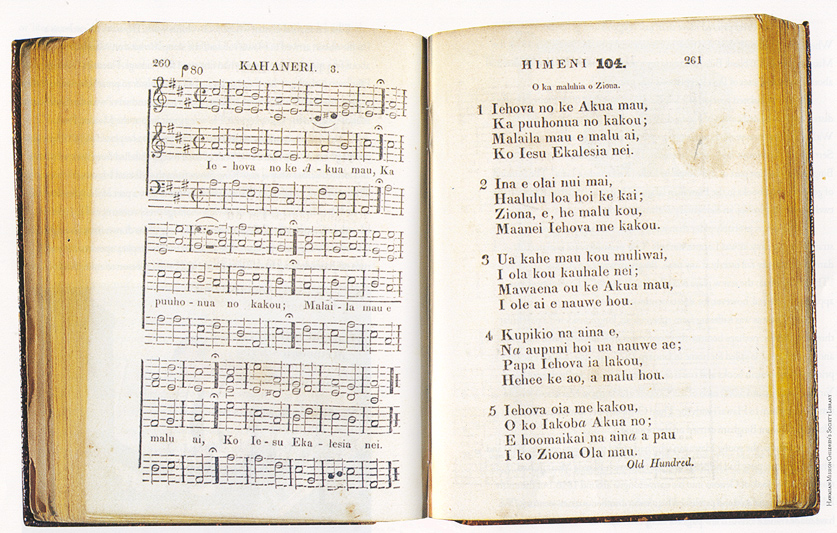
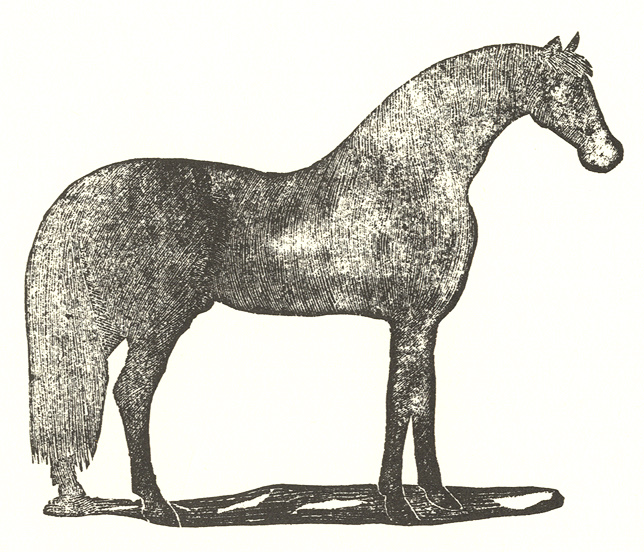
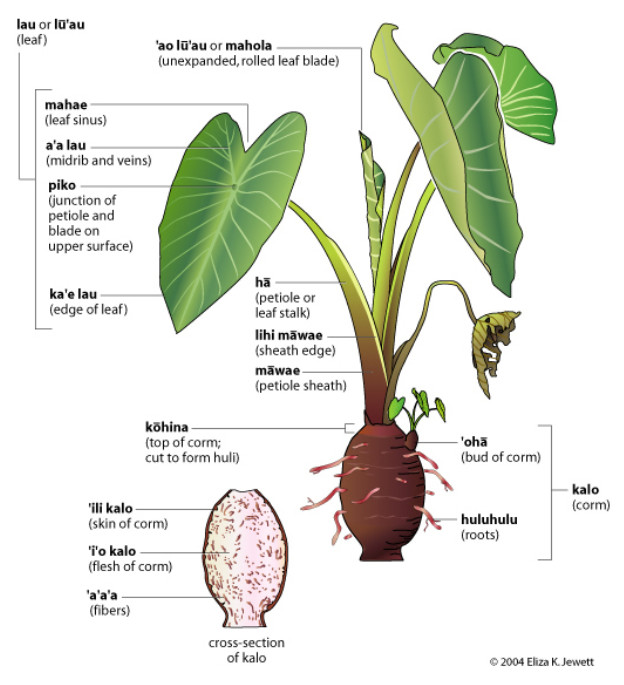
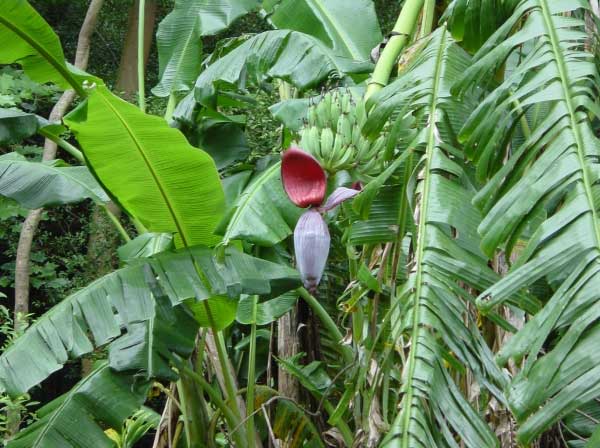
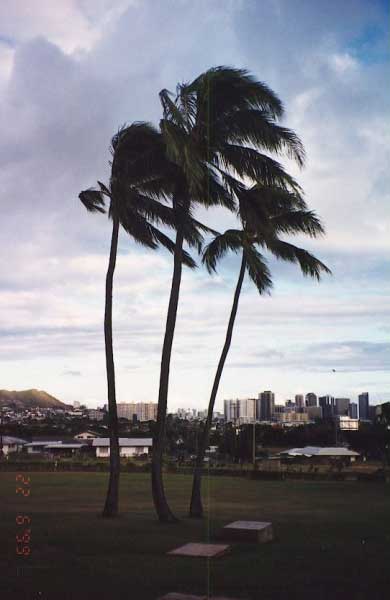

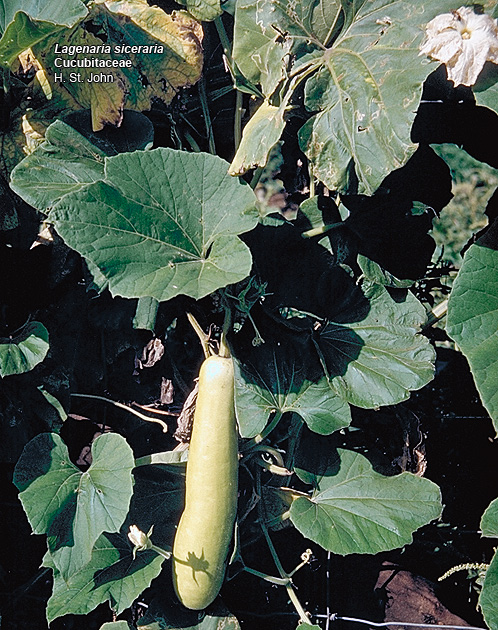
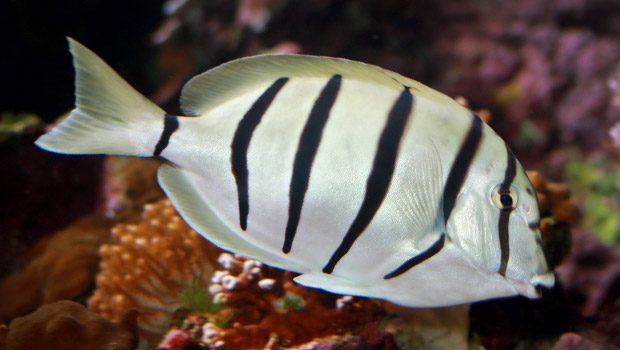
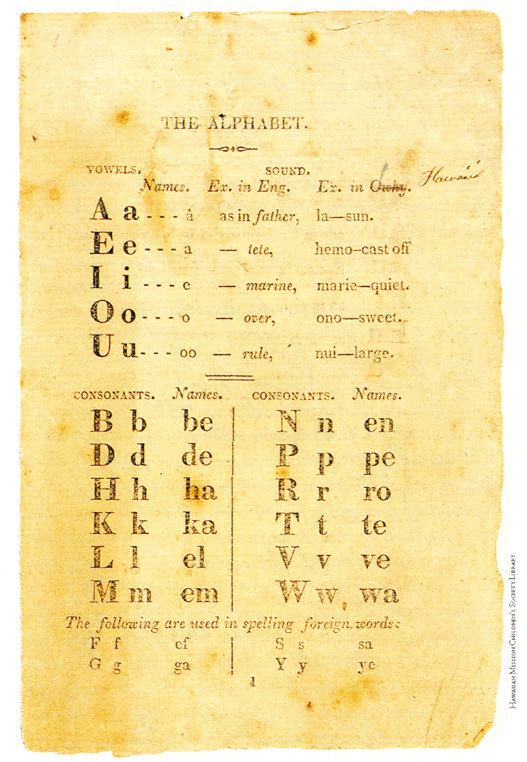
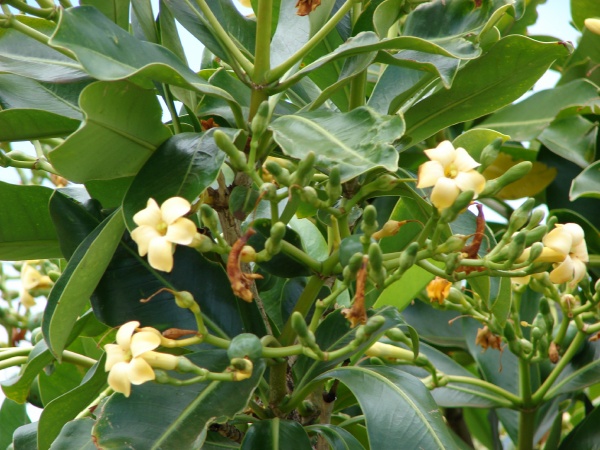
|