| Pukui & Elbert - 1986
Māmaka Kaiao - 2003-10 Lorrin Andrews - 1865 |
updated: 7/28/2018 |
islands 1276
references to specific islands or locations on them
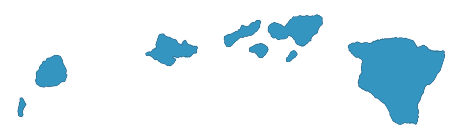
Niʻihau Kauaʻi Oʻahu Molokaʻi Lanaʻi Maui Hawaiʻi
Niʻihau 350ā₅. a word used only at the end of a sentence or phrase, with meanings such as: I told you so; don't you forget it; you should know; you dummy. Niʻihau. ʻaeʻae₃. n. water hyssop, a succulent herb (Bacopa monnieria). Niʻihau cf. (Neal 759). ʻaeʻae [ʻae·ʻae]. vs. fine, as sand. Niʻihau. cf. mānoanoa.
ʻāhiehie [ʻā·hie·hie]. vs. silvery gray, faded. Niʻihau. ʻahu pāwehe. n. striped mat made in Niʻihau, using long makaloa stems. (Kent) ʻai hāʻawi wale [ʻai hā·ʻawi wale]. n. ace, in volleyball. Niʻihau. also ʻeki. ʻai hele wale. n. point from block, dink, or spike, in volleyball. Niʻihau. ʻĀina Pinopino, ʻĀina Pilipino [ʻāina pino·pino]. n. Philippines. Niʻihau. ʻainohu Kauō [ʻai·nohu kau·ō]. n. Laysan finch (Telespiza cantanc). see hona, nuku ʻekue, ʻainohu Nīhoa.
ʻai ʻakaʻakaito eat bulrushes [fresh ʻākia₂ [ʻā·kia]. n. Solanum nelsoni. Niʻihau. ʻākulikuli₃ [ʻā·kuli·kuli]. Portulaca cyanosperma. Niʻihau. ʻalani Pākē [ʻalani pā·kē]. n. tangerine, mandarin (Citrus reticulata cv. ‘deliciosa’), a small tree with small leaves and small, loose-skinned, orange, flattened globose, sweet fruits. lit., Chinese orange. On Niʻihau, identified as C. grandis; cf. (Neal 481). (Neal 482) alaweo huna [ala·weo huna]. same as ʻāheahea₂, a shrub, alena. n. a lowland perennial weed (Boerhaavia repens), with long, thin, prostrate branches, bearing small leaves and flowers. The swollen roots were used medicinally, acting as a diuretic. Anena on Niʻihau. (Neal 336–7) ʻaluʻalu [ʻalu·ʻalu]. n. bark, of a plant; skin. Niʻihau. also ʻili. ālula, ʻalula [ā·lula]. n. an endemic member of the lobelia family (Brighamia spp.), presently known only on Molokaʻi and Kauaʻi, believed extinct on Maui and Niʻihau, an unbranched, succulent, thick-stemmed perennial about 1.5 m high, topped with a rosette of large oval leaves and racemes of long, white, fragrant flowers. also hāhā. see pua ʻala, ʻōlulu. (Neal 815–7) ʻāmimi [ʻā·mimi]. n. name recorded for a type of lava rock on Lehua Island. Niʻihau. ʻanaʻanai [ʻana·ʻanai]. vt. to rub repeatedly, as one's eyes. Niʻihau. cf. ʻānai. ʻānai [ʻā·nai]. vt. to rub, as one's eyes. Niʻihau . cf. ʻanaʻanai. ʻananuʻu [ʻana·nuʻu]. vs. deflated, as a balloon. also puhalu, emi (Niʻihau). cf. pakiʻi. see hoʻopūhalalū. ʻānapanapa₂ [ʻā·napa·napa]. n. Hawaiian soap plant (Colubrina asiatica), a twining shrub, distributed from Africa, India, and Australia to Polynesia, with ovate- to heart-shaped leaves and small round fruits. The leaves form a lather in water and have long been used as soap on Pacific islands. The plant is mistakenly reported to be poisonous. Also kauila ʻānapanapa, kukuku; kolokoloon Niʻihau. (Neal 541) anapoʻo [ana·poʻo]. vi. to set, as the sun. Niʻihau. usu. napoʻo. anena. same as alena, an herb. Niʻihau. ʻAoa Laenihi [ʻaoa lae·nihi]. n. a rainy wind at Niʻihau, said to be so-called because it creeps (nihi). ʻaʻohe launa. vs. inappropriate. Niʻihau. ʻāpahupahu₂ [ʻā·pahu·pahu]. vs. faded, as material which has been left in the sun. Niʻihau. ʻāpapapa [ʻā·papapa]. n. reef. Niʻihau. see ʻōmā. ula ʻāpapapaslipper lobster. (also ula pāpapa). apo poʻo. n. hairband. Niʻihau. ʻau paikikala [ʻau pai·kikala]. n. handlebars, on a bicycle (preceded by ke). Niʻihau. also kalaiwa paikikala. aupaka₂ [au·paka]. Niʻihau name for naupaka kahakai. ʻea₉. n. plastic. Niʻihau. ke ʻeke ʻeaplastic bag. cf. pūʻolo pepa tuko paipu ʻeaplastic pipe cement ʻenaʻena₂. n. all species of cudweeds (Gnaphalium), members of the daisy family, small herbs having small inconspicuous flowers and more or less white woolly stems and leaves. Formerly Hawaiians stored feather standards, kāhili, with native species (G. sandwicensium and G. hawaiiense) to repel insects. called pūheu on Niʻihau. (Neal 836) hāʻawi₂ [hā·ʻawi]. vt. to set or set up (the ball), in volleyball. Niʻihau. also hānai₈. ʻai hāʻawi waleace, in volleyball. also ʻeki hāʻawi i ke kinipōpō i kekahi ʻaoʻaoside out. also kaʻa paʻi ulele, kaʻa haʻikū₁ [haʻi·kū]. n. the kāhili flower (Grevillea banksii), so named because first planted near the town of Haʻikū, Maui. Also kāhili, and ʻoka pua ʻulaʻula on Niʻihau. (Neal 321) haki₂. n. crease, as on a pair of pants. Niʻihau. also ʻopi. hākonakona₂ [hā·kona·kona]. same as kākonakona₁, a native grass (Panicum torridum)... Niʻihau. hakuʻala [haku·ʻala]. n. kidney. Niʻihau. aʻa puʻuwai hakuʻalarenal artery hala akula i waho. out, in volleyball. Niʻihau. cf. ʻauka. hala kahiki, halakahiki. n. the pineapple (Ananas comosus), probably originating in Brazil, of great commercial importance. lit., foreign hala. see hala kea and hala ʻula for what some Hawaiians call native varieties, still said to be growing wild in the forests at Puna, Hawaiʻi. called hala on Niʻihau. hala ka pālulu [hala ka pā·lulu]. vs. to pass through the block, in volleyball. Niʻihau. Halāliʻi₁. n. name of a pleasure-loving chief of Niʻihau in ancient times. His name became synonymous with fun-making. E hele mai i ka pō leʻa o Halāliʻi.Come to the joyous night of Halāliʻi. [an invitation to a party] halāliʻi₂. n. a variety of sugar cane, vigorous, large, of the Lahaina type, perhaps named for Halāliʻi, Niʻihau, where a famous sugar cane once grew in the sand dunes. This cane was used in ceremonies for remission of sins (uku hala, wehe hala). Also pakaiea. See saying, kō₁. haleakaiʻa [hale-a-ka-iʻa]. same as pōniu and ʻinalua, the balloon vine. lit., house of the fish, so called because the vine was used in making small fish basket traps. Niʻihau. hānai₈ [hā·nai]. vt. to feed, assist, as in basketball and most team sports except baseball. see hāʻawi₂, to serve, in volleyball; to set or set up (the ball), as from number 2 to number 3. Niʻihau. cf. hānai₂, hānai puʻupuʻu, paʻi ulele, to feed...; to serve underhand, in volleyball...; service, in volleyball... Iā Magic Johnson ka nui loa o nā hānai o ka NBA holoʻokoʻa.Magic Johnson has the most assists in the entire NBA. hānai kīkala [hā·nai kī·kala]. vt. to make a back set, in volleyball. Niʻihau. also hānai i hope. hānai lōʻihi [hā·nai lō·ʻihi]. vt. to make an outside set, in volleyball. Niʻihau. hānai pōkole [hā·nai pō·kole]. vt. to make a short set, in volleyball. Niʻihau. hānai puʻupuʻu [hā·nai puʻu·puʻu]. vt. to serve underhand, in volleyball. Niʻihau. cf. kuʻi puʻupuʻu. hana kolohe. vi. to fake or hit, in volleyball. Niʻihau. also mīʻoi wale. hao hoʻokani [hao hoʻo·kani]. n. tuning fork. Niʻihau. also ʻō hoʻokani (preceded by ke). hao kau lole. n. clothes rack, as on wheels in a clothing store. Niʻihau. also haka lole. hāpai [hā·pai]. vt. to lift, make a double hit, in volleyball. Niʻihau. see ʻaʻena paʻi lua. ʻaʻena hāpaicarrying violation hau hele₂. n. a shrub or herb (Abutilon grandifolium). Niʻihau. lit. traveling hau. haʻuōwī, haʻuoi [haʻu·ō·wī, haʻuoi]. same as ōwī₁, a verbena. Niʻihau. helekopa [hele·kopa]. n. helicopter. Niʻihau. also mokulele helekopa. heu₂. n. dust. also heu lepo. see heu lole. Nui ka heu ma luna o ka hakakau, e holoi ʻoe.Thereʻs a lot of dust on the shelf, wipe it off. add3 heu lepo. n. dust. also heu, ehu lepo. Niʻihau. see heu lole. Nui ka heu lepo ma luna o ka haka kau; e kāwele ʻoe.There’s a lot of dust on the shelf; wipe it off. heʻupueo₁ [heʻu·pueo]. n. a reedlike grass, a bent grass (Agrostis avenacea, synonyms A. retrofracta and Calamagrostis forsteri), originally found in Australia, and now found through Polynesia; Panicum heupueo on Niʻihau. lit., owl hoot. hili. vt. to spike (the ball), in volleyball. Niʻihau. also pākī. see kuʻi puʻupuʻu, pākī, paʻi pālahalaha, ʻai hele wale. manawa hiliat bat, up (to bat), in baseball
hinahina kahakai [hina·hina kaha·kai]. n. a native Hawaiian plant of the water-leaf family (Nama sandwicensis). Niʻihau. cf. (Neal 712). hinakā ʻāʻī [hina·kā ʻāʻī]. n. neckerchief. Niʻihau. hinakā paʻeke [hina·kā paʻeke]. n. pocket handkerchief. Niʻihau. hiʻū. n. flipper, swim-fin. (HE) hiʻu₅. vt. to throw. Niʻihau. also poʻe, wiʻo. E hiʻu i ka pōhaku i ka pōpoki.Throw the stone at the cat. hōʻalu₂ [hō·ʻalu]. vt. to postpone, delay. Niʻihau. cf. hoʻopaneʻe. Ua hōʻalu hou aʻela ʻo Kalima i ka hola o ka hālāwai.Kalima postponed the time of the meeting again. hōʻanuʻu₁ [hō·ʻanuʻu]. vt. to dump, in volleyball. Niʻihau. hoehoepākea [hoe·hoe-pā·kea]. n. a name for a Niʻihau pāwehe design in plaiting. hoiʻa. n. Niʻihau name of a sea tern. hoʻihoʻi [hoʻi·hoʻi]. vt. to save, in volleyball. Niʻihau. also lou. hōkūheleleʻi [hō·kū-hele·leʻi]. n. a design on Niʻhau mats. lit., falling star. hola₂. same as ʻauhuhu; to drug fish with ʻauhuhu (a small legume with pods used for poisoning fish). Niʻihau. [(CE) PPN *sora, (tephrosia purpurea), a plant used to poison fish: *(f,s)ora] Hele nō i ka hola iʻa i ka lā.Go to poison fish in the daytime [more efficient to work by day]. (ON 751) ʻupena holanet used with this poison honu₂. n. name of a design for Niʻihau mats. hoʻokūkū [hoʻo·kū·kū]. n. tournament, in sports. Niʻihau. also hoʻokūkū moho. hoʻokūkū pōpaʻipaʻivolleyball tournament hoʻokuʻu [hoʻo·kuʻu]. to flush [release water...] hoʻoholo i ka waito flush a toilet hoʻokuʻu i ka wai o ka luato flush a toilet (Niʻihau) ke ʻau hoʻokuʻu wai o ka luatoilet handle hoʻomoe [hoʻo·moe]. vt. to incubate, hatch (eggs). Niʻihau. see kanaka hoʻomoe paipu. mīkini hoʻomoe huaincubator (for eggs) hoʻonanā [hoʻo·nanā]. vi. to act cocky, strut about looking for a fight. Niʻihau. lele hoʻonanā. aggression, as a threat of attack by one country upon another. cf. lele kaua. Ua hoʻonanā hele ke keiki ma ka pā pāʻani.The boy went strutting around the playground looking for a fight. hoʻonaninani [hoʻo·nani·nani]. vt. to put on makeup. Niʻihau. also hoʻouʻiuʻi. hoʻopaʻa pela [hoʻo·paʻa pela]. vt. to commit to memory, memorize. Niʻihau. cf. paʻa pela, pela. see paʻanaʻau. hoʻopiha [hoʻo·piha]. n. washer, as used in plumbing. Niʻihau. also pihi hoʻopiha. hoʻopipili. nvt. classroom paste. (HE) hoʻouʻiuʻi [hoʻo·uʻi·uʻi]. vt. to put on makeup. Niʻihau. also hoʻonaninani. Aia ʻo Tita ke noho nei i mua o ke aniani me ka hoʻouʻiuʻi pū.Tita's sitting in front of the mirror putting on makeup. huelopōpoki [huelo·pō·poki]. n. Australian bluegrass, Andropogon sericeus. lit., cat tail. Niʻihau. huila makani. n. windmill. Niʻihau. uila huila makaniwind-generated electricity huka₄. n. zipper. Niʻihau. hula papa hehi. n. dance in which the dancers use the papa hehi, treadle boards; this dance is said to have originated on Niʻihau. huna₅. n. ceiling. Niʻihau. also kilina. see lumi huna. ʻihiʻihiione [ʻihiʻihi-i-one]. n. a mustard plant, Coronopus didymus. Niʻihau. ʻihi lāʻau. Marsilea villosa. lit., medicinal sorrel. Niʻihau.
inu. vt. to take, as medicine or a pill. Niʻihau. cf. ʻai. inu i ka lāʻauto take (liquid) medicine ʻiole lāpiki [ʻiole lā·piki]. n. rabbit. Niʻihau. see entries under lāpaki. also lāpiki, lāpaki. kaʻahi hewa. vi. over the line, in volleyball. Niʻihau. also keʻehi hewa. Kaʻalolo [Kaʻa-lolo]. n. name of a star, said to be the tutelary star of Niʻihau. kaekene [kae·kene]. n. sewage sludge. (Niʻihau). see kāemikala, to treat chemically, as sewage... kahelelani₁ [kahele·lani]. n. species of small colored shells, found particularly on Niʻihau; perhaps so called because the shells were used by chiefs. Kahelelani₂ [kahele·lani]. n. name of an ancient chief associated with Niʻihau. lit., the royal going. kahi ʻūmiʻi lauoho [kahi ʻū·miʻi lau·oho]. n. folding hairclip with teeth. Niʻihau. kāiʻoiʻo₂ [kā·iʻo·iʻo]. n. Panicum colliei, kind of grass. Niʻihau. kākaʻahi [kā·kaʻahi]. vt. to dole out or deal, as cards; to distribute or pass out, as papers in a class. Niʻihau. cf. hoʻomalele. see kakekake. kākai [kā·kai]. nvt. handle, as of a bucket, pot, basket, purse; strings by which a netted (kōkō) calabash is hung; woman's scarf (Niʻihau); to tie on; to encircle with a band, specifically, to stretch the taboo cord before the entrance of a chief's house (this cord was said to fall of its own accord if a relative approached). kākau maoli [kā·kau maoli]. vt. script; to write in script. Niʻihau. cf. kākau pākahikahi. see limahiō. kākau pākahikahi [kā·kau pā·kahi·kahi]. vt. print; to print, as in handwriting. Niʻihau. cf. kākau maoli. see limahakahaka. kāki₃ [kā·ki]. vt. to hammer (something down), to nail. Niʻihau (tātī). cf. kākia. kala₁₈. n. crayon. also peni kala. Niʻihau. Eng. kala₁₉. vs. into the net, in volleyball. Niʻihau (from the name of the fish). kālā [kā·lā]. n. cash, currency, dollar, money. see kumupaʻa, mīkini ʻohi kālā, manu kālā. kālā heleleʻiloose change. Niʻihau. cf. kenikeni kālā kinipetty cash. Niʻihau. cf. kini kālā kālā mālamasavings, as money saved on a sale item ʻOihana Kālā o ka Mokuʻāina ʻo HawaiʻiHawaiʻi State Department of Finance kālā heleleʻi. loose change. Niʻihau. cf. kenikeni, dime, ten cents, small change... kalaiwa paikikala [kalaiwa paiki·kala]. n. handlebars, on a bicycle. Niʻihau. also ʻau paikikala (preceded by ke). kālā kini₂. petty cash. Niʻihau cf. kini kālā, cashbox... kala paipu. n. pipe wrench. Niʻihau. kalapu hao. n. metal band, as for banding around metal boxes, water tanks, etc. Niʻihau. see wili hoʻomālō. kalawī [kala·wī]. vs. emaciated, skinny, usu. when teasing someone. Niʻihau. also wiʻo, wiʻowiʻo. Kaleiwahana [kaleiwa·hana]. n. a nickname for ClarisWorks, the computer program. Niʻihau. kanaka ʻea. n. mannequin. Niʻihau. Kāhiko ʻia ke kanaka ʻea no ka hōʻikeʻike ʻana i ke ʻano o nā paikini hou o ka hale kūʻai.The mannequins are dressed up to display the new fashions that the store has to offer. kanaka hana uila. n. electrician. Niʻihau. kanaka hoʻomoe paipu [kanaka hoʻo·moe paipu]. n. plumber. Niʻihau. also wilipaipu. kanaka makaʻala ʻupena [kanaka maka·ʻala ʻupena]. n. referee, in volleyball. Niʻihau. see ʻuao. kauhapa [kau·hapa]. vt. to overlap, as one shingle over another. Niʻihau. cf. kaupapa. see piliwai. E kauhapa ʻoe i ka pili i ka wā e kākï ai.Overlap the shingle when you nail it down. Kauhumākaʻikaʻi [ka-uhu-mā·kaʻi·kaʻi]. n. a lua fighting stroke. Uhumākaʻikaʻi was the name of the giant uhu fish that dragged Kawelo for two days in his canoe from Waiʻanae to Niʻihau and back to Waiʻanae. also Uhumākaʻikaʻi. (FS 42–49) Kaʻula₁. n. a rocky islet off Niʻihau. [Kaʻula was famous for its birds: see examples]. ʻAi lā ʻoe i ka manu o Kaʻula.Then rule the birds of Kaʻula. (FS 97) Hei kōʻalaʻala ka manu o Kaʻula,.The bird of Kaʻula is quickly caught [perhaps as a sweetheart]. Kaʻula i ka hoʻokē a nā manu.Kaʻula [Islet] is crowded with birds [of any crowded place]. (saying) Ke lei maila ʻo Kaʻula i ke kai.Kaʻula wears the ocean as a lei. (UL 56) Puaea ka manu o Kaʻula i ke kai.The bird of Kaʻula expires at sea [utter destruction, as of birds dropping dead while flying overseas]. kaulanaakāne [kau·lana-a-kāne]. n. resting place of Kāne, said to be on the islet of Kaʻula off Niʻihau; also a poetic name for the west. kaunoʻa₁ [kau·noʻa]. var. of kaunaʻoa₁, ₂, ₃, plant; mollusc; seaweed... Niʻihau. kaupapa₂ [kau·papa]. vi. to overlap, as roof shingles. Niʻihau. Also ʻunuʻunu. cf. kauhapa. Ke kaupapa nei nā pili.The shingles are overlapping. kaʻupu₁. n. perhaps Laysan albatross (Diomedea immutabilis); it breeds on the Northwestern Hawaiian Islands, Niʻihau, and Moku Manu. see song, (EM 65). [(FJ) PPN *takupu, booby sp] kaʻupu hehi ʻalebillow-treading kaʻupu
keʻehi hewa. vi. over the line, in volleyball. Niʻihau. also kaʻahi hewa. kelopahone. n. xylophone. (HE) kī. n. key, in music; peg, as for tuning stringed instruments; to tune, as a stringed instrument. Niʻihau. see hua mele, kiʻeleo. kiʻakiʻena. n. small cave, fissure, as used for burial. Niʻihau. Kialehua [Kia-lehua]. n. Niʻihau wind. kiʻi. vt. to receive a serve, in volleyball; also first pass. Niʻihau. kī Kepanī [kī kepa·nī]. n. a weed (Cassia leschenaultiana). Niʻihau. lit., Japanese ti (its leaves were used for tea). kikoʻukoʻu [ki·koʻu·koʻu]. vi. to tap or knock, as on the door. Niʻihau. cf. kīkoʻu. kīkū [kī·kū]. vi. to lean back firmly. Niʻihau i ke kīkū.Niʻihau leans firmly back [the people of Niʻihau are independent]. (ON 2314) kila. n. chisel. Niʻihau kini ʻaiō [kini ʻai·ō]. n. lunch pail. Niʻihau. also kini ʻai. kinikini₃ [kini·kini]. n. Niʻihau name for kākalaioa₃, yellow nickers. kini poho ea. n. repair kit, for tires. Niʻihau. kinipōpō aloha [kini·pō·pō aloha]. n. aloha ball, in volleyball. Niʻihau. kinipōpō hele wale [kini·pō·pō hele wale]. n. kill, in volleyball. Niʻihau. kīpeku₂ [kī·peku]. vt. to eject, as a disk from a computer or a video cassette from a VCR. Niʻihau E kīpeku i ke pā mai ke kakena.Eject the disk from the drive. kīpeku₁ [kī·peku]. vt. to expel, as from a school or institution. Niʻihau. also kīpaku. see kīpaku luna kālaiʻāina. kīpūkai [kī·pū·kai]. n. seaside heliotrope (Heliotropium curassavicum), a prostrate, perennial American herb 30 to 60 cm long, with narrow, hoary leaves, white or pale purple flowers, considered indigenous to Hawaiʻi. Formerly the plants were dried and brewed for tea used as a tonic. Also nena and poʻopoʻohina or lau poʻopoʻohina on Niʻihau. (Neal 718)
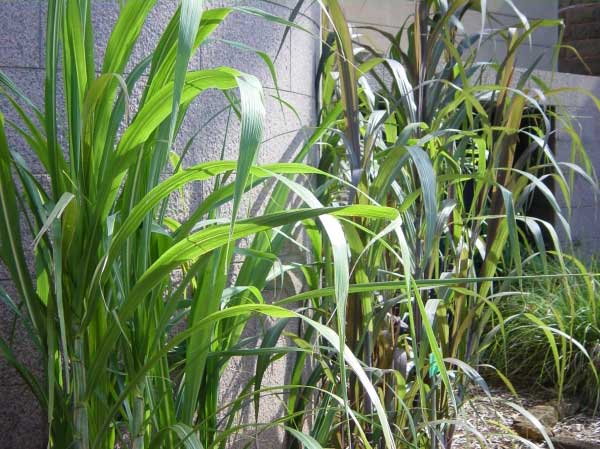
He ʻoi kēlā ʻo ke kanaka huhū … ʻaʻohe pū kō momona iāia.He's a very angry man … no clump of sugar cane will sweeten him up. [i.e., you can't mollify his anger]. (For. 5:209) Kō ʻeli lima a ʻo Hālāliʻi.Hand-dug sugar cane of Hālāliʻi [famous in songs descriptive of Niʻihau; its stalks grew in sand with only the leaves protruding].
kolī. same as pāʻaila, castor bean or castor-oil plant. The name may be qualified by keʻokeʻo, light-colored, and ʻulaʻula, red. Niʻihau. See castor bean. kolomona₄ [kolo·mona]. n. Crotalaria incana, C. pallida, C. spectabilis on Niʻihau. kōmi₂. vt. click; to click, press or depress, as a computer mouse button. Niʻihau; also kaomi. see kōmi ʻōkuhi, paʻina. E kōmi pālua i ka ʻiole ma luna o ke kiʻiona.Double click the mouse on the icon. kōnelo [kō·nelo]. n. tunnel. Niʻihau Eng. koʻokoʻolau₂ [koʻo·koʻo·lau]. Niʻihau name for nehe, Lipochaeta perdita, a hairy herb. Koʻolau₃ [koʻo·lau]. n. wind between Niʻihau and Kauaʻi. (For. 5:95) Koʻolauwahine [koʻo·lau-wahine]. n. breeze blowing from the north of Niʻihau. lit., feminine windward. see ex. pā kāhea. koʻu₄. vt. to jab with fingertips, in volleyball. Niʻihau. koʻukoʻu [koʻu·koʻu]. vt. to tap or knock, as on the floor with feet or fingers. Niʻihau. cf. kikoʻukoʻu. ʻO wai lā ke koʻukoʻu nei ma ke pākaukau? Kulikuli!Who the heck is tapping on the table? Stop making that noise! kū. n. stand. Niʻihau. see kī kū, kukui kū, set shot, in basketball; floor lamp... Eng. (calque). kua hao paikikala [kua hao paiki·kala]. n. crossbar (on a bicycle). Niʻihau. kuaiwi₁ [kua·iwi]. n. long, straight, stone wall. Niʻihau. kuapo. vi. to rotate, in volleyball; also to switch sides. Niʻihau. kuapo hao. n. rim of a wheel. Niʻihau. kūhoe₂ [kū·hoe]. n. skeg, of a surfboard. Niʻihau. E hoʻoponopono ʻia ana ko Kalei papa heʻe nalu; ua haki ke kūhoe.Kalei’s surfboard is going to be repaired; the skeg is broken. kuʻi₉. vt. to set, as an imu. Niʻihau. cf. huaʻi. kuʻihao [kuʻi·hao]. vt. to weld. Niʻihau. kuikui₁ [kui·kui]. old form for kukui, candlenut, light (commonly used on Niʻihau). kuikui [kui·kui]. n. candlenut; light. Niʻihau. kuikui Pākē [kui·kui pā·kē]. n. physic nut (Jatropha curcas). Niʻihau. see kukuʻihi. Kuilehua [Kui-Lehua]. n. name of a breeze blowing from the northwest of Niʻihau. lit., strike Lehua (Island). kui mōpina [kui mō·pina]. n. hypodermic needle. Niʻihau. kuʻi paipu. n. pipe fitting. Niʻihau. kui ʻūmiʻi pepa [kui ʻū·miʻi pepa]. n. staple, for paper. Niʻihau. see mea ʻūmiʻi pepa, mea wehe ʻūmiʻi, stapler, for paper...; staple remover...
He aliʻi no ka malu kukui.A chief of the candlenut shade [chief of uncertain genealogy]. (ON 539) kukui kū. n. floor lamp. Niʻihau. also kukui kū hale. kukuipoʻo, kukui poʻo [kukui·poʻo]. n. headlight. Niʻihau. also kukuipoʻo o mua. kulapepeiao₃ [kula·pepei·ao]. same as aloalo koʻakoʻa, coral hibiscus... Niʻihau. kulo. n. Judo. Niʻihau see paʻi kulo, to make a sidewinder serve, in volleyball... Eng. kumuwili [kumu·wili]. n. drill. Niʻihau. see makawili, wili. kū nānahu [kū nā·nahu]. n. black, porous, light rock used to scrape the interior of gourds. Niʻihau.
kuʻu₄. vi. to land, as an airplane or bird. Niʻihau. kuʻupau [kuʻu·pau]. vi. to do with all oneʻs might or strength. Niʻihau. cf. lawe pīlahi. lāʻau hoʻomaʻemaʻe hale [lā·ʻau hoʻo·maʻe·maʻe hale]. n. household product, i.e. any of a variety of products used for cleaning floors, sinks, etc. Niʻihau. laina ʻumi kapuaʻi [laina ʻumi kapu·aʻi]. n. ten-foot line, in volleyball. Niʻihau. see laina ʻekolu mika, ʻaʻena ʻumi kapuaʻi. lāisi. n. rice. Niʻihau. see laiki. lākana₁ [lā·kana]. n. lantana (Lantana camara), a thorny tropical American bush with variegated flower heads, yellow, orange, red, white, and pink. Eng. Also lanakana (Niʻihau), mikinolia hihiu, mikinolia hohono, mikinolia kukū. (Neal 722–4) lakeke. n. blouse. Niʻihau. also palauki. cf. lākeke. lani wai, laniwai. n. similar to lemi wai, a water lemon (Passiflora foetida). Niʻihau. lani wela, laniwela. n. Canada fleabane (Conyza canadensis), a weedy composite herb from temperate North America, with long, straight hairy stem, hairy, narrow leaves, and clusters of small flower heads. On Niʻihau Conyza bonariensis. cf. ilioha. (Neal 834) lāpiki [lā·piki]. n. rabbit. usu. ʻiole lāpiki. Niʻihau. also lāpaki. see entries under lāpaki. lauʻehu. n. a grass endemic to Niʻihau, Panicum niihauense. lit., red leaf.
laukahi₂ [lau·kahi]. n. marsh pennywort (Hydrocotyle verticillata). Niʻihau. cf. pohe₂ and (Neal 659). laulama [lau-lama]. n. design on a Niʻihau mat. lit., many torches or lama tree leaves. lau poʻopoʻohina [lau poʻo·poʻo·hina]. same as poʻopoʻohina, seaside heliotrope... Niʻihau. Lehua₇. n. name of the small island just west of Niʻihau. As the westernmost of the Hawaiian Islands (except for the Northwest Hawaiian Islands), Lehua is associated with a setting sun (see chant, kalakalaʻihi). In poetry, the extent of the Hawaiian Islands is shown by coupling Lehua Island and Haʻehaʻe and Kumukahi on East Hawaiʻi . A breeze is named for this island. Mai ka piʻina a ka lā i Haʻehaʻe ā ka welona a ka lā i Lehua.From the rising of the sun at Haʻehaʻe [East Hawaiʻi] to the setting of the sun at Lehua Island. [a poetic reference to all Hawaiʻi] moku kāʻili lāsuns-snatching island [Lehua Island or sometimes Kauaʻi, since they lie to the west] lei pūpū [lei pū·pū]. n. shell lei, the most famous being from Niʻihau, especially kahelelani and momi. These leis represent Niʻihau in the leis of the islands, as designated in 1923 by the Territorial legislature. leki nao. n. Teflon tape, for use in plumbing. Niʻihau. leo alakaʻi [leo ala·kaʻi]. n. one who sings the melody of a song. Niʻihau. lepo pohō. n. mud. Niʻihau. also ʻūkele. lihilihi kakahiaka [lihi·lihi kaka·hiaka]. n. hairy spurge (Euphorbia hirta). Niʻihau. (Neal 516, 519) lihilihi maka kuʻi [lihi·lihi maka kuʻi]. n. false eyelashes. Niʻihau. kau i ka lihilihi maka kuʻi. to put on false eyelashes. also komo i ka lihilihi maka kuʻi. see pena lihilihi maka. liliʻu₂. n. Niʻihau name for pua kalaunu, crown flower. lilo ka ʻai iā Mea. Point for Mea. Niʻihau. limu alolo. n. a limu, Potamogeton pectinatus (pronunciation not certain). Niʻihau. līpaʻakai [lī·paʻa·kai]. n. limu salted for indefinite storage without refrigeration; on Kauaʻi usually limu kohu from Niʻihau. Some consider līpehe, līpehu, and līpaʻakai as variants of limu kohu. līpēpē [lī·pē·pē]. same as līpeʻepeʻe; Niʻihau. lohi₃. n. tendon. Niʻihau. also uaua. lola₅. n. cassette, as for music tapes or videos. Niʻihau. see mīkini lola. lolelole₂ [lole·lole]. vt. to thumb through, as a magazine. Niʻihau. to scroll or scan, as in a computer program. lolelole i hopeto scan backward lole wāwae kāʻawe [lole wā·wae kā·ʻawe]. n. coveralls, overalls. Niʻihau. also lole wāwae ʻepane. lole wāwae palaʻili [lole wā·wae pala·ʻili]. n. underpants. Niʻihau. also palemaʻi. see palemaʻi. lole wāwae paleʻili [lole wā·wae pale·ʻili]. n. briefs, panties, underwear. Niʻihau. Also lole wāwae liʻiliʻi. lolopili [lolo·pili]. n. name of a design used on Niʻihau mats. lou₆. vt. to save, in volleyball. Niʻihau. also hoʻihoʻi. luʻu. vi. to dive, in volleyball. Niʻihau. also lele ʻōpū, moe pālahalaha. mahiki. n. grass, general term; lawn. Niʻihau. also mauʻu. ʻoki i ka mahikito mow the lawn maʻi kōpaʻa [maʻi kō·paʻa]. n. diabetes. Niʻihau. also mimi kō. makaʻaha [maka·ʻaha]. n. screen, as for windows. Niʻihau. also uea makika. see pani puka uea makika. makaaniani kala [maka·ani·ani kala]. n. sunglasses. Niʻihau. also makaaniani lā. mākāhala, mākahala [mā·kā·hala]. n. three shrubs in the tomato family: (1) wild tobacco or paka (Nicotiana gluaca), from South America, with long, narrow, yellow flowers and ovate, blue-green leaves; (2) day cestrum (Cestrum diurnum), from the West Indies, with small, white, tubular flowers, fragrant by day; oval leaves; black berries; (3) orange cestrum (Cestrum aurantiacum), from Guatemala, with longer, narrow, orange flowers. (Neal 750–1) On Niʻihau, Tecomaria capensis, cape honeysuckle. cf. ʻiʻiwi haole. mākala₄ [mā·kala]. n. muscle. Niʻihau. Eng. ʻōnaehana mākalamuscular system, in biology
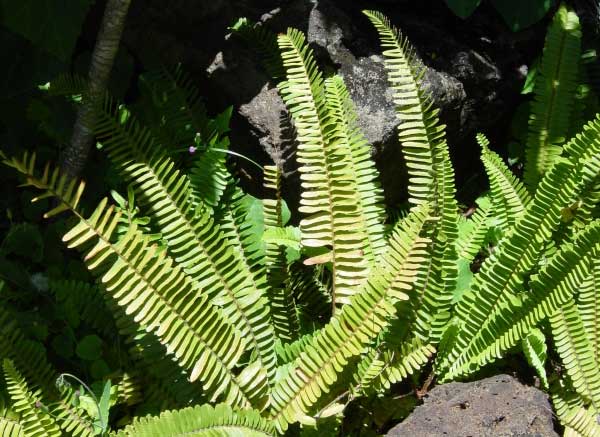
māka manamana lima [māka mana·mana lima]. n. finger-print. Niʻihau. also kiʻi manamana lima, meheu manamana lima. see kāpala, māioio manamana lima. ʻohi i ka māka manamana limato collect fingerprints makawili [maka·wili]. n. bit, as for a drill. Niʻihau. see kumuwili, wili. malina₂. n. sisal (Agave sisalana; Furcrae foetida on Niʻihau), a tropical American plant grown for its fiber; used for rope, twine, hula skirts. The plant forms a huge rosette of stiff, straight leaves (1.8 m by 15 cm). It is called malina because marine ropes were made from it. cf. malina₄. (Neal 224–5) māluawai [mā·lua·wai]. n. large pond, lake. Niʻihau. Māmona [mā·mona]. n. Mormon. Niʻihau. manamana komo [mana·mana komo]. n. ring finger. Niʻihau. also manamana pili. manamana kuhikuhi [mana·mana kuhi·kuhi]. n. index finger. Niʻihau. also manamana miki. manamana waena [mana·mana waena]. n. middle finger. Niʻihau. also manamana loa. manaʻo nui. n.v. important matter or idea, sense, signification; meaning (Niʻihau). Me ka manaʻo nui.With every consideration [formal ending of a letter]. Mea manaʻo nui ʻia.Person or thing constantly in mind. manawa hoʻomaha [manawa hoʻo·maha]. n. time out, in team sports such as volleyball. Niʻihau. mānea [mā·nea]. nvs. He mānea ʻo Niʻihau, no Kauaʻi.Niʻihau is a dependent of Kauaʻi. hoʻomāneato harden, raise calluses; to strengthen, make steadfast Mai ka piko o ke poʻo a ka mānea o nā wāwae.From the crown of the head to the balls of the feet. mānea ʻuʻuku o ka wāwaetoe of the foot (FS 91) mānienie mahiki [mā·nie·nie mahiki]. Cymbopogon refractus. Niʻihau. see (Neal 79). mānoanoa [mā·noa·noa]. vs. coarse, as sand. Niʻihau. cf. ʻaeʻae. manu kālā [manu kā·lā]. n. sparrow. Niʻihau. manuokū [manu-o-Kū]. n. white tern, fairy tern, love tern (Cygis alba rothschildi), a small, friendly sea bird, pure white except for a black ring around the eye. lit., bird of Kū. Niʻihau. mauʻu ʻakiʻaki. n. a sedge (Fimbristylis pycnocephala). Niʻihau. mauʻu aloalo [mauʻu alo·alo]. n. a grass (Echinochloa colonum). Niʻihau. mauʻu haole. n. a grass (Andropogon barbinodis). Niʻihau. mauʻu pūlumi [mauʻu pū·lumi]. n. a grass (Panicum maximum). Niʻihau. mea ʻūmiʻi pepa [mea ʻū·miʻi pepa]. n. stapler, for paper. Niʻihau. see kui ʻūmiʻi pepa, mea wehe ʻūmiʻi. mea wehe ʻūmiʻi [mea wehe ʻū·miʻi]. n. staple remover. Niʻihau. cf. kui ʻūmiʻi pepa, mea ʻūmiʻi pepa. melehune [mele·hune]. n. mushroom. Niʻihau. also kūkaelio. melehune pōpōehupuffball, a kind of mushroom Mikioi₂ [miki·oi]. n. name of a strong, gusty wind of Niʻihau. (UL 238). (For. 5:95) Ka makani Mikioi a Lehua.The gusty Mikioi wind of Lehua Island. mio. vs. streamlined, sleek. Niʻihau. mīʻoi wale [mī·ʻoi wale]. vi. to fake or hit, in volleyball. Niʻihau. also hana kolohe. moena ʻili. n. linoleum, linoleum flooring. Niʻihau. also linoleuma. moena ʻili ʻāpanapanafloor tile moena pāwehe [moena pā·wehe]. n. fine mat, woven in patterns, as on Niʻihau. moe pālahalaha [moe pā·laha·laha]. vi. to dive, in volleyball. Niʻihau. also lele ʻōpū, luʻu. mokulele helekopa [moku·lele hele·kopa]. n. helicopter. Niʻihau. also helekopa. Ua kuʻu ka mokulele helekopa ma luna o ke kahua kū kaʻa no ke kiʻi ʻana i ke kanaka i loaʻa i ka pōulia.The helicopter landed on the parking lot to pick up the man who was having an emergency. mokuʻoi. vt. to scratch. Niʻihau. momi₂. n. Niʻihau name for pūpū Niʻihau, a Niʻihau shell used in leis. also momi o kai. momona₄. n. a chicle or chico tree (Manilkara zapota). Niʻihau. (Neal 668–9) nakeke. vs. crunchy, as fresh potato chips. Niʻihau. also nakekeke, kakani. see kamumu. nānānuʻu, nānānuʻu [nā·nā-nuʻu]. n. design on Niʻihau mats consisting of alternating solid and white triangles. nemonemo [nemo·nemo]. vs. bald, 'balahead/bolohead,' as a tire. Niʻihau. see nihoniho. Ua ʻai ʻia ka nihoniho o ka taea a nemonemo.The tread of the tire was worn bald. niʻaniʻau [niʻa·niʻau]. same as kupukupu; Niʻihau. cf. ʻōkupukupu, ferns. nīʻau₅ [nī·ʻau]. n. nut, as on an ʻukulele or guitar. Niʻihau. see ʻukulele. Nīhoa [nī·hoa]. Nīhoa, the island. Niʻihau. ʻainohu Nīhoa. Nīhoa finch (Telespiza ultima). niho kepa. n. boar's tusk. Niʻihau. nihoniho₂ [niho·niho]. n. tread, as on a tire. Niʻihau. see nemonemo. nihowilihemo [niho-wili-hemo]. n. design on Niʻihau mats consisting of a series of pointed notches, called kulipuʻu elsewhere. lit., twisting loose tooth.
ninanina₂ [nina·nina]. n. scar. Niʻihau. (preceded by ke). also ʻālina. nopuʻu, nōpuʻu. n. child. Niʻihau. nūnū [nū·nū]. vt. to hum, as a tune. Niʻihau.
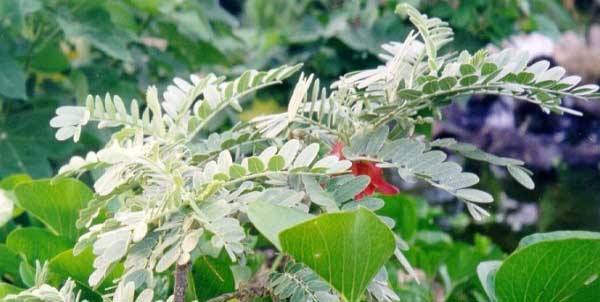
ʻōhiʻa lomi, ʻōhiʻalomi [ʻō·hiʻa lomi]. n. the common table tomato (Lycopersicon esculentum var. commune), sometimes used for lomi salmon. called ʻōhiʻa on Niʻihau. (Neal 747–8) ʻoka kilika. n. the silky or silver oak (Grevillea robusta), a large tree from Australia, used for reforesting in Hawaiʻi. The leaves are subdivided like some ferns; the orange flowers are abundant in early summer. lit., silk oak. also haʻikū keʻokeʻo and on Niʻihau, ʻoka. Eng. (Neal 320–1) ʻoka pākahikahi [ʻoka pā·kahi·kahi]. vt. à la carte, as on a menu. Niʻihau. also ma ka ʻikamu. ʻoka pua ʻulaʻula. same as kāhili, haʻikū, gingers Niʻihau. ʻoki₂. vt. to record, as on a cassette. Niʻihau. also hoʻopaʻa. ʻōlea [ʻō·lea]. n. horn, as on a car or bicycle. Niʻihau. also ʻōlē. ʻoliwa₁, oliva. n. the olive tree (Olea europaea), from the Mediterranean region, a small tree grown only, ornamentally in Hawaiʻi, where it rarely flowers or yields fruit. Called ʻoliwa haole on Niʻihau. see lau ʻoliwa. Eng. (Neal 677–8) ʻololaha [ʻolo·laha]. n. oval. Niʻihau. also pōʻai lōʻihi. ʻōmaka kau peʻa [ʻō·maka kau peʻa]. n. universal fitting, for putting pipes together. Niʻihau. cf. ʻōmaka T. ʻōmaka T [ʻō·maka t]. n. T-fitting, for putting pipes together. Niʻihau. cf. ʻōmaka kau peʻa. ʻōpā₃ [ʻō·pā]. n. rowboat, skiff. ʻōpū₂ [ʻō·pū]. n. body, as of an ʻukulele, guitar, etc. Niʻihau. see ʻukulele. ʻōpuʻu₄ [ʻō·puʻu]. n. bulb. Niʻihau. see ʻōpuʻuahi. ana kawaūea ʻōpuʻu pulu a maloʻowet-and-dry-bulb hygrometer ʻōpuʻuahi [ʻō·puʻu·ahi]. n. spark plug. Niʻihau. ʻōwī [ʻō·wī]. vt. to peer, i.e. look narrowly or searchingly at something. Niʻihau. also kiʻei. ʻōwili [ʻō·wili]. n. roll, as of film. Niʻihau. paʻa likelike [paʻa like·like]. n. suit, as in a deck of playing cards. Niʻihau. paʻa pela. vs. committed to memory. Niʻihau. see hoʻopaʻa pela, pela. paukū paʻa pelamemory verse, as from the Bible Ua paʻa pela nā huaʻālelo o ka hīmeni i nā keiki.The children know the words to the song by heart. pae₄. n. stage, level of development; level of difficulty, as intermediate or advanced; rank, as in an orderly arrangement. Niʻihau cf. kūlana. see hoʻokaʻina pae. pahakū [paha·kū]. n. name of a design on Niʻihau mats consisting of squares with corners touching and forming a line. Ua loaʻa wau i ka pāheu i kekahi mau ʻano pua.I am allergic to some kinds of flowers. pahu₉. n. court, as for volleyball. Niʻihau. also kahua pōpaʻipaʻi. pahu hoʻolele leo [pahu hoʻo·lele leo]. n. radio. pahu kāhea [pahu kā·hea]. n. walkie-talkie. Niʻihau. paʻi. n. Portuguese man-of-war (Physalia). Niʻihau. also paʻimalau. see paʻipeʻa, paʻipihi. paʻi hakahaka [paʻi haka·haka]. vt. to type. Niʻihau. also kikokiko. paʻi kulo. vt. to make a sidewinder serve, in volleyball. Niʻihau. paina kahakai [paina kaha·kai]. n. French tamarisk (Tamarix gallica), shrub or small trees. Niʻihau. cf. (Neal 587). paina pupupu. same as paina kahakai; Niʻihau. paiō [pai·ō]. n. fixed swing, as with two or more ropes or chains. Niʻihau. cf. lele koali. paʻipaʻi₄ [paʻi·paʻi]. vt. to dribble, as a basketball. Niʻihau. also pākimokimo, pāloiloi. cf. pekupeku. paʻi pālahalaha [paʻi pā·laha·laha]. vt. to spike with open hand, in volleyball. Nīʻihau. see hili, kuʻi puʻupuʻu. paipu ahi. n. exhaust pipe, as on a car. Niʻihau. cf. kini paipu ahi. paipu omo wai. n. drain. Niʻihau. pākā [pā·kā]. vt. to skin, as a pig or sheep. Niʻihau. pākā hapahāto quarter, as an animal pākahikahi [pā·kahi·kahi]. vs. one at a time, one by one. Niʻihau. see kākau pākahikahi. ʻAʻole hiki iaʻu ke paʻi hakahaka ʻāwīwī; pono wau e hana pākahikahi.I can’t type fast; I have to do it one at a time. pakai₂. n. slender amaranth (Amaranthus viridis), resembling the spleen amaranth and used for greens. It differs in its habit of spreading close to the ground. Called ʻāheahea in some localities and pakapakai on Niʻihau. (Neal 334) pakapakai₂ [paka·pakai]. see pakai₂, pakapakai₃ [paka·pakai]. same as ʻāheahea₂; Niʻihau name for slender amaranth (Amaranthus viridis)... pakiʻi. vs. flat, as a tire. Niʻihau. cf. ʻananuʻu. palaea. n. pliers. Niʻihau. also palaea huki. palahē [pala·hē]. vs. mushy, as rice cooked with too much water. Niʻihau. palaʻili [pala·ʻili]. n. T-shirt; any pullover-style shirt. Niʻihau. cf. paleʻili. palaka₅. nv. plug; to plug in. Niʻihau. see niho palaka, puka uila, prong of electrical plug...; electrical outlet... Eng. palaka niho koluthree-pronged plug palaka niho luatwo-pronged plug palapalai₂ [pala·palai]. a Niʻihau name for niʻaniʻau and kupukupu. palapalai₃ [pala·palai]. Niʻihau name for gold fern, Pityrogramma calomelanos (syn. P. chrysophylla). (Neal 20) pale holoi. n. eraser. Niʻihau. also mea holoi, ʻileika. pale kuene. n. apron. Niʻihau. also ʻepane. palemaʻi [pale·maʻi]. n. underpants. also lole wāwae palaʻili; sanitary pad. Niʻihau. palemīkā. n. bathysphere. (HE) pālulu [pā·lulu]. vt. to block (the ball), in volleyball. Niʻihau. also paku. see paku, ʻai hele wale. hala ka pāluluto pass through the block pānihoniho [pā·niho·niho]. n. cog. Niʻihau. pānihoniho o ke kaulahao paikikalabicycle chain cog panua. n. styrofoam. Niʻihau. also ʻūpīhuʻa. pāʻōlelo [pā·ʻō·lelo]. n. record, as for a record player. Niʻihau. also pāleo. Pāpaʻa Inu Wai [pā·paʻa inu wai]. n. a gentle Kauaʻi wind with rain that reaches Niʻihau. papa hoʻolaha [papa hoʻo·laha]. n. sign, as political or business, etc. Niʻihau. also hōʻailona. papa kī. n. head, as of an ʻukulele or guitar. Niʻihau. see ʻukulele. papawai [papa·wai]. n. plywood for building boats. Niʻihau. cf. papa ʻililahi. pauka helehelena [pauka hele·helena]. n. face powder. Niʻihau. hana i ka pauka helehelenato put on face powder kau i ka pauka helehelenato put on face powder pauka maka. n. eye shadow. Niʻihau. hana i ka pauka makato put on eye shadow pāuma lua. n. plunger, as for cleaning clogged drains. Niʻihau. pāwehe [pā·wehe]. nvt. generic name for colored geometric motifs, as on makaloa mats made on Niʻihau, bowls, and gourds; to make such designs. pēheu₃ [pē·heu]. n. mumps. Niʻihau. pela. n. mattress. bed. Niʻihau. also pela moe. pela₆. vt. to recite from memory. Niʻihau. see hoʻopaʻa pela, paʻa pela. "ʻAʻole pololei kō pela ʻana," wahi a ka ʻEnuhe."That is not said right," said the Caterpillar. (ʻĀleka) pelamakani [pela·makani]. n. electric fan. Niʻihau. pelemakani [pele·makani]. n. propeller, as of an airplane. Niʻihau. pena holoi. n. primer for PVC pipe cement. Niʻihau. see tuko paipu ʻea. pena kuʻemaka [pena kuʻe·maka]. n. eyebrow pencil. Niʻihau. hana i ka pena kuʻemakato 'put on' or 'do' one's eyebrows pena lihilihi maka [pena lihi·lihi maka]. n. mascara. Niʻihau. hana i ka pena lihilihi makato put on mascara pena waha. n. lipstick. Niʻihau. also pena lehelehe. cf. peni pena waha. hana i ka pena wahato put on lipstick peni ʻīnika [peni ʻī·nika]. n. pen. Niʻihau. also peni. peni kala. n. crayon. also kala₁₈. Niʻihau. peni kuni. n. marsh pen, felt pen. Niʻihau. also papa keʻokeʻo. papa peni kunidry erase board, white board peni pena waha. n. lipliner. Niʻihau. also peni pena lehelehe. cf. pena waha. pepa ʻaila. n. wax paper. Niʻihau. also pepa pīlali. pēpē kiʻi [pē·pē kiʻi]. n. doll, a child's plaything. Niʻihau. cf. pea kiʻi. pīʻaʻaka [pī·ʻaʻaka]. vs. shrivelled, as grass or leaves. Niʻihau. piaia [pia·ia]. n. young manini fish. Niʻihau. piele. n. scab. Niʻihau. see pāpaʻa piele. pihi hoʻokōā [pihi hoʻo·kō·ā]. n. space bar, on a typewriter or computer keyboard, variant term (preceded by ke). Niʻihau. also pihi kaʻahua. pihi pāuma ea. n. air valve, as on a tire (preceded by ke). Niʻihau. see pāuma. pīkake₂ [pī·kake]. n. peacock, peafowl (Pavo cristata), said to have been introduced to Hawaiʻi about 1860. They are wild on Niʻihau and at Waiʻanae, Oʻahu. pilipiliʻula₂ [pili·piliʻula]. same as mānienie ʻula, a grass also Desmodium uncinatum on Niʻihau. piliwai [pili·wai]. vs. flush, as in carpentry. Niʻihau. cf. ʻunuʻunu. pine. n. clip; to clip together. Niʻihau. pine pepa. paper clip. pine halepeʻa [pine hale·peʻa]. n. tent stake. Niʻihau. pīneki [pī·neki]. n. peanut, groundnut. any edible nut. Niʻihau. also pīnaki, pineki. pine lauoho [pine lau·oho]. n. hairclip, barrette. Niʻihau. Pinopino₂ [pino·pino]. n. Filipino. Niʻihau. also Pilipino. pōʻai a Pula [pō·ʻai a pula]. n. menstrual cycle. lit., cycle of Pula, a Niʻihau name for a moon associated with menses. poʻe. vt. to throw. Niʻihau. also hiʻu, wiʻo. E poʻe mai i ke kinipōpō!Throw me the ball! poʻepoʻe [poʻe·poʻe]. vt. to pound, as to crack open. Niʻihau. E poʻepoʻe i ka hātuʻetuʻe me ka pōhaku.Pound the sea urchin with a rock. pōheoheo puka [pō·heo·heo puka]. n. doorknob. Niʻihau. also pōheo puka. pōheo puka [pō·heo puka]. n. doorknob. also Niʻihau. also pōheoheo puka. pohomōkoi [poho-mō·koi]. n. a mat design. Niʻihau. poho pauka niho. n. toothpaste tube. Niʻihau. see pauka niho, pani. poho ʻulu. n. a sinkhole of breadfruit trees, as on Niʻihau, where breadfruit trees were planted in holes. pohu₃. vt. to push. Niʻihau. also pahu. pohu₄. vt. to volley, i.e. keep the ball in play, in volleyball. Niʻihau. also paʻi manamana. cf. lelekīkē. poʻi peni. n. pen cap (preceded by ke). Niʻihau. cf. pani. pōkeokeo₁ [pō·keo·keo]. nvs. turkey gobble, turkey, sound of a turkey hen's cluck. Niʻihau. More commonly called pelehū. poke welu. n. sanitary napkin, tampon. Niʻihau. also pale maʻī. poʻopoʻo [poʻo·poʻo]. n. inside corner. Niʻihau. also kūʻono. cf. kihi. poʻopoʻohina [poʻo·poʻo·hina]. same as kīpūkai, seaside heliotrope Both names on Niʻihau. also lau poʻopoʻohina. pōpolo₄ [pō·polo]. same as maiko, a fish Niʻihau. pōpolohua₂ [pō·polo·hua]. same as pōpolo₁ on Niʻihau.
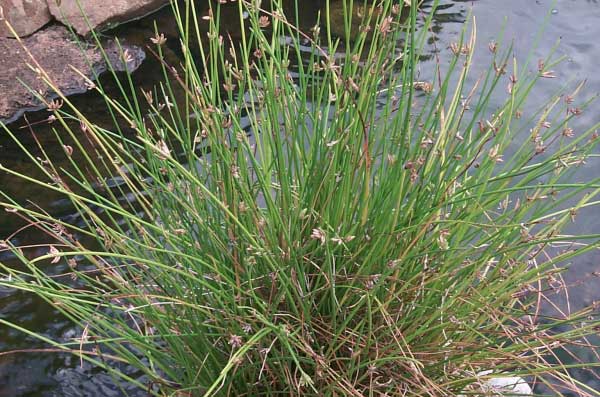
pualele₂ [pua·lele]. n. a weed (Emilia fosbergii, misidentified as E. javanica). Niʻihau. cf. (Neal 854–5). puaokalani [pua-o-ka-lani]. n. false daisy (Eclipta alba). lit., flower of the chief [or heaven]. Niʻihau. (Neal 838) pua pepa₂. n. Bougainvillea (Bougainwillea spectabilis). Niʻihau. pua pepa. n. Bougainvillea. Niʻihau. also pukanawila. puawa₂. same as kuawa, guava Niʻihau. pūheu [pū·heu]. same as ʻenaʻena₂, cudweeds Niʻihau. puhi a piha. vt. to inflate, fill with air. Niʻihau. also hoʻopūhalalū. see ʻananuʻu. pūkiawe₁ [pū·kiawe]. n. the black-eyed Susan (Abrus precatorius), a slender climbing legume, long known in the tropics, especially for its small round red and black seeds, which are used for leis, rosaries, and costume jewelry. Though the seeds are edible when cooked, when raw and broken they are poisonous. Flowers are small, light-colored; leaves small, compound. Also pūpūkiawe, pūkiawe lei, to distinguish from pūkiawe₂ and pūkiawe ʻulaʻula on Niʻihau. (Neal 455–6) pūkiawe lenalena [pū·kiawe lena·lena]. n. Abrus precatorius f. lutiseminalis. Niʻihau. [known commonly as Jequirity, Crab's Eye, Rosary Pea...] pūʻolo [pū·ʻolo]. n. bag; twelve-pack, as of drinks. Niʻihau. cf. ʻope. see pahu, ʻeke, ʻekeʻeke. pūʻolo koloakatwelve-pack of soda pūpū₁ [pū·pū]. n. general name for marine and land shells; beads, snail (Biblical). [(EO) PPN *puupuu, univalve shellfish] lei pūpū ō Niʻihaushell beads of Niʻihau. see lei pūpū mehe pūpū lā e heheʻe analike the snail that dissolves [into slime] (Hal. 58.8) pūpū Niʻihau [pū·pū niʻi·hau]. n. small shells, especially Columbella and Leptothyra used in Niʻihau shell leis; known as momi or momi-o-kai on Niʻihau. pūtē [pū·tē]. vi. to scowl. Niʻihau. cf. hoʻokuʻemaka, to frown, scowl... Ua pūtē maila ʻo Pāpā iaʻu i koʻu hoʻi lohi ʻana mai i ka hale.Daddy scowled at me when I came home late. puʻukaʻa, puʻu-kaʻa [puʻu·kaʻa]. n. a coarse native sedge (Cyperus ferax var. auriculatus), growing in marshes. It has long narrow leaves, and many tiny flowers are borne at the top of a stem. 6 to 1 m high, in a large ray-shaped head. stem .6 to 1 m. high, in a large ray-shaped head. Formerly, when ʻahuʻawa was not available, the fibers of this sedge were used for straining kava. also mauʻu puʻukaʻa, pūkoʻa, puʻukoʻa. C. trachysanthos on Niʻihau. cf. kāhili kāpopo, kiolohia. puʻupā₁ [puʻu·pā]. nvi. obstacle, struck object; to be struck. he puʻupā hiolo wale nō i ka leoan obstacle that can be upset by the voice [by gentle speech]. (ON 938) Puʻupā Niʻihau na ka UnulauNiʻihau is struck by the Unulau wind. (chant) puʻupuʻu moa [puʻu·puʻu moa]. n. chicken pox. Niʻihau. tuko. n. glue. Niʻihau Eng. (Duco). tutua [tutua·tiʻi]. n. monster (Wight E-H), hideous creature. Niʻihau. cf. tutuatiʻi, spider... E kūkā kamaʻilio pū ana kēia poʻe tutua pupuka kekahi me kekahi.These loathsome creatures were speaking one to another. (Hopita 138) tutuatiʻi [tutua·tiʻi]. n. general name for spiders, esp. used for frightening children. Niʻihau. see nananana, peʻepeʻe. uea peleki. n. brake cable, as on a bicycle. Niʻihau. ʻūhini₄ [ʻū·hini]. n. carob, an evergreen (Ceratonia siliqua). Niʻihau.
hoʻouhiuhito prepare uhiuhi wood for house posts (GP 8) ula ʻāpapapa [ula ʻā·papapa]. n. slipper lobster. Niʻihau. also ula pāpapa. cf. ʻōmā. ʻulu₁. n. the breadfruit (Artocarpus altilis), a tree perhaps originating in Malaysia and distributed through tropical Asia and Polynesia. It belongs to the fig family, and is grown for its edible fruits, sometimes for ornament. The leaves are large, oblong, more or less lobed; fruits are round or oblong, weighing up to 4.5 kilos, when cooked tasting something like sweet potatoes. see ex., pakī, and saying ule₁. (Neal 302–4) [(OC) PPN *kulu, breadfruit (artocarpus altilis)] ʻulu hua i ka hāpapabreadfruit that bears fruit on the flats [of the famous Niʻihau breadfruit growing in the sand dunes] ʻumeke pāwehe [ʻumeke pā·wehe]. n. a decorated gourd bowl, as made on Niʻihau. ʻūmiʻi [ʻū·miʻi]. vt. to staple. Niʻihau. see kui ʻūmiʻi pepa, mea ʻūmiʻi pepa, mea wehe ʻūmiʻi, papa ʻūmiʻi, pihi ʻūmiʻi, staple, for paper...; stapler, for paper...; staple remover...; clipboard (computer)...; snap, fastener ... ʻūmiʻi lauoho [ʻū·miʻi lau·oho]. vt. bobby pin. Niʻihau. ʻunu₂. also: kaupapa, to overlap, as roof shingles. Niʻihau also ʻunuʻunu. Unulau₁ [unu·lau]. n. a wind famous in song noted on Kauaʻi, West Maui, and Niʻihau; according to (Emerson) (UL 196), the trade wind. see ex. puka, puʻupā, wiliʻōkaʻi₂. waha wali. n. smooth talk, smooth talker; to talk smooth; glib. Niʻihau. Ma muli o ka maikaʻi loa o kō kēlā kanaka kūʻai kaʻa me ka waha wali, nui ka poʻe kūʻai kaʻa maiā ia mai.Because that car salesman is such a smooth talker, many people buy cars from him. waiū ehu [wai·ū ehu]. n. powdered milk. Niʻihau. also waiū pauka. wehe. vt. to open, as a file in a computer program. Niʻihau. see pani. wehe i ke kī waito turn on the water welu ʻeha. n. gauze. lit., injury rag. also welu wahīʻeha (Niʻihau), ʻaʻamoʻo. wiʻo. vs. emaciated, skinny, usu. when teasing someone. Niʻihau. also wiʻowiʻo, wiwiʻo, kalawī. Wiʻowiʻo maoli kēlā ʻīlio; ʻaʻole paha ʻo ia hānai ʻia.That dog is really skinny; maybe it isn’t fed. wiʻo. vt. to throw. Niʻihau. also hiʻu, poʻe, wiʻu. wiʻowiʻo [wiʻo·wiʻo]. vs. emaciated, skinny, usu. when teasing someone. Niʻihau. also kalawī, wiʻo, wiwiʻo. |
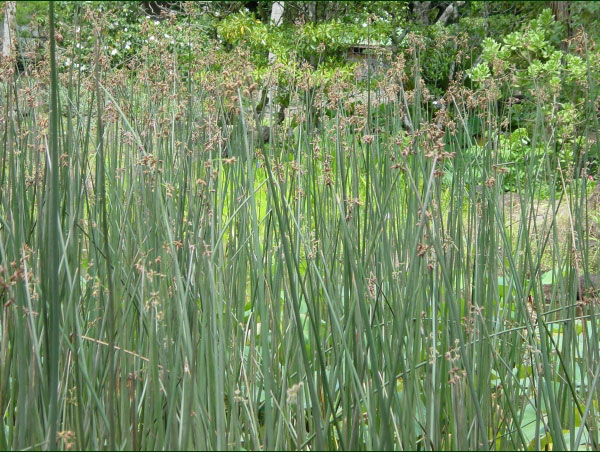
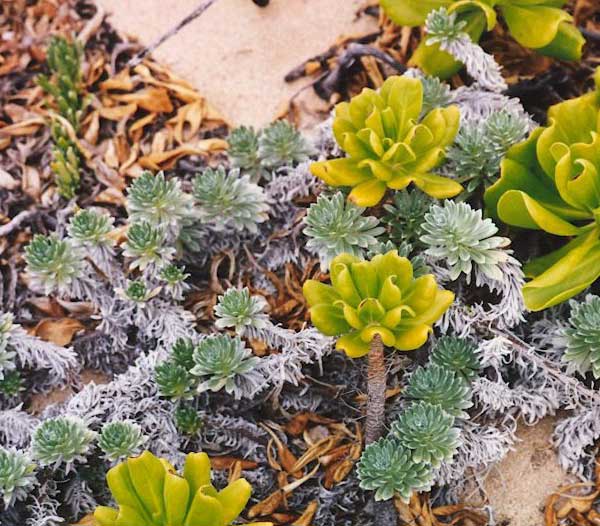
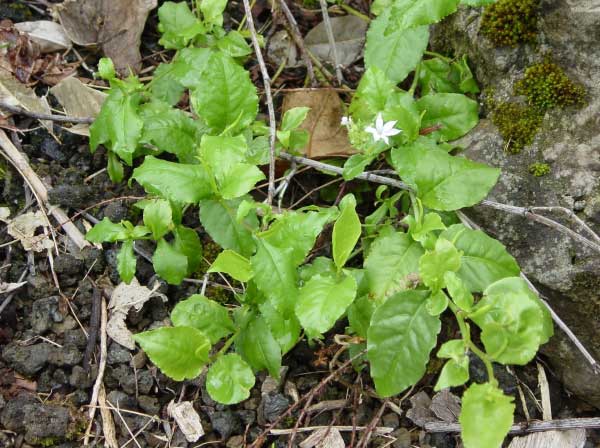
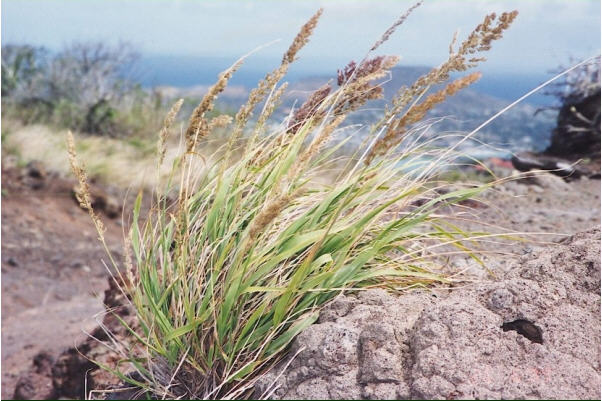

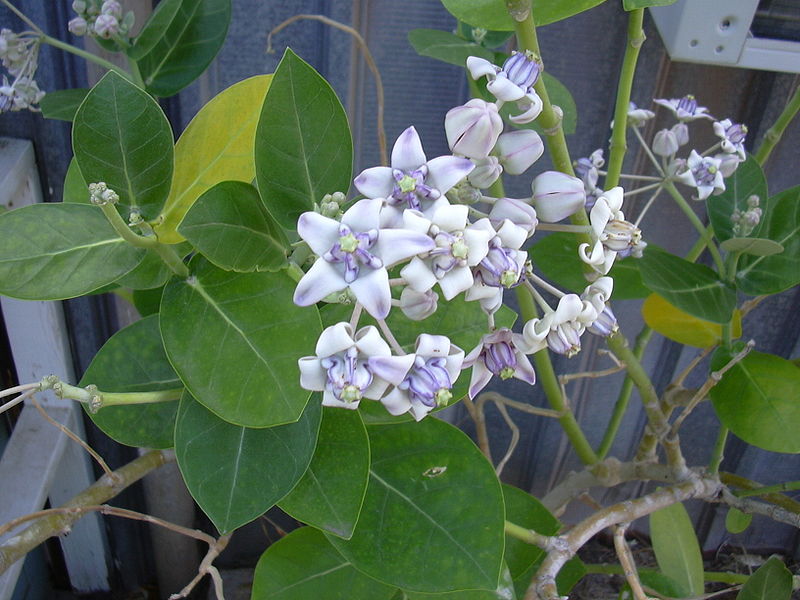
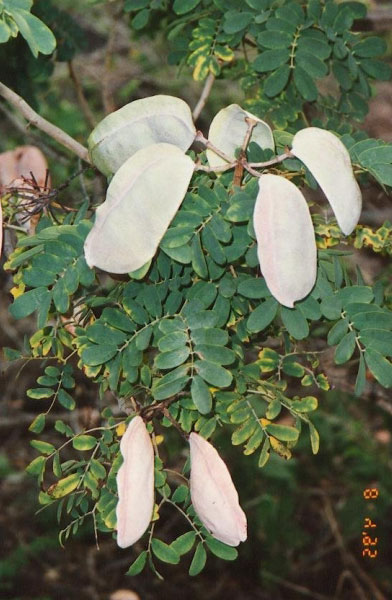
Kauaʻi 257ʻaʻalaʻula. velvety-green, succulent-appearing seaweeds, one of several species of Codium. It yields a red liquid when placed in a container overnight with brine, after chopping or pounding. Both the liquid and the seaweed are well liked, being eaten plain or with other food. (KL. line 47) ʻaʻalaʻula is the common name on Kauaʻi and Maui, wāwaeʻiole elsewhere. aalole [a·a·lo·le]. s. Aa, cloth of cocoanut leaves. The name first given to cloth by the people of Kauai. aeʻo₃. n. same as kīholo₁, wood fishhook. Kauaʻi ʻāhē₂. n. wild taro. Kauaʻi. Varieties are qualified by the colors keʻokeʻo and ʻulaʻula. Called ʻāweu on Hawaiʻi. ahi. nvs. fire, match, lightning; to burn in a fire, destroy by fire. see ahikao, ahikoe, ahi koli, ahimakani, ipo, limu ahi, pau ahi. [(AN) PPN *afi, fire] ahi welahot fire, love hot as fire hoʻopau ahi, kinai ahito put out a fire ke ahi o Kamailethe famous firebrands thrown over cliffs at Kamaile, Kauaʻi leho ahia cowry shell used for octopus fishing, colored red by toasting over fire ahi lele. n. fire fountain, firebrands thrown over cliffs at Kamaile, Kauaʻi. see ahi and chant, Kauahae. ʻahu ʻoʻeno, ʻahuʻoʻeno. n. matting with twilled pattern, associated with Kauaʻi. (Laie 479) ʻaiea₂ [ʻai·ea]. n. same as kāwaʻu, a native Ilex; holly. Kauaʻi. ʻAikoʻo [ʻai·koʻo]. n. name of a wind at Nuʻalolo, Kauaʻi. (For. 5:95) ʻai ʻokoʻa. n. cooked unpounded taro. lit., whole taro. Kauaʻi. also kalo paʻa. akaʻakaʻawa. n. an endemic begonia (Hillebrandia sandwicensis), a succulent herb with oblique, rounded lobed leaves 10 to 20 cm in diameter and with sprays of small pink or white flowers, found only in shaded, damp ravines. Kauaʻi. also pua maka nui. (Neal 602) ʻakialoa [ʻakia·loa]. n. a group of Hawaiian honey creepers with long, curved bill, olive or yellow-green above, lighter below (Hemignathus obscurus), with subspecies on Hawaiʻi (H.o.o.), Lānaʻi (H.o. lanaiesis), and Kauaʻi (H. procerus). The latter is endangered; it has the longest curved beak, for sipping honey at the base of ʻieʻie and hala pepe leaves. cf. ʻiwi, ʻiʻiwi. also ʻakihi loa, kipi. ʻakikiki [ʻaki·kiki]. n. the endemic Kauaʻi creeper (Loxops maculata bairdi, formerly Paroreomyza bairdi). alani₂. an Oʻahu tree (Pelea sandwicensis or P. oahuensis), with oblong, fragrant leaves (like the mokihana of Kauaʻi), which were used for scenting tapa. The bark was used for medicine. Also other species of Pelea. PPN *alani. alani wai. n. a low native shrub (Pelea waialealae), found only on high, wet parts of Kauaʻi. also ʻanonia. Alaʻoli. n. name of a Kauaʻi wind, said to bring good weather. lit., happy path. (For. 5:97) alawī₂ [ala·wī]. n. upland bird, reported to be the young of the ʻanianiau, and on Kauaʻi, the ʻamakihi. aliʻi. nvs. chief, chiefess, officer, ruler, monarch, peer, headman, noble, aristocrat, king, queen, commander; royal, regal, aristocratic, kingly; to rule or act as a chief, govern, reign; to become a chief. fig., kind. see naʻau aliʻi, ʻōpū aliʻi. [PPN *ʻariki, chief] aliʻi kūʻokoʻaindependent chief, autocrat hoʻāliʻito make a chief, establish royalty in office; to imitate royalty; to treat as royalty; regal, royal, kingly; to be made an officer, be commissioned kāna aliʻihis chief (controlled directly or raised by him) kona aliʻihis hereditary chief; his chieftainship Ua hoʻāliʻi aku ʻoia i kāna kāne.She treats her husband like a king. Ua lilo ia i aliʻi no Kauaʻi ia wā, ā malalo mai ona nā kānaka o Kauaʻi, pēlā i aliʻi ai ʻo Makaliʻi.He then became chief of Kauaʻi, with the people of Kauaʻi beneath him, thus Makaliʻi became chief. (FS 233) ālula, ʻalula [ā·lula]. n. an endemic member of the lobelia family (Brighamia spp.), presently known only on Molokaʻi and Kauaʻi, believed extinct on Maui and Niʻihau, an unbranched, succulent, thick-stemmed perennial about 1.5 m high, topped with a rosette of large oval leaves and racemes of long, white, fragrant flowers. also hāhā. see pua ʻala, ʻōlulu. (Neal 815–7) ʻamakihi [ʻama·kihi]. n. a group of small endemic Hawaiian honey creepers, Loxops virens; abundant on Hawaiʻi (L. v. v.), Maui (L. v. wilsoni), and Kauaʻi, uncommon on Oʻahu (L. v. chloris) and Molokaʻi, rare on Lānaʻi. The feathers are yellow and greenish, and were formerly used in feather capes. The Kauaʻi form was also called alawī kihi. ʻamakihi ʻawaʻawasour ʻamakihi [person with a sour disposition] ʻāmaui [ʻā·maui]. n. Oʻahu thrush (Phaeornis obscurus oahuensis), dusky, olive-brown above, ashy-gray beneath, endemic, presumed extinct, with subspecies on Hawaiʻi (ʻōmaʻo₃), Lānaʻi (olomaʻo), Molokaʻi (olomaʻo), and Kauaʻi. Amu₃. n. name of a Kauaʻi wind. (For. 5:97) ʻānaunau₃ [ʻā·nau·nau]. n. according to (Rock) (1913) a large native peppergrass (Lepidium serra), with narrower leaves, found only on Kauaʻi. ʻanianiau [ʻania·niau]. n. a small, bright olive or yellowish-green Hawaiian honey creeper (Loxops [formerly Chlorodrepanis] parva), endemic to Kauaʻi, and related to the ʻamakihi. The young birds which are confused with young ʻamakihi, were reported to have been called alawī. The greater ʻamakihi (L. satittirostris) is presumed extinct. ʻapeʻape₁. n. all endemic species of Gunnera, huge leafed forest perennial herbs, with thick, prostrate stems rising at the tip to about 120 cm. Called hāhā on Kauaʻi. (Neal 651) ʻāpekepeke [ʻā·peke·peke]. n. the Kauaʻi ʻelepaio (Chasiempis sandwichensis sclateri). ʻaumakua₁ [ʻau·makua]. nvt. family or personal gods, deified ancestors who might assume the shape of sharks (all islands except Kauaʻi), owls (as at Mānoa, O'ahu and Kaʻū and Puna, Hawaiʻi), hawks (Hawaiʻi), ʻelepaio, ʻiwi, mudhens, octopuses, eels, mice, rats, dogs, caterpillars, rocks, cowries, clouds, or plants. A symbiotic relationship existed; mortals did not harm or eat ʻaumākua (they fed sharks), and ʻaumākua warned and reprimanded mortals in dreams, visions, and calls. (HM, pp. 124–43, 559); (Nānā 38) fig.., a trustworthy person. (Probably lit.., ʻau₄, group, + makua, parent) see pulapula₂. [(NP) PPN *kau-matua, elderly man: *kauma(a)tu(q)a] hōʻaumakuato acquire or contact ʻaumākua ʻawa mamaka. n. a variety of kava with short internodes and light-green stalk, reported at Wainiha, Kauaʻi. (HP 202) ʻawa mokihana [ʻawa moki·hana]. n. a variety of kava with short yellowish-green internodes and hairlike roots, named for the mokihana plant because of its fragrance, and yielding a strong brew; famous on Kauaʻi. (HP 202) ʻeha. nvs. hurt, in pain, painful, aching, sore, pained; pain, injury, ailment, suffering, soreness, aching; to hurt, pain, cause suffering or pang. see mea ʻeha. (Gram. 4.4) ʻAʻole e ʻeha ke keiki o Kauaʻi iāʻoe.You won't hurt the Kauaʻi lad. (For. 5:411) E ʻeha ana ʻoia iaʻu.I will hurt him. ʻEha i ka ʻeha lima ʻole.Aching with an ache not inflicted by [human] hands [love]. (ON 272) ʻeha konithrobbing ache; fig., throbbing love He ʻeha konikoni i ka puʻuwai.The heart throbs with agony [of love]. hōʻehato inflict pain or punishment, to hurt, oppress Nāna wale nō ka ʻeha, ā koe ke kaikuaʻana huhū.Only he inflicted pain, until [only] the angry older brother was left. (For. 4:37)
Ua ʻelepaio ʻia ka waʻa.The canoe is [marked] by the ʻelepaio. (ON 2777) emowai [emo·wai]. n. an addition of water, as for mixing poi. Kauaʻi. ʻewaʻewa₁. redup. of ʻewa₁, crooked, out of shape, imperfect, ill-fitting. fig., incorrect, unjust...; irregular, biased, unequal, unjust. ʻAʻole anei ʻewaʻewa ʻole koʻu mau ʻaoʻao? ʻAʻole anei ʻo kō ʻoukou mau ʻaoʻao ka i ʻewaʻewa?Is not my way just? Are not your ways unjust? (Ezek. 18.25) Hoʻokō au ia kauoha me ka ʻewaʻewa ʻole.I carried out this instruction without a flaw. (Kel. 125) maka ʻewaʻewa ʻialooked at with disfavor, eyed askance Oʻahu maka ʻewaʻewa.Oʻahu with indifferent eyes [a term of reproach to Oʻahu people, said to have been said by Hiʻiaka when her Oʻahu relatives refused to help her mend a canoe for a journey to Kauaʻi]. (ON 2354) puʻuwai pana ʻewaʻewacardiac arrythmia Hāʻena₂. place names on Hawaiʻi, Kauaʻi, and Oʻahu. hāhā₅ [hā·hā]. n. Kauaʻi name for ʻapeʻape, all endemic species of Gunnera, huge leafed forest perennial herbs, with thick, prostrate stems rising at the tip to about 120 cm. hāhāʻaiakamanu [hā·hā-ʻai-a-ka-manu]. n. a native lobelia (Clermontia clermontioides), found only in high mountains of Kauaʻi, a shrub or small tree with many branches; oblong and narrow leaves; greenish-purple, curved flowers; and sweet, edible yellow berries. lit., hāhā, food of the birds, so called because the thick sap was used for catching birds. hāhā lua [hā·hā lua]. n. a native tree lobelia (Cyanea leptostegia), found only on Kauaʻi. The trunk is slender, unbranched, to 12 m high, and bears a crown of narrow leaves that are up to 60 cm long. The many flowers are purplish-red, the fruits yellow berries. hahape. same as awa₁, port, harbor, cove; channel or passage, as through a reef... Kauaʻi. haʻi₆. n. house. Kauaʻi. rare. Hanalei₁ [hana·lei]. n. name of a large valley on Kauaʻi. lit., lei valley. see saying kaupoku₁. Hauaʻiliki₂. n. name of a handsome surfer of Kauaʻi who vainly wooed Lāʻieikawai (SH 214-15); also a place name on Kauaʻi. heaʻe. Kauaʻi name for kāwaʻu, a kind of Zanthoxylum. cf. aʻe. Hehipuahala [Hehi-pua-hala]. n. rain name associated with Poʻo-kū, Kauaʻi. lit., stepping upon pandanus flowers. hemolele₁ [hemo·lele·]. nvs. perfect, faultless, flawless, holy, immaculate, saintly, pure in heart; complete; perfection, virtue, goodness, holiness; angel, person without fault. hoʻohemoleleto make holy; to feign holiness kō māua hemolele ihoour holiness (Oih. 3.12) Maʻemaʻe wale nō ʻo Kauaʻi, hemolele wale i ka mālie.Perfectly beautiful is Kauaʻi, flawless in the calm. (song) Ua hoʻohemolele lākou i kou nani.They have perfected your beauty. (Ezek. 27.4) hihikolo₂ [hihi·kolo]. n. name of a legendary koa tree on Kauaʻi that was said to have no trunk. Hīhīmanu₃ [hī·hī·manu]. n. a Kauaʻi peak. see saying, keha. (FS 75) Hikiʻaumoana [Hiki-ʻau-moana]. n. Kauaʻi name for the star Hikianalia. [(CE) PPN *fiti-kaupeka, a star name (problematic)] Hilina Mā. n. same as Māhoe Hope; name of the eleventh month (Molokaʻi) eighth (Kauaʻi), or tenth (Alexander). cf. alanui. [(CE) PPN *firiŋa, a month name] hōʻawa lau nui. n. a kind of hōʻawa (Pittosporum kauaiense), a tree to 12 m high, found only on Kauaʻi, with large leaves to 25 by 8 cm, more or less downy beneath, and with quadrangular fruits 1.3 cm in diameter.
Ua ua paha, ke ulu nei ka hoi.Perhaps it's been raining, the hoi is growing [said when someone looks happy, a play on hoi₁ and hoi₂]. hōlio₁ [hō·lio]. n. two species of small, rare, endemic trees (Cryptocarya) in the laurel family, found only on Kauaʻi and Oʻahu. (Neal 361) hoʻōla₂, hōʻōla [ho·ʻōla₂]. n. small piece of tapa; tapa in general (Kauaʻi). hoʻolā₂. gray tapa, tapa in general. see -lā. (AP) Hoʻolua₃ [hoʻo·lua]. name of a strong, north wind associated with Makaiwa, Kauaʻi; Hāna, Maui; and Hālawa, Molokaʻi. At Hālawa the name may be qualified by Iho, Kaʻi, Kele, Pehu, Wahakole see -lua₁. [(CE) PPN *faka-rua, north-east (wind)] hoʻolua nuibig Hoʻolua wind; fig., to talk loudly and to no purpose hōpue₂ [hō·pue]. n. a native tree, endemic to Kauaʻi (Urera sandvicensis var. kauaiensis), in the nettle family, with broad-ovate, long-stemmed leaves, and red, clustered, male flowers. also hona, ōpuhe. hula kiʻi₁. nvi. dance of the images in which the dancers postured stiffly like images; to dance thus. Kauaʻi. ihuʻū. n. a variety of rarely cultivated bunana, wild in forests of Kauaʻi and Hawaiʻi, with short, slender green trunk, and yellow fruit with yellow flesh, edible only when cooked. (HP 175) ʻiʻī₃. vi. to move swiftly. Kauaʻi. ʻili ahi. n. a fiery surface. Wai ʻula ʻili ahi.Red water with surface of fire [a poetic description of the waters of Waimea Stream, Kauaʻi, the waters of which after a storm are said to be red along one bank].
ʻO ka iliau loha i ka lā.The iliau drooping, in the sun. (For. 4:283) kā₁. nvt. hoʻokāto dash down, shatter, break, strike i ke kā ʻanain tying [thatch] (For. 5:650) kā i ka hoeto pull on a paddle with all one's strength kā i ka ʻinoto curse, do evil to kā i ka nele loa.to take away everything, utterly deprive, to be without. kā kēhauto rub tapa on grass or shrubbery to absorb the dew as a means of gathering moisture in arid places such as Kaʻū kā makauto make a fishhook of bone or other material kā make loato dash to death, hurl down, as a foe in lua fighting; to doom to death limu kā kanaka o Manuʻakepa.the man-striking moss of Manuʻakepa [name of a famous slippery alga growing on the beach at Hanalei, Kauaʻi]. Kāʻao₂. n. a favorable Hālawa, Molokaʻi, wind mentioned in (For. 5:123); also associated with Hanamāʻulu, Kauaʻi (For. 5:97). kāhei₁ [kā·hei]. nvt. Kahikikolo [Ka-hiki-kolo]. n. name of a legendary tree and place in the uplands of Kauaʻi (FS 233), probably a var. of Kahilikolo. Kamapuaʻa used the tree as a club with which he knocked away (kuehu) his foesʻ clubs from their hands, enabling him to kill them. ka hili kolo. n. name of a legendary koa tree on Kauaʻi said to consist of branches without a trunk. lit., the creeping tangle. kai₁. nvs. sea, sea water; area near the sea, seaside, lowlands; tide, current in the sea; insipid, brackish, tasteless. [(AN) PPN *tahi, shallow sea near shore or in lagoon, salt water, tide] Ka mokupuni kai lalo, ʻo Kauaʻi, Kauaʻi.The island of the western sea. kai lalolower sea, i.e., western sea, where the sun sets kō a kaipeople from the shore district makaion the seaside, toward the sea, in the direction of the sea Nā kai ʻewalu.The eight seas [a poetic expression for the channels dividing the eight inhabited islands]. (ON 2224) o kaiof the lowland, of the sea, seaward kāʻili₁ [kā·ʻili]. vt. to snatch, grab, take by force, seize, abduct, usurp. (See song, (EM 58–9)) cf. kāʻili₄, to gasp, labor for breath [(CE) PPN *taa-kiri, ?? [strong movement]] hoʻokāʻilito tug and pull as though to snatch, but not with great force, as in playing with a kitten; to cause a snatching, etc. ka wai kāʻili aoliquid that snatches away enlightenment [intoxicants] kāʻili malūto seize or abduct secretly, kidnap mana kāʻili o ke aupunieminent domain, i.e. the right of the government to take, or to authorize taking, the private property of a citizen for public use with just compensation being given to the citizen whose property has been taken moku kāʻili lāsun-snatching island [Lehua Island or sometimes Kauaʻi, since they lie to the west] kainakē [kai·nakē]. nvs. hollow-head; brainless. Kauaʻi. rare. kalaʻau. vt. to call, speak. Kauaʻi. kalalau [kala·lau]. n. a variety of taro; corm white, yielding gray poi; perhaps originated in Kalalau, Kauaʻi. Kalalau [Ka-lalau]. n. a valley on northwest Kauaʻi, uninhabited and difficult of access in 1977. hele i Kalalaugo to Kalalau [go astray; see lalau] kalapakī, kalapaki [kala·pakī]. double-yolked egg. Kauaʻi. Kalimukākanakaomahamoku [ka-limu-kā-kanaka-o-maha·moku]. n. a lua fighting stroke, named for a limu associated with Hanalei, Kauaʻi (see limukākanaka). also Limukākanakaomahamoku. kalukalu₂ [kalu·kalu]. n. a kind of rush or grass like kaluhā sedges, famous on Kauaʻi. see ex. kūmoena₂. PCP *talutalu. kalukalu₃ [kalu·kalu]. n. fine gauze-like tapa made on Kauaʻi, reserved for chiefs. pale kalukalumuffler (Isa. 3.19) kāmakahala lau liʻi [kā·maka·hala lau liʻi]. n. a native shrub (Labordia waialealae) with small leaves 1.3 to 2.6 cm long, found only on Mt. Waiʻaleʻale on Kauaʻi. lit., small-leafed kāmakahala. kāmaʻo. n. endemic and endangered Kauaʻi thrush (Phaeornis obscurus myadestina). Kauaʻi. Kanameʻe [kana·meʻe]. n. name of a star, said to be the tutelary star of Chief Kao Ea. n. name of a constellation said to preside over the destiny of Hanalei, Kauaʻi (no data). kapaaho [kapa-aho]. n. a tapa formerly made at Waimea, Kauaʻi. (GP 8) kapauʻu [kapa·uʻu]. vs. splashing, spattering, as fish being driven into a net; fluttering, flapping. fig., agitated, worried, disturbed (formerly said mostly on Kauaʻi and Oʻahu). cf. kāpeku. Ua kapauʻu ka lani.The high chief is greatly disturbed. kāpenaloke [kā·pena·loke]. n. name of an introduced vine, the seeds of which are strung as leis, perhaps lit., Captain Rhodes. Kauaʻi. Kauaʻi. n. Kauaʻi (name of one of the Hawaiian islands), Kauaʻi person. (perhaps kau, to place + -aʻi, transitivizer.) kaukaunu [kau·kaunu]. redup. of kaunu. Leʻa ke kaukaunu i nā pua hala ʻai a ke kīnaʻu.There is fun in loving the tip of the pandanus fruit of which kīnaʻu eels are fond [if these fruits fall into the sea they are said to be eaten by kīnaʻu eels]. (Kauaʻi song) kaulu₃. all species of an endemic genus (Pteralyxia), small trees related to maile, found only on Oʻahu and Kauaʻi, resembling hōeli (Ochrosia) with its shiny, oblong leaves. Fruits are paired, red, ovoid, and each contains one large winged seed. (Neal 684) keʻahakahaka₂ [keʻa·haka·haka]. n. ladder with crosspieces, a poetic reference to the ladders used to scale Kauaʻi precipices. rare. keha. nvt. hoʻokehato cause height, pride, boasting, etc. Same as keha. Ka lā e keha iho ai kō au hou.The day your new era boasts of. (Kel. 145) Kau ke keha i ka uluna.The head rests on the pillow [work is done]. Ke keha nei ʻoe i kō laki.You are bragging of your luck. keha kaʻakepa ka ʻōlelo i Hīhīmanutop lofty and from side to side goes the talk at Hīhīmanu [said of a boaster who keeps repeating; Hīhīmanu is a Kauaʻi peak] (ON 1693) Kiʻekiʻe kau keha i luna.High above it rests. laʻi ke keha o ka nohonapeaceful the dignity of life (ON 1940) moe kehato lie with the head on a pillow Kēhau₂ [kē·hau]. n. name of a gentle land breeze, as of West Hawaiʻi; Kapaʻa, Kauaʻi; Kula, Maui; Hālawa, Molokaʻi and Oʻahu. (For. 5:97) kī₃. vt. hoʻokīcaus/sim.; to cause to shoot; to sick on, as a dog; to make a cat spit; to snort; emitted kihi₅. n. Kauaʻi name for ʻamakihi, a bird. kihikihi₅ [kihi·kihi]. same as ʻamakihi, a honeycreeper. Kauaʻi. Kiʻowao [Kiʻo-wao]. n. cool mountain rain accompanied by wind and fog, sometimes associated with Alakaʻi swamp on Mt. Waiʻaleʻale, Kauaʻi, as well as Nūʻuanu Valley, Oʻahu. see chant, kohāhā. Kiu Anu. n. wind associated with Kalāheo, Kauaʻi. (Nak. 59) Kiu Kai Nui. n. name of a wind associated with Koʻolau, Kauaʻi. (For. 5:97) Kiu Keʻe. n. name of a wind associated with Nā-wiliwili, Kauaʻi. koa makua ʻole, koa mākua ʻole. n. famous legendary koa tree at Kahi-ki-kolo, Kauaʻi, thought to have no roots or trunk, and to spread over the ground like a creeper. lit., koa without parent. (FS 232) kōhi₂. nvs. fat, rich, as food; fatness. Nā kōhi kelekele o Kapuʻukolu.The rich foods of Kapuʻukolu [Kauaʻi, famous for abundance]. (ON 2241) koholāpehu [koho·lā·pehu]. n. a scandent shrub, native to Kauaʻi, in the composite family (Dubautis latifolia), with long branches, opposite, elliptical, pointed leaves, and small flower heads in large panicles. kōī₅ [kō·ī]. n. a small tree (Coprosma kauensis), a native of Kauaʻi, related to the pilo.
kolekoleʻā [kole·koleʻā]. n. said to be Kauaʻi name for a large kole, the fish.
kolokolo kuahiwi [kolo·kolo kua·hiwi]. n. two loosestrifes (Lysimachia daphnoides, L. hillebrandii), small native shrubs with purplish flowers, the branches densely covered with narrow, pointed leaves. L. daphnoides is confined to the high bogs of Kauaʻi. lit., mountain creeper. also kolekole lehua. cf. pua hekili. Kololio₂ [kolo·lio]. n. wind associated with Moloaʻa, Kauaʻi (For. 5:97) and Kīpahulu, Maui (Nak. 68). Koʻolau₃ [koʻo·lau]. n. wind between Niʻihau and Kauaʻi. (For. 5:95) Koʻomakani. n. wind associated with Māhāʻulepū, Kauaʻi. (For. 5:97) kopa₁. n. a native shrub (Hedyotis [Kadua] glaucifolia), found only on Kauaʻi, with narrow, tubular, inconspicuous, pale-yellow flowers, and narrow-ovate to heart-shaped leaves; related to the ʻuiwi. kuanuʻu [kua·nuʻu]. n. Kauaʻi name for māono, a basalt. kuapapa₄ [kua·papa]. vs. ancient, oldest. Kauaʻi kuapapa.Kauaʻi the oldest. kūʻau. n. handle, stem, stalk, shaft, stick or mallet used in beating; shank limb of a fishhook. [(NP) PPN *tuu-kau, handle, haft] Ka wai kūʻau hoe a ka lawaiʻa.The water of the paddle handle of the fisherman. [a famous trickling water on the cliffs along the Nāpali coast, Kauaʻi; thirsty fishermen stuck the paddle handles into the cliff and let the water trickle down into their mouths]. See Waikūʻauhoe in (PN). kuawāwaenohu [kua-wā·wae-nohu]. n. a shrub in the carnation family (Schiedea lychnoides), endemic to Kauaʻi; leaves broad-ovate, 4 to 5 cm long, flowers many and small said to be named for a place on Kauaʻi. Kuehu Kai. n. name of a wind of Miloliʻi, Kauaʻi. (For. 5:95) Kuʻiamanini [Kuʻi-a-manini]. n. name of a wind of Weliweli, Kauaʻi. (For. 5:97) kuʻinahoʻōla [kuʻina·hoʻōla]. same as kuʻinakapa, tapa bed covering, consisting of five layers stitched together... Kauaʻi. kūkaemoa [kū·kae·moa]. n. a small tree (Pelea clusiaefolia subsp. sapotaefolia [synonym, P. microcarpa]) that grows at high altitudes on Kauaʻi. lit., chicken dung, named for the appearance of the seed capsules. Also alani kuahiwi, all species of Pelea. see also mokihana kūkae moa. kukuaʻau. vi. to go smoothly. Kauaʻi. E holo ka lio ā kukuaʻau i ua mea o ka maikaʻi.The horse ran smoothly along because everything was fine. kukuʻi₁. redup. of kuʻi₁, to pound, punch, strike... PPN *tutuki, to hit. kukuʻi₂. redup. of kuʻi₂, to join, stitch, sew, splice, unite... kukuʻi₃. redup. of kuʻi₅ to disseminate news; to spread, as news...
Kukuʻi akula ka lono kaua puni ke ao.News of the war went around the world. No ke kukuʻi o kō ikaika i Kauaʻi.Because of the fame of your strength on Kauaʻi. (FS 55) Kulu ke kī a ka lio.Swiftly runs the horse. kupaʻeli. vs. slow-moving. Kauaʻi. kūpopou₂ [kū·popou]. similar to kūpaʻakai, to eat poi or sweet potatoes with salt or relish such as ʻinamona... Kauaʻi. Kuʻuanu [kuʻu·anu]. n. name of a wind associated with Kalāheo, Kauaʻi. (For. 5:97) -lā. hoʻolā₁parsimonious, miserly (And.) hoʻolā₂gray tapa, lāʻau kumu ʻole. n. parasite. lit., plant without foundation. A legendary koa tree with this name at Kahikikolo, Kauaʻi, was said to have only branches and no trunk. lalau. nvi. hoʻolalauto cause to wander, lead astray; to procrastinate, dillydally, kill time; to digress or wander in speech, perhaps to avoid a subject; to deceive, as in actions to conceal what one is about; to divert, as a child from the matter he is crying about; roundabout. Ke lalau wale lā ʻo Puna i Kalalau.Puna strays to The-stray [many puns illustrating a wandering mind refer to Kalalau, Kauaʻi: see Pukui, Elbert, and Mookini]. (saying) lalau ka noʻonoʻoto wander mentally lalau ka ʻōleloto talk nonsense or wander in talking ʻO ia hele lalau wale iho nō e hele lalau ai!Just wandering aimlessly and to no purpose! lanikuʻuwaʻa. n. wind of Kalalau, Kauaʻi. lit., heaven releasing canoe. (For. 5:95)
lauaʻe₂, lauwaʻe [lau·aʻe]. nvs. beloved, sweet, of a lover. hoʻolauaʻeto cherish, as a beloved memory I ka make ʻana o kāna kāne, ua hoʻolauaʻe aʻela ʻoia i ke aloha.At the death of her husband, she cherished the loving memory. Ka ipo lauaʻe o Makana.The sweet beloved of Makana [reference to the famous lauaʻe ferns of Makana, Kauaʻi]. Lauaʻe₅, lauwaʻe [lau·aʻe]. n. wind, Honopū, Kauaʻi. (Nak. 58) lauaʻe haole [lau·aʻe haole]. n. a fern (Phlebodium aureum), hare's-foot fern, from tropical America, much like the lauaʻe, but with larger, dull light-green scentless fronds. First collected in Hawaiʻi in mountains of Kauaʻi (August, 1909), probably as an escape. (Neal 26) laukea₁ [lau·kea]. n. a small tree or shrub (Claoxylon sandwicense, var. tomentosum and degeneri; C. helleri) on Kauaʻi only, in the euphorbia family, having leaves to about 8 by 18 cm and small clustered flowers. cf. poʻolā. (Neal 499) laulihilihi [lau·lihi·lihi]. n. a slender, prostrate shrub in the pink family (Schiedea stellarioides), endemic to Kauaʻi, with small, linear leaves, and large open panicles of small flowers. lit., bordered leaf. also māʻoliʻoli. Lawakua₃ [lawa·kua]. n. name of a mountain wind at Nāpali, Kauaʻi. see ex. noiele. lehua maka noe. n. a small shrub (Metrosideros pumila var. makanoiensis), restricted to the high bogs of Kauaʻi, with leaves and flowers like those of lehua. lit., lehua with misty face. also lehua neʻeneʻe. (Neal 638) leina. n. spring, leap, bound; place to leap from. PCP *leina. hoʻoleinasame as leina; place to throw things, as a trash heap hoʻoleina mokadung heap (Dan. 3.29) Kahoʻoleinapeʻaplace where kites are flown (place on Kauaʻi) Leinaakaʻuhaneplace where spirits leaped into the nether world; lit., leap of the soul (a place name on every island) Leinaakeakuaplace where the spirits leaped into the nether world; lit., leap of the gods Lena₆. n. name of a yellow-tinted rain famous at Hanalei, Kauaʻi, and on Maui. līlē₂ [lī·lē]. n. upland patch, as of olonā. Kauaʻi. (HP 199) liliwai [lili·wai]. n. a small native herb (Acaena exigua), growing in bogs, only on top of West Maui and Kauaʻi, the narrow, fernlike leaves forming a rosette. also nani Waiʻaleʻale. Limahuli [Lima-huli]. n. wind associated with Haʻena, Kauaʻi. lit., turning hand. (For. 5:97) limu kākanaka. n. a soft, sometimes gelatinous blue-green alga (Nostoc commune) sometimes covering the ground in the wet season as small slippery balls, especially at Hanalei, Kauaʻi. lit., man-striking moss, so called because people are said to slip on it and fall. also limu kākanakaomanuʻakepa limu lūʻau. n. a red seaweed (Porphyra sp.), growing in the winter on boulders in exposed places, with delicate, thin blades appearing in groups. Best known on Kauaʻi, but known on all the major islands. Also paheʻe₅ or pāheʻeheʻe₂. līpaʻakai [lī·paʻa·kai]. n. limu salted for indefinite storage without refrigeration; on Kauaʻi usually limu kohu from Niʻihau. Some consider līpehe, līpehu, and līpaʻakai as variants of limu kohu. līpahapaha [lī·paha·paha]. n. a general term for sea lettuce (Ulva fasciata and Monostroma oxyspermum), common green seaweeds with delicate broad blades, usually with wavy margins. Eaten as a minor element mixed with other tastier seaweeds. Also ʻīliohaʻa, līpaha, līpālahalaha, pahapaha (probably restricted to Kauaʻi), pakaiea (restricted to Hawaiʻi), and pālahalaha (Maui, Molokaʻi, and Oʻahu). līpaheʻe₂ [lī·paheʻe]. same as limu lūʻau₁, a seaweed Kauaʻi. lonomea [lono·mea]. n. a native tree (Sapindus oahuensis), to 10 m high, with ovate leaves 10 by 20 and 5 by 13 cm; it is found only on Oʻahu and Kauaʻi. Kauaʻi. On Oʻahu it is called kaulu. also āulu₅. (Neal 533–4) lōʻohu. vi. to buck, of a horse. Kauaʻi. hoʻoluaname of a strong, north wind associated with Makaiwa, Kauaʻi; Hāna, Maui; and Hālawa, Molokaʻi. At Hālawa the name may be qualified by Iho, Kaʻi, Kele, Pehu, Wahakole. (Nak. 69) hoʻolua nuibig Hoʻolua wind; fig., to talk loudly and to no purpose Luha. n. wind associated with Hanalei, Kauaʻi. (For. 5:97) lūkea [lū·kea]. n. a kind of taro, probably Kauaʻi name for haokea. Lūlaukō. n. name of a rain associated with Kauaʻi. lit., rain that scatters sugar-cane leaves. lumahaʻi₁ [luma·haʻi]. n. certain twist of the fingers in making string figures, perhaps named for a place on Kauaʻi. Lūpua [Lū-pua]. n. wind name associated with Wainiha, Kauaʻi. lit., flower scattering. maʻemaʻe [maʻe·maʻe]. nvs. ʻAoʻao hoʻomaʻemaʻe.Reform party. hoʻomaʻemaʻeto clean, cleanse, purge, disinfect, purify maʻemaʻe loaextremely clean, immaculate Maʻemaʻe wale nō ʻo Kauaʻi, hemolele wale i ka mālie.A perfect beauty is Kauaʻi, flawless in the calm. (song) Māhoe Hope₂ [mā·hoe hope]. month in the old lunar calendar, the eleventh (Hawaiʻi) or seventh (Oʻahu, Kauaʻi). also Hilina Mā: see month. Māhoe Mua₂ [mā·hoe mua]. month in the old lunar calendar, the tenth (Hawaiʻi) or sixth (Oʻahu, Kauaʻi). also Hilina Ehu: see month. maiʻa ihu ʻū. a Hawaiian variety of banana, growing wild on Kauaʻi and Hawaiʻi, rarely cultivated. The fruit is yellow, edible only when cooked. lit., snub-nosed banana. (HP 175) Makaikiolea [Maka-iki-o-Lea]. n. wind name, probably at Kauaʻi. lit., small eye of Lea. maka onaona. n. a sweet, lovely, or tender expression of face or eyes; also said of the eyes of the kole, a fish. Ā ua lilo ihola ʻoia i mea hoʻomakaleho mau ʻia e nā kaikamahine maka onaona o Kauaʻi.This became something much wanted by the fragrant-eyed girls of Kauaʻi. Mālamalamaiki [mā·lama·lama-iki]. n. wind associated with Ke-ālia, Kauaʻi. (For. 5:97) Malanai [mala·nai]. n. name of a gentle breeze associated with Kōloa, Kauaʻi, Hāna, Maui (For. 5:97), and Kailua, Oʻahu. [(CE) PPN *ma-raŋai, south-east quarter and wind] Mālua Hele [mā·lua hele]. n. wind, well known on Kauaʻi, said to blow from the northwest. lit., traveling Mālua. Mālua Kele [mā·lua kele]. n. trade wind, as on north Kauaʻi. lit., damp Mālua. hoʻomanacallus; callous. Kauaʻi mānā₁ [mā·nā·]. vs. arid; desert. cf. Mānā, place on Kauaʻi. mānai [mā·nai]. nvt. needle for stringing leis, formerly of coconut midrib, now of wire; to string leis. Also called hānai on Hawaiʻi, mākila on Maui, and mōkila on Kauaʻi. Mānai pua ana kākou.We are stringing flowers. mānea [mā·nea]. nvs. He mānea ʻo Niʻihau, no Kauaʻi.Niʻihau is a dependent of Kauaʻi. hoʻomāneato harden, raise calluses; to strengthen, make steadfast Mai ka piko o ke poʻo a ka mānea o nā wāwae.From the crown of the head to the balls of the feet. mānea ʻuʻuku o ka wāwaetoe of the foot (FS 91) manene₂. n. a kind of small plantain or laukahi (Plantago grayana var. grayana native to Oʻahu and Kauaʻi; P. krajinai native to Kauaʻi). Manokalanipō [Mano-ka-lani-pō]. n. name of a chief of Kauaʻi... husband of Nae [or Na'e]kapuani (the daughter of Makaliʻi), and an ancestor of Kawelo. Kauaʻi is sometimes referred to poetically as Kauaʻi o Mano (RC 194), Kauaʻi o Manokalanipō (HM 141, 366) or Manō. (EM 21, 44, 63) Meheu₂. n. wind associated with Kalihiwai, Kauaʻi. (For. 5:97) Melehune [mele·hune]. var. of Menehune, legendary race of small people... Kauaʻi. Ka lāhui kino pāʻēʻē i kapa ʻia he Melehune.A people with supernatural bodies, called Melehune.
Moeāhua₂ [moe·ā·hua]. wind name, Kekaha, Kauaʻi. (For. 5:95) moi₁. n. threadfish (Polydactylus sexfilis). Stages of growth: moi liʻi, little moi, 5 to 8 cm long; pālāmoi (Kauaʻi) or manamoi (Hawaiʻi), about 13 cm; moi, adult, 45 to about 97 cm. On Hawaiʻi the pālāmoi was about 30 cm. This fish was much esteemed for food. A large school was an omen of disaster for chiefs. see ʻehu₁. [(NP) PPN *moi, a fish: *mo(q)i] He moi ka iʻa, ehu ka lani.Moi the fish, misty the sky [of easy victory]. Kō kuli ē, nuku moi oe.Your knees, like a moi fish nose. (song) mōʻike, mōike. nvt. to interpret dreams; dream interpreter. Kauaʻi. E hele ana au e nīnau i ka mōʻike.I'm going to question the dream interpreter. mokihana₂ [moki·hana]. n. a variety of kava famous on Kauaʻi; it has short, stubby internodes. It is named for the mokihana fruit because of its fragrance.
mōkila₁ [mō·kila]. Kauaʻi name for mānai, needle; to string, as leis. mōkio₂ [mō·kio]. vi. to steal something and dash away; to head straight for a destination. Mōkio pololei maila i Kauaʻi.To go straight to Kauaʻi. moʻo hele. n. trail, road. Kauaʻi. lit., traveling land strip. Mū₅. n. legendary people of Lāʻauhaelemai, Kauaʻi, often called Mū ʻai maiʻa, banana-eating Mu. cf. Nāmū, Nāwao. naʻenaʻe pua kea [naʻe·naʻe pua kea]. n. a kind of naʻenaʻe (Dubautia paleata), from Kauaʻi, with large round flower heads, each head with 25 or more light yellow becoming purplish florets. lit., white-flowered naʻenaʻe. naʻenaʻe ʻula [naʻe·naʻe ʻula]. n. a kind of naʻenaʻe (Dubautia raillardioides) from Kauaʻi, with white to purplish flowers. lit., red naʻenaʻe. nananana maka ʻole [nana·nana maka ʻole]. n. no-eyed big-eyed hunting spider, from Kauaʻi. lit., no-eyed spider. also nanana maka ʻole. nani Waiʻaleʻale [nani wai-ʻaleʻale]. n. a native violet (Viola kauaensis) found only in high bogs on Kauaʻi and on Oʻahu. The plants are 10 to 20 cm tall, with few broad leaves and one or two white or pale-blue fragrant flowers. lit., Waiʻaleʻale beauty. also kalili, liliwai, pohe hiwa. see waioleka. (Neal 591) nāpili [nā·pili]. n. kind of endemic ʻoʻopu or goby (Sicydium stimsonii); so called because it is said to cling (pili) to stones; used in weaning and housewarming ceremonies so that luck will cling (pili). Called nōpili on Kauaʻi. Nāulu₂ [nā·ulu]. n. sea breeze at Kawaihae, Hawaiʻi; Waimea, Kauaʻi; and Kanaloa, Maui. (UL 100)
Nihoa₂. n. name of an island between Kauaʻi and Midway. Kū pākū ka pali o Nihoa i ka makani.The cliff of Nihoa stands as a bulwark against the wind. [said of one bravely facing misfortune]. (ON 1924) nīpeʻa [nī·peʻa]. vt. to tie or bind together. Kauaʻi. noho kanaka. v. to serve under. Ua nui ka poʻe Kauaʻi i hoʻopaʻa mai iā lākou iho e noho kanaka aku no Pākaʻa.Many Kauaʻi people bound themselves as subjects of Pākaʻa. (Nak. 27) nuku manu₂. n. a variety of taro. The corm is pointed like a bird's beak. Used on Kauaʻi only.
ō₁. nvi. E uhaele kākou i kahakai Ō, e uhaele ʻiʻo aku kākou.Let's go to the beach. Yes, let's do go. Kou inoa, e ō mai.Your name chant, answer. (FS 199) ʻōahi₁ [ʻō·ahi]. n. rocket, fireworks; clot of burning lava, as from an eruption; hurling firebrands, as from a cliff for ancient Kauaʻi spectacle; flashing lightning. lit., projecting fire. see ex. kīheʻaheʻa. Nā pali ʻōahi o Makana.The cliffs of Makana, where fire was hurled forth. ʻohe kikoʻolā [ʻohe kikoʻo·lā]. n. a native tree (Tetraplasandra waimeae), found only in forests of Kauaʻi above Waimea; about 9 m tall, with few branches, the leaves about 30 cm long, each leaf with five to thirteen large, oblong leaflets, and like some other araliads, with many flowers in umbels. lit., straggly bamboo. ola₂. see hoʻōla, small piece of tapa... ʻōlena₄ [ʻō·lena]. n. a small mountain tree on Kauaʻi (Coprosma waimeae), with yellow wood. olokele₁ [olo·kele]. same as ʻiʻiwi, honeycreeper. Kauaʻi. olokele₂ [olo·kele]. n. a kind of tapa associated with Nāpali, Kauaʻi. (GP 8–9) Onehali [One-hali]. n. name of a Kauaʻi wind. lit., sand carrying.
ʻōʻō ʻāʻā. n. the endangered Kauaʻi species of ʻōʻō, honey eater (Moho braccatus); on Hawaiʻi, said to be the name for the male ʻōʻō. lit., dwarf ʻōʻō. ʻoʻopu nōpili [ʻoʻopu nō·pili]. same as nāpili, kind of endemic ʻoʻopu or goby... Kauaʻi. ʻopeʻope₁. redup. of ʻope; Eia aʻe ua keiki ʻopeʻope nui nei o Kaluakoʻi.Here's the Kaluakoʻi boy with the big bundle. [said of persons with big bundles, referring to Kūapakaʻa's bundle of rocks carried aboard a canoe]. (Nak. 100) He mau ʻōhua lemu kaumaha, he mau ʻopeʻope palalē.Heavy-butted passengers, farting bags. (For. 4:577) hōʻopeʻoperedup. of hōʻope ʻōʻū holo wai. n. Kauaʻi ʻākepa (Loxops coccinea caeruleirostris), a bird. pahapaha₃ [paha·paha]. n. Oʻahu name for a kind of stone used for poi pounders. Called makawī on Kauaʻi. pahapahaopolihale [paha·paha-o-poli·hale]. n. a kind of pahapaha said to be found only at Polihale, Kauaʻi; after drying it was believed to revive when immersed in sea water; it was made into leis. (FS 103) Pahelehala [Pahele-hala]. n. wind off Waiʻanae, Oʻahu (PH 161), and associated with Naue, Kauaʻi (For. 5:97). lit., pandanus ensnarement. pahelo₂. vt. to peel, as taro. Kauaʻi. [(CE) PPN *paa-sere, remove skin, pare, peel (problematic)] pālāmoi [pā·lā·moi]. n. second growth stage of the moi, a fish, about 13 cm long (Kauaʻi); third growth stage, about 30 cm long (Hawaiʻi). paluʻai. n. vegetable food. Kauaʻi. paneʻe₃. vs. old, worn-out. Kauaʻi. rare. Pāpaʻa Inu Wai [pā·paʻa inu wai]. n. a gentle Kauaʻi wind with rain that reaches Niʻihau. pāpaka koloana [pā·paka kolo·ana]. n. Kauaʻi cave landhopper (Spelaeorchestia koloana). lit., cave-crawling crustacean. pāpaka pūnāwai Makaleha [pā·paka pū·nā·wai maka·leha]. n. Kauaʻi spring landhopper, a newly discovered amphipod. lit., Makaleha (Kauaʻi) spring crustacean. pāpala₁ [pā·pala]. n. all species of a native genus (Charpentiera), shrubs and small trees, belonging to the amaranth family. Formerly on the north coast of Kauaʻi, Hawaiians used the wood, which is light and inflammable, for fireworks, throwing burning pieces from cliffs. (Neal 332) pāpala₂ [pā·pala]. n. firebrand, as hurled from the cliffs in the famous Kauaʻi sport, so called because pāpala wood was often used. Ke ahi pāpala welo i Makuathe streaming pāpala firebrand at Makua (chant) pele₃. n. choice Kauaʻi tapa (FS 252–3), scented with maile and kūpaoa, said to be gray and dyed with charcoal made of burned sugar cane mixed with coconut water (preceded by ke). pele ʻiliahipele pīʻai₁. same as pīʻao₁, to fold ti leaves into a cuplike package, as for dipping water... Kauaʻi. pīʻei. Kauaʻi var. of kiʻei, to peer. rare. pīkoni₂ [pī·koni]. same as pīkoi₁, core, as of breadfruit... Kauaʻi. piʻoi₁. n. Kauaʻi name for hoi, the bitter yam (Dioscorea bulbifera). pōhaku hānau [pō·haku hā·nau]. n. stones at Kūkaniloko, Oʻahu, and Holoholokū, Kauaʻi, against which chiefesses rested as they gave birth, hence called birth stones. He kapu nā pōhaku hānau aliʻi.The royal birth stones are taboo. pōhaku kuʻi ʻai [pō·haku kuʻi ʻai]. n. poi pounder. pōhaku kui ʻai pukapoi pounder with a hole in the center of the handle, through which the fingers are put, used on Kauaʻi. also pōhaku puka
Poki₂. n. general name for supernatural dog after the time of Kamehameha I, said to have been taken from the name of Kamehameha's favorite dog, Boss (Eng.), which was deified and worshipped; name of a supernatural dog on Kauaʻi, said to have owned land at Lāwaʻi and Wahiawa (HM, p. 573). According to some, any supernatural animal. pololei₃ [polo·lei]. n. fresh poi. Kauaʻi. poʻolā nui [poʻo·lā nui]. n. a native species of koʻokoʻolau (Bidens cosmoides), on Kauaʻi only, with yellow flowers 5 cm across. pōpoloʻaiakeakua [pō·polo-ʻai-a-ke-akua]. n. a shrub or small tree from Kauaʻi (Solanum kauaiense), without thorns and with large ovate or oblong, sinuate leaves, densely downy on the under side. Cream- and purple-colored flowers less than 2.5 cm in diameter are borne in erect clusters, The fruit is a berry. lit., pōpolo eaten by the god. puaiohi [puai·ohi]. n. small Kauaʻi thrush (Phaeornis palmeri). puakauhi [pua·kauhi]. same as ʻāwikiwiki, a vine Kauaʻi.
pūpūkamoe [pū·pū·kamoe]. perhaps a Kauaʻi var. of pūpū kani oe, a land shell. (Kel. 61) pūpūohāʻupu [pū·pū-o-hāʻupu]. n. a shell (Trochus histrio). lit., Hāʻupu-hill shell. Puʻukapele [Puʻu-ka-pele]. n. same as Puʻupele, the name of a wind at Mānā, Kauaʻi. Puʻunahele [Puʻu-nahele]. n. wind associated with Waipā, Kauaʻi. lit., forested hill. (For. 5:97) uahiapele₄ [uahi-a-Pele]. n. a tree (Pelea barbigera), endemic to Kauaʻi, with opposite, elliptical leaves, conspicuous for their smoky-gray color. It is related to the mokihana. uhi kalakoa [uhi kala·koa]. n. a variety of yam, the tuber with mottled red and white flesh and white skin; grown at Hāʻena, Kauaʻi. also uhi ʻōniʻoniʻo. (HP 168) ʻūhininēnē Makaleha [ʻū·hini·nē·nē maka·leha]. n. palikū Kauaʻi tree cricket (Prognathogryllus spp.). lit., Makaleha cricket. ʻūhini poʻo ʻoiʻoi Alakaʻi [ʻū·hini poʻo ʻoi·ʻoi ala·kaʻi]. n. Kauaʻi flightless conehead katydid (Banza kauaiensis). lit., pointed-head Alakaʻi grasshopper. uhiuhi [u·hi·u·hi]. s. Name of a timber tree on Kauai; wood a dark red color, very durable, very hard. ʻŪkiukiu₂ [ʻū·kiu·kiu]. n. perhaps the same as ʻŪkiu, but a rain associated with Hikilei, Kauaʻi. (For. 6:454) Unulau₁ [unu·lau]. n. a wind famous in song noted on Kauaʻi, West Maui, and Niʻihau; according to (Emerson) (UL 196), the trade wind. see ex. puka, puʻupā, wiliʻōkaʻi₂. ʻunuloa₁ [ʻunu·loa]. n. Kauaʻi name for nāpili, a fish. waʻewaʻe₁ [waʻe·waʻe]. n. cloven hoof, as of cattle, goats, and deer. Kauaʻi. rare. Wahineʻōmaʻo₂ [Wahine-ʻōmaʻo]. the companion of Hiʻiakaikapoliopele on her trip to Kauaʻi to fetch Lohiʻau for Pele. lit., green woman. waʻi. vi. same as wāhi, to break, end Kauaʻi. Lāwaʻiday to end [fishing taboo] (place name) Waiʻaleʻale. n. name of the highest mountain on Kauaʻi. wai hānai [wai hā·nai]. n. small well from which brackish water was taken and poured into shallow pools called wai kū; this water later was placed into shallower pools and allowed to evaporate, leaving the salt. Kauaʻi. Wailau [Wai-lau]. n. place names on Hawaiʻi, Kauaʻi, and Molokaʻi. wailua₂ [wai·lua]. n. an ancient variety of sweet potato, presumably introduced from Wailua, Kauaʻi. waimea₂ [wai·mea]. n. Kauaʻi name for a kind of māmaki, having leaves with red veins and stems resembling those of the olomea. Waiolohia [wai-olo·hia]. n. a Kauaʻi wind. (For. 5:97) Waiʻōpua [wai-ʻō·pua]. n. name of a pleasant breeze at Wailua, Kauaʻi. lit., water of cloud banks. (For. 5:97) Waipaoa. n. cool breeze famous at Waimea, Kauaʻi. lit., scooped water. wale₂. a common part. that always follows modified words and has many meanings, as: only, just, very; alone; without pay, payment, reward, cause, reason; easily; gratuitous, free, casual. see hele wale, hikiwale, mea wale (mea₄), wale nō. [(FJ) PPN *wale, mad, ignorant, unskilled] ʻai waleto eat without pay or reason; to eat alone hana waleto do or act without justification, cause, reward hoʻi waleto go back empty-handed huhū walequick-tempered, angry without cause Maikaʻi wale ʻo Kauaʻi.How beautiful is Kauaʻi. (song) wale nō. part. only, just, all, very. (Gram. 7.5) He maikaʻi wale nō kāu mau kūkaliki.Your boasting is quite okay. (Kel. 135) |
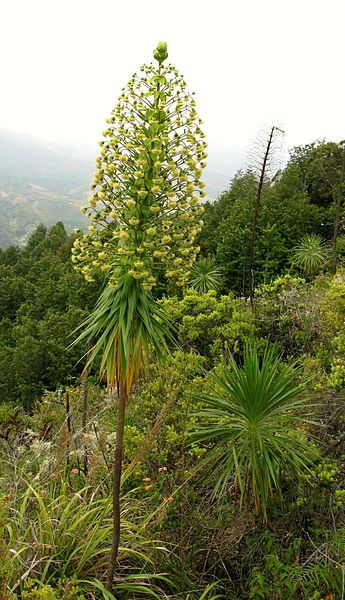
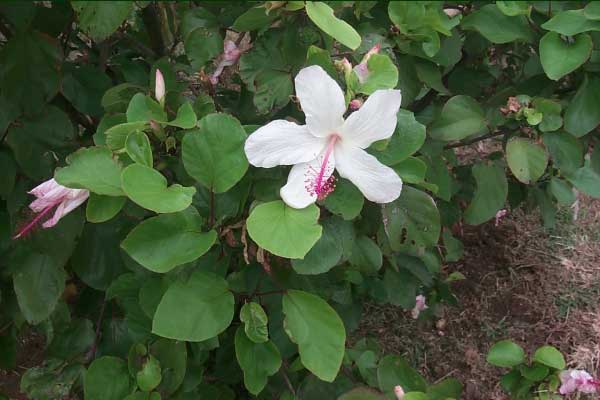
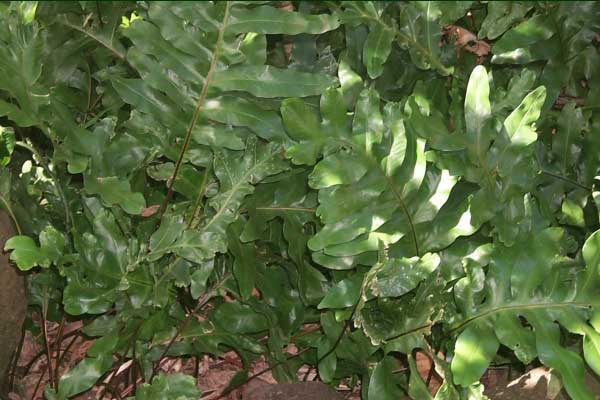
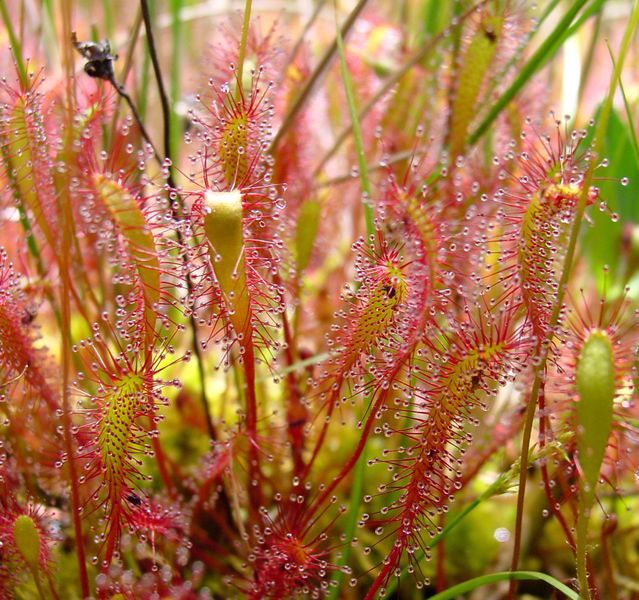
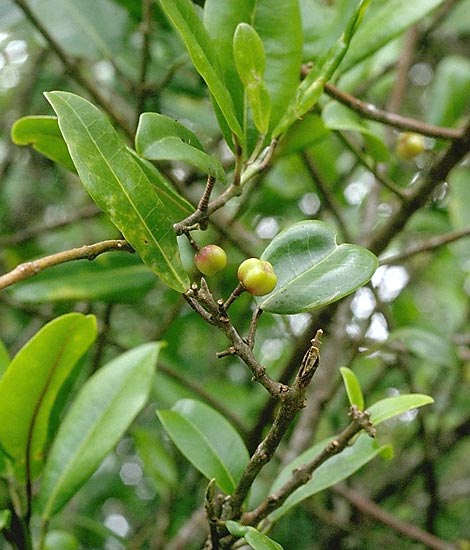
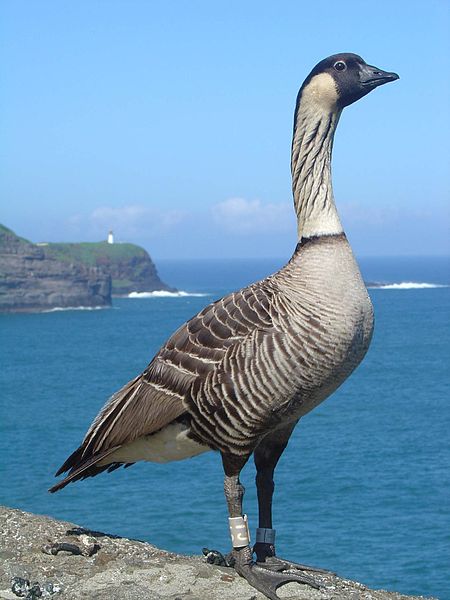
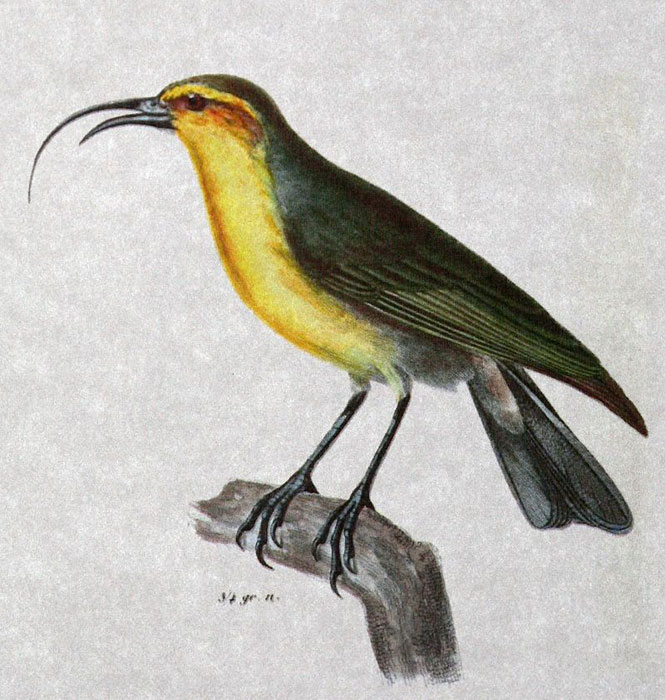
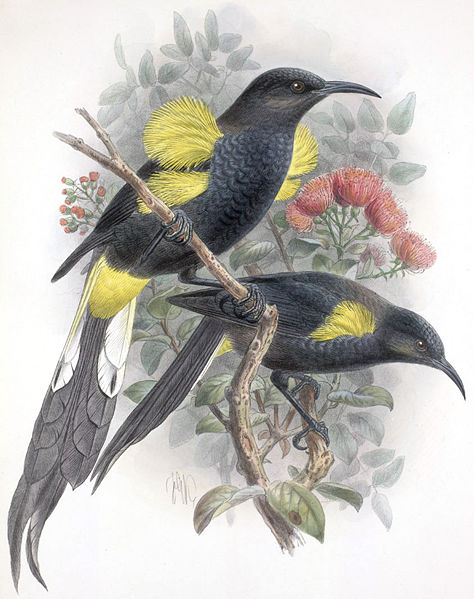
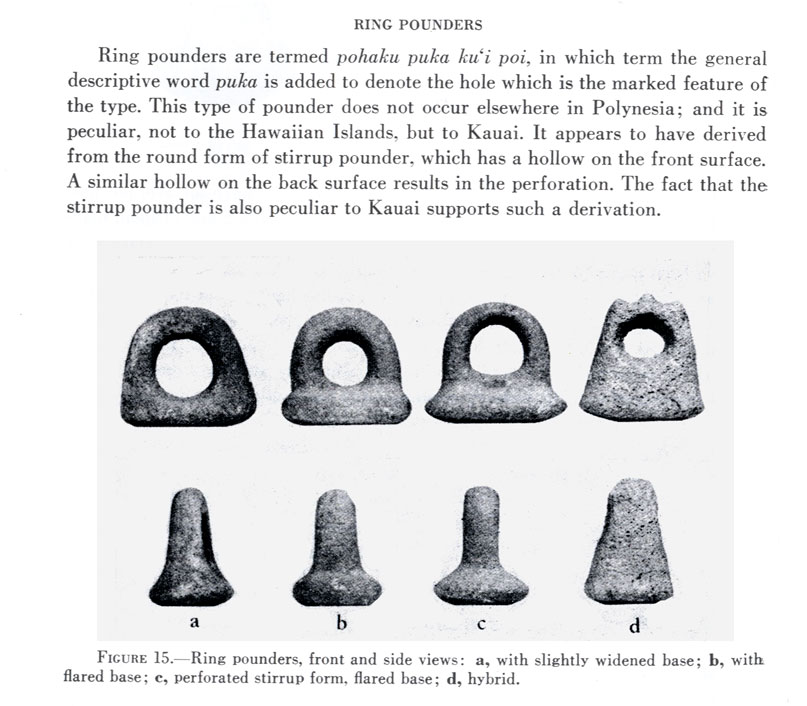
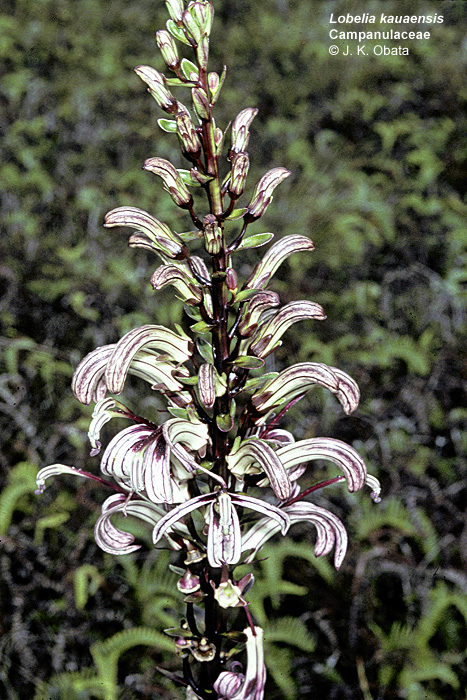
Oʻahu 121ʻāhewa₃ [ʻā·hewa]. n. Oʻahu name for the mānā fern. ʻĀhiu₂ [ʻā·hiu]. n. name of a wind common in the mountains of Kahana, Oʻahu and by the sea. I aloha aʻe au i ka ʻĀhiu o Kahana.I greet the Wild Wind of Kahana. ahu. nvs. ahu ʻenaʻenaa red-hot heap [an oven] ahu ilia large inheritance or transfer [said of reward, vengeance] Ahu ka ʻalaʻala!A heap of squid ink! Not worth much! (ON 13) Ahu ka pula!A heap of excreta! [hence worthless; sometimes shortened to ahu only or to e ahu ana] Ahu kupanaha iā Hawaiʻi ʻimi loa.A mass of wondrous things in deep-delving Hawaiʻi. (Kep. 143) E hoʻāhu ana i ka huhū maluna o kēlā poʻe.Heaping up anger against those people. hale hoʻāhustorehouse, warehouse hoʻāhuto pile, gather, accumulate, heap up; to lay away, as goods for the future; collect; collection, mound. Fig., to resent, dislike ʻakepeuʻie [ʻake·peuʻie]. n. Oʻahu ʻākepa (honey eater), Loxops coccinea rufa, presumed extinct; Maui ʻākepa, L. c. ochracea, endangered.
ʻalaneo₄ [ʻala·neo]. n. name of a class of 12 male supernatural beings called papa pae māhū, said to be hermaphrodite healers from Kahiki. One at least was according to legend turned to stone and has been moved to Kuhiō Park, Waīkīkī, Oʻahu. see Paemāhū (in Pukui, Elbert and Mookini, 1974). alani₂. an Oʻahu tree (Pelea sandwicensis or P. oahuensis), with oblong, fragrant leaves (like the mokihana of Kauaʻi), which were used for scenting tapa. The bark was used for medicine. Also other species of Pelea. PPN *alani. ʻalauahio [ʻalaua·hio]. n. endemic Hawaiian honey creepers (Loxops maculata), Oʻahu creeper (L. m. maculata), endangered; Lānaʻi creeper (L. m. montana), presumed extinct; Maui creeper (L. m. newtoni); Hawaiʻi creeper (L. m. mana), endangered. ʻamakihi [ʻama·kihi]. n. a group of small endemic Hawaiian honey creepers, Loxops virens; abundant on Hawaiʻi (L. v. v.), Maui (L. v. wilsoni), and Kauaʻi, uncommon on Oʻahu (L. v. chloris) and Molokaʻi, rare on Lānaʻi. The feathers are yellow and greenish, and were formerly used in feather capes. The Kauaʻi form was also called alawī kihi. ʻamakihi ʻawaʻawasour ʻamakihi [person with a sour disposition] ʻāmaui [ʻā·maui]. n. Oʻahu thrush (Phaeornis obscurus oahuensis), dusky, olive-brown above, ashy-gray beneath, endemic, presumed extinct, with subspecies on Hawaiʻi (ʻōmaʻo₃), Lānaʻi (olomaʻo), Molokaʻi (olomaʻo), and Kauaʻi. ʻĀpuakea [ʻā·pua-kea]. n. rain name associated with Koʻolau Poko, Oʻahu, said to be named for a beautiful woman, ʻĀpuakea, changed to rain by the goddess Hiʻiaka. See song, (EM 60,61). ʻaumakua₁ [ʻau·makua]. nvt. family or personal gods, deified ancestors who might assume the shape of sharks (all islands except Kauaʻi), owls (as at Mānoa, O'ahu and Kaʻū and Puna, Hawaiʻi), hawks (Hawaiʻi), ʻelepaio, ʻiwi, mudhens, octopuses, eels, mice, rats, dogs, caterpillars, rocks, cowries, clouds, or plants. A symbiotic relationship existed; mortals did not harm or eat ʻaumākua (they fed sharks), and ʻaumākua warned and reprimanded mortals in dreams, visions, and calls. (HM, pp. 124–43, 559); (Nānā 38) fig.., a trustworthy person. (Probably lit.., ʻau₄, group, + makua, parent) see pulapula₂. [(NP) PPN *kau-matua, elderly man: *kauma(a)tu(q)a] hōʻaumakuato acquire or contact ʻaumākua
Ua ʻelepaio ʻia ka waʻa.The canoe is [marked] by the ʻelepaio. (ON 2777) ʻewaʻewa₁. redup. of ʻewa₁, crooked, out of shape, imperfect, ill-fitting. fig., incorrect, unjust...; irregular, biased, unequal, unjust. ʻAʻole anei ʻewaʻewa ʻole koʻu mau ʻaoʻao? ʻAʻole anei ʻo kō ʻoukou mau ʻaoʻao ka i ʻewaʻewa?Is not my way just? Are not your ways unjust? (Ezek. 18.25) Hoʻokō au ia kauoha me ka ʻewaʻewa ʻole.I carried out this instruction without a flaw. (Kel. 125) maka ʻewaʻewa ʻialooked at with disfavor, eyed askance Oʻahu maka ʻewaʻewa.Oʻahu with indifferent eyes [a term of reproach to Oʻahu people, said to have been said by Hiʻiaka when her Oʻahu relatives refused to help her mend a canoe for a journey to Kauaʻi]. (ON 2354) puʻuwai pana ʻewaʻewacardiac arrythmia haʻanipo [haʻa·nipo]. var. of hoʻonipo. Na ka ua Kuahine o Waʻahila e noho haʻanipo lā i ka wao.By the Kuahine rain of Waʻahila [Mānoa, Oʻahu] that dwells in love with the uplands. (chant) Hāʻao₂. n. name of a rain at ʻAuʻaulele, Kaʻū and at Nuʻuanu, Oʻahu, so called because its showers follow one another like members of a chief's retinue. Hāʻena₂. place names on Hawaiʻi, Kauaʻi, and Oʻahu. hale kāpiʻo [hale kā·piʻo]. n. lean-to shelter; house without walls. This name may be qualified by the terms ʻalaneo, auolo, hālau, kāmala, kele, kōlea, Oʻahu a Lua. (Kam. 76:123) hāluʻa₄ [hā·luʻa]. vs. empty, as the stomach. Oʻahu. hoehaʻa [hoe·haʻa]. Hoehaʻa nohoʻi ua Oʻahu maka ʻewaʻewa.Unreliable are the Oʻahu people who avert the eyes. hōlio₁ [hō·lio]. n. two species of small, rare, endemic trees (Cryptocarya) in the laurel family, found only on Kauaʻi and Oʻahu. (Neal 361) Hōliʻo₂ [hō·liʻo]. n. rain name associated with Hawaiʻi and Oʻahu. ʻihiʻihi₂. an unknown plant formerly growing at ʻIhiʻihilauākea [ʻIhiʻihi-lau-ākea], the western side of Hanauma Bay, Oʻahu. Ihuanu [Ihu-anu]. n. name of a wind blowing down from the uplands of Kawela, Oʻahu. lit., cold nose. ʻiʻiwi₂. n. same as the honey creeper called ʻakialoa on Oʻahu (Hemignathus obscurus ellisianus).
Ola nō i ka pua o ka ʻilima.There is healing in the ʻilima blossoms [reference to its medicinal use]. (ON 2489) ʻilima koli kukui. a rare ʻilima with bronze-red flowers, domesticated on Oʻahu. lit., kukui candle ʻilima. also kolikukui. (Neal 553) kaʻānaniʻau [kaʻā·naniʻau]. same as ahupuaʻa, the altar marking the land division. Oʻahu. rare. Kāʻeleloli [Kāʻele-loli]. n. name of a rain at Makiki, Oʻahu. Kaiāulu₂ [kai·ā·ulu]. n. name of a pleasant, gentle trade-wind breeze, famous in song, at Waiʻanae, Oʻahu. also Puakaiāulu. ʻOluʻolu i ka pā a ke Kaiāulu.Cool with the touch of the Kaiāulu. (song) kamapuaʻa₂. n. a straggling native shrub (Hedyotis fluviatilis var. kamapuaana), found in Punaluʻu Valley, Oʻahu, where the pig god stole chickens. (FS 197) kameleona [kame·leona]. n. chameleon (RSV), mole (KJV). (Oihk. 11.30) Jackson's chameleon (Chamaeleo jacksoni) has been noted on Oʻahu since 1972, the green anole lizard (Anolis carolinensis porcatus) since, 1950; this is also commonly called chameleon. (McKeown 28–33). see ex. kohu₁, (resemblance, appearance...) Eng. kāne₅. n. name given at ʻEwa, Oʻahu, for the Tahitian banana known as polapola and hēʻī. kāneʻohe. n. a variety of sweet potato, named for the place on windward Oʻahu. The name may be qualified by the colors keʻokeʻo and ʻulaʻula. kapauʻu [kapa·uʻu]. vs. splashing, spattering, as fish being driven into a net; fluttering, flapping. fig., agitated, worried, disturbed (formerly said mostly on Kauaʻi and Oʻahu). cf. kāpeku. Ua kapauʻu ka lani.The high chief is greatly disturbed. kāpuhi [kā·puhi]. n. master of an animal; nurse or caretaker of a child; provider in general (named from the Oʻahu custom of taming and feeding a particular eel [puhi] in the sea). [(CE) PPN *tapuhi, to nurse, tend] hoʻokāpuhisame as kāpuhi; to feed an eel; to nurse or care for a child or person. Fig., clever, smart Mai puni mai nā hoʻokāpuhi.Don't be taken in by smart, wily folk. Kauhumākaʻikaʻi [ka-uhu-mā·kaʻi·kaʻi]. n. a lua fighting stroke. Uhumākaʻikaʻi was the name of the giant uhu fish that dragged Kawelo for two days in his canoe from Waiʻanae to Niʻihau and back to Waiʻanae. also Uhumākaʻikaʻi. (FS 42–49)
kaulu₃. all species of an endemic genus (Pteralyxia), small trees related to maile, found only on Oʻahu and Kauaʻi, resembling hōeli (Ochrosia) with its shiny, oblong leaves. Fruits are paired, red, ovoid, and each contains one large winged seed. (Neal 684) kau poʻohiwi [kau poʻo·hiwi]. nvt. anything placed on the shoulder, as a cloak or musket; to place on the shoulders, to shoulder. Hanohano Oʻahu i ka ʻilima, kohu manu ʻōʻō kau poʻohiwi.Glorious is Oʻahu with the ʻilima, like a [cape of] ʻōʻō [feathers] on the shoulders.
Kēhau₂ [kē·hau]. n. name of a gentle land breeze, as of West Hawaiʻi; Kapaʻa, Kauaʻi; Kula, Maui; Hālawa, Molokaʻi and Oʻahu. (For. 5:97) Kiliua. n. wind associated with Waikāne, Oʻahu. (Nak. 57) Kiʻowao [Kiʻo-wao]. n. cool mountain rain accompanied by wind and fog, sometimes associated with Alakaʻi swamp on Mt. Waiʻaleʻale, Kauaʻi, as well as Nūʻuanu Valley, Oʻahu. see chant, kohāhā. kipi₄. n. Oʻahu name for the ʻakialoa bird. koʻa₁. nvs. coral, coral head. also ʻākoʻakoʻa. [PPN *toka, rock, as a submerged rock or reef] Ke koʻa mokumoku o Heʻeia.The broken coral beds of Heʻeia [an expression used in songs and chants referring to Heʻeia, Oʻahu].
koni loa. vi. to persist, keep on. Koni loa maila kona holo ʻana ā loaʻa Oʻahu.He kept on sailing until coming to Oʻahu. (Kep. 77) Kuahine₂ [kua·hine]. n. (more commonly Tuahine). Name of a misty rain famous in Mānoa, Oʻahu, named for Kuahine, who turned to rain after the murder of her daughter, Ka-hala-o-Puna; the rain is also in other localities. see ex. haʻalulu, haʻanipo. Kuehu Lepo. n. name of a wind of Nāālehu, Kaʻū (For. 5:93) and Oʻahu (Nak. 56). lit., dust scatterer. ʻO Kaʻū i ka makani, ka makani Kuehu Lepo.Kaʻū in the wind, the dust-raising wind. (song) Kumumaʻomaʻo [kumu-maʻo·maʻo]. n. easterly wind at Kaluakoʻi, Molokaʻi and Kamaile, Oʻahu. (Nak. 57 and 70) Lāʻie₂. n. place name, windward Oʻahu. Mormon Temple and Brigham Young University-Hawaiʻi site. Lanakila₂ [lana·kila]. n. wind, Hauʻula, Oʻahu. (Nak. 57) lehua ʻāhihi [lehua ʻā·hihi]. n. a variety of lehua (Metrosideros tremuloides), noted in songs and chants of Nuʻuanu Valley, Oʻahu. also ʻāhihi.
lei ʻōpuʻu [lei ʻō·puʻu]. n. whale-tooth pendant that tapers down to a point, rather than being hook-shaped, as the lei palaoa; especially worn by Oʻahu chiefs. lit., bud lei. Līlīlehua [lī·lī-lehua]. n. name of a wind and rain, famous at Pālolo, Oʻahu, and Waiehu, Maui. lit., lehua chill. līpahapaha [lī·paha·paha]. n. a general term for sea lettuce (Ulva fasciata and Monostroma oxyspermum), common green seaweeds with delicate broad blades, usually with wavy margins. Eaten as a minor element mixed with other tastier seaweeds. Also ʻīliohaʻa, līpaha, līpālahalaha, pahapaha (probably restricted to Kauaʻi), pakaiea (restricted to Hawaiʻi), and pālahalaha (Maui, Molokaʻi, and Oʻahu). Lō₄. n. a line of Oʻahu chiefs. (Kam. 64:5) lonomea [lono·mea]. n. a native tree (Sapindus oahuensis), to 10 m high, with ovate leaves 10 by 20 and 5 by 13 cm; it is found only on Oʻahu and Kauaʻi. Kauaʻi. On Oʻahu it is called kaulu. also āulu₅. (Neal 533–4) lua₆. n. a type of dangerous hand-to-hand fighting in which the, fighters broke bones, dislocated bones at the joints, and inflicted severe pain by pressing on nerve centers. There was much leaping, and (rarely) quick turns of spears. Many of the techniques were secret. Lua holds were named (see fight). Lua experts were bodyguards to chiefs. see Oʻahu. also kuʻi a lua. maʻauʻauā, maʻauʻauwā. nvt. peddler, merchant; to sell, trade; to seige (GP 64). (an Oʻahu term. (Kam. 76:123) despised such people) Māhoe Hope₂ [mā·hoe hope]. month in the old lunar calendar, the eleventh (Hawaiʻi) or seventh (Oʻahu, Kauaʻi). also Hilina Mā: see month. Māhoe Mua₂ [mā·hoe mua]. month in the old lunar calendar, the tenth (Hawaiʻi) or sixth (Oʻahu, Kauaʻi). also Hilina Ehu: see month. maiʻa Kāne. n. an Oʻahu name for maiʻa Polapola. (HP 177) Malanai [mala·nai]. n. name of a gentle breeze associated with Kōloa, Kauaʻi, Hāna, Maui (For. 5:97), and Kailua, Oʻahu. [(CE) PPN *ma-raŋai, south-east quarter and wind] Mālei₂ [mā·lei]. n. legendary fish guardian, Makapuʻu to Hanauma, Oʻahu. Mālualua₂ [mā·lua·lua]. n. north wind, known at Maui, Molokaʻi, and Oʻahu. see ex. pāhili. Malukoʻi [Malu-koʻi]. n. name of a rain associated with Kahaluʻu, Oʻahu. (EM 61) manene₂. n. a kind of small plantain or laukahi (Plantago grayana var. grayana native to Oʻahu and Kauaʻi; P. krajinai native to Kauaʻi). Māunuunu₂ [mā·unuunu]. n. name of a strong, blustering wind associated with Waiʻalae and Puʻuloa, Oʻahu. Mololani₂ [molo·lani]. n. rain associated with Kahaluʻu, Oʻahu. (EM 61); also a wind name. nahawele₁ [naha·wele]. n. a bivalve of the family Isognomonidae. On Oʻahu, the Perna costellata, Atrina sp. nānākuli [nā·nā·kuli]. vi. to look at but not respond when spoken to; to see but pay no attention, ignore. For the Oʻahu place of this name, see Nanakuli. nani Waiʻaleʻale [nani wai-ʻaleʻale]. n. a native violet (Viola kauaensis) found only in high bogs on Kauaʻi and on Oʻahu. The plants are 10 to 20 cm tall, with few broad leaves and one or two white or pale-blue fragrant flowers. lit., Waiʻaleʻale beauty. also kalili, liliwai, pohe hiwa. see waioleka. (Neal 591) Nāpēhā₂ [nā·pē·hā]. name of a pool on Oʻahu over which the chief Kūaliʻi was said to have leaned to drink. nene₂. var. of manene₁, shuddery sensation of fear... PCP *nene. WaiokaneneWater of the cooling sensation. (name of a stream at Waiʻanae, Oʻahu) nīʻau kani. n. a true jew's harp, made of a thin strip of wood, about 10 cm long and 2.5 cm wide, with a coconut midrib (nīʻau) or bamboo strip lashed lenghtwise; played something like the ʻūkēkē. Kamehameha's return from Oʻahu to Hawaiʻi was called ka nīʻau kani because of the sound of the wind rustling the feathers of the many kāhili escorting him. lit., sounding coconut midrib. cf. ʻūkēkē. noho₂. vt. He kānāwai e hoʻonoho ana i aupuni.An act to provide a government. hoʻonohoto take up residence; to install, establish, provide, seat, locate, arrange, pack, regulate, convey, carry, appoint; to place in authority; to set, as type hoʻonoho i ka pākaukauto set a table hoʻonoho iwito set bones; a bone setter hoʻonoho kahuinstallation of a pastor luna nohoincumbent, i.e. the holder of a political office mīkini hoʻonoho hua paʻi palapalalinotype machine noho liketo live in unity, with equal rights noho mālieto keep quiet, remain still noho ʻoluʻoluto live comfortably ʻO ʻOlopana ke aliʻi o ia wā e noho ana ma Oʻahu nei.ʻOlopana was the chief of this time ruling here on Oʻahu. (FS 197) Ua noho ka ʻaha.The court is in session.
Oʻahu. n. name of the most populous of the Hawaiian Islands and the seat of Honolulu. The name has no meaning (see Oʻahu). See saying kau poʻohiwi, and epithets, Oʻahu (English-Hawaiian). ʻoau₁, ʻowau. n. Oʻahu and Maui name for a freshwater ʻoʻopu fish (Eleotris sandwicensis) called ʻōkuhe elsewhere. See ʻōkuhe for other names. The name ʻoau is said to be so called because of a tale: a fisherman caught a lot of these fish, but they disappeared; the fisherman called for them and a voice answered "ʻo au, ʻo au" (it's me, it's me) and the fish turned into lizards and scampered off. ʻohe mauka. n. a small native tree (Tetraplasandra oahuensis), found only on Oʻahu; much like its relative, the ʻoheokai, but having oblong, entire leaflets. lit., upland ʻohe. ʻokipuʻu [ʻoki·puʻu]. n. forest clearing (term noted in Oʻahu land records). ʻōkuhe [ʻō·kuhe]. n. a fresh-water ʻoʻopu (Eleotris sandwicensis), a fish. Called ʻoau on Oʻahu and Maui. also ʻakupa, ʻapohā, kuhe. ʻōlali₄ [ʻō·lali]. n. young stage of hou, a fish. Oʻahu. ʻŌlauniu [ʻŌ-lau-niu]. n. name of a wind (For. 5:93) on Hawaiʻi (Nak. 55) and at Kapālama, Honolulu (Nak. 57). fig., promiscuous. lit., coconut-leaf piercing. one. nvs. sand; sandy; silt; poetic name for land (cf. one hānau). [(AN) PPN *ʻone, sand] hoʻōnepumice; to rub and polish with sand Ke one ʻai aliʻi o Kākuhihewa.The chief-destroying sands of Kākuhihewa [said of O'ahu because of the prophecy made by Kaʻōpulupulu about the death of the Oʻahu chiefs upon the coming of foreigners]. (ON 1772)
pahapaha₃ [paha·paha]. n. Oʻahu name for a kind of stone used for poi pounders. Called makawī on Kauaʻi. Pahelehala [Pahele-hala]. n. wind off Waiʻanae, Oʻahu (PH 161), and associated with Naue, Kauaʻi (For. 5:97). lit., pandanus ensnarement. pahu₃. vt. hoʻopahuto cause to push, etc WaipahuPushing water, said to be named for water that forced its way out of the earth at Waipahu, Oʻahu, said to have been formerly called Waipahū (see pahū). (place name) pahuʻa. nvs. unsuccessful, ineffective, ruined, spoiled; lack of success. hoʻopahuʻato spoil, wreck Ka pahuʻa o ka ʻawa i ke keiki.The lack of effect of the kava on the child. Ua pahuʻa ia mea he "maka ʻewaʻewa."This thing "crooked eyes" doesn't amount to anything. [said insultingly of Oʻahu] Pakaiea₄ [pakai·ea]. n. name of a wind at Waiʻanae, Oʻahu. pāoa [pā·oa]. n. the divining rod by which Pele tested the suitability of areas for excavation on the island of Nihoa, at various places on Oʻahu (Salt Lake, Punchbowl, Diamond Head, Maka-puʻu), and on Maui. Finally she planted the staff at Pana-ʻewa, Hawaiʻi, and it became a tree. (PH x–xii) papapapa [papa·papa]. same as papa₁, flat surface, stratum, layer, level; flat, level... rare. PPN *papapapa. I ka papapapa ka nalu o Oʻahuthe waves of Oʻahu on the flat reefs (chant) pīkake₂ [pī·kake]. n. peacock, peafowl (Pavo cristata), said to have been introduced to Hawaiʻi about 1860. They are wild on Niʻihau and at Waiʻanae, Oʻahu. pīkake wauke [pī·kake wauke]. same as pīkake hohono, a low shrubby plant (Clerodendrum philippinum), from China... Oʻahu. piko kea. n. a native variety of taro widely planted; an important poi taro, especially on Oʻahu, distinguished by whitish piko and by leaf stems light-green with pinkish base. also piko keʻokeʻo. Pōʻaihala [Pōʻai-hala]. n. a rain famous at Kahaluʻu, Oʻahu. lit., surrounding pandanus. pōhai [pō·hai]. nvi. circle, group, as of people, trees (For. 5:287); gathering; to gather about in a circle. also pōʻai. he pōhai aliʻia group or circle of chiefs, people constantly in a chief's circle of companions pōhai ʻulared cloud, as of dust PōhainaniBeauty surrounded. (name of a retirement home, Oʻahu) pōhaku hānau [pō·haku hā·nau]. n. stones at Kūkaniloko, Oʻahu, and Holoholokū, Kauaʻi, against which chiefesses rested as they gave birth, hence called birth stones. He kapu nā pōhaku hānau aliʻi.The royal birth stones are taboo. pōlinalina [pō·lina·lina]. same as pōhinahina₃, a beach shrub Oʻahu. Poʻolipilipi [poʻo-lipi·lipi]. n. a rain associated with Kalihi, Oʻahu, and Hilo, Hawaiʻi . lit., adzelike head, said to be so called because this heavy rain forced the people to spend so much time sleeping that their heads were sharpened as though by an adze. (For. 5:119) puʻa₁. same as hōkiokio, a whistle Oʻahu. Puahiohio₂ [pua·hio·hio]. n. wind, Nuʻuanu, Oʻahu. (Nak. 57) puhia. pas/imp. of puhi₁, ₂, ₃, to burn, set on fire, bake...; to blow, puff; blowhole...; to extract, as water from steam... [(MP) PPN *pusi, to blow air from the mouth] Mehe mea i puhia ā wela e ka papa.Like something burned and heated by the foundation. (chant) WaipuhiaBlown water. (original name for the Upside Down Falls, Oʻahu) pupuhi₁. redup. of
Lālau akula ʻo Kawelo i ke kukui, mama ihola ā pupuhi i ke kai i malino.Kawelo took the candlenut, chewed, and spit [it] into the sea to calm [it]. (FS 39) Pupuhi ka iʻa o ʻUkoʻa.The fish of ʻUkoʻa have vanished [of one who flees; ʻUkoʻa is at Waialua, Oʻahu]. (ON 2752) Pupuhi ka ʻulu o Keʻei.The breadfruit of Keʻei have disappeared [a reference to a legendary stealing of breadfruit at Keʻei, Kona, Hawaiʻi; this may be said of any strange disappearance]. (ON 2753) Pupuhi kukui i ka lani, mālamalama ka honua.Blow out the lights in the heavens, the earth is lighted. (chant for Kamehameha V) pupuhi₂. redup. of puhi₁, to burn Pupuhi kukui a Pāpala-ualight the candle of Pāpala-ua [of Pāpala-ua, Molokaʻi, where there was little sun] Puʻukaʻala [Puʻu-Kaʻala]. n. wind, Mt. Kaʻala, Oʻahu. (Nak. 57) Puʻuokona [Puʻu-o-Kona]. n. wind associated with Kuliʻouʻou, Oʻahu. (Nak. 56) Uamakalaukoa [Ua-ma-ka-lau-koa]. n. name of a rain at Nuʻuanu, Oʻahu. lit., rain amid the koa tree leaves. ʻula₈. n. ghost, spirit. cf. ʻūlāleo. KapuaʻikaʻulaFootprint [of] spirits. (Oʻahu place name) ʻUlalena. n. a reddish-hued rain associated with Haʻikū, Maui, and Mt. Kaʻala, Oʻahu. Also a wind at Piʻiholo, Maui (Nak. 68). Kapu ka luna o Kaʻala i ka ua ʻUlalena.The uplands of Kaʻala mountain are sacred with the red-yellow rain. Ulukou₁. n. site of the Moana Hotel, Waikīkī, Honolulu. Ulumano [Ulu-mano]. n. a strong wind blowing from a given direction in each locality, as a strong southeast wind in Kaʻū and Puna, Hawaiʻi, and at Kāneʻohe, Oʻahu. lit., blowing hard. also ʻAoʻaoa. [(CE) PPN *uru, wind from a westerly quarter] ʻEha i ke kuʻikuʻi a ka Ulumano.Pained by buffets of the Ulumano wind. wai aka. n. water showing a reflection; name of a Nuʻuanu pool. Waikīkī [wai-kī·kī]. n. place name used as a direction marker in Honolulu. lit., spouting water. ma ka ʻaoʻao Waikīkīon the Waikīkī side Waikōloa [Wai-kō-loa]. n. cold wind associated with Mt. Kaʻala, Oʻahu, and the nearby place of the same name. (FS 282) wai puhia. n. wind-blown water or spray, as of a waterfall; name of the "upside-down" waterfall in Nuʻu-anu Valley. |
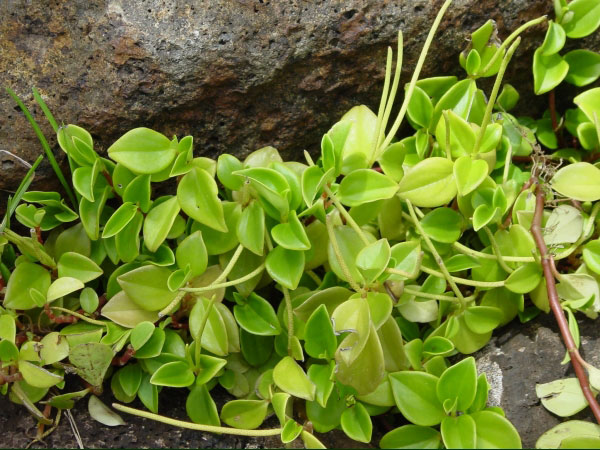
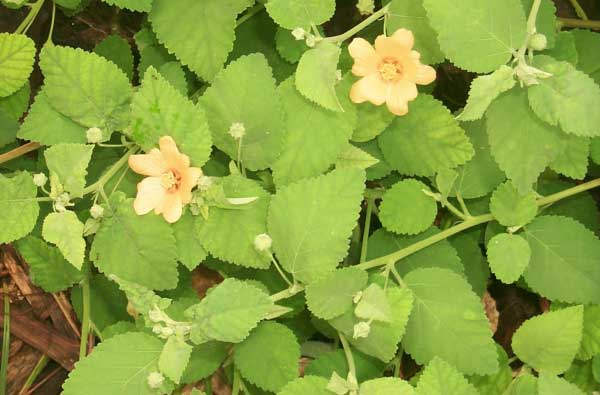
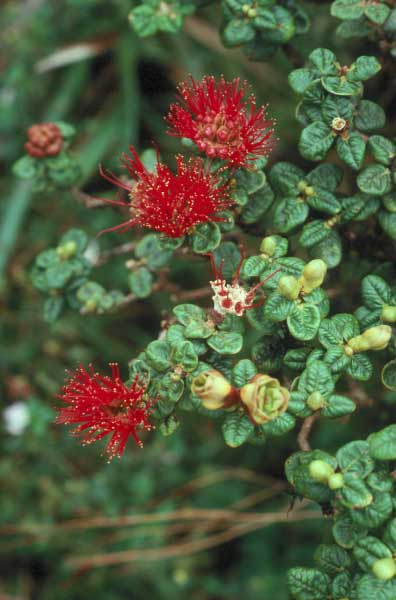
Molokaʻi 87akua hānai₂ [akua hā·nai]. n. the kauila, nīoi₂, and ʻohe "poison" woods of Molokaʻi, which were kept by sorcerers in their houses, wrapped in tapa, and to which food offerings were made daily; scraps of these woods were used as poison, and poison itself was sometimes called akua hānai. Ala hou. n. name of a Molokaʻi wind. (For. 5:103) ʻalo₂. vt. E ʻalo aʻe ʻoe iā mākou ā hiki aku i Molokaʻi.Escort us to Molokaʻi. (FS 267) Kū ana ʻo Mauna Loa, kuahiwi ʻalo ehuehu.Stands Mauna Loa, mountain that resists storms. (song) Kuʻu hoa ʻalo i ke anu.My companion who shared the cold. ālula, ʻalula [ā·lula]. n. an endemic member of the lobelia family (Brighamia spp.), presently known only on Molokaʻi and Kauaʻi, believed extinct on Maui and Niʻihau, an unbranched, succulent, thick-stemmed perennial about 1.5 m high, topped with a rosette of large oval leaves and racemes of long, white, fragrant flowers. also hāhā. see pua ʻala, ʻōlulu. (Neal 815–7) ʻamakihi [ʻama·kihi]. n. a group of small endemic Hawaiian honey creepers, Loxops virens; abundant on Hawaiʻi (L. v. v.), Maui (L. v. wilsoni), and Kauaʻi, uncommon on Oʻahu (L. v. chloris) and Molokaʻi, rare on Lānaʻi. The feathers are yellow and greenish, and were formerly used in feather capes. The Kauaʻi form was also called alawī kihi. ʻamakihi ʻawaʻawasour ʻamakihi [person with a sour disposition] ʻāmaui [ʻā·maui]. n. Oʻahu thrush (Phaeornis obscurus oahuensis), dusky, olive-brown above, ashy-gray beneath, endemic, presumed extinct, with subspecies on Hawaiʻi (ʻōmaʻo₃), Lānaʻi (olomaʻo), Molokaʻi (olomaʻo), and Kauaʻi. ʻEhukai [ʻEhu-kai]. n. name of a wind of Hālawa, Molokaʻi. (For. 5:103) eluehe [elu·ehe]. n. a Molokaʻi name for ʻūlei, a shrub. Hakaʻano₂. wind associated with Hālawa, Molokaʻi. haka moa. "chicken fighting", Makahiki sport, left leg held by left arm, right hand holding opponent's right hand in attempts to unbalance opponent... The Molokaʻi Dispatch, Jan. 30, 2007. hapenūia, Hape Nūʻia [hape·nū·ia]. interj. Happy New Year! Eng. Lānaʻi, Molokaʻi nui a Hina, hape hapenuia.Lānaʻi, great Molokaʻi [child] of Hina, happy, happy New Year. (song) heiau kālua ua [hei·au kā·lua ua]. n. heiau for stopping rain, or (less frequently) for bringing rain. One such heiau named Imukālua-ua (rain-baking oven) was in the Kaunakakai quadrangle, Molokaʻi; a land section in Puna, Hawaiʻi, also has this name. Rain in leaf packages is said to have been baked in an oven. Hikauhi. n. name of the wife of the famous legendary navigator, Pākaʻa and of the coastal area, Molokaʻi, where she lived. She was lost during labor pains and her husband searched vainly for her, hence the saying applied to fruitless endeavors, Hikauhi i Kaumanamana, Hikauhi is at Kaumanamana [another place on Molokaʻi]. [cf slightly different explanation at (ON 1162)] I Hikauhi, i Kaumanamana.Hikauhi is at Kaumanamana. [saying applied to fruitless endeavors] (ON 1162) Hikipua₂ [hiki·pua]. n. wind name associated with Hālawa, Molokaʻi. Hilina Mā. n. same as Māhoe Hope; name of the eleventh month (Molokaʻi) eighth (Kauaʻi), or tenth (Alexander). cf. alanui. [(CE) PPN *firiŋa, a month name] Hina₉. a wife of Wākea and the mother of the island of Molokaʻi, celebrated in the song Molokaʻi Nui a Hina, Great Molokaʻi Child of Hina. Hono-. bay, gulch, valley (as a part of place names such as Honolulu, Honokōhau, Honoliʻi, Honomanu; also in the poetic phrase nā Honō a Piʻilani, the bays beginning with Hono- of Piʻilani [a chief who ruled the bays on Maui, Molokaʻi, and Lānaʻi that were visible from Lahaina]. Hana- occurs similarly as in Hanalei and Hanauma. (Gram. 8.1) [PPN *faŋa, bay (problematic)] Hoʻolua₃ [hoʻo·lua]. name of a strong, north wind associated with Makaiwa, Kauaʻi; Hāna, Maui; and Hālawa, Molokaʻi. At Hālawa the name may be qualified by Iho, Kaʻi, Kele, Pehu, Wahakole see -lua₁. [(CE) PPN *faka-rua, north-east (wind)] hoʻolua nuibig Hoʻolua wind; fig., to talk loudly and to no purpose hui₆. n. flippers of a turtle. Ua loha nā hui o Hāʻupu.The flippers of Hāʻupu droop [an aged person, a reference to the story of Kana and Niheu, in which a turtle lifted up Hāʻupu hill on Molokaʻi]. (ON 2823) hula kuʻi Molokaʻi [hula kuʻi molo·kaʻi]. n. the punch (kuʻi) hula of Molokaʻi, an ancient, fast dance with stamping, heel twisting, thigh slapping, dipping of knees, doubling of fists as in boxing, vigorous gestures imitative of such pursuits as dragging fish nets, and unaccompanied by instruments. This dance originated on Molokaʻi, an island famous for sports. Many of the songs contain taunts, as a laʻa kō kū i ke aʻu, now you are jabbed by the swordfish. cf. hula kuʻi under kuʻi, joined. Iʻaiki [Iʻa-iki]. n. name of a wind at Wailuku, Maui, at Hoʻolehua, Molokaʻi (For. 5:101), and at Hāna, Maui. lit., little fish. Kāʻao₂. n. a favorable Hālawa, Molokaʻi, wind mentioned in (For. 5:123); also associated with Hanamāʻulu, Kauaʻi (For. 5:97). Kaʻele₂. n. name of a wind of Kalelewaʻa, Molokaʻi. (For. 5:101) kākāwahie [kā·kā·wahie]. n. Molokaʻi creeper (Loxops maculata flammea); the male is largely scarlet; the female and the immature male are brown with scarlet markings. lit., wood chopping. also ʻalauahio. kākonakonā [kā·kona·konā]. similar to konā. Kalaʻe peʻe kākonakonā.Kalaʻe hides and avoids contact [said of the timid kauā, outcasts, of Kalaʻe, Molokaʻi]. (ON 1420) kālaipāhoa₁ [kā·lai·pā·hoa]. n. name of three woods (kauila, nīoi, ʻohe) believed to be the tree forms of two male gods (Kāneikaulana-ʻula and Kahuilaokalani) and one goddess (Kapo); the wood was considered deadly poisonous at Mauna Loa, Molokaʻi only; small pieces of the wood and roots were used in black magic. see akua hānai.
Kana₅. a demigod... The stretching demigod born as a rope on Maui. He could stretch from Molokaʻi to Hawaiʻi and wade in the deep sea. His exploits explain gashes, ledges, and footprints on the islands. He restored the sun and, with his brother Nīheu, rescued his mother, Hina, who had been stolen (not, perhaps, against her will) by a Molokaʻi chief. Emerson calls him a god of jugglers. (Malo 227-229, Emerson note). see Kapuaʻiokana. (HM 464-477) kapuaʻilio [kapu·aʻi·lio]. n. a modern Molokaʻi name for the pala fern; the bases of the frond stems suggest a horse's hoof (kapuaʻi lio).
kaupapaloʻi [kau·papa·loʻi]. n. Molokai term for taro patch. Barrère-1969 Kēhau₂ [kē·hau]. n. name of a gentle land breeze, as of West Hawaiʻi; Kapaʻa, Kauaʻi; Kula, Maui; Hālawa, Molokaʻi and Oʻahu. (For. 5:97) Kiliʻoʻopu₂. n. wind associated with Waiheʻe, Maui, and windward Molokaʻi. Koa₄. n. name of a wind at Mālei, Molokaʻi. (For. 5:103) Koipali [Koi-pali]. n. name of a wind associated with Hālawa, Molokaʻi. (For. 5:103) kōkī₁ [kō·kī]. n. extremity, tiptop, topmost; upper limit. Nanikōkīsupremely beautiful [name of ʻUmi's ivory pendant] ʻO ka piʻi nō ia a kōkī o Wailau.Climbed to the very top of Wailau. [i.e., has reached the peak of a career, has made a great achievement; Wailau is a very steep valley on Molokaʻi]. (ON 2434) Koʻopali [koʻo·pali]. n. wind associated with Hālawa, Molokaʻi. kuahinahina [kua·hina·hina]. vs. gray-headed. Molokaʻi. kuapala₄ [kua·pala]. rare var. of kākū, barracuda. Molokaʻi. kuʻi₁. vt. ʻAʻole naʻu ʻoe ā kuʻi, na kēlā wahi keiki …, nāna ʻoe e kuʻi.I won't fight you, that little boy … will fight you. [With a fronted n-word, for emphasis, kuʻi is used as a stative.]. (Laie 387 [30]) hālāwai hoʻokuʻicollision; to collide hoʻokuʻito hit, pound, collide, crash, bump. fig., to hurt the felings hoʻokuʻi i ka manamanastub the toe kuʻi paluto pound, as bait [to give a threshing] Piha kuʻi ka hale.The house is jammed full. kuʻi Molokaʻi [kuʻi molo·kaʻi]. see hula kuʻi Molokaʻi, the punch ( kūkaeʻiwa [kū·kaeʻiwa]. n. a form of gourd having fruit green with white splotches, still grown on Molokaʻi and East Maui. lit., dung of ʻiwabird. see ipu.
He aliʻi no ka malu kukui.A chief of the candlenut shade [chief of uncertain genealogy]. (ON 539) Kumumaʻomaʻo [kumu-maʻo·maʻo]. n. easterly wind at Kaluakoʻi, Molokaʻi and Kamaile, Oʻahu. (Nak. 57 and 70) Laʻikū₂ [laʻi·kū]. name of a wind associated with Hālawa, Molokaʻi. (For. 5:103) Laukamani [Lau-kamani]. n. wind associated with Hālawa, Molokaʻi. lit., kamani leaf. (For. 5:103) Laumaʻomaʻo [lau-maʻo·maʻo]. n. wind, Punakou, Molokaʻi. lit., green leaves. (Nak. 69) laupapa₁ [lau·papa]. n. a broad flat, as of coral, lava, reef. [PPN *lau-papa, broad flat surface] KalaupapaThe broad flat area. (place on Molokaʻi) Līanu [Lī-anu]. n. a wind reported at Hālawa, Molokaʻi. (For. 5:103) līpahapaha [lī·paha·paha]. n. a general term for sea lettuce (Ulva fasciata and Monostroma oxyspermum), common green seaweeds with delicate broad blades, usually with wavy margins. Eaten as a minor element mixed with other tastier seaweeds. Also ʻīliohaʻa, līpaha, līpālahalaha, pahapaha (probably restricted to Kauaʻi), pakaiea (restricted to Hawaiʻi), and pālahalaha (Maui, Molokaʻi, and Oʻahu). loko ʻume iki. n. shore fishpond with lanes leading in and/or out of the pond, used for trapping fish and probably only on Molokaʻi. lit., small pond drawing in. Summers-1964:12–19, 24 hoʻoluaname of a strong, north wind associated with Makaiwa, Kauaʻi; Hāna, Maui; and Hālawa, Molokaʻi. At Hālawa the name may be qualified by Iho, Kaʻi, Kele, Pehu, Wahakole. (Nak. 69) hoʻolua nuibig Hoʻolua wind; fig., to talk loudly and to no purpose mākālei₂ [mā·kā·lei]. n. name of a supernatural tree found on Molokaʻi; portions of its root were placed by the gates of fish ponds, as they were thought to attract fish. mākuʻekuʻe₃ [mā·kuʻe·kuʻe]. same as ʻālinalina, limpet... Molokaʻi. Mālualua₂ [mā·lua·lua]. n. north wind, known at Maui, Molokaʻi, and Oʻahu. see ex. pāhili.
moa paheʻe. Makahiki sport, oblong wooden bats bowled through stakes 5 inches apart. lit. chicken skid. The Molokaʻi Dispatch, Jan. 30, 2007. see moa₅, paheʻe₃. Moaʻula. n. waterfall, Hālawa, Molokaʻi, and wind there. Molokaʻi₁ [molo·kaʻi]. n. name of a Hawaiian island. See song, hapenuia. naʻe₁. loc.n. easterly, windward (used in some localities only, as on Molokaʻi). see aʻe₂, ₄. [(CE) PPN *ŋake, east] Mai naʻe a lalofrom east to west (For. 5:665) naniohilo [nani-o-Hilo]. same as wilelaiki, the Christmas-berry tree... Molokaʻi. nīoi₂ [nī·oi]. a tree (Eugenia sp.). Its wood was said to be poisonous only from trees at Mauna Loa, Molokaʻi. see kālai pāhoa, kauila. [PPN *unuoi, tree sp. (eugenia reinwardtiana)]
ʻOkia₂. n. wind name, Hālawa, Molokaʻi. (For. 5:103) olomaʻo [olo·maʻo]. n. the endangered Lānaʻi thrush (Phaeornis obscura lanaiensis), and Molokaʻi thrush (Phaeornis obscura rutha). [(CE) PPN *koro-mako, bird sp., a honey-eater] oni. vi. to appear, reach out, jut or extend out. Hala aʻe ka lae o Kalāʻau, oni ana Molokaʻi mamua.Passing Kalāʻau Point, Molokaʻi appears ahead. (name chant for Kamehameha V ) oʻo. nvi. matured, ripe, as fruit; of mature age, middle-aged, elderly; to mature, ripen, or grow old; an adult human, maturity (see ex., ʻeʻelekū). cf. oʻo ʻole. [(NP) PPN *oko, to reach maturity; strong] Molokaʻi pule oʻo.Molokaʻi [of the] potent prayers. [fig. reference to Molokaʻi's fame in sorcery]. (ON 2195) pae oʻovarsity, as a league of sports at school
ʻopihi mākuʻekuʻe [ʻopihi mā·kuʻe·kuʻe]. same as ʻopihi ʻālinalina, yellow-meated ʻopihi... Molokaʻi. pāhoa [pā·hoa]. n. short dagger; sharp stone, especially as used for a weapon; Moloka'i name for stick for beating clothes; taboo sign. [(EP) PPN *pa-foa, beat bark-cloth] kūkulu i ka pāhoato set up a taboo sign paʻi kukui. n. a kind of dark tapa cloth dyed with juice from kukui bark, said to be from Hālawa, Molokaʻi (Ii 83). According to (And), a pale yellow tapa made on Molokaʻi. also paʻipaʻi kukui. Pailolo₂ [pai·lolo]. n. name of the channel between Molokaʻi and Maui. Pelekunu₂ [pele·kunu]. n. wet valley, north Molokaʻi. Pākuʻi lua nā pali o Pelekunu.Doubly foul-smelling are the cliffs of Musty. [said of vile-smelling places] saying piula₁. n. mule, donkey (Molokaʻi). pōkū₁ [pō·kū]. same as paukū, section, piece... Molokaʻi. Pua₈. n. a Molokaʻi sorcery goddess... A Molokai sorcery goddess of possession with human and mudhen (ʻalae) forms. It was believed that if an ʻalae flew over a house crying at night, trouble would follow. lit., rising [as smoke] .
pua kala₂. n. a native prickly lobelia (Cyanea solenocalyx), a shrub with large ovate or oblong, prickly leaves and hairy, purple flowers, found in gulches of Molokaʻi. puʻa kiʻo, puʻakiʻo. same as puʻu kiʻo, the urge to evacuate the bowels... Molokaʻi. puʻamimi [puʻa·mimi]. same as puʻu mimi; Molokaʻi. pupuhi₁. redup. of
Lālau akula ʻo Kawelo i ke kukui, mama ihola ā pupuhi i ke kai i malino.Kawelo took the candlenut, chewed, and spit [it] into the sea to calm [it]. (FS 39) Pupuhi ka iʻa o ʻUkoʻa.The fish of ʻUkoʻa have vanished [of one who flees; ʻUkoʻa is at Waialua, Oʻahu]. (ON 2752) Pupuhi ka ʻulu o Keʻei.The breadfruit of Keʻei have disappeared [a reference to a legendary stealing of breadfruit at Keʻei, Kona, Hawaiʻi; this may be said of any strange disappearance]. (ON 2753) Pupuhi kukui i ka lani, mālamalama ka honua.Blow out the lights in the heavens, the earth is lighted. (chant for Kamehameha V) pupuhi₂. redup. of puhi₁, to burn Pupuhi kukui a Pāpala-ualight the candle of Pāpala-ua [of Pāpala-ua, Molokaʻi, where there was little sun] Ualehu₃ [ua·lehu]. n. wind name, Hālawa, Molokaʻi. waianiani [wai·ani·ani]. n. a variety of Molokaʻi sweet potato. Wailau [Wai-lau]. n. place names on Hawaiʻi, Kauaʻi, and Molokaʻi. |
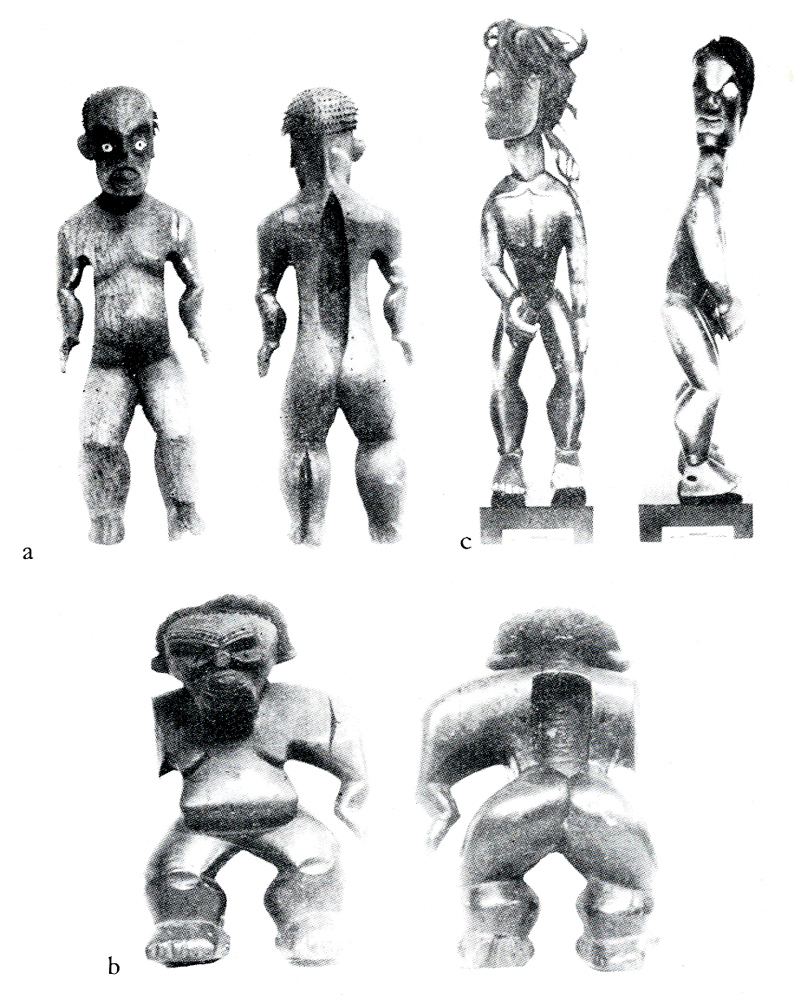
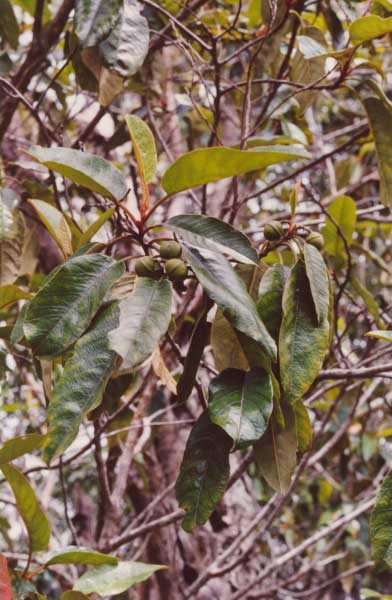
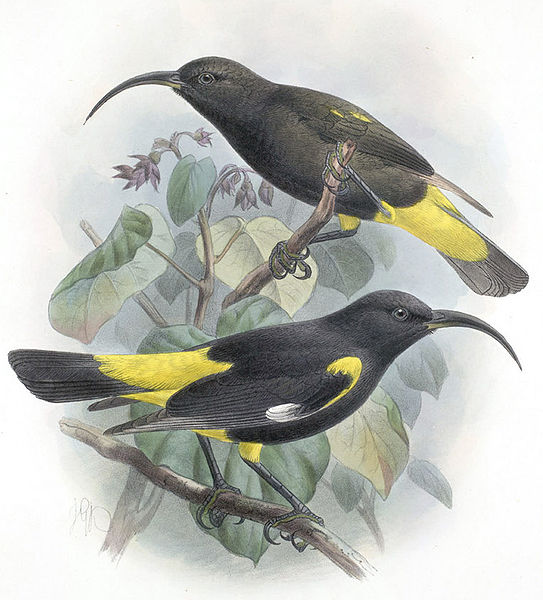
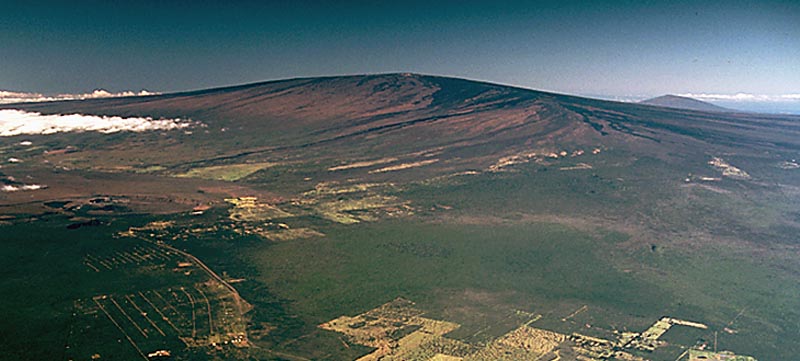
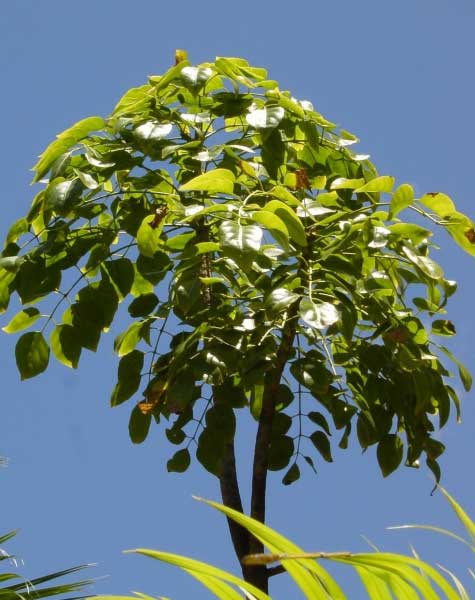
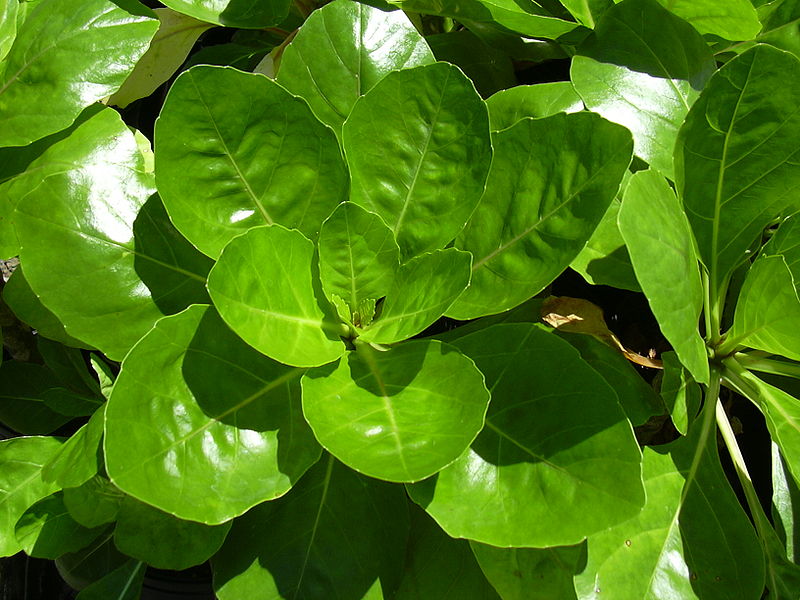
Lanaʻi 18ʻakialoa [ʻakia·loa]. n. a group of Hawaiian honey creepers with long, curved bill, olive or yellow-green above, lighter below (Hemignathus obscurus), with subspecies on Hawaiʻi (H.o.o.), Lānaʻi (H.o. lanaiesis), and Kauaʻi (H. procerus). The latter is endangered; it has the longest curved beak, for sipping honey at the base of ʻieʻie and hala pepe leaves. cf. ʻiwi, ʻiʻiwi. also ʻakihi loa, kipi. ʻalauahio [ʻalaua·hio]. n. endemic Hawaiian honey creepers (Loxops maculata), Oʻahu creeper (L. m. maculata), endangered; Lānaʻi creeper (L. m. montana), presumed extinct; Maui creeper (L. m. newtoni); Hawaiʻi creeper (L. m. mana), endangered. ʻamakihi [ʻama·kihi]. n. a group of small endemic Hawaiian honey creepers, Loxops virens; abundant on Hawaiʻi (L. v. v.), Maui (L. v. wilsoni), and Kauaʻi, uncommon on Oʻahu (L. v. chloris) and Molokaʻi, rare on Lānaʻi. The feathers are yellow and greenish, and were formerly used in feather capes. The Kauaʻi form was also called alawī kihi. ʻamakihi ʻawaʻawasour ʻamakihi [person with a sour disposition] ʻāmaui [ʻā·maui]. n. Oʻahu thrush (Phaeornis obscurus oahuensis), dusky, olive-brown above, ashy-gray beneath, endemic, presumed extinct, with subspecies on Hawaiʻi (ʻōmaʻo₃), Lānaʻi (olomaʻo), Molokaʻi (olomaʻo), and Kauaʻi. hapenūia, Hape Nūʻia [hape·nū·ia]. interj. Happy New Year! Eng. Lānaʻi, Molokaʻi nui a Hina, hape hapenuia.Lānaʻi, great Molokaʻi [child] of Hina, happy, happy New Year. (song) Hono-. bay, gulch, valley (as a part of place names such as Honolulu, Honokōhau, Honoliʻi, Honomanu; also in the poetic phrase nā Honō a Piʻilani, the bays beginning with Hono- of Piʻilani [a chief who ruled the bays on Maui, Molokaʻi, and Lānaʻi that were visible from Lahaina]. Hana- occurs similarly as in Hanalei and Hanauma. (Gram. 8.1) [PPN *faŋa, bay (problematic)]
Hihi kaunaʻoa, hihi Mānā, aloha wale ia lāʻau kumu ʻole.Tangled parasite vine, tangled Mānā, pity for this vine without a trunk [of parasites or helpless folk]. (ON 986) kāwaʻu₄ [kā·waʻu]. same as pūkiawe, black-eyed Susan... Lānaʻi, Maui. Keola. n. patron star of Lānaʻi. lit., the life.
Lānaʻi₁. n. Lānaʻi Island. perhaps lit., day conquest. also Nānaʻi. mānewanewa₄ [mā·newa·newa]. n. name given for a beach grass; used in leis on Lānaʻi. Nānaʻi [nā·naʻi]. var. of Lānaʻi, island name. (For. 6:493) olomaʻo [olo·maʻo]. n. the endangered Lānaʻi thrush (Phaeornis obscura lanaiensis), and Molokaʻi thrush (Phaeornis obscura rutha). [(CE) PPN *koro-mako, bird sp., a honey-eater] pahulu₁. nvs. hoʻopahuluto have a nightmare; nightmare; to haunt; to bring bad luck; unlucky Pō nā maka i ka noe, i ka pahulu i ke ala loa.Eyes blinded by the mist, by the haunts of the long road. (ON 2689) puaʻa₁. n. pig, hog, swine, pork. cf. hula puaʻa, wilipuaʻa, ulepuaʻa. Many references to puaʻa are to Kamapuaʻa and his plant forms (FS 215, 229). (Gram. 2.7) [(OC) PPN *puaka, pig] Iāʻoe ke poʻopuaʻa a kākou.You are in charge of our offering of pig. [lit., pig head]. Moe ka ihu o ka puaʻa.The snout of the pig has been laid down [entire pig sacrifice is offered]. puaʻa ʻimi aliʻia chief-seeking pig [a priest after proper prayers would release a pig, which would then approach a chief that the priest was to serve] (FS 127) puaʻa kāluakālua pig, cooked in imu (NKE) puaʻa nui huelo huluhulugreat pig with hairy tail [a name given to the horse on Lānaʻi] puaʻa nui huelo huluhulu [puaʻa nui huelo hulu·hulu]. n. horse (old name, Lānaʻi). lit., big animal hairy tail. weke pahulu. n. a weke (Upeneus arge) named for a god on Lanaʻi. lit., nightmare weke. Also called weke ahulu and weke pueo. see pahulu₁. |
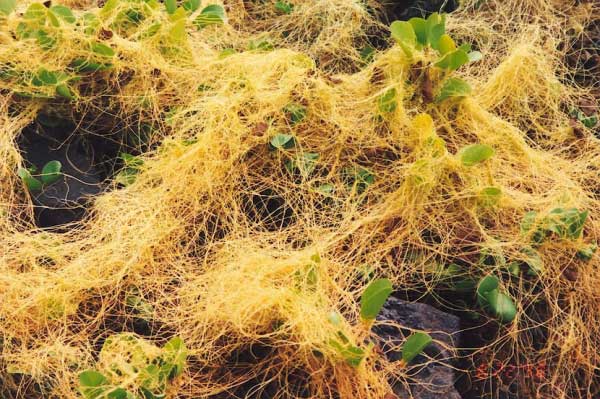
Maui 148ʻaʻalaʻula. velvety-green, succulent-appearing seaweeds, one of several species of Codium. It yields a red liquid when placed in a container overnight with brine, after chopping or pounding. Both the liquid and the seaweed are well liked, being eaten plain or with other food. (KL. line 47) ʻaʻalaʻula is the common name on Kauaʻi and Maui, wāwaeʻiole elsewhere. aʻe₄. directional. upward, sideways, nearby, contiguous, adjoining, next, approaching (often expresses space and time near the addressee). aʻe also commonly expresses the comparative degree: maikaʻi aʻe, better. Followed by nei, aʻe indicates recent past; aʻe + demon. lā is pronounced and written as a single word, aʻela. cf. aku₂. (Gram. 7.2, table 2) [(OC) PPN *hake, upwards] ʻĪ aʻela ʻoia,He said to someone nearby. koʻu mua aʻethe one born just before me [older sibling, the one before me] ʻO āu keiki aʻe kēia.Here come your children. ʻO wai hou aʻe?Who will be the next? Ua hele aʻe nei no Maui,[He] has just gone to Maui. aʻe₆. n. Maui name for maua₂, trees.
ʻAiloli [ʻAi-loli]. n. name of a wind at Kaupō, Maui. lit., sea cucumber food. (For. 5:101) ʻAimaunu [ʻAi-maunu]. n. name of a wind at Hāna, Maui. lit., bait eating. (For. 5:101) ʻakepeuʻie [ʻake·peuʻie]. n. Oʻahu ʻākepa (honey eater), Loxops coccinea rufa, presumed extinct; Maui ʻākepa, L. c. ochracea, endangered. ʻakiʻaki₃. n. a kind of coarse red seaweed (Ahnfeltia concinna) which because of its toughness must be eaten in little bites; a good source of carrageenin, a colloid. Called ʻeleau on Maui. (KL. line 41) ʻAkipohe₃ [ʻaki·pohe]. n. name of a wind of Waiheʻe, Maui. ʻākohekohe [ʻā·kohe·kohe]. n. the crested honey creeper (Palmeria dolei), formerly endemic on Maui, endangered. ʻalauahio [ʻalaua·hio]. n. endemic Hawaiian honey creepers (Loxops maculata), Oʻahu creeper (L. m. maculata), endangered; Lānaʻi creeper (L. m. montana), presumed extinct; Maui creeper (L. m. newtoni); Hawaiʻi creeper (L. m. mana), endangered. ālula, ʻalula [ā·lula]. n. an endemic member of the lobelia family (Brighamia spp.), presently known only on Molokaʻi and Kauaʻi, believed extinct on Maui and Niʻihau, an unbranched, succulent, thick-stemmed perennial about 1.5 m high, topped with a rosette of large oval leaves and racemes of long, white, fragrant flowers. also hāhā. see pua ʻala, ʻōlulu. (Neal 815–7) ʻamakihi [ʻama·kihi]. n. a group of small endemic Hawaiian honey creepers, Loxops virens; abundant on Hawaiʻi (L. v. v.), Maui (L. v. wilsoni), and Kauaʻi, uncommon on Oʻahu (L. v. chloris) and Molokaʻi, rare on Lānaʻi. The feathers are yellow and greenish, and were formerly used in feather capes. The Kauaʻi form was also called alawī kihi. ʻamakihi ʻawaʻawasour ʻamakihi [person with a sour disposition] ē₁. voc. part. a second ē often follows the head word for emphasis. Ē is shortened to e before third-person pronouns: see e ia nei, e lākou ala. PPN *(ʻe)e. Ē ke aliʻi o Maui.O chief of Maui. ʻeleau₂ [ʻele·au]. n. perhaps same as ʻakiʻaki, a seaweed. Maui. ʻeleʻele₂. n. variety of tapa said to have originated at Kaumakani, Maui; it was dyed with candlenut, pāʻihi, and black mud. ʻeleʻele₃. n. long, filamentous, green, edible seaweeds (Enteromorpha prolifera). Some kinds are among the most popular in Hawaiʻi, being eaten raw as condiments at feasts. Called pīpīlani on Maui. ʻeleʻio. nvi. to go after secretly and speedily; agile, spry; the name of a famous runner of Maui. (For. 4:483–7) hā₇. n. a native tree (Eugenia [Syzygium] sandwicensis), with red, edible fruit about 8.5 mm. in diameter, related to the mountain apple, ʻōhiʻa ʻai. The bark was used to color tapa black. also ʻōhiʻa hā, and pāʻihi (on Maui). (Neal 635) haehae₃ [hae·hae]. n. a native variety of taro in the piko group, characterized by having the two basal lobes of the leaf blade separated up to the piko (point of joining with the leaf stem); a hardy taro often grown commercially for poi, formerly common at Kaʻanapali, Maui, where strong winds tore the leaves (hence haehae). also piko uliuli. (HP 29, 32) hāhā nui [hā·hā nui]. n. a native shrubby lobelia (Cyanea horrida), from Maui, with thorny branches and rough, lobed leaves. haʻikū₁ [haʻi·kū]. n. the kāhili flower (Grevillea banksii), so named because first planted near the town of Haʻikū, Maui. Also kāhili, and ʻoka pua ʻulaʻula on Niʻihau. (Neal 321) halāliʻi₂. n. a variety of sugar cane, vigorous, large, of the Lahaina type, perhaps named for Halāliʻi, Niʻihau, where a famous sugar cane once grew in the sand dunes. This cane was used in ceremonies for remission of sins (uku hala, wehe hala). Also pakaiea. See saying, kō₁. Halemauʻu [Hale-mauʻu]. n. name of a Hāna wind. lit., grass house. Hāna₂. n. name of a district and town, East Maui. Hinamālailena [hina-mā·lai·lena]. n. name of a star, said to be the tutelary star of Hāna, Maui. hoeamāui [hoe-a-mā·ui]. n. probably same as ʻēkaha ʻula fern, but according to some it is Elaphoglossum pellucidum, a smaller Elaphoglossum than the ʻēkaha ʻula. lit., Māui's paddle. hōʻiʻo₁. n. a large native fern (Diplazium [Athyrium] arnottii) with subdivided fronds. The young fronds are eaten raw, much liked with raw fresh-water shrimps or with salted salmon. Only Orientals cook this fern. It was formerly sold in the market. It will not grow at low altitudes. cf. pohole, the Maui name. (HP 214), (Neal 25). Hono-. bay, gulch, valley (as a part of place names such as Honolulu, Honokōhau, Honoliʻi, Honomanu; also in the poetic phrase nā Honō a Piʻilani, the bays beginning with Hono- of Piʻilani [a chief who ruled the bays on Maui, Molokaʻi, and Lānaʻi that were visible from Lahaina]. Hana- occurs similarly as in Hanalei and Hanauma. (Gram. 8.1) [PPN *faŋa, bay (problematic)] Hoʻolua₃ [hoʻo·lua]. name of a strong, north wind associated with Makaiwa, Kauaʻi; Hāna, Maui; and Hālawa, Molokaʻi. At Hālawa the name may be qualified by Iho, Kaʻi, Kele, Pehu, Wahakole see -lua₁. [(CE) PPN *faka-rua, north-east (wind)] hoʻolua nuibig Hoʻolua wind; fig., to talk loudly and to no purpose hōwaiaulu [hō·wai-a-ulu]. n. a perennial herb (Lagenophora maviensis), found only in marshy high parts of West Maui. The leaves form a basal rosette, from which rises a stalk bearing a round daisy-like flower head with yellow center and white rays. huʻe. vt. E huʻe mai ʻoe i ke koaiʻe o Makawao.Uproot the koaiʻe tree of Makawao. [a boast and challenge of the native of Makawao, Maui] Huʻe i ke kaona.Reveal the hidden meaning. Ua huʻe ka wai i ke pili.The water flowed out over the pili grass. Hulialopali [huli alo pali]. n. name of a wind at Lahaina, Maui. lit., turn to the face of the cliff. iā₃. part. replacing i₁,₅, and sometimes used before kai, uka, ʻō, neʻi, and after mai; coalescing with aʻu (iaʻu) and joined to ia (iāia), and usually joined to ʻoe (iāʻoe). PEP *iaa. He kua ke ʻano, ʻaʻole e make iāʻoe.A god in nature, not to be killed by you. (FS 205) Iāia nō ā hala, kū ana ke kaʻa.As soon as he had gone, the car came. Iāʻoe ia wahi?Is that your business? Is it any business of yours? Ke nānā ihola iā kai.Looking down to the sea. (Kep. 95) Iʻaiki [Iʻa-iki]. n. name of a wind at Wailuku, Maui, at Hoʻolehua, Molokaʻi (For. 5:101), and at Hāna, Maui. lit., little fish. ʻIao₃. n. valley and peak, West Maui. ʻilihia [ʻili·hia]. n. a kind of haʻiwale (Cyrtandra begoniaefolia), on East Maui, having unequal heart-shaped leaves. ʻImihau [ʻImi-hau]. n. name of a stormy wind at Lahaina, Maui. lit., dew seeker. ʻiwa puakea [ʻiwa pua·kea]. same as mānā₂, a fern. Maui. Kahiki₃. n. a variety of banana, common wild on Maui. Kinds are kahiki hae, kahiki mauki, and kahiki puhi. Kahiki Nui. n. name of a district or ahupuaʻa on Maui. lit., great Tahiti. (Malo 6) PEP *Tafiti Nui. Kana₅. a demigod... The stretching demigod born as a rope on Maui. He could stretch from Molokaʻi to Hawaiʻi and wade in the deep sea. His exploits explain gashes, ledges, and footprints on the islands. He restored the sun and, with his brother Nīheu, rescued his mother, Hina, who had been stolen (not, perhaps, against her will) by a Molokaʻi chief. Emerson calls him a god of jugglers. (Malo 227-229, Emerson note). see Kapuaʻiokana. (HM 464-477) Kaomi₂. n. northeast trade wind in some localities, as at Hāna, Maui. Kāpae₂ [kā·pae]. n. name of a trade wind at Hāna, Maui, and at Puna, Hawaiʻi. (PH 202) kāpaʻi₁ [kā·paʻi]. vt. Kauaʻula₁ [Ka-ua-ʻula]. n. a strong mountain wind, often destructive, at Lahaina, Maui. lit., the red rain [referring to red soil washed away by a storm]. Ke kukui pio ʻole i ke Kauaʻula.The light not extinguished by Kauaʻula [in praise of Lahaina Luna school].
Kaʻula₂. n. name of a wind associated with Pōhakuloa, Maui. (For. 5:101) kaupō [kau·pō]. n. a variety of native bananas, perhaps named for the place on Maui. also waimūhea. kāwaʻu₄ [kā·waʻu]. same as pūkiawe, black-eyed Susan... Lānaʻi, Maui. kāwaʻu₅ [kā·waʻu]. same as uhiuhi, a tree. Maui. Kēhau₂ [kē·hau]. n. name of a gentle land breeze, as of West Hawaiʻi; Kapaʻa, Kauaʻi; Kula, Maui; Hālawa, Molokaʻi and Oʻahu. (For. 5:97) kilakila [kila·kila]. vs. majestic, tall, strong, imposing; having poise that commands admiration. Kilakila Haleakalā, kuahiwi nani o Maui.Majestic Haleakalā, beautiful mountain of Maui. (song) Kiliʻoʻopu₂. n. wind associated with Waiheʻe, Maui, and windward Molokaʻi. Koholā Lele [koho·lā lele]. n. name of a wind blowing from east to west, associated with Hāmākua, Hawaiʻi, and Hāna, Maui. Also Kiu and Koholā Pehu (also of Kī-pahulu, Maui, (Nak. 68)). lit., leaping whale. Kololio₂ [kolo·lio]. n. wind associated with Moloaʻa, Kauaʻi (For. 5:97) and Kīpahulu, Maui (Nak. 68). kūkaeʻiwa [kū·kaeʻiwa]. n. a form of gourd having fruit green with white splotches, still grown on Molokaʻi and East Maui. lit., dung of ʻiwabird. see ipu. kuleana puka [kule·ana puka]. n. dividends. (Will 129, island of Maui, State Archives, 1856.) Kūlōlio [kū·lō·lio]. n. name of a wind at Hāmākua, Maui. (Probably a contraction of kū kololio, gusty state.) lani haʻahaʻa [lani haʻa·haʻa]. n.v. low sky, of the low sky, a poetic reference to Hāna, Maui, and its rains. lanikeha [lani-keha]. n. legendary part of heaven; frequent name for residences of high chiefs, as that of Kamehameha III at Lahaina, Maui. lit., lofty heaven. (Malo 104) Lanipaʻina. n. a rain known at ʻUlupalakua, Maui. Lauʻawaʻawa, Lauʻawa. n. a gentle wind and rain associated with Hāna, Maui. Laukōwai [lau·kō-wai]. n. wind associated with Maui. lit., water dragnet. (For. 5:101) Lēhei₂ [lē·hei]. n. a rain associated with Makawao, Maui. lēʻī. vs. crowded, full. Also lēʻiwi. see ʻī₂, ipu lēʻī, lēʻia, mōʻī, pua lēʻī. Lēʻī Kohala, eia i ka nuku nā kānaka.Kohala is crowded to the very mouth with people. [a saying referring to the astonishment of Maui invaders of Kohala, Hawaiʻi, who, contrary to, the report of their intelligence, found Kohala crowded with people; said of crowds of people anywhere]. (ON 1973, FS 185) Lena₆. n. name of a yellow-tinted rain famous at Hanalei, Kauaʻi, and on Maui. lilikoʻi [lili·koʻi]. n. passion fruit, purple water lemon, or purple granadilla (Passiflora edulis), an American vine with three-lobed leaves and edible dull-purple fruits about 5 cm long, growing wild in many forests of Hawaiʻi; said to be named after Lilikoʻi, Maui, where it was first grown. The yellow-fruited lilikoʻi (P. edulis f. flavicarpa), is similar but has yellow, better-tasting fruits; it is grown commercially in the Hawaiian Islands and used for desserts and beverages. (Neal 599) Līlīlehua [lī·lī-lehua]. n. name of a wind and rain, famous at Pālolo, Oʻahu, and Waiehu, Maui. lit., lehua chill. liliwai [lili·wai]. n. a small native herb (Acaena exigua), growing in bogs, only on top of West Maui and Kauaʻi, the narrow, fernlike leaves forming a rosette. also nani Waiʻaleʻale. limumakeohāna. n. a coelenterate (Palythoa sp.) containing a toxin, reported as deadly poisonous at Hāna, Maui. Also limumakeo Muʻolea. limu paʻakai [limu paʻa·kai]. n. limu salted for indefinite storage without refrigeration. On Maui, usually limu līpoa. see līpaʻakai. līpahapaha [lī·paha·paha]. n. a general term for sea lettuce (Ulva fasciata and Monostroma oxyspermum), common green seaweeds with delicate broad blades, usually with wavy margins. Eaten as a minor element mixed with other tastier seaweeds. Also ʻīliohaʻa, līpaha, līpālahalaha, pahapaha (probably restricted to Kauaʻi), pakaiea (restricted to Hawaiʻi), and pālahalaha (Maui, Molokaʻi, and Oʻahu). līpaheʻe₁ [lī·paheʻe]. same as pāheʻeheʻe, a seaweed Called līpāhoe on Maui. līpāhoe [lī·pā·hoe]. same as līpaheʻe₁, a seaweed Maui. liʻuliʻu [liʻu·liʻu]. redup. of liʻu₁, slow, tardy...; to pass much time; to spend much time. ʻAʻole i liʻuliʻu ma Maui.Did not spend much time at Maui. E kali iho a liʻuliʻu.Wait a while. hoʻoliʻuliʻuto cause a delay, prolong, procrastinate Liʻuliʻu aku mahope.A great while to come. (2-Sam. 7.19) Liʻuliʻu nō nā lā i ua ai.It rained many days. loke lani, lokelani. n. the common small red rose. It has been substituted for the pink rose, now rare, as the flower of Maui. (Neal 394) hoʻoluaname of a strong, north wind associated with Makaiwa, Kauaʻi; Hāna, Maui; and Hālawa, Molokaʻi. At Hālawa the name may be qualified by Iho, Kaʻi, Kele, Pehu, Wahakole. (Nak. 69) hoʻolua nuibig Hoʻolua wind; fig., to talk loudly and to no purpose Maʻaʻa. n. name of a famous wind associated with Lahaina, Maui. also ʻA ʻa. see ex. waianuhea. mahoʻa. vs. thick, as a cloud. Maui. mai₂. prep. from. also mai … mai. see ex. māhunehune. (Gram. 9.8) PPN *m(a,e)i. Mai hea mai ʻoe?Where did you come from? Mai Hilo mai ka lei.The lei is from Hilo. Mai ʻō ā ō.From there to there; from one point to another, everywhere. maiʻa akua. n. Maui name for maiʻa Polapola. lit., god banana. (HP 177) maiʻa kahiki. n. a variety of banana growing wild on Maui, rarely cultivated. The trunk is tall; the fruit long, skin yellow, flesh white and edible only when cooked. lit., foreign or Tahitian banana. (HP 175) mākila [mā·kila]. nvt. Maui name for mānai, needle; to string, as leis. Malanai [mala·nai]. n. name of a gentle breeze associated with Kōloa, Kauaʻi, Hāna, Maui (For. 5:97), and Kailua, Oʻahu. [(CE) PPN *ma-raŋai, south-east quarter and wind] Mālualua₂ [mā·lua·lua]. n. north wind, known at Maui, Molokaʻi, and Oʻahu. see ex. pāhili. mānai [mā·nai]. nvt. needle for stringing leis, formerly of coconut midrib, now of wire; to string leis. Also called hānai on Hawaiʻi, mākila on Maui, and mōkila on Kauaʻi. Mānai pua ana kākou.We are stringing flowers. mauʻu lāʻili₁. n. a native iris (Sisyrinchium acre), with long grasslike leaves and small yellow flowers, found on Maui and Hawaiʻi between altitudes of 1,000 and 2,000 m. (Neal 232–3) It grows in the Kīlauea Volcano region, and formerly the sap was used to stain the skin so that travelers could prove to others at home that they had been to the volcano. also mauʻu hōʻula ʻili. nāʻeleʻele [nā·ʻele·ʻele]. n. weed. Maui. Nahua₂. n. wind associated with Kāʻanapali, Maui. (Nak. 68) Nahua [na·hu·a]. s. The name of a wind which often blows at Kaanapali. nahua [na·hu·a]. The fine rain with the north-east trade winds on the northern part of Maui. Nāulu₂ [nā·ulu]. n. sea breeze at Kawaihae, Hawaiʻi; Waimea, Kauaʻi; and Kanaloa, Maui. (UL 100)
nēnē ʻau kai, nēnēʻau kai [nē·nē ʻau kai]. n. sea gull, rarely seen, so named because of its resemblance to the Hawaiian goose, nēnē. lit., sea-travelling goose. Na ka Pueokahi ke aloha, nēnē ʻau kai o Maui.Greeting to the Pueokahi [ship], seafaring gull of Maui. (song) nō ka ʻoi, no ka ʻoi. this common sequence can only follow nouns, as in: see ʻoi₂. Maui nō ka ʻoi.Maui indeed is the best. (ON 2144) Nōweoʻula [nō·weo-ʻula]. n. rain name associated with Nāpili, West Maui.
oʻa₃. n. Maui name for kauila (Colubrina oppositifolia), a tree. (Neal 541) ʻoau₁, ʻowau. n. Oʻahu and Maui name for a freshwater ʻoʻopu fish (Eleotris sandwicensis) called ʻōkuhe elsewhere. See ʻōkuhe for other names. The name ʻoau is said to be so called because of a tale: a fisherman caught a lot of these fish, but they disappeared; the fisherman called for them and a voice answered "ʻo au, ʻo au" (it's me, it's me) and the fish turned into lizards and scampered off. ohaʻohaʻo [ohaʻo·haʻo]. n. a fresh-water alga reported on Maui. ʻōhelo papa [ʻō·helo papa]. n. a native strawberry (Fragaria chiloensis var. sandwicensis) growing on Hawaiʻi and Maui between altitudes of 1,050 and 1,800 m, and closely related to varieties from Alaska and Patagonia. The whole plant, except the upper side of the leaves, is silky-hairy. Fruits ripen from June to September, and are red. Other cultivated species and varieties, with larger fruits, are grown in Hawaiʻi. (Neal 393)
ʻoi₂. nvs. best, superior, superb, main, prominent, exceeding; to exceed, excel; left-over, extra, remaining, above, odd. hola ʻelua ā ʻoitwo o'clock or a little after hōʻoito excel; best Maui nō ka ʻoi.Maui indeed is the best. [Note that nō in this sentence qualifies Maui. Nō ka ʻoi without a preceding noun is ungrammatical.] (ON 2144) mea e ʻoi aʻewhat is best, advantage Nā pono kaulele hōʻoiThe gains over and above. [In divination, a priest may put two piles of pebbles under a tapa; then he counts the pebbles in each pile by twos; if none are left over in the would-be thief's pile this is called even; (pahu) this means bad luck for the thief if his would-be victim is odd. If both piles are odd, or both piles are even, this, too, is indicative of failure. Having an odd number is good if the victim has an even number.] (For. 6:73, song) ʻO ka lehua ka ʻoi kela o nā pua,Lehua is the best of flowers. ʻoi loasuperlative, the very best ʻoiʻoi₁. redup. of ʻoi₂; superior; a superior person. PPN *kohikohi. hahaki i ke kānāwai me ka hōʻoiʻoi maiblatant law breaker He ʻoiʻoi nō Maui HikinaEast Maui is prominent indeed. [said of a superior thing, as of feminine beauty]. (FS 299) hōʻoiʻoito show off, act superior or aggressive, flaunt; pretentious, obtrusive; upstart hōʻoiʻoi ʻoleunobtrusive, modest ʻōkuhe [ʻō·kuhe]. n. a fresh-water ʻoʻopu (Eleotris sandwicensis), a fish. Called ʻoau on Oʻahu and Maui. also ʻakupa, ʻapohā, kuhe.
ʻŌninipuaʻiʻo [ʻō·nini-pua-ʻiʻo]. n. sea rain at Hāna, Maui. ʻOʻopu₂. n. name of a wind associated with Waiheʻe, Maui. (For. 5:101) Paʻalā₂ [paʻa·lā]. n. a Maui wind. pāʻele kūlani, pāʻelekūlani [pāʻele kū·lani]. n. solid tattooing of one side of the body; Kahekili, chief of Maui, was said to have been tattooed thus. lit., chiefly darkening. Paialopāʻowā [Pai-alo-pā-ʻowā]. n. wind inland of Hāna, Maui. pāʻihi₂. n. Maui name for ʻōhiʻa hā, same as hā₇, a native species of Eugenia. Pailolo₂ [pai·lolo]. n. name of the channel between Molokaʻi and Maui.
Pākololiokaiāulu [pā-kolo·lio-kai·ā·ulu]. n. wind associated with Keālia, Maui. palapala₂ [pala·pala]. n. Maui name for pualu, a fish. (KL. line 147) pālau₆ [pā·lau]. n. Maui name for yam. Palauea₂ [palau·ea]. n. place name, East Maui.
panalāʻau [pana·lāʻau]. n. colony, dependency, territory, province (Ezera 4.15) ; colonist. In early times Hāna, Maui, was a panalāʻau (dependency) of Hawaiʻi. Hui panalāʻau.Society of colonisers. Nānā ʻo Kamehameha i kona aupuni, ā e ʻai i kona panalāʻau.Kamehameha attended to his kingdom and ruled his dependency. Panalāʻau o HawaiʻiTerritory of Hawaiʻi [name used in 1900] pāoa [pā·oa]. n. the divining rod by which Pele tested the suitability of areas for excavation on the island of Nihoa, at various places on Oʻahu (Salt Lake, Punchbowl, Diamond Head, Maka-puʻu), and on Maui. Finally she planted the staff at Pana-ʻewa, Hawaiʻi, and it became a tree. (PH x–xii) Papa₇. n. wind associated with Honuaʻula, Maui. (For. 5:101) Pāpaʻa Lā [pā·paʻa lā]. n. a wind similar to Pāpaʻa Inu Wai except that it blows in sunny weather, noted at East Maui. papapueo [papa·pueo]. n. a variety of taro, grown on Maui; petioles deep-pink at base, grading to light-pink and green with white edge; corm used for poi. lit., owl flat. Papawai [Papa-wai]. n. rain name associated with Olowalu, West Maui. Paʻūpili [Paʻū-pili]. n. rain name associated with Lahaina, Maui. lit., rain that moistens pili grass. Ua ʻike ʻia ʻoe e Rain Paʻūpili.You are seen by Paʻūpili rain. (song) Peʻepāpōhaku [peʻe-pā-pō·haku]. n. name of a rain associated with Kaupō, Maui. lit., hide [at the] stone wall. peʻepeʻe₂ [peʻe·peʻe]. same as līpeʻepeʻe, a seaweed Maui. pena₃. vs. a Maui word for nīele, curious. pena. vs. curious, nīele. Maui. pīpīlani [pī·pī·lani]. n. some kinds of green seaweeds (species of Enteromorpha). Maui. also ʻeleʻele. pohole₂. n. Maui name for hōʻiʻo, a native fern, but larger and coarser on Maui. ponu naku alani. n. Maui alani longhorned beetle (Plagithmysus alani). lit., beetle (that) wallows (in) alani tree (Pelea sandwicensis or P. oahuensis). poʻo hakahaka. term of derision: empty heads, Maui (EH) poʻouli [poʻo·uli]. n. honeycreeper (Melamprosops phaeosoma), discovered in 1973 by Tonnie Casey and James Jacobi, upper Hāna rainforest, Maui, named by Kawena Pukuʻi. lit., black head. pōpolo kū mai₂ [pō·polo kū mai]. n. a low shrub (Solanum incompletum var. mauiense), a native of Maui, with large, ovate, sinuate, downy, uneven-sided leaves. The plants are somewhat thorny, the flowers purplish-white, the fruits orange berries. puaʻainaka [puaʻa·inaka]. n. an endemic long-branched plant (Stenogyne rotundifolia) in the mint family, found only on Mount Hale-a-ka-lā; the 2.5 cm long flowers woolly, purple-tinted, in whorls of six; the leaves round and rough. Puanakau [Puana-kau]. n. the star Rigel, tutelary star of West Maui. [(CE) PPN *puaŋa, rigel] pupulu₁. same as pulupulu, tinder; cotton; warm... Mai Maui a Hawaiʻi ka wahine ʻo Pele i hiʻa i kāna ahi i pupulu, kukuni ā wela ʻo Kahiki.From Maui to Hawaiʻi, the woman Pele who lighted her fire, kindled it, burned and heated Kahiki. (chant) Puʻulena [Puʻu-lena]. n. name of a famous cold wind at Kīlauea, Hawaiʻi and at Puna. see ex. ahe, pāhoehoe₃, pāweo. Ke ano laʻi aloha a ka Puʻulenathe peaceful loving mystery of the Puʻulena wind (chant) Ua hala ka Puʻulena, aia i Hilo, ua ʻimi akula iā papa lauahithe Puʻulena wind has gone away, there [it] is at Hilo looking for lava flats [off one's course]. cf. For. 5:581 for nuance of sadness. (ON 424) uakea₁ [ua·kea]. n. mist (famous at Hāna, Maui). lit., white rain. ʻŪkiu₂ [ʻū·kiu]. nvi. name of a chilly north wind associated with Makawao, Maui; to blow, of this wind. ʻUlalena. n. a reddish-hued rain associated with Haʻikū, Maui, and Mt. Kaʻala, Oʻahu. Also a wind at Piʻiholo, Maui (Nak. 68). Kapu ka luna o Kaʻala i ka ua ʻUlalena.The uplands of Kaʻala mountain are sacred with the red-yellow rain. Uluaunui. n. name of a stormy Maui wind. Unulau₁ [unu·lau]. n. a wind famous in song noted on Kauaʻi, West Maui, and Niʻihau; according to (Emerson) (UL 196), the trade wind. see ex. puka, puʻupā, wiliʻōkaʻi₂. Wai₂. n. place names beginning with Wai-, river, stream. Nā Waiʻehā.The four waters, a poetic name for Wailuku, Waiehu, Waiheʻe and Waikapū, Maui. (ON 2300) waihae [wai·hae]. n. agricultural land term commonly used in the 1840s, especially on Maui; meaning unknown. Wailuku [Wai-luku]. n. a West Maui city, site of a late eighteenth century battle. lit., destructive water. waimea₁ [wai·mea]. n. Maui name for olomea, a shrub. Waiuli [Wai-uli]. n. name of a wind, Honolua, Maui. (For. 5:101) Wehelauniu [Wehe-lau-niu]. n. wind name associated with Māla, Maui. |
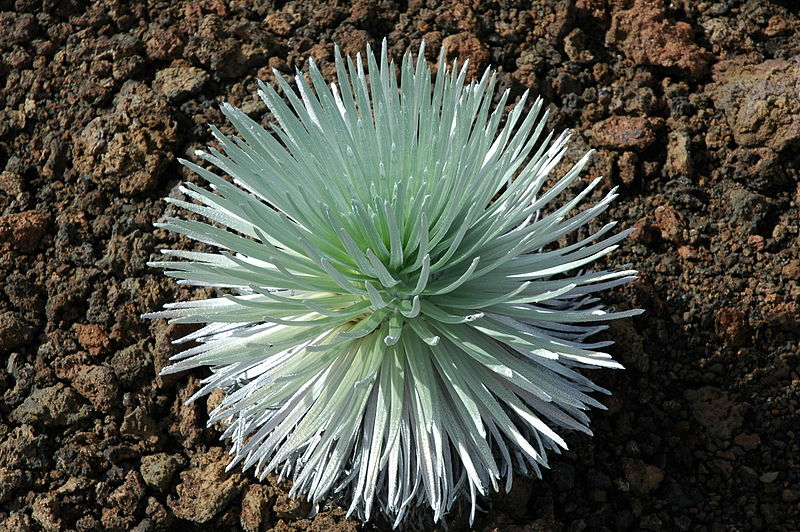
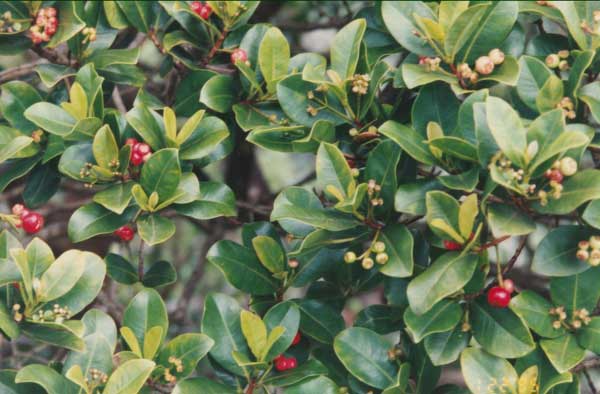
Hawaiʻi 295ʻAʻala Honua. n. name of a wind accompanied by rain associated with Hilo. lit., earth fragrance. Ke honi maila kō Hilo pali kū kū ka makani he ʻAʻala Honua kiʻi ua.Those of Hilo with its sheer precipices inhale as the rain-bringing Earth-Fragrance wind blows.
ʻaʻaliʻi kū ma kuaʻaʻaliʻi standing in back ʻaʻaliʻi kū makaniʻaʻaliʻi standing [in] wind He ʻaʻaliʻi au, ʻaʻohe makani e hina aiI am an ʻaʻaliʻi shrub, no wind can push me over. (a boast of the people of Kaʻū. see similar ex., ʻulaʻa.) (ON 507) ʻae₅. n. a native fern (Polypodium pellucidum) commonly seen at Kīlauea Volcano. It has oblong fronds 15 to 40 cm long, once divided into about fifteen or more pairs of oblong segments, each of which bears many round fruit dots. cf. ʻae lau nui. (Neal 25) ʻāhē₂. n. wild taro. Kauaʻi. Varieties are qualified by the colors keʻokeʻo and ʻulaʻula. Called ʻāweu on Hawaiʻi.
aʻi₂. part. replacing i often in songs; usually written a i. cf. aʻe, aʻo. malihini ka ʻikena aʻi nā Konaseeing the Kona districts for the first time ʻāinu [ʻā·inu]. same as hāinu, hoʻohāinu, to give to drink. Kaʻū. also hōʻāinu. ʻakahi₂. idiom. for the first time, never before (usually followed by nō). (Gram. 4.6) ʻAkahi nō au ā ʻike iā Hilo.This is the first time Iʻve seen Hilo. ʻAkahi nō au ā lohe i ka hekili.Iʻve never heard such thunder. ʻAkahi nō ʻoe ā hiki maʻaneʻi?Is this the first time you have come here? Have you ever been here before? ʻakialoa [ʻakia·loa]. n. a group of Hawaiian honey creepers with long, curved bill, olive or yellow-green above, lighter below (Hemignathus obscurus), with subspecies on Hawaiʻi (H.o.o.), Lānaʻi (H.o. lanaiesis), and Kauaʻi (H. procerus). The latter is endangered; it has the longest curved beak, for sipping honey at the base of ʻieʻie and hala pepe leaves. cf. ʻiwi, ʻiʻiwi. also ʻakihi loa, kipi. ʻakia pōlāʻau [ʻakia pō·lāʻau]. same as ʻakihi poʻo lāʻau, the nuku puʻu honey creeper of ʻakihi poʻo lāʻau. n. the nuku puʻu honey creeper of Hawaiʻi (Hemignathus wilsoni). see nuku puʻu. aku₁. nvi. bonito, skipjack (Katsuwonus pelamis), an important food; to run, of aku. Young of this fish are called kīnaʻu and ʻāhua. [(OC) PPN *ʻatu, bonito (katsuwonus pelamis)] Ua aku ʻo Mahaiʻula.Bonitos are running at Mahaiʻula [place at Keāhole quadrangle, Kona, Hawaiʻi]. (FS 287) ʻĀlaʻahonua [ʻā·laʻa-honua]. n. a strong Hilowind. lit. land-prodding. alaʻalai₂ [alaʻa·lai]. n. type of taro patch built on artificial mounds, known near Hiloas kipi; mucky claylike soil, as in this type of patch. (HP 125)
ʻAlahonua [ʻAla-honua]. n. name of a light Hilo breeze. lit., land fragrance. Also ʻAʻalahonua. ʻalamoʻo [ʻala·moʻo]. n. an endemic fresh-water ʻoʻopu fish (Len tipes concolor). Hilo. Also hiʻu ʻula, hiʻu kole. ʻalaopuna [ʻala-o-Puna]. n. a variety of taro, growing wild, also cultivated dry in Puna, Hawaiʻi; fragrant when cooked, like kāī. also welowelolā. ʻalauahio [ʻalaua·hio]. n. endemic Hawaiian honey creepers (Loxops maculata), Oʻahu creeper (L. m. maculata), endangered; Lānaʻi creeper (L. m. montana), presumed extinct; Maui creeper (L. m. newtoni); Hawaiʻi creeper (L. m. mana), endangered. ʻāleuleu [ʻā·leu·leu]. nvs. old, worn-out, as tapa, mats, clothing; worn-out tapa, clothing; objects of inferior quality. also pāleuleu. he moku ʻāleuleudistricts of raga-muffins [said of Kaʻū and Puna by Kamehameha's followers because the farmers worked hard and wore old clothes] (ON 826) ʻamakihi [ʻama·kihi]. n. a group of small endemic Hawaiian honey creepers, Loxops virens; abundant on Hawaiʻi (L. v. v.), Maui (L. v. wilsoni), and Kauaʻi, uncommon on Oʻahu (L. v. chloris) and Molokaʻi, rare on Lānaʻi. The feathers are yellow and greenish, and were formerly used in feather capes. The Kauaʻi form was also called alawī kihi. ʻamakihi ʻawaʻawasour ʻamakihi [person with a sour disposition] ʻāmaui [ʻā·maui]. n. Oʻahu thrush (Phaeornis obscurus oahuensis), dusky, olive-brown above, ashy-gray beneath, endemic, presumed extinct, with subspecies on Hawaiʻi (ʻōmaʻo₃), Lānaʻi (olomaʻo), Molokaʻi (olomaʻo), and Kauaʻi. ʻao₂. n. dried baked taro or sweet potato; in Kaʻū this food was hung in baskets in the wind so that it dehydrated; it was used on sea journeys and is perhaps related to ō, sea rations. [(NP) PPN *kao, dried food, such as sweet potato, taro or fish] ʻaʻole. interj. no, not, never; to be none, to have none, un-. Commonly pronounced ʻaʻale. cf. ʻaʻohe. (Gram. 2.7) [(CE) PPN *ka-ore, negative marker: *ka(a)-ore] ʻaʻole i maʻamaʻahiaunfamiliar ʻAʻole loa anei ʻoe i hele i Hilo? ʻAʻole paha.Have you ever been to Hilo? Probably not, perhaps not (polite). ʻAʻole loa!Certainly not! Not at all! I should say not! Never! ʻĀpaʻapaʻa₁ [ʻā·paʻa·paʻa]. n. name of a strong wind associated with Kohala, Hawaiʻi. ʻaumakua₁ [ʻau·makua]. nvt. family or personal gods, deified ancestors who might assume the shape of sharks (all islands except Kauaʻi), owls (as at Mānoa, O'ahu and Kaʻū and Puna, Hawaiʻi), hawks (Hawaiʻi), ʻelepaio, ʻiwi, mudhens, octopuses, eels, mice, rats, dogs, caterpillars, rocks, cowries, clouds, or plants. A symbiotic relationship existed; mortals did not harm or eat ʻaumākua (they fed sharks), and ʻaumākua warned and reprimanded mortals in dreams, visions, and calls. (HM, pp. 124–43, 559); (Nānā 38) fig.., a trustworthy person. (Probably lit.., ʻau₄, group, + makua, parent) see pulapula₂. [(NP) PPN *kau-matua, elderly man: *kauma(a)tu(q)a] hōʻaumakuato acquire or contact ʻaumākua
ʻawa kau lāʻauthe tree-resting kava, growing in tree crotches and famous in poetry concerning Puna, Hawaiʻi. Many varieties of kava are listed below kupu ʻawato perform ceremony of offering kava to the gods [an unusual reference, as kava was not taken ceremonially, as in Samoa] (FS 57) ʻawaʻawa₁. redup. of ʻawa₂, sour, bitter, poisonous...; ʻaʻole ia e inu i ka waina, ʻaʻole hoʻi i ka mea ʻawaʻawaand he will drink no wine or liquor (Luka 1:15) hōʻawaʻawato embitter, make bitter or sour; bitter tasting Iā Makaliʻi lau ʻawaʻawa o Puna.During the Makaliʻi season, innumerable disasters in Puna. (FS 217) ʻawaʻawa₂. redup. of ʻawa₃, cold mountain rain, fog, mist; to rain or mist... Pō Puna i ka ua a ka ʻawaʻawa.Puna is darkened in the bitterly cold rain. (FS 225) ʻawa maha kea. n. name for ʻawa ākea, ʻawa mākea at Kaʻū, Hawaiʻi. ʻawa mōʻī. n. a variety of kava with short, dark-green internodes and whitish nodes, called ʻawa papa mōʻī at Kaʻū, Hawaiʻi. ʻEʻelokoa [ʻEʻelo-koa]. name of a storm from the northeast of Waimea, Hawaiʻi. (And.) ʻEka₂. n. name of a wind at Kona, Hawaiʻi. He ʻEka, ka makani hoʻolale waʻa o nā Kona.The ʻEka breeze calls forth the canoes of the Kona districts. [good fishing] Ka makani kūkulu peʻa nui, he ʻEka.The ʻEka wind, that sets up big sails [good for fishing]. (ON 1467)
Ua ʻelepaio ʻia ka waʻa.The canoe is [marked] by the ʻelepaio. (ON 2777) ʻewai. perhaps a var. of ʻauwai, ditch (noted in 1848 land claim, Hāmākua, Hawaiʻi). Hāʻao₂. n. name of a rain at ʻAuʻaulele, Kaʻū and at Nuʻuanu, Oʻahu, so called because its showers follow one another like members of a chief's retinue. Hāʻena₂. place names on Hawaiʻi, Kauaʻi, and Oʻahu. hahae₂. n. small sweet potatoes removed in thinning a hill. Kaʻū. hailiopua [haili-o-Pua]. n. a small native fern (Schizaea robusta) found in high mountain wet areas believed to be the plant form of the sorcery goddess Pua; sometimes used as a psychological remedy to ward off the evil influence of Pua. lit., Pua's memory. Hawaiʻi. also ʻoāliʻi makaliʻi. (Neal 8)
E pō puni ana ke ʻala o ka hala.The fragrance of pandanus spreads everywhere and is overpowering. Puna paia ʻala i ka hala.Puna, its walls fragrant with pandanus [fragrant flowers were placed indoors in house thatching and under mats]. hala kahiki, halakahiki. n. the pineapple (Ananas comosus), probably originating in Brazil, of great commercial importance. lit., foreign hala. see hala kea and hala ʻula for what some Hawaiians call native varieties, still said to be growing wild in the forests at Puna, Hawaiʻi. called hala on Niʻihau. hālau₁ [hā·lau]. n. long house, as for canoes or hula instruction; meeting house. [(FJ) PPN *falau, canoe shed: *f(a,o)lau] Ā ua nui Hilo, hālau lani i ke ao.And Hilo rains so much, a heavenly shed in the clouds. (chant) malu hālau loashade of the long house; fig., shade of trees hale poki. n. shrine where bones of dead chiefs were kept, as the Hale-o-Keawe at Kona, Hawaiʻi. (Malo 106) hāliʻi. nvt. a covering, spread; to spread, as a sheet. [PPN *faaliki, cover floor with mats or grass; floor covering] E hāliʻi ana ka hau mai ka piko o Mauna Kea.The snow from the summit of Mauna Kea was spread. (Laie 479 [89]) hāliʻi ihola i ka palaoato spread wheat (2-Sam. 17.19) hānai₅ [hā·nai]. n. Hawaiʻi island word for mānai, needle for stringing leis... cf. mākila, mōkila, Hanakahi [hana·kahi]. n. an ancient chief of Hilo whose name was used in poetry to designate the Hilo district. see ex. hananeʻe, Kanilehua. hananeʻe [hana·neʻe]. same as hāneʻeneʻe₁, redup. of hāneʻe, to fall, as a building; to collapse, slide, cave in, slip... Hananeʻe ke kīkala o kō Hilo kini; hoʻi luʻuluʻu i ke one o Hanakahi.Sagging hips of Hilo's multitudes; return burdened to the sands of Hanakahi [of grief or heavy burdens]. (ON 463) haoʻe. var. of haoʻa, rocky, scraggly, choppy... Haoʻe nā ʻale o Hōpoe i ka ʻino.The billows of Hōpoe rise in the storm [anger mounting; the seas at Hōpoe, Puna, were notoriously rough]. (ON 474)
Hauomāʻihi. n. name of a wind associated with Kailua quadrangle, Hawaiʻi. lit., cool [wind] of Māʻihi (a wind goddess whose full name was Māʻihiʻalakapualono, fragrant sacred Māʻihi [child] of Lono). Heʻenehu [Heʻe-nehu]. n. name of a misty rain observed off the coast of Hilo when nehu fish are running. heiau kālua ua [hei·au kā·lua ua]. n. heiau for stopping rain, or (less frequently) for bringing rain. One such heiau named Imukālua-ua (rain-baking oven) was in the Kaunakakai quadrangle, Molokaʻi; a land section in Puna, Hawaiʻi, also has this name. Rain in leaf packages is said to have been baked in an oven. helemauna [hele·mauna]. n. a rare native variety of dry-land taro, with dark purplish petioles and white corms; grown on Hawaiʻi. also piko ʻeleʻele. (HP 18, 32) hia. n. desire, delight. cf. hiamoe. [(CP) PPN *fia-, verbal prefix indicating desire, wish] ʻAʻole i pau koʻu hia i ka nani o Hilo.My delight in the beauties of Hilo is endless. hoʻohiacaus/sim (For. 6:419) Ua mau ka hia a ka poʻe a ka hale e noho.It was still the desire of the people of the house to stay. Hiʻilawe₂ [hiʻi·lawe]. n. name of the highest waterfall in Hawaiʻi, and one of the highest in the world, with a vertical drop of about 300 m, at Waipiʻo Valley, Hawaiʻi. see (EM 49), for a famous song. hīkeʻa [hī·keʻa]. similar to keʻa₁, ₂. Na Pele ia hīkeʻa maila i Kīlauea.Pele blocked [the way] at Kīlauea. hīlea [hī·lea]. vs. careless, shiftless (named for the people of Hīlea village, Kaʻū, Hawaiʻi, reported to have brought poorly prepared poi to a chief). Hīlea i kalo ʻekaʻeka.Hīlea of the dirty taro [a saying applied to anyone careless or inefficient in work]. hilinaʻi [hili·naʻi]. nvt. ʻAohe oʻu hilinaʻi iā ʻoe!I don't believe you! (Keiki) He aha kēia hilinaʻi āu e hilinaʻi nei?What confidence is this wherein you trust? (2-Nal. 18.19) Hilinaʻi Kaʻū, kālele iā Puna; Hilinaʻi Puna, kālele iā Kaʻū.Kaʻū is dependent, supported by Puna; Puna is dependent, supported by Kaʻū [Kaʻū and Puna depend on one another, said also of persons who do so]. (ON 995) ʻōlelo hoʻoholo hilinaʻivote of confidence Hilo₃. n. name of a famous Polynesian navigator for whom the city and district may have been named. See sayings, Hilo (Eng.-Hawaiian) PCP *filo. hiʻuiʻa [hiʻu·iʻa]. n. fishtail fern (Nephrolepis biserrata cv. furcans), a kind of sword fern, with forked divisions (pinnae). In Kaʻū, leis are made by combining pinnae of this fern (or whole frond) with flower sprays of wāpine (lemon verbena). (Neal 14, 15) hoʻihā [hoʻi·hā]. intensive of hoʻi₅, (often written as two words). (Gram. 7.5) E hele hoʻihā kāua.Well, let's go then. I Hawaiʻi hoʻihā me Pele e noho ai.Then stay at Hawaiʻi with Pele. (FS 239) Kahea ʻia hoʻihā.Then summon [her]. (FS 265) Maikaʻi hoʻihā.Very good indeed. holāholā [holā·holā]. vi. to blossom, as a flower or adolescent growing into maturity. Kaʻū. Holāholā wale ʻia aʻe nō ā pau ka pupuka.Just having blossomed with an end to ugliness. (ON 1049) Hōliʻo₂ [hō·liʻo]. n. rain name associated with Hawaiʻi and Oʻahu. Holopoʻopoʻo [holo·poʻo·poʻo]. n. wind famous at Waipiʻo, Hawaiʻi. lit., running in the hollows.
Heʻe hōluato ride a hōlua sled; the hōlua course; fig.., an expression of pride in descent from certain chiefly families at Waipiʻo, Hawaiʻi, who were famous for their skill with the hōlua sled. Honokaʻa₂ [hono·kaʻa]. n. town name, Hāmākua, Hawaiʻi. hoʻolelekē. a game of tossing ti leaves into Malama Crater at Puna, Hawaiʻi, and dedicating them to Ka-moho-aliʻi see lelekē, to leap here and there. hoʻomoho. to stalk; to lie in wait, as a cat ready to pounce; to trail or follow behind, sneak. Kaʻū see -moho. Hōpoe₂ [hō·poe]. n. a dancer who was turned into a balancing rock by Pele at Puna, Hawaiʻi... A girl friend of Pele's little sister, Hiʻiakaikapoliopele. When Hiʻiaka left to fetch Pele's dream lover, Lohiʻau, from Kauaʻi, she entrusted Hōpoe and her favorite lehua groves to Pele. Pele became jealous of Hiʻiaka, burned the lehua groves, and changed Hōpoe into a balancing rock at Keaʻau, Puna, Hawaiʻi (HM 181). The stone may still be there, and waves lapping against it suggest movement; hence Hōpoe, famous as a hula dancer, is mentioned in songs as ka wahine hoʻolewa i ke kai, the woman shaking hips in the sea. lit., fully developed, as a lehua flower. Other names are Hōpoe-lehua and Hōpoe-wahine. hōpue₁ [hō·pue]. n. orange finch (Psittirostra palmeri), the largest of the Hawaiian finchlike forms, found only in the Kona and Kaʻū districts, Hawaiʻi. hua ʻē. n. child born out of wedlock, that is accepted by the husband or wife of the parent and treated as his own. lit., strange fruit. Kaʻū. huahekili uka [hua·hekili uka]. n. a small native naupaka (Scaevola kilaueae) found only on dry lava near Kīlauea Volcano. It does not exceed a height of 80 cm, has narrow, thick leaves, dull-yellow flowers, and small black fruits that were used to dye tapa. also pāpaʻahekili. (Neal 819–20) hulihia [huli·hia]. pas/imp. of huli₁, ₂; overturned; a complete change, overthrow; turned upside down. Chants about Pele with verses beginning with the word "hulihia" are referred to as hulihia. See prayer, kualakai₂. PNP *fulisia. Hulihia ka mauna, wela i ke ahi.Mountain overturned, hot with fire. (PH 204, 225) Hulihia Kīlauea, pō i ka uahi.Kīlauea [Volcano] is overturned, darkened by smoke. (PH 197) hulu puaʻa. n. a small, matted, red seaweed (Spyridia spinella), its many branches covered with short bristles. It is rather common in shallow water near shore. It is eaten in South Hawaiʻi, but not generally elsewhere. Humuʻula₂. n. name of a place on the slopes of Mauna Kea. iʻeioiokahaloa [iʻe-io·io-kaha-loa]. n. kind of brown tapa made at Waipiʻo, Hawaiʻi. lit., tapa beater with ridges of long stripes. ihuʻū. n. a variety of rarely cultivated bunana, wild in forests of Kauaʻi and Hawaiʻi, with short, slender green trunk, and yellow fruit with yellow flesh, edible only when cooked. (HP 175) ʻiʻiwi haole. n. cape honeysuckle (Tecomaria capensis), a climbing shrub bearing narrow, curved, tubular, scarlet flowers and fernlike leaves (Neal 765), introduced to Kaʻū by George Jones. ʻiliʻili hānau [ʻiliʻili hā·nau]. n. the birth pebbles of Kōloa (a small section of the beach at Puna-luʻu, Kaʻū), which were believed to reproduce themselves, the smooth nonporous ones being male, the porous ones female. These stones were best liked for the pebble hula. Ka ʻiliʻili hānau o Kōloa, ka nalu haʻi o Kāwā.The birth pebbles of Kōloa, the breaking waves of Kāwā. (ON 1404 song) ʻilima makanaʻā. n. a wild ʻilima growing on old lava beds in Kaʻū, with small flowers; of medium height. (HP 213)
Kaha ka ʻio i ka mālie.The ʻio hawk poises in the calm [admiration of a handsome person]. (ON 1288) ipu huluhulu [ipu hulu·hulu]. n. a variety of watermelon with a slightly fuzzy (huluhulu) skin, and with whitish or pale-pink pulp; it is edible but not greatly liked; it formerly grew wild at Kaʻū. also ipu akua. (Neal 810) kaʻa₇. vt. to wipe dry with a cloth, as dishes. Kaʻū. Kaʻau₂. n. a fine rain in Kohala, Hawaiʻi. kahakā [kaha·kā]. vs. disagreeable, unpleasant. Kaʻū. kāhanahana [kā·hana·hana]. n. redup. of kahana; clearing, as in a forest. Kaʻū. (For. 6:61) [PPN *tafa-ŋa, naked, bare, clear] kāhē [kā·hē]. nvi. first appearance of young caterpillars on vines, especially of sweet potatoes; to be eaten by caterpillars. Kaʻū. cf. hē, caterpillar. Ua kāhē ka ʻuala.The caterpillars are beginning to eat the sweet-potato leaves.
Kaʻiliʻula [Ka-ʻili-ʻula]. n. tutelary star of Kaʻū, Hawaiʻi. kai māʻokiʻoki. streaked sea, associated with Kona (EH) Kainaliu₂ [kai·naliu]. n. place name at Kona, Hawaiʻi, said to be the name of a canoe bailer for Keawe-nui-a-ʻUmi. Kākāʻaukī₁ [kā·kā-ʻau-kī]. n. name of a place at Kohala, Hawaiʻi, celebrated in song for the tests held there for the presence of sharks: ti stalks (ʻau kī), whose bark had been beaten off (kākā), were thrown into the water; if the stalks were pulled under this was a sign of the presence of sharks and the natives climbed the steep cliff trail rather than swim. kākua₁ [kā·kua]. vt. to bind or fasten on, as a sarong or belt. cf. hahau kākua, to hurl a blow by swinging from the shoulders... [(CE) PPN *taatua, girdle] Ka ʻohu kākua o Kīlauea.The mist that forms a sarong for Kīlauea. (ON 1512) kalakū₃ [kala·kū]. vs. chilled, shivering, bristling. fig., angry, cf. ʻōkala. Kalakū Hilo i ka ua.Hilo is shivering in the rain. kalamoho₂ [kala·moho]. n. cliffbrake (Pellaea ternifolia), a short, slender fern, the fronds with short, paired, narrow divisions. It grows in dry, sunny places, as at Kīlauea Volcano. Also kalamoho lau liʻi. kaluulu. n. a land term of uncertain meaning and pronunciation commonly used in Kona, Hawaiʻi, in about 1848. Perhaps ulu is ʻulu, breadfruit. Kana₅. a demigod... The stretching demigod born as a rope on Maui. He could stretch from Molokaʻi to Hawaiʻi and wade in the deep sea. His exploits explain gashes, ledges, and footprints on the islands. He restored the sun and, with his brother Nīheu, rescued his mother, Hina, who had been stolen (not, perhaps, against her will) by a Molokaʻi chief. Emerson calls him a god of jugglers. (Malo 227-229, Emerson note). see Kapuaʻiokana. (HM 464-477) Kanilehua [Kani-lehua]. n. name of a mistlike rain famous at Hilo. lit., [rain that] lehua flowers drink. [An alternate interpretation is "rain that makes lehua flowers rustle."] see ex. pāwehi. Hilo Hanakahi, i ka ua KanilehuaHilo, [land of] chief Hanakahi and of the rain that gives drink to lehua flowers. (song) Kāpae₂ [kā·pae]. n. name of a trade wind at Hāna, Maui, and at Puna, Hawaiʻi. (PH 202) Kaʻū. n. name of a district on Hawaiʻi. See epithets, kua₁, Kuehu Lepo, mākaha₁, wehi₃, and chant, kiʻekiʻe. PNP *Takuu.
Kēhau₂ [kē·hau]. n. name of a gentle land breeze, as of West Hawaiʻi; Kapaʻa, Kauaʻi; Kula, Maui; Hālawa, Molokaʻi and Oʻahu. (For. 5:97) kehe. var. of keʻe₁, crookedness; fault, defect, flaw... Kealakehethe winding path. (Kona place name) hoʻokelekind of stone found at craters, as Kīlauea, and used for adzes Kēpia₂ [kē·pia]. name of a wind associated with Hilo. (Nak. 53) Kēwai₂ [kē·wai]. n. name of a Hilo wind. Kīhaelāʻī [kī·hae-lāʻī]. n. breeze at Puʻuʻōhua on the Hāmākua side of Hilo. lit., to shred ti leaves. kilihea [kili·hea]. same as kilihē. Puna paia ʻaʻala, kilihea i ke onaona.Puna's fragrant glades drenched with fragrance. (EM 87) kilikaʻa₂ [kili·kaʻa]. n. a kind of tapa, associated with Waipiʻo, Hawaiʻi. kilokilohia [kilo·kilo·hia]. redup. of kilohia, pas/imp. of kilo₁, to watch closely, spy, examine, look around, observe... Ua kilokilohia nā lae lāʻau o Puna.The wooded cape of Puna was examined. (For. 6:390) kinai₂. vi. to continue, persist. cf. -kina. ʻO Hilo ia lā o ka ua kinai, kinakinai ka ua o Hilo, ka ua mao ʻole o Hilo.That is Hilo of the constant rain, the rains of Hilo go on and on, the rain of Hilo that never clears. (chant) Kinailehua. n. rain associated with Panaʻewa, Hawaiʻi. lit., quenching lehua flowers. kipi₂. n. Hilo name for mound taro patches. Kīpuʻupuʻu₁ [kī·puʻu·puʻu]. n. name of a chilly wind and rain at Waimea, Hawaiʻi. Hole Waimea i ke ahe a ka makani, hao mai nā ʻale a ke Kīpuʻupuʻu.Waimea is rasped by the blowing of the wind, billows of the Kīpuʻupuʻu wind ravage. (name song for Kamehameha I) Kū i ka Kīpuʻupuʻu.Buffeted by the Kīpuʻupuʻu [of hurt feelings]. Koholā Lele [koho·lā lele]. n. name of a wind blowing from east to west, associated with Hāmākua, Hawaiʻi, and Hāna, Maui. Also Kiu and Koholā Pehu (also of Kī-pahulu, Maui, (Nak. 68)). lit., leaping whale. kōkala₁ [kō·kala]. n. Kokoiki [Koko-iki]. n. star said to be named for Kokoiki, Kohala, Hawaiʻi, where it was first observed at the time of Kamehameha's birth. lit., little blood.
kōloa₂ [kō·loa]. vi. to make a prolonged sound, roar. ʻO Puna ia o ke kai kōloa i ka ulu hala.This is Puna where the sea ever roars in the pandanus groves. Koloʻāpuʻupuʻu [kolo-ʻā·puʻu·puʻu]. n. name of a wind usually accompanied by rain, common at Waimea, Hawaiʻi. lit., rough creep.
kua₁. nvi. back, rear, burden, windward; to carry on the back, as a child. See ʻōpeʻa kua, paoa₂, and saying, pali. (Kua refers to a husband: cf. pilikua) [(EO) PPN *tuʻa, back] He hana hoʻokua nui.It's a very burdensome job. He kua a kānāwai.A back [guarded by] law [certain chiefs' backs were taboo and such chiefs might not be approached front behind]. hoʻokuato persevere in work even when interest and pleasure have gone from it; burdensome huli kuato turn the back on, as to insult; back wall of a house i kua naʻua burden for me [as a request to a dying person, asking for last instructions] (ON 1218) kāhea kuato call from behind one's back Kaʻū nui kua makani.Great Kaʻū with windy back. Pili ke kua me ke alo.The back touches the front [of a thin person]. (ON 2650) kūāhewa [kū·ā·hewa]. nvs. Kuehu Lepo. n. name of a wind of Nāālehu, Kaʻū (For. 5:93) and Oʻahu (Nak. 56). lit., dust scatterer. ʻO Kaʻū i ka makani, ka makani Kuehu Lepo.Kaʻū in the wind, the dust-raising wind. (song) kūhaʻo [kū·haʻo]. vs. standing alone, independent. fig., unusual, extraordinary, as rain from a clear sky. Nani wale ʻo Mauna Kea, kuahiwi kūhaʻo i ka mālie.Beautiful is Mauna Kea, standing alone in the calm. (song) kulina. n. deafness, disobedience, noise. Ka lono mamua, ke kulina mahope kulikuli wale i ka makani o Kaʻū.Hearing before, deafness afterwards, deafening in the wind of Kaʻū. (chant for Kaumualiʻi) kuloli, kūloli [ku·loli]. vs. having no wife, children, or relatives (name derived from a lone mulberry tree growing in a cave at Kūloli, Kona, Hawaiʻi, which was known as ka wauke kū kahi a Kūloli, the lone mulberry tree of Kūloli); also said of any very young wauke plant. [(CE) PPN *turori, move unsteadily (problematic)] kului₁. vi. to drip (kulu₁ + -i, transitivizer). PPN *tuluʻi. Hilo ua kului uaHilo with rain, dripping rain. (Nak. 28) Kulukuluʻā₂ [kulu·kuluʻā]. n. name of a legendary chief at Hilo. (FS 251) Kumukahi [Kumu-kahi]. n. easternmost cape, Hawaiʻi. Kumukahi and the western extremity of the islands at Lehua are mentioned poetically Mai ka ʻōmaka ʻana o ka lā ma Kumukahi ā ka welo ʻana a ka lā i Lehua.From the rising of the sun at Kumukahi to the setting of the sun at Lehua. (Kel. 85) kūʻoho₁. n. a variety of taro; petiole is grass-green with darker shading midway, light above. Hawaiʻi. kupaliʻi₁ [kupa·liʻi]. same as ʻalaʻala wai nui, forest herbs. Hawaiʻi. kūpōlua [kū·pō·lua]. vs. fragrance (similar to kūpaoa). ʻO Puna kūpōlua i ke ʻala.Puna, fragrant with perfume. laʻaloa₁ [laʻa·loa]. n. varieties of small, narrow-bodied kitchen roaches including the brown-banded cockroach (Supella supellectilium) and the German cockroach (Blatella germanica or Symploce hospes). Perhaps named for Olaʻa, Hawaiʻi. ʻelelū laʻaloaGerman cockroach ( lale₁. vi. He ʻEka, ka makani hoʻolale waʻa o nā Kona.The ʻEka breeze calls forth the canoes of the Kona districts. [good fishing]. hoʻolaleto hasten, incite, propose, provoke, hurry; to urge, suggest strongly, encourage Ua hoʻolale mai ʻoia iaʻu e hele i Hilo.He suggested that I go to Hilo. lapa₂. nvs. hoʻolapa ka ʻōpūa disturbed stomach hoʻolapa₁to rise up; to boil; to swell, as a blister; to spread or blaze, as fire or volcanic eruption; to excite or flare, as with passion; to animate; to cook by boiling Hoʻolapa₂wind famous at Kaʻū Ka puhi lapa i ke ale.Eel playing in the hollows. Ua wala kīʻaha paha, ke hoʻolapa mai nei.The glass is tilted back perhaps, getting active. lapakū [lapa·kū]. vs. excessively active. Lapakū i Hawaiʻi ka wahine, aʻo Pele.The woman Pele is most active on Hawaiʻi. (chant) lauahi₁ [lau·ahi]. nvt. Lauahi Pele i kai o Puna.Pele's lava flows are devastating seaward of Puna. (ON 1950 chant) laukūkahi [lau·kū·kahi]. n. a native fern (Lindsaya macraena), with narrow, divided fronds. Hawaiʻi. lit., leaf that is alone. laumeke [lau·meke]. var. of laumeki₁, ₂, ₃. He koa ia e laumeke ai kahawai o Hilo.A warrior who lessens the flow of Hilo streams [a mighty fighter].
Lehua₇. n. name of the small island just west of Niʻihau. As the westernmost of the Hawaiian Islands (except for the Northwest Hawaiian Islands), Lehua is associated with a setting sun (see chant, kalakalaʻihi). In poetry, the extent of the Hawaiian Islands is shown by coupling Lehua Island and Haʻehaʻe and Kumukahi on East Hawaiʻi . A breeze is named for this island. Mai ka piʻina a ka lā i Haʻehaʻe ā ka welona a ka lā i Lehua.From the rising of the sun at Haʻehaʻe [East Hawaiʻi] to the setting of the sun at Lehua Island. [a poetic reference to all Hawaiʻi] moku kāʻili lāsuns-snatching island [Lehua Island or sometimes Kauaʻi, since they lie to the west] lehua keʻokeʻo [lehua keʻo·keʻo]. n. a variety of taro called waiākea in Kona, Hawaiʻi. lit., white lehua. lehua palaʻiʻi. n. a variety of taro, of common upland culture in Kona, Hawaiʻi. The plant is short to medium, slender, with lilac-purple corm flesh and dark green petioles; used for poi. also palaʻiʻi, ʻiʻi. lēʻī. vs. crowded, full. Also lēʻiwi. see ʻī₂, ipu lēʻī, lēʻia, mōʻī, pua lēʻī. Lēʻī Kohala, eia i ka nuku nā kānaka.Kohala is crowded to the very mouth with people. [a saying referring to the astonishment of Maui invaders of Kohala, Hawaiʻi, who, contrary to, the report of their intelligence, found Kohala crowded with people; said of crowds of people anywhere]. (ON 1973, FS 185) lele kawa. vi. to leap feet first from a cliff into water without splashing or into (at Kaʻū) soft earth. lele kawa o Kaumaeasport of leaping over earth banks, at Kaumaea, Kaʻū lelekē [lele·kē]. vi. to leap here and there. hoʻolelekēa game of tossing -lele kī. hoʻolele kīA game played only at Malamakī, Puna, Hawaiʻi. A player would hold a liko lehua. n. lehua bud; red lehua leaves as used for leis or medicine; such a lei, as made in the Kīlauea volcano area. see ex. kohu₁, (the reference here is probably to a young and pretty girl) līpahapaha [lī·paha·paha]. n. a general term for sea lettuce (Ulva fasciata and Monostroma oxyspermum), common green seaweeds with delicate broad blades, usually with wavy margins. Eaten as a minor element mixed with other tastier seaweeds. Also ʻīliohaʻa, līpaha, līpālahalaha, pahapaha (probably restricted to Kauaʻi), pakaiea (restricted to Hawaiʻi), and pālahalaha (Maui, Molokaʻi, and Oʻahu). Lōʻihi₂. young undersea volcano 30 kilometers southeast of Hawaiʻi Island. lokeokaluapele. n. a pink rose growing in the Kīlauea area, Hawaiʻi, commonly called volcano rose. lit., rose of the volcanic crater. (Neal 395) lua kīlauea [lua kī·lau·ea]. n. caldera. lit., Kīlauea crater (named for the caldera on Hawaiʻi). Lūhaupua. n. a wind associated with Ōlaʻa, Hawaiʻi. lit., scattering dew and flowers. Maʻaʻa Kua Lapu. n. wind at Kahaluʻu, Hawaiʻi. (For. 5:93) māea₂ [mā·ea]. n. a variety of taro. Hawaiʻi. Māhoe Hope₂ [mā·hoe hope]. month in the old lunar calendar, the eleventh (Hawaiʻi) or seventh (Oʻahu, Kauaʻi). also Hilina Mā: see month. Māhoe Mua₂ [mā·hoe mua]. month in the old lunar calendar, the tenth (Hawaiʻi) or sixth (Oʻahu, Kauaʻi). also Hilina Ehu: see month. mai₂. prep. from. also mai … mai. see ex. māhunehune. (Gram. 9.8) PPN *m(a,e)i. Mai hea mai ʻoe?Where did you come from? Mai Hilo mai ka lei.The lei is from Hilo. Mai ʻō ā ō.From there to there; from one point to another, everywhere. maiʻa ihu ʻū. a Hawaiian variety of banana, growing wild on Kauaʻi and Hawaiʻi, rarely cultivated. The fruit is yellow, edible only when cooked. lit., snub-nosed banana. (HP 175) maiʻa Puna. new name for maiʻa ʻeleʻele; lit., Puna banana. mākaha₄ [mā·kaha]. vt. to speak disparagingly or insultingly of. ʻO Hawaiʻi nō kēia i mākaha ʻia ai he palu lāʻī.The people of [the island of] Hawaiʻi are spoken of derisively as lickers of mākaha₁ [mā·kaha]. vt. Kaʻū mākaha.Fierce Kaʻū [a description of the Kaʻū people, referring to their killing of several oppressive chief's]. (ON 1629) maka koali. n. wild sweet potato found in Puna, Hawaiʻi; it may have been eaten in famine times; fed raw to pigs. maka lepo. dirty eyes, Kaʻū term of derision (EH) makawela₁ [maka·wela]. nvs. glowing, burning; full of hate, fury, anger. fig. term for the despised kauā, outcasts. hoʻomakawelato treat like a kauā makawela Nā pōhaku makawela o Kīlauea.The burning lava rocks of Kīlauea. ʻōlelo makawelawords of hatred malailua₂ [malai·lua]. hornless goat or cow (said to be named for a particular goat at Kona, Hawaiʻi). (AP) mālolohia [mā·lolo·hia]. pas/imp. of mālōlohi, same as mālohilohi, redup. of malohi, drowsy... Kū mālolohia Puna i ka ua ʻawa.Puna stands sluggish in the cold rain. Mālua Kiʻi Wai [mā·lua kiʻi wai]. n. sea breeze accompanied by showers, known at Hilo. lit., Mālua fetching water. also Huehu, Mālualua Kiʻi Wai. Mālua Kiʻi Wai ke aloha, hoʻopulu i ka liko māmanegreetings to the water-fetching Mālua breeze, bringing moisture to the māmane buds. (song)
Kīkē ka ʻalā, uwē ka māmane.Rocks crash, the māmane tree weeps [someone weeps when there is a clash]. (ON 1797) Uhiuhi lau māmane, kahi wai o Kapāpala.Covered with māmane leaves is the water of Kapāpala [any concealing, as of truth (Kel. 139) or scandal; māmane branches are said to have been tossed in this pool at Kaʻū to make the mud settle]. (ON 2859)
mamo₄. n. descendant, posterity. [(CE) PPN *mamo, descendant] Nā mamo o ʻIkeraʻela.The children of Israel. (Puk. 1.13) Nā mamo pihaʻā o Kaʻaluʻalu.The driftwood descendants of Kaʻaluʻalu [said derisively of a Kaʻū person with many children, because of the abundance of driftwood at Kaʻaluʻalu, Kaʻū]. (ON 2262) mānai [mā·nai]. nvt. needle for stringing leis, formerly of coconut midrib, now of wire; to string leis. Also called hānai on Hawaiʻi, mākila on Maui, and mōkila on Kauaʻi. Mānai pua ana kākou.We are stringing flowers. māʻohiʻohi. n. a native mint (Stenogyne rugosa), found only on the island of Hawaiʻi, a shrub with smooth, ovate, toothed leaves and reddish flowers grouped in whorls of six to ten at leaf bases. Maukele [mau·kele]. n. place name at Puna, Hawaiʻi. Mauliola [Mauli-ola]. n. place name at Kīlauea Volcano, Hawaiʻi. (PH 94) maʻumaʻu [maʻu·maʻu]. same as ʻamaʻumaʻu, ferns. HalemaʻumaʻuʻAmaʻu fern house. (name of the pit at Kīlauea Crater)
mauʻu Hilo. n. Hilo grass (Paspalum conjugatum), a creeping perennial from tropical America. Though it is a coarse, weedy grass, it may serve as a lawn grass. It spreads rapidly and has become a pest because cattle do not eat it and it smothers slower-growing, desirable plants, especially in native forests. It first appeared in Hilo, Hawaiʻi, about 1840. For fig. use, see he aha sananā and wēkenanā. (Neal 73) mauʻu lāʻili₁. n. a native iris (Sisyrinchium acre), with long grasslike leaves and small yellow flowers, found on Maui and Hawaiʻi between altitudes of 1,000 and 2,000 m. (Neal 232–3) It grows in the Kīlauea Volcano region, and formerly the sap was used to stain the skin so that travelers could prove to others at home that they had been to the volcano. also mauʻu hōʻula ʻili. mīkana [mī·kana]. n. the papaya (Carica papaya), a small tree, a native of tropical America, long popular in Hawaiʻi for its melon-like fruits. Hawaiʻi. also hēʻī, milikana, papaia. (Neal 600–1) Moani ʻAla. n. name of a land breeze that wafts out to sea at Puna, Hawaiʻi. lit., fragrant breeze, so named for the fragrance of pandanus. Moaniani Lehua [moani·ani lehua]. n. name of a rain or wind associated with Puna, Hawaiʻi. lit., wind that wafts the fragrance of lehua blossoms. moea₂. vi. to press onward, go straight toward. Moea ʻoe i Hawaiʻi nui.Go directly to great Hawaiʻi. hoʻomohoto stalk; to lie in wait, as a cat ready to pounce; to trail or follow behind, sneak. Kaʻū moi₁. n. threadfish (Polydactylus sexfilis). Stages of growth: moi liʻi, little moi, 5 to 8 cm long; pālāmoi (Kauaʻi) or manamoi (Hawaiʻi), about 13 cm; moi, adult, 45 to about 97 cm. On Hawaiʻi the pālāmoi was about 30 cm. This fish was much esteemed for food. A large school was an omen of disaster for chiefs. see ʻehu₁. [(NP) PPN *moi, a fish: *mo(q)i] He moi ka iʻa, ehu ka lani.Moi the fish, misty the sky [of easy victory]. Kō kuli ē, nuku moi oe.Your knees, like a moi fish nose. (song) moilii [mo·i·lii]. s. A small white fish found at Kohala; ka huaili hua moilii o Kohala. mokihana kūkae moa [moki·hana kū·kae moa]. n. a small native tree (Pelea hawaiensis) with red leaf stems; when bruised its leaves have a lemony odor; found on several islands. P. h. var. gaudichaudii is believed restricted to the Kīlauea area. lit., chicken dropping mokihana, probably so called because of small black seeds falling from the fruit. moʻo ʻalā, moʻoʻalā. n. black lizard, gecko. lit., rock lizard. Kaʻū. also kaʻalā. moʻopunaakalīpoa [moʻo·puna-a-ka-lī·poa]. n. a fine red seaweed (Griffithsia sp.), consisting of branching hairlike tufts; edible. Common in Kaʻū and Kona, Hawaii. lit., grandchild of the līpoa. also aupūpū. Mumuku₂. n. name of a strong wind at Kawaihae, Hawaiʻi. nahele. n. forest, grove, wilderness, bush; trees, shrubs, vegetation, weeds. cf. hoʻomakanahele. [(CE) PPN *ŋasere, forest] ʻUpu mai ana ke aloha i ka uka nahele o Puna.Loving memory returns of the forest uplands of Puna. (ON 2883) Nāulu₂ [nā·ulu]. n. sea breeze at Kawaihae, Hawaiʻi; Waimea, Kauaʻi; and Kanaloa, Maui. (UL 100) nāwao₁ [nā·wao]. n. a domesticated taro that has gone wild in the forest, (wao). (Kaʻū name). A native taro cultivated in Puna. Hui aku, hui mai, hui kalo me ka nāwao.Mixed here, mixed there, mixed wild
nīʻau kani. n. a true jew's harp, made of a thin strip of wood, about 10 cm long and 2.5 cm wide, with a coconut midrib (nīʻau) or bamboo strip lashed lenghtwise; played something like the ʻūkēkē. Kamehameha's return from Oʻahu to Hawaiʻi was called ka nīʻau kani because of the sound of the wind rustling the feathers of the many kāhili escorting him. lit., sounding coconut midrib. cf. ʻūkēkē. nihi₂. vs. E nihi ka hele i ka uka o Puna, mai ʻako i ka pua, o lilo i ke ala o ka hewahewa.Circumspect (or prescribed) the voyage inland of Puna, do not pick flowers or be led to the paths of wrongness. (PH 31) cf. (ON 360) hele nihito proceed with caution and diplomacy noho nihito act with caution, diplomacy niniu. redup. of niu₂, spinning, whirling, dizzy... hoʻoniniuto cause dizziness; to spin, as a top niniu heleto spin forward, as a kilu piece Niniu Puna pō i ke ʻala.Puna is dizzy and thick with fragrance. (ON 2316) noho ʻana. n. conduct, bearing, deportment, treatment, condition, way of life, term of office, stay. E holo ʻoe i Hawaiʻi e nānā ai i ka ʻāina, i ke kanaka, a me kō laila noho ʻana.Go to Hawaiʻi, examine the land, the people, and the local way of life. (FS 183) Pēlā nō ka noho ʻinoʻino ʻana o Hākau iā ʻUmi.Such was the cruel treatment of Hākau to ʻUmi. (FS 125) nome. vt. ʻAʻohe maʻi luku ʻē aʻe nāna e melu a nome aku, ʻo ka rama, moekolohe, like pū.No other destructive disease is as weakening and continuing as liquor, adultery, [and] such. chant hoʻonometo cause to munch, move along ʻŪhīʻūhā mai ana eā, ke nome aʻela iā Puna eā.Shish shish here [the fires of Pele], eating munching along through Puna. (song for Pele)
nūpolupolu [nū·polu·polu]. vs. scattered, thick, as flowers. ʻO aʻu lehua i ʻaina e ka manu a māui i ke kai, nūpolupolu akula i ke kai o Hilo.My lehua blossoms picked by the birds and bruised by the sea, scattered there on the sea of Hilo. (prayer to Kapo) ʻoāliʻi makaliʻi [ʻoā·liʻi maka·liʻi]. n. a native fern (Schizaea robusta). Called haili-o-Pua on Hawaiʻi.
ʻōhelo₄ [ʻō·helo]. n. general name for Vaccinium spp., found on all islands but not common around Kīlauea Crater. Fruits are edible but smaller than ʻōhelo₁. ʻōhelo papa [ʻō·helo papa]. n. a native strawberry (Fragaria chiloensis var. sandwicensis) growing on Hawaiʻi and Maui between altitudes of 1,050 and 1,800 m, and closely related to varieties from Alaska and Patagonia. The whole plant, except the upper side of the leaves, is silky-hairy. Fruits ripen from June to September, and are red. Other cultivated species and varieties, with larger fruits, are grown in Hawaiʻi. (Neal 393) ʻōhiʻuhiʻu₂ [ʻō·hiʻu·hiʻu]. var. name for blue uhu, parrot fish, so called at Kawaihae, Hawaiʻi. ʻŌlauniu [ʻŌ-lau-niu]. n. name of a wind (For. 5:93) on Hawaiʻi (Nak. 55) and at Kapālama, Honolulu (Nak. 57). fig., promiscuous. lit., coconut-leaf piercing. ʻolokaʻa₁ [ʻolo·kaʻa]. vt. Ua ʻā uahi Puna, ʻo ka ʻolokaʻa pōhaku ʻia i ka hūnā paʻa ʻia e ka WahinePuna burns and smokes, rocks roll over it and it is buried solidly by the Woman. (PH 34) ʻoluea [ʻolu·ea]. nvi. to slacken, ease. fig., mental relaxation. hōʻolueato slack Hōʻoluea Mauna Kapu a haʻahaʻa, a laila ʻoe ʻike i ka nani o Puna.Ease and lower the mount of taboo, then appreciate the beauty of Puna. (chant for Kaumualiʻi) ʻōmaka₄ [ʻō·maka]. n. Hilo name for the makiawa, herring. ʻōmea₂ [ʻō·mea]. n. beloved, respected person. Ua hehi ka lā iā Hawaiʻi, he ʻōmea Pele no Hiʻiaka.The sun has trod upon Hawaiʻi, Pele is loved of Hiʻiaka. (prayer) one ʻā. nvi. black sand or gravel made of ʻaʻā lava; volcanic cinder; to form such; gunpowder. Lauahi Pele i kai o Puna, one ʻā kai o MalamaPele swept her many fires down to Puna; seaward of Malama is a cinder heap. (ON 1950 chant)
ʻōʻō ʻāʻā. n. the endangered Kauaʻi species of ʻōʻō, honey eater (Moho braccatus); on Hawaiʻi, said to be the name for the male ʻōʻō. lit., dwarf ʻōʻō. ʻōʻō kūpīpī [ʻōʻō kū·pī·pī]. n. a name for the female ʻōʻō, honey eater. Hawaiʻi. ʻoʻopukai [ʻoʻopu·kai]. n. a native variety of taro, so named as the leaf stem is similar in coloring to the salt-water ʻoʻopu (the fish), being yellow-green with dark-purple markings. The corms are used mainly as table taro, the leaves often for lūʻau. Grown chiefly in uplands of Kona, Hawaiʻi. The name may be qualified by the colors keʻokeʻo and ʻulaʻula. ʻōpiko₁ [ʻō·piko]. same as kōpiko, a native genus of trees Hawaiʻi. ʻoupē₁ [ʻou·pē]. vs. beaten down, as by storm (UL 79); to cast down (2-Oihn. 25.8) . Pēpē Hilo nāwali i ka ua, ʻoupē i ke anu a ka makani.Hilo is crushed weak by the rain, beaten in the coldness of the wind. ʻowala, ʻoala. vi. He aha ka hana a Pāwela? ʻO ka ʻoʻe, ʻo ka ʻowala.What does Pāwela [a cow] do? She hooks and bucks. (Kaʻū song) hōʻowalato cause to buck, somersault, etc ʻōwena [ʻō·wena]. n. a faint glow (wena). Ke ʻā maila i Kīlauea, ke ahi ʻōwena i ka lani.Burning at Kīlauea, the fire glowing in the sky. (prayer) paʻina₂. n. Hawaiʻi Island name for pohā₂, cape gooseberry.
paka₅. n. Kaʻū name for ʻōpakapaka, a fish. pakaiea₁ [pakai·ea]. n. same as līpahapaha, sea lettuce. Hawaiʻi. pakaiea₅ [pakai·ea]. n. name of a type of wave at Kai-mū, Hawaiʻi. (FS 255) palaheo [pala·heo]. vs. not clear, as the speech of some old persons. Perhaps Waimea, Hawaiʻi. pālāmoi [pā·lā·moi]. n. second growth stage of the moi, a fish, about 13 cm long (Kauaʻi); third growth stage, about 30 cm long (Hawaiʻi). palaoa lūlū [palaoa lū·lū]. n. dumpling (some localities), Hawaiian-style mush (Hawaiʻi). palila. n. an endangered gray, yellow, and white Hawaiian honey creeper (Psittirostra bailleui, P. kona); endemic to the island of Hawaiʻi. Its bill is especially suited for opening māmane tree pods. Its only home is on Mauna Kea, Hawaiʻi. see ex. olokē, piʻoloke. Paliuli. n. a legendary land of plenty and joy, said to be on Hawaiʻi, where chiefs' children were raised; now a place name on several islands. lit., green cliff. See chant, pulelo and saying, glory. Hanohano Paliuli i ka ua noe.Majestic is Paliuli in the misty rain [said in admiration of a person]. (ON 471) Panaʻewa. n. place name in the Hilo District, famous in legend and song (see huluhulu₄, mūkīkī); place names also on other islands. panalāʻau [pana·lāʻau]. n. colony, dependency, territory, province (Ezera 4.15) ; colonist. In early times Hāna, Maui, was a panalāʻau (dependency) of Hawaiʻi. Hui panalāʻau.Society of colonisers. Nānā ʻo Kamehameha i kona aupuni, ā e ʻai i kona panalāʻau.Kamehameha attended to his kingdom and ruled his dependency. Panalāʻau o HawaiʻiTerritory of Hawaiʻi [name used in 1900] panopano [pano·pano]. redup. of pano, dark, black... [(CE) PPN *paŋo, black] ʻEleʻele Hilo ē, hoʻopanopano i ka ua.Hilo is black, darkened in the rain. hoʻopanopanoredup. of hoʻopano ʻO pano ia, ʻo panopano ʻo Kāne i ka pō panopano i hānau.A darkness, a dark darkness, Kāne born in the deep dark night. (KL. line 386–7) pāoa [pā·oa]. n. the divining rod by which Pele tested the suitability of areas for excavation on the island of Nihoa, at various places on Oʻahu (Salt Lake, Punchbowl, Diamond Head, Maka-puʻu), and on Maui. Finally she planted the staff at Pana-ʻewa, Hawaiʻi, and it became a tree. (PH x–xii) pāpāʻale [pā·pāʻale]. nvt. agreement; to agree. Kaʻū. Ua pāpāʻale lāua i ka hana.They agreed on the work. pāpākole koaʻe [pā·pā·kole koaʻe]. n. a variety of taro, grown chiefly in Kona, Kaʻū and Puna, Hawaiʻi; plant stocky, petioles red-striped, corm white, used especially for table taro. cf. koaʻe₃, a paua₃. n. a variety of taro, extinct in Kona and Kāʻū, Hawaiʻi; petiole dark-green, becoming whitish above; corm white, long-keeping. E ʻai ana ʻoe i ka poi paua o KeāiwaYou are eating the paua poi of Keāiwa. [the very best; said also of ardent lovers] (ON 250) Peʻehala [Peʻe-hala]. n. name of a wind associated with Hāmākua, Hawaiʻi. cf. Peʻepūhalahīnano. pene₁. vi. to reside a long time in one place. Kaʻū. also kūpene. Ua noho a ua pene i kēia wahi.Staying and living long in this place. pēpē₁ [pē·pē]. redup. of pē₁, crushed, flattened...; humble, low, modest... PPN *pee. HanapēpēCrushed Bay [perhaps so called because of landslides]. (place name) He pēpē ʻōmaka no Hilo, pā i ka paʻakai, uāniʻi.A crushing of the fish ʻōmaka from Hilo, touched with salt, stiffens [of a weakling]. hoʻopēpē, hōpēpēredup. of hoʻopē; to flatten; humble (2-Sam. 22.43.) naʻau pēpēmodest spirit (Kep. 75) pīkake hohono [pī·kake hohono]. n. a low shrubby plant (Clerodendrum philippinum), from China, a weed with broad, downy leaves and white or pink, scented, double flowers. lit., bad smelling. Hawaiʻi. also pīkake wauke. (Neal 731) Piliʻā [Pili-ʻā]. n. rain name, Kanikū, Hawaiʻi. (For. 5:93) Pilihala [Pili-hala]. n. wind associated with Kaʻawaloa, Hawaiʻi. lit., near pandanus. (For. 5:93) pili uka. n. a stiff, tufted, native grass (Trisetum glomeratum), 0.3 to 0.9 m high, with leaves 10.2 to 25 cm long and flowers crowded in narrow spikes; a good forage grass, growing only at rather high altitudes. On Hawaiʻi this is apparently called heʻupueo. piʻoāʻea [piʻo·āʻea]. vs. tactless. Kaʻū. piʻoi₂. Hawaiʻi name for edible fruit of the lama (Diospyros spp.) or perhaps kukui. poʻepoʻele [poʻe·poʻele]. same as pōʻeleʻele. Ua poʻepoʻele Hilo.Hilo is darkened. pohā₂. n. the cape gooseberry (Physalis peruviana), a South American perennial herb in the tomato family, growing wild. Flowers are yellow; round, orange, many-seeded fruits develop singly within the heart-shaped, papery, enlarged calyxes; they are edible raw and are also cooked for jam. called paʻina on Hawaiʻi. (Neal 740–1) Pohu₂. n. a wind associated with Kona, Hawaiʻi. (Nak. 55) poʻi₁. nvt. cover, lid; to cover (preceded by ke.) also ʻūpoʻi. [PPN *poki, cover over, catch in cupped hands] Hana Hilo i ke poʻi a ka ua.Hilo works under cover of the rain [much rain at Hilo]. (ON 448) hoʻopoʻito cover pōlāʻau [ʻakia pō·lāʻau]. same as ʻakihi poʻo lāʻau, the nuku puʻu honey creeper of Poliʻahu [Poli-ʻahu]. n. snow goddess of Mauna Kea. lit., Bosom goddess. poʻo₁. n. ʻAʻohe mea nāna e paʻi i ke poʻo.No one can slap his head. [he has no superior, especially in knowledge] (ON 190) hoʻopoʻoto appoint a head or leader; to go ahead; to be brave ke poʻo o nā mokuthe head of the islands [Hawaiʻi] Lele hoʻopoʻo aʻela ka ua.The rain falls headlong. (For. 6:240) Moe poʻo ā hiʻu.To lie from head to tail [in trouble]. (ON 2177) nā poʻo ʻoihanaexecutive departments poʻo maiʻaupper part of a banana stalk poʻokanaka₂ [poʻo·kanaka]. Kohala name for pansy. see pāneki. Poʻolipilipi [poʻo-lipi·lipi]. n. a rain associated with Kalihi, Oʻahu, and Hilo, Hawaiʻi . lit., adzelike head, said to be so called because this heavy rain forced the people to spend so much time sleeping that their heads were sharpened as though by an adze. (For. 5:119) puakelekino [pua-kele·kino]. n. a spiny climbing vine (Caesalpinia sepiaria) from India, first grown in Kaʻū, Hawaiʻi, by Father Celestino. lit., Celestino flower. (Neal 434) pua kepalō [pua kepa·lō]. n. Bougainvillea. lit., devil flower [so-called because of thorns]. Hawaiʻi. cf. pukanawila. puakōʻula [pua·kōʻula]. vs. red, as lehua blooms. ʻAʻala lau lehua ka wao a Puna, puakōʻula i ka mauʻu Koʻolihilihi.Fragrant with many lehua is the upland of Puna, red in the grass at Koʻolihilihi. (chant) puʻeʻena. vs. glowing, as fire. Puʻeʻena maila ka lua i ke akua.The pit glows because of the goddess. (chant of Kaʻū chiefs) pūhai [pū·hai]. vs. shallow, of roots. He noni no Kaualehu, he pūhai aʻa.A noni tree of Kaualehu [a rocky place at Kaʻū, Hawaiʻi] whose roots are in shallow ground. [one with superficial knowledge] (ON 845)
pū paʻakai [pū paʻa·kai]. Kaʻū. see pū₉, to eat a little hoʻopū paʻakaito gather salt; salt gatherer Pupūhale [Pupū-hale]. n. rain famous at Hāmākua, Hawaiʻi. lit., [rain] remaining [near] house. pupuhi₁. redup. of
Lālau akula ʻo Kawelo i ke kukui, mama ihola ā pupuhi i ke kai i malino.Kawelo took the candlenut, chewed, and spit [it] into the sea to calm [it]. (FS 39) Pupuhi ka iʻa o ʻUkoʻa.The fish of ʻUkoʻa have vanished [of one who flees; ʻUkoʻa is at Waialua, Oʻahu]. (ON 2752) Pupuhi ka ʻulu o Keʻei.The breadfruit of Keʻei have disappeared [a reference to a legendary stealing of breadfruit at Keʻei, Kona, Hawaiʻi; this may be said of any strange disappearance]. (ON 2753) Pupuhi kukui i ka lani, mālamalama ka honua.Blow out the lights in the heavens, the earth is lighted. (chant for Kamehameha V) pupuhi₂. redup. of puhi₁, to burn Pupuhi kukui a Pāpala-ualight the candle of Pāpala-ua [of Pāpala-ua, Molokaʻi, where there was little sun] pūpū puhi₂ [pū·pū puhi]. conch shell. lit., shell to blow. Kona. puʻuhonua₂ [puʻu·honua]. n. a level area, as used for game sites; also used for grave plots in Puna. puʻukohukohu [puʻu·kohu·kohu]. n. a gray tapa, Waipiʻo, Hawaiʻi. Puʻukōlea₂ [puʻu·kō·lea]. n. wind associated with Kapaʻau, Hawaiʻi. Puʻulena [Puʻu-lena]. n. name of a famous cold wind at Kīlauea, Hawaiʻi and at Puna. see ex. ahe, pāhoehoe₃, pāweo. Ke ano laʻi aloha a ka Puʻulenathe peaceful loving mystery of the Puʻulena wind (chant) Ua hala ka Puʻulena, aia i Hilo, ua ʻimi akula iā papa lauahithe Puʻulena wind has gone away, there [it] is at Hilo looking for lava flats [off one's course]. cf. For. 5:581 for nuance of sadness. (ON 424) uahiapele₂ [uahi-a-Pele]. n. several varieties of taro described at Puna, Waipiʻo, and Kona, Hawaiʻi. (HP 30) Uahiapele₅ [Uahi-a-Pele₅]. n. a wind associated with Kīlauea, Hawaiʻi. (Nak. 55) uhi ʻālela [uhi ʻā·lela]. n. a variety of yam, the tuber having white flesh and skin; grown in Puna, Hawaiʻi. (HP 168) uhi lehua. n. a variety of yam, grown in Kona, Hawaiʻi, having a tuber with pinkish flesh, the vine stem with red wings. Perhaps the same as uhi ʻulaʻula. (HP 168) uhi Niʻihau [uhi niʻi·hau]. n. a variety of yam, the tuber with pink flesh; grown in Kona, Hawaiʻi. (HP 168) uhi poni. n. a variety of yam, the tuber with red skin and red and white flesh; grown on the island of Hawaiʻi. (HP 169) uhi ʻuala. n. a variety of yam, the tuber like a sweet potato; grown on the island of Hawaiʻi. (HP 169) ʻukeni. n. small change. Kaʻū. Eng. ʻulaʻaihāwane, ʻulaʻaihāwane [ʻula-ʻai-hā·wane]. n. a small red Hawaiian honey creeper, with black crown, wings and tail and gray neck (Ciridops anna), formerly endemic to the island of Hawaiʻi, probably now extinct. lit., red bird eating hāwane fruit. ulu₆. n. kind of tapa made at Waipiʻo, Hawaiʻi; name of a quilt design. Uluau [Ulu-au]. n. a wind associated with Waiākea, Hawaiʻi. (Nak. 53) Ulumano [Ulu-mano]. n. a strong wind blowing from a given direction in each locality, as a strong southeast wind in Kaʻū and Puna, Hawaiʻi, and at Kāneʻohe, Oʻahu. lit., blowing hard. also ʻAoʻaoa. [(CE) PPN *uru, wind from a westerly quarter] ʻEha i ke kuʻikuʻi a ka Ulumano.Pained by buffets of the Ulumano wind. ʻulu pilo. n. rotten breadfruit, a term of abuse for kauā (outcasts) at Puna, Hawaiʻi, since they were said to live in caves and hollows, as breadfruit fallen on the ground to rot. ʻunoko. same as kōʻeleʻele, seaweeds Hawaiʻi. unounoʻo [unou·noʻo]. same as unoʻo, scorched... Unounoʻo Puna i ke kua wahine.The goddess scorched Puna. ʻUnuloa₂ [ʻunu·loa]. n. a wind, Puna, Hawaiʻi. Wailau [Wai-lau]. n. place names on Hawaiʻi, Kauaʻi, and Molokaʻi. Wainaku [Wai-naku]. n. star name, sometimes called the patron star of Hilo. waiohinu [wai·ohinu]. n. all kinds of cultivated dahlias (Dahlia spp.), named for a town on Hawaiʻi where the plant was first grown. (Neal 843–4) pika waiohinuvase or pitcher of dahlias [name of an old quilt design showing a pitcher containing dahlias] waʻuwaʻu [waʻu·waʻu]. redup. of waʻu, to grate, scrape, scratch, rasp, claw... PPN *wakuwaku. pōhaku waʻuwaʻu ʻilistone that claws the skin [name of a stone offshore at Waikapuna, Kaʻū; formerly persons would entice a would-be lover to this stone and scratch his or her skin as an indication of sexual possession] wehiwa₅. n. a secret play language used on Hawaiʻi to prevent others from understanding; u was substituted for vowels: U hulu unu ūkua ūhua for E hele ana ʻoukou i hea? Where are you going?. cf. kake. welona. same as welo₂, to set, of the sun... Mai ka piʻina a ka lā i Haʻehaʻe ā ka welona a ka lā i Lehuafrom the rising of the sun at Haʻehaʻe [East Hawaiʻi] to the setting of the sun at Lehua Island [a poetic reference to all Hawaiʻi] wolu₁. same as walu, a fish Kaʻū and Puna, Hawaiʻi. |