| Pukui & Elbert - 1986
Māmaka Kaiao - 2003-10 Lorrin Andrews - 1865 |
updated: 12/18/2016 |
nets 220
nets, seines...
Aʻaʻaha. n. netted carrier for a calabash, made of sennit or olonā cord. More commonly called kōkō. cf. ʻaha, sennit. aaha [a-a-ha]. s. Name of some kind of outside covering for a dish. He ipu i hanaia i ka aaha a paa, the cup was held with the aaha, and tightly. aai [a-ai]. s. Name of the net used to catch the fish opelu and maomao; as, aai opelu, the opelu net; aai maomao, the maomao net; also written aei. aʻa puʻupuʻu₂ [aʻa puʻu·puʻu]. n. knots in a fish net. ʻaea. n. cord, as used in joining two or more nets into a larger one. rare. aea [a-e-a]. The name of the rope connecting two fish nets. See kukai. ʻaʻei. n. fine net, as used for ʻōpelu and maomao fish; it was held open at the mouth by kuku, stretching poles. aei [a-ei]. s. Name of the net used in catching the opelu and the maomao. ʻaha₂. nvi. E kiʻi i ke kaula e ʻaha ai.Get a cord to stake out the house with. hōʻahato make or braid ʻaha; to tie up a calabash Ua like nā ʻaha.The sides are of equal length [as of a rectangle]. aha [a-ha]. s. A cord braided from the husk of the cocoanut. A cord braided from human hair. Strings made from the intestines of animals; ka naau i mea aha moa, the intestines for strings to tie fowls with; he aha, pulu niu; he aha waa a me ka aha hoa waa, a cord for tying and strengthening a canoe in a storm; he aha palaoa, he lauoho i hili nilo ia. v. To stretch the cord by which the first posts of a house were put down or set straight; e kii i ke kaula e aha ai, fetch the rope to make straight with. FIG. Aha, oia ka ana a me ka aha pololei no ke anpuni, aha, that is, to measure and direct straightly the government. s. Used in the expressions, ua like na aha, the sides are equal; aha like, meaning side—measure perhaps. ʻahaʻaha₁. n. cordage. ʻahaʻaina hoʻolaʻa [ʻahaʻaina hoʻo·laʻa]. n. feast of consecration or dedication, as of a house, church, canoe, or fish net. ʻahaʻaina kahukahu [ʻahaʻaina kahu·kahu]. n. feast given at the completion of a student's first work (as mat, quilt, tapa, net), or of a child's first fish catch; one purpose was to ask the gods to grant greater knowledge and skill to the craftsman. lit., feast to care for. cf. kahukahu. ʻahamaka₂ [ʻaha·maka]. n. cord with which edges of cracks in gourd bowls were sewn together in crisscross patterns suggestive of net mesh; the technique for such repair. ʻāʻī. neck, neck of a shirt or dress, neck of the iheihe fish net. cf. ʻāʻīkū, ʻāʻīlepe, ʻāʻī oeoe, ʻāʻī ʻoloʻolo, ʻāʻī pahāha, ʻāʻī palaʻe, ʻāʻīpau, ʻāʻī puʻu, ʻāʻī uaua. [(NP) PPN *kakii, throat, neck: *ka(a)kii] ʻakiʻikiʻi, ʻākiʻikiʻi [ʻa·kiʻi·kiʻi]. n. dip net, as used in fishing uhu. also ʻupena pākiʻikiʻi. akiikii [a-kii-kii]. s. Name of a round fish net to catch the pahuhu in; he upena akiikii. ʻākiʻikiʻi. n. var. spelling of ʻakiʻikiʻi, dip net, as used in fishing uhu. ʻākuʻi₂. probably similar to ʻākuʻikuʻi₂, a long fish net; to drive fish into the net by striking the water with sticks... he lāʻau ʻākuʻi … no ka wā ʻupena kuʻusticks used with gill nets (For. 5:621) ʻākuʻikuʻi₂ [ʻā·kuʻi·kuʻi]. nvt. a long fish net; to drive fish into the net by striking the water with sticks. also pākuʻikuʻi. akuikui [a-ku-i-ku-i]. s. Name of a particular fish net. See akuikui above. Also, the name of the stick used to drive fish into the kuikui. ʻalihi₁. n. cords or fine ropes threaded through marginal meshes of upper and lower edges of nets, to which were attached floats and sinkers; loops at the top of a kōkō net holding a calabash. See below and ʻupena ʻalihi. [(EC) PPN *kalisi, rope used on fishing net] alihi [a-li-hi]. s. The lines of a fish net; o ke kaula ma ka pikoni. The cords holding the sinkers of a net. The upper part of a calabash strap; he alihi no ke koko o ka umeke; o ka alihi maluna o ka waa e kalai hou a haahaa ka niao o ka alihi maluna o ka umeke; ma ka alihi moana, e pili aku ana i kumu lani, at the edge of the ocean, i. e., where the ocean and sky meet. D. Malo 5:13. ʻalihi kēpau [ʻalihi kē·pau]. n. lower cord in a net to which lead sinkers were attached. ʻalihilele [ʻalihi·lele]. n. dragnet, mullet net. alihilele [a-li-hi-le-le]. s. Name of a drag-net; the net for taking the anae. ʻalihi pīkoi [ʻalihi pī·koi]. n. upper cord in a net to which floats were attached. ʻalihi pōhaku [ʻalihi pō·haku]. n. lower cord in a net to which stone sinkers were attached. ani. vt. hoʻānito beckon, wave, signal; to let wind hoʻāni pākīto threaten to throw at, as a dog ani [a-ni]. v. To pass over a surface, as the hand over a table. To draw a net over the surface of the water. To beckon one with the hand; to make signs secretly to one. Ani malu ka ike ilaila I ka mauli hoaaloha wale, Aloha opa, opa he ake. adj. Drawing; dragging, as a net for fish; he upena ani. au₁₁. vt. to set, as a net or fish trap. hoʻāusame as au₁₁; fishermen who set nets in kuʻu fishing ʻauʻa₂. n. a kind of ʻōpelu fish said to be larger than others in a school and hence more visible. When net fishermen see an ʻauʻa they know a school is present; the ʻauʻa then can not be caught [he refuses]. aua [au-a]. s. The name of a fish. ʻaukuʻu₅ [ʻau·kuʻu]. n. cords held by the fishermen (hoʻāu) who managed the net in kuʻu fishing. also kāwelewele. aulau [au·lau]. vt. to gather leaves to wrap fish in for cooking, as leaves of pōhuehue, mānewanewa, lauaʻe, ti; to frighten fish into a net with leaves. ʻaulau [ʻau·lau]. n. leaves strung on lines at ends of seines, as ti leaves. aulau [au-lau]. s. A bundle of cane or other leaves bound together, used in taking fish. See aumaiewa. aumaiewa [au·mai·ewa]. n. large-mouthed net placed at the wings of the papa hului net to receive fish; used in deep water. (Malo 212) aumaiewa [au-mai-e-wa]. s. Many persons engaged in taking fish and using the lau halaakia. aupula [au·pula]. n. fishing with a pula stick or pūlale to drive fish into a net. aupula [au-pu-la]. v. To catch fish with a net when the pulale is used; he mea e loaa'i ka ia e like me ka lau, a thing for obtaining fish like the lau.
Eʻeho₁. n. stone pile (FS 107), especially as used to mark land boundaries; stone image; heap of stones under water (at times fishermen block one end with a net and drive the fish in from the other end), also umu, imu; pillar (Kin. 35.20) ; red-hot stones put inside dressed animals in cooking (also pōhaku ʻeho). [(EP) PPN *keho, a kind of stone (clk): *ke(f,s)o] LonokaʻehoLono-the-stone [name of the god with eight stone foreheads, vanquished by Kamapuaʻa] (FS 209) eho [e-ho]. s. A stone idol; he akua o Lonokaeha.
A collection of stone gods.
A monument; a stone pillar set up as a memorial. Kin. 28:18; also Kin. 35:14 Name of a pile of stones set up to attract the attention of fishermen.
Name of a stone put inside of an animal in cooking.
Hhaha kā ʻupena. n. var. spelling of haha kāʻupena, net spacer or mesh stick... haha kāʻupena, haha kā ʻupena. n. net spacer or mesh stick, gauge used in making meshes in nets, made of wood, turtle shell, bone, bamboo, whale rib, coconut shell, or metal. hānai₃ [hā·nai]. n. body of a kōkō net carrier, and cords attached to it; fish net or trap, as for ʻoʻopu fish; kite. hanai [ha-nai]. s. Name of the strings that surround a calabash. Kite strings. hano₅. n. fish net, as for mālolo fish or ʻiao; bag net. [(OC) PPN *faaŋota, to obtain seafood by fishing or hunting on the reef] haokea [hao·kea]. n. a rather common native variety of taro; the leaves are narrow, the piko, leaf attachment, light, and petioles light green. This taro supplies some gray commercial poi and lūʻau greens. It was formerly used both medicinally and in religious ceremonies, as for dedicating new fish nets. According to (HP 17), it is a domesticated form of wild ʻāweu. The name may be qualified by the colors hāʻulaʻula and keʻokeʻo. Var. names reported include ʻahakea, haʻakea, and hāʻawikea. hāpue₂ [hā·pue]. n. a medicinal plant (no data); a kind of fiber used for nets. rare. haukoi [hau·koi]. n. floater, as on a fish net. hau ōʻiao. n. var. spelling of hau ʻō ʻiao, hau wood handle attached to net used for ʻiao fish. hau ʻō ʻiao, hau ōʻiao. n. hau wood handle attached to net used for ʻiao fish. hau ō mālolo. n. var. spelling of hau ʻō mālolo, hau-stick handle of mālolo (flying fish) net. hau ʻō mālolo, hau ō mālolo [hau ʻō mā·lolo]. n. hau-stick handle of mālolo (flying fish) net. hauomalolo [hau-o-ma-lo-lo]. s. Name of a species of fish net. hāwele₁ [hā·wele]. nvt. E hāwele ʻoukou ʻo kēlā kanaka kēia kanaka i kāna pahi kaua.Gird ye on every man his sword. (1-Sam. 25.13) hawele [ha-we-le]. v. To lengthen; to lengthen by tying on a piece; e loloa ae; hence, To tie or lash on with a cord or string. To bind or secure by tying; to fasten by tying. To bind on, as shoes or sandals. Ios. 9:5. To tie or fasten on, as a sword. 1 Sam. 25:13. As the cover of a vessel. Nah. 19:15. As armor generally. Kanl. 1:45. To shoe; to put on shoes. Epes. 6:15. s. A tying on; a binding on. hē₇. n. edges of the mouth of the square uhu (parrot fish) net. rare. hiʻa-kā-ʻupena. n. var. spelling of hiʻa kā ʻupena, shuttle or needle for making a fish net, sometimes of bone. hiʻa kā ʻupena, hiʻa-kā-ʻupena. n. shuttle or needle for making a fish net, sometimes of bone. hihi₂. n. a large-meshed fish net. hinana. n. young of ʻoʻopu, a fish, formerly caught in nets and greatly relished. See saying, pā ʻili. [(OC) PPN *hinaŋa, fish sp., whitebait] ʻAi wale i ka hinana, ka iʻa kaulana o ka ʻāina.Eat readily of the hinana, the famuous fish of the land. hinana [hi-na-na]. s. Name of a very small fish, the young of the oopu. holoholo₃ [holo·holo]. nvi. a net into which fish run (holoholo) after being frightened; to fish with this net. holokuku [holo·kuku]. n. upper edge of an ʻōpelu fish net. holowaʻa₄, holoaʻa [holo·waʻa, holo·aʻa]. n. a kind of fish net. holowaa [ho-lo-waa]. A species of fishing net. homa₄. n. beat of paddle on canoe side, as in rhythmic paddling while fish are driven into a net. rare. hopeʻaʻei. n. part of an ʻōpelu net. hue₄. n. a way of connecting net sections by, interlocking meshes. Huihuikōkōamakaliʻikauiluna [hui·hui-kō·kō-a-maka·liʻi-kau-i-luna]. n. a name for Pleiades. lit., Makaliʻi's net hanging above. (HM 368) hukiheʻe₂ [huki·heʻe]. n. fine-meshed net used for fish fry. (FS 167) hukihuki. n. a method of fishing where one end or corner of the net is carried by the hand and the other by the great toe. hukilau [huki·lau]. nvi. a seine; to fish with the seine. lit., pull ropes (lau). hula kuʻi Molokaʻi [hula kuʻi molo·kaʻi]. n. the punch (kuʻi) hula of Molokaʻi, an ancient, fast dance with stamping, heel twisting, thigh slapping, dipping of knees, doubling of fists as in boxing, vigorous gestures imitative of such pursuits as dragging fish nets, and unaccompanied by instruments. This dance originated on Molokaʻi, an island famous for sports. Many of the songs contain taunts, as a laʻa kō kū i ke aʻu, now you are jabbed by the swordfish. cf. hula kuʻi under kuʻi, joined. hului₁. nvi. a kind of bag fish net; to drag such a net. also huli, papa hului. He kai hului kō Kālia.A sea for dragnet fishing at Kālia. hului [hu-lu-i]. v. To draw together, as a fish net when full of fish.
Huluiia mai kuu lani kuu alii—e—he.—Mele.
Iimu₂. n. rock and coral fish trap; the fisherman might insert a branch into an opening at one side to frighten the fish into a surrounding net. also ahu, umu. ipu kuaʻaha. n. container for sacred objects; gourd calabash covered with a sennit net and suspended by a handle composed of four cords; food offerings were placed inside for the god Lono. also ipuolono. (Neal 748)
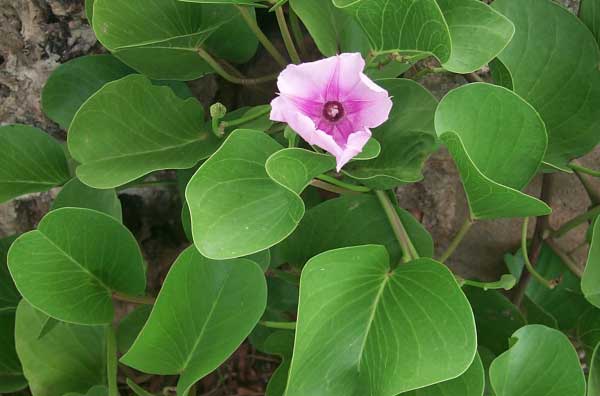
Kkā₁. nvt. hoʻokāto dash down, shatter, break, strike i ke kā ʻanain tying [thatch] (For. 5:650) kā i ka hoeto pull on a paddle with all one's strength kā i ka ʻinoto curse, do evil to kā i ka nele loa.to take away everything, utterly deprive, to be without. kā kēhauto rub tapa on grass or shrubbery to absorb the dew as a means of gathering moisture in arid places such as Kaʻū kā makauto make a fishhook of bone or other material kā make loato dash to death, hurl down, as a foe in lua fighting; to doom to death limu kā kanaka o Manuʻakepa.the man-striking moss of Manuʻakepa [name of a famous slippery alga growing on the beach at Hanalei, Kauaʻi]. kāʻeʻe₂. n. hand net hanging on an ellipsoidal wooden frame with one end pointed, used for ʻōhua and other inshore fish; to use this net or a skirt of a dress in this type of fishing; to strain, as through a strainer. [(CE) PPN *taakeke, type of net] kāʻei. var. of kāʻai; kahahānai₂ [kaha·hā·nai]. n. strings securing upper part of the net surrounding a calabash (kōkō). kāhala₃ [kā·hala]. n. net made of strong cord, used for sharks. (Malo 213) kāheʻe₂ [kā·heʻe]. vi. to catch fish with a scoop or hand net. see ʻupena kāheʻe. kahekahe₂ [kahe·kahe]. nvt. method of fishing with a large net placed in deep water where fish fed or where bait had been strewn; to fish thus. (Malo 212) kaʻi₃. fish net or seine; snare or noose for birds. (And.) kai. s. See verb, No. 4. A net for fish; a snare for birds; a lasso for cattle, &c. kāʻihi₃. n. a fine meshed fish net, similar to kāʻili. (Malo 213) kaihi [ka-i-hi]. The name of a species of fish net; he upena kaihi. kaʻiʻi₂. n. small-meshed net. cf. ʻiʻi, small. [(EC) PPN *taaiki, snare] kaii [ka-ii]. s. A kind of net for taking fish. kāʻili₃. n. fine net as used for ʻōpelu fishing. (Malo 212) kaili [ka-i-li]. s. Name of a fish net from its use, to take away. kākā₄ [kā·kā]. nvi. to fish, as for uhu, parrot fish, with a square net (FS 39) or ulua with hook and line but no pole; net or nets dropped in a semicircle in shallow water, as for mullets or ʻōʻio. kalakalaʻula [kala·kalaʻula]. v. to pick entangled debris, as brownish seaweed, from a fish net. kāwaʻa₁ [kā·waʻa]. n.v. to cast overboard from a canoe, as fish nets or as a victim to be executed at sea; a method of deep-sea fishing with nets. kawaa [ka-waa]. s. The name of a species of fish net; he upena kawaa. kihi₃. n. canoes guarding the sides of mālolo and iheihe fish nets. kīholo₂ [kī·holo]. n. large fish net about 20 fathoms long, held by a canoe at each end. kio₅. n. cords made of hibiscus bark used as drawstrings of a large net. kīʻoʻe. nvt. ka ʻai kīʻoʻe lāʻauthe food reached with a stick [breadfruit] (ON 1270) koali₁, kowali. n. some kinds of morning-glory (Ipomoea spp.). The vines were used for swings and nets (kōkō). see also koani. (Neal 703–9) koali [ko-a-li]. s. The plant convolvulus; he mea hihi kolo. kōkō₁ [kō·kō]. n. kōkō pūʻaluplain net carrier; lit., slack net kōkō puʻua fine, knotted net carrier ua kaʻi kōkōcarried about in a hammock [due to extreme old age] koko [ko-ko]. The netting or net work of strings around a calabash. kōkō pūʻalu [kō·kō pūʻalu]. n. netted bag made of sennit with large plain mesh. lit., loose net. (For. 2:128–9) kōkō puʻupuʻu [kō·kō puʻu·puʻu]. n. very fine kōkō net for a calabash carried by kahu of high rank with chief's food. lit., knotted net. (For. 2:130) kolo₂. vt. to pull, tow, drag, to pull a seine. koʻo₁. nvt. hoʻokoʻoprop with a pole, as a heavily laden banana plant, or a house to keep it from falling down; to pole, as a canoe kuʻina koʻoplug·in, as in a computer program paipu koʻopipe used to hold up clear plastic sheeting over an aquaculture tank kuakua [ku-a-ku-a]. s. A section or piece of a fish net; kuakua upena. kue manu. v. to attract ʻuaʻu, petrel birds, to a net by imitating their call, kue, kue, kue! kūhili₁ [kū·hili]. vt. to stain or dye by soaking in water containing mashed bark, as nets or mulberry bark before it is pounded into tapa. cf. hili, bark dye. kuhili [ku-hi-li]. adj. Mixed with coloring matter, as wauki before it is pounded and thus colored in the bark; ka onohi ula me he wauki kuhili la. kūkaʻi₄ [kū·kaʻi]. rope fastening fish nets together. (And.) [PPN *tuʻu-taki, to join together, meet] kukai [ku-kai]. s. The name of a rope fastening together two fish nets. See aea. kuku₂. n. beam, as of a house; stick, as used to support and distend a net. [(EP) PPN *tutu, hoop (used as net spreader)]
He aliʻi no ka malu kukui.A chief of the candlenut shade [chief of uncertain genealogy]. (ON 539) kumuoka [kumu·oka]. n. perhaps a net used in bag-net fishing. also oka. (Kam. 76:63) kūpō₁ [kū·pō]. nvt. long net stretched across the track of fish, one end anchored in deep water, the other in shallow (Malo 210, 212); to set a net at night. cf. kuʻu₂. kupo [ku-po]. s. Name of a species of fish net; he upena kupo. kūpō₂ [kū·pō]. scoop net. also kūpoʻo. (AP) kūpoʻo [kū·poʻo]. same as kūpō₂, scoop net... kuʻu₂. nvt. type of net let down from a canoe; gill net; to set or lower a net or catch in a net. cf. kūpō. E kuʻu ana ka iʻa.The fish were being netted. (FS 243) Kuʻu ka pua ʻamaʻama mai ka loko iʻa.Net young mullets from the fish pond. kuu. The act of taking fish in a net. NOTE. This idea is more from letting down the net than from insnaring the fish. See the verb 5. s. The name of a species of fish net; he upena kuu. kuʻuna₂. n. place where a net is set in the sea; to let down a fish net. kuwā₂. n. prayer for special events, as trimming grass from over the door of a grass house, or completion of a new canoe or net. see ʻeleao₃. (Malo 184) kuwa [ku-wa]. s. The name of a prayer made when a person finished a new house by trimming the grass from over the door; kuwa ka inoa oia pule; also a prayer when a canoe was finished. kūwaiū [kū·wai·ū]. n. sinker on an ʻōpelu net.
Llā₅. n. each of two cross sticks holding corners of the dip net called ʻupena ʻākiʻikiʻi. lapa₉. vt. to slacken off the lower section on an ʻōpelu bag net; part of the catch remains in the water, and the top part only of the net is raised to the canoe and the catch taken; a large catch would be too heavy to bring up at once. lau₂. n. dragnet, seine, so called because formerly made of ti leaves (lau) tied to a rope. cf. hukilau, lauahi, lauʻapoʻapo, laukō. [PPN *rau, a kind of net made of coconut fronds] hoʻolau₁to use a lau hoʻolau₂a bundle of grass or ferns set in water to attract shrimps or ʻoʻopu fish; a net was placed under this bundle, and the fish shaken into it. lauahi₂ [lau·ahi]. n. bag net used for fish, as ʻōhua. lauʻapoʻapo. n. type of lau fishing outside the reef, seine. lit., catching seine. lau kapalili₁ [lau kapa·lili]. same as hukilau, seine fishing, but reportedly used in deeper water and with yellowed ti or banana leaves. lit., trembling net. laukō pua [lau·kō pua]. n. fishing for young fish (pua) with fine nets. laulau₁ [lau·lau]. nvt. wrapping, wrapped package; packages of ti leaves or banana leaves containing pork, beef, salted fish, or taro tops, baked in the ground oven, steamed or broiled; any cloth, net, or leaves used as a wrapper or carrier; to wrap or carry in such bundles. [PPN *laulau, basket or leaves for serving or carrying food; to serve food] laulau monibundle of money (Kin. 42.35) laulau [lau-lau]. The netting in which food is carried. laulele₃ [lau·lele]. n. net fishing with small nets as in shallow water (usually used with lawaiʻa or papa) lau ʻōpae [lau ʻō·pae]. n. shrimp net, about a fathom long, placed around a heap of rocks called ahu or imu (fish and shrimp were prodded and frightened from the rock pile into the net); this type of fishing. lawaiʻamanu [lawaiʻa·manu]. n. birdcatcher, birdcatching with a net. lit., to fish birds. lawaiamanu [la-wa-ia-ma-nu]. s. See lawaia, v., and manu, a bird. A hunter and catcher of birds; a fowler. Hal. 124:7. NOTE.—Catching birds was formerly practiced to a great extent on the mountainous parts of the islands. lehelehe₁ [lehe·lehe]. n. lehelehe [le-he-le-he]. s. The root lehe not found. The lips. Kanl. 23:24. I. e., synonymous with waha; put for the organs of speech generally. The lip, i. e., language; manner of speaking. Kin. 11:1. SYN. with olelo. Hoo. Puukilea i ka hoolehelehe. See kilea. lio₃. n. rope tied to the bottom of a large bag net. luelue [lue·lue]. n. bag net with meshes the width of a finger, as held open by a hoop of walaheʻe wood and baited and lowered into the sea by tour long cords. luelue [lu-e-lu-e]. s. A long flexible fish net; he upena luelue. luʻu. vi. to dive, plunge into water, immerse, duck; to dip in, as a shrimp net. [(EP) PPN *ruku, dive] hoʻoluʻuto dip, immerse, dye hoʻoluʻu lahilahito dye lightly, tint hoʻoluʻu paʻakaibasket for storing salt (paʻakai); to dye salt with ocherous earth waihoʻoluʻucolor dye luʻu. vi. to dive, in volleyball. Niʻihau. also lele ʻōpū, moe pālahalaha. luu. v. See lu. To dive; to plunge into the water out of sight.
To spill out; to flow rapidly; to rush, as water confined in narrow places.
To sow, as seed; to scatter; hence, to overturn; to overthrow. See lu.
Hoo. To dip into coloring matter; to dye. Puk. 25:5. To dye, as a garment in a liquid. Hoik. 19:13.
To plunge headlong down into the deep.
s. That which may be thrown or scattered, i. e., shot; luu manu, duck shot. See lu.
Mmāhā [mā·hā]. n. net mesh large enough to admit the entrance of four fingers; net of such a mesh. maiewa₂ [mai·ewa]. n. deep-sea fishing net. also hoʻolewalewa. rare. maka₄. n. maka ʻaha. n. sennit mesh; fairly fine mesh. uwea maka ʻahachicken-wire fence makaʻaha [maka·ʻaha]. n. grid. see pakuhi makaʻaha, spreadsheet, as in a computer program... pepa makaʻaha kumu hoʻohui pāʻumibase-ten grid paper n. screen, as for windows. Niʻihau. also uea makika. see pani puka uea makika. mākahi₂ [mā·kahi]. n. net mesh large enough to admit the entrance of one finger; a net with such a mesh. mā kahi ʻoā, mākahi ʻoene, mākahi hoenea mesh larger than one finger's width, but not large enough for two fingers (mālua) mākahi ʻoene. net mesh see mākahi₂. (EH) makahune [maka·hune]. n. fine mesh or weft, as of net or mat. maka lua₃. n. fishing net with mesh wide enough to admit two fingers. lit., double mesh. maka ʻupena. n. net mesh. cf. ʻōpua maka ʻupena, uea maka ʻupena. mākolu₂ [mā·kolu]. n. net mesh large enough to admit the entrance of three fingers; a net with such a mesh; three-ply, as sennit. cf. mākahi, mālua. makolu [ma-ko-lu]. s. Name of a certain kind of fish. mākolu ʻoā, mākolu ʻowā. mesh (EH) mākolu ʻowā. var. spelling of mākolu ʻoā, mesh mālua₁ [mā·lua]. nvs. net mesh large enough to admit the entrance of two fingers; a net of such a mesh; two-ply. cf. mākahi. mālua ʻoā, mālua ʻowā. net mesh (EH) mālua ʻowā. var. spelling of mālua ʻoā, net mesh manae. probably same as nae, net. maoloha [mao·loha]. n. large-meshed net used at makahiki ceremonies. It was filled with food and held at each of the four corners. The priest prayed, and the net was shaken. If the food did not fall out, the priest predicted famine. Perhaps this was named for a legendary net called kōkō a maoloha. During a famine Waia miraculously lowered this net from heaven and filled it with food. He shook the net, and food was scattered for the benefit of the starving people. (Malo 151, 155) maoloha [ma-o-lo-ha]. s. The ancient name of the strings or net for a calabash, equivalent to the modern word koko; ua kapaia o koko a maoloha ia koko. See koko. melomelo [melo·melo]. n. club used as lure; it was smeared with bait, such as roasted ʻalaʻala heʻe, roasted coconut flesh, or various aromatic leaves; let down in the water, it was believed to attract fish to a net. also mākālei. hoʻomelomeloto prepare this club; to use this club melomelo [me-lo-me-lo]. adj. Applied to a piece of wood smoothed and oiled over and let down into the water to attract fish; it was called laau melomelo; me ka laau melomelo a kahekahe paha. moena₃. n. resting place, position of anything lying down; place for setting (hoʻomoe) a fish net. [PPN *mohe-ŋa, bed, sleeping place, sleeping mat] Na ka lawaiʻa e kuhikuhi i ka moena e hoʻomoe ai i ka ʻupena.The fisherman points out the place to set the net. mole₅. n. bag in the pākuʻikuʻi net. see ʻupena papa.
Nnae₃. n. fishing net with small meshes; net structure to which feathers were attached for feather capes. also naepuni, puni, ʻupena ʻōhua palemo. nae. The name of a species of fish net with small meshes. nae kuku. n. bag nets of fine-meshed nae (netting) consisting of rectangular pieces joined together; a stick (kuku) was used at each end of the foot or lower rope. Nākōkōamakaliʻi [nā-kō·kō-a-maka·liʻi]. n. probably Pleiades. lit., the nets of Makaliʻi. (HM 368) nukuāʻula, nukuwāʻula [nuku·āʻula]. n. type of fishing net, with mesh so fine that only the very tip (nuku) of the finger could be inserted. nukuaula [nu-ku-a-u-la]. s. The frame of a fish net. nukunukuāʻula, nukunukuwāʻula [nuku·nuku·āʻula]. same as nukuāʻula, type of fishing net... nukunukuwāʻula. var. spelling of nukunukuāʻula, type of fishing net...
Oʻoā₅, ʻowā₅. n. a measurement equal to half the width of a finger, of fishing nets. cf. wā₄. [(CE) PPN *koata, ?? (problematic)] mākahi a ʻoāthe width of one and a half fingers ʻōhao₃ [ʻō·hao]. nvt. to tie, especially a dog by the neck, or lau nets together. cf. ʻōhao ʻīlio. rare. ohao [o-hao]. s. Name of a rope to tie dogs with. v. To tie, as a rope or string; to bend on; applied mostly to dogs; e ohao i ka ilio a paa. ʻōkaʻi₅ [ʻō·kaʻi]. n. cords on the mouth of a fish net, as for iheihe fish. okai [o-kai]. Kekahi aoao o ka waha o ka upena malolo. ʻōkaʻi₆ [ʻō·kaʻi]. small oblong net connecting two larger fish nets. (AP)
Kaekae ke olonā.The olonā fibers are perfectly cleaned. olonā i hilo ʻiafine twirled linen (Puk. 28.15) olona [o-lo-na]. A cord; tendon of a muscle of animals or men. Kol. 2:19. A muscle. Sol. 3:8. Olona hao, an iron sinew. Isa. 48:4. The hamstring of an animal. Kin. 32:32. In surgery, a ligament. Anat. 1:24. adj. Flaxen; pertaining to linen. Ier. 13:1. Ka lole olona maikai; he ie nani olona; ua aahuia i ka lole olona aiai keokeo. Hoik. 15:6. s. A shrub, the bark of which dressed resembles bleached hemp or flax, and is made into small cords. The name of the cord itself; hence, Flax; hemp; linen. Puk. 9:31. ʻoʻopu hiʻu kole. n. a variety of fresh-water ʻoʻopu. lit., red-tailed ʻoʻopu. It is believed that this fish drives other fish away, and hence must be thrown out of a net with an exclamation of disgust. ʻōpū₁ [ʻō·pū]. n. Mahola aʻela ka ʻōpū o ka ʻupena.The bag of the net opened out. ʻO kuʻu ʻōpū, ʻo kuʻu ʻōpū! Ua hoʻokaʻawili ʻia au ma kuʻu naʻau.My bowels, my bowels! I am pained at my heart. (Ier. 4.19) opu [o-pu]. s. A protuberance with an enclosure, as the belly, stomach, bladder, &c.; as, opu o ke kai, the heart, belly (midst) of the sea; the crop of a bird. Oihk. 1:16. The maw of animals. Kanl. 18:3. The womb. Lunk. 16:17. A round, liver-like substance in the hog and other animals.
ʻōpū maka ʻupena [ʻō·pū maka ʻupena]. n. beef tripe. lit., net mesh belly. ou₁. n. float, as on a net. rare. ou [o-u]. v. To lean the breast on a piece of wood in order to float; to ascend upon, as a float. s. A float. See mouo. ʻowā₅, ʻoā₅. n. a measurement equal to half the width of a finger, of fishing nets. cf. wā₄. [(CE) PPN *koata, ?? (problematic)]
Ppā₁₀. n. section of net attached to a bag in certain types of fishing. pāhoe [pā·hoe]. n.v. to paddle; to drive fish into a net by beating the paddles rhythmically against the canoe; paddler. cf. homa₃, kāpapa. E pākaʻau ʻia nō i nā pāhoe āpau.40 [fish] for each paddler. (Nak. 106) pahoe [pa-ho-e]. s. A fleet of canoes fishing for the malolo, flying-fish. pahu₇. n. gill net used in shallow water. (Malo 213, Emerson note) pahu [pa-hu]. The name of a species of fish net; he upena pahu. pā i ka ʻupena. wary (as a fish) (EH) pākiʻikiʻi₂ [pā·kiʻi·kiʻi]. n. small dip net used in fishing in shallows. pakiikii [pa-kii-kii]. adj. Applied to a fish net, a small net; i ka upena pakiikii. pākū [pā·kū]. n. Iēhowa kō mākou pākū.The Lord our defense. (Hal. 89.18) Kū pākū ka pali o Nihoa i ka makani.The cliff of Nihoa stands as a bulwark against the wind [said of one bravely facing misfortune]. (ON 1924) paku [pa-ku]. v. Pa, a wall, and ku, to stand. To partition off; to guard; to defend; to shield one from harm; manao iho la au e haliu ae i ko kakou Haku me ka i aku, e paku mai oe ia'u; to parry off; to defend by some means; a paku aku la na kanaka i ka moena no ka pu, and the people put up their mats as a defense against the guns. s. A partition, as of a house. The wall of a small inclosure. A defense; a place of security. Hal. 89:18. A shield; a veil concealing something. Puk. 26:31. A hanging division; a curtain. Puk. 27:15. NOTE.—The partitions or pakus in the houses of former times, where the people had any at all, were nothing more than kapas or mats hung up. A division; that which makes a place to be separated from another place. pākuʻikuʻi₃ [pā·kuʻi·kuʻi]. n. a long fishing net; (Emerson) specifies a net laid in coral reef, into which fish were driven by beating the water (Malo 212, Emerson note); the joining together of long nets. also ʻākuʻikuʻi. pākuʻipai [pā·kuʻi·pai·]. n. shrimp net. also pāloa. pakuipai [pa-ku-i-pai]. adj. Some quality of a fish net; he upena pakuipai. pākū makika [pā·kū makika]. n. mosquito net or netting. pākū makika [pā·kū makika]. n. mosquito netting. pāloa₁ [pā·loa]. same as pākuʻipai; long seine, as used for mullet. [(MQ) PPN *paa-loa, seine] paloa [pa-lo-a]. s. A kind of fish net; called also the upena pakuipai. papa₆. n. middle portion of a fishing net, bag net. papa [pa-pa]. A term used in relation to a fish net. papalaulele [papa·lau·lele]. n. small net, as for fishing in shallow water. papa waha nui. n. large baglike net used for akule fish. papawahanui [pa-pa-wa-ha-nu-i]. s. Taking fish with a long net; o ka upena ka mea hana i papawahanui. pelu. n. hem, as of a dress. see kaʻa kaupaku pelu. pepeiao₈ [pepei·ao]. n. long nets 30 to 37 m deep, attached at each side of the ʻupena kolo, bag net. pepepe. redup. of pepe₁, ₂, flat, as a nose. low, squatty...; small, fine-meshed, as of a mat... PCP *pepepe(pe), low. pepepe [pe-pe-pe]. v. See pepe. To flatten down; to fall flat; to depress; to humble; to make low. adj. Low; flat; applied to a house; depressed. piko₆. n. bottom round of a carrying net, kōkō. pīkoi₃ [pī·koi]. n. wooden floats attached to upper or head cord of gill nets. cf. ʻalihi pīkoi. Ka iʻa pīkoi ʻo Kālia, he kanaka ka pīkoi, he kanaka ka pōhaku.Kālia is a fishing net with human floats, human sinkers. (ON 1378) pīkoni₁ [pī·koni]. n. cord attaching floats to a fishing net. pikoni [pi-ko-ni]. Any substance that will cause a fish net to float; small buoys; floats. See pikoni. A club or a long kind of ball fastened to a rope, and used for robbing and plundering. s. The cords connected with the buoys and sinkers of a fish net; a float connected with a net; a buoy. See pikoi. pōhaku mole [pō·haku mole]. n. perforated stone tied to the end of the bag in the pākuʻikuʻi net to hold it in place. lit., base rock.
E kā i ka pōhuehue.Strike with the pōhuehue. [One hit the sea with this vine to make a rough sea for surfing, or to kill an enemy who was in the sea.] (ON 313) pohuehue [po-hu-e-hu-e]. s. The name of a running plant like the koali. The name of the root of a species of the convolvulus growing on sand banks, and used with the koali as a cathartic. poki₁. vs. fine, as stitches or mesh; small, dainty, close together. poki [po-ki]. A standing or setting close together, as a crowd of people. v. To stand or sit thick together, as people crowded. To be united so as not to be separated. pōkiʻi₃ [pō·kiʻi]. n. name of the canoe of the owner of the net used in mālolo or iheihe fishing. rare. pouono [pou·ono]. n. fishing net. (Malo 212) pōuouo [pō·uo·uo]. n. bag net with meshes two fingers wide, similar to but larger than the luelue. pououo [po-uo-uo]. s. The substance that fishermen use to bear up their nets, light buoys, floaters, lighters, &c. See mouo and mououo. The name of the net thus prepared; upena pououo. puhi₆. n. sticks supporting a pākuʻikuʻi net, called the puhi nui and the puhi ʻuʻuku (or puhi iki). Nets forming the ʻupena papa had the same names. pula₂. n. leafy branch, as of coconut, pandanus, or ʻilima, used as a broom to drive fish into a net and to poke into reef crevices in order to frighten out the fish. pula [pu-la]. The leaves of the hala tree when used with a net in catching fish. puni₅. n. a fine-meshed net. also nae, naepuni. puni [pu-ni]. s. Name of fish nets with small meshes. pūpū₅ [pū·pū]. nvt. to draw or gather together; to draw tight, as a fishing net. cf. pūpū lauoho, pūpū weuweu. Pūpū wahi kūʻōʻō ka mahi ʻai o uka; ola nō ia kini he mahi ʻai na ka ʻōiwi.The upland farmer gathers the small injured sweet potatoes; the multitudes find life, when the farmer farms for himself. [though the potatoes may be small, the independent farmer supplies his kin]. (ON 2762) pūpū₆ [pū·pū]. the end net (also called the mole) of the ʻupena papa. see ʻupena papa, bag net... puʻu₉. n. fancy knot or mesh, as in kōkō, net. puʻumana₂ [puʻu·mana]. n. a new mesh added in the enlargement of a net. lit., branching knot.
Uualei [ua·lei]. vt. to spread out, as a fish net. uhau ʻupena. v. to strike with a net, as a bird-catching net on a long handle. uhina. n. covering; throw or cast net. uhina [u-hi-na]. s. A net for taking fish. ulu₇. n. center, as of a canoe or net. cf. uluna₃. Kīhele ia ulu.Bail out the center. uluna₃. n. center part of a net, as of a large ʻupena iheihe, (net used for iheihe fish). cf. ulu₇. uluulu₅, ulūlu. n. diving or scoop net, its mouth being held open with two sticks. (Malo 213) uluulu [u-lu-u-lu]. s. Name of a species of fish net; npena uluulu. umu. n. oven, furnace (Ezek. 22.20) ; a heap of rocks placed in the sea for small fish such as the manini to hide in: this was surrounded by a net and the fish were caught. More commonly called imu. [(OC) PPN *ʻumu, earth oven] hoʻoumuto make an umu; to pile in a heap umu [u-mu]. v. To bake, as in an oven; to dig; to heat; to cover up; to do all that belonged to the process of baking food under ground. See imu. To collect; to place together; to leave together, as in making an oven. s. An oven. Oihk. 2:4. A place for baking food; a furnace. Neh. 3:11. Umu hooheehee, a furnace for melting metals. Ezek. 22:20. ʻupena. n. fishing net, net, web. fig., trap. [(OC) PPN *kupeŋa, net] upena [u-pe-na]. s. A net for taking fish; a snare for catching birds; e malama i ka upena nanana, take heed to the spider's web; upena papale oho, net work. Isa. 3:18. FIG. Anything for entrapping one in evil; ua makau au i ka upena o ka make, I am afraid of the snares of death. The cord of which fish nets were made; ke aho i hooliloia i upena. Ka upena kuu kanaka a Lono, Ka upena mahae e make ai ka luhia Ka lalakea, ka mano ka mano ai a ka lani. ʻupena ʻākiʻikiʻi [ʻupena ʻā·kiʻi·kiʻi]. n. dip net. cf. lā₅. ʻupena ʻalihi. n. name given for a net spread over a patient by a medical kahuna in order to catch evil spirits. ʻupenaʻapoʻapo. n. var. spelling of ʻupena ʻapoʻapo, gill net. ʻupena ʻapoʻapo, ʻupenaʻapoʻapo. n. gill net. ʻupena hoʻoheihei [ʻupena hoʻo·hei·hei]. n. a type of net or snare (no data). ʻupena hoʻolei [ʻupena hoʻo·lei]. n. throwing net. ʻupena hoʻolewalewa [ʻupena hoʻo·lewa·lewa]. n. gill net stretched at high tide across fish runs in shallow water. lit., suspended net. ʻupena hoʻomoemoe [ʻupena hoʻo·moe·moe]. n. set net. ʻupena hōuna [ʻupena hō·una]. n. net made of fibers of hau and ʻahu-ʻawa. lit., scoop net. ʻupena kāʻeʻe. scoop net (EH) ʻupena kahe. n. net similar to the pākuʻikuʻi. lit., flow net. ʻupena kāheʻe [ʻupena kā·heʻe]. n. scoop or hand net. see kāheʻe₂. ʻupena kāʻili. n. a type of net or seine (no data). ʻupena kiloi. n. throwing net. ʻupena kiola. n. throwing net. ʻupena kō lau. n. seine. lit., rope-pulling net. also hukilau. ʻupena kolo. n. immense bag net said to be from sixteen to twenty-four fathoms deep. lit., towing net. ʻupena kuʻu. n. gill net, set net. ʻupena lauoho [ʻupena lau·oho]. n. hair net. ʻupena luʻuluʻu [ʻupena luʻu·luʻu]. n. small net, baited, weighted down, and set on the sea floor; fishermen dived (luʻuluʻu) to bring it up. ʻupena māʻiʻo. n. net made of hau fiber. lit., jagged net. ʻupena mākini [ʻupena mā·kini]. n. a net used for destruction, as by robbers to snare victims. upenamakini [u-pe-na-ma-ki-ni]. s. Ka upenamakini a ka poe kii ai ia ke ahi a ka po, e kinai au e pio—e. ʻupena maomao [ʻupena mao·mao]. n. a large net used in deep water with the melomelo lure. lit., far net. ʻupena papa. n. bag net, said to be a combination of three nets, with the puhi nui at the opening (meshes two or more fingers in width), then the puhi iki (meshes half as large), and at the end the pūpū, which was also called the mole. lit., stratum net. ʻupena pili. n. two nets attached to either side of the opening of the pākuʻikuʻi. lit., joining net. ʻupena poʻo. n. bag net. lit., head net. ʻupenapupu [ʻupena-pupu]. n. a tapa-beater design with net meshes enhanced with small circles. ʻupena uluulu. n. a scoop net with two parallel sticks for a frame. Probably lit., frayed net. Ka ʻupena uluulu noho i ka hāpapa.The uluulu net in the shallows. (song)
W
wiliwili [wi-li-wi-li]. s. Name of a tree, the timber of which is, for its buoyancy, made into outriggers for canoes; erythrina corallodendron. |