| Pukui & Elbert - 1986
Māmaka Kaiao - 2003-10 Lorrin Andrews - 1865 |
updated: 12/18/2016 |
plants, trees 4145
plants, trees, shrubs...
Aaʻa₁. n. aʻa konithrobbing vein or artery, pulse; throbbing, as with excitement or passion aʻa lewalewaaerial roots, as put forth by ʻōhiʻa trees at high altitudes or in damp climates aʻa moku i ke poʻocerebral hemorrhage hoʻoaʻato cause a plant or slip to take root; to take root. ke koko maloko o nā aʻablood in the veins kuʻu kaikaina i ke aʻa hoʻokahimy younger sibling of the same womb ʻŌ kuʻu aʻa kēia,This is my offspring. aa [a-a]. s. The small roots of trees or plants. Iob. 8:17. Also called weli. The veins or arteries for blood, from their resemblance to the fine roots of trees, aole lakou i ike ke koko maloko o na aa. Anat. 1. Offspring. ʻaʻa₃. n. ʻaʻa maluna o ke akecaul above the liver ʻAʻole kanaka ʻaʻa ʻole.No man without his scrip. ka ʻaʻa o ke au ma ke akepaʻathe caul of the bile and the liver (Oihk. 3.4) aa [a-a]. s. A pocket; a bag. Iob. 14:17. SYN. with eke. Aa moni, a purse; a scrip; a bag to carry provisions in for a journey; aole kanaka aa ole, no man without his scrip; a bag for weights (of money.) Kanl. 25:13. The name of the envelop for a fœtus. Laieik. 190. Kuu kaikaina i ka aa hookahi. s. The caul of animals; aa maluna o ke eke, the caul above the liver. Puk. 29:13. The midriff: Oihk. 3:4. s. Name of the cloth-like covering near the roots of cocoanut leaves, aa niu. Hence, The name of a coarse kind of cloth, he aa haole. The outer husk of the cocoanut; the skin of the banana, same as paaa. s. Chaff; hulls; the outside of seeds or fruit. Ier. 23:28. ʻaʻaʻa. nvs. clothlike sheath at base of coconut frond; vascular bundles in taro corm, chaff, tissue; fibrous, stringy. also hāʻaʻa. ʻaʻaʻaʻa. redup. of ʻaʻaʻa, fibrous... ʻAʻaʻaʻa hoʻi kēia ʻuala.This sweet potato is full of fibers. aʻaahi [aʻa·ahi]. n. scion or shoot of sandalwood. ʻaʻae. n. second or third crop, as of taro; taro patch where the taro has been pulled up. also ʻae. aae [a-a-e]. s. See aa, fine roots. A kalo patch where the kalo is pulled. The young shoots of kalo remaining in the ground after the old is pulled. SYN. with oha. as, pau ke kalo i ka hukiia, o ka oha wale no koe, oia ka aae. ʻaʻahokau [ʻaʻaho·kau]. same as haupia, coconut and arrowroot pudding. aaka [a-a-ka]. Peeled; skinned, as a banana. ʻaʻaka₄. n. wood of the naio, bastard sandalwood. aʻa kolo, ʻaʻa kolo. n. a root running horizontally that produces roots below and above; a rhizome, creeping root. ʻaʻa kolo. n. var. spelling of aʻa kolo, a root running horizontally that produces roots below and above; a rhizome, creeping root...
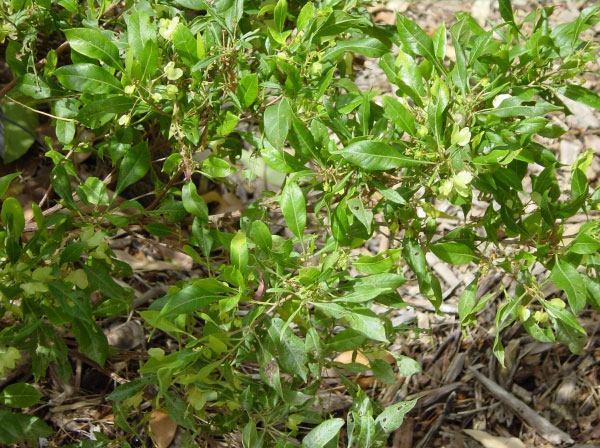
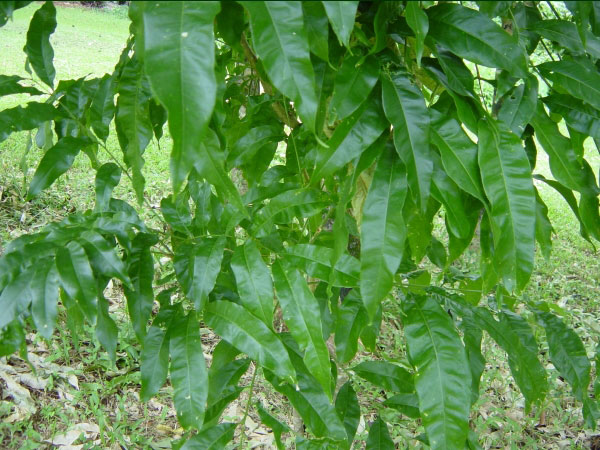
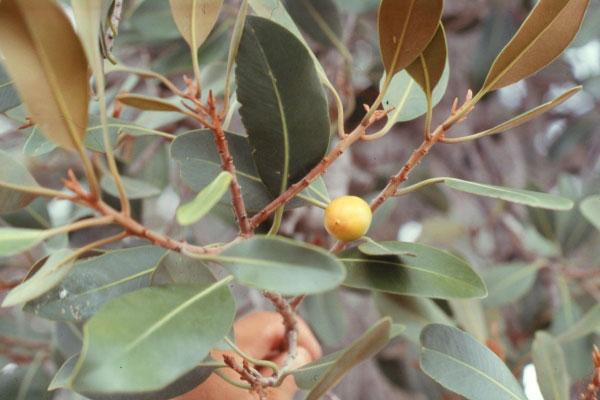
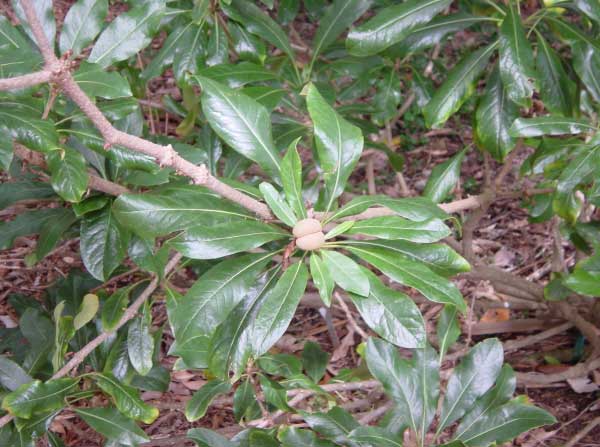
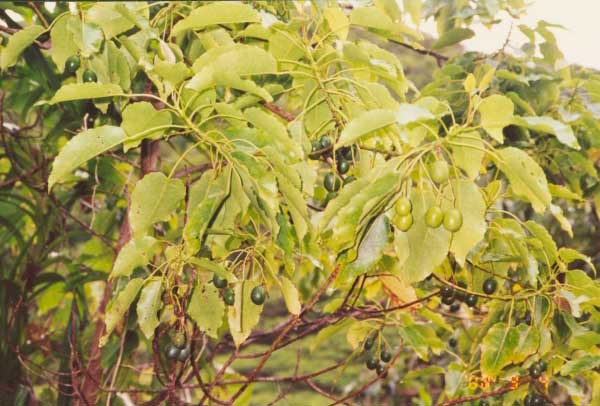
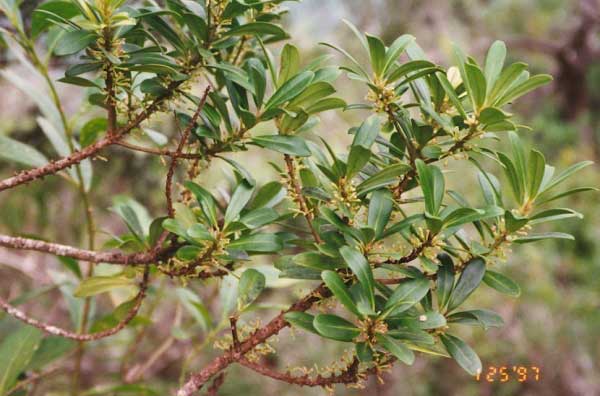
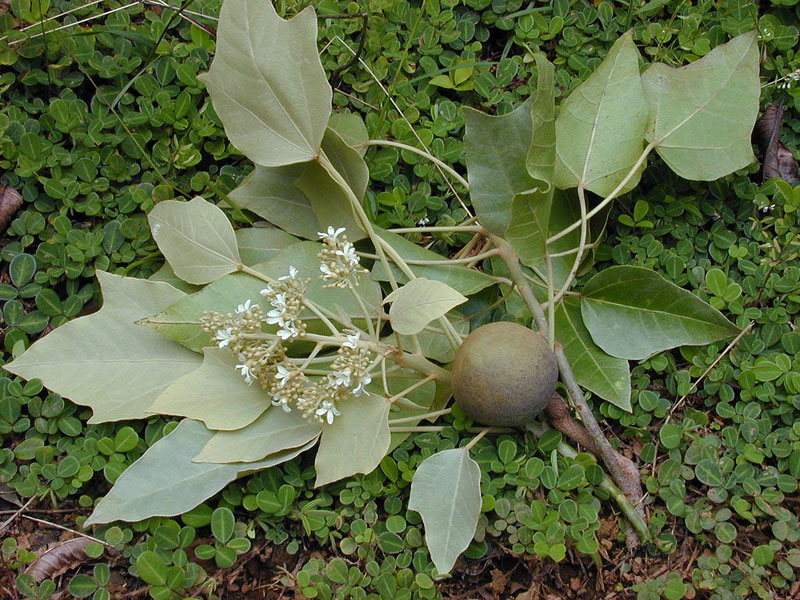
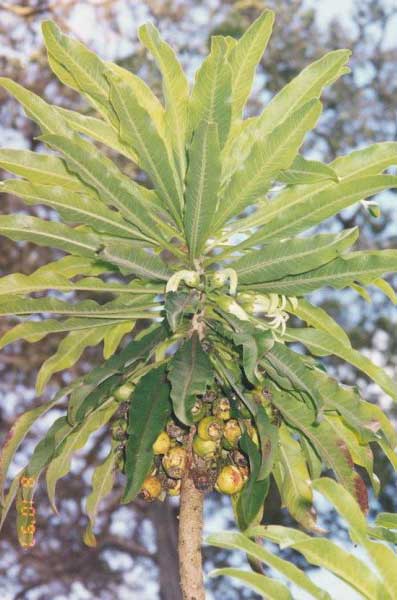
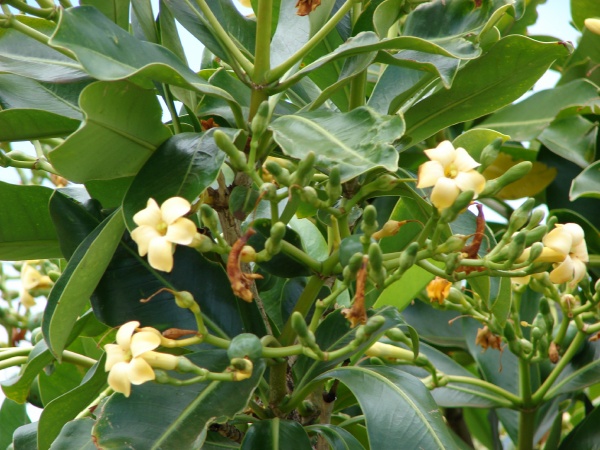
ʻaʻaliʻi kū ma kuaʻaʻaliʻi standing in back ʻaʻaliʻi kū makaniʻaʻaliʻi standing [in] wind He ʻaʻaliʻi au, ʻaʻohe makani e hina aiI am an ʻaʻaliʻi shrub, no wind can push me over. (a boast of the people of Kaʻū. see similar ex., ʻulaʻa.) (ON 507) aalii [a-a-lii]. s. Name of a hard timber; more generally alii. ʻaʻaliʻi mahu [ʻaʻa·liʻi mahu]. same as pūkiawe, shrubs. ʻaʻa lole. n. clothlike sheath at base of coconut frond; European cloth. aalole [a-a-lo-le]. s. Aa, cloth of cocoanut leaves. The name first given to cloth by the people of Kauai. ʻaʻa manu. n. coconut-leaf or pandanus-leaf bag used for carrying birds. ʻaʻamoʻo₁ [ʻaʻa·moʻo]. n. young clothlike sheath at base of coconut frond; gauze, as of a veil; diaphanous cloth. lit., ʻaʻa portion. aamoo [a-a-moo]. s. See aa. The cloth-substance around cocoanut leaves; a veil; thin white cloth; o ka mea keokeo e lalahi ana i ka moo, he mea lahilahi a puaweawe; whatever is light, thin, as thin cloth. adj. Light; thin, as cloth; o ka inoa o ka lole lahilahi loa. ʻaʻa niu. clothlike sheath at base of coconut frond. aaniu [a-a-ni-u]. s. See aa and niu, cocoanut. The covering like a coarse cloth around cocoanut leaves; a hookahekahe ma ka aaniu. ʻaʻao₂. n. uncultivated bananas. rare. aao [aa-o]. adj. A species of tall, wild banana, he maia aao. ʻaʻao hoʻokahi [ʻaʻao hoʻo·kahi]. same as ʻao kahi, one remaining leaf (ʻao) on an old taro stalk, said of an old taro about to die... E hele ke kalo ā ʻaʻao hoʻokahi.The taro grew until there was only one leaf left. ʻaʻapehihi [ʻaʻape·hihi]. n. pothos [plant]. ʻaʻapehihi lau liʻiphilodendron ʻaʻapu₁. nvs. coconut-shell cup; cuplike. also ʻapu. hōʻaʻaputo form a cup of the hollow of the hand; to fold a leaf into a cup aapu [a-a-pu]. s. See apu, a cup. A thin piece of wood, such as will bend up. A concave vessel. Hoo. To turn the hollow of the hand upward; e hooaapu ae i kou poho lima. ʻaʻapuwai [ʻaʻapu·wai]. same as ʻapuwai, a variety of taro. ʻaʻawa₂. same as ʻaʻawa hua kukui, a native tree (Pittosporum hosmeri and its varieties)... ʻaʻawa hua kukui. n. a native tree (Pittosporum hosmeri and its varieties), about 6 m high, with leaves 10 to 25 cm by 1.5 to 6 cm, shiny and wrinkled above, brown-wooly beneath; small, clustered, cream-colored flowers; ovoid fruits about 5 cm long, each with two to four thick valves containing orange pulp and black oily seeds. also hōʻawa, hāʻawa. (Neal 382–4)
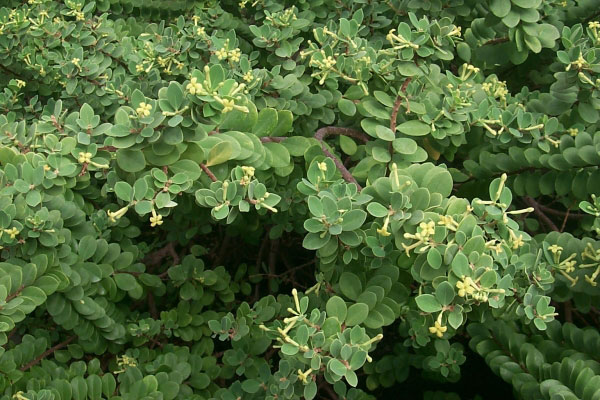
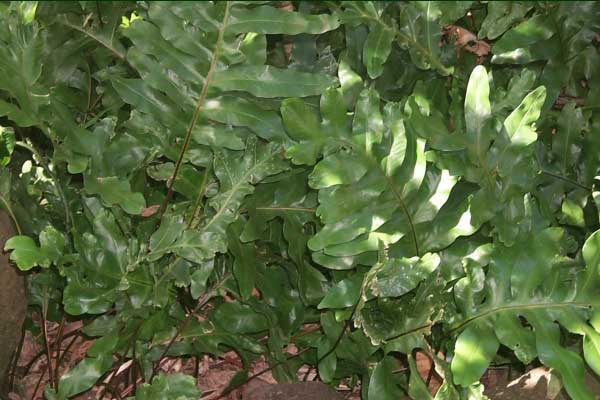
aʻe₆. n. Maui name for maua₂, trees. ʻae₂. n. ʻae limujuice remaining on the pounding board after seaweed (limu) is pounded; mixed with salt it is used to flavor sauce for ʻōʻio or other fish Kahe ka ʻae o ka waha.Mouth saliva flows [mouth waters; fig., to desire avidly]. ʻae₃. vs. ʻae kīfine portions of he ahi ʻā nopu hōʻaea hot glowing fire that pulverizes hōʻaeto make fine, pulverize, refine, soften ʻae₅. n. a native fern (Polypodium pellucidum) commonly seen at Kīlauea Volcano. It has oblong fronds 15 to 40 cm long, once divided into about fifteen or more pairs of oblong segments, each of which bears many round fruit dots. cf. ʻae lau nui. (Neal 25) ʻae₇. n. shoots from main root portion of the wauke plant. see ohi₃. aʻeaʻe₁ [aʻe·aʻe]. vt. mixing of a dark or brilliant color with a lighter one, as feathers in a lei; of dark hair of a young person with streaks of gray; to mix, as drinks. Aʻeaʻe mohala i luna o ke kukui.Streaks of silvery gray showing on the candlenut tree. [said of a graying person] (ON 5) aeae [ae-ae]. Dark, obscure, as a vision, indistinctly seen; po aeae, a night of indistinct vision, not totally dark, i. e., light and darkness mixed. aʻeaʻe₂ [aʻe·aʻe]. n. a kind of banana with green and white striped leaves and fruits. also koaʻe, manini. (Neal 249) [(MQ) PPN *ake, banana variety] ʻaeʻae₂. n. a small native shrub (Lycium sandwicense) growing near salt marshes and among rocks near the sea. It has light-colored bark; succulent, narrow pale-green leaves about 2.6 cm long; small white to blue-tinted flowers; and small red berries. also ʻākulikuli ʻaeʻae, ʻākulikuli ʻōhelo, ʻōhelo kai. (Neal 740) ʻaeʻae₃. n. water hyssop, a succulent herb (Bacopa monnieria). Niʻihau cf. (Neal 759). ʻaeʻahaukaʻe. n. var. spelling of ʻaeʻa haukaʻe₂, a variety of wild sweet potato, good only as pig food. ʻaeʻa haukaʻe₂, ʻaeʻahaukaʻe [ʻaeʻa hau·kaʻe]. n. a variety of wild sweet potato, good only as pig food. ʻae lau nui. same as ʻae₅, with large leaves. āewa₁ [ā·ewa]. vi. thin, tall spindly; to weave to and fro, as seaweed; to sway, as a branch or sea eddy. cf. ewa, māewa. [PPN *ʻaʻewa, walk about: *(q)aqewa] ulu maikaʻi a āewa hua ʻolegrowing well but spindly and fruitless [of bananas] (Kep. 159) ʻaha₂. nvi. E kiʻi i ke kaula e ʻaha ai.Get a cord to stake out the house with. hōʻahato make or braid ʻaha; to tie up a calabash Ua like nā ʻaha.The sides are of equal length [as of a rectangle]. aha [a-ha]. s. A cord braided from the husk of the cocoanut. A cord braided from human hair. Strings made from the intestines of animals; ka naau i mea aha moa, the intestines for strings to tie fowls with; he aha, pulu niu; he aha waa a me ka aha hoa waa, a cord for tying and strengthening a canoe in a storm; he aha palaoa, he lauoho i hili nilo ia. v. To stretch the cord by which the first posts of a house were put down or set straight; e kii i ke kaula e aha ai, fetch the rope to make straight with. FIG. Aha, oia ka ana a me ka aha pololei no ke anpuni, aha, that is, to measure and direct straightly the government. s. Used in the expressions, ua like na aha, the sides are equal; aha like, meaning side—measure perhaps. ʻāhaʻihaʻi [ʻā·haʻi·haʻi]. redup. of ʻāhaʻi₁, to carry off, chase... Na ka manu ʻāhaʻihaʻi, kanu lau ʻawa o uka.It was the birds who carried, planting kava leaf in the upland. (song) ahaihai [a-hai-hai]. adj. See above. Ka manu ahaihai kanu awa e, the bird breaking off the awa plants.
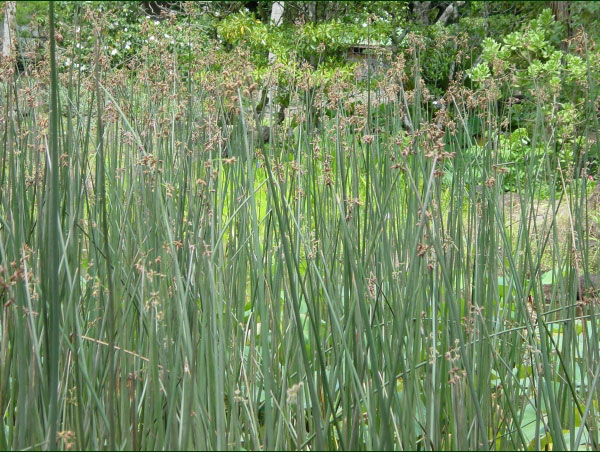
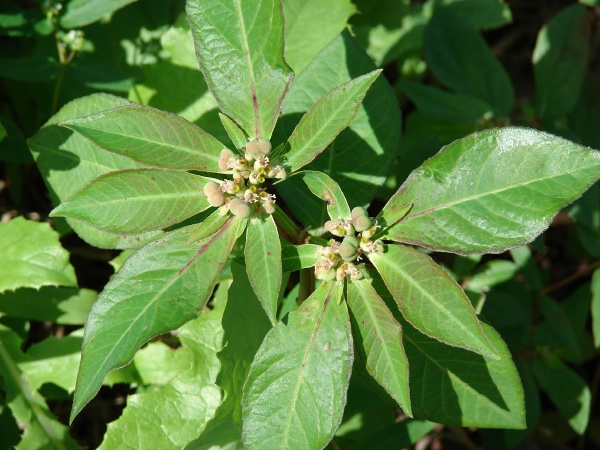
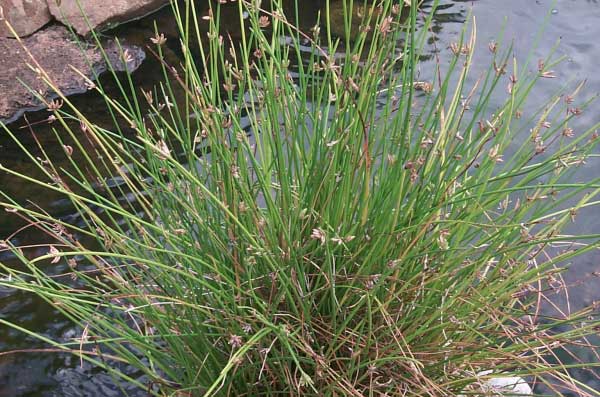
I ke aha hoʻi? I ka ʻahakea.Why then? The ʻahakea [a saucy, retort containing a pun on the word aha, what]. (ON 1199) ahakea [a-ha-kea]. s. Name of a species of yellowish wood used for rims of canoes. It is also used for making poi boards, canoe paddles, &c. ʻahakea₂ [ʻaha·kea]. same as haokea, a taro. ʻahaniu [ʻaha·niu]. n. a native sedge (Machaerina mariscoides subsp. meyenii) with pointed, leathery leaves about 90 by 1.6 cm, mostly basal around a more or less zigzag spike, which bears light-brown scattered flower clusters. see also ʻuki, all species of Cladium and Machaerina. (Neal 89) ʻāhē₂. n. wild taro. Kauaʻi. Varieties are qualified by the colors keʻokeʻo and ʻulaʻula. Called ʻāweu on Hawaiʻi. ʻahea. same as ʻāheahea₂, a native shrub (Chenopodium oahuense) ... ʻāheahea₁ [ʻā·hea·hea]. vi. to wilt, as a plant; warm, insipid. aheahea [a-he-a-he-a]. adj. Warm, as water by standing in the sun.
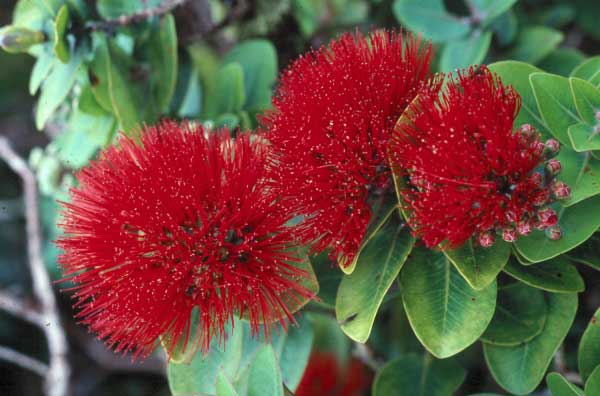
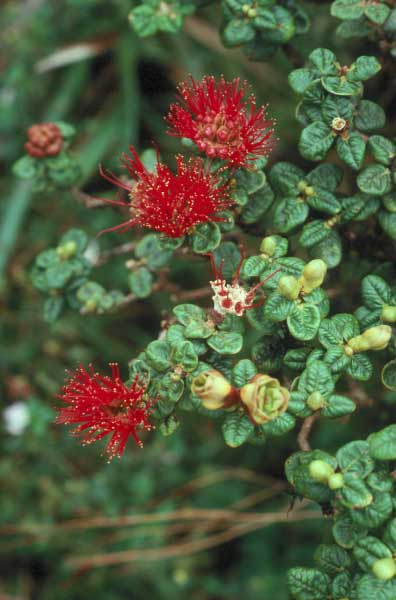
ʻahele. nvt. snare; to snare. also pahele. ʻahele pulu niusnare of coconut fibers, as for ʻaʻama, a crab ahele [a-he-le]. s. A snare; used in a former translation for pahele. Ier. 18:22. A snare; same us pahele, but is more used. ʻāhewa₃ [ʻā·hewa]. n. Oʻahu name for the mānā fern. ʻāhewa₄ [ʻā·hewa]. a mimosa tree. (AP) ʻāhewahewa [ʻā·hewa·hewa]. same as ʻāheahea₂, a shrub. ahewahewa [a-he-wa-he-wa]. s. Name of a tree on the mountains. ʻāhihi₁ [ʻā·hihi]. n. a low spreading bush (Metrosideros sp.), formerly numerous in Nuʻuanu. Also ʻāhihi lehua, lehua ʻāhihi, ʻāhihi kū ma kua. ahihi [a-hi-hi]. s. Name of a tree or shrub in Nuuanu; he lei no ka huakaihele o Kona. ʻāhihi₂ [ʻā·hihi]. n. any plant with long runners or creepers, as cup of gold; any creeping vine. cf. hihi, entangled.
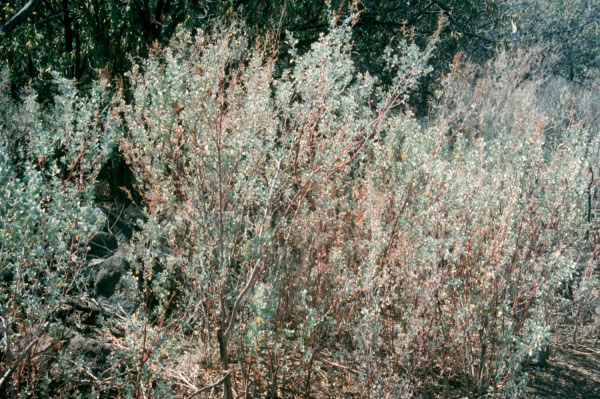
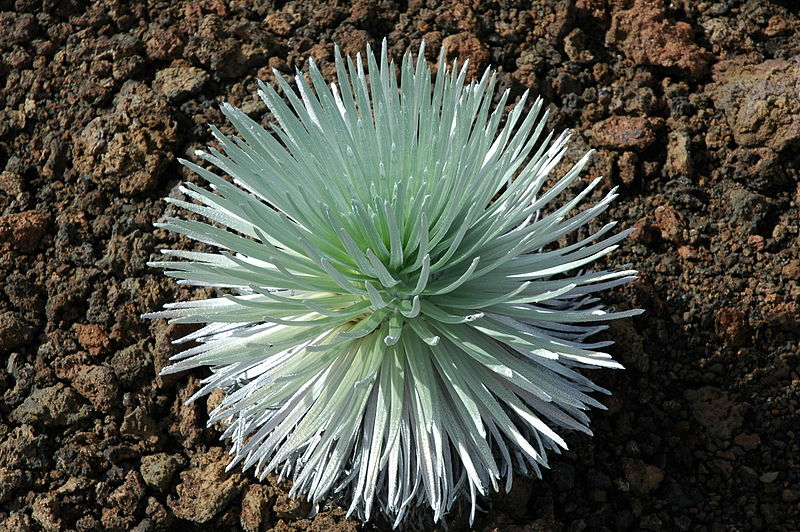
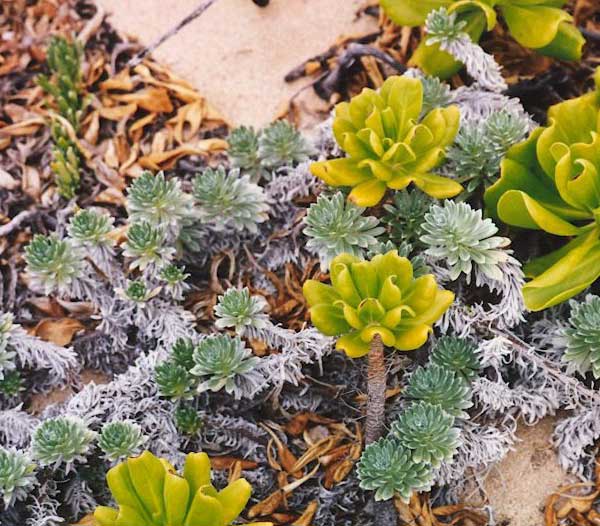
ahinahina [a-hi-na-hi-na]. Name of a plant living in cold, dry places; so named from its color, a light silver gray; known as the "silver sword." ʻāhinahina₃ [ʻā·hina·hina]. n. a native spreading shrub to 1 m high, (Artemisia australis); leaves divided into narrow segments, hoary on under side; flowers in panicles, small, daisy-like. Pounded leaves are used for asthma. also hinahina. (Neal 852) ʻāhinahina ʻōmaʻomaʻo [ʻā·hina·hina ʻō-maʻo-maʻo]. n. Maui greensword. lit., green silversword. ʻāhina kuahiwi [ʻā·hina kua·hiwi]. n. a native fern (Cyrtomium caryotideum), with fronds 25 to 35 cm long, once divided into 6 to 18 broadly sickle-shaped pinnae, lobed at the base. also kāʻapeʻape. ʻāhiu₁ [ʻā·hiu]. vs. wild, untamed, as animals or plants. ʻāhiu [ʻā·hiu]. vs. wild, general term; shy. cf. lapa. see lōhiu, lakauā. ahiu [a-hi-u]. adj. Wild; untamed, as a horse; he aa; aole laka mai. See hihiu. ahuahu [ahu·ahu]. nvi. healthy, vigorous; strength and vigor, as of animal or plant; to grow rapidly, thrive. also ehuehu₂. ke ahuahu kōa healthy sugar-cane plant (For. 5:646) ulu ahuahuto grow fast, to be big for one's age ahuahu [a-hu-a-hu]. s. Young sprouts or shoots from layers, as from sugar-cane. A boy or girl that grows up quickly. ʻahu ʻao. n. choice mat of fine strands of soft white young pandanus leaves, about 3 cm mesh. ahuao [a-hu-ao]. s. The young and tender leaves of the hala for making mats; ahu moena, ahu pawehe, ahuao.
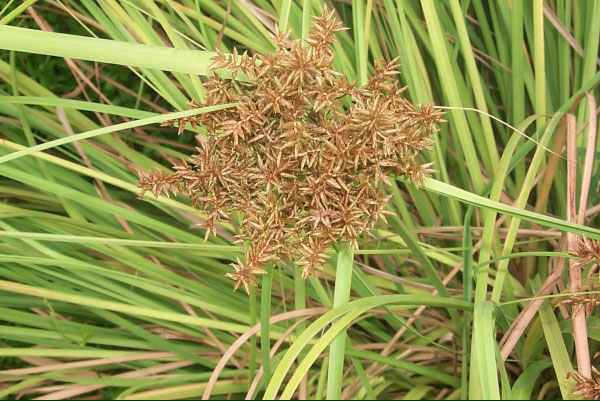
Ōpū ʻahuʻawa hānau.Born in a clump of ʻahuʻawa [of a humble birthplace]. ahuawa [a-hu-a-wa]. s. A species of strong rush of which cords are made; the leaves are made into hats. The name of the cord itself; mai hoka au i ke ahuawa. ʻahuʻawa₂. n. another coarse sedge (Cyperus hypochlorus) similar to the preceding one, but with green instead of brown flowers. ʻahuʻawa haole. n. the umbrella plant, a leafless ornamental sedge (Cyperus alternifolius), 30 to 180 cm high, the umbrella-shaped flowering head with about 20 grasslike rays at the top of a slender stalk. also puʻukaʻa haole. (Neal 84–5) ahuhinalo [a-hu-hi-na-lo]. s. A garment or cloth made of the hala leaf. ʻahu hīnano [ʻahu hī·nano]. n. soft, fine mat garment plaited from fine strands of dried bracts of male pandanus fruit. ʻāhui [ʻā·hui]. n. bunch or cluster, as of bananas, grapes; whole pandanus fruit consisting of keys. [(EP) PPN *kaa-fui, bunch (of fruit etc.) (clk): *kaa-fui] ahui [a-hu-i]. s. A bunch or cluster of fruit, as bananas, grapes, or hala. ʻāhui hala₁ [ʻā·hui hala]. n. pandanus fruit. ʻāhui hala₂ [ʻā·hui hala]. n. protuberance of the vagina resulting from syphilis; the roughness of the skin was thought to suggest the pandanus fruit. ahu lāʻi, ʻahu lāʻī. n. ti-leaf raincoat or cape. ʻahu lāʻī. n. var. spelling of ahu lāʻi, ti-leaf raincoat or cape. ʻahu ʻula₃. see limuʻahuʻula, an upland moss... ʻai₁. nvt. ʻAʻohe ʻai ʻo ka maʻi.The disease makes no advance. ʻAʻohe kapu o kaʻu pā hula, he ʻai kū, he ʻai hele.There are no taboos in my hōʻaito feed, give food to, board mōhai ʻaicereal offering (Oihk. 2.14) pāʻū ʻai kauasarong worn in battle (For. 4:53) aʻiaʻi₂ [aʻi·aʻi]. n. a native tree or shrub (Streblus sandwicensis [Pseudomorus sandwicensis and P. brunoniana are synonyms]), with narrow-ovate leaves, and milky sap; a member of the fig family. (Neal 299)
aiea [ai-ea]. s. Name of a species of tree found on Lanai and other islands used for finishing off canoes. ʻaihē. center of a taro corm. (Kep. 16.5) ʻai kalo paʻa. n. unpounded taro. fig., difficult problem that must be chewed, as whole taro. ʻaikola [ʻai·kola]. nvs. interj. of scorn or derision, especially rejoicing over others' misfortunes, with meaning "serves you right" or "I told you so"; as a verb, to use this term. [(NP) PPN *ka-itoʻa, expression of satisfaction at misfortune of others] hōʻaikolato treat contemptuously; to rejoice over the misfortunes of others; sarcastic, contemptible Hōʻaikola nohoʻi kāu hana.You do such contemptible things. Hōʻaikola nohoʻi nā lāʻau kaʻa maluna ou.The fir trees rejoice at thee. (Isa. 14.8) aikola [ai-ko-la]. v. See akola. Used only in conj. 13. Hoo. To despise; to spurn from; to triumph over; to treat contemptuously. Hal. 22:24. FIG. Applied to trees; to rejoice over, in view of victory. Isa. 14:8. See also hoonaikola, another form of the same word. s. Hoo The subject of scorn or derision; he mea hoaikola a akaaka hoi, a subject of scorn and derision. Hal. 79: See hoaikola. int. An expression of triumph mixed with contempt, as aha! Ezek. 25:3. ʻaikūpele. n. var. spelling of ʻai kūpele, medicinal juices mixed with poi or mashed sweet potato... ʻai kūpele, ʻaikūpele [ʻai kū·pele]. n. medicinal juices mixed with poi or mashed sweet potato, used to build up strength. lit., kneaded poi. ʻaila kolī [ʻaila kolī·]. n. castor oil. lit., castor-bean oil. ʻai lau₂. n. a bundle of cooked taro wrapped in ti leaves. ʻāina pua. n. poetic name for China. lit., flower land. ʻai ʻokoʻa. n. cooked unpounded taro. lit., whole taro. Kauaʻi. also kalo paʻa. ʻai paʻa. n. cooked taro pounded into a hard mass not mixed with water, sometimes preserved in ti-leaf bundles. fig., a difficult problem. lit., hard poi. aipaa [ai-paa]. s. Ai, food, and paa, hard. Hard food; food, that is, kalo prepared for keeping. ʻaiwi. n. ivy. also lau hihi pā. Eng. aka₅. n. knuckles, as of hands or ankles; joints of the backbone; node and stalk of kava; kava slip for planting. ākaʻa. vt. var. spelling of ʻākaʻa, to tear off... ʻākaʻa, ākaʻa [ʻā·kaʻa]. vt. hoʻākaʻacaus/sim niu ʻākaʻacoconut with flesh that shakes; such coconut flesh akaa [a-kaa]. v. To break open, as a seal. Hoik. 5:2. To tear or take up, as a mat. adj. Anything broken up; not cohering; he akaa wale, he pipili ole. akaaka₃, akaka. n. a downy, thorny branching plant (Solanum aculeatissimum), 30 to 90 cm high, from tropical America. It bears round scarlet fruits 2.6 em in diameter, which are strung for leis. also kīkānia lei. (Neal 742–3) akaʻakaʻawa. n. an endemic begonia (Hillebrandia sandwicensis), a succulent herb with oblique, rounded lobed leaves 10 to 20 cm in diameter and with sprays of small pink or white flowers, found only in shaded, damp ravines. Kauaʻi. also pua maka nui. (Neal 602)
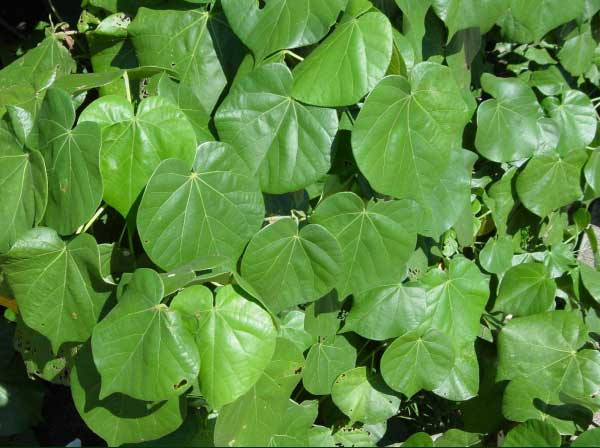
ʻai ʻakaʻakaito eat bulrushes [fresh akaakai [a-kaa-kai]. s. Bulrushes out of which mats and bags are made. ʻakaʻakai₂ [ʻakaʻa·kai]. n. the common onion (Allium cepa); the tops look like those of the great bulrush. (Neal 198) ʻakaʻakai [ʻaka·ʻakai]. see ilo ʻakaʻakai, lina, ʻoʻa, onion maggot...; green onion, having a white bulb with purple inside... akaakai [a-kaa-kai]. Onions have taken the same name from the similarity of the tops, Nah. 11:5. ʻakaʻakai lau [ʻakaʻa·kai lau]. n. green onion (Allium fistulosum); its leaves are eaten with salt salmon. lit., leaf onion. (Neal 198) ʻakaʻakainaku. n. var. spelling of ʻakaʻakai naku, bulrush. ʻakaʻakai naku, ʻakaʻakainaku [ʻakaʻa·kai naku]. n. bulrush. ʻakaʻakai pilau [ʻakaʻa·kai pilau]. n. garlic (Allium sativum). (Neal 198–9) ʻakaʻakaipoepoe. n. var. spelling of ʻakaʻakai poepoe, round onion. ʻakaʻakai poepoe, ʻakaʻakaipoepoe. n. round onion. (NKE) akaʻawa. n. a tall endemic climber (Smilax sandwicensis) with tendrils and shiny, leathery, heart-shaped leaves; used for tying rafters. also hoi kuahiwi. (Neal 211) ʻākaha [ʻā·kaha]. same as ʻēkaha, bird's-nest fern. [PPN *katafa, bird's nest fern, (asplenium nidus)] akaha [a-ka-ha]. s. Name of a tree. One species has long leaves and grows inland; one species by the sea. It is a hard tree, like the uwea; also called ekaha.
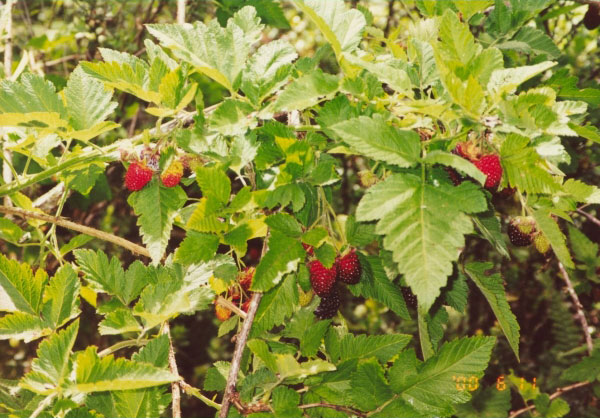
akala [a-ka-la]. s. A berry, something like a strawberry; a raspberry. akenīʻau [ake·nīʻau]. spleen. lit., coconut-midrib liver. akeniau [a-ke-ni-au]. s. See akeloa above. The spleen. s. Ake, liver, and loa, long. The spleen.
akia [a-ki-a]. s. Name of an intoxicating shrub; its qualities are like the anhuhu; it is also called haakea. The bark is used to poison fish in fresh water as auhuhu is in salt. akiahala [akia·hala]. same as kanawao₁, small endemic trees. akiahala [a-ki-a-ha-la]. s. Name of a tree; also called puahanui. ʻakiahala [ʻakia·hala]. n. an endemic, small, hairy, pink-flowered shrub (Hibiscus youngianus), usually found in marshy places. also hau hele, ʻakiohala. (Neal 560) ʻakiʻaki₂. n. seashore rush grass (Sporobolus virginicus), a coarse grass growing on sandy beaches; used to exorcise spirits. also mānienie ʻakiʻaki, mānienie māhikihiki, mānienie maoli. (Neal 66–7) ʻakiʻaki haole. n. buffalo grass (Stenotaphrum secundatum), an American grass used for lawns. Some people believed that buffalo grass could be used to exorcise spirits because it had been given the same name (ʻakiʻaki) as the seashore rush grass, which was used for this purpose. also mānienie ʻakiʻaki. (Neal 72–3) ʻakilolo₁ [ʻaki·lolo]. n. a wrasse fish of the hīnālea type (Gomphosus varius). Also hīnālea ʻakilolo. This fish was used by priests as the pani or closing medicine for head diseases. The taro or sugar cane of the same name might substitute. lit., brain biting. akilolo [a-ki-lo-lo]. s. The name of a fish; a species of small fish. ʻakilolo₃ [ʻaki·lolo]. n. a variety of taro. ʻakiohala [ʻakio·hala]. n. an endemic, small, hairy, pink-flowered shrub (Hibiscus youngianus), usually found in marshy places. also hau hele, ʻakiahala. (Neal 560) akiohala [a-ki-o-ha-la]. s. Name of a plant; the marshmallows; the same perhaps as akiahala above. ʻakipohe₁ [ʻaki·pohe]. vt. to nip. ʻAkipohe nā manu i ka lehua.The birds nip at the fringes of the lehua flowers. ʻākiukiu [ʻa·kiu·kiu]. redup. of ʻakiu, to search, seek, probe, penetrate, spy... A me ka makani ʻākiukiu kīpē pua hala a Puakei.And the penetrating wind pelting the pandanus blossoms of Puakei. akiukiu [a-ki-u-ki-u]. v. See kiu. To act the part of a spy; to search into; to penetrate. adj. Searching; penetrating; a me ka makani akiukiu kipe pua hala o Puakei, the searching wind pelting the hala blossoms of Puakei. ʻako₁. vt. nā mea ʻako hulu hipawool shearers (1-Sam. 25.7) ako [a-ko]. v. To cut, as with scissors; to cut, clip off; to crop off. Ezek. 17:4. To pluck, as flowers or fruit. Hal. 80:12. To shear, as sheep. Kin. 31:19. To cut off, as hair. Ier. 7:29. Ua ako ia ka lauoho; ua ako ia i ka hulu o ka hipa; ua akoia ka lau o ka nalu i ka makani. To clip off, as the wind the top of the surf. ʻakoa. n. a small tree resembling koa; dye was made from its bark, and to color tapa. (And) But cf. kūʻoulena. akoa [a-ko-a]. s. Kapa of a snuff color; so named from the dye made of the akoa tree; he kapa i kuku ia ma ka akoa; he paupau akoa. ʻakohi. n. a variety or taro. Heb. egowz.
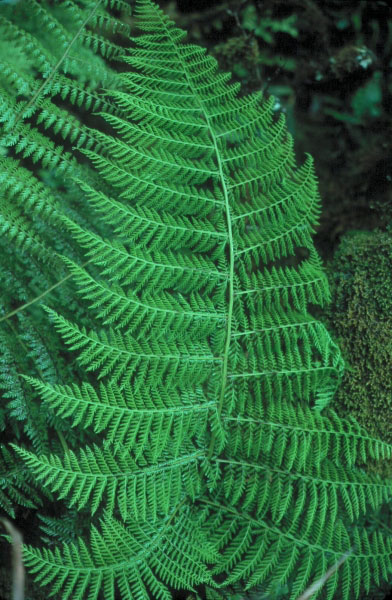
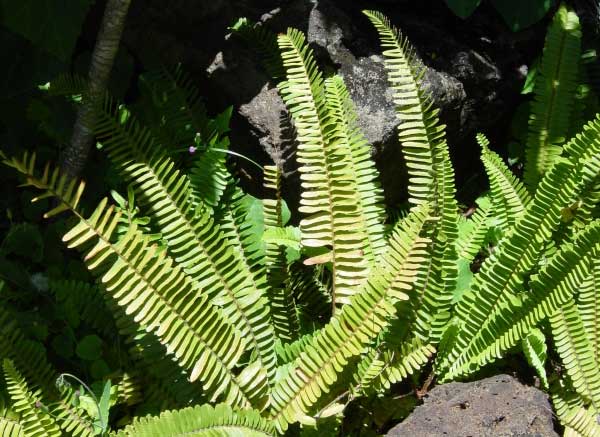
ʻakole₂. n. a large endemic fern (Dryopteris unidentata), 1 m or more high, with triangular-oblong fronds much subdivided.
akolea [a-ko-le-a]. s. Name of a species of shrub, grass, or fern. akoloa [a-ko-loa]. s. A species of fern. ʻakū. n. an endemic lobelia (Cyanea tritomantha), a small tree 2 to 3 m high, with clustered leaves (up to 78 by 20 cm), somewhat downy beneath. The leaves were cooked and eaten like cabbage. cf. ʻakūʻakū. akua₅. same as maiʻa Polapola, a banana. ʻakūʻakū₃. n. an endemic lobelia (Cyanea rollandioides) 1 to 1.4 m high, with rough leaves to 50 by 15 cm. The leaves were cooked like cabbage or taro tops or sweet potato leaves, with pork or salt beef. cf. ʻakū. akuaku [a-ku-a-ku]. s. A species of rush. akua loa. n. a tall image, especially an image of Lono carried on a circuit of the island during the makahiki, harvest festival; it was called loa, long, because of its "long" travels. The image consisted of a staff about two fathoms long. Pieces of pala fern, feather leis, and skins of the kaʻupu bird were fastened to a crosspiece tied near the top of the staff, in the center of which was a tiny carved head. A long and white tapa banner was attached to the crosspiece. ((Malo 143–5), but see (Malo text, chapter 36, sections 22–4)) Tribute was collected. also Lono Makua. ākuli. nvi. var. spelling of ʻākuli, to collect... ʻākuli, ākuli [ʻā·kuli]. nvi. to collect, as leaves in a stream; to dam a stream thus; forest pool where leaves and rubbish have accumulated. fig., to cast a reflection. ʻĀkuli ke aka o ka lāʻau i ka wai.The reflection of trees is cast on the water. akuli [a-ku-li]. v. To collect in a stream of water, as leaves, blossoms, &c. To dam up the water by such collection; ua akuli ka wai, a ua halana; a ua akuli ka lau o ka laau iloko o ka wai. Akuli ka pua o ka laau i ka wai, Lulana ahu i ka ae waililua, He wai hoopaa ia nolaila No ua'kua la, o Maua, o Limaloa. ʻākulikuli₁ [ʻā·kuli·kuli]. n. general name for succulent plants. [(NP) PPN *katuli, a herb] ʻākulikuli₂ [ʻā·kuli·kuli]. a coastal herb (Sesuvium portulacastrum), known in many warm regions, somewhat like wild portulaca (ʻākulikuli kula), but with longer, narrower leaves, and with small white to magenta flowers at leaf axils. (Neal 340) [(NP) PPN *katuli, a herb] akulikuli [a-ku-li-ku-li]. s. A kind of water herb, perhaps purslain; he mea ulu ma ka aina, ma na aliali, a he papapa kekahi inoa. ʻākulikuli ʻaeʻae [ʻā·kuli·kuli ʻaeʻae]. same as ʻaeʻae₂, a small native shrub (Lycium sandwicense) growing near salt marshes and among rocks near the sea... ʻakulikuli kai₁, ʻākulikuli kai [ʻa·kuli·kuli kai]. n. a tropical American, low succulent (Batis maritima), commonly forming a continuous green cover by salt marshes. Locally called pickleweed. (Neal 339) ʻākulikuli kai. n. var. spelling of ʻakulikuli kai₁, a tropical American... ʻākulikuli kula [ʻā·kuli·kuli kula]. n. purslane (Portulaca oleracea), a cosmopolitan weed, a small succulent, prostrate herb, with spatula-shaped leaves and yellow flowers. It is eaten by people, poultry, and stock. lit., plain succulent. (Neal 342) ʻākulikuli lau liʻi [ʻā·kuli·kuli lau liʻi]. same as ʻākulikuli kula, purslane (Portulaca oleracea)... ʻākulikuli lei [ʻā·kuli·kuli lei]. n. ice plant (Lampranthus glomeratus) from Africa, a low succulent, with thick, narrow leaves, and pink, rose, or orange flowers (used for leis). (Neal 341) ʻakupa₂. n. a small endemic tree (Bobea mannii). cf. ʻahakea. ʻala₂. n. a variety of taro, said to be pungent-smelling when cooked. Varieties are qualified by the terms ʻeleʻele, keʻokeʻo, ʻōpelu; cf. also ʻalaopuna. ala [a-la]. s. A variety of kalo, tough and stringy.
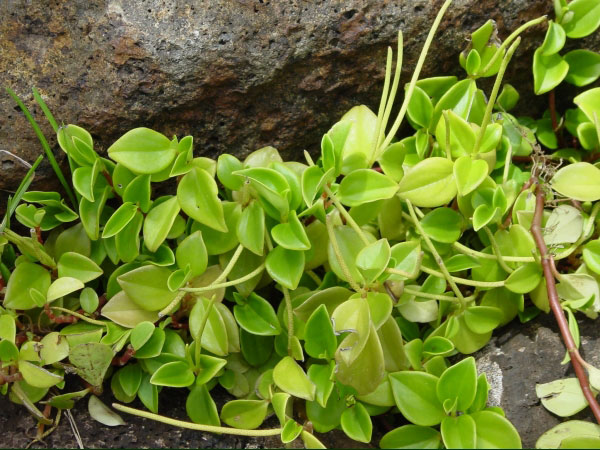
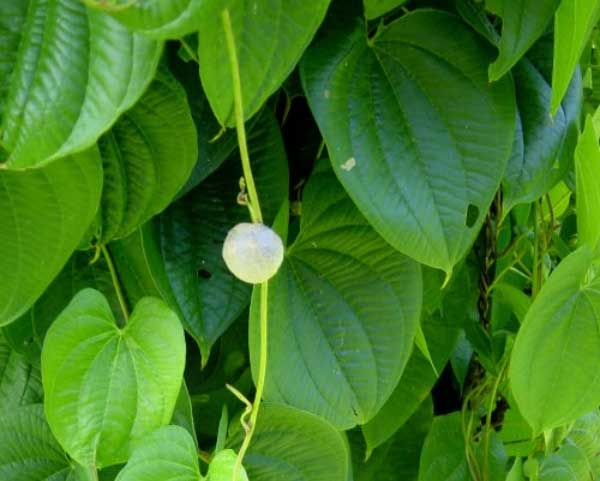
alaa [a-la-a]. s. A kind of tree. ʻālaʻa₂ [ʻā·laʻa]. nvt. ʻŌʻō digging stick made of ʻālaʻa or any wood; to prod or dig with a stick, as in taro cultivation. Fig., to dig into the mind; to be dislodged, as by the wind. ʻālaʻa₃ [ʻā·laʻa]. n. small corm, as of taro. ʻalaʻala₃. n. aerial tubers of bitter yam, hoi (Dioscorea bulbifera). [(??) PPN *kala, male genitalia (problematic)] alaala [a-la-a-la]. The name of potatoes that grow on the leaf of the potato. ʻālaʻalaʻa [ʻā·laʻa·laʻa]. n. small tubers, as of taro. ʻalaʻalahua [ʻalaʻala·hua]. same as māhoe₂, kinds of trees. alaʻalai₂ [alaʻa·lai]. n. type of taro patch built on artificial mounds, known near Hiloas kipi; mucky claylike soil, as in this type of patch. (HP 125) alaalai [a-la-a-lai]. s. The name of a kalo patch formed by bending down the rushes and covering them with dirt and irrigating it; hence alaʻalai₃ [alaʻa·lai]. same as waimakanui, a kind of large coarse endemic fern (Thelypteria keraudreniana). ʻalaʻala pūloa. var. spelling of ʻalaʻala pū loa, a weed... ʻalaʻala pū loa, ʻalaʻala pūloa. same as ʻuhaloa, a weed. Aia i kula, i ka ʻalaʻala pū loa.There in the fields. [for ʻalaʻala pū loa, a wild-goose chase] alaalapuloa [a-la-a-la-pu-loa]. s. A plant with small yellow blossoms; called also uhola, a species of useless shrub; auhea o mea? aia i kula i ka alaalapuloa, i. e., gone on a wild goose chase, or on a fool's errand. ʻalaʻalawainui. n. var. spelling of ʻalaʻala wai nui₁, all species of Peperomia...
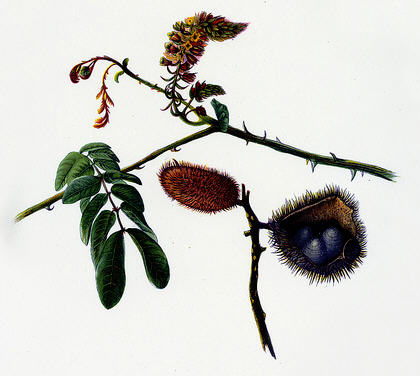
alaalawainui [a-la-a-la-wai-nui]. s. Name of a small plant growing in stony places; he a ahi ulu liilii ma ke ahu pohaku. ʻalaʻala wai nui₂. n. a small weedy herb (Plectranthus parviflorus), in the mint family. This name may be qualified by the terms pua kī, wahine. (Neal 736) ʻalaaumoe [ʻala·au·moe]. n. a West Indian shrub, night cestrum (Cestrum nocturnum), Chinese inkberry, with narrow leaves and narrow, tubular, green-to-creamy white flowers, which are most fragrant at night. also kūpaoa, onaona Iāpana. (Neal 751) ʻalaea₃. n. annatto dye plant (Bixa orellana), a tropical American shrub or small tree, bearing fruit with scarlet seeds, used for dyeing. Sometimes called ʻalaea lāʻau to distinguish from the earth; locally also called lipstick plant. also kūmauna. (Neal 589) ʻalaea lāʻau. lipstick plant. (EH)
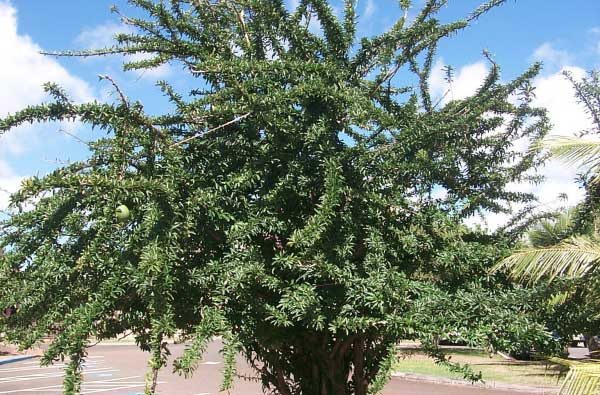
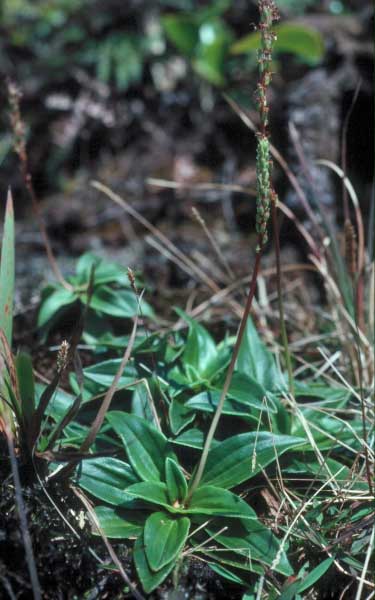
alahee [a-la-hee]. s. Name of a tree; a species of tree, very hard, of which instruments were made to till the soil with; o na oo mahiai i ka wa kahiko, o ka ulei a o ke alahee, the diggers for farming in ancient times were made of ulei and alahee. alaheʻe haole [ala·heʻe haole]. n. mock orange (Murraya paniculata), an ornamental hedge plant with shiny, dark-green leaves, small fragrant white flowers, and red berries. also walaheʻe haole. (Neal 480) ʻalakapaika [ʻala·kapaika]. n. allspice. Eng. (Neal 634–5) ālālā [ā·lālā]. n. sweet potatoes that bear front branch (lālā) vines. alala [a-la-la]. s. A specie of potato with fruit on the leaves. See alaala. alani₂. an Oʻahu tree (Pelea sandwicensis or P. oahuensis), with oblong, fragrant leaves (like the mokihana of Kauaʻi), which were used for scenting tapa. The bark was used for medicine. Also other species of Pelea. PPN *alani. alani [a-la-ni]. s. Name of a timber tree used in fitting up canoes. alani₃. an upland moss. ʻalani, ʻālani. n. any kind of orange, both fruit and tree, as Citrus sinensis. Eng. (Neal 483) ʻalani nuigrapefruit (Kahananui 75) melemele ʻili ʻalaniorange-yellow color poloka kau lāʻau ʻālaniorange tree frog alani [a-la-ni]. s. Eng The Hawaiian pronunciation of the word orange; an orange, a foreign fruit; also, the name of the tree. ʻalani ʻawaʻawa. n. calamondin (Citris mitis), a small tree with flattened-globose fruits to 2.6 cm in diameter, orange-colored, few-seeded, sour. (Neal 484) ʻalani Pākē [ʻalani pā·kē]. n. tangerine, mandarin (Citrus reticulata cv. ‘deliciosa’), a small tree with small leaves and small, loose-skinned, orange, flattened globose, sweet fruits. lit., Chinese orange. On Niʻihau, identified as C. grandis; cf. (Neal 481). (Neal 482) ʻālani pomelo [ʻā·lani pomelo]. n. grapefruit. lit., pomelo orange. see iāpona, pomelo. alani wai. n. a low native shrub (Pelea waialealae), found only on high, wet parts of Kauaʻi. also ʻanonia. alanui [ala·nui]. n. street, road, highway, thoroughfare, waterway, course. lit., large path. PCP *alanui. alanui a ke kuʻukuʻuroad of the spider (poetic name for the equator) alanui i ka piko o Wākearoad at Wākea' navel (poetic name for the equator) alanui maʻawe ʻula a kanaloaroad of the scarlet footprint of Kanaloa [the western sky] alanui o ke keʻastation of the cross alanui polohiwa a Kanaloathe dark path of Kanaloa [southern limit of the sun in its yearly cycle, about the 15th and 16th days of the month Hilina Mā] alanui polohiwa a Kānethe dark path of Kāne [northern limit of the sun, about the middle of the month Kaulua] ʻalaopuna [ʻala-o-Puna]. n. a variety of taro, growing wild, also cultivated dry in Puna, Hawaiʻi; fragrant when cooked, like kāī. also welowelolā. alapuka [ala·puka]. nvs. body sores; to have such sores; affected with dry rot, as taro. rare. alapuka [a-la-pu-ka]. Applied to kalo which has spots of dry-rot; he kalo alapuka. alaweo [ala·weo]. same as ʻāheahea₂, a shrub. alaweo huna [ala·weo huna]. same as ʻāheahea₂, a shrub, ale₃. n. an endemic mountain plant (Plantago princeps), 60 cm to 2 m high, rarely branching, stem woody, with long narrow leaves at top; related to the laukahi. aleguma [a-le-gu-ma]. s. See alekuma. ʻaleka, areza. n. large tree of the pine family, cedar, fir. (Bib.) Hebrew 'erez. ʻalekuma, aleguma [ʻale·kuma]. n. algum tree. (Bib.) Eng. alekuma [a-le-ku-ma]. s. Heb. A later orthography for aleguma; name of a timber tree, as below; name of a tree found in the deserts of Arabia; the algum tree. 2 Oihl. 2:8. Also, by a change of letters, alemuga. See below. Supposed by Kitts to be the sandal-wood. ʻālela [ʻā·lela]. see uhi ʻālela, a yam. aleloahi [alelo·ahi]. n. a kind of introduced flower (no data). ʻalemone, alemona [ʻale·mone]. nvs. almond (Prunus dulcis), hazel tree (KJV), almond (RSV) (Kin. 30.37) . Eng. (Neal 396) alemone [a-le-mo-ne]. adj. Eng of an almond. s. A hazle. Kin. 30:37. The almond tree. Kekah. 12:15. ʻalemuka, alemuga [ʻale·muka]. same as ʻalekuma, algum tree... alena. n. a lowland perennial weed (Boerhaavia repens), with long, thin, prostrate branches, bearing small leaves and flowers. The swollen roots were used medicinally, acting as a diuretic. Anena on Niʻihau. (Neal 336–7)
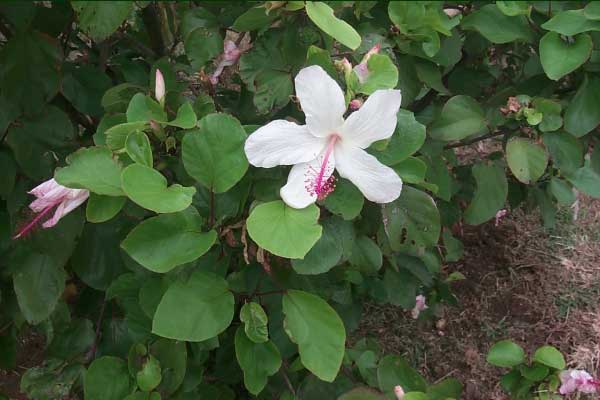
aloalo₁ [alo·alo]. n. all kinds of hibiscus, including the native white hibiscus (Hibiscus arnottianus); often called pua aloalo, pualoalo. A law was passed in 1923 making the aloalo the flower of the Territory of Hawaiʻi. Qualifying terms: hua moa (egg) or pele (bell) (Abutilon pictum, (Neal 550)), koʻakoʻa (Hibiscus schizopetalus or coral hibiscus, (Neal 558); see also kulapepeiao); lahilahi (all single-flowered forms), pahūpahū (Malvaviscus arboreus var. penduliflorus; lit., firecracker, (Neal 554)), ponimōʻī (Hibiscus, an introduced variety with red double flowers 8 cm. wide or less, lit., coronation, carnation, (Neal 556)), pupupu (Hibiscus, all double-flowered forms), waikāhuli (Hibiscus mutabilis, (Neal 558–9), during the day flowers changed from white to pink or red). Formerly the blossoms were used as laxatives. [(SO) PPN *kalo-kalo, erythrina flower (problematic)] ʻaloe. n. aloe, any plant of the genus Aloe; also the pānini ʻawaʻawa. Eng. aloe [a-lo-e]. s. Eng. Aloes. Mel. Sol. 4:14. alohalua [aloha·lua]. n. name given to the kāmole plant used in hana aloha sorcery. lit., mutual love. ʻaluʻalu [ʻalu·ʻalu]. n. bark, of a plant; skin. Niʻihau. also ʻili. ālula, ʻalula [ā·lula]. n. an endemic member of the lobelia family (Brighamia spp.), presently known only on Molokaʻi and Kauaʻi, believed extinct on Maui and Niʻihau, an unbranched, succulent, thick-stemmed perennial about 1.5 m high, topped with a rosette of large oval leaves and racemes of long, white, fragrant flowers. also hāhā. see pua ʻala, ʻōlulu. (Neal 815–7) ʻalula. n. var. spelling of ālula, an endemic member of the lobelia family (Brighamia spp.)... ʻāmana₁ [ʻā·mana]. n. amana [a-ma-na]. s. Two sticks crossing each other at oblique angles. The branches of a tree in the form of the letter Y. adj. Crossing; put together in the form of a cross or gallows; na laau amana kauia’i o Kuhama; he aleo kahi hale, he amana kekahi hale. v. Amana man ke kani ana o ka pu; amana mau ke kani o ka pu a ka anela.
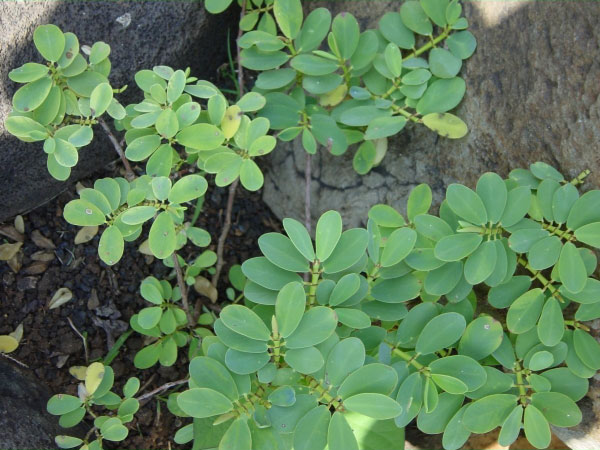
ʻamaʻu₂. place where ʻamaʻu₁ ferns are found. ʻamaʻumaʻu, ʻāmaʻumaʻu [ʻamaʻu·maʻu]. n. young ʻamaʻu ferns; many ʻamaʻu ferns, ferny, abounding in ʻamaʻu ferns; a covering of ʻamaʻu ferns (preceded by ke). (FS 215) amaumau [a-mau-mau]. adj. A god growing among the ferns on the mountains; i na ’kua amaumau o ke kula. s. The fern; the brake. ʻāmaʻumaʻu. n. var. spelling of ʻamaʻumaʻu, young ʻamaʻu ferns; many ʻamaʻu ferns... ʻamokiʻi₁ [ʻamo·kiʻi]. n. stem of fruits or tubers; small end of sweet potato tuber. ʻamomo. n. amomum, a genus of plants in the ginger family. Gr. amomon. amomo [a-mo-mo]. s. The general name of odoriferous herbs mentioned in Hoik. 18:13. Latin, amomus. ʻanaliʻi₂ [ʻana·liʻi]. n. a native fern (Asplenium lobulatum) with narrow fronds to 45 cm long, having many narrow lobes along two opposite sides of the axis. also piʻipiʻilaumana mana. ʻānapanapa₂ [ʻā·napa·napa]. n. Hawaiian soap plant (Colubrina asiatica), a twining shrub, distributed from Africa, India, and Australia to Polynesia, with ovate- to heart-shaped leaves and small round fruits. The leaves form a lather in water and have long been used as soap on Pacific islands. The plant is mistakenly reported to be poisonous. Also kauila ʻānapanapa, kukuku; kolokoloon Niʻihau. (Neal 541) anapanapa [a-na-pa-na-pa]. s. A species of tree, the bark of which is used for soap. ʻānapanapa₃ [ʻā·napa·napa]. n. red seaweeds (Gelidium spp.); small, stiff, branching, edible plants. also limu loloa. anapanapa [a-na-pa-na-pa]. s. A species of limu. ʻānaunau₂ [ʻā·nau·nau]. n. a small shrubby mustard, called peppergrass (probably a native species, Lepidium bidentatum var. o-waihiense); the root was used medicinally. also kūnānā, naunau. (Neal 370) ʻānaunau₃ [ʻā·nau·nau]. n. according to (Rock) (1913) a large native peppergrass (Lepidium serra), with narrower leaves, found only on Kauaʻi. ʻānihinihi₂ [ʻā·nihi·nihi]. n. small taro tubers. Less used than ʻōnihinihi. anihinihi [a-ni-hi-ni-hi]. s. Kalo tops; he kalo, he anihinihi, he oha. See oninihi. ānini [ā·nini]. n. Eurya sandwicensis, a native tree or shrub in the tea family. also wānini. (Neal 582) ʻāniʻuniʻu [ʻā·niʻu·niʻu]. n. root connecting sweet potato to vine. ʻanoʻano [ʻano·ʻano]. n. seed. ʻanoʻi. nvt. desire, longing, love, desired one, lover; to desire, yearn; loved, beloved. ʻanoʻi aku e ʻike iāiagreat desire to see her ʻanoʻi puacherished flower, sweetheart ka mele i ʻanoʻi nui ʻiathe greatly beloved song Mai hoʻopouli mai ʻoe, ē ka hoa, ʻo wau nō kēia ʻo ka ʻanoʻi.Do not feign ignorance, O companion, this is I, the lover. song anoi [a-no-i]. v. To desire very strongly; to covet; e anoi ana na alii wahine. s. A thirst; a strong desire for a thing; eia ka pono, o ka noonoo, o ka anoi, o ke ake e loaa. ʻanonia₂ [ʻano·nia]. same as alani wai, a plant. ʻānunu₁ [ʻā·nunu]. n. a native genus of cucurbit vines (Sicyos). cf. kūpala. (Neal 808) ʻao₁. n. a new shoot, leaf, or bud, especially of taro. cf. ʻahu ʻao, ʻao kahi, ʻao lūʻau. (UL 17) [(EP) PPN *kao, new shoot; to sprout] ʻao₂. n. dried baked taro or sweet potato; in Kaʻū this food was hung in baskets in the wind so that it dehydrated; it was used on sea journeys and is perhaps related to ō, sea rations. [(NP) PPN *kao, dried food, such as sweet potato, taro or fish] ao. s. Dried kalo or potatoes (i. e., kalo or potatoes baked and dried,) used for food. ʻaoa₄. n. name for sacrificial places near fishponds where semiannual offerings were made, as of taro, bananas, mullet, kohekohe sedge, and black pigs. (Ii 26) aoaoa [ao·aoa]. n. a small seaside shrub (Wikstroemia sp.). The root bark is used externally for sores, and stems and bark of branches for coughs. Branches and leaves are mixed with rasped seeds of Barringtonia asiatica (syn. B. speciosa) to stupefy fish. see ʻākia₁. [(CP) PPN *ʻaoa, banyan tree (ficus sp.)] ʻaoʻao leo nui. n. a variety of taro (no data). ʻao kahi. n. one remaining leaf (ʻao) on an old taro stalk, said of an old taro about to die. ʻao lūʻau. n.v. unexpanded leaf blade of taro; to offer as a sacrifice. E ʻao lūʻau a kaulima.Offer young taro leaves five times as sacrifice. ʻāpala [ʻā·pala]. n. apple (Pyrus malus syn. M. sylvestris). also poma. Eng. (Neal 388) ʻāpane₁ [ʻā·pane]. n. a kind of lehua tree with dark-red flower. apane [a-pa-ne]. A species of the lehua, the ohia, with red blossoms, which are food for birds.
ape [a-pe]. s. A plant with broad leaves, acrid to the taste, like kalo, but more so; it is eaten for food in times of scarcity. ʻapeʻape₁. n. all endemic species of Gunnera, huge leafed forest perennial herbs, with thick, prostrate stems rising at the tip to about 120 cm. Called hāhā on Kauaʻi. (Neal 651) apeape [a-pe-a-pe]. The name of a remarkable plant found near the top of Waialeale on Kauai; length of stalk, twenty feet or over; leaves, six feet in diameter, somewhat resembling, in shape, the ape ; the leaf is round and attached to the stem in the center. ʻapelekoka, aperekoka [ʻapele·koka]. n. apricot (Prunus armeniaca). Eng. (Neal 396) ʻāpiʻi₃ [ʻā·piʻi]. n. a variety of taro in the piko group, having light-colored corms which are good for poi or table taro; red (ʻula) and white (kea) forms exist; it is called "curly" (ʻāpiʻi) because of crinkles under the leaf. apii [a-pii]. s. A species of large kalo. ʻāpiʻi₄ [ʻā·piʻi]. n. a ti plant with green, crinkly leaves. ʻāpikipiki₃ [ʻā·piki·piki]. vt. to clean taro greens by peeling the stems. rare. ʻapo₂. n. a variety of sweet potato (no data). (For. 5:664–5) apo [a-po]. s. A particular variety of sweet potatoes. ʻapo₃. n. a variety of taro (no data). apoapo [apo·apo]. nvt. hill, as of sweet potatoes; bunch, as of taro; to hill up plants. apoapo [a-po-a-po]. s. A bunch, as of kalo; a hill of potatoes; he apuepue. ʻapowale [ʻapo·wale]. n. a native variety of wet-land taro grown chiefly for poi. Ē! loaʻa akula ke kalo, ʻo ka ʻapowale.O, you get taro, to grasp-foolishly taro [a waste of time, pun on ʻapo wale, to grasp needlessly]. ʻapu₁. n.v. apu [a-pu]. s. A cup made of cocoanut shell for drinking awa; he apu ka iwi o ka niu. A dish; a cup of any material. ʻapu₂. n.v. general name for medical potions, as made of taro, yam, or herbs. kalo ʻaputaro used as medicine ʻapu₃. n.v. a taro cultivar, perhaps related to the ʻapuwai. (TC 3) ʻapuʻapu₂. n. type of agricultural land, as for sweet potatoes, mentioned in 1848 land claims, perhaps a pocket-like area. ʻapu ʻauhuhu [ʻapu ʻau·huhu]. n. cup containing ʻauhuhu plant concoction used for stupefying fish; poison cup. apuauhuhu [a-pu-au-hu-hu]. s. Apu, cup, and auhuhu, the poison plant. A cup for containing the auhuhu. ʻapuʻu₁. n. an endemic fern (Sadleria squarrosa), 30 to 60 cm high, with short trunk, narrow oblong leaves; related to ʻamaʻu. ʻapuwai [ʻapu·wai]. n. a variety of taro: its corm is used for poi and table taro, its leaves for lūʻau. Varieties are white (kea) and red (ʻula). au₆. n. small sweet potatoes of poor quality that grow from the vine. au₁₃. n. Hedyotis acuminata, a native shrub (coffee family), with small green flowers, and unpleasant-smelling, ovate or narrower leaves. cf. pilo₂. ʻauaʻa [ʻau·aʻa]. n. rhizome. lit., root stem. aualaloʻi [auala·loʻi]. n. terraced taro patches. ʻauʻau₂. n. stick, stem (as of ti plant); spear made of loulu palm, with shark teeth on its end; extra ridgepole. auau [au-au]. s. The stalk of loulu made into a spear; he ihe. ʻau hau. n. stalk of a hau tree, spear made of hau wood. ahi ʻau haufirebrand (of light wood, as hau) auhau [au-hau]. s. Name of a species of wood for making spears; he hau ka ihe e kaua ai, he auhau kekahi ihe, the spears for war are made of hau, some spears are made of auhau. ʻauhau₃ [ʻau·hau]. n. stems of plants whose bark can be stripped, such as wauke and olonā, but not maile. Inā e kua ʻia ka wauke, ā hohole ʻia ka ʻauhau ….If the wauke is cut and the stems stripped…. ʻauhōkū [ʻau·hō·kū]. n. delphinium. also pua ʻauhōkū. ʻauhola [ʻau·hola]. same as ʻauhuhu, a shrub. auhola [au-ho-la]. s. See hola. The name of the plant with which fish are intoxicated and caught. See auhuhu. v. From the foregoing. To catch fish by means of the auhola or hola. ʻauhua [ʻau·hua]. n. corm, scientific usage. see hua.
auhuhu [au-hu-hu]. s. A shrub; the name of a plant used in poisoning or intoxicating fish, that they may be caught. See auhola. ʻAuhuhupaʻina [ʻau·huhu-paʻina]. n. var. name for the month of Makaliʻi, a time so dry that the ʻauhuhu plant became brittle (paʻina). See month. ʻau kī. n. stem of a ti plant. auki [au-ki]. s. For lauki. The ki leaf. ʻaukoʻi₁ [ʻau·koʻi]. n. coffee senna (Cassia occidentalis), a tropical American shrubby legume, each leaf with eight to ten leaflets, and with yellow flowers and narrow, many-seeded pods. Used medicinally for ringworm. also ʻauʻaukoʻi, mikipalaoa, pī hohono. (Neal 422) ʻaulaʻo [ʻau·laʻo]. n. twig, small stick (preceded by ke). ʻaulena [ʻau·lena]. n. a variety of native banana. (HP 177) āulu₃ [ā·ulu]. n. a tall endemic tree (Pisonia sandwicensis), with large, oblong, dark-green leaves; small, rounded flower heads, narrow, sticky fruits, and very soft wood. cf. kaulu, pāpala kēpau. ʻaumakiki [ʻau·makiki]. n. a variety of sweet potato. ʻaumakua₁ [ʻau·makua]. nvt. family or personal gods, deified ancestors who might assume the shape of sharks (all islands except Kauaʻi), owls (as at Mānoa, O'ahu and Kaʻū and Puna, Hawaiʻi), hawks (Hawaiʻi), ʻelepaio, ʻiwi, mudhens, octopuses, eels, mice, rats, dogs, caterpillars, rocks, cowries, clouds, or plants. A symbiotic relationship existed; mortals did not harm or eat ʻaumākua (they fed sharks), and ʻaumākua warned and reprimanded mortals in dreams, visions, and calls. (HM, pp. 124–43, 559); (Nānā 38) fig.., a trustworthy person. (Probably lit.., ʻau₄, group, + makua, parent) see pulapula₂. [(NP) PPN *kau-matua, elderly man: *kauma(a)tu(q)a] hōʻaumakuato acquire or contact ʻaumākua ʻaumakua₃ [ʻau·makua]. vt. to ask someone to hula; the request was not refused without giving the caller a lei or flower. ʻAumakua iā Kamuela,Samuel must dance! aupaka₁ [au·paka]. n. some representatives of an endemic genus (Isodendrion), members of the violet family. They are small shrubs beating greenish-white or reddish flowers, which have equal petals and none spurred. cf. wahine noho kula.
ʻawa kau lāʻauthe tree-resting kava, growing in tree crotches and famous in poetry concerning Puna, Hawaiʻi. Many varieties of kava are listed below kupu ʻawato perform ceremony of offering kava to the gods [an unusual reference, as kava was not taken ceremonially, as in Samoa] (FS 57) awa [a-wa]. s. Name of a plant, of a bitter acrid taste, from which an intoxicating drink is made. The name of the liquor itself expressed from the root of the plant; the drinking of awa causes the skin to crack and flake off for a time; i ka manawa e inu ai kekahi i ka awa, he maikai kona ili ke nana aku; a mahope, mahuna ka ili, nakaka, puehoeho, inoino loa ke nana aku. ʻawalau. n. var. spelling of ʻawa lau, a young kava plant (root... ʻawa lau, ʻawalau. n. a young kava plant (root, stem, and leaves) used as an offering to the gods. ʻawa mokihana [ʻawa moki·hana]. n. a variety of kava with short yellowish-green internodes and hairlike roots, named for the mokihana plant because of its fragrance, and yielding a strong brew; famous on Kauaʻi. (HP 202)
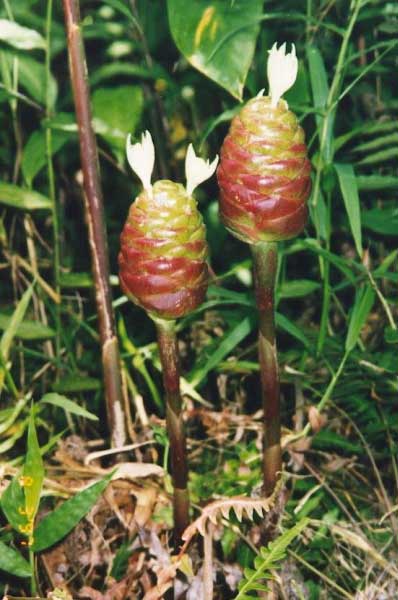
ʻAwapuhi lau pala wale.Ginger leaves yellow quickly. [of things that pass too soon] (ON 247) awapuhi [a-wa-pu-hi]. s. The ginger root; the bastard ginger, the smell odoriferous, used for dyeing. ʻawapuhi₂ [ʻawa·puhi]. n. a variety of sweet potato. ʻawapuhi₃ [ʻawa·puhi]. n. a type of taro (no data). (For. 5.683) ʻawapuhi ʻai [ʻawa·puhi ʻai]. same as ʻawapuhi Pākē; lit., edible ginger. ʻawapuhiakanaloa [ʻawa·puhi-a-kana·loa]. n. Liparis hawaiensis, a small, endemic orchid with two large ovate leaves and small flowers. (Neal 273, 274) ʻawapuhi keʻokeʻo [ʻawa·puhi keʻo·keʻo]. n. the white ginger (Hedychium coronarium), a large herb from India, both wild and cultivated in Hawaiʻi. White fragrant flowers, popular for leis and perfume, are borne in heads at tips of leafy stems. (Neal 252–3) ʻawapuhi koʻokoʻo [ʻawa·puhi koʻo·koʻo]. n. torch ginger (Phaeomeria speciosa), a large herb, from the East Indies, grown in Hawaiʻi for its ornamental pink or red cone-shaped flower heads. These are borne on long stems separate from the longer leafy stems. lit., walking-stick ginger. (Neal 258–9) ʻawapuhi luheluhe [ʻawa·puhi luhe·luhe]. n. the shell ginger (Catimbium speciosum), a large ornamental herb from East Indies. Clusters of irregularly bell-shaped flowers that are white and marked with red and yellow bend downward from the top of leafy, arching stems, which are 1.5 to 3.5 m high. lit., drooping ginger. (Neal 259–60) ʻawapuhi melemele [ʻawa·puhi mele·mele]. n. the yellow ginger (Hedychium flavescens), similar to ʻawapuhi keʻokeʻo and similarly used, but the flowers are yellow. (Neal 252) ʻawapuhi Pākē [ʻawa·puhi pā·kē]. n. ginger (Zingiber officinale), yielding a valuable commercial root spice. The plant looks much like ʻawapuhi kuahiwi and probably comes from southeast Asia. lit., Chinese ginger. also ʻawapuhi ʻai. (Neal 257–8) ʻawapuhi ʻulaʻula [ʻawa·puhi ʻulaʻula]. n. the red ginger (Alpinia purpurata), an ornamental plant having a long flower spike with many red bracts. It is a native of some islands of the western Pacific. (Neal 260) ʻāwela₃ [ʻā·wela]. n. a flowerless variety of sugar cane, named for the fish; it is green and yellow striped, becoming flushed with rose in the sun; the internodes are barrel-shaped and the leaves variegated. also puaʻole. (HP 221, 224) āweoweo. var. spelling of ʻāweoweo₃, same as ʻāheahea (Chenopodium oahuense). ʻāweoweo₃, āweoweo [ʻā·weo·weo]. same as ʻāheahea₂, a native shrub (Chenopodium oahuense). aweoweo [a-we-o-we-o]. s. A shrub or small tree resembling pig-weed, sometimes eaten by Hawaiians. ʻāweu, ʻāweuweu [ʻā·weu, ʻā·weu·weu]. n. a native variety of taro, often growing wild; good for poi, but too acrid for table taro; the corms are shaggy and fibrous outside, the flesh white with yellow fibers. also māʻauea. ʻāweuweu [ʻā·weu·weu]. same as ʻāweu, a native variety of taro, often growing wild...
awikiwiki [a-wi-ki-wi-ki]. s. A vine bearing black berries about the size and shape of American blackberries; they are used as a medicine, operating both as an emetic and cathartic; ke okole o makiki. ʻāwiwi [ʻā·wiwi]. n. a small native herb (Centaurium sebaeoides, syn. Erythraea sebaeoids), with white or pale pink flowers, in the gentian family. (Neal 684)
Eʻeʻa₂. n. mountain banana patch. Līlā ka maiʻa o ka ʻeʻa, wili ka ʻōkaʻi.Spindly is the growth of the mountain banana patch, the blossom container twists [even a spindly plant may bear fruit]. ʻeāʻeā. interj. at end of verses in some chants that maintains rhythm and affords pleasure in repetition, something like English tra-la-la. Nani wale nā hala, ʻeāʻeā, o Naue i ke kai, ʻeāʻeābeautiful indeed the pandanus, tra-la, of Naue by the sea, tra-la (song) ʻeʻelekū [ʻeʻele·kū]. redup. of ʻelekū₃, entirely black, coal-black... blackened or darkened, as leaves or fruit due to maturity or to pelting by storms; dark, gloomy, as clouds. Ma ia malama o Nana, ua pau ka ʻeʻelekū o ka lau o nā lāʻau i ka noke a ka ua ma nā lā o ka hoʻoilo.In this month of Nana, the dark bruising of the leaves of trees by the pelting of the rains of the days of winter has ceased. (Kep. 89) Ma ia malama ua ʻeʻelekū ka lani i nā ao ua … a ua ʻeʻelekū hoʻi nā lau o nā lāʻau a me nā mea ulu i ke oʻo.In this month the sky is dark with rain clouds … and the leaves of trees and growing things are dark with maturity. (Kep. 93) ʻeʻepa. nvs. extraordinary, incomprehensible, abnormal, deceitful, peculiar, as persons with miraculous powers; such persons. Many ʻeʻepa characters in mythology were born in strange forms, as a plant, an animal, or a piece of rope. cf. ʻepa₁, ʻepaʻepa, kino ʻeʻepa. The Menehune, Nāwā, and Nāmū of Waolani in Nuʻuanu Valley were ʻeʻepa. Trickery or deceit that passes comprehension is also ʻeʻepa. hōʻeʻepamysterious, mystifying, incomprehensible Hōʻeʻepa wale hoʻi nā hana a kēlā keiki.That boy's behavior is certainly mysterious. eepa [e-e-pa]. s. See epa. Forgery; deceit; treachery. ehu₄. var. name for ʻōlapa₂, Cheirodendron trees. ʻeka₃. n. a variety of bananas. (PH 173) ʻēkā₁ [ʻē·kā]. n. hand of bananas. Compare maiʻa for pejorative connotations. [PPN *taa, bunch of fruit, especially a hand of bananas] E painuʻu ʻoe me nā mahalo a pala hinu nā ʻēkā maiʻa.You brag with praise of bright and ripe banana hands [worthless bragging]. (Kel. 138) eka [e-ka]. s. The upper part of a bunch of bananas; he lila wale no mai ka eka luna a hiki i ka pola. ʻekaʻeka₂. n. Hawaiian name for a Japanese variety of taro (adado) grown in Hawaiʻi. (HP 32) ʻēkaha₁ [ʻē·kaha]. n. the bird's-nest fern (Asplenium nidus), widespread in the tropics, forming large rosettes and in some forests perching on branches of trees. The fronds are large, entire, sword-shaped. The black midrib is used like the ʻamaʻu fern for decorating pandanus hats. Also ʻākaha. This fern is sometimes called ʻēkaha kuahiwi, mountain ʻēkaha, to distinguish it from the mosses or from ʻēkaha kū moana. (Neal 21) [PPN *katafa, bird's nest fern, (asplenium nidus)] ekaha [e-ka-ha]. Also the name of a fern-like plant. ʻēkaha₂ [ʻē·kaha]. n. a moss growing on rotted trees. Also limu ʻēkaha. ekaha [e-ka-ha]. s. Name of a parasitical plant. ʻēkaha ʻākōlea [ʻē·kaha ʻā·kō·lea]. same as pākahakaha, a small fern. (Neal 25) ʻēkahakaha₁ [ʻē·kaha·kaha]. n. juvenile or small form of bird's-nest fern. cf. ʻēkaha. ʻēkaha ʻula [ʻē·kaha ʻula]. n. a native fern (Elaphoglossum alatum), with entire, narrow fronds 24 to 64 cm long and with, close, parallel veins. The spore-bearing fronds are similar but smaller. cf. hoeamāui. ʻekemauʻu [ʻeke·mauʻu]. n. gunny sack, burlap. lit., grass sack. ʻekeʻula. n. a type of banana. (Kam. 76:38) ʻekī₂. n. place where ti plants grow. eki [e-ki]. adj. See elaueki. Pertaining to the top of a ki leaf. ēkoa [ē·koa]. same as koa haole, false koa (Leucaena leucocephala), a plant. ʻekoko. same as ʻakoko and koko, shrubs and trees. ʻekuʻeku. ʻēlaʻa [ʻē·laʻa]. var. of ʻālaʻa, a tree. ʻele. n. embryo of a plant. cf. hāuli. ʻeleao₁ [ʻele·ao]. n. plant louse, aphid; germ, blight; blighted, as by ʻeleao. fig., troublemaker. Ua ʻeleao ʻia ke kalo.The taro is blighted by insects. ʻeleʻele₄. n. a cooking banana (a form of Musa xparadisiaca), valued for shiny black skin of trunk, used for designs worked into pandanus mats and hats. also hinupuaʻa. (Neal 249) ʻeleʻele₅. same as hinupuaʻa and naioea, varieties of taro. ʻeleʻele₇. n. a variety of sweet potato. ʻeleʻele mākoko [ʻeleʻele mā·koko]. n. a taro cultivar. (TC 3) ʻelemakaiāuli [ʻele·makai·ā·uli]. n. an expert taro farmer (no data). (For. 5:681) . ʻelepaio₂ [ʻele·paio]. n. a native variety of taro; the leaves are mottled with white. (HP 17) elepaio [e-le-pai-o]. A species of kalo with spotted leaves. eluehe [elu·ehe]. n. a Molokaʻi name for ʻūlei, a shrub. ʻemoloa [ʻemo·loa]. n. a native grass (Eragrostis variabilis) 30 to 90 cm high, with long narrow flowering panicles, growing on open slopes and ridges. also kalamālō, kāwelu. emu₂. vt. to rid plants of weeds. hoʻēmucaus/sim (Malo 199) ʻenaʻena₂. n. all species of cudweeds (Gnaphalium), members of the daisy family, small herbs having small inconspicuous flowers and more or less white woolly stems and leaves. Formerly Hawaiians stored feather standards, kāhili, with native species (G. sandwicensium and G. hawaiiense) to repel insects. called pūheu on Niʻihau. (Neal 836) ʻeukalikia₂, eukalitia [ʻeu·kali·kia]. n. eucalyptus tree. also nuhōlani, palepiwa. ēulu₁ [ē·ulu]. nvt. top of tree or plant; trimmed hedge top; cutting; to top, cut or crop off, as top branches. ēulu [ē·ulu]. n. top of a tree or plant. eulu [e-u-lu]. v. To cut or crop off a branch with some smaller branches; e oki aku i ka eulu me na lala liilii; no ka lau ka eulu pipili ka lani, oki ka honua. See ulu, to grow. s. See ulu, to grow. A branch cut off to be planted again; a layer. The top and branches of a tree which are cut off and left as good for nothing. ēulu₂ [ē·ulu]. n. a kind of taro, qualified by the terms keʻokeʻo and kohu uauahi.
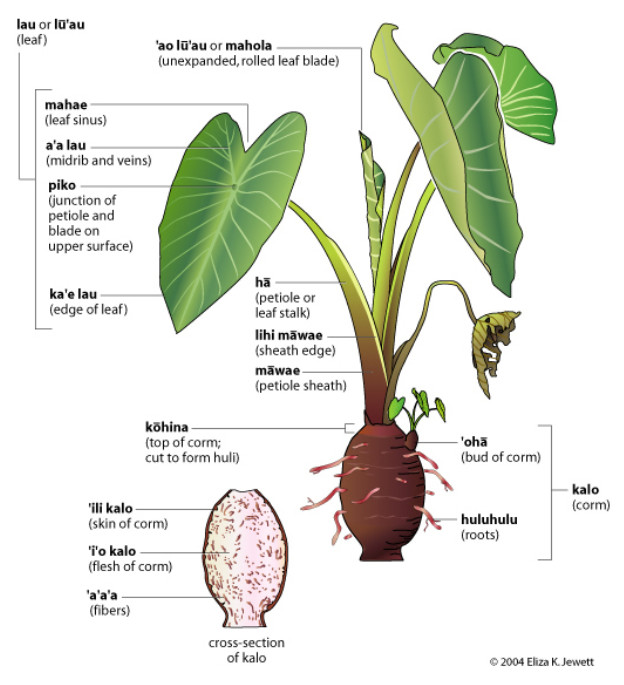
Hhā₄. nvs. stalk that supports the leaf and enfolds the stem of certain plants, as taro, sugar cane; layers in a banana stump. cf. ʻohana. [(AN) PPN *faʻa, stalk n] ha. s. The lower end of kalo tops or leaves when cut off from the root; the same also of cane tops; the lower part of that which is cut off. The stem of a kalo leaf or of sugar-cane. The outside leaves of the kalo when outside leaves are killed with cold or drought; ua maloo ka ha, ua pala ke kumu; ha ko, ha kalo, ha maia. hā₇. n. a native tree (Eugenia [Syzygium] sandwicensis), with red, edible fruit about 8.5 mm. in diameter, related to the mountain apple, ʻōhiʻa ʻai. The bark was used to color tapa black. also ʻōhiʻa hā, and pāʻihi (on Maui). (Neal 635) ha. s. A species of wood; ohia ha or haa. haʻa₃. n. a short variety of banana. haʻā. same as hame₁, native trees. haa. s. Name of a shrub or tree. hāʻae₂. n. a variety of sweet potato used to make beer. haae [ha-ae]. The name of a beer made of the sugar-cane when fermented and foaming. The beer was intoxicating. haʻakea₂ [haʻa·kea]. same as haokea, a native taro. Mōʻī puni haʻakea.King fond of white taro. (song) haʻakipu [haʻa·kipu]. vt. to breed animals or propagate plants. (Māori whakatipu.) cf. hoʻēhu pua, hoʻopiʻi. hāʻale. vs. Hāʻale i ka wai a ka manu.Rippling in the water of birds [an attractive person likened to rippling waters that attracts birds]. (ON 393) Ua hāʻale ka wai i ka lau o ke pili.The stream rose up to the very pili grass. haale [ha-a-le]. v. Contraction for haa, causative, and ale, a wave or swell of water. To cause to be full; to swell up, as water. To be deep; to overflow; to rise high; haale ka wai, the water rises. haʻalelea₂ [haʻa·lelea]. n. man sacrificed when cutting an ʻōhiʻa tree for an image. haalelea [haa-le-lea]. Name of a process in making gods. The name of the man sacrificed on cutting down a tree to make a god. haʻāmaile [haʻā·maile]. same as hame₁, trees. hāʻapuʻapu. same as hāʻupuʻupu, sweet potato sprouts. hāʻawa. same as hōʻawa, trees. haawa [ha-a-wa]. s. Name of a tree; also written hoawa. hāʻaweʻawe₁. n. runners on plants. haaweawe [haa-we-a-we]. s. The growth of potatoes from some being left when the crop was dug; ka haupuupu, ka okupu. hāʻawikea [hāʻawi·kea]. same as haokea, a taro. haea₂. see limu haea, a lichen... haehae₃ [hae·hae]. n. a native variety of taro in the piko group, characterized by having the two basal lobes of the leaf blade separated up to the piko (point of joining with the leaf stem); a hardy taro often grown commercially for poi, formerly common at Kaʻanapali, Maui, where strong winds tore the leaves (hence haehae). also piko uliuli. (HP 29, 32) hae Hawaiʻi₁. n. hibiscus. lit., Hawaiian flag, from having red petals striped with white. (Neal 556) hae Hawaiʻi₂. n. carnation (Dianthus caryophyllus), petals red with white stripes, formerly a great favorite with Hawaiians. (Neal 345) hae Hawaiʻi₃. n. a variety of plumeria. hāʻelelepo [hāʻele·lepo]. n. a variety of sweet potato. (HP 141) hāhā₂ [hā·hā]. same as hā, stalk; striped taro leaves boiled or baked and eaten. haha [ha-ha]. s. The inside of kalo tops used for food; the whole top is called huli. See ha. hāhā₄ [hā·hā]. n. lobelias. see below and ālula, ʻōhā, ʻōhā kēpau, ʻōhā wai nui. hāhā₅ [hā·hā]. n. Kauaʻi name for ʻapeʻape, all endemic species of Gunnera, huge leafed forest perennial herbs, with thick, prostrate stems rising at the tip to about 120 cm. hāhāʻaiakamanu [hā·hā-ʻai-a-ka-manu]. n. a native lobelia (Clermontia clermontioides), found only in high mountains of Kauaʻi, a shrub or small tree with many branches; oblong and narrow leaves; greenish-purple, curved flowers; and sweet, edible yellow berries. lit., hāhā, food of the birds, so called because the thick sap was used for catching birds. hahae₁. same as haehae, to tear; to strip, as pandanus leaves for plaiting. cf. kīhae. PPN *sasae. hahae [ha-hae]. v. See hae. To rend; to tear, as a garment. To break; to separate into parts; to split, as lauhala, lengthways. hahae₂. n. small sweet potatoes removed in thinning a hill. Kaʻū. hahaʻi₁. redup. of haʻi₁, to break or snap, as a stick... to break into pieces; to break off, as to thin sweet potato vines. PPN *fafaki. hahai [ha-hai]. s. A breaking; a disjoining; a separating. See hae. hahaʻi₂. redup. of haʻi₂, to say, tell, mention, state, declare, confess...; haha kā ʻupena. n. var. spelling of haha kāʻupena, net spacer or mesh stick... haha kāʻupena, haha kā ʻupena. n. net spacer or mesh stick, gauge used in making meshes in nets, made of wood, turtle shell, bone, bamboo, whale rib, coconut shell, or metal. hahalu. vs. empty, void; somewhat deflated, as a balloon; half rotten, as wood, taro. fig., hungry. hahalu [ha-ha-lu]. adj. Rotten or defective inwardly; applied to wood, kalo, potatoes, &c., that are decayed inwardly. hāhā lua [hā·hā lua]. n. a native tree lobelia (Cyanea leptostegia), found only on Kauaʻi. The trunk is slender, unbranched, to 12 m high, and bears a crown of narrow leaves that are up to 60 cm long. The many flowers are purplish-red, the fruits yellow berries. hāhā nui [hā·hā nui]. n. a native shrubby lobelia (Cyanea horrida), from Maui, with thorny branches and rough, lobed leaves. hahu₁. var. of hehu, seedling or plant. (see ex., mānewanewa₂). haʻi₃. loc.n. edge, border (not used with the articles). lepo ma haʻi o ke kalodirt on the edge of the taro (Kep. 155) haikea₁ [hai·kea]. same as hākea₁, ₂, pale...; type of banana... hāiki [hā·iki]. nvs. (in fast speech, haiki).
aia nō i kahi hāikijust there in a narrow place [said of an unborn child] Haʻihaʻi pua o kuʻu manawa ē, eia wau lā ua hāiki.Broken flowers of my heart, here I am in straits. (Laie 521 [120]) hāiki ka noʻonoʻo, hāiki ka ʻikenarrow minded hoʻohāikito contract, shrink, restrict, curtail, narrow ka hāiki o ka manawalimitations of time kekahi mau hoʻohāiki o ka lawaiʻa ʻanacertain restrictions on fishing Kona wā i hāiki ai i ka pōloli.The time he was pinched with hunger. (Mar. 2.25) haiki [ha-i-ki]. adj. Ha and iki, small. See iki. Narrow, as a passage; pinched; scanty. Suffering for want of food. v. To be pinched for want; to be pinched with hunger. Mar. 2:25. To be desolate; bereaved. Laieik. 142. haʻikū₁ [haʻi·kū]. n. the kāhili flower (Grevillea banksii), so named because first planted near the town of Haʻikū, Maui. Also kāhili, and ʻoka pua ʻulaʻula on Niʻihau. (Neal 321) hailiopua [haili-o-Pua]. n. a small native fern (Schizaea robusta) found in high mountain wet areas believed to be the plant form of the sorcery goddess Pua; sometimes used as a psychological remedy to ward off the evil influence of Pua. lit., Pua's memory. Hawaiʻi. also ʻoāliʻi makaliʻi. (Neal 8) haiwā [hai·wā]. vt. to plant far apart, as taro, coconut. rare. haʻiwale [haʻi·wale]. n. all native species of Cyrtandra, slender soft-wooded forest shrubs with white tubular flowers. Sometimes called kanawao keʻokeʻo. see ʻilihia. (Neal 773) hākaokao₁ [hā·kao·kao]. vs. decaying, as taro in the field or a few days after cooking. cf. kaokao. hākea₂ [hā·kea]. n. a variety of banana. hākonakona₁ [hā·kona·kona]. vs. parched, as a blemished bread-fruit; unhealthy condition of a banana when the skin adheres to the pulp, supposedly after the plant has been touched by the ʻākōlea fern. haku₃. n. haku ipupulp and seeds of melon haku kā koʻistone for chipping (Malo 51) haku. n. sponge-like material in a sprouting coconut. see lumi moe haku, pepeke haku. cf. niu haku. haku nui. n. manager, as of a plantation or firm. hakupaʻa [haku·paʻa]. n. new taro patch. lit., hard core. rare.
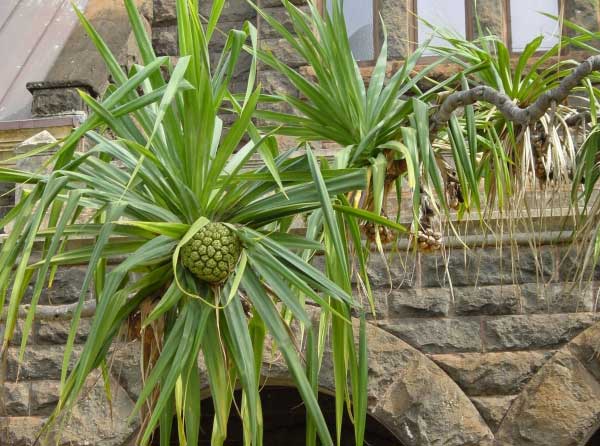
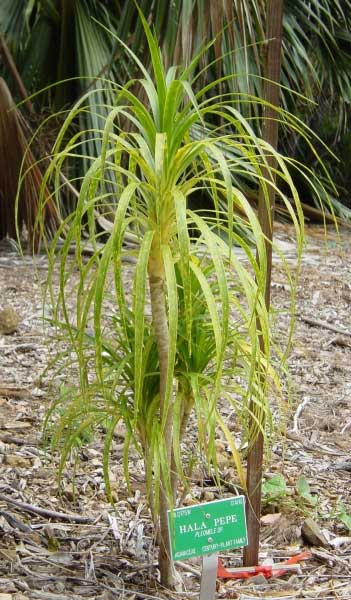
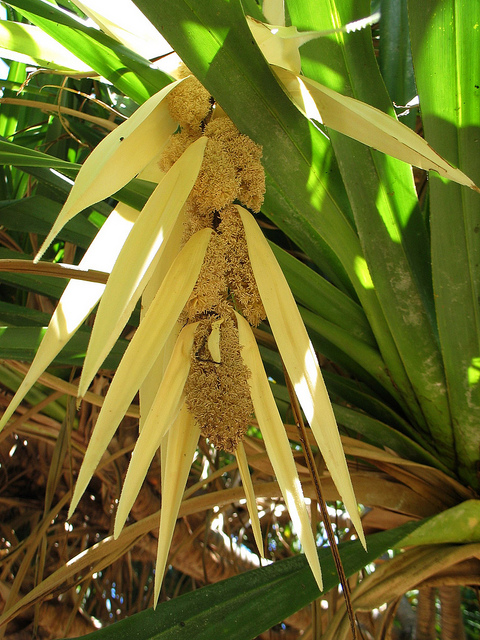
E pō puni ana ke ʻala o ka hala.The fragrance of pandanus spreads everywhere and is overpowering. Puna paia ʻala i ka hala.Puna, its walls fragrant with pandanus [fragrant flowers were placed indoors in house thatching and under mats]. hala [ha-la]. s. The pandanus tree. hala hīnano, hala hīnalo [hala hī·nano]. n. a male pandanus bearing the hīnano blossom. hala hua₁. n. a female pandanus bearing fruit, contrasting with hala hīnano. hala hua₂. n. nut in a pandanus key. hala ʻīkoi [hala ʻī·koi]. n. a variety of hala with keys 7 cm long, lemon-colored at base, changing abruptly to bright-orange in upper half; when cut for leis, a rim of orange is left at top of each key used. hala ʻiʻo. n. pandanus key that is ripe and soft, suitable for leis. cf. ʻiʻo hala. hala iwi nui. nvs. hard pandanus key, not suitable for leis. fig., hard-appearing, dissatisfied. halakau₁ [hala·kau]. vi. to perch high, as a bird. halakau ka manu i ka lāʻauthe bird perches high in the tree [a person not easily gotten] (ON 426) halakau [ha-la-kau]. v. To place one thing on top of another. To lean over; e haukau. hala kea. n. said by some Hawaiians to be a native variety of pineapple; plant spreading vinelike; leaves with thorny edges; fruit plain green when unripe, yellow when ripe, small, fragrant, good-tasting; pieces of the skin were used for hat leis. lit., white hala. (HP 214) halakea₂ [hala·kea]. n. a yellowish tapa dyed with coconut oil. i hoʻoluʻu halakea ʻia e Kapuatapa dyed by Kapua (chant) halakea [ha-la-ke-a]. s. The name of a kapa when dyed with the niu. hālala₁ [hā·lala]. vs. big, large, overgrown, oversized. E hānai i nui, i hālala ka ʻāhui.Raise until large, and big the banana bunch. halala [ha-la-la]. A large bunch of bananas. hala maoli. same as hala melemele, a common form of pandanus with bright yellow keys... hala melemele [hala mele·mele]. n. a common form of pandanus with bright yellow keys.
halapepe [ha-la-pe-pe]. s. A tree; the hala tree, a species of the pandanus; he laau ano like me ka hala. hala pia. n. an indigenous variety of pandanus, with keys 4 cm long, canary-yellow and small; head small, about 15 by 12 cm., used in medical prescription and for exorcising evil spirits. It was much prized for leis. he ʻili hala pialight-colored skin (Kep. 67) halapia [ha-la-pi-a]. s. The white hala; hala keokeo. hala Polapola [hala pola·pola]. n. a kind of pandanus. lit., Borabora [Tahitian] hala. hālau₁ [hā·lau]. n. long house, as for canoes or hula instruction; meeting house. [(FJ) PPN *falau, canoe shed: *f(a,o)lau] Ā ua nui Hilo, hālau lani i ke ao.And Hilo rains so much, a heavenly shed in the clouds. (chant) malu hālau loashade of the long house; fig., shade of trees halaʻuhaloa [halaʻuha·loa]. n. probably the same as the weed ʻuhaloa, a plant form of the pig god Kamapuaʻa, mentioned repeatedly in an 1851 version of the legend of Kamapuaʻa. hala ʻula₁. n. pandanus with fruit sections entirely orange-red; same size as hala ʻīkoi. halehaka [hale·haka]. n. hollyhock (Althaea rosea), introduced. Eng. (Neal 552) halehaka pupupudouble form of the hollyhock hale lālā lāʻau [hale lā·lā lāʻau]. n. house made of branches, booth (Oihk. 23.42) , shanty. lit., tree-branch house. halelalalaau [ha-le-la-la-la-au]. s. Hale, lala, a branch, and laau, tree. A house made of branches of trees or other slight materials; a booth; a shanty. Oihk. 23:42. hale lau₁. n. house thatched with leaves rather than with pili grass. Halemauʻu [Hale-mauʻu]. n. name of a Hāna wind. lit., grass house. hālena₂ [hā·lena]. same as ʻaiea₁, native shrubs and trees. hale pili. n. house thatched with pili grass. hale pua niu. n. house where offerings of bananas, coconuts, and kava were kept, said to be offered in ceremonies deifying a deceased person or making him into a lizard god. lit., coconut-blossom house. hāliʻi pili [hā·liʻi pili]. n.v. to spread over pili grass, said poetically of a rain shower. haliipili [ha-lii-pi-li]. v. To spread over a region, as a shower, like the spreading of a mat; haliipili i ke kula o Lele, the shower extends over the plain of Lahaina. hālina₂. vs. weak, as plants. (Kep. 95) hāloa₃ [hā·loa]. n. long stalk, poetic name for lauloa taro. hāloa₅ [hā·loa]. n. a variety of sweet potato. hāloa kea. same as hāloa₃, poetic name for lauloa taro... hālonaipu [hā·lona·ipu]. n. a variety of sweet potato. hālua₂ [hā·lua]. nvt. hoʻohāluasame as hālua₂; ambush ʻŌlelo ʻoluʻolu aku kekahi i kona hoalauna me ka waha, akā ma ka naʻau, ua hoʻohālua iāia.One speaks peaceably to his neighbor with the mouth, but in [his] heart, [he] lies in wait. (Ier. 9.8) halua [ha-lu-a]. v. To lie in wait for one. 1 Sam. 22:13. Hoo. To lie in wait in order to kill or injure one. Ier. 9:8. hāluʻaleihala [hā·luʻa-lei-hala]. n. tapa-beater design, said to resemble a pandanus lei and consisting of interlocked triangles. hāluapou [hā·lua·pou]. vi. to make sturdy, as a banana plant (a word used in ancient prayers). E hāluapou ka paʻa o ka ʻāhui.Sturdy the holding of the banana bunch. haluapou [ha-lu-a-pou]. v. To plant out bananas. Hāmākuaikapaiaʻalaikahala [hā·mā·kua-i-ka-paia-ʻala-i-ka-hala]. n. name of a lua fighting stroke. lit., Hāmākua of the bowers fragrant with pandanus.
hame [ha-me]. s. Name of a tree supposed to be very superior for the finest cabinet work. hamo₃. n. a variety of sweet potato. (HP 141) [(CE) PPN *samo, sweet-potato variety] hana₅. n. notch, as in a tree. [(CP) PPN *saŋa, to be forked] hā niu. n. heavy end of a coconut frond. haniu [ha-ni-u]. s. Ha, but-end or stem of a leaf, and niu, cocoanut. The thick large heavy end of a cocoanut leaf used in beating the sides of kalo patches. hanoa, hanowa. vs. fermented. ʻO nā ʻumeke piʻialiʻi, nohu, … ua hanowa i loko o ke kūmau.The bowls with piʻialiʻi and nohu hanu. nvt. Eia ua lani a Hāloa i pili ai ka hanu i ke kapu.Here is a chief descended from Hāloa, whose taboo makes one hold his breath [as in terror]. Hanu lipo o ka palai.Breathing deep of the palai fern. (song) He hanu wale nō kuʻu mau lā.My days are vanity. (Ioba 7.16) hoʻohanuto cause to breathe, resuscitate, administer an inhalant i ka hoʻohanu ʻana o kou mau puka ihuwith the blast of your nostrils (Puk. 15.8) Nāna nō i hāʻawi mai nei ke ola … a me ka hanu.He has given life … and breath. (Oih. 17.25) nui nei ka hanubreathing hard; to puff, sigh (Kel. 52) omo i ka hanusuck in the breath, gasp paʻa ka hanubreathing is stifled; smothering; to gasp hanu. vi. respiration; respiratory. see lāʻau make hanu, paipu hanu. cf. nui lama koko. ʻōnaehana hanurespiratory system hanu [ha-nu]. v. To breathe naturally, as a well person. Hoo. The same. s. The breath; the power of breathing. Oih. 17:25. The natural breath. v. See hano. To breathe; to emit air from the lungs. Laieik. 104. To beat; to throb, as the pulse. To act with energy. To be so exceedingly angry that one cannot stand still, that he runs one way then another, ranting. scolding and threatening all that come in his way. Hoo. To breathe furiously or angrily. Puk. 15:8. s. The breathing; the natural breath. Breath; spirit. FIG. 2 Oihl. 9:4. Hanu wale, mere existence without enjoyment; vanity. Iob. 7:16. Breath, i. e., anything evanescent; vanity. Hal. 39:5, 11. adj. Na mea hanu, the breathing things, i. e., people. Ios. 10:40. hanupaoa [hanu·paoa]. same as naʻenaʻe₁, plants. lit., fragrant breath.
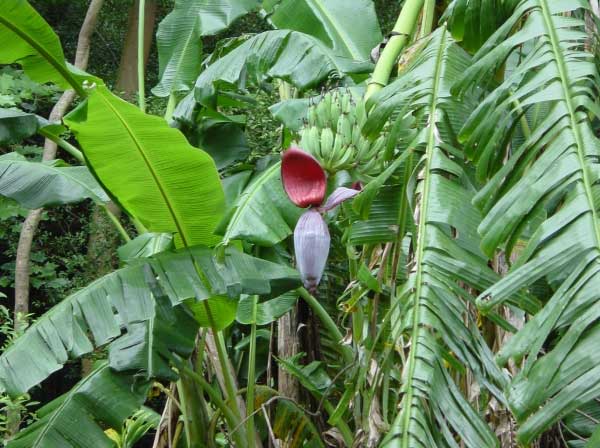
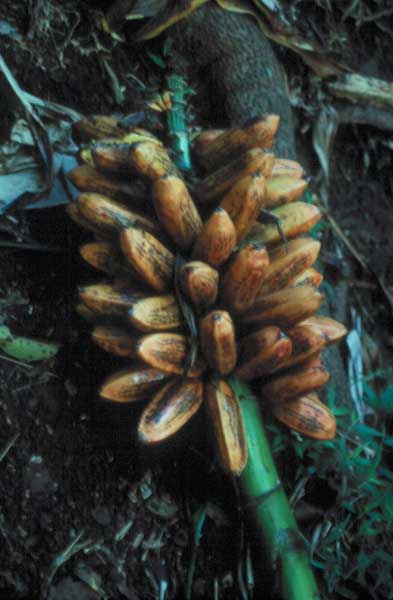
hao [ha-o]. The name of a species of wood; name of a tree. hao₅. same as maiʻa ʻoa, a variety of banana. haoʻeoʻe. var. spelling of hāoʻeoʻe, rocky, scraggly, choppy... hāoʻeoʻe, haoʻeoʻe [hā·oʻe·oʻe]. redup. of haoʻe, rocky, scraggly, choppy... ʻO Panaʻewa nui, moku lehua, ʻōhiʻa kupu hāoʻeoʻe i ka ua.Great Panaʻewa, district with lehua flowers, ʻōhiʻa trees growing scraggly in the rain. (PH 32) haoeoe [ha-oe-oe]. v. See before. To make a rushing noise, as wind upon the trees; haoeoe ka ohia, he ua nui ino Kaeleawaawa, loli i ka ua e, the ohia trees give a sound, Kaeleawaawa is in a great storm, it bends to the great rain. adj. Uneven, as points which stick up, or as waves of the sea; haoeoe na ale o ke kai. Applied also to men running where some are before and some behind; haoeoe na kanaka e holo mai la. haohao₂ [hao·hao]. nvs. soft meat that can be scooped from young coconuts. He ʻono ka wai o ka niu haohao.Delicious is the water of the young coconut with soft meat. (song) haohao [hao-hao]. adj. Soft; immature, as fruit; as a soft cocoanut. haokea [hao·kea]. n. a rather common native variety of taro; the leaves are narrow, the piko, leaf attachment, light, and petioles light green. This taro supplies some gray commercial poi and lūʻau greens. It was formerly used both medicinally and in religious ceremonies, as for dedicating new fish nets. According to (HP 17), it is a domesticated form of wild ʻāweu. The name may be qualified by the colors hāʻulaʻula and keʻokeʻo. Var. names reported include ʻahakea, haʻakea, and hāʻawikea. haole, Haole. nvs. white person, American, Englishman, Caucasian; American, English; formerly, any foreigner; foreign, introduced, of foreign origin, as plants, pigs, chickens; entirely white, of pigs ((Malo 37); perhaps (Malo) actually means of foreign introduction). See kōlea₁. References in traditional literature are few, but these have been noted. (Marquesan haoʻe is probably a loan from Hawaiian) [(MQ) PPN *haore, ??] Hānau ke poʻo haole, he haole kēlā.Born was the stranger's head, that was strange. (KL. line 505) He haole nui maka ʻālohilohi.A big foreigner with bright eyes [referring to Kamapuaʻa, the pig demigod]. (FS 201) hoʻohaoleto act like a white person, to ape the white people, or assume airs of superiority [often said disparagingly, especially of half-whites] hoʻohaole ʻiaAmericanized, Europeanized; to have become like a white person or have adopted the ways of a white man hoʻokahi o Tahiti kānaka, he haoleonly one people in Tahiti, foreigners (For. 4:375, Kualiʻi chant) ʻōlelo haoleEuropean language, especially English haole [ha-o-le]. adj. White; he keokeo; ina i keokeo ka hulu o ka puaa a puni, he haole ia puaa; he puaa haole. s. See the above derivation. A person with a white skin; hence, a foreigner; but Hawaiians say haole eleele for a negro. A person from a foreign country; an alien. NOTE.—The foreigners who arrived first at the islands were white persons. hāpai₃ [hā·pai]. n. a native variety of banana with trunk of medium height, the fruit maturing within it, about two-thirds of the way up. The fruits are small, finger length, and ten or less; their skin is yellow, and the flesh yellow, sweet, and edible raw. (HP 175), (Neal 250). also hua waena. hāpai kō [hā·pai kō]. v. to carry sugar cane bundles on the back, as formerly done by plantation workers. hapamalu [hapa·malu]. see papa hapamalu, understory layer of vegetation... hāpue₂ [hā·pue]. n. a medicinal plant (no data); a kind of fiber used for nets. rare.
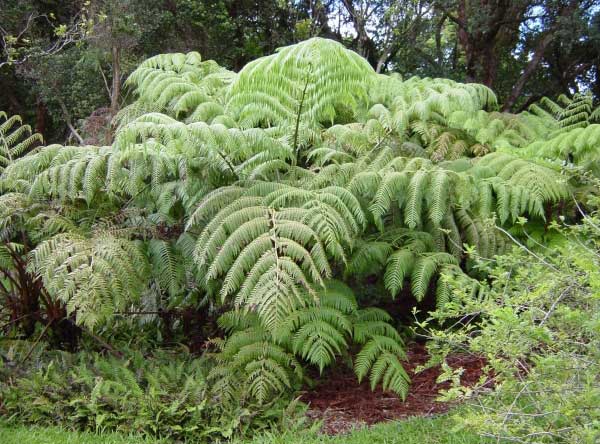
hapuu [ha-puu]. s. Name of a species of large fern; the root is eatable in time of famine. See kahapuu. hāpuʻu₄ [hā·puʻu]. n. a variety of taro, also hāpuʻupuʻu, that may be qualified by the colors ʻeleʻele,hāuliuli (favored by planters), kea or keʻokeʻo, lena, and ʻulaʻula. (HP 17, 18, 32) hāpuʻu ʻiʻi₁ [hā·puʻu ʻiʻi]. n. an endemic tree fern (Cibotium chamissoi, formerly called C. menziesii) much like the hāpuʻu and also known as hāpuʻu, but bearing stiff blackish hairs on the frond stems. also ʻiʻi. (Neal 10–1) hāpuʻu ʻiʻi₂ [hā·puʻu ʻiʻi]. n. Dryopteris paleacea var. fusco-atra, a much smaller endemic fern (not a tree) with dark hairs at stems' base. also ʻiʻi. hāpuʻu pulu [hā·puʻu pulu]. same as hāpuʻu₁, an endemic tree fern (Cibotium splendens)... hāpuʻupuʻu₁ [hā·puʻu·puʻu]. n. young hāpuʻu ferns that have not yet developed trunks. hāpuʻupuʻu₅ [hā·puʻu·puʻu]. same as hāʻupuʻupu, sweet potato sprouts. hāpuʻupuʻu₆ [hā·puʻu·puʻu]. same as hāpuʻu, taro: the plant is said to be distinguished by its leaf stems: yellow-green above, and dark brownish on lower half. The corms yield good light-colored poi, the leaves good greens. This name is qualified by the terms ʻeleʻele, keʻokeʻo, and maoli. (HP 17, 32)
hau. s. Name of a tree or large bush; the bark was sometimes beaten into a fine species of kapa called kapa hau. Laieik. 112. hauhau₁ [hau·hau]. redup. of hau₃, to hit. PPN *faʻufaʻu. E hoʻohauhau mai ʻoe i ka lau hala a kāua i palupalu.Beat our pandanus leaf so as to soften it. hoʻohauhausame as hauhau₁ hauhau [hau-hau]. v. To strike; to smite; to beat. See hahau. hau hele₁. same as ʻakiohala, a shrub. [PPN *fau-sele, a tree (clk)] hau hele₂. n. a shrub or herb (Abutilon grandifolium). Niʻihau. lit. traveling hau. hau hele ʻula. n. an endemic genus of small trees (Kokia, four species), in the hibiscus family. The leaves are leathery, round, with three to seven shallow lobes. The flowers are large and red, and have three broad bracts at the base. see kokiʻo₂. (Neal 567–8) [PPN *fau-sele, a tree (clk)] hau hele wai. n. a kind of hau hele shrub. [PPN *fau-sele, a tree (clk)] hau kaʻekaʻe [hau kaʻe·kaʻe]. n. a kind of hau tree. haukō [hau·kō]. n. a pudding made of arrowroot starch, coconut cream, and sugar-cane juice. cf. haupia. hau koʻiʻi. n. a kind of hard hau tree. haukona [hau·kona]. n. Hawthorne. Eng. hau kuahiwi [hau kua·hiwi]. n. five species of a native genus (Hibiscadelphus) of medium-sized trees, related to the hau; rare plants, with heart-shaped leaves and curved, red, yellow, and green flowers. (Neal 566–7) haʻulelani. n. var. spelling of hāʻulelani₂, a freshwater alga found in taro patches. hāʻulelani₁ [hāʻule·lani]. n. a variety of sweet potato. lit., fallen from the sky. hāʻulelani₂, haʻulelani [hāʻule·lani]. n. a freshwater alga found in taro patches. hāunu [hā·unu]. nvi. a line, as used in lashing a mat canoe cover; to add a new weft in plaiting. moena hāunu ʻole o ka nahelemats of the forest without added wefts [a bed of forest ferns and greenery] (ON 2175) hau oheohe [hau ohe·ohe]. n. a rare variety of hau, a tree, with a straight trunk. haʻuoi [haʻu·oi]. var. spelling of haʻuōwī, same as ōwī₁, a verbena... haʻuōwī, haʻuoi [haʻu·ō·wī, haʻuoi]. same as ōwī₁, a verbena. Niʻihau. haupia [hau·pia]. n. pudding formerly made of arrowroot (pia) and coconut cream, now usually made with cornstarch. cf. haukō. haupia [hau-pia]. v. To mix together (pia) arrow-root and cocoanut and bake it; to cook arrow-root and cocoanut together. s. The substances of arrow-root and cocoanut mixed together and baked for food. haupoa [hau·poa]. vt. to soften the earth, as for planting. rare. hāʻupuʻupu₂. n. sprouts from sweet potatoes. also hāpuʻupuʻu, hāʻapuʻapu. hāwaʻe₃ [hā·waʻe]. n. sprouts from sweet potatoes. hāwaʻewaʻe₂ [hā·waʻe·waʻe]. n. sprouts from sweet potatoes. hāwai₄ [hā·wai]. n. a variety of sweet potato. hāwane₁ [hā·wane]. n. nut of the loulu, native palm, considered delicious to eat; also the tree itself. also wāhane. lau hāwaneloulou leaves (Nak. 77) hawane [ha-wa-ne]. s. The name of the palm cocoanut. The fruit of the tree otherwise called loulu; the fruit is eatable; its leaf made into hats. hē₆. n. poi from the center or core of taro, formerly reserved for chiefs, as it had not come into contact with dirt. (Kep. 165) heʻa. nvs. stained red, inflamed, reddened; flattened and destroyed, as by lava; blood red; a blood sacrifice, as hog or man. cf. heka, kiliheʻa, kīpalaheʻa. [(OC) PPN *feka-feka, entrails (problematic)] Kā ia heʻa hala o Kaliʻuthis destroyed pandanus of Kaliʻu is struck [Pele's destruction of Hiʻiaka's pandanus trees] (song) hea [he-a]. s. Sore eyes; inflamed eyes. he aha sananā [he aha sana·nā]. interj. of scorn. What does it amount to? It's of no value. (Perhaps nanā is from he ʻahi kananā, a phrase describing a fierce fighter; cf. nanā.) also wēsenanā. He aha sananā, he mauʻu Hilo?What does it amount to? It's just Hilo grass. (Kel. 138) heau₂. n. Exocarpus spp., native shrubs and small trees (sandalwood family), with more or less leafless, jointed branches. also au₁₂. (Neal 325) Hehipuahala [Hehi-pua-hala]. n. rain name associated with Poʻo-kū, Kauaʻi. lit., stepping upon pandanus flowers. hehu₂. n. young seedlings or plants, as for transplanting; sucker. cf. ilo₂. hehu. n. seedling, as of ʻilima plants. see kauwowo. hehu [he-hu]. s. A tree pulled up for transplantation. hēʻī₁. same as mīkana, papaya. (Neal 600–1) [(CE) PPN *fekii, plantain (musa troglodytarum)] hei. s. The name of the pawpaw tree; also called mili. Also the name of the fruit. hēʻī₂. n. a variety of sweet potato usually called ʻuala hēʻī. hēʻī₃. same as maiʻa Polapola, a wild banana. [(CE) PPN *fekii, plantain (musa troglodytarum) (borrowed)] hekili₂. n. a variety of taro. hekili₃. n. a variety of sweet potato. helelei [hele·lei]. n. quick-bearing kind of sweet potato. (Kam. 76:27) helemauna [hele·mauna]. n. a rare native variety of dry-land taro, with dark purplish petioles and white corms; grown on Hawaiʻi. also piko ʻeleʻele. (HP 18, 32) helena₂. same as helehelena. ka helena o ia puathe appearance of this flower heliokalope, hiliokalupa [helio·kalope, hilio·kalupa]. n. introduced, sweet-scented heliotrope (Heliotropium arborescens syn. H. corymbosum). cf. hinahina₃. Eng. (Neal 718) helo₃. nvs. red, as ʻōhelo berries; rosy. cf. hehelo, helohelo, ʻōhelo. [(EO) PPN *felo, a color, yellow] kai heloa red sauce made of fermented shrimps, salt, and coconut cream helu ʻano hui. n. uneven totals, as ten bushels and three pecks. hēpia [hē·pia]. nvs. pale yellow, of the domesticated ʻilima flower. also pia. heʻupueo₁ [heʻu·pueo]. n. a reedlike grass, a bent grass (Agrostis avenacea, synonyms A. retrofracta and Calamagrostis forsteri), originally found in Australia, and now found through Polynesia; Panicum heupueo on Niʻihau. lit., owl hoot. heʻupueo₂ [heʻu·pueo]. probable Hawaiian name for pili uka, a grass. hihialou [hihia·lou]. a plant with small yellow flowers. (And.) hihialou [hi-hi-a-lou]. s. Name of a plant with small yellow flowers. hihiawai [hihia·wai]. n. the swamp fern (Ceratopteris thalictroides), an edible, somewhat succulent fern, distributed through the tropics. It grows in mud or water, as around taro patches, in tufts about 30 cm high. The fronds are triangular and are finely divided into long, narrow parts. Young fronds are eaten with fresh-water shrimps. also palai kahawai. (Neal 12) hihikolo₂ [hihi·kolo]. n. name of a legendary koa tree on Kauaʻi that was said to have no trunk. hiʻiaka₂ [hiʻi·aka]. n. a rare variety of taro with bronze-red leaf and stem, used in medicine. Hiʻiakaikapoliopele [Hiʻiaka-i-ka-poli-o-Pele]. Pele's favorite younger sister born from the mouth of Haumea rather than from the bosom, as were the many other Hiʻiaka sisters ((Westervelt p. 69), says there may have been forty sisters). Born as an egg, she was carried under Pele's bosom until she became a young beauty. She is the heroine of the epic concerning her trip from Kīlauea Volcano to Kauaʻi to find and fetch Pele's dream lover, Lohi'au; on her long and dangerous journey she transformed many evil moʻo into stones which are still visible (see PH). One of her forms was the palaʻā lace fern used to treat diseases and one of the first plants to grow on new lava. As the physician of the Pele family, she resuscitated Lohiʻau. She instituted the eating of fish from head to tail. She was worshiped by hula dancers. lit., Hiʻiaka in the bosom of Pele. hilahila₂ [hila·hila]. same as iholena, a banana. hīlea [hī·lea]. vs. careless, shiftless (named for the people of Hīlea village, Kaʻū, Hawaiʻi, reported to have brought poorly prepared poi to a chief). Hīlea i kalo ʻekaʻeka.Hīlea of the dirty taro [a saying applied to anyone careless or inefficient in work]. hilieʻe [hili·eʻe]. var. of ʻilieʻe, plumbago. hiliee [hi-li-e-e]. s. A shrub having a powerful stimulant corrosive bark. See ilihee. hilikolo [hili·kolo]. var. of hihikolo₂, a legendary tree. hilo₄. same as mauʻu Hilo, Hilo grass. hilo₆. n. a variety of sweet potato. hinaʻaikamalama₁ [hina-ʻai-ka-malama]. same as naʻenaʻe, shrubs or trees. hinahina₂ [hina·hina]. n. florida moss (Tillandsia usneoides), an air plant, growing on tree branches and hanging baskets, forming masses of gray, thread-like stems and leaves. It is often substituted for the heliotrope (below) as the flower of Kahoʻolawe, and so called. Also ʻāhinahina and ʻumiʻumi o Dole, Dole's Whiskers. (Neal 169–71)
hinahina₄ [hina·hina]. n. native geraniums (Geranium cuneatum var. tridens and other native silvery geraniums), shrubs or small trees of the high mountains, with ovate, toothed leaves and red or white flowers. cf. nohoanu. (Neal 469) hinahina ʻaʻala [hina·hina ʻaʻala]. n. dusty miller (Artemisia stelleriana), a perennial herb in the daisy family, from northeastern Asia and eastern North America. The leaves and stems have a white, velvety covering and are aromatic. (Neal 852) hinahina kahakai [hina·hina kaha·kai]. n. a native Hawaiian plant of the water-leaf family (Nama sandwicensis). Niʻihau. cf. (Neal 712). hinahina kula [hina·hina kula]. an unidentified plant. hinahina kū loa [hina·hina kū loa]. an unidentified plant. hīnaʻi [hī·naʻi]. n. basket or container made of braided ʻie vine, pandanus, or other material; a kind of basket fish trap, as used for shrimps, eels, hīnālea and ʻoʻopu. Also hīnaʻi hoʻoluʻuluʻu or hīnaʻi hoʻomoe iʻa. [PPN *fiinaki, fish trap] hīnaʻi [hī·naʻi]. n. basket, in basketball; basketball net. see hao, hupa, kuku, pōhīnaʻi. Komo mau kāna mau kī ʻana i ka hīnaʻi.His shots always make it into the basket. hinai [hi-nai]. s. A container braided out of the ie and other materials; a basket. Oihk. 8:2. hīnālea₂ [hīnā·lea]. n. a variety of taro. hīnalo [hī·nalo]. var. of hīnano. hinalo [hi-na-lo]. s. The blossoms of the hala fruit; the leaves which inclose the hala fruit. adj. Aromatic; fragrant, as the fruit and blossoms of the hala tree. s. The leaves inclosing the hala fruit. See hinaalo. The flowers of the hala tree.
moena hīnanovery fine mat made of the bracts of the hīnano. cf. ʻahu hīnano hinapū₁ [hina·pū]. n. a rare native variety of upland taro, with green leaves, reddish leaf juncture (piko), dark-green petioles, and white corm. Perhaps same as lauloa uliuli. (HP 18, 32) hinapū₂ [hina·pū]. n. a variety of sweet potato. hinupuaʻa₁ [hinu·puaʻa]. same as maiʻa ʻeleʻele or ʻeleʻele, a mountain banana with shiny black trunk. see also hinu. hinupuaʻa₂ [hinu·puaʻa]. n. a native variety of upland taro. also ‘eleʻele. hiohio haole [hio·hio haole]. vi. to jibber jabber in the white man's language, so called because English seemed full of whistling (hiohio), sibilant sounds. Palalē ka leo o ka ua i luna o ka nahele, e hiohio haole ana.Indistinct voice of rain on the plants, shishing English. (chant for Kahakuohawaiʻi) hiʻohiʻolani [hiʻo·hiʻo·lani]. vt. to level off, as a flower bed. (Kep. 157) hiona. n. leaning, slanting. ʻAno ʻē hoʻi ka hiona o kēlā kumu niu.What a peculiar angle that coconut tree has. hipahipa₁ [hipa·hipa]. same as puka wai, a coconut eye that is or may be pierced for drinking. hipū. n. resting place, as in the shelter of a tree or cave. hiʻuiʻa [hiʻu·iʻa]. n. fishtail fern (Nephrolepis biserrata cv. furcans), a kind of sword fern, with forked divisions (pinnae). In Kaʻū, leis are made by combining pinnae of this fern (or whole frond) with flower sprays of wāpine (lemon verbena). (Neal 14, 15) hiʻu waʻa. n. canoe stern. fig., a straight tree suitable for a canoe. hiwa₃. a term qualifying coconuts and kava. see niu, ʻawa. hō₃. n. hoe, colter of a plow. Eng. me kāna hō, a me kāna koʻi lipiwith his colter and his axe (1-Sam. 13.20) ho. Eng. A farming utensil; a hoe; the colter of a plow. 1 Sam. 13:20. hoʻāʻa. vt. to enable to develop roots. also hoʻoaʻa. hōmona hoʻāʻa.rooting hormone. hoahoa [hoa·hoa]. redup. of hoa₃; a rounded tapa beater (also called hohoa, pepehi); rapid beating, striking, as of tapa or pandanus leaves; a stick beater for washing clothes. fig., bad-tempered. hoʻohoahoacaus/sim Keu hoʻi kēia a ke kanaka hoahoa.This person certainly beats the beater [in rage]. hoahoa [ho-a-ho-a]. The name of the mallet with which kapa (the wauki) was beaten.
hoawa [ho-a-wa]. s. Name of a tree or shrub. hōʻawa lau nui. n. a kind of hōʻawa (Pittosporum kauaiense), a tree to 12 m high, found only on Kauaʻi, with large leaves to 25 by 8 cm, more or less downy beneath, and with quadrangular fruits 1.3 cm in diameter. hoeamāui [hoe-a-mā·ui]. n. probably same as ʻēkaha ʻula fern, but according to some it is Elaphoglossum pellucidum, a smaller Elaphoglossum than the ʻēkaha ʻula. lit., Māui's paddle. hōʻehapuʻuwai [hōʻeha·puʻu·wai]. n. a West African vine, the bleeding heart (Clerodendrum thomsonae), with red and white flowers, grown for ornament. lit., heart aching. (Neal 730–1) hohiu. n. a native fern (Dryopteris glabra) with rather finely divided fronds. hoholu. redup. of holu₁, springy, pliable, resilient... Hoholu ka ʻāhihi i ka makani.The ʻāhihi shrub sways in the wind. (chant)
Ua ua paha, ke ulu nei ka hoi.Perhaps it's been raining, the hoi is growing [said when someone looks happy, a play on hoi₁ and hoi₂]. hoi. s. The name of a vine bearing a bulbous root, eaten in time of scarcity, acrid to the taste. hoi kuahiwi [hoi kua·hiwi]. n. a native vine (Smilax sandwicensis), growing wild in the mountains; the leaves are heart-shaped, shiny, with longitudinal veins, much like the hoi but bearing tendrils; the roots are tuberous and not palatable. also akaʻawa. (Neal 211) hōʻiʻo₁. n. a large native fern (Diplazium [Athyrium] arnottii) with subdivided fronds. The young fronds are eaten raw, much liked with raw fresh-water shrimps or with salted salmon. Only Orientals cook this fern. It was formerly sold in the market. It will not grow at low altitudes. cf. pohole, the Maui name. (HP 214), (Neal 25). hoio [ho-i-o]. s. A species of plant, the tender leaves of which are used for herbs. hōʻiʻo kula. n. a native fern (Dryopteris stegnogrammoides syn. Stegnogramma sandwicensis), resembling the kikawaiō, having large pinnate fronds, but the tip tapering to a point instead of forming a separate lobe. Young fronds are eaten raw, like those of the hōʻiʻo. hōkeo₃ [hō·keo]. n. a variety of sweet potato. holāholā [holā·holā]. vi. to blossom, as a flower or adolescent growing into maturity. Kaʻū. Holāholā wale ʻia aʻe nō ā pau ka pupuka.Just having blossomed with an end to ugliness. (ON 1049) holahola [ho-la-ho-la]. Applied to the mind, to calm; to soothe; to open; to enlighten. See hohola and uhola. hōlapu₁ [hō·lapu]. vi. to disturb, roil; to spread, as fire. fig., to flare, as anger. Makaʻā hōlapu kāheka.The makaʻā (fish) roils the pool [of a mischievous child]. (ON 2086) Ua hōlapu aʻe ke ahi ma Alanui Fremont.The fire spread on Fremont Street. hōlapu₂ [hō·lapu]. see mū hōlapu pale ʻea pau, HIV, i.e. human immunodeficiency virus... holapu [ho-la-pu]. v. To stir up; to mix water and dirt; to make water dark colored by putting in dirt.
holei [ho-lei]. s. Name of a tree used (bark and root) to color yellow. hōlei₄ [hō·lei]. n. a variety of sweet potato. holi₁. vi. to sprout, as plants or a youth's beard. holi [ho-li]. v. To commence or start first; to go forward. s. The first appearance of a thing, as the first coming out of the beard of a young man. hōlio₁ [hō·lio]. n. two species of small, rare, endemic trees (Cryptocarya) in the laurel family, found only on Kauaʻi and Oʻahu. (Neal 361) holowaʻa₁, holoaʻa [holo·waʻa, holo·aʻa]. n. trough, especially vessel in which kava was mixed; oblong box, coffin, chest, cradle; furrow, as for planting sugar cane. holowaʻa waiho anianihandmade mirror fitted into a wooden frame, as of wiliwili wood Kau i ka lani ka holowaʻa ua o Hilo.Placed in the heavens is the rain trough of Hilo [admiration for one of regal bearing]. holowaʻa₂, holoaʻa [holo·waʻa, holo·aʻa]. n. sheath covering coconut flowers. also lolo. hōlule₂ [hō·lule]. n. a variety of sweet potato. holunape. nvi. var. spelling of holu nape, to sway, wave; swaying. holu nape, holunape. nvi. to sway, wave; swaying. Ka holu nape a ka lau o ka niu.The swaying of the fronds of the coconut. (song) hona₂. n. a variety of taro. (HP 32) honekakala [hone·kakala]. n. honeysuckle, a low, twining shrub (Lonicera japonica), from East Asia, with shortstemmed, oval leaves and fragrant tubular flowers that open white and turn yellow. Eng. (Neal 805–6) honohina [hono·hina]. n. wild spiderflower (Gynandropsis gynandra), a cosmopolitan tropical hairy annual weed, native to Africa, in the caper family, 30 to 90 cm high, leaves five-parted; flowers spider-like, white with a purple tinge; fruit narrow, cylindrical capsule with many seeds. also ʻiliʻohu. (Neal 369) honohono₁ [hono·hono]. n. short for honohono kukui, the basket grass (Oplismenus hirtellus), a creeping grass that originated in America, called kukui because it is often found under kukui trees... PPN *hongohongo.
honohono [ho-no-ho-no]. s. Name of a weed, very thrifty in growth and very hard to kill.
honohono₄ [hono·hono]. see ʻokika honohono, an orchid (Dendrobium anosmum)... honohono kukui [hono·hono kukui]. n. the basket grass (Oplismenus hirtellus), a creeping grass that originated in America, called kukui because it is often found under kukui trees. also honohono maoli. (Neal 73–4) honohono kū mau [hono·hono kū mau]. n. a variety of honohono₂ honohono ʻula [hono·hono ʻula]. n. wandering Jew or zebrina, an ornamental, now naturalized, native to Mexico (Zebrina pendula). (Neal 183–4) honohono wai [hono·hono wai]. same as honohono₂, the wandering Jew or dayflower... hoʻoaʻa [hoʻo·aʻa]. vt. to enable to develop roots. also hoʻāʻa. hoʻohālua [hoʻo·hā·lua]. same as hālua₂, to ambush, lie in wait, waylay, spy, provoke trouble... ʻŌlelo ʻoluʻolu aku kekahi i kona hoalauna me ka waha, akā ma ka naʻau, ua hoʻohālua iāia.One speaks peaceably to his neighbor with the mouth, but in [his] heart, [he] lies in wait. (Ier. 9.8) hoohalua [hoo-ha-lu-a]. v. To watch an opportunity for mischief; to lie in wait. Ios. 8:4. Either to kill or rob. To act as a spy; to go secretly to do a thing; to rob; to watch for an opportunity to see or speak to a person. Laieik. 77. s. An ambush; an ambuscade; Ios. 8:2. Poe hoohalua, liers in wait. Lunk. 9:25. hoʻolāʻau₁ [hoʻo·lāʻau]. to form mature wood, as of a shrub; to gather in trees, as birds see lāʻau₁, tree, plant, wood, timber, forest, stick, pole, rod, splinter, thicket, club; blow or stroke of a club... hoolaau [hoo-la-au]. v. To ask, as a child for food. hoolaau [hoo-la-au]. To swell up, as the stomach. hoʻolau₂. a bundle of grass or ferns set in water to attract shrimps or ʻoʻopu fish; a net was placed under this bundle, and the fish shaken into it. see lau₂, dragnet, seine, so called because formerly made of hoʻomomona [hoʻo·momona]. vt. to fertilize. cf. kīpulu. mea hoʻomomona lepofertilizer mea hoʻomomona lepo kāʻokoʻacomplete fertilizer, i.e. fertilizer which contains the six necessary elements for plant growth hōpoe₁ [hō·poe]. vs. fully developed, as a lehua flower. see poepoe, popohe. Hōpoe lehua kiʻekiʻe i luna.Well-rounded mighty lehua bloom above. hōpue₂ [hō·pue]. n. a native tree, endemic to Kauaʻi (Urera sandvicensis var. kauaiensis), in the nettle family, with broad-ovate, long-stemmed leaves, and red, clustered, male flowers. also hona, ōpuhe. hopue [ho-pu-e]. s. The name of a tree, the bark of which is used like the olona, and made into strings, cords, &c. hōwaiaulu [hō·wai-a-ulu]. n. a perennial herb (Lagenophora maviensis), found only in marshy high parts of West Maui. The leaves form a basal rosette, from which rises a stalk bearing a round daisy-like flower head with yellow center and white rays. hū₅. n. gum, as of the ʻōlapa tree. huaʻai kiwi [hua·ʻai kiwi]. n. kiwi fruit. also lahomāpū. hua hāule wale [hua hā·ule wale]. same as hua hāʻule; also said of a sweet potato produced from the extended vine as distinguished from the product in the hill. huahaulewale [hu-a-ha-u-le-wa-le]. s. Name of certain leaves of the potato. The name of the potato itself. huahekili₂ [hua·hekili]. n. rare name for the beach naupaka (Scaevola) plant. huahekili [hu-a-he-ki-li]. The name of a plant used in medicine. huahekili uka [hua·hekili uka]. n. a small native naupaka (Scaevola kilaueae) found only on dry lava near Kīlauea Volcano. It does not exceed a height of 80 cm, has narrow, thick leaves, dull-yellow flowers, and small black fruits that were used to dye tapa. also pāpaʻahekili. (Neal 819–20) hua hōkū [hua hō·kū]. n. starfruit. huʻahuʻakō [huʻa·huʻa·kō]. n. a coarse, weedy native dock (Rumex albescens) in the buckwheat family. see also pāwale. hua kanu. n. bulb, as of a lily or tulip. hua kineko, huakineko. n. jacinth. (Hoik. 21,20) huakineto [hu-a-ki-ne-to]. s. Gr. A hyacinth, name of a precious stone. Hoik. 21:20. hua kukaima, hua kudaima. n. mandrake. Hebrew dudoim. (Kin. 30.14) hualani [hua·lani]. n. a variety of sweet potato. hualau [hua·lau]. n. a variety of banana. lit., many fruits. hualele₁ [hua·lele]. n. seeds of the laulele plant. hualele [hu-a-le-le]. s. Hua, seed, and lele, to fly. The seeds of the plant laulele. huamoa₃ [hua·moa]. same as moa, a native variety of banana. huamoa₄ [hua·moa]. a variety of sweet potato. huaʻono. n. a variety of sweet potato. huapala₁ [hua·pala]. n. orange trumpet or sweetheart vine (Pyrostegia venusta syn. Bignonia venusta, B. ignea), an ornamental climber from Brazil, bearing early in the year many deep-orange flowers, hence chestnut-colored or light brown. lit. ripe fruit. (Neal 764) huaʻulaʻula. n. the red sandalwood tree (Adenanthera pavonina), from parts of tropical Asia and Malaysia, of moderate height and with rather widespreading branches. The tree is planted in parks, and its round, lens-shaped, red seeds are used for leis, and their long, yellow-lined pods for decorative arrangements. (Neal 414) huawaena [hua·waena]. same as hāpai, a variety of banana. hua waina. n. grape, grapes (Vitis spp.). lit., wine (Eng.) fruit. (Neal 540–3) ʻO ka manawa ia o ka hua waina pala mua.It was the time of the first ripe grapes. (Nah. 13.20) huawaina [hu-a-wai-na]. s. Hua, fruit, and waina, grape. A grape; collectively, grapes; the fruit of the vine. Oihk. 19:10. Huawaina pala mua, the first ripe grapes. Nah. 13:20. huʻe. vt. E huʻe mai ʻoe i ke koaiʻe o Makawao.Uproot the koaiʻe tree of Makawao. [a boast and challenge of the native of Makawao, Maui] Huʻe i ke kaona.Reveal the hidden meaning. Ua huʻe ka wai i ke pili.The water flowed out over the pili grass. hue [hu-e]. v. See hu and E. To cause to flow out; to unload, as a ship. v. To dig; to throw out dirt, as in digging a pit. huehue₂ [hue·hue]. n. a native climber (Cocculus ferrandianus), with oval leaves and bluish one-seeded fruits. The stems were used for twine and for funnel-mouthed fish traps. (Neal 354.) Also hue ʻie. huehue haole [hue·hue haole]. n. a wild passionflower (Passiflora suberosa) with small greenish-yellow flowers, small three-lobed or undivided leaves, and blackish fruits 1.3 cm in diameter. lit., introduced huehue. (Neal 597) huehuelo [hue·huelo]. n. tail end, as of a strip of pandanus plaiting. cf. huelo. He wahi huehuelo manaʻo kēia.This is a trivial bit of idea. huehuelo [hu-e-hu-e-lo]. s. See huelo. The tail end of a thing; the last of it; nolaila, ke hai aku nei au i keia wahi huehuelo manao, wherefore, I declare this tail end of a thought (last idea); loaa mai o ka huehuelo wale no, aole o ke kino pu kekahi, I obtained the tail only, not the body with it. hueloʻīlio [hueloʻī·lio]. n. a small shrub (Buddleja asiatica), native of southeastern Asia to Java, growing wild in Hawaiʻi, related to the summer lilac. It has narrow leaves and small white flowers growing in long narrow clusters. lit., dog tail. (Neal 683) huelopōpoki [huelo·pō·poki]. n. Australian bluegrass, Andropogon sericeus. lit., cat tail. Niʻihau. huelopōpoki [huelo·pō·poki]. n. cattail. huhui₁. n. cluster, collection, swarm, bunch. also huihui. E noho malalo o ka lāʻau maka, iho mai ka huhui, māʻona ka ʻōpū.Sit under a green tree, the cluster falls, stomach is filled [serve a worthy person and you will be rewarded]. huhui [hu-hu-i]. s. See hui. Hu doubled. A bunch; a collection of things, generally qualified by a following word; as, huhui palaoa, a head of wheat. Mat. 12:1. Huhui mau, a bundle of grass; huhui maia, a bunch of bananas; huhui (hoku understood), the pleiades or seven stars. Iob. 38:31. The constellations of stars. Isa. 13:10. See huihui. huhuki. redup. of huki; to pull hard or frequently. PPN *fufuti. hoʻohuhukito pull, cause to pull. Fig., headstrong koi huhukicompelling, insistent urge Pau ke kalo i ka huhuki ʻia.All the taro was pulled up. hui₄. n. cluster, as of grapes or coconuts; bunch, as of bananas. also huhui, huihui. [PPN *fuhi, bunch or cluster; tie in a bunch] hūkaʻa [hū·kaʻa]. n. pitch, resin, gum from a tree; resinous timber drifting to Hawaiʻi from the northwest coast of America. hukaa [hu-kaa]. s. A general name for pitch, resin or gum from a tree; any substance of a resinous nature. A species of tree; an oak perhaps. Isa. 1:29. The turpentine tree perhaps. hūkākai₁ [hū·kā·kai]. vs. insipid, tasteless, brand, as food or poi made of immature taro; brackish. also ʻōkākai. hukihuki₁ [huki·huki]. nvt. Hele maila lākou ā hukihuki i ka wai.They came to draw water. (Puk. 2.16) huli₄. n. taro top, as used for planting; shoot, as of wauke (see ʻae₇). see ex. ʻōmaka₁. [(AN) PPN *suli, a banana or taro shoot] huli [hu-li]. The name of kalo tops for planting. See hulikalo. hulimaiʻa [huli·maiʻa]. n. name of a reddish-brown honey-sucking bird (no data). lit., banana seeker. huli mio. n. taro stalk with spent strength. hulipūloa [huli·pū·loa]. n. a variety of taro. (HP 32) huluʻānai₁ [huluʻā·nai]. n. scrubbing or painting brush, formerly made of a coconut husk. huluanai [hu-lu-a-nai]. s. See hulu, bristles, and anai, to rub. A brush for painting; especially for whitewashing. huluhulu₄ [hulu·hulu]. n. feathers. cf. kauila huluhulu. PPN *fulufulu. Kū ā huluhulu Panaʻewa.Panaʻewa has trees like plumes. (chant) huluhulu₅ [hulu·hulu]. n. down or fuzz on plant stems, rootlet. huluhuluaʻīlio [hulu·hulu-a-ʻī·lio]. n. a green, velvety, carpet-like mountain moss. The spore cases rise above the plants. lit., fur like a dog's. huluhuluakaʻauhelemoa [huluhulu-a-Kaʻau-hele-moa]. moss. (EH) hulu ʻiole. same as wāwaeʻiole, a plant. hulukoaʻe [hulu·koaʻe]. n. a kind of grass. hulu manu₂. n. green seaweeds (Caulerpa spp.), growing like land plants, with roots, prostrate stems, and leaflike divided fronds; not edible. also ʻaiakahonu, hulu moa, līmoa. hulumoa [hulu·moa]. n. the Hawaiian mistletoes (Korthalsella spp. formerly called Viscum), small plants perching on trees and extracting part of their food from them. They have flat or cylindrical jointed green stems. lit., chicken feathers. also kaumahana. (Neal 324–5) huluokaʻauhelemoa [hulu-o-kaʻau·hele·moa]. n. a moss said to grow only in Pālolo Valley, Honolulu, named for Kaʻauhelemoa, a legendary cock defeated in battle by a hen. She pulled out his feathers, which fell and became this moss. It is used in leis. hulupōʻēʻē [hulu·pō·ʻē·ʻē]. n. sphagnum. also mākōpiʻi hulupōʻēʻē. see mākōpiʻi. humuhumu₃ [humu·humu]. n. a variety of taro with coloring like that of the humuhumu (fish); the leaf stem is pink at base, dark-purple midway and green above. (HP 18, 32) humulau [humu·lau]. vt. to embroider. He holokū kilika i humulau ʻia me ka pua Pākē.It is a silk gown (holokū) embroidered with Chinese flowers. hunakai₁ [huna·kai]. n. white-flowered beach morning-glory (Ipomea stolonifera; synonym, I. acetosaefolia), distributed in tropical regions, with oblong to lyre-shaped leaves, and white flowers with yellow centers. (Neal 705) huna palai. same as pai, a native fern hunehune₁ [hune·hune]. redup. and intensification of hune₂, very fine, delicate. Hunehune ka lau o kēia lole.The design of the cloth of this dress is delicate. kilika hunehunefine quality silk palai lau hunehunefine-leafed fern hū ʻōlapa [hū ʻō·lapa]. n. gum of the ʻōlapa tree, formerly used for embalming.
Iiʻa₃. n. any food eaten as a relish with the staple (poi, taro, sweet potato, breadfruit), including meat, vegetable, or even salt. also ʻīnaʻi. ka iʻa lauoho loloa o ke kuahiwithe long-haired relish of the mountain [greens] (ON 1361) ʻia. part. marking pas/imp. (sometimes written as a part of modified word). (Gram. 6.6.3) PNP *kia. ʻAi ʻia ka maiʻa.The banana was eaten; eat the banana. E hele ʻia e kāua.We should go; let's go. Nānā ʻia ke kanaka.The person was looked at; look at the person. iʻa Pākē [iʻa pā·kē]. n. an introduced fish (Ophiocephalus striatus) found in rice or taro patches and streams. lit., Chinese fish. iāpona [iā·pona]. n. jabong, a type of citrus. see pomelo. Japn..
ʻieʻie₂. n. a native variety of taro with leaf blades and flowers suggesting ʻieʻie₁; the leaves are dark and glossy, the petioles reddish with yellow-green stripes. (HP 18, 32) iheihe₂ [ihe·ihe]. n. a variety of taro. (HP 32) iheihe lei [ihe·ihe lei]. n. a variety of iheihe taro. ihi. vt. to peel, as an orange or taro. cf. uhole. ʻihi₁. vs. sacred, holy, majestic, dignified; treated with reverence or respect. hōʻihi₁to treat thus; to hallow hōʻihi₂tapa or pandanus fitted into a hoop and placed on the head of an attendant (kahu), serving as a holder for a food container from which the chief or favorite child was served, a means of bestowing high honor ihi [i-hi]. adj. Sacred; hallowed. Hal.72:19. Generally applied to high chiefs. ʻihi₂. n. wood sorrels (Oxalis, all species), perennial weedy herbs, creeping or not, and bearing cloverlike leaves and yellow, white, red, or pink bell-shaped flowers. The plants have a pleasant sour taste due to oxalic acid. (Neal 473–4) Known to some as Portulaca spp. [PPN *kisi-kisi, oxalis spp] ihi [i-hi]. s. The name of a plant growing on the mountains, the root, used in native medicines, slightly cathartic; also, A plant like the pig-sorrel, which is called ihi makole. ʻihi ʻai. n. a kind of ʻihi (Oxalis corniculata). lit., edible ʻihi. (Neal 473) ʻihi ʻawa. same as ʻihi ʻai, a kind of ʻihi (plant) (Oxalis corniculata). ʻihiʻihi₂. an unknown plant formerly growing at ʻIhiʻihilauākea [ʻIhiʻihi-lau-ākea], the western side of Hanauma Bay, Oʻahu. ihiihi [i-hi-i-hi]. s. See ihi above. Name of a plant; he ihiihi makole, he ihiihi ai. . ʻihiʻihiione [ʻihiʻihi-i-one]. n. a mustard plant, Coronopus didymus. Niʻihau. ʻihikapu. taboo sacredness, holy sacredness... ʻihi kūkae hipa [ʻihi kū·kae hipa]. same as kūkaehipa, spiny bur (Acanthospermum australe). also pipili₃. (Neal 837) ʻihi mākole [ʻihi mā·kole]. n. a creeping variety of ʻihi with red stems (differing in this from ʻihi ʻawa), yellow flowers, and no bulbs; used medicinally. lit., red-eyed ʻihi. also ʻihi maka ʻula. ʻihi pehu. n. a kind of sorrel (Oxalis martiana) with large leaves, pink flowers, bulbous scaly root, used medicinally. (Neal 473) ʻihi pua kea. n. shamrock. lit., white-flowering Oxalis. iho₂. n. core, as of an apple, breadfruit, or pandanus; cob, as or corn; heart, as of celery: spongy white growth in the center of a sprouted coconut, sometimes called coconut sponge (cf. lolo niu); pith, spadix; flesh of the octopus after the skin is removed; axis, as of the earth; axle, as of a wheel. also haku. [(CE) PPN *iso, pith, core; umbilical cord] iho ʻolewithout core, said of koa trees easily shaped into canoes iho. n. axle, i.e. a shaft on which a wheel turns. also paepae komo huila. n. axis, in math. see kuhikuhina. nā iho kuhikuhinacoordinate axes, i.e. two intersecting perpendicular number lines used for graphing ordered number pairs in math iho [i-ho]. s. The pith of a vegetable; he iho laau ka mea mawaena o ka laau, the pith of a tree is what is in the center of the tree. In geography, the pole of the earth; he iho ko ka honua a puka ma na aoao elua, the earth has a pith (pole) coming out at both sides; ka iho kukui. See ihoiho. ihoiho₃ [iho·iho]. n. heart or heavy core of a tree. ihoiho [i-ho-i-ho]. s. The solid, heavy part of timber; the heart; something solid inside of something soft; hele mai ia me ka pu a me ka pololu a me ka ihoiho kukui. iholena [iho·lena]. n. a favorite and common native variety of banana, eaten raw or cooked. The fruit bunches are small, the skin thin, ripening yellow, the flesh salmonpink. (HP 115). This was one of the few bananas permitted women. Also hilahila. lit., yellow core. iholena [i-ho-le-na]. s. A species of banana which were permitted to be eaten under the kapu system; eia na maia a Papa e ai ai, o ka popolu, o ka iholena. ihuanu [ihu·anu]. n. name of an odoriferous tree or shrub. ʻiʻi₅. short for hāpuʻu ʻiʻi₁, ₂, ferns. ʻiʻiaao, ʻīʻīaao [ʻiʻi·aao]. n. cooked and partly dried taro or sweet potato that becomes sour or ferments. ʻīʻīaao. n. var. spelling of ʻiʻiaao, cooked and partly dried taro or sweet potato that becomes sour or ʻiʻiʻi₂. same as ʻiʻi₅, ₆; small hāpuʻu ʻiʻi and ʻamaʻu ʻiʻi ferns. iii [i-i-i]. Name of a plant eaten in time of scarcity. ʻiʻiwi haole. n. cape honeysuckle (Tecomaria capensis), a climbing shrub bearing narrow, curved, tubular, scarlet flowers and fernlike leaves (Neal 765), introduced to Kaʻū by George Jones. īkā₂ [ī·kā]. n. sides of taro patch or garden. rare. ika [i-ka]. s. Name of the sides of a kalo patch, or of a mala where the grass is thrown; oia ka mea e malu ai na ika. i lilo ole ka mea kanu a kekahi i kekahi. iki. nvs. small, little, slightly; a little, trifle; not at all (with a negative). cf. ʻauiiki. [(MP) PPN *ʻiti, small] ʻAʻole au i hele iki i laila.I've never been there. ʻaʻole kohu ikinot the least fitting; most inappropriate he iki pua mauʻua small blade of grass He mea iki.It's a trifle; you are welcome; don't mention it. hoʻoikito lessen, diminish, make small iki [i-ki]. adj. Small; diminutive; little; often used in compounds; as, kamaiki, keiki, the little one, &c.; he wahi mea uuku, he liilii. adv. Not at all; nearly; ke hookoe iki nei no ka aie o ke aupuni, there remains very little of the government debt. v. Hoo To spare; to hold back; to make small. Isa. 54:2. ʻīkoi₁ [ʻī·koi]. n. same as pīkoi₁; breadfruit or pandanus core. ila₂. vs. dark. Pau ka wao maiʻa a pala ila.All the bananas of the uplands are ripened black. (chant)
iliahi [i-li-a-hi]. s. Sandal-wood; a deeply scented, hard wood, formerly a wood of traffic. ʻiliahialoʻe [ʻili·ahi-a-loʻe]. n. a small shrubby form of Hawaiian sandalwood (Santalum ellipticum), found rarely and near the beach. (Neal 325)
ʻO ka iliau loha i ka lā.The iliau drooping, in the sun. (For. 4:283) iliau [i-li-au]. s. A species of bush in the forest; nana aku he ka moloua ka iliau.
ʻili hau. n. bark of the hau tree, as used for rope and for modern grass skirts. ilihau [i-li-hau]. s. The bark of the hau tree, of which ropes are made; he kaula ilihau. ʻilihia [ʻili·hia]. n. a kind of haʻiwale (Cyrtandra begoniaefolia), on East Maui, having unequal heart-shaped leaves. ʻili kala. n. skin of kala, a fish, sometimes stretched over a coconut shell to form the top of the small pūniu, knee drum. ilikala [i-li-ka-la]. s. Ili skin, and kala, rough; epithet of the shark skin. The skin stretched over and fastened to a cocoanut shell, which formed a kind of drum; penei e hana'i, o ka puniu, o ka ilikala (shark skin paha,) ka pili me ka pilali o ke kukui, a paa, kakoo me ke kaula, a maloo, waiho a maloo, alaila, hookani iho me ka uhane. also ilikani. ʻilikana [ʻili·kana]. n. corm immediately under the skirt, as of taro. ʻiliki₂. n. a varnish, as made of candlenut bark, ti root, banana stump, and other plants. ʻilikole₂ [ʻili·kole]. n. flesh of half-ripe coconut. ilikole [i-li-ko-le]. adj. Not thoroughly ripe, as the cocoanut; not oolea loa; he niu ilikole.
Ola nō i ka pua o ka ʻilima.There is healing in the ʻilima blossoms [reference to its medicinal use]. (ON 2489) ilima [i-li-ma]. s. A shrub with green and yellow flowers; the shrub is used for fuel. See apiki. He apiki, he lei apiki. ʻilima₂. area where ʻilima plants may grow. ilima [i-li-ma]. The name of a region next below the apaa on the side of the mountains. ʻilima koli kukui. a rare ʻilima with bronze-red flowers, domesticated on Oʻahu. lit., kukui candle ʻilima. also kolikukui. (Neal 553) ʻilima kuahiwi [ʻilima kua·hiwi]. n. a kind of ʻilima. ʻili makuʻakuʻa. n. var. spelling of ʻili mākuʻakuʻa, dark-red bark, especially of koa trees. ʻili mākuʻakuʻa, ʻili makuʻakuʻa [ʻili mā·kuʻa·kuʻa]. n. dark-red bark, especially of koa trees. ʻilima kū kahakai [ʻilima kū kaha·kai]. n. a kind of ʻilima creeping on sand on which beach dodder (kaunaʻoa) grows. lit., ʻilima standing on beach. (Neal 533) ʻilima kū kula. n. a wild form of ʻilima, not so often used for leis as ʻilima lei, the cultivated form. lit., ʻilima standing on plains. also ʻilima papa. (Neal 553) ʻilima makanaʻā. n. a wild ʻilima growing on old lava beds in Kaʻū, with small flowers; of medium height. (HP 213) ʻilinia [ʻili·nia]. same as ʻĪnia₂, the pride of India flower and plant. ilioha [ili·oha]. n. horseweeds (Conyza spp.), tall, slender coarse weeds of the daisy family, established in Hawaiʻi; used medicinally. One species is laniwela. also ʻawīʻawī, puamana, ʻuwīʻuwī. (Neal 834) ilioha [i-li-o-ha]. Also a plant with small leaves. ʻiliʻohu. same as honohina, wild spiderflower. lit., mist skin. ʻīlio ʻiʻi [ʻī·lio ʻiʻi]. n. small curly-haired native dog, said to be in four colors; reddish-brown (as the fibers of the hāpuʻu ʻiʻi tree fern), cream-colored, ashy-gray, and wine-colored. ʻilipuakea [ʻili·pua·kea]. n. white person. lit., white flower skin. Poetic. ʻiliuaua [ʻili·ua·ua]. n. a variety of taro with large, thick, firm leaf blades. The corms are very large, with white flesh tinged with pink; good as table taro but not for poi; leaves good for lūʻau. lit., tough hide. also kalo Pākē. ʻīloli₂ [ʻī·loli]. vs. spotted, daubed with color, as tapa; speckled, as overripe pandanus keys. ʻīnana₂ [ʻī·nana]. see lau ʻīnana, plant, cotyledon. ʻīnia₂ [ʻī·nia]. n. the pride of India (Melia azedarach), a tree from the Old World, naturalized in Hawaiʻi. It has much-divided fernlike leaves, and bears large clusters of purplish flowers and fruits like golden balls. also ʻilinia. (Neal 491–2) ʻīnika₂ [ʻī·nika]. n. malabar nightshade or Ceylon spinach (Basella alba), a succulent vine with thick, heart-shaped leaves, and spikes bearing black, berry-like fruits. It is eaten as greens. It is a native of tropical Asia or of Africa. (Neal 343–4) ʻinikō [ʻini·kō]. n. indigo (Indigofera suffruticosa), a West Indian legume with compound leaves, small reddish flowers, and small, clumped, curved seed pods, introduced to Hawaiʻi about 1850 for commercial purposes. It was not a financial success. also ʻinikoa, kolū₄. Eng. (Neal 447–8) io [i-o]. s. Lean flesh; the animal muscle. Anat. 3. A muscle; he io ku e, an antagonistic muscle. Anat. 26. Flesh in general. Puk. 29:14. Flesh, i. e., person. Oihk. 16:4. One's flesh, i. e., kindred; relation. Kin. 29:14. Io maha, the muscle on the side of the head. ʻiʻo₃. n. grain of wood. cf. ʻiʻo lau maiʻa. ʻiʻo lau liʻigrain with slight curliness ʻiʻo pū maiʻagrain straight as a banana stalk ʻiʻoaweawe [ʻiʻo·awe·awe]. n. a variety of taro. (HP 33) ʻiokoʻo, ʻokoʻo [ʻio·koʻo]. n. young pandanus leaves, white at the base and light green at the apex, as used in fine mats. ʻiʻo lau maiʻa. n. yellowish grain in wood, especially koa, named for its resemblance to the yellow color of a banana leaf (lau maiʻa). ʻioleholokula [ʻiole·holo·kula]. n. extinct variety of small, sweet gourd with long stem, formerly used as medicine. lit., rat running on plains. (HP 208) ʻiʻo lūʻau. n. greenish meat of turtles, considered the best, so named because its color resembled cooked taro tops (lūʻau). ʻiʻo niu. n. flesh of coconut. ʻiʻo nui₁. nvs. meaty, fleshy, as of some fish, or as the soft part of pandanus keys that are strung for leis. ʻiʻo nui₂. n. a fern known in many countries (Dryopteris parallelogramma syn. D. paleacea), up to 80 cm high, with feather-shaped fronds clustered on a short trunk, the frond stems clothed with long brown to black scales. ʻio paʻakai [ʻio paʻa·kai]. n. container for salt, as made of pandanus leaves.
ipu. n. squash, general term. see palaʻai. ipu [i-pu]. s. A general name for all kinds of gourds, calabashes, melons, pumpkins, &c. ipu₂. the watermelon (Citrullus lanatus), a wide-spreading vine from tropical Africa, with large, lobed leaves and yellow flowers. It is grown for its edible fruits, which are round or oblong, green or green with light stripes, and full of sweet, juicy, rose-colored pulp surrounding flat, black seeds, The watermelon was introduced to Hawaiʻi about 1792 and thrived until the melon fly arrived about 1910. Among many varieties that were developed were three outstanding ones: ipu huluhulu, ipu poʻo kanaka, and ipu oloolo. Today watermelons are again cultivated successfully because the fruits are commonly wrapped in paper or cloth during early stages. also ipu ʻai maka, ipu ʻai waha, ipu haole. (Neal 810–1) ipu ʻala₁. n. cantaloupe melon (Cucumis melo var. cantalupensis). (Neal 811) ipuʻala [ipu·ʻala]. n. cantaloupe. see meleni. ipuala [i-pu-a-la]. s. Ipu, cup, and ala, odoriferous. A box for containing odors; also a musk-melon. ipu ʻawa, ipu ʻawaʻawa. n. a variety of gourd (Lagenaria siceraria) with bitter-tasting pulp, used medicinally. Its strong odor is eradicated by soaking in sea water. (Neal 812) ipuawaawa [i-pu-a-wa-a-wa]. s. See above. The bitter or poison calabash. ipu huluhulu [ipu hulu·hulu]. n. a variety of watermelon with a slightly fuzzy (huluhulu) skin, and with whitish or pale-pink pulp; it is edible but not greatly liked; it formerly grew wild at Kaʻū. also ipu akua. (Neal 810) ipu kāniʻo [ipu kā·niʻo]. see kāniʻo₃, a striped watermelon... ipu kuaʻaha. n. container for sacred objects; gourd calabash covered with a sennit net and suspended by a handle composed of four cords; food offerings were placed inside for the god Lono. also ipuolono. (Neal 748) ipu kula. n. the cup of gold (Solandra hartwegi, often called S. guttata), a large climbing shrub from Mexico, with long-stemmed, oblong leaves. The large, showy, fragrant flowers bloom in winter, are about 23 cm long, goblet-shaped with five shallow lobes, and are yellow with five narrow purple longitudinal streaks. lit., golden (Eng.) container. (Neal 748) ipu mānalo [ipu mā·nalo]. n. a variety of gourd with nonbitter pulp. lit., sweet gourd. (Neal 812) ipu o kāne. n. var. spelling of ipuokāne, shell container of the hiwa green coconut used in ceremonies honoring ipuokāne, ipu o kāne [ipu-o-Kāne]. n. shell container of the hiwa green coconut used in ceremonies honoring the god Kāne. ipu o lono. var. spelling of ipuolono₃, shell of the yellow-husked or lelo coconut. ipuolono₁ [ipu-o-Lono]. n. a variety of taro used as offering to the gods; it may be qualified by the terms kea and ʻulaʻula. ipuolono₃, ipu o lono [ipu-o-Lono]. shell of the yellow-husked or lelo coconut. ipu oloolo. n. a variety of watermelon with fruit like that of ipu poʻo kanaka, but ovoid and larger. (Neal 810) ipu poʻo kanaka. n. a variety of watermelon with round, small fruit, smooth skin, and red pulp. lit., human head melon. (Neal 810) ipu pū. same as pū₃, a general name for pumpkin and squash. ipupu [i-pu-pu]. s. Ipu and pu, fruit of the squash kind. A pumpkin; a squash. iunipela, iunipera [iuni·pela]. n. broom tree (RSV), juniper (KJV). (Neal 49), (1 Nal. 19.4) . Eng. iunipela [iuni·pela]. n. juniper. iunipera [iu-ni-pe-ra]. s. Eng Name of a tree not found on these islands; juniper; laau iunipera. 1 Nal. 19:4. ʻiwa₂. n. a native fern (Asplenium horridum) with narrow, feather-shaped fronds 45 to 95 cm long, their dark stems bearing dark-brown hairs and scales. The stems were formerly used for making hats. also ʻalae. [(CE) PPN *kiwa, a fern (asplenium)] ʻiwaʻiwa₁. n. all maidenhair ferns (Adiantum spp.), from warm regions of the world, many grown ornamentally. The stems are dark, commonly shiny, slender, wiry; the fronds' subdivisions are four-sided, oblong, or wedge-shaped. (Neal 17–9) PCP *kiwakiwa. ʻAʻohe i ana iho koʻu makemake i nā ʻiwaʻiwa o ka ua o Hāʻao.My desire is not satisfied for the maidenhair ferns in the Hāʻao rain. (hula) ʻiwaʻiwa [ʻiwa·ʻiwa]. n. maidenhair fern. iwaiwa [i-wa-i-wa]. Also the name of a plant; he mea ulu e like me ka palaa, ua ulana pa ia me ka papale mauu. ʻiwaʻiwa₂. n. a small, high-mountain fern (Asplenium adiantum-nigrum), with shiny, brown stems and triangular or ovate, subdivided, stiff fronds, the spores numerous, often found covering the under side of the fronds. Known in many countries. ʻiwaʻiwa₃. n. var. name for manawahua₂, ferns (Doryopteris spp), listed by (Rock) and (Hillebrand). ʻiwaʻiwaakāne [ʻiwaʻiwa-a-Kāne]. n. an endemic fern (Asplenium rhipidoneuron) with narrow, feather-shaped fronds, which are stiff, 10 to 30 cm long, dark-green, the divisions pointed and obliquely cut, their stems bearing many dark scales. ʻiwaʻiwa ʻāpiʻipiʻi [ʻiwaʻiwa ʻā·piʻi·piʻi]. n. the curly-leaved maidenhair (Adiantum tenerum f. farleyense), an ornamental fern much like the ʻiwaʻiwa hāuli, but the leaf subdivisions much larger, more deeply cut, fringed and overlapping. lit., curly maidenhair. also ʻiwaʻiwa ʻAukekulalia. (Neal 18) ʻiwaʻiwa hāuli [ʻiwaʻiwa hā·uli]. n. the fan maidenhair fern (Adiantum tenerum), with each of the last fan-shaped subdivisions split into five to ten segments. ʻiwaʻiwa hāwai [ʻiwaʻiwa hā·wai]. n. the Venus-hair, a kind of maidenhair fern (Adiantum capillus-veneris), known in many warm countries, both wild and cultivated in Hawaiʻi. The fronds are subdivided into many small, bright-green, fan-shaped divisions, borne on slender, black stems. also ʻiwaʻiwa kahakaha. (Neal 18) ʻiwaʻiwa lau liʻi. n. a native fern (Asplenium macraei) with narrow, feather-shaped fronds 30 to 60 cm long, with subdivisions of each frond lobed or scalloped. lit., small-leafed ʻiwaʻiwa. also ʻiwa lau liʻi. ʻiwaʻiwa lau nui. n. an endemic fern (Tectaria gaudichaudii) with thin, triangular fronds 30 cm to 1.2 m long, much divided into rather broad lobes. lit., large-leafed ʻiwaʻiwa. ʻiwa lau liʻi. same as ʻiwaʻiwa lau liʻi, a native fern (Asplenium macraei) with narrow, feather-shaped fronds 30 to 60 cm long... ʻiwa puakea [ʻiwa pua·kea]. same as mānā₂, a fern. Maui. iwi₂. shell, as of coconut, candlenut, gourd egg, shellfish. cf. iwi hala. iwi [i-wi]. A cocoanut shell; the rind of sugarcane. iwi₇. midrib, as of pili grass or ti leaf. iwi [i-wi]. The midrib of a vegetable leaf. iwi hala. n. hard, upper part of pandanus key. iwi lāʻī. n. stem and midrib of a ti leaf. iwi pili₁. n. midrib of a blade of pili grass. iwipili [i-wi-pi-li]. A stalk of grass. iwi pūniu [iwi pū·niu]. n. coconut shell. fig., skull. iwipuniu [i-wi-pu-ni-u]. s. The skull bone.
Kkā₁. nvt. hoʻokāto dash down, shatter, break, strike i ke kā ʻanain tying [thatch] (For. 5:650) kā i ka hoeto pull on a paddle with all one's strength kā i ka ʻinoto curse, do evil to kā i ka nele loa.to take away everything, utterly deprive, to be without. kā kēhauto rub tapa on grass or shrubbery to absorb the dew as a means of gathering moisture in arid places such as Kaʻū kā makauto make a fishhook of bone or other material kā make loato dash to death, hurl down, as a foe in lua fighting; to doom to death limu kā kanaka o Manuʻakepa.the man-striking moss of Manuʻakepa [name of a famous slippery alga growing on the beach at Hanalei, Kauaʻi]. kā₅. n.v. vine, as of sweet potato; to send out a vine, to vine, to grow into a vine. cf. hīkākā, kāhihi. Ua kā nā ʻuala a kākou.Our sweet potatoes have grown into vines. ka. A vine, the branches of which spread and run. kāʻahaʻaha. vi. to grow thriftily, of plants. kaahaaha [ka-a-ha-a-ha]. v. To grow; to increase in size and solidity. kāʻai₂. vt. to dig food crops, as taro, sweet potatoes. kaʻakaʻalina [kaʻa·kaʻa·lina]. vs. tough, stringy, as of banana trees; viscid, gluey. kaakaalina [kaa-kaa-li-na]. adj. See lena. Tough; stringy; not soft or pulpy; applied to bananas. kaʻa lau niu. n. coconut-leaf thatching. ʻO ka hana hoʻi a nā aliʻi wāhine ʻo ka ulana i kaʻa lau niu hale no ke aliʻi.The work the chiefesses did was to plait coconut thatching for the house of the chief. kaʻanuʻa [kaʻa·nuʻa]. n. an elevated place; sleeping place in a grass house. kāʻao₁. nvi. ripe, of pandanus fruit; ripe pandanus. cf. puhalu₁. kaao [ka-ao]. The name or the quality ascribed to the fruit of the hala tree when nearly ripe. kaʻaoki [kaʻa·oki]. vt. to finish or complete, as a canoe; to put on the last touches. cf. kāʻokoʻa, oki. Kaʻaoki iho ʻoe i kahi pū niu a hāʻawi mai.Finish the work on the coconut shell and give it to me. kaaoki [kaa-o-ki]. v. To end; to cut short; to put an end to; to beautify; to finish off, as a canoe. kāʻape. vs. headstrong, willful, obstinate (perhaps related to the ʻape plant which holds its leaves upright). kaape [kaa-pe]. adj. Disobedient to orders. kāʻapeʻape₁. same as ʻāhina kuahiwi, a fern. kaʻapehā [kaʻa·pehā]. n. castor bean, more commonly known as kolī or pāʻaila. kaapeha [kaa-pe-ha]. s. A name given to the oil plant on Hawaii. kaʻa uila. n. streetcar, electric bus, electric vehicle. see uila, lightning, electricity... kae₁. n. refuse or rubbish, waste, excrement (cf. kūkae); refuse from fibers, as of olonā;. raw bast and refuse of the wauke plant after soaking. [(AN) PPN *taʻe, excrement] kāʻeʻe₁. n. a sea bean (Mucuna gigantea), native from southeast Asia, east into Polynesia, a high-growing vine, bearing greenish flowers and large pods, each pod containing two to four round and flattened seeds, black-spotted or brown. In Hawaiʻi, the seeds, known as pēkaʻa, are found on the beaches, and are used medicinally for their strong purgative effect and are also strung for leis. (Neal 462) kaee [ka-e-e]. s. The name of a fruit which resembles a bean, used as a cathartic. kāʻei kanu kope [kā·ʻei kanu kope]. n. coffee-growing belt. lit., coffee-planting zone. kaekae₁ [kae·kae]. vs. Kaekae ka ʻumeke.The wooden bowl is smoothly polished. Kaekae ke olonā.The olonā fibers are perfectly cleaned. kaekae [kae-kae]. v. To be smooth and plump; without protuberances. adj. Young, fresh and smooth, as an unmarried woman who is much desired; hence, applied to a small woman. Applied to a canoe, new; smooth; without knots, &c.; he waa kaekae; also, i mai no ia, he kihei pili nau, he kaekae ka olupi. adj. Soft; mellow; soft, as a cooked potato. Light in traveling. s. See kae. The narrow edge of a rule. adv. See kae, border. Having many edges; by borders; on the borders. kāʻekeʻeke. nvt. bamboo pipes, varying in length from .3 to about 1 m; usually with one end open. A player held one vertically in each hand tapping down on a mat or on the ground. The tone varied according, to the size of the tube. Several musicians might play at once. (UL 143–4) , (Roberts 53) Barrèrre suggests (Barrère 1980:11) that kāʻekeʻeke as the name for bamboo pipes seems to have originated with Emerson. She quotes Andrews (who refers to (Laie)) as saying the name applied to coconut-tree drums. It is also used as a verb. Also ʻohe kāʻekeʻeke or pahūpahū. kaekeeke [ka-e-ke-e-ke]. v. To beat or play the drum, as in ancient times; e pai pahu, e hookanikani. s. A kind of drum made of the cocoanut tree. The art of drumming; oia ka wa i laha mai ai ke kaekeeke. kaʻeo lau. n. a variety of taro. kaʻeo nui. n. a variety of taro. kaʻeumu [kaʻe·umu]. n. a variety of sweet potato. kāhaʻihaʻi₂ [kā·haʻi·haʻi]. same as ʻāweoweo, a native shrub. kaha kiʻi. n.v. to draw or paint a picture or draw plants; artist. kāhala₂ [kā·hala]. vs. ripe, said of a gourd with stem beginning to wither. Ua kāhala ka ipu.The gourd is ripe. Kahalaomāpuana [Ka-hala-o-mā-puana]. the youngest and most important of the Maile sisters. lit., the pandanus of wafted fragrance. see Maile. (HM 527) Kahalaopuna [Ka-hala-o-Puna]. a Mānoa beauty, the wife of Kauhi. In the legend gossips told Kauhi that she was unfaithful. He led her to a forest on Ka'ala mountain and slowly beat her to death and buried her under an ʻōhiʻa tree. Passers-by restored her to life. (HM 152-153) . In the story as told by Westervelt (Old Honolulu, pp. 128-130), her cruel lover, a Waikiki chief, killed her three times; each time she was resuscitated by an owl god, Pueoaliʻi. lit., the pandanus of Puna. kahapuu [ka-ha-puu]. s. Name of a plant of the fern species growing on the mountains, eaten in time of famine for food. See hapuu. kahau₂, kāhau. v. to catch edible locusts by striking (kā) the dew (hau) on bushes. kāhē [kā·hē]. nvi. first appearance of young caterpillars on vines, especially of sweet potatoes; to be eaten by caterpillars. Kaʻū. cf. hē, caterpillar. Ua kāhē ka ʻuala.The caterpillars are beginning to eat the sweet-potato leaves. kahe [ka-he]. To begin to wither, as leaves eaten by a worm. kāheʻe₃ [kā·heʻe]. vi. to slip flowers from the stringing needle to the string. kahee [ka-hee]. v. See hee, to slip; to slide. To slip flowers along from the needle or manai to the string in making wreaths. kahekahe₃ [kahe·kahe]. nvi. a method of birdcatching: all save a few lehua blossoms were plucked and the remaining flowers were gummed so that birds would be stuck; to catch birds thus. kāheu [kā·heu]. vt. to weed and stir up the soil. kaheu [ka-he-u]. v. To clean weeds, as in a garden; to put a garden in order; to stir up the dirt, pull up the weeds, grass, &c. See heu. Kahiki₃. n. a variety of banana, common wild on Maui. Kinds are kahiki hae, kahiki mauki, and kahiki puhi. Kahikikolo [Ka-hiki-kolo]. n. name of a legendary tree and place in the uplands of Kauaʻi (FS 233), probably a var. of Kahilikolo. Kamapuaʻa used the tree as a club with which he knocked away (kuehu) his foesʻ clubs from their hands, enabling him to kill them. kāhili₂ [kā·hili]. n. the crape myrtle (Lagerstroemia indica), an ornamental shrub from China, with small oval leaves and panicles of pink, white, or purple crapy flowers. (Neal 618) kāhili₃ [kā·hili]. n. a small tree (Grevillea banksii) from Australia, related to the silky oak, ʻoka kilika, but the leaves with fewer subdivisions and the flowers red or cream-white. This is a later application of kāhili to a plant. Flowers not used for leis on head or around neck because of it irritating hairs, but made into leis for hats by sewing alternate rows of flower clusters and own leaves on pandanus band. see haʻikū. (Neal 321) kāhili₄ [kā·hili]. n. Kāhili ginger (Hedychium gardnerianum), from the Himalaya region; much like the white ginger but with a more open flower head, the flowers with narrow yellow segment and one bright-red stamen apiece. also ʻawapuhi kāhili. (Neal 253–4) ka hili kolo. n. name of a legendary koa tree on Kauaʻi said to consist of branches without a trunk. lit., the creeping tangle. kahu ʻai. vt. to cook taro or vegetable food; to keep the store of such food; to make poi; a keeper or cook. same as kahu umu or kahūmu. cf. kahu₂. kahuai [ka-hu-ai]. v. Kahu, to bake, and ai, food. To bake kalo in the ground. kāhuli₃ [kā·huli]. n. sport or mutant, as of sweet potato. kahului₃ [kahu·lui]. n. variety of sweet potato. kāī [kā·ī]. n. a variety of taro, the corms of which are fragrant when cooked and, though tough, yield excellent poi. Kinds are qualified by the terms ʻeleʻele, kea, keʻokeʻo (said to be reserved for chiefs), koi, nenene, pala, ʻulaʻula, uliuli, welo ʻeka. Ua ʻai i ke kāī koi o ʻEwa.Having eaten of the very choice kāī koi taro of ʻEwa. [said of a sweetheart one can't forget]. (ON 2770) kaiehu₁ [kai·ehu]. vt. ʻAʻole pono ke kaiehu ka ʻōʻō ma ia apoapo ʻana.It is not right to stir up dust while digging and hilling [sweet potatoes]. (Kep. 157) kai helo. n. sauce, as made of crushed shrimp and coconut cream. lit., red sauce. kāʻiʻiwi. n. a climber (Strongylodon ruber, misidentified locally as S. lucidus), in the bean family, endemic in Hawaiʻi, with three-parted leaves and large seeds. The flowers are clustered, red, and shaped like narrow beaks. also nuku ʻiʻiwi. (Neal 440, 461) kaikā [kai·kā]. n. cultivated patch; bank of taro patch. kaika [kai-ka]. s. The border of a cultivated plat; the border of a kalo patch. kaikea₁ [kai·kea]. n. sap, sapwood. (And.) [(NP) PPN *tai-tea, sapwood] kaikea [kai-ke-a]. The sap of a tree, the outside white, wood resembling in color the fat of animals. kaikona [kai·kona]. n. daikon. Japn.. kāili [kā·ili]. n. runner on sweet potato vine; string of fish, string or fiber of any kind on which fish are strung. also kālī. kaima. n. thyme (Thymus vulgaris), from southern Europe, a small plant with small leaves, in the mint family, used to flavor food. Eng. (Neal 734) kaʻimi. n. a kind of Spanish clover, an erect fodder plant (Desmodium canum), from the West Indies, a legume with three-parted leaves, pink flowers, and small, narrow, four-to-eight-jointed pods. (Neal 451) kai niu. n. coconut cream. kaʻio. see maiʻa kaʻio, a Hawaiian banana kaioʻe [kai·oʻe]. n. a plant mentioned in poetry, as ka nani o ka pua kaioʻe, the beauty of the kaioʻe blossoms; a lizard god of the same name is associated with this plant. kaioe [kai-oe]. s. The name of a plant or tree; he pua laau no ke kaioe, the tree blossom of the kaioe. kāiʻoiʻo₁ [kā·iʻo·iʻo]. vi. to grow irregular and scrubby, as unpruned hau trees kaioio [ka-io-io]. adv. Ulu kaioio ka nahelehele. kāiʻoiʻo₂ [kā·iʻo·iʻo]. n. Panicum colliei, kind of grass. Niʻihau. kāʻioʻio. vi. to bear a second crop of sweet potatoes. (HP 148) kaiue₂ [kai·ue]. vt. to hill up sweet potatoes. (Kep. 157), (HP 148). kakaʻalawa [kakaʻa·lawa]. vs. far apart, not close. kanu kakaʻalawa i ka hulito plant taro stalks sufficiently far apart kakaha. redup. of kaha₁, ₃, scratch, mark, cut...; swoop, pass by... PPN *tataha. Kakaha nā maka o ka ʻilima.The center of the ʻilima flowers turn. kakaha. n. notes, as taken during a lecture, etc.; to take such notes; to make a note (of something). also naʻu e kakaha. cf. memo. ʻAʻole wau i kakaha i ka haʻiʻōlelo o nehinei.I didn't take notes on yesterday's lecture. E kakaha wau.I'll make a note of that. kakaʻikahi [kakaʻi·kahi]. vs. scarce, sparse, rare, few, uncommon; seldom, rarely; precious (1 Sam. 3.1, in sense of rare) . Kakaʻikahi ka mauʻu o kēia ʻāina.The grass on this land is sparse. kākaʻikahi [kā·kaʻi·kahi]. vs. few, sparse; seldom, rarely. see kakaʻikahi. Ua kākaʻikahi wale nō ka hua ʻulu o kā mākou kumu ʻulu i kēia kau.There were only a few breadfruit on our breadfruit tree this season. kakaikahi [ka-kai-ka-hi]. v. To be few; to be scarce; to be seldom occuring; hence, to be precious. 1 Sam. 3:1. adj. Few; scarce; here and there one; a small number. kakaka₄. n. a sweet potato, usually qualified by the terms ʻili paheʻe, smooth skin, or ʻili pohole o Keawe, scraped skin of Keawe. kakakē [kaka·kē]. vs. poor quality, as of taro not fit for poi. rare.
ʻO ka hua kākalaioia, ʻo ia kā mākou māpala.The kakalaoia seeds were our marbles. (Kauhi 49) kākalaioa₃ [kā·kalai·oa]. n. yellow nickers (Caesalpinia bonduc), today commonly called Hawaiian pearls, similar to the gray nickers, but with yellowish-gray instead of gray seeds. Also hihikolo. see kinikini₃. (Neal 433–4) kakanakana [kakana·kana]. a grass. (And.) kakanakana [ka-ka-na-ka-na]. s. A species of grass. A species of sea-weed; limu kakanakana; a slippery or smooth limu. kakane. nvi. blight on plants; blighted. cf. kane. hoʻokakanecaus/sim kakani₂. n. a plant disease in hot areas, 1857. kakani [ka-ka-ni]. s. A blast or blight on vegetables. A small insect which lives on the outside of fruit, leaves, &c. The itch; little round pimples on the flesh. kake₃. n. a native variety of sweet potato; the name may be qualified by the term ʻeleʻele. kake [ka-ke]. s. A species of potato. See kakake. kākele₂ [kā·kele]. vt. to cast with hook and line, as for ulua. Naʻu e kākele a mau ia pua.I will cast and get this flower. (song) kākiwi₂ [kā·kiwi]. nvt. to grow by ground layering; plant so grown. cf. laʻa. fig., chain, succession: ʻAʻole i pau ʻia nei nā kākiwi a nā leo poloʻai i ke aliʻi.The chain of voices summoning the chief was not ended. kākonakona₁ [kā·kona·kona]. n. a native grass (Panicum torridum), 30–70 cm. high, covered with silky, light-colored hairs, the cone-shaped flowering panicle 7.8 to 16 cm long, coated with silky hair. see hākonakona. (Neal 73) kakonakona [ka-ko-na-ko-na]. s. Name of a species of grass. kākonakona₂ [kā·kona·kona]. a variety of sweet potato. kākuʻai. v. var. spelling of kākūʻai, to sacrifice food (fish... kākūʻai, kākuʻai [kā·kūʻai]. v. to sacrifice food (fish, bananas, kava) to the gods, as at every meal; to feed the spirits of the dead; to deify a dead relative by food offerings and prayer; to dedicate the dead to become family protectors (ʻaumākua) or servants of ʻaumākua (HM, p. 123); to transfigure, transfiguration (Kam. 64: 64, 91). (Contraction of kākua ʻai) see kino ahi, a "fire body": the bones of a deceased... kakuai [ka-ku-ai]. s. The constant daily sacrifice offered at every meal. NOTE.—The offerings were mostly of bananas. kala₁₁. same as pua kala, prickly poppy. kala₁₂. see limu kala, common, long, brown seaweeds... [This is the kala riddle given by Mary Kawena Pukui in The Hawaiian Planter, Volume 1, by E.S. Craighill Handy: "The kala of the upland [a kala berry], the kala in between [pua kala; beach poppy], the kala of the sea [limu kala; kala seaweed]" (p.216).] (Neal 367) kala₁₃. n. a sweet potato. Kinds are qualified by the colors keʻokeʻo and poni. kalaʻihi. vi. hard, rigid, stormy (see ex., kūpilikiʻi); oppressive, as of either heat or cold or of an officious person who feels his importance. Kūkulu kalaʻihi ka lā i Mānā.Established [like] the sun's oppression at Mānā [of a boaster]. (ON 1908) Lāʻau kalaʻihi ia na ke anu.It is a tree made rigid by the cold. (song) kalaihi [ka-la-i-hi]. adj. Proud; exalted on account of one's office or nearness to a chief; ame ka leo kalaihi o na kumu. kālaikanu [kā·lai·kanu]. n. horticulture. kālaipāhoa₁ [kā·lai·pā·hoa]. n. name of three woods (kauila, nīoi, ʻohe) believed to be the tree forms of two male gods (Kāneikaulana-ʻula and Kahuilaokalani) and one goddess (Kapo); the wood was considered deadly poisonous at Mauna Loa, Molokaʻi only; small pieces of the wood and roots were used in black magic. see akua hānai. kalalau [kala·lau]. n. a variety of taro; corm white, yielding gray poi; perhaps originated in Kalalau, Kauaʻi. kalalea [kala·lea]. vs. prominent, protruding. fig., haughty, important. lālani kalaleaprotruding line [of dorsal fins of sharks above the water] oni kalalea ke kū a ka lāʻau loathe tall tree stands and projects prominently [of an important person] (ON 2520) kalalea [ka-la-le-a]. s. Height; what is high up. Pride; haughtiness, as in men. Prominent and long, as the nose of a person; a long prominent nose; kalalea ka ihu o kekahi haole. adj. Distorted, as the face of an angry man; maka kalalea. kalalī [kala·lī]. nvi. to go quickly, briskly, without noticing anyone; to walk or talk in a brisk, haughty way; proud; such activity. hoʻokalalīcaus/sim.; to hurry Noho ana ka makuahine i ka ʻoluʻolu, hele ke keiki i ke kalalī.The mother stays in comfort, the child goes away with pride [a riddle: the answer is that the mother is the rough tip of a pandanus key, the child is the soft base made into a lei that is proudly worn]. kalamālō [kala·mā·lō]. n. a grass once used for house thatch. Also ʻemoloa and kāwelu. (For. 5:656) kalamalo [ka-la-ma-lo]. s. A sort of grass with a furzed top. kalamoho₂ [kala·moho]. n. cliffbrake (Pellaea ternifolia), a short, slender fern, the fronds with short, paired, narrow divisions. It grows in dry, sunny places, as at Kīlauea Volcano. Also kalamoho lau liʻi. kalapī [kala·pī]. n. the introduced salsify or oyster plant (Tragopogon porrifolius). Eng. (Neal 860) kala poni. see kala₁₃, sweet potato. kā lau. v. to thatch the inside of the house with leaves, especially pandanus leaves. lit., knot leaf. kalau [ka-lau]. v. To thatch with leaves or potato vines; to work inefficiently. kālawalawa [kā·lawa·lawa]. redup. of kālawa₁, ₂; crooked, irregular. kanu kālawalawato plant here and there kalawalawa [ka-la-wa-la-wa]. adv. He maona kalawalawa kahi alii. This is probably an error for kawalawala, seldom; here and there one. kalawela. n. var. spelling of kala wela, a black caterpillar with a red dot at the base of the head... kala wela, kalawela. n. a black caterpillar with a red dot at the base of the head, probably the sweet potato sphinx moth (Herse cingulata). It is destructive, especially of sweet potato leaves. kalēhuna [kalē·huna]. n. root of koali, a vine. kalekana [kale·kana]. n. a red- or yellow-flowered succulent (Kalanchoe blossfeldiana), a recent introduction. Latin. (Neal 378) kalelē [kale·lē]. n. celery (Apium graveolens). Eng. (Neal 659) kalemakapiʻi [kale·maka·piʻi]. var. of kala maka piʻi, a moss. (Kam. 64:105, 115) kālepa₃ [kā·lepa]. same as peʻa, canoe sail, as made of young pandanus leaves. kālī [kā·lī]. n. spine, spindle, rod; string, as used to thread things upon, as flowers for a lei, or candlenuts for a torch; long vine or runner, as of sweet potato. cf. kāili. kālī pahūpahūstring of firecrackers kali [ka-li]. To gird; to tie; to fasten on.
kalia₃. n. a variety of sweet potato. kaliali [kali·ali]. a tree or plant used in medicine. (And.) kaliali [ka-li-a-li]. s. A tree or plant used as a medicine. kalika₂. n. mulberry. kalika₃. n. a variety of sweet potato. The name may be qualified by lau keʻokeʻo, white-leafed, and ʻulaʻula, red.
kalikolehua [kaliko·lehua]. n. a slow-growing sweet potato. (Kam. 76:27) kalina₂. n. fungus, general term. PPN *taringa (ear).. kālina₁ [kā·lina]. n. long vine, as of sweet potato. kalina [ka-li-na]. s. Kali and ana, a remaining. Old potato vines that have done bearing. Potatoes of the second growth. A garden of potatoes where the old refuse potatoes and vines only remain. kalina paʻu. n. smut, a kind of plant disease or the fungus which causes it. lit., soot fungus. kalipalaoa [kali·palaoa]. n. cauliflower (Brassica oleracea var. botrytis). same as kāpiki pua, the common name. Eng. kalipalaoa [kali·palaoa]. n. cauliflower.
Kō mākou kalo kanu o ka ʻāina.Our planted taro of the land [proud and affectionate reference to a chief]. (saying) kalo [ka-lo]. s. The well known vegetable of the Hawaiian Islands; a species of the arum esculentum; it is cultivated in artificial water beds, and also on high mellow upland soil; it is made into food by baking and pounding into hard paste; after fermenting and slightly souring, it is diluted with water, then called poi, and eaten with the fingers. NOTE.—The origin of the kalo plant is thus described in Hawaiian Mythology (see Mooolelo Hawaii by Dibble, p. 37): ulu mai la ua alualu la, a lilo i kalo, the fetus grew (when it was buried) and became a kalo. kalo kalakoa [kalo kala·koa]. n. caladium (Caladium bicolor), a tropical American herb, an aroid grown in gardens for the many color forms of its heart-shaped leaves. lit., calico taro. (Neal 160–1) kalo kalakoa [kalo kala·koa]. n. caladium. kāloke [kā·loke]. n. carrot (Daucus carota). Eng. (Neal 660–1) kalo paʻa. n. cooked unpounded taro. Loaʻa ʻoe i ke kalo paʻa.You got hit by solid taro [i.e., you received a terrible blow]. (saying) kalo Pākē [kalo pā·kē]. same as ʻili uaua, a taro. kalo Pākē [kalo pā·kē]. n. lotus. lit., Chinese taro. also līkao. kaluhā₁ [kalu·hā]. n. papyrus (Cyperus papyrus), a large African sedge, growing in water. (Neal 183–4) kaluha [ka-lu-ha]. s. A kind of sea grass or rush of which strings are made; kaula kaluha. Iob. 41:2. kaluhā₂ [kalu·hā]. n. some other large sedges (as species of Scirpus), if growing in water. kāluhāluhā [kā·luhā·luhā]. nvs. of the sedge family; sedge. kaluhaluha [ka-lu-ha-lu-ha]. s. A kind of sea grass or rush of which strings are made; kaula kaluha. Iob. 41:2. A general name for all kinds of grass and rushes which grow in water. kāluheuʻa [kā·luheuʻa]. vs. drooping with age, as of old ginger plants. (Kep. 93) kāluhi [kā·luhi]. vs. flexible, pliable; easily shaken, as a tree branch; easily scattered, as ripe fruit or withered leaves. kaluhi [ka-lu-hi]. v. See hookaluhi. To yield; to bend; to fall, as ripe fruit or withered leaves. kalukalu₁ [kalu·kalu]. n. a fern somewhat like palapalai. [(AN) PPN *talu, weeds; fallow: *talu(talu)] kalukalu [ka-lu-ka-lu]. s. A vegetable growing like the kaluha, chiefly at Kapaa on Kauai. kalukalu₂ [kalu·kalu]. n. a kind of rush or grass like kaluhā sedges, famous on Kauaʻi. see ex. kūmoena₂. PCP *talutalu. kamaʻāina. nvi. native-born, one born in a place, host; native plant; acquainted, familiar, lit., land child. E hoʻokamaʻāina!Make yourself at home. [said to strangers] hoʻokamaʻāinato become acquainted with Koʻu kamaʻāina, kaʻu malihini.My host, my guest. Mamua ke kamaʻāina, mahope ka malihini.First the native-born, then the stranger [often said before legendary battles in deciding who was to strike the first blow]. ʻO wai kou kamaʻāina a laila?Who was your host there? Ua kamaʻāina au i kō lākou ʻano.I am accustomed to their ways. kamaaina [ka-ma-ai-na]. s. Kama, child, and aina, land. LIT. A child of the land. A native born in any place and continuing to live in that place. Oihk. 18:25. One belonging to a land and transferred with the land, from one landholder to another. The present residents in a place; a citizen. Oih. 21:39. FIG. The indwelling of evil in the heart; he kamaaina kahiko loa ka hewa ma ka naau, mai ka hoomaka o Satana ka hakuaina o ka po. See kupa. kamahele [kama·hele]. n. a far-reaching, strong or heavy branch, the main branch. He lālā kamahele nō ka lāʻau kū i ka pali.He is a far-reaching branch of the tree standing on the precipice [i.e., he is of very high rank because of inaccessibility]. (ON 717) kāmakahala [kā·maka·hala]. n. all species of a native genus (Labordia) of forest trees and shrubs. According to William Hillebrand, three species with orange flowers were used in leis for chiefs. see nīoi kāmakahala. kāmakahala lau liʻi [kā·maka·hala lau liʻi]. n. a native shrub (Labordia waialealae) with small leaves 1.3 to 2.6 cm long, found only on Mt. Waiʻaleʻale on Kauaʻi. lit., small-leafed kāmakahala. kamako. n. tomato (Lycopersicon esculentum). The word used today is ʻōhiʻa. see ʻōhiʻa lomi. Eng. (Neal 747–8) kamākou [kamā·kou]. same as pāʻaila, kolī, castor bean. kamalino [kama·lino]. n. a sweet potato. kāmanamana [kā·mana·mana]. n. a large-leafed weedy plant (Adenostemma lavenia), known in many tropical regions, belonging to the daisy family. Whitish flowers are borne in small round heads in open clusters. In Hawaiʻi, the leaves are used to treat fever. (Neal 829–30)
kamani [ka-ma-ni]. s. The name of a tree, producing beautiful wood and leaves; hence, what is fair and beautiful outside; hence, hoo. A hypocrite; hypocrisy. Mat. 15:7. kamani haole. n. the false kamani or tropical almond (Terminalia catappa), a tree from the East Indies grown widely in the tropics for ornament, shade, timber, and edible nuts. It thrives along sandy shores. lit., introduced kamani. (Neal 627) kamani ʻula. same as kamani haole, tropical almond tree. kamaniula [ka-ma-ni-u-la]. s. Name of a timber like the koa growing in various places. kāmanomano [kā·mano·mano]. n. Cenchrus agrimonioides, a native grass bearing a spike of spiny flowers, related to mauʻu kukū. The leaves used in love magic are called hoʻomano. kamanomano [ka-ma-no-ma-no]. s. A bitter gourd with a bitter shell outside. kamanu₁. same as kamani₁, a large tree (Calophyllum inophyllum)... PPN *tamanu. Kamapuaʻa₁, Kama [Kama-puaʻa]. a pig demigod... The pig demigod whose rootings created valleys and springs. He leaned against the cliffs at Kaliuwaʻa, Oahu (where a troughlike depression is still visible) to allow his family to climb up his body and escape Chief ʻOlopana₁. He had many affairs and is a symbol of lechery. He exchanged ribald taunts with Pele and then called on his plant forms — olomea, hala (pandanus), ʻuhaloa, ʻamaʻumaʻu (ferns) — to block her advancing fires, which they did (FS 228-229). He finally mated with Pele, taking for himself Hilo, Hāmākua, and Kohala, and allotting Kaʻū, Puna, and Kona to Pele. When he fought the dog Kūʻīlioloa he called on his kukui, ʻuhaloa, and ʻāmaʻumaʻu forms to hold the dog's mouth open; he then multiplied himself into many pigs and entered the mouth to kill the dog (FS 214-215). Other forms included a handsome man, kūkaepuaʻa grass, clouds, the humuhumunukunukuāpuaʻa fish, and the god Lono. lit., hog man. See Makaliʻi₄; ʻOlopana₁. (FS 196–249). See texts. kamapuaʻa₂. n. a straggling native shrub (Hedyotis fluviatilis var. kamapuaana), found in Punaluʻu Valley, Oʻahu, where the pig god stole chickens. (FS 197) kāmau₃ [kā·mau]. n. small taro or sweet potato that serves as food until the major crop matures. kamau [ka-mau]. Name of a kind of kalo. kamila. n. camellia. Eng. (Neal 583) kāmole₁ [kā·mole]. n. the primrose willow (Ludwigia octivalvis syn. Jussiaea suffruticosa var. ligustraefolia), a perennial herb .6 to 1.2 m high, distributed through the tropics in wet places. Its yellow flowers develop singly at the axils of the narrow leaves. Fruiting capsules are cylindrical, many-seeded. The plant is used medicinally. This name may be qualified by the terms lau liʻi and lau nui. see alohalua. (Neal 648) [(FJ) PPN *tamole, a fragrant plant (portulaca sp.)] kamole [ka-mo-le]. s. Name of a plant growing around kalo patches having a yellow blossom; jussiæa. kāmole₂ [kā·mole]. a kind of knotweed (Polygonum glabrum), air American perennial herb 30 to 90 cm high, with narrow pointed leaves 5 to 25 cm long and many small flowers and fruits borne in terminal panicles. It belongs in the buck wheat family and grows in damp spots. kāmukumuku [kā·muku·muku]. redup. of kāmuku₁. Kāmukumuku ka ʻai a kākou.Our taro is growing less thriftily. kana₁. num. tens (usually compounded with numbers from three to nine to indicate 30 to 90). (Gram. 10.3) kanaiwaninety nā kana ʻēkātens of banana hands (Kep. 159) ʻo ka waʻa kana koʻokahiten one-man canoes (Nak. 40) kānaʻe₁ [kā·naʻe]. vs. very fragrant, as of the naʻenaʻe, shrubby composites. Kānaʻe hoʻi ke ʻala o ka pua.The fragrance of the flower is very sweet,. kanakamaikaʻi [kanaka·mai·kaʻi]. n. the ʻilima flower used medicinally. lit., good person. (Neal 553) kānāwai [kā·nā·wai]. nvs. law, code, rule, statute, act, regulation, ordinance, decree, edict; legal; to obey a law; to be prohibited; to learn from experience. fig., ti leaves, as used in religious ceremonies as a plant respected by spirits. Since some early laws concerned water (wai) rights, some have suggested that the word kānāwai is derived from wai, water; this seems doubtful in view of the many ancient edicts of gods that have no relation to water (also cf. wai₄ and derivatives). Perhaps the most famous kānāwai is the kānāwai kaiʻokia promulgated by the god Kāne after the flood of Kahinaliʻi, promising that ever afterwards the sea would be separated (ʻokia) from the land (i.e., not encroach on the land). Persons swore oaths by this and other kānāwai. The kānāwai of Kū was that no one might lean backwards (kīkiʻi) during ceremonies; that of Kūkauakahi that no one might bend forward (kūpou); that of Kānehekili, that no one might whisper (hāwanawana) during ceremonies; that of Kahōaliʻi, that the white kaʻupu bird (kaʻupu kea) must be used as his symbol during the makahiki. See below and (Kam. 64:13–17) and note 9. ʻAha kau kānāwai.Legislature, law-making body. Buke kānāwai hoʻokahi.Sole statute law. e hele pū me ke kānāwaito go legally (with ti leaves) hoʻokānāwaito impose a law, especially to vow not to associate with certain persons or places until certain conditions are fulfilled Hoʻokānāwai akula ia i kona wahi i hele ai, ʻaʻole e hele hou; hoʻokānāwai akula i nā makamaka.He made a vow not to go again to that place; he made a rule not to associate with the friends. hoʻolilo i mea pono ma ke kānāwaito legalize, make lawful hoʻolohe ʻole i ke kānāwailawless kānāwai (hoʻopaʻi) kalaima (karaima)penal code, criminal code Kānāwai e pololei ai ka hoʻokolokolo ʻana.Code of procedure; lit., law which is correct in holding court. Kānāwai o Pelekania (Beritania) i kākau puke ʻole ʻia.British common law; lit., law of Britain not written in a book. kū ʻole i ke kānāwaiillegal, contrary to law mamuli o ke kānāwaiaccording to law; legal Nā Kānāwai he ʻUmi.The Ten Commandments. Ua kānāwai au i ka hele malaila.I have learned not to go there. kanawai [ka-na-wai]. Still more modern, a legislative enactment. kanawao₁ [kana·wao]. n. small endemic trees (Broussaisia arguta), with large, oval, toothed leaves, in the saxifrage family; the small flowers and berries are arranged in wide, convex clusters. The flowers of one form have bluish-green petals; of another, red, another white, An old belief was that eating the fruit helped in fecundity; the increase of chiefs was compared to a fruiting kanawao. Varieties are qualified by the colors keʻokeʻo and ʻulaʻula. also kupuwao, piʻohiʻa, akiahala, pūʻaha nui. (Neal 380) kanawao [ka-na-wa-o]. Name of a fruit found on a tree in the mountains. kanawao₂ [kana·wao]. var. name for nāwao₁, a taro. kanawao keʻokeʻo [kana·wao keʻo·keʻo]. same as haʻiwale, a shrub. kāne₅. n. name given at ʻEwa, Oʻahu, for the Tahitian banana known as polapola and hēʻī. kānehoa [kāne·hoa]. see pūkiawe, native shrubs. kaneikalau [kane·ika·lau]. n. combination of the juices of ʻōlena root and mānienie grass used medicinally. kāneki [kā·neki]. vi. filled to overflowing, as with water. fig., anger. kāneki i ka pilikiafilled with trouble Ua hele ka wai a kāneki wale i ka pua.The water reaches the very flowers. kaneki [ka-ne-ki]. v. To be near to trouble; to be near to overflowing, as a river; ua hele ka wai a kaneki wale o ka pua. kāneʻohe. n. a variety of sweet potato, named for the place on windward Oʻahu. The name may be qualified by the colors keʻokeʻo and ʻulaʻula. kani₁. nvi. sound or noise of any kind; pitch in music; to sound, cry out, ring, peal, jingle, tinkle, toll, whir, resound, reverberate; roar, rumble, crow, resonance; to strike or tick, of a clock, to sing, as birds; voiced. cf. leokani. [(AN) PPN *taŋi, cry, weep] hoʻokanito play a musical instrument or drum; to cause to sound, honk; to crack, as a whip; to ring up on the telephone. See ex., pila₁ hoʻokani piheto shout, roar, wail, as by a crowd hoʻokani ponoto tune, as a musical instrument kani ā hiaʻāto grieve and moan so sorrowfully that one cannot sleep kani ā ʻuʻinaflash of lighting followed immediately by a peal of thunder Kani ka moa.The rooster crows. Kani ka papa waʻa.The canoe floor sounds [a poetic expression applied to aged persons just before death, as the dead were sometimes laid in canoes which were placed in burial caves]. Kani nā peleJingle bells (song) kani ʻōkalakalascreech ke kani ʻana o ka leothe sound or tone of the voice, intonation leo kanisweet or pleasant voice Mākaukau, kī, kani.Ready, aim, fire. Ua pūhā kēia lāʻau, ke kani ʻia ala e ka manu.This tree is rotten, [it] is being made to sound by the bird [said of a tree not suitable for a canoe: see ʻelepaio₁]. (Nak. 36) ʻUmi minuke i koe, kani ka hola ʻewalu.Ten minutes before eight; lit., ten minutes remaining strikes the hour eight. kani. n. sound effects, as on a computer. see kani keaka, pīpa. kani [ka-ni]. v. To make a sound more or less musical; to hum, as a tune. To strike, as a clock; kani wale ka wati me ka hookani ole ia aku e ka lima kanaka. To sound, as a trumpet. Puk. 19:13. To explode, as a pistol. To crack, as a whip. To rumble, as thunder. To squeak, as shoes. To crow, as a cock; ke kani mai nei ka moa. Hoo. To sing; to praise; to play on an instrument of music. 1 Sam. 16:18, 23. To cry out, as a multitude; to exclaim; hookani aku la na kanaka penei, the people exclaimed thus. To be unpleasantly affected, as the ears at hearing bad news. 1 Sam. 3:11. Na mea kani, musical instruments. s. A singing; a ringing sound; a report, as of a gun; the sound of a trumpet, or of musical instruments. adj. Sounding; singing; squeaking; making a noise. Kanilehua [Kani-lehua]. n. name of a mistlike rain famous at Hilo. lit., [rain that] lehua flowers drink. [An alternate interpretation is "rain that makes lehua flowers rustle."] see ex. pāwehi. Hilo Hanakahi, i ka ua KanilehuaHilo, [land of] chief Hanakahi and of the rain that gives drink to lehua flowers. (song) Kanilihua [ka-ni-li-hu-a]. s. A mist like rain; small misty rain with wind. kāniʻo₃ [kā·niʻo]. n. a striped watermelon. kāniʻo₅ [kā·niʻo]. n. a variety of taro. kani wahie. n. hard, ringing sound, as of tree or log being struck. fig., hard wood. kaniwahie [ka-ni-wa-hi-e]. adj. Hard; difficult; intractable; anything paakiki. kano₁. n. large, hard stem, as on a banana bunch, sweet potato, or pandanus fruit; shank of fishook (Kam. 76:77); tool handle; crosspiece on a lāʻau kia, bird-catching pole; bones of the lower arm or lower leg; male erection; stiffening, hardening; hard, stiff. cf. kakano. hoʻokanoto harden; to form a tuber, as of sweet potato kano [ka-no]. The body of a tree in distinction from its branches. The running vines of a grape vine, gourd, melon, &c. A notch made in a tree, &c., where birds may light in order to catch them. kanu. nvt. to plant, bury; planting, burial. fig., hereditary. [(OC) PPN *tanu, bury] He moʻopuna na kō lākou haku kanu.He was a grandson of their hereditary lord. hoʻokanuto cause to plant or bury kanu papahu wilito set solidly into the ground by twisting in and then tamping with a post; lit., plant stick twist kanu. n. crop or planting, i.e. the number of plantings of a particular plant. cf. meaulu. ʻEkolu kanu laiki ʻana o kēia loʻi o ka makahiki.This paddy produces three crops of rice per year. kanu [ka-nu]. v. To bury, as a corpse. 1 Sam. 25:1. To cover up in the earth. To plant, as seed; to plant out a vegetable. Hal. 80:15. To transplant. To hide in the earth. s. A burial; a planting; a putting out of sight in the earth. adj. Mea kanu, seed or a vegetable for planting; laau kanu, a tree for planting. kanukanu [kanu·kanu]. redup. of kanu, to plant, bury; planting, burial. fig., hereditary... E kanukanu aʻe ana au i nā nīoi a mākou.I'm planting our chili peppers. kānuku [kā·nuku]. n. funnel (formerly made of gourd or coconut shell and used for filling water containers), spout, beaker. cf. nuku₁, beak. kao₁. n.v. ʻO nā Piʻipiʻi nā poʻe na lākou i kao i nā pua pana.The Piʻipiʻi were the ones who hurled arrows. kao [ka-o]. s. A dart; a javelin; a rocket. v. To throw or cast, as a dart or javelin. kao₂. n. snare of coconut midrib and fiber, used for ʻaʻama, a crab. kaʻo. vs. dry, arid, bare of vegetation, as of deserts (usually not used alone). cf. pōkaʻo, kaʻokaʻo. kāō₂ [kā·ō]. n. overripe pandanus fruit. kāō₄ [kā·ō]. vt. to bake in the oven without leaf wrapping, as taro, breadfruit. rare. kāokoʻa. vs. var. spelling of kāʻokoʻa, whole... kāʻokoʻa, kāokoʻa. vs. whole, entire; separated, independent, neutral, standing apart, definite. cf. ʻokoʻa, different, kūʻokoʻa, and holoʻokoʻa, entire. see kūʻai. He ʻuala kāʻokoʻa kāna.He had a whole sweet potato. hoʻokāʻokoʻato separate from others, keep away, abstain Ua kāʻokoʻa nō kāna kalo mai kā mākou.His taro was separated from ours. kāpā₂ [kā·pā]. vt. to press, squeeze, as coconut flakes for cream; to strain. rare. kapa [ka-pa]. To gather up in the hands and squeeze, as awa dregs; e kapa mai oe i kuu wahi awa. kāpaʻipaʻi [kā·paʻi·paʻi]. vs. growing luxuriantly and thriftily, lush, flourishing. cf. lupalupa. kapa lauʻī. n. plaited ti-leaf textile; ti-leaf covering. see lauʻī. kāpana₁ [kā·pana]. n. a slender native plant (Phyllostegia grandiflora) in the mint family, bearing paired ovate leaves and white flowers 2.5 cm long. (Neal 732) kāpapa₅ [kā·papa]. n. a variety of sweet potato (no data). (For. 5:664–5) kapauli [kapa·uli]. n. ground cover. kāpenakeoe [kā·pena·keoe]. n. an introduced variety of sweet potato, probably named for a captain. kāpiki₁ [kā·piki]. n. poi made with an inferior grade of soggy taro. kāpiki₂ [kā·piki]. n. cabbage (Brassica oleracea var. capitata). Eng. kapiki [ka-pi-ki]. Eng. The Hawaiian pronunciation for the word cabbage; hence, a cabbage or head of cabbage. kāpiki ʻai maka [kā·piki ʻai maka]. n. lettuce. lit., cabbage eaten raw. see lekuke. rare. kāpiki liʻiliʻi [kā·piki liʻi·liʻi]. n. brussels sprouts (Brassica oleracea var. gemmifera). lit., small cabbage. kāpiki ponī [kā·piki]. n. skunk cabbage. kāpiki pua [kā·piki pua]. n. same as kalipalaoa, cauliflower. lit., flowering cabbage. kāpōhaku [kā·pō·haku]. n. heap of stones, as thrown (kā) from a garden to make room for planting. kāpua [kā·pua]. see maiʻa kāpua, same as kapuaʻilio [kapu·aʻi·lio]. n. a modern Molokaʻi name for the pala fern; the bases of the frond stems suggest a horse's hoof (kapuaʻi lio). kāpuapua [kā·pua·pua]. var. of maiʻa kāpua, a banana. kapuapua [ka-pu-a-pu-a]. s. A kind of plantain or banana. kāpule [kā·pule]. vs. overripe, black or spotted, as a banana skin; fat, as a plover. see ex. Kāʻelo₁. hoʻokāpuleto ripen, fatten kapule [ka-pu-le]. v. To be hung up, as a bunch of bananas until the skin turns black in spots; ua kapula ala mea wale i ka ua. kauaheahe₃ [kau·ahe·ahe]. n. a variety of sweet potato. kauaiki [kaua·iki]. n. first harvest of small sweet potatoes, others being left to grow larger. kaualau [ka-ua-lau]. see maiʻakaualau, Hawaiian banana. kaualau [kau-a-lau]. s. The plantain, a vegetable like the banana. kauhi. same as ʻākia, a shrub. kauhihi₁ [kau·hihi]. vs. tangled, snarled, of vines. fig., in trouble. hoʻokauhihito entangle kauhola₁ [kau·hola]. vi. to open, unfold, as a tapa; to expand, as a flower in bloom. cf. hola. kauhola [kau-ho-la]. v. To open; to expand; to unfold, as a kapa folded up; as a flower in blooming.
kauila [kau-i-la]. s. Name of a species of hard reddish wood resembling mahogany.
kauila [kau-i-la]. He oa no Puukapele. kauila ʻānapanapa [kau·ila ʻā·napa·napa]. same as ʻānapanapa, a scandent shrub. kauila kukuku [kau·ila kukuku]. same as kauila ʻānapanapa, same as ʻānapanapa, a scandent shrub... kauila māhu [kau·ila māhu]. same as ʻōlapa, several native species and varieties of forest trees (Cheirodendron)... kaʻukama [kaʻu·kama]. n. cucumber (Cucumis sativus), introduced. listed in (Ellis 1825, p. 247). (Nah. 11.5) , (Neal 811). kaukama [kau-ka-ma]. s. A cucumber.Nah. 11:5. Na kaukama ulu wale, wild gourds. 2 Nal. 4:39. Eng. kaukaunu [kau·kaunu]. redup. of kaunu. Leʻa ke kaukaunu i nā pua hala ʻai a ke kīnaʻu.There is fun in loving the tip of the pandanus fruit of which kīnaʻu eels are fond [if these fruits fall into the sea they are said to be eaten by kīnaʻu eels]. (Kauaʻi song) kau kepa. vi. to fall or lie on a slant, as rain; slanting. Mehe manu lā ka ua e kau kepa nei, e wili nei i luna o ka lāʻau.Like a bird the rain falls slanting, whirling about on the tops of trees. (chant for Kahakuohawaiʻi) kaukolo [kau·kolo]. nvt. to creep on, as roots searching for moisture; to chase, follow; to persevere in making a request; creeping; petition. E kaukolo aku ana au i kuʻu akua, e kala mai i kuʻu hewa iāʻoe.I am pleading to my god, to forgive my wrongs to you. (old prayer) kaukolo [kau-ko-lo]. v. To chase, as a fowl; to follow; to pursue. To persevere in asking a favor until obtained; e hoomoo, e hookoikoi. To run and spread out, as the roots of a tree just under the surface of the ground. s. The small roots of a tree spreading and running every way. kau lāʻau. nvs. growing in a tree; to be in a tree; all kinds of epiphytic plants. see ex. ʻawa₁. Pīlali kukui kau lāʻau.Candlenut gum on the trees. (song) kau lāʻau [kau lā·ʻau]. vs. arborial. lit., set (on a) tree. poloka kau lāʻau ʻālaniorange tree frog kaula kāliki [kaula kā·liki]. n. lacings, cords as those by which the coconut knee drum (pūniu hula) was tied to the high of the player. kaula lei. n. cord on which flowers are strung into a lei; cluster of fruit or flowers growing together on a stem like a lei; streamer. kaulalei [kau-la-lei]. s. A bunch; thick together, as a bunch of grapes. kaulu₃. all species of an endemic genus (Pteralyxia), small trees related to maile, found only on Oʻahu and Kauaʻi, resembling hōeli (Ochrosia) with its shiny, oblong leaves. Fruits are paired, red, ovoid, and each contains one large winged seed. (Neal 684) kaulu₄. same as ʻālaʻa (Planchonella), a tree. kaulu₅. same as āulu₅, and lonomea, Sapindus oahuensis, a tree. Ka Ulu Hoi. n. name of the Hawaiian newspaper printed by students of the Hawaiian language at the University of Hawaiʻi at Mānoa, begun in 1971. lit., the growing bitter yam [or happiness; see hoi₁ and hoi₂ for word play]. [online here at Ka Ulu Hoi Index]
Hihi kaunaʻoa, hihi Mānā, aloha wale ia lāʻau kumu ʻole.Tangled parasite vine, tangled Mānā, pity for this vine without a trunk [of parasites or helpless folk]. (ON 986) kaunaʻoa lei. same as kaunaʻoa₁, a native dodder belonging to the morning-glory family... kaunaʻoa mālolo [kaunaʻoa mā·lolo]. same as kaunaʻoa pehu, a greenish-yellow dodder vine... lit., mālolo (flying fish) kaunaʻoa, so called because this plant was spread over mālolo caught in a canoe to keep them from escaping. Sometimes called mālolo or pōlolo. kaunaʻoa pehu. n. a greenish-yellow dodder vine (Cassytha filiformis), belonging to the laurel family, cosmopolitan in the tropics. It is coarser than the native orange dodder (Cuscuta sandwichiana). lit., swollen kaunaʻoa. also kaunaʻoa mālolo, kaunaʻoa uka. [(CE) PPN *tainoka, a plant (cassytha filiformis)] kaunaʻoa uka. same as kaunaʻoa pehu, a greenish-yellow dodder vine... lit., upland kaunaʻoa. kauokahiki [kauo·kahiki]. same as ʻōhiʻa hā, plant, Eugenia. kauokahiki [kau-o-ka-hi-ki]. s. Name of a species of ohie; a ka ohia nui ke kauokahiki i kai, oia ka laau o ka lananuu; out of this same timber the god was made for the heiau. kaupapaloʻi [kau·papa·loʻi]. n. Molokai term for taro patch. Barrère-1969 kaupō [kau·pō]. n. a variety of native bananas, perhaps named for the place on Maui. also waimūhea. kaʻupu₂. n. a native rather narrow fern (Polystichum hillebrandii) with scaly stems, the fronds twice divided. also papaʻoi. kau pua. v. to place flowers, especially on graves. kaupua₂ [kau·pua]. nvi. sport: swimming or diving for half-submerged objects, formerly gourds, today noni or citric fruits or green coconuts or papayas; to play this game. (Malo 233) kaupua [kau-pu-a]. Name of an ancient pastime. kāwao₁ [kā·wao]. n. a variety of sweet potato. kāwaʻu₄ [kā·waʻu]. same as pūkiawe, black-eyed Susan... Lānaʻi, Maui. kāwaʻu₅ [kā·waʻu]. same as uhiuhi, a tree. Maui.
kawelo₁. n. a variety of sweet potato. kawelo kupa. n. a variety of mountain sweet potato. It has heart-shaped leaves and hard tubers, and is very sweet.
kāwelu₂ [kā·welu]. nvi. a hula step, to do this step, which is said to be named for the grass: one foot taps time with the heel, the toes being stationary, while the other foot, flat, steps forward and then a little back, twice or more; the step is repeated reversing the feet. In English this is called the Kalākaua nō he inoa, ka pua mae ʻole i ka lā.A name chant for Kalākaua, the flower that wilts not in the sun. kāwelu₃ [kā·welu]. n. a seaweed, perhaps Wrangelia penicillata, which resembles the flowering head of Eragrostis variabilis. kawoa. n. savoy, common cabbage with curled leaves. Eng. kawowo. nvi. seedling; thrifty young plant; sucker, shoot from a parent stalk; to multiply and thrive, as a plant or people. fig., progeny. See hoʻohua kawowo. rare. hoʻokawowocaus/sim kāu mau kawowo hope loayour most distant progeny (FS 147) kawowo. n. sprout. see hehu, kauwowo. kawowo [ka-wo-wo]. v. To increase or grow rapidly, as vines; to spread over, as vines or other running vegetation that grows thriftily and covers the ground. To increase rapidly, as a people or race; applied to the peopling of Hawaii from the first man. O kauouo i lani a paakani lea, Puapua, huahua mai la ka la manuia. v. To grow thriftily, as vines which branch out and run luxuriantly every way. To grow; to increase; to spread out. Ier. 23:3. To increase, as a prosperous people, Ier. 29:6. s. A plant growing thriftily. Mel. Sol. 4:13. Plants; running vines, &c.; a sucker; a scion. keʻa₂. n. hand, as of bananas. (FS 245) keahi. n. a native tree (Nesoluma polynesicum), with milky sap and oblong, alternate leaves. keakaikaʻāwai [keaka·ika·ʻā·wai]. n. Jack-in-the-pulpit, a kind of flower. keakula, teasura [kea·kula]. n. pine (RSV), box tree (KJV) (Buxus sempervirens). (Isa. 41.19) , (Neal 520). Heb. teasur. keaumāhina [ke·au·mā·hina]. n. a variety of sweet potato. kehakeha [keha·keha]. redup. of keha; to flaunt. hoʻokehakehato act proudly; to cause pride Kau kehakeha Nuʻuanu i ka makani, wehiwehi i ka holu a ke kāwelu.Proudly stands Nuʻuanu in the wind, adorned with the ripple of kāwelu grass. (song) kehakeha [ke-ha-ke-ha]. v. See keha 3. To be proud; to be haughty; to be arrogant; to be wasteful. s. Wastefulness; pride; arrogance. adj. Swaggering; lofty; proud. Isa. 2:12. keiki₁. nvi. child, offspring, descendant, progeny, boy, youngster, son, lad, nephew, son of a dear friend; calf, colt, kid, cub; worker; shoot or sucker, as of taro; to have or obtain a child; to be or become a child. cf. keiki kāne. [(CE) PPN *taiti, young male child] keiki a ka pueochild of the owl [one whose father is not known] keiki hānau o ka ʻāinaa native son, one born on the land Ua keiki kākou no ke Akua.We are the children of God. (Roma 8.16) kekeʻe₁. redup. of keʻe₁, but more common; distorted, crooked, twisted. fig., unrighteous, erroneous, distorted. E like me ke kekeʻe o ka lālā lāʻau, pēlā nō ke kekeʻe o kona aka.Like the crookedness of the tree branch, so the crookedness of its shadow [like father, like son]. (saying) hoʻokekeʻeto crook, bend, twist out of shape, pervert kekee [ke-kee]. v. See keke and ke. To be crooked; to be twisted; to be out of shape. To pervert; to turn to another purpose. Puk. 23:8. Hoo. To do contrary to the rule of right. Kanl. 27:19. adj. Crooked; twisted; incorrect; contrary to the rule of right; twisted out of shape; cross; petulant. adv. Crookedly; erroneously; hana kekee, to do unrighteously. Oihk. 19:35. keko₂. sago. Eng. kelaki, keraki. n. celery (Apium graveolens) Eng. (Neal 659) kelakio, keratio [kela·kio, keratio]. n. carob tree (Ceratonia siliqua), somewhat like the algaroba; in (Luka 15.16) Hawaiian hua keratio corresponds to English pods (RSV) or husks (KJV). Gr. keration. (Neal 421) kele₂. nvi. to sail; reached by sailing; flight, sailing. cf. pōhaku kele. [(CP) PPN *tere, to sail, move along (of a boat), be afloat] awa keleharbor that may be reached by sailing he moku kele i ka waʻaan island reached by canoe hoʻokelesteersman, helmsman, navigator; to sail or navigate, as the master of a ship; to steer; to drive, as a car. fig., to conduct any business hoʻokele ʻinoto speed, drive, sail recklessly hoʻokele kaʻachauffeur, driver; to drive a car hoʻokele waʻa lolo niuto sail coconut bloom sheaths as [toy] canoes Hoʻokeleʻalename of a navigation star Hoʻokelewaʻathe star Sirius momoku ahi kele kahifirebrand lighted at one end only before being hurled over a cliff momoku ahi kele luafirebrand lighted at both ends poʻe hoʻokele mokuship crew or navigators kele. vi. to 'surf,' as the Internet. cf. mākaʻikaʻi. kele [ke-le]. v. To slip; to slide; to glide easily. To sail far out to sea, as a canoe; e kele wale ana ka waa mawaho. Hoo. To steer a ship or canoe; hiki ia ia ma kona ike ke hookele moku; eia ka pule: A kele akiu, kelekele akiu. kele₃. vt. to scrape cooked taro with ʻopihi or spoon after peeling is removed, to clean it in preparation for pounding. [PPN *tele, peel, pare, shave] kele₆. n. any kind of wild taro. rare. kelekele₁ [kele·kele]. redup. of kele₁,
hoʻokelekeleto make muddy; to sprinkle; soak material, as pandanus leaves, in water to make pliable for plaiting; to feed, fatten, especially with soft food or liquids Nā kōhi kelekele o Kapuʻukolu.The fat delicious food of Kapuʻukolu (the triple hills) [descriptive of rich sumptuous fare]. (ON 2241) (song) kelekele [ke-le-ke-le]. s. Fat; grease. Puk. 29:22. Fatness. Hal. 109:24. Fat meat in opposition to io, the lean meat of an animal. The fat part of a hog; fat meat generally. Mud; mire; kelekele ke ala, the road is slippery. adj. Fat; plump; slippery, as a muddy road. keloko, keroko. n. saffron. Gr. krokos. (Mele 4.14) kemepale [keme·pale]. vs. temperate, in science. cf. kopikala. Eng. nahele kemepaletemperate forest keoe₁. n. a sweet potato. kepa₆. n. almond tree. see ʻalemone. (Kekah. 12.5) kepa [ke-pa]. The fruit of a tree used in seasoning food. adj. Of or belonging to the fruit kepa; hua kepa. Kekah. 12:5. kepemineka, sepemineta [kepe·mineka]. n. spearmint (Mentha spicata). Eng. (Neal 734) kewe₃. n. stasis diffusion of lymph, said to be due to prolonged wetting of the feet, as in taro patch, sometimes called " Hawaiian elephantiasis," but no relation to elephantiasis as found in the South Seas.
ki. s. The name of a plant having a saccharine root, the leaves of which are used for wrapping up bundles of food; the leaves are used also as food for cattle and for thatching; dracæna terminalis. ki. s. A shrub (Cordyline terminalis) very common in all islands at the lower edge of the woods. It is from six to twelve feet high. The natives understood how to ferment a kind of liquor from the root, and at a later period learned to distill from it a strong spirit called okolehao, from the whalers' iron try pots which were used in the distilling process. The leaves, called lai or laui, served as wrappers for food and as plates, and were also used for thatching. They afford an excellent forage for cattle. kī₂. n. the Spanish needle (Bidens pilosa), a weed from tropical America, a kind of daisy with simple or compound leaves, small yellow flower heads, and narrow black bristle-tipped fruits. Also kī nehe. cf. koʻokoʻolau. (Neal 844) kī₄. nvt. bundle of 40 pandanus leaves, sorted for size and length and set aside for plaiting; to sort leaves for such a bundle. kīʻaʻala. n. var. spelling of kī ʻaʻala, sweet basil (Ocimum basilicum)... kī ʻaʻala, kīʻaʻala. n. sweet basil (Ocimum basilicum), an aromatic herb of the mint family, with small white to reddish flowers, the leaves used to flavor food. lit., fragrant kī. also kī paoa. (Neal 735) Kīʻailana, kiʻailana [kīʻai·lana]. n. Sea Island, Gossypium barbadense, a variety of cotton grown in Hawaiʻi. Eng. (Neal 565) kiaʻimakalae₁. n. beach plant like kākalaioa, but thornless. lit., guardian at the cape. kiaʻimakalae₂. same as mākoko, a variety of taro. kiaka. n. teak, a kind of wood. Eng. kīʻapu. nvt. ti leaf folded into a cup and used for dipping water; the two hands rounded to form a cup for drinking water; to cup the hand; to catch with cupped hands, as tiny fish; ladle. cf. ʻapu, cup. Ua ʻike aku au i ka wai, me ka iʻa kīʻapu i ka lima.I saw the water, and the fish caught in cupped hands. (chant for Kapiʻolani)
kiawe [ki-a-we]. s. The name of a tree; also, the name of the fruit. kiawe₂. nvi. a streak; to stream gracefully, as rain in the wind; to sway, as branches. hoʻokiawecaus/sim Ka ua kiawe i luna o ka lāʻau.The rain streaming down on the tree. kiele₁. n. gardenia (Gardenia augusta). originally Polynesian. cf. nānū. [PPN *tiale, flower (gardenia taitensis)] kiele [ki-e-le]. s. The name of an odoriferous shrub or tree; he laau aala. Some say it was brought from a foreign country, but the word is found in two ancient meles at least. He kiele ka alau niu No Hana lau aala ai na 'lii.—Mele. O ka lau o ke kiele i aala; E ka lani ai mai ai mae Aala no mai ka lau a ke kumu.—Mele. kīhae₁ [kī·hae]. vi. to tear or strip, as leaves; to remove thorns from pandanus leaves; to shred, as ti leaves for dance skirts. cf. hae, to tear. see ex. polapola₄. [(CE) PPN *tii-sae, tear, rend] kihae [ki-hae]. v. To fade; to decay; to corrupt, as dead vegetables or animals; kihae oho o ka lau ki o Luakaka. kīhāpai₂ [kī·hā·pai]. n. Madagascar periwinkle (Catharanthus roseus, syn. Vinca rosea), a perennial herb or small shrub, from tropical America, grown for ornament; flowers rose-purple or white. (Neal 689) kihe₂. n. a small native fern (Xiphopteris saffordii), narrow, 4 to 14 cm high, the fronds somewhat notched. kihe₃. a variety of sweet potato. kīheʻaheʻa palaʻā [kī·heʻa·heʻa palaʻā]. n. coloring matter for tapa made from the palaʻā fern. kīhene [kī·hene]. n. bundle or basket of ti or other leaves, as used to carry sweet potatoes, flowers, etc. Nā wāhine kīhene pua.Women with baskets of flowers. kihene [ki-he-ne]. s. A bundle, as of potatoes done up for carrying. kihi₂. n. a variety of sweet potato. Descriptive terms are lau manamana, lau nui, and lau poepoe. kihi [ki-hi]. s. The name of a variety of sweet potatoes, the ancient potato of Hawaii; uala paa. kihikihi₃ [kihi·kihi]. n. a variety of sweet potato. kihi lau nui₁. n. a sweet potato. lit., large-feafed kihi. kihi lau nui₂. n. a taro. kiʻihekekē₁ [kiʻi·heke·kē]. n. a variety of taro. kiʻihekekē₂ [kiʻi·heke·kē]. n. a variety of sweet potato. kiʻikea [kiʻi·kea]. n. ointment made of breadfruit bark crushed with thin young coconut leaves. kiikea [kii-ke-a]. s. A medicine used to relieve pain; it is a kind of break. kīkā₅ [kī·kā]. n. the cigar flower (Cuphea ignea), from Mexico, a small, smooth shrub with narrow, red, tubular, odorless flowers nearly 3 cm. long. The flowers are used for leis. also pua kīkā. (Neal 617–8) kikala, tidara. n. pine tree (RSV), fir tree (KJV). Heb. tidhar. (Isa. 41.19) kīkānia₁ [kī·kā·nia]. n. weed (RSV), tares (KJV). zizania. see pōpolo kīkānia. Gr.. (Mat. 13.25) kīkānia₂ [kī·kā·nia]. n. cockleburs (Xanthium spp.), coarse herbs, bearing tenacious burs about 2.5 cm long. (Neal 838) kīkānia haole [kī·kā·nia haole]. same as lāʻau hānō, Jimson weed. kīkānia lei [kī·kā·nia lei]. n. a kind of nightshade (Solanum aculeatissimum), the round, scarlet fruits used in leis. also akaaka. (Neal 742–3) kīkānia pipili [kī·kā·nia pipili]. n. Spanish clover (Desmodium uncinatum), a weedy, South American perennial herb with small clinging pods. also pua pilipili. (Neal 451) kikawaiō [kika·wai·ō]. n. a native fern (Cyclosorus [Dryopteris] cyatheoides), with pinnate fronds, 1 m high or more, used for food and medicine. Roots and young fronds eaten raw; the roots grated and salted to taste, slimy like okra. Also pakikawaiō. See ex., kiʻoa. cf. kupukupu makaliʻi. kīkē₁ [kī·kē]. vi. kīkē halato break open pandanus fruit Kīkē ka ʻalā, uē ka māmane.Rocks crash, the māmane tree weeps [someone weeps when there is a clash]. (ON 1797) kike [ki-ke]. v. To break or strike, as with a hammer; to break, as a stone; to crack, as a nut upon a stone. kīkea. (?) white Ua hiki nō ʻoe ke lilo i lau hiwa, iʻōpuʻu kīkea, a i kumu kukui.You can change into a black leaf, a white tī-plant bud, or a kukui tree. (kino lau of Kamapuaʻa) (Buffet) kikelona, kiterona [kike·lona]. n. citron (Citrus medica). Eng. (Neal 482) kīkī₃ [kī·kī·]. n. crude temporary basket or bundle, as made of ʻilima, ti, or morning-glory plants and used to carry food. rare. kiki [ki-ki]. A rough kind of basket. The leaves used in tying up bundles of potatoes or other things. kīkīpalapala [kī·kī·pala·pala]. n. a variety of taro. kikiʻuʻai [kikiʻu·ʻai]. n. phloem. cf. kikiʻuwai. kikiʻuwai [kikiʻu·wai]. n. xylem. cf. kikiʻuʻai. kīkomo₁ [kī·komo]. vt. to inlay; to mix, as sap from tree-fern fronds (palaholo) and māmaki bark with wauke bark while beating tapa. kīkoni [kī·koni]. nvt. ka ʻai kīkoni a nā manupeck eating of the birds kilaokolomona [kila·okolo·mona]. n. Seal-of-Solomon, a kind of flower. Eng. kīlau₁ [kī·lau]. n. bracken or brake (Pteridium aquilinum var. decompositum), a cosmopolitan, stiff, weedy fern, with creeping underground stems and long-stemmed, triangular fronds 60 or more cm long, much divided. Also kīlau pueo, paiʻā. (Neal 15–6) kīlau₂ [kī·lau]. n. ti stalk with shredded leaves, as held by a fishing director (kilo iʻa) and used to guide the fishing canoes; ti stalk used to flip water of purification. kileka, tireza. n. holm tree (RSV), cypress (KJV). Heb. tirza. (Kanl. 44.14) kiliʻapu. nvi. a dipper or water carrier made of taro or ʻape leaf. kilika₂. n. the black mulberry (Morus nigra), introduced into Hawaiʻi in hopes of establishing a silk-producing industry. It is a low tree bearing juicy, sweet, red to black fruits and ovate leaves. The leaves are fed to silkworms, The tree comes from the Far East. Eng. (silk). (Neal 300) lāʻau kilikamulberry tree (2-Sam. 5.23) kilioe [kili·oe]. n. a vine with small elliptical leaves at internodes of 11.5 cm. According to C. S. Judd, this may be a native climbing shrub (Embelia pacifica), in the Myrsine family. (Neal 665) kiliʻoʻopu₁. n. some small cosmopolitan weeds, grasslike sedges, as nut grass (Cyperus rotundus); also two others (C. kyllinga and C. brevifolius); the flower stalk with head is used for stringing small fish. see manunēnē. (Neal 84, 86) kilioopu [ki-li-o-o-pu]. s. Name of a species of grass. Laieik. 192 [169]. kilipohe [kili·pohe]. vs. well-shaped and moist, as of a flower wet with dew or fine raindrops. Kilipohe ka lehua i ka uka.Moist and of beautiful shape is the lehua flower of the uplands. kilo. vt. to study (i.e. examine, observe) something. cf. huli, kālai-. kilo [ki-lo]. v. To look earnestly at a thing. To act as a sorcerer. An astrologer; a magician. Kin. 41:8. A soothsayer; an enchanter. Kanl. 18:10. s. A kind of looking-glass. kīloi [kī·loi]. vt. to empty trash, as in a computer program. kilu₁. nvt. a small gourd or coconut shell, usually cut lengthwise, as used for storing small, choice objects, or to feed favorite children from. Used also as a quoit in the kilu game: the player chanted as he tossed the kilu towards an object placed in front of one of the opposite sex; if he hit the goal he claimed a kiss; to play this game. (Malo 216-18: ch. 42). In the Bishop Museum are stone quoits labelled kilu. See ex., eo and (FS 275–83). Nā kilu a Lohiʻau.Kilu hulas by Lohiʻau [name of some hulas performed for the coronation of Kalākaua]. Nā kilu a Pele.Kilu hulas by Pele [performed for the coronation of Kalākaua]. kīmoʻo₁ [kī·moʻo]. nvt. neat bundles of stripped pandanus leaves ready for plaiting; to lay strips together and tie in long bundles, as of pandanus leaves or mulberry bark. Kinailehua. n. rain associated with Panaʻewa, Hawaiʻi. lit., quenching lehua flowers. kinamona [kina·mona]. n. cinnamon (Cinnamomum zeylanicum). (Neal 362), (Hoik. 18.13) . Eng. kinamona [kina·mona]. n. cinnamon. kinamu. n. gingham. Eng. kinamu Kekokiascotch plaid gingham pua kinamuflower appliquéd, as on quilt or cushion cover kinamu. n. gingham. kīnehe. n. var. spelling of kī nehe, the Spanish needle (Bidens pilosa)...
kinikini₃ [kini·kini]. n. Niʻihau name for kākalaioa₃, yellow nickers. kīnohinohi [kī·nohi·nohi]. redup. of kīnohi, decorated, spotted, ornamented...; printed, as calico. See ex., hoʻopukalia. Ē ka honua ē, ē nahele lā, i kīnohinohi ē.O earth, O plants, be adornments. (Kep. 31) He nani maoli nā kīnohinohi o kona lumi hoʻoluana.Very beautiful were the decorations of his reception room. MP-829 hoʻokīnohito adorn, add color Ka iʻa kīnohinohi pōhaku.Marine life that adorns rocks [periwinkles and nerita]. (ON 1354) mea hoʻokīnohinohidecorations kinohinohi [ki-no-hi-no-hi]. adj. Printed, as calico; spotted; kikokiko, onio. kinoohaumea [kino-o-hau·mea]. n. a type of low-lying breadfruit. (HP 187) kiʻo₃. n. rootlet of sweet potato. kio [ki-o]. A part of a potato which branches off from the main root. He ua nō, he kulu ua no ka liko … ke hoʻokiʻoa i nā kikawaiō.It is rain, rain-drops for the buds … water settling on the kikawaiō fern. (chant for Kamehameha III) kīʻoʻe. nvt. ka ʻai kīʻoʻe lāʻauthe food reached with a stick [breadfruit] (ON 1270) kioʻele. n. a small native shrub (Hedyotis coriacea, syn: Kadua menziesiana), belonging to the coffee family, a rare or extinct species. kiohoa [kio·hoa]. vi. spoiling, as a flower too long in the rain. Pala kiohoa i ka ua ka pua kou.Yellowed, spoiling in the rain are the kou blossoms. (chant) kioia. see pānini kioia, cholla, a kind of cactus... kīolaola₁ [kī·ola·ola]. redup. of kiola; tossing back and forth or up and down, as in juggling; to cast for fish; to sort and distribute, as sweet potato cuttings. (For. 5:665) kiolaola [ki-o-la-o-la]. v. See kiola. To throw or cast frequently, as stones or other missiles. kiolea [kio·lea]. nvs. high, rickety or unsafe seat; high, long, rickety. aʻa kioleaaerial roots, as of pandanus (FS 61) kiolea [ki-o-le-a]. v. Ki and olea, hard; severe. To sit on a high seat; to sit unsafely; to sit uncomfortably. s. A high seat; and exalted station. A rickety seat on an elevated place; hence, FIG. An unsafe state or condition for one. kiolohia [kiolo·hia]. same as puʻukaʻa, a sedge. kiomana [kio·mana]. vt. to ride or sit astride, as on a horse; to straddle. cf. kīhelei. Kiomana nā wāwae o ua keiki nei ma kēlā ʻaoʻao a me kēia ʻaoʻao o ua hā maiʻa nei.Then the legs of this child sat astride of each side of this banana trunk. kiʻoʻōpae [kiʻoʻō·pae]. n. taro-leaf container as held in the mouth, so as to form a basket to hold shrimps (ʻōpae) while groping with the hands for shrimp. Also pūʻolo ʻōpae. kipaipai [ki-pai-pai]. s. See kipaepae. A pavement, i. e., a road paved with stones, fern trunks or the like. See kipapa. kīpaoa. var. spelling of kī paoa, sweet basil... kī paoa, kīpaoa. same as kī ʻaʻala, sweet basil. kīpapa₂ [kī·papa]. vi. to be close together, as clouds, or as taro neatly packed in a load; to shoot together (see papa₃). (Kel. 45) kīpapa₃ [kī·papa]. n. a sweet potato. kipawale [kipa·wale]. n. a variety of sweet potato. (HP 142) kipawale [ki-pa-wa-le]. The name of a species of sweet potato. kīpē₃ [kī·pē]. n. a large ti-leaf bundle tied at one end. also wahī. kipi₂. n. Hilo name for mound taro patches. kī pipili. same as kī₂, kī nehe, nehe₃, the Spanish needle (Bidens pilosa) ...; the Spanish needle (Bidens pilosa), a lowland weed, young fresh plants are still brewed for tea...; young plants, just before flowering, are cooked for tea... kīpoʻipoʻi₂ [kī·poʻi·poʻi]. n. sweet potato patch. (For. 5:115) kipona₄. vt. mixed, mingled; varying in color or texture, as of the sea; to add to, as something of different character, as ferns to a lei . ka wai kipona me ke kaiwater mixed with sea water Kipona paukū i ka lauaʻe, ka pua o ka ʻilima nono i ka lā.Add a section of lauaʻe fern [to] the flower of the ʻilima, bright in the sunlight. (chant for Kaʻiulani) kipona [ki-po-na]. s. Variable places in the sea, some calm, some ruffled; hiki i na kipona ino o Kohala. v. To be variable, as spots in the sea in a calm. See kiponapona. kīponapona₂ [kī·pona·pona]. n. a small, climbing, native shrub (Phyllostegia racemosa) in the mint family, with small, downy leaves, and small, purplish-white flowers in whorls. kīpūkai [kī·pū·kai]. n. seaside heliotrope (Heliotropium curassavicum), a prostrate, perennial American herb 30 to 60 cm long, with narrow, hoary leaves, white or pale purple flowers, considered indigenous to Hawaiʻi. Formerly the plants were dried and brewed for tea used as a tonic. Also nena and poʻopoʻohina or lau poʻopoʻohina on Niʻihau. (Neal 718) kīpulu [kī·pulu]. nvt. fertilizer, mulch; to fertilize, mulch. hoʻokīpuluto enrich or fertilize, as soil kīpulu [kī·pulu]. n. compost; to compost. cf. hoʻomomona. kipulu [ki-pu-lu]. v. To apply manure to the soil to enrich it; to do to the ground whatever will cause vegetables to grow. Hoo. To cause to enrich, as the ground; to manure. s. Manure; dung, &c. 1Nal. 14:10. adj. Hoo Enriching; making fruitful; ka ua noe anu hookipulu lehua o na pali. kiwi₂. same as kākiwi₂; layering, plant grown from layering.
He ʻoi kēlā ʻo ke kanaka huhū … ʻaʻohe pū kō momona iāia.He's a very angry man … no clump of sugar cane will sweeten him up. [i.e., you can't mollify his anger]. (For. 5:209) Kō ʻeli lima a ʻo Hālāliʻi.Hand-dug sugar cane of Hālāliʻi [famous in songs descriptive of Niʻihau; its stalks grew in sand with only the leaves protruding]. ko. s. Sugar-cane; hence, sugar; molasses. kō₂. nvi. I aloha i ke kō a ka wai, i ka ʻī mai "Anu kāua".Beloved is the [current] pulling in the stream, saying “we are refreshed.”. (chant) Kō mai ana ke ʻala o ka pua o ka pīkake.The fragrance of the jasmine flower is wind-borne. ko. To draw or drag, as with a rope; kauo, e huki. 2 Sam. 17:13. adj. Drawn; dragged, &c.
E ola koa.Live like a koa tree [i.e. long]. koa [ko-a]. The name of a large tree growing on the mountains, good for furniture, of which canoes are made and instruments of war. koaʻawapuhi [koaʻawa·puhi]. n. koa with yellowish wood, regarded as female by Hawaiians. lit., ginger koa. koaʻe₂. n. a variety of banana. also aʻeaʻe, manini. (Neal 249) koaʻe₃. a taro; varieties are qualified by the colors ʻeleʻele, keʻokeʻo, ʻulaʻula. koaʻe₅. a variety of sweet potato. koaha. n. young shoots of mulberry plant used for medicine; soft mulberry fiber used for making fine white tapa. koa haole. n. a common roadside shrub or small tree (Leucaena leucocephala), from tropical America, with pinnate leaves, round white flower treads, and long, flat, brown pods; closely related to the koa. The small brown seeds are strung for leis, purses, mats; plants used for fodder. lit., foreign koa. also ēkoa, lilikoa. (Neal 411–2)
lau koaiʻea koaiʻe leaf; fig., anything from the upland country koaie [ko-a-i-e]. s. Name of a species of timber growing inland; wood hard; used for house posts and for making shark hooks. koa kumu ʻole. var. of koa makua ʻole. lit., koa without trunk. koakumuole [ko-a-ku-mu-o-le]. s. A tree of that name mauka of Kahihikolo; the tree was devoted to Kamapuaa. koa lau kani. n. a kind of koa tree regarded by Hawaiians as male. lit., strong koa. koali₁, kowali. n. some kinds of morning-glory (Ipomoea spp.). The vines were used for swings and nets (kōkō). see also koani. (Neal 703–9) koali [ko-a-li]. s. The plant convolvulus; he mea hihi kolo. koali₃, kowali. n. a variety of sweet potato.
koali kua hulu. n. a tropical American weedy vine (Merremia aegyptia, synonym, (Ipomoea pentaphylla) with tawny-hairy stems and leaves, the leaves five-lobed, the flowers white. also kuahulu. (Neal 709) koali māhua [koali mā·hua]. n. kind of morning-glory. cf. koali mākea. koali mākea [koali mā·kea]. kind of morning glory. cf. koali māhua. koali pehu. n. the moonflower (Ipomoea alba), a morning-glory found in many tropical countries, with fragrant, white, night-blooming flowers, to 15 cm long, and heart-shaped, angled, or lobed leaves. Also, large form of koali ʻawa. (Neal 705) koali poni. n. a kind of morning-glory. koa makua ʻole, koa mākua ʻole. n. famous legendary koa tree at Kahi-ki-kolo, Kauaʻi, thought to have no roots or trunk, and to spread over the ground like a creeper. lit., koa without parent. (FS 232) koa mākua ʻole. n. var. spelling of koa makua ʻole, famous legendary koa tree at koana₁. n. spacing, space, as between rows of stitching in a quilt; width of pandanus strips used in plaiting, weft. He aha ke koana o ka maka o ka ʻupena?What's the width of the mesh of the net? koana. n. spacing, as lines in a printed document. see hoʻokoana. kaʻahua koana pākahisingle space, single-line spacing koana pākahi me ka hapaluaone and one-half space, one and one-half-line spacing koana pāluadouble space, double-line spacing koana₂. vi. bruised or parched spot on fruit, as breadfruit. rare. koʻana wai. n. small pool from which most of the water has evaporated. cf. koʻana₁. E holoi ʻia mai ka pū niu, i ke koʻana wai ʻākōlea.Wash the coconut cup in the tiny pool amid the ferns. (hula chant) koani pehu. moon flower (EH) koe₂. nvt. to scratch, claw, scrape; to strike, as a match; to card wool; to strip or split, as pandanus leaves; to clean off pulp, as of mulberry bark; to pull a stick with hooks through the water to impale fish; garden rake, wool carder; stripper for pandanus leaves, formerly a thorn, now either a board with razor blades and phonograph needles over which the leaves are drawn, or a stripping machine. [(??) PPN *toe, split pandanus leaves into strips] koe. vt. to strike, as a match. cf. koekoe. see kaha koe. koehonua₁ [koe·honua]. nvs. a large remainder, a balance, remnant; to be many remaining. Koehonua ka ʻuala.Plenty of sweet potatoes left. koehonua [ko-e-ho-nu-a]. s. Koe and honua, adverb. A remainder; a remnant; as when a piece of work is almost done, the unfinished part is the koehonua. kōelepālau, kōʻelepālau [kō·ele·pā·lau]. n. pudding made by peeling and mashing cooked sweet potatoes, then adding coconut cream gradually. Also pālau, poi pālau. koelepalau [ko-e-le-pa-lau]. s. A pudding made of potatoes and cocoanut. kōʻelepālau. n. var. spelling of kōelepālau, pudding made by peeling and mashing cooked sweet potatoes... kohanamimi [kohana·mimi]. n. taro growing in front of the door and about the house. lit., naked urine (so called because people urinated there). rare. kohe₁. n. mortise; crease, as in the center of the crown of a hat; groove in wood; corner in a pandanus mat; fork at the lower ends of house rafters (the under side of the fork was cut back as far as the commencement of the fork or further to form the ʻauwae). cf. koʻa kohe. [(CC) PPN *tofe, that which is grooved, as buttocks, vagina, bilge of canoe] hoʻokoheto fold pandanus matting to form a corner; to form a crease, groove, etc
kohekohe [ko-he-ko-he]. s. Name of a small rush or grass growing in kalo patches. kohekohe papa₁ [kohe·kohe papa]. n. a variety of kohekohe plant. kōhi₁. nvt. Nā wāhine kōhi noni.The noni-gathering women [an insult to Pele, perhaps likening her disposition to sour noni fruit]. (FS 217) kohi [ko-hi]. To take up; to separate, as the kalo from the huli. kōhi₆. nvt. to dig (For. 4:510) . kōhi ʻai. to separate taro corm from stalk; to pick taro. kōhikōhi [kōhi·kōhi]. same as kokōhi; to cull, separate, grade, as fish or sweet potatoes. kohikohi [ko-hi-ko-hi]. v. See kohi 2. To separate food, the worthless from the good. To separate the good from the bad fish after a great haul. s. The act of separating or sorting out the good from the bad fish after a large haul. kōhina [kō·hina]. n. part of taro where the corm is cut away from the top; splitting of a breadfruit for cooking. koholāpehu [koho·lā·pehu]. n. a scandent shrub, native to Kauaʻi, in the composite family (Dubautis latifolia), with long branches, opposite, elliptical, pointed leaves, and small flower heads in large panicles. kohu kukui. n. sap of kukui fruit stem used as a purge. kōī₃ [kō·ī]. nvt. to string, as flowers for a lei or candlenuts on a coconut leaf midrib for a light; such a string. koi [ko-i]. To drive or force in, as a nail or spike into wood; to force one thing into another. To put in the stick or vine on which kukui nuts are strung; e koi i ke kukui. The name of a splinter of bamboo on which kukui nuts are strung. kōī₅ [kō·ī]. n. a small tree (Coprosma kauensis), a native of Kauaʻi, related to the pilo. koʻiʻi₁. nvi. fresh, as plants; erection of male genital. koii [ko-ii]. adj. Fresh; vigorous; green; flourishing, as young healthy plants. kōkala₁ [kō·kala]. n. thorns on the edge of a pandanus or pineapple leaf; spines on a dorsal fin. Maka kōkala: thorny eyes, said (sometimes jestingly), (For. 5:83) of the Puna people, who concealed the placenta of a newborn child in a pandanus tree, believing that the child's eyelashes would then grow long as the pandanus thorns, giving the child a bright, keen look. [PPN *tala, sharp-pointed object, spine, prong] kō kea. see kea₃, variety of sugar cane... kokea [ko-ke-a]. s. Ko, suger-cane, and kea, white. The white cane; he opukea, he ainakea. kokī. n. settee, couch (formerly made of pandanus plaiting). kōkīkī [kō·kī·kī·]. nvs. sagging, bending; place where a branch divides off. kokiki [ko-ki-ki]. s. A bending branch of a tree; the highest top of a tree, especially a bending twig or branch; a place where a branch divides off.
kokiʻo₂. n. all species of a native genus (Kokia) of small trees related to the hibiscus, with red flowers, and round, leathery leaves with from three to seven shallow points. (Neal 567–8) kokio [ko-ki-o]. s. A shrub; a tree. kokiʻo kea. same as kokiʻo keʻokeʻo, a native hibiscus, a small tree or tall shrub...
kokiʻo ʻulaʻula. n. Hibiscus kokio, a native red hibiscus. Also kokiʻo, kokiʻo ʻula. koko₂. same as ʻakoko, shrubs and trees. koko [ko-ko]. A species of shrub or bush used for fuel. kokōhikū [kokōhi·kū]. vt. to lay waste, especially to devastate crops. kokōhikū i nā kaloto lay waste the taro kokohiku [ko-ko-hi-ku]. v. To do evil to a land; to pull up the food and throw it away; hele mai la ia, a kokohiku i na kalo o Walpio. koko kahiki, kokokahiki. n. a hairy cosmopolitan spurge (Euphorbia hirta), a small, weedy herb; leaves opposite, oblong, pointed at tip, oblique at base, with brownish spot near center, tiny flowers clustered at leaf axils. lit., foreign koko. (Neal 516) kokokoʻohā [koko·koʻo·hā]. n. small, inferior, and sometimes soggy sweet potatoes. kokokooha [ko-ko-koo-ha]. s. Very small potatoes with red veins. Water-soaked potatoes. kokole₂. n. taro of the fifth generation. See kalo for names of generations. (Kep. 153) kokole₃. any food crop stunted by weeds or drought. (AP) kokole [ko-ko-le]. s. Small kalo stinted with weeds. kōkōmālei [kōkō·mā·lei]. same as ʻakoko, shrubs and trees. kokookiawe [koko-o-Kiawe]. n. a variety of sweet potato. kōkoʻolau [kō·koʻo·lau]. var. of koʻokoʻolau, beggar ticks. kōkōwaikī [kō·kō·wai·kī]. n. pith of banana stalk. kole₂. n. weak and spent, as an old plant. cf. ʻakole, mūʻokole.
kolea [ko-le-a]. The name of a tree having a very astringent bark, which is red and used in coloring black; the wood reddish and used for boards. kōlea lau liʻi [kō·lea lau liʻi·]. n. a native small tree or shrub with small leaves (Myrsine sandwicensis). kōlea lau nui [kō·lea lau nui]. n. a native tree (Myrsine lessertiana) in the rain forests, with narrow to wide, large leathery leaves clustered at branch tips, bearing many small round red or black fruits usually just below the leaves. Wood is not very hard, but was formerly used for house posts and beams. (Neal 664) kolī. same as pāʻaila, castor bean or castor-oil plant. The name may be qualified by keʻokeʻo, light-colored, and ʻulaʻula, red. Niʻihau. See castor bean. koli [ko-li]. The name of a tree; also called aila. koliana₂, koriana [koli·ana]. coriander (Coriandrum sativum: (Neal 659)). Eng. (Puk. 16.31) koliʻi₁. n. a native lobelia shrub (Trematolobelia macrostachys) to 1.8 m high, with several horizontal branches at the top when in flower, each branch bearing a long cluster of pink flowers, each flower 5 cm long; the narrow leaves to 30 by 2.5 cm. kolii [ko-lii]. To be greasy. s. A name given to the castor-oil plant, from kolii, to be greasy. See above. kolikukui [koli·kukui]. n. a variety of domesticated ʻilima with bronze-red flowers. lit., kukui candle. kolo₁. vi. ʻau kolofree-style or crawl, in swimming; to swim using this style Ē ka ʻohu kolo ē, hoʻoua ʻia mai i ulu ka ʻawa.O creeping mist, make it rain so that the kava will grow. hoʻokoloto cause to creep, crawl; to follow a trail, track, clue; to trace to a source. cf. hoʻokolokolo kolo [ko-lo]. v. To creep on all fours, as an infant. To crawl, as a worm; to grope, as a blind man. To crouch; to stoop, as an inferior to a superior. To grow or run, as a lateral branch of a vine. Kin. 49:52. To creep, run or penetrate, as the fine roots of a tree or plant into the earth; kolo lea ke aa malalo, to take root downward. 2 Nal. 19:30. Hoo. Hookolo i ka nui manu o kakou. NOTE— In former times no common person was allowed to approach a high chief to ask a favor or deprecate his displeasure except on his hands and knees. See kolo. Also, when one was called to account for some delinquency, he was expected to come into the presence of the chief on all fours, and lie prostrate until ordered to look up; hence, in modern times, hookolokolo, to call to account; to have a trial; to try judicially. See hookolo and hookolokolo. kōloa₂ [kō·loa]. vi. to make a prolonged sound, roar. ʻO Puna ia o ke kai kōloa i ka ulu hala.This is Puna where the sea ever roars in the pandanus groves. kolokio [kolo·kio]. nvt. method of catching birds by means of a long stick with a crosspiece at the end; flowers were attached and smeared with sticky juice to which the birds stuck. The birds were first attracted by whistling. A bird catcher; to catch thus. lit., creep whistle. kolokio [ko-lo-ki-o]. s. Name of a person who catches by a long rod and bird-lime; kolokio manu o Kaile ka uka nahele o Laa. kolokolo₂ [kolo·kolo]. n. any creeping vine. kolokolo [ko-lo-ko-lo]. v. See kolo. To crawl towards one to give an account of himself. kolokolo₄ [kolo·kolo]. see ʻānapanapa₂, Hawaiian soap plant...
kolokolo kuahiwi [kolo·kolo kua·hiwi]. n. two loosestrifes (Lysimachia daphnoides, L. hillebrandii), small native shrubs with purplish flowers, the branches densely covered with narrow, pointed leaves. L. daphnoides is confined to the high bogs of Kauaʻi. lit., mountain creeper. also kolekole lehua. cf. pua hekili. kolokolo lehua [kolo·kolo lehua]. same as kolokolo kuahiwi, two small native shrubs with purplish flowers, the branches densely covered with narrow, pointed leaves...
kolomona₂ [kolo·mona]. n. a similar shrub (Cassia surattensis syn. C. glauca), with an Asian to Australian distribution, naturalized in Hawaiʻi and also grown ornamentally, with yellow flowers and flat pods. also kalamona. (Neal 427) kolomona₃ [kolo·mona]. n. a weedy shrub (Cassia floribunda syn. C. laevigat), from tropic America, with yellow flowers and cylindrical pods. also kalamona. (Neal 425) kolopū [kolo·pū]. vs. well-proportioned, of a large person whose flesh is evenly distributed; also said of a long koa tree trunk that grows straight without branching. kolopu [ko-lo-pu]. adj. Full; well fed; well proportioned throughout; full fleshed. kolopua [kolo·pua]. vs. fragrant, as air laden with the perfume of flowers, sometimes said of the breath. lit., creeping flowers. Ua hala kuʻu lehua, aia i Koʻokoʻolau i ka nae kolopua.My lehua blossom is gone to Koʻokoʻolau to breathe perfume-laden air. kolopua [ko-lo-pu-a]. adj. Smooth, easy breathing; breathing without constraint; i ka nae kolopua. Laieik. 142. kolū₂. n. a thorny, weedy shrub (Acacia farnesiana), widespread in the tropics. It is a legume with finely divided leaves and fragrant, round, orange flower heads, used in the perfume industry. The bark yields a gum for glue; sometimes spelled klu. (Neal 406) kolū₄. n. same as ʻinikō, indigo plant, used for bluing. komako. n. tomato (generally called ʻōhiʻa or ʻōhiʻa lomi). Eng. kome. n. papyrus (RSV), bulrush (KJV). Heb. gome. (Isa. 18.2) kome [ko-me]. adj. Heb., rushes. The Egyptian papyrus; bulrushes. Puk. 2:3; Isa. 18:2. He waa kome, a bulrush canoe. komeʻulaʻula. a variety of sweet potato. Kominika o nā Lālā Lāʻau [komi·nika o nā lā·lā lāʻau]. n. Palm Sunday. (Catholic term.) lit., dominical of the tree branches. komosa. n. cosmos, a kind of flower. Eng. Kona Hili Maiʻa. n. name of a Kona wind with protracted rains. lit., Kona wind smiting bananas. (Malo 14) konakona₂ [kona·kona]. n. a native tufted grass (Panicum nephelophilum), to 1.3 m high, with a large, open-flowering panicle to 35 by 25 cm. cf. kākonakona. konakū [kona·kū]. n. posts on each side of the two center posts at the back wall of a grass house. kona pākeke [kona pā·keke]. n. a variety of introduced sweet potato. lit., Kona packet (Eng.). konene₁. vs. desiccated, dried, as fruit. rare. konene [ko-ne-ne]. To be very dry. koniaka [koni·aka]. n. all kinds of asters. (Neal 833) kōnunu [kō·nunu]. vs. rounded and well shaped, as a lehua flower. Lehua maka kōnunu i ka wai, kōnunu, kōnunu, ōhāhā.Lehua face rounded in the water, rounded, rounded, plump. koʻo₁. nvt. hoʻokoʻoprop with a pole, as a heavily laden banana plant, or a house to keep it from falling down; to pole, as a canoe kuʻina koʻoplug·in, as in a computer program paipu koʻopipe used to hold up clear plastic sheeting over an aquaculture tank koʻo₆. n. light-green leaves near the center of a cluster of pandanus leaves. ʻiʻo koʻoleaves inside the koʻo [their base is white and the upper part dark green] koʻokā₂ [koʻo·kā]. n. a variety of sweet potato.
kookoolau [koo-koo-lau]. s. A very small tree or bush; a little tree for planting. koʻokoʻolau₂ [koʻo·koʻo·lau]. Niʻihau name for nehe, Lipochaeta perdita, a hairy herb. koʻokoʻolau haole [koʻo·koʻo·lau haole]. n. an introduced coreopsis (Coreopsis lanceolata), with ray and central florets all yellow. (Neal 842–3) koʻolau₂ [koʻo·lau]. n. short for koʻokoʻolau, all kinds of beggar ticks [plants]... koʻoloa kea [koʻo·loa kea]. n. a native shrub with pale-pink flowers, otherwise like koʻoloa ʻula.
kopa₁. n. a native shrub (Hedyotis [Kadua] glaucifolia), found only on Kauaʻi, with narrow, tubular, inconspicuous, pale-yellow flowers, and narrow-ovate to heart-shaped leaves; related to the ʻuiwi. kopa [ko-pa]. s. A shrub, the fruit of which is made into beads. kope₂. n. coffee, coffee beans. Eng. kope waifresh, undried coffee beans in the hull kopela, kopera. n. champhor tree and product. kopela [ko-pe-la]. s. Name of a shrub or tree.
kopiko [ko-pi-ko]. s. A kind of grass. The name of a shrub. See opiko. s. The name of a tree, the timber used for kuas in making kapa; it is also used for fuel. kōpiko kea [kō·piko kea]. n. a species of kōpiko (Psychotria [Straussia] kaduana) with short-stemmed, rather oblong leaves, small flowers in long drooping clusters, and with small fruits. The wood is orange. kōpiko ʻula [kō·piko ʻula]. a kind of kōpiko (Psychotria [Straussia] hawaiiensis) with large leaves to about 18 by 9 cm, on stems 2.5 cm long, with midrib reddish below; the flowers covered with reddish down. kō pua ʻole. n. a variety of flowerless sugar cane.
kou. s. The name of a large shade tree growing mostly near the sea beach; timber good for many purposes, especially for cups, bowls, dishes, &c.; takes a polish. kou haole. n. the foreign kou (Cordia sebestena), a small tree, related to the kou, from which it differs in having stiff, rough, dark-green leaves, brighter red-orange flowers, and white, pulpy, instead of dry, fruits. (Neal 715) kowali. var. spelling of koali, morning glory; swing; sweet potato; eel... [PPN *tawali, a tree sp] kowali [ko-wa-li]. v. To swing to and fro, as a rope for children to jump over. s. A kind of play for children; swinging a rope. There were two kinds of kowali. Name of a certain stick or buoy on which to float a fish-hook. The name of a running vine; a convolvulus; also written koali. kū₁₄. part. qualifying verbs. abruptly, rudely, defiantly, unceremoniously, without observance of taboos or niceties, brusque. see ʻai kū, kuke kū. (Gram. 7.1) ʻako kū i ka puato pick flowers without permission hoʻopuka kūto speak plainly, crudely, bluntly, without regard for feelings of others kaha kūto go anywhere one pleases (FS 235) kāʻili kūto snatch away ruthlessly Moaʻe kūstrong Moaʻe tradewind kua₇. n. midrib, as of pandanus leaf. kuaʻala. n. a kind of lichen (Peltigera polydactyla var. dolichorhiza). kuahea [kua·hea]. nvt. mountain area where trees are stunted as due to altitude. kuahea [ku-a-he-a]. s. A region on the side of a mountain below the kuamauna and where small trees grow. kuahulu₂ [kua·hulu]. nvt. any wild vegetable eaten in time of famine; to eat such. kuahulu [ku-a-hu-lu]. s. Name of a vegetable eaten in time of famine. kuaio [kua·io]. n. border or bank as between taro patches or cultivated fields. cf. ioio. kuaio [ku-a-i-o]. s. The side or border of a kalo patch; the border of a cultivated plot; the separating line between two fields. See kuaauna. kuaipa. n. swipes, home-brew, as made of pineapples, mangoes, molasses, or watermelons. slang. Eng. kuakala [kua·kala]. n. medicine made of pua kala plant and taken as treatment for pyorrhea, neuralgia, stomach ulcers. kuakala [ku-a-ka-la]. s. See lu. A medicine mixed up with some liquid and taken as a purgative; the name of the plant is naule. kuakua₂ [kua·kua]. n. strip, especially space between lines of stitching in quilting; embankment between taro patches that was kept under cultivation (Malo 19, Emerson note); leaf midrib; narrow land strip; strip of fish netting; ridged cloth, as corduroy or piqué. hoʻokuakuato heap up, as in banks; to make spaces between lines of stitching in quilting kuakuakū [kua·kua·kū]. n. newly made taro patch embankment; process of packing the earth for the banks and floor of a taro patch. kuakuaku [ku-a-ku-a-ku]. s. A kalo patch. kuala₃, kuwala. n. cooked, unpounded taro (same as kalo paʻa, nēʻū). kuala [ku-a-la]. Hard kalo; heavy food. kua lāʻau₁. n.v. hewer of wood, axman, feller of trees; wooden beam, log, anvil; to hew down a tree. kualiʻi [kua·liʻi]. n. dwarfed plant or animal. kualohia₂ [kualo·hia]. n. reported to be a kind of grass used in thatching. kuamū₁ [kua·mū]. n. a variety of taro. also kuapapa. kuanaka₄ [kua·naka]. n. ti-leaf sandals. kuapala₁ [kua·pala]. n. a taboo chief who had the right to carry a pala fern in ceremonies. cf. kuaʻā, kuakapu, kualoi. kuapala₃ [kua·pala]. n. an inedible moss applied to sores (no data). kuapapa₃ [kua·papa]. same as kuamū₁, a variety of taro... kuapapa loʻi [kua·papa loʻi]. n. group of taro patches. kūau₁ [kū·au]. n. an endemic fern (Asplenium kaulfussii) with oblong fronds about 60 cm. long, with twelve or more pairs of narrow, pointed pinnae. kuāuna, kuaauna [ku·ā·una]. n. bank or border of a taro patch; stream bank. kuauna [ku-a-u-na]. s. The bank of a stream; the side or border of a kalo patch. See kuaio. Ke hele nei makou ma na kuauna poho, we are traveling at present on the borders of kalo patches liable to sink in. kuawa₂. n. guava (Psidium guajava), a low tree, native to tropical America, naturalized in Hawaiʻi; it bears lemon-sized fruits which are commonly made into jelly, jam, juice and sherbet. Hawaiians make a medicinal tea from leaf buds, which has an astringent effect. Eng. (Neal 632–3) kūawa [kū·awa]. n. guava. [mān, dic., sp. var.] kuawa keʻokeʻo [kuawa keʻo·keʻo]. n. a form of guava with white pulp (Psidium guajava), but otherwise like kuawa lemi. (Neal 632–3) kuawa lemi. n. lemon guava (Psidium guajava), a form of guava with sour, pink pulp. lit., lemon guava. (Neal 632) kuawa momona. n. a form of guava (Psidium guajava) with sweet, pink pulp, thicker skin, and larger seeds than kuawa lemi. lit., sweet guava. (Neal 632) kuawāwaenohu [kua-wā·wae-nohu]. n. a shrub in the carnation family (Schiedea lychnoides), endemic to Kauaʻi; leaves broad-ovate, 4 to 5 cm long, flowers many and small said to be named for a place on Kauaʻi. kuawehi₁ [kua·wehi]. n. dark caterpillar resembling the poko, cutworm, about 5 cm or less in length; it feeds on grass and comes in great numbers. kuawehi [ku-a-we-hi]. A worm that has a black back. kuelo, kuwelo. n. hard, cooked taro. also kūpuʻu. kūhalakau [kū·hala·kau]. n. aerial tubers of uhi, yam, hoi, and related plants. kuhiʻaikamoʻowahie [kuhi-ʻai-ka-moʻo-wahie]. n. an endemic lobelia (Lobelia hypoleuca), 60 to 120 cm high, with narrow, white-backed leaves 30 to 45 cm long, and bluish flowers in racemes. also liua, moʻowahie. (Neal 815–6) kui [ku-i]. Hoo. To roar, as the wind; ke hookui la ka makani i kela aoao i keia aoao, a puka mai auanei. kui [ku-i]. To resist; to oppose; to put in disorder. kui₁. vt. to string pierced objects, as flowers in a lei, or fish; to thread, as beads. cf. kui lima. [(AN) PPN *tui, thread pierced objects on a string; sew] kuikina [kui·kina]. n. narcissus. Cantonese suisin. kuikui₁ [kui·kui]. old form for kukui, candlenut, light (commonly used on Niʻihau). kuikui [kui·kui]. n. candlenut; light. Niʻihau. kuʻikuʻi₄ [kuʻi·kuʻi]. n. liquid medicine made of the sap of the ʻakoko tree. kuikui [ku-i-ku-i]. s. Name of a medicine, compounded or made into a drink from the sap or gum of the koko tree. kuikui Pākē [kui·kui pā·kē]. n. physic nut (Jatropha curcas). Niʻihau. see kukuʻihi. kui lei. n.v. to string flowers, beads, seeds, shells into leis; a lei stringer. kuipapa [kui·papa]. nvt. method of making a hat lei by sewing leaves and flowers to a pandanus strip; to make such a lei. lit., string on a base. kuʻi poi. to pound poi, pound taro (EH) kuʻipopo [kuʻi·popo]. n. a variety of sweet potato. lit., decayed molar. kūkaʻa₁ [kū·kaʻa]. nvt. roll, bolt of cloth; rolled pack, as of pandanus leaves ready for plaiting; to roll up, as a bundle of cloth or tapa; to swell up. kukaa [ku-kaa]. s. See kaa, to roll. A roll; a bundle of cloth or kapa; a large bundle; hookahi punahele, hookahi kukaa, each intimate friend, one bundle (piece) of cloth. v. Ku and kaa, to roll. To roll up, as a bundle of kapa or cloth; to make a heap; to swell up; e pehu. kūkaeakua [kū·kae·akua]. n. a brownish substance, sometimes noticed under trees in the shape of paste squeezed from a tube; if the substance contains red, it is believed to be the excreta of the ghost of a dying person, and a sign that someone is dying. lit., ghost excrement. also huamailani, fruit from the sky. kūkaehipa [kū·kae·hipa]. n. spiny bur (Acanthospermum australe), a branching, prostrate tropical American weed, 10 to 60 cm long, bearing small star-shaped bristly fruits. lit., sheep dung. Also called ʻihi kūkae hipa, pipili. (Neal 837) kūkaehoki [kū·kae·hoki]. n. a rattlepod (Crotalaria incana), an erect tropical American weed, about 94 cm high, with three-parted leaves, yellow flowers, and hairy, dark-brown pods, each pod 2.5 cm or more long and containing 20 or more seeds. lit., mule dung. (Neal 445) kūkaeʻiole₂ [kū·kaeʻiole]. n. taro found growing in inaccessible spots, as a tree crotch, believed carried there by rats. kūkaekoloa [kū·kae·koloa]. n. a kind of grass. kukaekoloa [ku-kae-ko-lo-a]. s. Name of a species of grass found at Koloa. kūkaelio₁ [kū·kae·lio]. n. toadstool, mushroom. kūkaelio₂ [kū·kae·lio]. n. a name for unidentified wild grasses growing where horses are pastured. lit., horse dung. (For. 5:641) kūkaemoa [kū·kae·moa]. n. a small tree (Pelea clusiaefolia subsp. sapotaefolia [synonym, P. microcarpa]) that grows at high altitudes on Kauaʻi. lit., chicken dung, named for the appearance of the seed capsules. Also alani kuahiwi, all species of Pelea. see also mokihana kūkae moa. kūkaepuaʻa [kū·kae·puaʻa]. n. a weedy, creeping grass (Digitaria pruriens), native to Hawaiʻi; some introduced species of Digitaria are also sometimes called kūkaepuaʻa, as D. sanguinalis and D. adscendens (syn. D. henryi); a plant form of the pig demigod Kamapuaʻa. lit., pig dung. cf. mauʻu kūkaepuaʻa. (Neal 72) kūkae-puaʻa-uka. n. var. spelling of kūkaepuaʻa uka, crab grass (Digitaria violascens) 30 to 60 cm tall... kūkaepuaʻa uka, kūkae-puaʻa-uka [kū·kae·puaʻa uka]. n. crab grass (Digitaria violascens) 30 to 60 cm tall, forming clumps. lit., upland kūkaepuaʻa. kūkaepueo₁ [kū·kae·pueo]. n. a weed. kukaepueo [ku-kae-pu-e-o]. s. Name of a species of grass. kūkaeʻuaʻu [kū·kaeʻuaʻu]. n. a medicinal plant (no data). kukaima [ku·kaima]. see hua kukaima, mandrake... kū kakalaioa. var. spelling of kū kākalaioa, thorny... kukamino, sukamino [kuka·mino]. n. sycamine, a tree mentioned by Jesus; according to (Harper), a mulberry, probably the black variety. Gr. sykaminos. (Luka 17.6) kukanaloa, kūkanaloa [ku·kana·loa]. n. a variety of banana. kukanaloa [ku-ka-na-lo-a]. adj. Some property or kind of banana; he mai kukanaloa. kūkanaloa. n. var. spelling of kukanaloa, a variety of banana. kūkanawao [kū·kana·wao]. n. general name for weeds. lit., resembling the kanawao, wild taro. rare. kukane. n. a rough lemon (Citrus limonia), liked for the fragrance of the skin, but too sour to eat. lit., having the nature of the kane skin fungus. (Neal 482) kūkapihe₂ [kū·kapihe]. a strong purge made from bark of the shrub called koko and sap of the green kukui nut; it was administered only as a last resort and often resulted in death. kūkawowo₁ [kū·kawowo]. vt. to care for young plants or seedlings. kukima₁, dudima. n. mandrake. Heb. dudhaʻim. (Mele 7.13) kūkini₂ [kū·kini]. vi. close together, in great numbers, as plants. kukomolea, sukomorea [kuko·molea]. n. sycamore tree. Gr. sycomorea. (Isa. 9.10) kukū₁. nvs. thorn, barb, spine, bur; barbed, thorny, prickly, burry; jabbed, pricked, hurt by a thorn. lāʻau kukūbrambles, thicket (1-Sam. 13.6) kuku [ku-ku]. The thorn bush. A small pricker that fastens readily upon clothes. Having many sharp points; laau kuku, thorns; prickly bushes. Nah. 1:10.
He aliʻi no ka malu kukui.A chief of the candlenut shade [chief of uncertain genealogy]. (ON 539) kukui [ku-ku-i]. s. The name of a tree and nut; the nut was formerly used to burn for lights; the tree produces also the gum pilali; the body of the tree was sometimes made into canoes; the bark of the root was used in coloring canoes black. kukuʻihi. n. physic nut (Jatropha curcas), a tropical American shrub or small tree with soft wood, milky juice, and very poisonous seeds. Like the kukui, it is in the spurge family. see kuikui Pākē. (Neal 512) kukuku₂. n. Hawaiian soap plant (Colubrina asiatica). see ʻānapanapa. [PPN *tutu, a shrub (perhaps colubrina asiatica)] kukuku [ku-ku-ku]. A name given to the soap plant of the Hawaiian Islands. kūkulu papa [kū·kulu papa]. n. to pile in regular order; to arrange, classify, as plants, words. Less used than hoʻonoho papa. kukulupapa [ku-ku-lu-pa-pa]. v. Kukulu, to build, and papa, a board. To erect a temporary shed or house. kukuna₁. n. kukuna [ku-ku-na]. s. The rays of the sun or any luminous body. The radii of a circle; the spokes of a wheel. kukuna [ku-ku-na]. The end posts of a native house which verge towards the center. The side posts of a door, i. e., of an ancient Hawaiian house. A gate post; eha kukuna i kukuluia no ka pa; well posts; a elua kukuna i kukuluia no ka punawai. kukunaokalā. n. mangrove (Bruguiera gymnorhiza); calyx of a mangrove, as used in leis. lit., ray of the sun. (Neal 626) kukunaokalā [kukuna·oka·lā]. n. mangrove. kukupu. redup. of kupu, to grow. see prayer, hōʻeu₁. He mau lāʻau hoʻolaha aliʻi ke kukupu nei.These were trees from which chiefs were propagated, that put out new sprouts now. (chant) kula₁. n. plain, field, open country, pasture. An act of 1884 distinguished dry or kula land from wet or taro land. kulaʻi, kūlaʻi. vt. hoʻokulaʻicaus/sim kulaʻi ʻohāto break off main parent kulaʻi pauto push completely over, as would a strong wind. (see ex., kikiʻi₁) Naʻu nō ia e hoʻokulaʻi i ka pahi kaua.I, indeed, am the one to cause [him] to fall by the sword. (Isa. 37.7) kulaʻina. nvi. pushing over, flattening; overthrow, breakdown. I kulaʻina e ka wai o Hina, hina ke oho o ka hala.Flattened by the water of Hina, the leaves of the pandanus fall. (chant) kulaina [ku-lai-na]. v. See kulai above. To overthrow; to cast down. 2 Kor. 4:9. To be overthrown; to cast down, as a transgressor in judgment. Ier. 6:15. To start and spring from his hiding place, as a man when he is discovered. Hoo. To overthrow. Iob. 18:7. To break down, as a forest. Zek. 11:2. kūlālā [kūlā·lā]. nvt. plant propagated by slips or scions, formerly of pandanus aerial roots; to plant thus. lit., stand branch. kulala [ku-la-la]. s. See ku and lala, branch. A vine. kula manu. n. gathering place of birds, as near water or food; plain with birds; tree branch that is gummed or smeared to attract birds. hoʻokula manuto make into a bird place Ka wai e haʻakula manu, ka nahele o Kēhua i loa i ke kula o hoʻokula manu.The water that attracted birds, the forest of Kēhua, far on the plains attracting birds. (PH 220) kūlapa₁ [kū·lapa]. nvt. earth piled on the sides of a ditch, as of a plowed furrow or as on the edge of a taro patch; to dig or plow and cast up earth or furrow. kulapa [ku-la-pa]. A hill or small mound on which kalo is planted. kulapepeiao₂ [kula·pepei·ao]. n. fuchsia (Fuchsia magellanica), an introduced plant so called because of resemblance of flower to an earring. (Neal 650) kulapepeiao₃ [kula·pepei·ao]. same as aloalo koʻakoʻa, coral hibiscus... Niʻihau. kuleana, kūleana [kule·ana]. nvt. right, privilege, concern, responsibility, title, business, property, estate, portion, jurisdiction, authority, liability, interest, claim, ownership, tenure, affair, province; reason, cause, function, justification; small piece of property, as within an ahupuaʻa; blood relative through whom a relationship to less close relatives is traced, as to in-laws. cf. ʻākuleana. ʻElua loʻi ʻai, ua kuleana ʻia e aʻu.Two taro patches claimed as kuleana by me [will]. hoʻokuleanato entitle, give right to possess; to give a responsibility ka hoʻolimalima kuleana kūʻairental with the right to buy ke kuleana o ke kanakaman's rights and privileges, human rights kō haʻi kuleanaother persons' affairs or business kuleana ala hele e hiki aku airight of way of access Kuleana hapakolu o ka wahine kāne make.Dower right of widow to a third of an estate. kuleana lakosupplies, equipment Kuleana o ke kāne male.Estate by courtesy, of a husband's right in the estate of his wife. kuleana pulenecessary prayers, prayer responsibilities Make wale nō lākou me ka hewa ʻole, a me ke kuleana ʻole no ka make.They were killed without having done wrong, and without justification for death. (Kep. 147) ʻO Hina kō mākou kuleana, ʻaʻole ʻo ke kāne.We are related through Hina, not through the husband. palapala hoʻokuleanapatent, copyright kūleana. nvt. var. spelling of kuleana, right... kūlepe₁ [kū·lepe]. vt. split open from head to tail, as fish prepared for drying and salting; to slit thus; to hew out roughly, as a canoe; to make a hole or dig out. Kūlepe mai ka mahi ʻai i nā ʻeka lepo.The farmer dug out blocks of earth [in a kūlina, kurina [kū·lina]. n. corn, maize (Zea mays). Eng. (Neal 81–2) kulina [ku-li-na]. s. See kurina. kūlina ʻono [kū·lina ʻono]. n. sweet corn (Zea mays). lit., delicious corn. (Neal 81–2) kūlina pohāpohā [kū·lina pohā·pohā]. popcorn. (Zea mays). (Neal 82) kūloku [kū·loku]. vs. falling, flowing, as rain or stream; flattened, as plants by rain. ʻO ka hoi, uhi, pia … ua nika nānawaū mai kō lākou ulu ʻana, ā ua kūloku loa ā make.The hoi vine, yam, arrowroot … are blackened and sickened in their growth, and flattened down [by bad weather) until dead. (Kep. 93) kuloli, kūloli [ku·loli]. vs. having no wife, children, or relatives (name derived from a lone mulberry tree growing in a cave at Kūloli, Kona, Hawaiʻi, which was known as ka wauke kū kahi a Kūloli, the lone mulberry tree of Kūloli); also said of any very young wauke plant. [(CE) PPN *turori, move unsteadily (problematic)] kuloli [ku-lo-li]. s. Name of a species of wauki on Hawaii at Palilua. A person who has no wife nor children is called kuloli. kūloli. vs. var. spelling of kuloli, having no wife... kūlōlia₂ [kū·lō·lia]. vs. of changed appearance, as of plants in different seasons (Kep. 89); grief-stricken, said to apply particularly to a mourner who wears a malo or pāʻū of the deceased about his neck as an expression of grief: he is breaking a taboo and has 'changed' (loli). kulolia [ku-lo-li-a]. v. Kulo and lia for ia. To dash against; to shake; to tremble. adj. Wandering; going from place to place without object; lazy. kūlolo [kū·lolo]. n. pudding made of baked or steamed grated taro and coconut cream. cf. lololo₂, niu kūlolo. kulolo [ku-lo-lo]. s. A pudding made of kalo and cocoanut, or of breadfruit and cocoanut; imi oia i kulolo, he mea ono loa ia ai. kuluʻi. n. endemic small trees and shrubs (Nototrichium spp.), with small more or less hairy leaves, and downy catkin-like flower spikes. (Neal 332) kulukulu₂ [kulu·kulu]. vi. to multiply, become numerous. Kulukulu ka hua o ka ʻuala.The fruit of the sweet potatoes become numerous. (Kep. 109) kulukuluʻā₁ [kulu·kuluʻā]. n. sap from green kukui nuts, used to prevent infections in cuts and as a gargle for sore throat and thrush. kūmakahiki [kū·maka·hiki]. nvs. annual, yearly; yearly contract (see ex., lōpā₁). hālāwai kūmakahikiannual meeting hana kūmakahikiwork on yearly contract pua kūmakahikiannual flower kūmakani₂ [kū·makani]. same as ʻaʻaliʻi, a shrub or tree. kūmakua₁ [kū·makua]. same as ʻāhihi₂, a lehua bush. kūmanomano [kū·mano·mano]. n. a bur grass (Cenchrus agrimonioides). also kāmanomano. kūmauna₂ [kū·mauna]. same as ʻalaea, dye plant. kumino. n. cumin. Probably Gr. kyminom. (Isa. 28.25) kumino ʻeleʻeledill (RSV), fitch [seed of a plant] (KJV) (Isa. 28.25) kumino [ku-mi-no]. s. Gr Cumin, an herb. Isa. 28:25. kūmoena₂ [kū·moena]. n. pile of mats; spread out as a mat or landscape. kūmoena weuweupile of mats with grass or leaves sandwiched between the upper and lower layers, used for sleeping out-of-doors ʻOia kūmoena kalukalu hoʻi o Kapaʻa.That expanse of kalukalu grass of Kapaʻa. kumu [ku-mu]. s. The bottom or foundation of a thing, as the bottom of a tree or plant, but not the roots; as, kumu laau, the bottom of a tree; kumu maia, banana stumps for planting; the stump of a tree; the stalk or stem of plants; the but end of a log, &c.; hence, The beginning of a thing, as work or business. The foundation, that is, the producing cause. v. To begin or commence a work; to make an experiment. Hoo. To found; to lay a foundation. kumu₁. n. ʻauikumunominative case hua helu kumucounting number, in math ʻike kumubasic, fundamental knowledge kōkua helu kumu hoʻohui pālimabase-five counting piece kumu nalusource of waves, as where surfing starts mai ke kumu ā ka wēlaufrom trunk to tip [all, entirely] (ON 2071) pepa makaʻaha kumu hoʻohui pāʻumibase-ten grid paper kūmū₃ [kū·mū]. n. a variety of red-stalked taro; varieties are qualified by the terms ʻeleʻele, kea, kū loa poni, ʻulaʻula, welo-welo lā. kumu hala. pandanus trunk (EH) kumuhonua₁ [kumu·honua]. n. concoction made of gourd vine and kukui nuts. kumukumu [kumu·kumu]. n. truncated stumps, roots; stubs, as of cut grass or decayed teeth; stump, stubble, as of a beard. kumukumu [ku-mu-ku-mu]. v. To be short, as the remnant of what is cut off. To be cut short or shaved close, leaving the stumps or kumus, i. e., the roots or stumps of hair or beard when shaved. To make blunt, dull or short. s. The stumps or roots of what is cut off; the short hairs with the roots left after dressing a hog; the roots or stumps of the beard after shaving; the short stumps left after breaking off weeds instead of pulling them up. kumu lāʻau. n. var. spelling of kumulāʻau, tree. kumulāʻau, kumu lāʻau [kumu·lāʻau]. n. tree. kumulāʻau ʻōpiopio [kumu·lā·ʻau ʻō·pio·pio]. n. sapling. lit., young tree. kumulau₁ [kumu·lau]. nvs. female who has produced young, as of horse, cow, pig, chicken; to have produced young, female; root with many sprouts, propagating plant (rare); major source. see ex. ʻihīʻihī. He kumulau hōʻilihune.A major source of poverty. kumulau [ku-mu-lau]. s. Kumu and lau, a leaf. That which propagates or brings forth often; a producer; a breeder. A vegetable that produces much, as the stump of a tree that throws out many sprouts; so of other vegetables producing their own kind. A female, man or beast that produces many offspring. LIT. The bringers forth, as a hen that has hatched more that once, a sow that produces pigs often, &c. FIG. Applied to chiefs, because they nourished or fed men. Also, figuratively, a fruitful source of evil or good, generally the former; ua lilo kekahi o ua mau hewa la i kumulau hoolaha no ka hewa, some of those vices became the principal source of spreading evil. The leaf or sprout that grows out of the root or stump. kumuniu [kumu·niu]. n. an endemic fern (Doryopteris spp.), with broadly heart-shaped fronds, spore-bearing on edges. kumu niu. n. coconut tree trunk. nui kumu niubody heavy-set from hip to feet, with thick ankles and legs; lit., coconut-tree bigness pehu kumu niuswelling of lower limbs kumu waina. n. grapevine. kumu waina. n. grapevine, the plant. kumuwaina [ku-mu-wai-na]. s. Kumu and waina (Eng.), wine. A grape vine. Ioan. 15:1. kūnānā₃ [kū·nā·nā]. same as ʻānaunau and naunau, a plant. kūʻoho₁. n. a variety of taro; petiole is grass-green with darker shading midway, light above. Hawaiʻi. kuolohia₂ [kuolo·hia]. n. probably all endemic species of a genus of sedges (Rhynchospora), with tufted stems, numerous narrow leaves, and clusters of small brown flower spikelets. kuolohia [ku-o-lo-hi-a]. s. Name of a species of grass. kūʻōʻō. n. broken fragments of sweet potato, as cut by ʻōʻō, digging stick, or spade. Pūpū wahi kūʻōʻō ka mahi ʻai o uka; ola nō ia kini he mahi ʻai na ka ʻōiwi.The upland farmer gathers the small injured sweet potatoes; the multitudes find life, when the farmer farms for himself. [though the potatoes may be small, the independent farmer supplies his kin]. (ON 2762) kūpaʻakai [kū·paʻa·kai]. nvt. same as pū paʻakai; to eat poi or sweet potatoes with salt or relish such as ʻinamona, and without meat or greens; hence a place without fish or meat. Mai kākou e kūpaʻakai.Come and let's have some poi with a little salt. kūpaku [kū·paku]. vi. to recover, as from a nearly fatal illness, or as a dying plant (rare); resuscitation, as related in legends. (For. 5:188) kūpala₁ [kū·pala]. n. an endemic gourd (Sicyos pachycarpa). cf. ʻānunu, puaokama. kūpala₃ [kū·pala]. n. a wild sweet potato or morning-glory with enlarged tuber, eaten in time of famine. also paha, ʻuala koali. (HP 214) Kahoʻolawe, ʻai kūpala.Kahoʻolawe, eater of kūpala. [Kūpala was eaten here for lack of other food.]. (ON 1317) kūpalaha₁ [kū·palaha]. n. designation for a koa tree with a thick, straight trunk, perhaps flat on one side or leaning close to the ground, good for a canoe hull. kupaloke [kupa·loke]. n. tuberose (Polianthes tuberosa), popular in leis. Eng. (Neal 227) kūpaoa₂ [kū·paoa]. n. night cestrum (Cestrum nocturnum) and other strong-smelling plants; by some authorities Peperomia spp., Railliardia spp., and a plant used to scent tapa (see pele₃). also ʻala aumoe, onaona Iāpana. kupaoa [ku-pa-o-a]. s. An odorous plant used to scent kapa. kupele [ku-pe-le]. v. To bruise, as fruit to soften it; to soften; to pound up, as kalo. kūpele₂ [kū·pele]. vt. to dub out the inside of a log for a canoe hull; to scoop out, as a trench; to dig and plow, as a taro patch. [(CE) PPN *pere, sudden, sharp movement, as in adzing, weeding, throwing] kūpele₃ [kū·pele]. n. concoction of juices of herbs mixed with poi, tender taro leaves, coconut cream, mashed sweet potato, and other food. kūpoki [kū·poki]. nvt. plaiting process of turning a pandanus leaf back, thereby giving the product a neat edge; to plait thus. also hiʻi. kūpola [kū·pola]. vt. to roll, wrap up, as a package; to wither and curl up, as a banana leaf. Kūpola i kēia pūʻolo.Tie up this package. kupola [ku-po-la]. To wither and roll up, as the under or dead leaves of bananas. kupuʻeu₂. hero, wondrous one, so called because the hero of tales often as a youth was mischievous and fond of plundering taro or stealing chickens (as Kamapuaʻa), a means of showing his exemption from the taboos of ordinary men. (Laie 475) kupukupu₂ [kupu·kupu]. n. general name for ferns on a single stem, such as kupukupu₃. ʻAʻala kupukupu ka uka o Kānehoa.Fragrant with ferns is inland of Kānehoa. kupukupu [ku-pu-ku-pu]. s. A vegetable; what springs up from the ground. A species of ground pine. An odoriferous plant.
kupukupu ʻala [kupu·kupu ʻala]. n. rose geranium (Pelargonium graveolens), flowers pink, leaves fragrant, used in leis with odorless flowers. Also kupukupu haole and laniuma. (Neal 471) kupukupu lau liʻi [kupu·kupu lau liʻi]. n. long, narrow fern (Nephrolepis duffii), with numerous short lateral divisions to the frond. lit., small-leafed fern. (Neal 14–5) kupukupu makaliʻi [kupu·kupu maka·liʻi]. n. a fern (Thelypteris boydiae, synonym Dryopteris cyatheoides var. depauperatum). cf. kikawaiō. kupulau [kupu·lau]. n. spring season. lit., leaf sprouting. kupulau [kupu·lau]. n. spring (season). see māuiili. kūpuʻu [kū·puʻu]. nvi. taro or sweet potatoes eaten with no preparation other than scraping or baking, i.e., without being pounded into poi or mixed with coconut cream; to take food from the oven and eat it informally; to have potluck. kupuwao [kupu·wao]. n. an endemic genus of small trees (Broussaisia), with a few forms, in the saxifrage family. lit., mountain sprout. cf. kanawao. kuwā₂. n. prayer for special events, as trimming grass from over the door of a grass house, or completion of a new canoe or net. see ʻeleao₃. (Malo 184) kuwa [ku-wa]. s. The name of a prayer made when a person finished a new house by trimming the grass from over the door; kuwa ka inoa oia pule; also a prayer when a canoe was finished. kūwelu₁ [kū·welu]. n. woody shrub with a long tail-like inflorescence resembling cockscomb, perhaps an amaranth.
Llā-₁. short for lau₁, leaf, frond... with k- of the following word omitted: lāʻalo for lau kalo, taro leaf; lāʻī for lau kī, ti leaf; lāʻō for lau kō, sugar-cane leaf. Also lāʻie for lau ʻie, lākī for lau kī. laʻa₄. same as palai ʻula, a fern. laʻa₅. to propagate plants by inarching laʻalāʻau [laʻa·lāʻau]. n. small sticks, twigs, herbs, shrubs, bush. (Puk. 3.2) laʻalāʻau [laʻa·lā·ʻau]. n. bush, shrub. laalaau [la-a-la-au]. s. An herb; a bush; herbs; green things. Puk. 3:2. That class of vegetables between trees and grass. lāʻalo. n. mature taro tops too tough to eat, and good only for wrapping (contraction of lau kalo, taro leaf). laalo [la-a-lo]. s. The name of kalo tops when dry. laʻaloa₂ [laʻa·loa]. var. of olaʻaloa, a variety of hard taro. laʻa make. n. season when plants die or grow slowly, like autumn in cooler climates. lit., dead season. laamake [la-a-ma-ke]. s. La, day, time, and make, dead. The time when vegetables generally die or dwindle or grow slowly, like autumn in cooler climates; opposite to laaulu. Laʻamea. one of Kalākaua's middle names. (reportedly an alternate spelling for laʻamia, calabash tree)...
lāʻape [lā·ʻape]. n. monstera. (climbing plant) lāʻau₁ [lā·ʻau]. nvs. hoʻolāʻauto form mature wood, as of a shrub; to gather in trees, as birds kumulāʻautree Ua hele ke kino ā lāʻau.The body is stiff in rigor mortis. laau [la-au]. s. A general name for what grew out of the ground; o na mea e ulu ana ma ka honua ua kapaia he laau. Wood; trees; timber; but not often fire-wood, which is wahie. A forest; a thicket of trees; ka mea ulu ma na kuahiwi. FIG. Strength; firmness; hardness. Laau palupalu, herbs; tender vegetables. Mat. 13:32. lāʻau ʻaila. n. castor-oil plant; lit., oil plant. also kolī, pāʻaila, kaʻapehā, kamākou. lāʻau haʻahaʻa. bush, shrub (EH) lāʻau hānō₂ [lāʻau hā·nō]. n. Jimson weed (Datura stramonium), a cosmopolitan weed, related to nānāhonua (Brugmansia candida), a coarse annual herb with white or pale purple or blue trumpet-shaped flowers 5 to 10 cm long and spiny fruits about 5 cm long. The plant is strongly narcotic and poisonous. A drug called stramonium, extracted from dried leaves and flowering tops, is used to treat asthma. also kīkānia, kīkānia haole. (Neal 750) lāʻau hihi, lāʻauhihi. n. vine. lāʻau hoʻonoenoe [lāʻau hoʻo·noe·noe]. n. drug, as opium. lit., befogging plant. lāʻau hū. n. any gum-producing tree or plant, as candlenut, spruce. lāʻau iki ʻai ʻia. n. edible herb. cf. (Roma 14.2) . lit., small eaten plant. lāʻau kaʻa. n. cypress (RSV), fir tree (KJV) (Zek. 11.2) ; terebinth (RSV), elm (KJV) (Hos. 4.13) ; conifer. laaukaa [la-au-kaa]. s. Laau, tree, and kaa, pine. A fir tree. Zek. 11:2. An oak tree. Kin. 35:4. lāʻau kalakala [lāʻau kala·kala]. n. lantana. lit., thorny plant. see lākana. lāʻau Kalikimaka [lāʻau kaliki·maka]. n. Christmas tree. lāʻau kamaʻāina. native plant (EH) lāʻau kolo. creeping plant, trailing plant (EH) lāʻau kuʻi. n. ladder, tree with crosspieces used as a ladder. lit., joined wood. (PH 174) lāʻau kukū. briar, thicket, thorny tree (EH) lāʻau kumu ʻole. n. parasite. lit., plant without foundation. A legendary koa tree with this name at Kahikikolo, Kauaʻi, was said to have only branches and no trunk. laʻa ʻula. n. autumn. lit., red time [of leaves]. laaula [la-au-la]. s. A division of the year. lāʻau lawe ʻia mai. intoduced plant (EH) lāʻau liʻiliʻi [lāʻau liʻi·liʻi]. small bush, plant, or stick. lāʻau mai nā ʻāina ʻē. intoduced plant (EH) lāʻau malihini. intoduced plant (EH) lāʻau o nā moʻolelo. legendary trees (EH) lāʻau ʻoʻoi. n. bramble, briar, thorny tree. laauooi [la-au-o-oi]. s. Laau, bush, and oioi, sharp; full of sharp points. A bramble bush. Isa. 34:13. lāʻau paina. pine tree (EH) laʻelaʻe₂ [laʻe·laʻe]. n. a variety of sweet potato. (HP 142) lāʻele. n. old leaf, ready to fall or beginning to dry (a contraction of lau ʻelemakule, old leaf). fig., aged; old age. Mai ka liko a ka lāʻele.From leaf bud to old leaf. laele [la-e-le]. s. The name of kalo tops when partially dry or thrown by as refuse. See laalo. The litter, as of kalo tops or old kalo leaves; any litter or refuse material. The name of the outside leaves of the loulu, tobacco, &c.; the same as halii. laha₃. n. a kind of yam with white flesh under the skin (HP 168), contrasting with those with purple-red flesh under the skin that were liked for medicine. lahaina₂. n. a variety of sweet potato. (HP 142) lahalile₂ [laha·lile]. n. a variety of sweet potato. lahi₃. n. a variety of banana. lahilahi₂ [lahi·lahi]. vs. single-flowering, as a hibiscus. lāhoe₂ [lā·hoe]. n. cactus. rare. laholio₂ [laho·lio]. n. India rubber (Ficus elastica). (Neal 312) laholio [la-ho-li-o]. s. Laho and lio, horse. A name given by Hawaiians to gum elastic or India rubber. lahopipi [laho·pipi]. n. eggplant (Solanum melongena). (Neal 744) lāʻī. n. ti leaf (contraction of lau kī). kumu lāʻīti plant (NKE12 I:80) ma lalo o ka malu o nā kumu lāʻau a me nā kumu lāʻīin the shade of the trees and the ti plants Wilikoki 30 lai [la-i]. s. The leaf of the ki plant. See laui and lauki. laiki, raisi [laiki]. n. rice (Oryza sativa). Eng. (Neal 69–71) laiki, lāisi. n. rice. laiki keʻokeʻowhite rice. also lāisi keʻokeʻo laiki mākuʻebrown rice. also lāisi mākuʻe laiki mōchīmochi rice. also lāisi mōchī pōpō laikirice ball, musubi. also pōpō lāisi, musubī laiki [lai-ki]. s. Hawaiian orthography for raisi. Eng. Rice; a vegetable; a species of grain. s. Rice, &c. laikī [lai·kī]. n. litchi. Eng. laikī [lai·kī]. n. lychee, litchi. laʻilaʻi₂ [laʻi·laʻi]. n. a variety of sweet potato. laina₃. cane trash, bagasse. Eng. (rind). laʻiokona₁ [laʻi-o-Kona]. n. a variety of sweet potato. lit., calm of Kona. lākana₁ [lā·kana]. n. lantana (Lantana camara), a thorny tropical American bush with variegated flower heads, yellow, orange, red, white, and pink. Eng. Also lanakana (Niʻihau), mikinolia hihiu, mikinolia hohono, mikinolia kukū. (Neal 722–4) Lā Kau Pua. n. Decoration Day. lit., day to place flowers. lākī₁ [lā·kī]. nvs. ti leaf (short for lau kī). lākī₂ [lā·kī]. vs. stunted, as of plants that have matured. Lākī mai kō lāua ulu ʻana.Their growth was stunted [of plants]. (Kep. 93) lākō [lā·kō]. n. sugar-cane leaf (same as lāʻō, contraction of lau kō). lako [la-ko]. s. For lauko. The leaf of the sugar-cane. lālā₁ [lā·lā]. nvi. branch, limb, bough, coconut frond; timber, as of outrigger boom or float; wing of an army; to branch out, form branches, diverge. [(OC) PPN *raʻa-raʻa, small branch] hoʻolālāto cause to branch out, as by topping; to branch out. to lay out land areas; to mark with lines; to plan, make plans or projects (see ex., ʻōhio) lālā ʻolewithout branches; fig., childless lala [la-la]. v. To begin a piece of work or a job. To draw the outline of a piece of land desired; to mark out the plan or lines of what is to be done. s. The limb or branch of a tree; lala laau, branches of trees. A limb of the human or animal frame. adj. For laa, l inserted. See laa. Consecrated; set apart for a particular purpose; kala lala, money given for pious uses; aole oia i hookoe i kekahi mea me ka lala ole, he did not keep back from consecration. lālā₄ [lā·lā]. n. slip, as of hibiscus. Also lālā hoʻoulu. lālā₅ [lā·lā]. n. sweet potato produced on a branch vine. lala [la-la]. A species of potato bearing its fruit on the leaves. See alala. lālā₆ [lā·lā]. n. barb or hook, as of bone or coconut shell, on a mother-of-pearl lure; bone point of a composite hook. lālā hoʻoulu. slip (scion) (EH) lālā kanu [lā·lā kanu]. n. a cutting (to plant). lālama₁ [lā·lama]. vs. daring, fearless, clever, as of a climber of precipices or trees. lālā ʻuʻuku. twig (EH) lālei [lā·lei]. nvs. cluster, bunch, as of bananas; assembled together, as flowers in a lei. rare. hoʻolāleito gather together, as flowers laloloa [lalo·loa]. n. a variety of sweet potato. (HP 142) Lā Lū Pua. n. Decoration Day. lit., day to scatter flowers. cf. Lā Kau Pua.
lama kea. n. a tree mentioned in a chant in (Kam. 76:118). lamakū₁ [lama·kū]. n. Lamakū o ka naʻauao.Torch of wisdom [said of great thinkers]. lamaku [la-ma-ku]. s. Lama and ku, to stand. A large torch for giving light in darkness; a torch of kukui nuts; a lamp. Lunk. 7:16. Sparks of fire. Isa. 50:11. A fire-brand; momoku ahi. NOTE.—The lamakus were made by stringing the meats of roasted kukui nuts on a wiry stalk of grass and putting six, eight or ten of these strings together parallel, and binding the whole together with dry banana leaves, the whole forming a cylinder from three to six inches in diameter and from two to four feet in length, and on lighting one end, it produced a large and brilliant light, and also much smoke. lamie, lamia. n. ramie, an introduced plant (Boehmeria nivea), related to the māmaki, and yielding a strong fiber used for rope, paper, cloth. (Neal 318) lānaʻi₂. n. a variety of sweet potato. (HP 142) lanalana₄ [lana·lana]. n. ylang-ylang (Cananga odorata). (Neal 357–8) lani₂. nvs. very high chief, majesty; host (Isa. 34.4) ; royal, exalted, high born, noble, aristocratic. This meaning is most common in personal names, as Leilani, royal child or heavenly lei; Pualani, descendant of royalty or heavenly flowers. cf. kamalani, kuhilani. hoʻolani₁to treat as a chief; to render homage to a chief; to act as a chief; to enjoy the position and prestige of a high chief hoʻolani₂same as hoʻolanilani Kalanianaʻole.The incomparably exalted one. (name) lani [la-ni]. The title of a high chief when addressed by a subject; equivalent to your highness; also when spoken of by a subject; as, e ka lani, ke hai aku nei au ia oe i na mea a kou makuakane, your highness, I declare to you the decisions of your father. See also meles and e ka lani o na lani, ke ae aku nei wau ma kau noi e kuu lani. Laieik. 197. This is like Chinese adulation. lani₃. n. kinds of flowers. see below. lānia [lā·nia]. vt. to warm, toast, or wilt over a fire, as young pandanus leaves. cf. ʻōlala, ʻōlani. [PPN *laŋi-a, heat over fire to smoke, grill, roast (of food) or render supple (of leaves): *la(a)gi-a] lania [la-ni-a]. v. To warm, as a person warms himself by a fire. lanialiʻi. var. spelling of lani aliʻi₂, shrubs, allamandas... lani aliʻi₂, lanialiʻi. same as nani aliʻi, shrubs, allamandas... lanipō [lani·pō]. vs. dense, dark, lush, as of plants, rain; said of luxuriant growth. Kuʻu haku i ka ua Lanipōlua, mehe pō lā kā ke anu o ke Koʻolau.My lord in the dark pouring rain like the night and the cold of the Koʻolau [the lord protecting one from darkness and cold]. (chant for Bernice Bishop) Maikaʻi ka pā hale i punia i nā pua nani, lanipō i nā mea kanu.How fine the house yard bordered with beautiful flowers, dense with plants. lanipo [la-ni-po]. s. An expression of admiration at a garden or field where vegetables are thrifty and produce a shade over the ground; o kahihi la lanipo o Waiku ka pawa. laniuma [lani·uma]. n. both flowering and aromatic-leaved pelargoniums also called rose geraniums. cf. kupukupu ʻala. (Neal 471) laniuma [lani·uma]. n. geranium. laniwai. n. var. spelling of lani wai, similar to lemi wai, a water lemon... lani wai, laniwai. n. similar to lemi wai, a water lemon (Passiflora foetida). Niʻihau. laniwela. n. var. spelling of lani wela, Canada fleabane (Conyza canadensis)... lani wela, laniwela. n. Canada fleabane (Conyza canadensis), a weedy composite herb from temperate North America, with long, straight hairy stem, hairy, narrow leaves, and clusters of small flower heads. On Niʻihau Conyza bonariensis. cf. ilioha. (Neal 834) lāʻō₁. same as lau kō, sugar-cane leaf. lao [la-o]. s. The leaf of the sugar-cane, especially in its use as formerly in thatching houses. The other names are lauo, lauko and hako. laʻolaʻo₃ [laʻo·laʻo]. n. kindling; small sticks placed at a break in a bank of a taro patch; trash. laolao [la-o-la-o]. Little sticks put down to help sustain the kuauna or bank of a kalo patch; ka laolao nahele kuakua loi. lapa₆. n. a variety of sweet potato. lapa [la-pa]. A species of red potato. lapalapa₄ [lapa·lapa]. n. native mountain trees (Cheirodendron), in the panax family, conspicuous for the slender-stemmed leaves, each leaf with three to five, rarely six or seven leaflets that flutter (lapalapa) in the breeze. see also hū ʻōlapa. also ehu, kauila māhu, māhu, ʻōlapa, ʻōlapalapa. (Neal 652) lapalapa [la-pa-la-pa]. The name of a large elegant tree with wide spreading branches; peculiar serrate leaves and light glossy green; found on the sides of Waialeale on Kauai. lāpine [lā·pine]. same as lūkini, lemon grass. lau₁. nvi. leaf, frond, leaflet, greens; to leaf out. lau is sometimes contracted to lā-, as lāʻī, lāʻie, lāʻō. [(AN) PPN *lau, leaf: *(l,r)rau] hoʻolauto grow leaves; to leaf out lau. To spread out; to be broad, as a leaf. The leaf of a tree or plant green or dry. Oihk. 26:36. An herb; lau mulemule, bitter herbs. lau₂. n. dragnet, seine, so called because formerly made of ti leaves (lau) tied to a rope. cf. hukilau, lauahi, lauʻapoʻapo, laukō. [PPN *rau, a kind of net made of coconut fronds] hoʻolau₁to use a lau hoʻolau₂a bundle of grass or ferns set in water to attract shrimps or ʻoʻopu fish; a net was placed under this bundle, and the fish shaken into it. lau₃. n. sheet; surface; blade, as of grass. cf. lā-₂, lauahi, lauhoe, laulā, laumania, moena lau.
lauae [lau-ae]. s. An aromatic herb. lauaʻe₂, lauwaʻe [lau·aʻe]. nvs. beloved, sweet, of a lover. hoʻolauaʻeto cherish, as a beloved memory I ka make ʻana o kāna kāne, ua hoʻolauaʻe aʻela ʻoia i ke aloha.At the death of her husband, she cherished the loving memory. Ka ipo lauaʻe o Makana.The sweet beloved of Makana [reference to the famous lauaʻe ferns of Makana, Kauaʻi]. lauaʻe₃, lauwaʻe [lau·aʻe]. same as lauaʻe haole, a fern... lauaʻe haole [lau·aʻe haole]. n. a fern (Phlebodium aureum), hare's-foot fern, from tropical America, much like the lauaʻe, but with larger, dull light-green scentless fronds. First collected in Hawaiʻi in mountains of Kauaʻi (August, 1909), probably as an escape. (Neal 26) lauʻalo. contraction of lau kalo, taro leaf. laualo [lau-a-lo]. s. The kalo leaf; the same as laukalo. lauʻamaʻu. n. tapa-beater design. lit., ʻamaʻu fern pattern. lauʻawa. n. pagoda flower (Clerodendrum buchananii var. fallax), a low shrub with downy heart-shaped leaves and clusters of scarlet flowers, native to Java. (Neal 731) lau ʻawa₂. n. first two or three taro leaves, as offered with kava leaves with prayers for a good food supply. lauawa [lau-a-wa]. s. The leaf of the kalo when it first shoots out after the huli is planted. The first two leaves or shoots of the huli. lauʻehu. n. a grass endemic to Niʻihau, Panicum niihauense. lit., red leaf. lauʻekī. n. top, as of sugar-cane tassel or of shell ginger about to bloom. cf. ʻekī. lau hala, lauhala. n. pandanus leaf, especially as used in plaiting. [(NP) PPN *lau-fala, pandanus leaves for weaving; a type of pandanus] lauhala [lau-ha-la]. s. Lau, leaf, and hala, the pandanus. A pandanus leaf. Applied to people as wanderers who come as strangers and stop in a place, and after a time move again. See aihuawaa. lauhalalana [lau·hala·lana]. n. vagabond, drifter, one as useless as pandanus leaves adrift in the sea. lit., floating pandanus leaf. lauhele [lau·hele]. var. of laulele, weeds. lauhele [lau-he-le]. s. Name of a vegetable, a small bush; also called laulele
lau hihi pā. n. ivy. lit., leaf (which) creeps (on) walls. also ʻaiwi. lauhue₁ [lau·hue]. n. a variety of poisonous gourd; to spread, of this vine. Hoʻokahi nō Hāwaʻe, lauhue ʻo Kona.Only one Hāwaʻe [and] Kona is covered with the poison gourd [Hāwaʻe was an evil sorcerer who prayed many to death; one bad person can poison a whole area]. (ON 1072) lauhulu₁ [lau·hulu]. nvt. dry banana leaf; to wrap, as a bundle, with ti leaves inside and banana leaves outside. fig., outsider, one from another locality (sometimes said disparagingly). lauhulu [lau-hu-lu]. s. The banana leaf. lauʻī. n. ti leaf. Also lāʻī, lau kī. see ex. polapola₄. laui [lau-i]. s. See lau. The leaf of the ki plant. See lai and lauki. adj. Of or belonging to the ki plant; he pale laui kou akua ke hiki i Kailua, a ti fence is your god if you come to Kailua [Dibble 66], i. e., a frail defense. lauʻiʻi. n. a native fern (Doodia spp.), somewhat like kupukupu₃. lau ʻīnana [lau ʻī·nana]. n. cotyledon. lit., leaf (from) stirring of life. lauʻī pekepeke [lauʻī peke·peke]. n. short, stunted ti leaves; a term of opprobrium for the kauā (outcast), as such ti leaves were of less value than long leaves.
laukahi [lau-ka-hi]. s. Name of a plant, the seeds of which are to infants as a mawai or cathartic to carry off the meconium. laukahi₂ [lau·kahi]. n. marsh pennywort (Hydrocotyle verticillata). Niʻihau. cf. pohe₂ and (Neal 659). laukahi kuahiwi [lau·kahi kua·hiwi]. n. mountain laukahi. laukahi lau nui [lau·kahi lau nui]. n. a species of laukahi. lit., big-leafed laukahi. laukahi liʻiliʻi [lau·kahi liʻi·liʻi]. n. a native sword-shaped fern (Elaphoglossum sp.) lit., small laukahi. laukahi nunui₁ [lau·kahi nunui]. n. native sword-shaped fern (Elaphoglossum aemulum). laukahi nunui₂ [lau·kahi nunui]. n. broad-leafed plantain. lit., large laukahi. laukalakoa [lau·kala·koa]. n. snowbush (Breynia disticha syn. B. nivosa) from South Pacific islands. It has rounded-oval leaves, mottled green and white, or, in one variety, green, white, red, and pink. lit., calico (Eng.) leaf. (Neal 500) lau kalakoa [lau kala·koa]. n. croton. lit., variegated leaves. cf. lau noʻe. laukanu [lau·kanu]. n. planted sweet-potato vine. see lau₈. laukapalala [lau·kapa·lala]. n. legendary name for broad leaves of the first taro, said to have been born of a woman. cf. lau kapalili₂. laukapalala [lau-ka-pa-la-la]. s. The kalo leaf that grows up from the midst of other kalo leaves sustaining the life of the kalo; he mau maka no Luaipo. lau kapalili₁ [lau kapa·lili]. same as hukilau, seine fishing, but reportedly used in deeper water and with yellowed ti or banana leaves. lit., trembling net. lau kapalili₂ [lau kapa·lili]. n. legendary name for trembling leaves of the first taro, said to have been born of a woman. cf. laukapalala. (Malo 244) laukapalili [lau-ka-pa-li-li]. s. Lau and kapalili, to tremble or vibrate quickly. The name of the kalo leaf that first grew on the Hawaiian Islands. laukea₁ [lau·kea]. n. a small tree or shrub (Claoxylon sandwicense, var. tomentosum and degeneri; C. helleri) on Kauaʻi only, in the euphorbia family, having leaves to about 8 by 18 cm and small clustered flowers. cf. poʻolā. (Neal 499) laukī [lau·kī]. n. a cosmopolitan tropical weed (Cassia leschen-aultiana), a small shrub with finely divided leaves, yellow flowers, and small narrow pods. (Neal 427) lauki [lau-ki]. s. Lau and ki See ki. The leaf of the ki plant. lau kī₂. n. tea leaf. cf. koʻokoʻolau. lau kī pala. n. yellowed ti leaf. laukipala [lau-ki-pa-la]. The leaf of the wiliwili tree. lau koa. n. leaf of a koa tree. laukoa [lau-ko-a]. s. Lau and koa, name of a tree. The leaf of the koa tree. laukūkahi [lau·kū·kahi]. n. a native fern (Lindsaya macraena), with narrow, divided fronds. Hawaiʻi. lit., leaf that is alone. laulama [lau-lama]. n. design on a Niʻihau mat. lit., many torches or lama tree leaves. laulama [lau-la-ma]. s. The lamas or many torches at night. laulau₁ [lau·lau]. nvt. wrapping, wrapped package; packages of ti leaves or banana leaves containing pork, beef, salted fish, or taro tops, baked in the ground oven, steamed or broiled; any cloth, net, or leaves used as a wrapper or carrier; to wrap or carry in such bundles. [PPN *laulau, basket or leaves for serving or carrying food; to serve food] laulau monibundle of money (Kin. 42.35) laulele₁ [lau·lele]. n. butterfly weed or milkweed (Asclepias curassavica), a tropical American perennial herb 60 to 90 cm high, with umbels of small orange and yellow flowers and pods full of tufted, wind-borne seeds; the leaves were eaten in time of famine; the Monarch butterfly feeds on the leaves. lit., flying leaf. See also hī laulele. also lauhele, pua ʻanuhe. (Neal 697) laulele [lau-le-le]. s. Name of a plant self propagated, but eaten for food in time of searcity; he ilailau, he ananu, he pilapilau. laulele₂ [lau·lele]. n. dandelion (Taraxacum officinale). see also hualele. (Neal 860) laulihilihi [lau·lihi·lihi]. n. a slender, prostrate shrub in the pink family (Schiedea stellarioides), endemic to Kauaʻi, with small, linear leaves, and large open panicles of small flowers. lit., bordered leaf. also māʻoliʻoli. lau liʻi. vs. small-leafed; qualifying term for some plants, as maile. cf. ʻiʻo₃. ʻaʻapehihi lau liʻiphilodendron lauloa₁ [lau·loa]. n. a variety of taro, said to be the original taro brought to Hawaiʻi. Sometimes poetically called hāloa₃, long stalk, because a god of that name was said to have been in the form of this taro. This name may be qualified by the terms hāʻeleʻele or ʻeleʻele; ʻeleʻele ʻōmaʻo, ʻeleʻele ʻula or palakea ʻeleʻele; hāʻula, koko, ʻulaʻula, or palakea ʻula; uliuli or hāuliuli; keʻokeʻo; manini; ʻōniʻoniʻo; palakea or palakea papamū; pānaʻe; poni. (HP 33), (TC 3). cf. hinapū. lauloa [lau-lo-a]. s. Lau and loa. LIT. Long leaf. Name of a species of kalo. lau loa₁. n. a long leaf. lau lole. n. wauke leaf. lit., clothing leaf. laulole [lau-lo-le]. adj. Lau and lole, cloth; cloth-leafed. An epithet of the mulberry; laau laulole, a mulbery tree. laumanamana [lau·mana·mana]. n. a variety of sweet potato. lau manamana [lau mana·mana]. n. a divided leaf; many leaves, many branches; descendants, as of a family. laumanamana [lau-ma-na-ma-na]. s. Lau and manamana, divided. Applied to that species of potato whose leaves are slim and much divided. laumaʻu. n. design on a tapa beater, said to suggest the maʻu leaf. lau mauʻu. n. blade of grass. laumeki₃ [lau·meki]. vi. to wilt, as plants without water. lau nahele. n. plants, forest growth or leaves, herbs, greenery. launahele [lau-na-he-le]. s. Lau and nahele, a thick growth of brush. The leaves or thick growth of a forest; hence, Herbs generally. Kin. 1:11. Launahele hou, tender herbs. Kanl. 32:2. lau nahele ʻōiwi [lau nahele ʻō·iwi]. n. natural vegetation. lit., native plants. launea [lau·nea]. vs. bare, as of leaves. hoʻolauneacaus/sim launea [lau·nea]. vs. bare, as a tree without leaves. lau niu. n. coconut leaf, frond. See hair. PPN *lau niu. lau noʻe. n. coleus. lit., colored leaf. cf. lau kalakoa. launui [lau·nui]. n. a variety of taro. lit., large leaf, large design. (HP 33) lauʻō₁. n. sugar-cane leaf (same as lau kō). lauo [lau-o]. s. See lau. The leaf of the sugar-cane. See lao. lauʻō₂. n. young white coconut leaves near the heart. lauoha₂ [lau·oha]. vs. dense, lush, of vegetation. cf. ohaoha. lauoha [lau-o-ha]. s. Any vegetable that grows large and thrifty. lau ʻoliwa. n. olive leaves; perhaps formerly used fig. for letters. Ka Lau Oliva.[The Olive Leaf], a monthly magazine edited by H. H. Parker 1871–3. lauone [lau·one]. n. soil light, fertile, and easy to cultivate; alluvial soil, sandy soil. lit., sand surface. lauone [lau-o-ne]. s. Any place where the soil is light, mellow and without stones and easy to cultivate. laupaʻe [lau·paʻe]. n. first two leaves of a taro shoot (according to some, the first three leaves). laupae [lau-pae]. s. A single branch of a kalo top. laupaʻi₁ [lau·paʻi]. same as laupaʻe, first two leaves of a taro shoot... lau palakāhela. leaf fading or withering (EH) lau poʻopoʻohina [lau poʻo·poʻo·hina]. same as poʻopoʻohina, seaside heliotrope... Niʻihau. lauʻulaʻula. n. a kind of sweet potato. lit., red leaf. (HP 142) lawa₁. nvs. enough, sufficient, ample; to have enough, be satisfied. [(EO) PPN *lawa, enough, sufficient, abundant, completed] E hoʻolawa mai ʻoe i lau hala e paʻa ai kēia moena.Supply me enough pandanus leaves to finish this mat. hoʻolawato supply, apportion sufficiently, equip lawa ponoplenty, abundant, ample, adequate lawa pono ʻoleinsufficient, deficit lawa [la-wa]. v. To work out even to the edge or boundary of a land, i. e., to leave none uncultivated. To fill a container up to the brim; hence, To suffice; to be enough. Puk. 36:7. To satisfy. Passively, to be satisfied; to have enough. Ioh. 6:7. Hoo. To supply what is wanting. 1 Tes. 3:10. To fulfill, as a task; to complete, as a job. Puk. 5:13. s. The full finishing of a work. The filling up of a vessel or container to the brim. An enough; a sufficiency; a supply. adj. Sufficient; enough. Full to the brim. lehelehenui [lehe·lehe·nui]. n. a variety of sweet potato. (HP 142) lehu₂. n. a variety of sugar cane, probably recently introduced, extensively planted by Hawaiians. The stunted mature stalks look dead except for their green leaves. A gray to green-brown frosted-looking cane covered with hairs; pith green-white; both sides of leaves bearing long scattered hairs. (HP 224, 225)
lehua [le-hu-a]. The name of a species of ohia, otherwise called the ohia hamau; metrosideros. The blossom of the ohia and the lehua and the ahihi. Flowers done up in bundles, as among foreign families; he pua lei mai kahiki mai. Lehua is used often figuratively for a person highly esteemed; as, kuu lehua ala o Koolau, my sweet-scented lehua (very dear friend) of Koolau. lehua₂. vs. laden, as a lehua tree with beautiful blossoms. Ke hele lā ka papa ʻaina a ua aliʻi nei ā lehua.The feast table of this aforementioned chief was beautifully supplied. lehua₄. n. a variety of taro, used for red poi. Cultivars may be qualified by the terms keʻokeʻo (white) or maoli (native). (TC 4) lehua [le-hu-a]. Name of a species of kalo; also called lehuakuikawao. lehua₅. n. globe amaranth (Gomphrena globosa). also lehua mau loa, lehua pepa, leihua. lehua₆. n. a variety of yam; the stem has red wings and the tuber has light pinkish flesh. (HP 168) lehua ʻāhihi [lehua ʻā·hihi]. n. a variety of lehua (Metrosideros tremuloides), noted in songs and chants of Nuʻuanu Valley, Oʻahu. also ʻāhihi. lehua ʻāpane [lehua ʻā·pane]. n. a kind of lehua tree bearing dark-red flowers. lehuaapane [le-hu-a-a-pa-ne]. s. A species of the ohia ai. lehua ʻeleʻele. n. a variety of taro; corm white or slightly pink; may be a sport of a true lehua. lit., black lehua. lehua haʻakea [lehua haʻa·kea]. same as lehua pua kea; lit., white lehua. lehua hāmau [lehua hā·mau]. poetic reference to the lehua tree. lit., silent lehua, so called because bird-catchers were silent when snaring birds on branches of this tree and this activity was taboo. lehuahamau [le-hu-a-ha-mau]. s. A species of the ohia ha, on the blossoms of which the birds feed. lehua haole. n. red- or white-flowered species of Calliandra shrubs from various parts of America. lit., foreign lehua. (Neal 404–5) lehua kahiki. n. clover. lit., foreign lehua. lehua keʻokeʻo [lehua keʻo·keʻo]. n. a variety of taro called waiākea in Kona, Hawaiʻi. lit., white lehua. Lehuakona. n. star in the Milky Way, perhaps Antares. lit., south lehua flower. lehuakūikawao. n. a variety of pink lehua taro. lit., lehua standing in the uplands. lehuakuikawao [le-hu-a-ku-i-ka-wao]. s. A species of kalo. lehuakūkuahiwi [lehua-kū-kua·hiwi]. n. a variety of taro. lit., hill-standing lehua taro. (HP 33) lehuakūmakua. n. a form of lehua with sessile cordate leaves. lehua lau liʻi. n. a form of ʻōhiʻa lehua tree with very small leaves. lit., small-leafed lehua. lehua maka ʻiʻi. n. a variety or taro. lit., small-eyed lehua. (HP 33) lehua maka noe. n. a small shrub (Metrosideros pumila var. makanoiensis), restricted to the high bogs of Kauaʻi, with leaves and flowers like those of lehua. lit., lehua with misty face. also lehua neʻeneʻe. (Neal 638) lehua mamo. n. a form of ʻōhiʻa lehua tree with yellow flowers. lit., mamo-bird lehua, so called because the mamo has yellow feathers. lehua mau loa. n. globe amaranth (Gomphrena globosa). lit., everlasting lehua, so called because its flowers when used in leis do not wilt. Also lehua pepa and leihua. (Neal 334–5) lehua neʻeneʻe, lehua neneʻe [lehua neʻe·neʻe]. same as noe; lit., spreading lehua. same as lehua neneʻe, lehua maka. lehua neneʻe. var. spelling of lehua neʻeneʻe, lit... spreading lehua lehua ʻōniʻoniʻo [lehua ʻō·niʻo·niʻo]. n. a variety of taro. lit., spotted lehua. (HP 33) lehua palaʻiʻi. n. a variety of taro, of common upland culture in Kona, Hawaiʻi. The plant is short to medium, slender, with lilac-purple corm flesh and dark green petioles; used for poi. also palaʻiʻi, ʻiʻi.
lehua pepa. same as lehua mau loa; lit., paper lehua, so called because the texture of the flowers and the fact that they do not wilt suggest paper. lehua pua kea. n. a form of ʻōhiʻa lehua tree with white flowers (pua kea). also lehua haʻakea, lehua kea. lei₁. n. hoʻoleito put a lei on oneself or on someone else; to crown kāna leihis lei (to give away or sell) LeilaniRoyal child, heavenly lei. (name) ʻUhene ahahana kaʻu lei naʻu ia.Oh joy, oh boy, she's my darling. (song) lei. v. To put around the neck, as a wreath; to tie on, as one's beads. See the substantive. To put on an ensign or badge, as an officer in battle; ma ka la kaua, lei no ke alii i ka niho palaoa. To rise up, as a cloud; to lift up. PASS. To be lifted or raised up, as a cloud. Nah. 10:11. To put on one, as a crown; to crown. PASS. To wear, as a crown. s. Any ornamental dress for the head or neck. A string of beads; a necklace; a wreath of green leaves or flowers. A crown for the head. See leialii. lei bipi, the bow of an ox yoke; the garland for crowning a god. Any external ornamental work. Puk. 25:11. NOTE—The leis of Hawaiians were made of a great many materials, but the lauhala nut was the most valued on account of its odoriferous qualities. See leihala. leʻie. same as hala pepe, a tree. lei haku. n. braided lei, as of ferns and flowers. lei hala. n. lei made principally or solely of pandanus keys, sometimes considered bad luck because hala, pandanus, also means to pass away, to fail. leihala [lei-ha-la]. s. Lei, wreath, and hala, the pandanus. A lei made of the hala fruit, which is odoriferous; he leihala oe ma ka a-i o ka poe naauao, thou art a hala wreath on the neck of the wise. lei hili. n. a plaited lei, as of ferns and maile but without leaves. leihua [lei·hua]. same as lehua mau loa; lit., fruit lei, so called because the flowers are round like a fruit. leihua [lei-hu-a]. s. A plant; the globe amaranth; so named from the flowers, which are made into wreaths for the head. hoʻoleinawaoa variety of wild leiohiʻiaka [lei-o-hiʻi·aka]. n. a small native tree (Pelea elliptica and related species), related to the mokihana. lei pāpahi [lei pā·pahi]. n. leis of alternating groups of flowers and leaves, entwined leis of same or different flowers; adornment of several leis, usually both on head and around neck. leipapahi [lei-pa-pa-hi]. s. Lei with the qualifying words. Different sorts of leis, or leis made from different materials. s. A kind of lei. See leiapiki. lei poepoe [lei poe·poe]. n. lei with flowers strung on stems or sides of flowers. see lei waena. lei waena. n. lei strung in the center of flowers. see lei poepoe. lei wili, leiwili. n. a lei that is not strung (kui): the leaves or flowers are entwined about each other, as maile leis. leka₃. n. leek (Allium porrum). (Neal 198), (Nah. 11.5) . Eng. leka [le-ka]. s. Eng. A leek, an herb. Nah. 11:5. lēkō [lē·kō]. n. watercress (Nasturtium microphyllum). (Neal 372) [(CE) PPN *reto, an aquatic plant: *ret(o,u)] lēkō ʻeleʻele [lē·kō ʻeleʻele]. n. a variety of watercress with dark stems and leaves. lit., black lēkō. lekuke. n. lettuce (Lactuca sativa). Eng. (Neal 860–1) lele₄. vs. separate, detached, as a leaf separated from a plant for ceremonials. lele₁₁. n. a tall variety of wild banana (Musa xparadisiaca), formerly planted near the altar (lele). It was offered to the gods and used for love magic. Its essence was thought to fly (lele) to the gods. It was used (for weaning (cf. lele₈): the banana was placed near the child with appropriate prayers in order to obtain the god's consent for weaning. This banana was taboo to women. lele pīnaʻi [lele pī·naʻi]. vi. to run with a rope around a coconut tree, and when going very fast, to lift the feet off the ground. lit., repeated leaps. leleu. name of a fruitful tree (no data). (And.) leleu [le-le-u]. s. Name of a fruit tree; also, name of the fruit. Name of the bird which eats the leleu; o ka manu ai leleu. lemi. n. lemon (Citrus limonia), lime (C. aurantifolia). Eng. (Neal 482–3) lemiwai. n. var. spelling of lemi wai, a kind of water lemon... lemi wai, lemiwai. n. a kind of water lemon, sweet granadilla (Passiflora ligularis), a passion fruit with heart-shaped leaves; good-tasting fruits, 5 to 9 cm long, ovoid, orange to purplish. also lani wai, lemona. (Neal 598) lemona. var. of lemi wai, a kind of water lemon, sweet granadilla... Eng. lena₂. n. var. name for the ʻōlena or turmeric plant. PPN *renga. lena [le-na]. s. The name of a plant, the root of which is used in coloring yellow. Lena is also used as an ingredient in curry. lenekila, lenetia [lene·kila, lenetia]. n. lentils (Lens esculenta). Eng. (Ezek. 4.9) lenekila [lene·kila]. n. lentil. lenatila [le-na-ti-la]. s. Eng. Lentiles, a kind of food. Ezek. 4:9. leʻo₂. vs. a variety of taro that cannot be eaten either cooked or as fresh poi without throat irritation. After fermentation, however, the poi is tasty. lepeamoa. n. cockscomb (Celosia argentea var. cristata), an ornamental tropical herb, bearing flowers crowded either on narrow spikes, or in large, plumed clusters, or in odd-shaped, crested combs, the colors including white, yellow, pink, and purple. lit., comb like that of a chicken. (Neal 332–3) lepelepeamoa [lepe·lepe-a-moa]. n. Selaginella arbusculla, small club mosses; used for leis, braided with rosebuds. (Neal 3–5) lepo momona. fertile soil (EH) lepo momona ʻole. poor soil (EH) leponēnē [lepo·nē·nē]. same as ʻaiakanēnē, a plant. lewa₁. n. He wai kau i ka lewa: he niuwater perched in the sky: a coconut (riddle) Kaʻaahi kau i ka lewaelevated train lewa. n. space. see lewapuni, atmosphere, as around planets... lewa [le-wa]. s. The upper regions of the air; the region of the clouds; na ao o ka lewa, the clouds of the air. The space where anything may be suspended. The air; the atmosphere; the visible heavens; kahi o ke ea, ka lani; a particular place in the air or atmosphere; ma keia lewa o ka lani, in this part of the heavens. lī ʻapu [lī·ʻapu]. a variety of taro (no data). (HP 33) līhau₁ [lī·hau]. nvi. gentle cool rain that was considered lucky for fishermen (UL 241) ; moist and fresh, as plants in the dew or rain; cool, fresh, as dew-laden air. Līhau mai nei ʻoe.You are freshly adorned as the cool dew-laden plants. Onaona ke ʻala o ka maile i ka līhau ʻia e ka ua noeSweet fragrance of the maile, kept fresh and moist by the misty rain. (song) līhau₂ [lī·hau]. n. a variety of sweet potato (no data). (HP 142) lihilihi₅ [lihi·lihi]. n. petals. lihilihi₆ [lihi·lihi]. n. a variety of sweet potato (no data). This may be qualified by the term palu. lihilihi kakahiaka [lihi·lihi kaka·hiaka]. n. hairy spurge (Euphorbia hirta). Niʻihau. (Neal 516, 519) lihilihi mōlina₂ [lihi·lihi mō·lina]. n. a variety of taro. likeʻole. vs. var. spelling of like ʻole, various, all, different, not alike. like ʻole, likeʻole. vs. various, all, different, not alike. Nā pua like ʻole o Hawaiʻi.The varied flowers of Hawaiʻi. liko₄. n. a Tahitian banana (Musa troglodytarum). likolehua₁ [liko·lehua]. n. a variety of sweet potato līlā [lī·lā]. vs. spindly, undeveloped, as of plants; thin, as a line of words across a page. cf. ʻeʻa₂. [PPN *lila, thin, emaciated, sickly: *li(i)la(a)] He maiʻa līlā, ʻaʻohe ʻiʻo.A thin banana without substance [either fruit or plant]. (ON 780) līlia [lī·lia]. n. any kind of lily. Eng. lilia [li-li-a]. s. Gr. and Eng. A lily. Mel. Sol. 2:1. Carved work in Solomon's temple in imitation of lilies. 1 Nal. 7:22. līlia ʻAigupita. n. var. spelling of līlia ʻAikupika, agapanthus. lit., Egyptian lily. līlia ʻAikupika, līlia ʻAigupita [lī·lia ʻaiku·pika]. n. agapanthus. lit., Egyptian lily. līlia ʻApelika [lī·lia ʻape·lika]. n. amaryllis. lit., African lily. līlialanaikawai [lī·lia-lana-i-ka-wai]. n. water lily (Nymphaea spp.) lit., lily floating on the water. (Neal 348–51) līlialanawai [lī·lia-lana-wai]. n. same as līlialanaikawai, water lily... (Nākoa) liliaokeawāwa. n. var. spelling of līliaokeawāwa, lily of the valley (Convallaria majalis). līliaokeawāwa, liliaokeawāwa [lī·lia-o-ke-awāwa]. n. lily of the valley (Convallaria majalis). (Neal 209–10) lilia palaʻai. n. var. spelling of līlia palaʻai, day lily (Hemerocallis spp.). lit., pumpkin lily. līlia palaʻai, lilia palaʻai [lī·lia palaʻai]. n. day lily (Hemerocallis spp.). lit., pumpkin lily. (Neal 192–3) lilikoa [lili·koa]. same as koa haole, a shrub or small tree. lilikoʻi [lili·koʻi]. n. passion fruit, purple water lemon, or purple granadilla (Passiflora edulis), an American vine with three-lobed leaves and edible dull-purple fruits about 5 cm long, growing wild in many forests of Hawaiʻi; said to be named after Lilikoʻi, Maui, where it was first grown. The yellow-fruited lilikoʻi (P. edulis f. flavicarpa), is similar but has yellow, better-tasting fruits; it is grown commercially in the Hawaiian Islands and used for desserts and beverages. (Neal 599) līlīlehua₁ [lī·lī·lehua]. n. the Texas sage (Salvia coccinea), a weedy herb from southern United States, 30 cm high or more, with toothed, ovate leaves and red flowers, 2.5 cm long, borne in long narrow clusters. (Neal 736) līlīlehua₂ [lī·lī·lehua]. n. a variety of taro (no data). lilina. n. linen, flax, linseed (Linum usitatissimum). Eng. (Neal 475) lilina [li-li-na]. s. Eng. Linen cloth, i. e., fine white cloth. FIG. O Kahele oe, e ka lilina ume naau. lilina puʻu mauʻu. n. grass linen. lit., grass-clump linen. liliʻu₂. n. Niʻihau name for pua kalaunu, crown flower. liliwai [lili·wai]. n. a small native herb (Acaena exigua), growing in bogs, only on top of West Maui and Kauaʻi, the narrow, fernlike leaves forming a rosette. also nani Waiʻaleʻale. limawīwī [lima·wī·wī]. n. a variety of sweet potato. lit., thin hand. limu₁. n. a general name for all kinds of plants living under water, both fresh and salt, also algae growing in any damp place in the air, as on the ground, on rocks, and on other plants; also mosses, liverworts, lichens. He limu ka iʻa, hailepo ka lani.If seaweed is the marine food, the chief pales. [sometimes limu is a bad omen] Ua ulu ka limu.The seaweed (pubic hairs) are growing. limu [li-mu]. s. Sea-moss or sea-grass; a general name of every kind of eatable herb that grows in the sea; the Hawaiians also class the limu among fish; the varieties are limuaalaula, limuekaha, limuiliohaa, limuopai, limuulaula, limuhinaula, limuhululio, limuhuna, limukahakala, limukala, limukele, limukiki, limukoko, limulipahapala, limulipalao, limulipalawai, limulipoa, limulipupu, limulipuula, limulipuupuu, limuloloa, limunanue, limupaakaiea, limupalahalaha, limupalawai, limupipilani. limu ahi. n. a tree moss or liverwort. limuʻahuʻula. n. an upland moss. limu kalawai [limu kala·wai]. n. one or more kinds of dark green, slippery fresh-water algae (usually Spirogyra spp.) consisting of rows of cylindrical cells in unbranched filaments, common to fresh-water rivulets, dripping places, and taro patches. also pālāwai. [(??) PPN *tala-wai, ??] limu kalemakapiʻi [limu kale·maka·piʻi]. see kalemakapiʻi, var. of limu kau lāau [limu kau lā·au]. n. all tiny ferns (such as filmy ferns), lichens, liverworts, and mosses growing on trees. limu kele. n. moss growing on trees in rain forests. limu pāʻihiʻihi. n. a native limu pōhaku (rock moss) weed [Nasturtium sarementosum] limu pōhaku. rock moss lina₁. vs. soft; adhesive, sticky, clayey, gummy, tenacious; glutinous, as taro of poor quality. cf. nina, papālina, ʻūlika, ʻūlina. līpoa₂ [lī·poa]. same as līpoa kuahiwi, a nonedible mountain moss... liua₂. same as kuhiʻaikamoʻowahie, a lobelia. loa₁. nvs. distance, length, height; distant, long, tall, far, permanent. cf. loloa. (Gram. 8.7.5) [(OC) PPN *loa, long] E loa ke ola.May life be long. He aha ka loa o kēia pākaukau?What's the length of this table? hoʻoloato stretch, extend, prolong, lengthen Mea ʻole ia loa.This distance was nothing. noho loato stay permanently (cf. noho lōʻihi, to stay a long time) Pau kukui pua i ka loa i lalo.Candlenut flowers blooming far down below. loa [lo-a]. v. To extend; to be long; to be indefinitely long as to time, measure or distance. s. Length. 1 Nal. 6:2. The whole of any district of land; long space from one place to another; a length of time. A bank; a raised place; he ahua a. adj. Long; spoken of time, of space or measure. loaloa [loa·loa]. redup. of loa₁; elongated garden plot, as for sweet potatoes (so used in 1848 land claims). loha₄. n. a variety of banana. lohelohe₃ [lohe·lohe]. rare var. of lohaloha₁, redup. of loha₁, drooping... lohelohe i honuapoetic name for banana plant because its fruit droops (loha), to the ground (i honua) Lohelohe peleʻunu Mahiki i ka ua.Mahiki is beaten down and made musty by the rain. lohelohe i honua. banana (poetic) (EH) loʻi. n. irrigated terrace, especially for taro, but also for rice; paddy. [(OC) PPN *loki, enclosed area, such as an inner room] loi [lo-i]. s. A water kalo patch; an artificial pond where kalo is cultivated. loʻiloʻi₁ [loʻi·loʻi]. nvs. pools of water; having many pools; taro patches. cf. hāloʻiloʻi, loʻi. loʻi paʻahao [loʻi paʻa·hao]. n. a 'prison' taro patch, meaning that if a tenant failed to pay for use of the land he was imprisoned. loʻi Pōʻalima. n. a 'Friday' taro patch, meaning one worked for the konohiki (supervisor), as Friday was the work day. lōkālia₁ [lō·kā·lia]. n. coral plant (Russelia equisetiformis), a Mexican low shrubby plant, 30 to 120 cm high, with many leafless, green, quadrangular branches, used for low hedges and in rock gardens; it bears bright-red flowers resembling small firecrackers. Eng. (Neal 757–8) loke₁. nvs. rose; rosy. Eng. loke [lo-ke]. s. A vicious orthography for rose. Eng. A rose. loke hihi. n. climbing rose. (Neal 395) loke huihui [loke hui·hui]. n. a pinkish-white rose, very fragrant and growing in a cluster; possibly the Duchess of Brabant, still common. (Neal 395) loke kūkaepele [loke kūkae·pele]. n. sulphur rose. (Neal 395) loke lāʻau [loke lā·ʻau]. n. wood rose. loke lani, lokelani. n. the common small red rose. It has been substituted for the pink rose, now rare, as the flower of Maui. (Neal 394) loke lau. n. green rose (Rosa chinensis, f. viridiflora). (Neal 395) No ka pua loke lau ke aloha.Love for the green rose. (song) lokema, rotema. n. broom tree (RSV), juniper (KJV). cf. nokema. Heb. rothem. (Hal. 120.4) lokeokaluapele. n. a pink rose growing in the Kīlauea area, Hawaiʻi, commonly called volcano rose. lit., rose of the volcanic crater. (Neal 395) loke pihi. n. tiny buttonhole roses (Rosa chinensis var. minima). (Neal 395) loke wai kāhuli [loke wai kā·huli]. n. a kind of rose, red on the outside of the flower and pink in the center; used for hedges. lit., rose [with] changing color. (Neal 395) loko₁. loc.n. in, inside, within; interior, mainland, inside; internal organs, as tripe, entrails . (Gram. 8.6) [PPN *loto, inside] hoʻolokoto insinuate, suggest, implant a thought, either good or bad I ka moe ʻana o loko o ka hale.While those in the house slept. (FS 259) i lokointo, inside, on or to the mainland make na lokodeath caused by own relatives, or failure to observe one's taboo gods; lit., inside death mea o lokothings inside, contents ʻO ka inaina i loko o kekahi hana hewa.Malice in respect to the commission of any offense. Ua lawe nui au no loko aʻe o kēia mau kānāwai.I have taken much from within these laws. loko. aia i loko o ka papato take a class komo i loko o ka papato take a class. also, komo i ka papa loko [lo-ko]. s. The inner part; that which is within; applied to persons or things. To persons, the internal organs. Applied to things, the within; the interior; that which belongs within; the inwards; ia po no, ai no i ka loko o ka ilio noa, on that night indeed, they ate the inwards of a dog not forbidden; he mau mea e pili ana maloko o ka naau; ia loko, the within. Mat. 23:26. NOTE.—The Hawaiians believed that the moral powers or dispositions had their seat in the small intestines. See naau. adj. Inner; what is within; pahale loko, the inner court. 1 Nal. 6:36. prep. In; within; inner, &c.; compounded with the simple prepositions o, ko, no, i, ma and mai. Gram. § 161. See each in its place. Ia loko is used in Mat. 23:26. loko iʻa kalo. n. combination fishpond and taro patch. Summers-1964:23 lola₂. n. a native fern (Asplenium acuminatum), with much-subdivided fronds. lolena₁. nominalizing form of lole₂. loliloli₂ [loli·loli]. vs. soggy, gummy, tough and watery, as overripe taro. loliloli [lo-li-lo-li]. adj. A term applied to water-soaked vegetables, especially to kalo; tough; changed for the worse; applied also to vegetable food. loli lūʻau. n. a variety of loli (Holothuria). lit., tarotops loli. loli pua. n. a species of edible loli (Holothuria). lit., flower loli. lolo₃. n. pithy, white sponge in a sprouting coconut. also iho. lolo₅. n. first brew made from ti root. lolo₇. same as holowaʻa, sheath covering coconut flowers. lolo [lo-lo]. The sheath that surrounds a young cocoanut. lolokia [lolo·kia]. n. coconut stem. lolokia [lo-lo-ki-a]. s. The stem of a cocoanut fruit; the branch that connects the fruit with the tree. loloniu [lolo·niu]. n. canoe hull made of coconut log. rare. loloniu [lo-lo-ni-u]. s. Lolo and niu, cocoanut. A canoe made of a cocoanut tree; he waa loloniu. lolo niu. n. embryonic sponge in a coconut; coconut sheath. cf. haku₃, iho₂. waʻa lolo niucoconut sheath used as a toy canoe lomia. pas/imp. of lomi. PPN *lomia. Pēpē lomia e ka Inuwai.Crushed and mashed by the water-drinking wind [as grass, but figuratively of lovers]. lomia [lo-mi-a]. v. For lomiia. To feel of; to pinch; to squeeze; to press. lonomea [lono·mea]. n. a native tree (Sapindus oahuensis), to 10 m high, with ovate leaves 10 by 20 and 5 by 13 cm; it is found only on Oʻahu and Kauaʻi. Kauaʻi. On Oʻahu it is called kaulu. also āulu₅. (Neal 533–4)
loulu [lo-u-lu]. s. A tree with wide leaves; the fan-leafed palm tree. The fruit of the loulu. adj. Lala loulu, the palm branching tree. 2 Oihl. 3:5. Pointed; sharp, like the points at the ends of palm leaves. loʻulu. n. an endemic fern (Coniogramme pilosa) with leaves somewhat like those of the breadfruit tree (ʻulu) but the divisions narrower and deeper. loulu hiwa. n. a small native fan palm (Pritchardia martii), with thick trunk to 1.9 m high. lit., dark loulu. (Neal 97–9) lū₁. vt. Pau ke kālā i ka lū ʻia.All the money was squandered. lu. v. To scatter; to throw away small things, as ashes or sand. Puk. 9:8. To drip, as water. Laieik. 80. To sow, as grain To shake; to kick or remove dust from one's feet. To dive or plunge in the water. 2 Nal. 5:14. To dive, as in taking a squid. s. That which is thrown away or scattered. lū₄. n. scalloped hat braid, as made of bamboo, sugar-cane stem, pandanus, or coconut. lua₁. n. hole, pit, grave, den, cave, mine, crater. lua is a hole that has a bottom, contrasting with puka, perforation. [(MP) PPN *lua, hole, pit] hoʻoluato bake in the oven. cf. hoʻolua under lua₃ and kālua Hoʻopiha i ka lua o ka inaina.Fill the pit of wrath [eat heartily]. puaʻa hoʻoluapork and luaiele₂ [lua·iele]. vi. swaying. hoʻoluaielecaus/sim Hoʻoluaiele i ka manaʻo.Distressing the thoughts. (Cleghorn 59) Nani ka ʻōiwi o ka lāʻau i ka luaiele ʻia e ka makani.Beautiful the body of the tree swayed by the wind [some are handsome even in adversity or dissipation]. (ON 2275) lūʻau₁. n. young taro tops, especially as baked with coconut cream and chicken, or octopus. [PPN *lukau, edible greens: *lu(u)-kau] luau [lu-au]. s. The petal of a plant; the leaf of the kalo; boiled herbs. i. e., the young kalo leaves gathered and cooked for food. lūʻau₂. n. Hawaiian feast, named for the taro tops always served at one; this is not an ancient name, but goes back at least to 1856, when so used by the Pacific Commercial Advertiser; formerly a feast was pāʻina or ʻahaʻaina. lūʻau₃. n. greenish meat in a turtle, considered a delicacy; so named because the color of its meat suggested the color of taro tops. lūʻau Haole [lū·ʻau haole]. n. spinach. lit., foreign taro tops. Lūhaupua. n. a wind associated with Ōlaʻa, Hawaiʻi. lit., scattering dew and flowers. luhiehu₁ [luhi·ehu]. vs. beautiful, attractive, festooned. Luhiehu ihola ka pua i Mailehuna.Beautiful the flower at Mailehuna. (UL 237) lūkea [lū·kea]. n. a kind of taro, probably Kauaʻi name for haokea. lūkini₃ [lū·kini]. n. lemon grass (Cymbopogon citratus), a grass with fragrant leaves, lemony odor, edges sharp; the leaves are dried and used for tea. (Neal 79) lule₂. n. a variety of pili grass. lū lehua. v. to scatter lehua flowers, said poetically of rain. lūlō [lū·lō]. n. lei of braided leaves or ferns. cf. (And) . lulo [lu-lo]. s. Thick leaves of a tree wreathed or twisted into an ornament for the neck; a wreath for the neck. lulumi. redup. of lumi₁, to crowd uncomfortably; to overturn, pound, crush, as the surf; to press...; crushed, crumpled, wrinkled. E lulumi ana nā ʻale o Kaunā.The billows of Kaunā rush pell-mell. (chant) Huki i ke kalo nui, lulumi i ka lepo ā popoʻi i ka mauʻu.Pull up the big taro, press the earth firmly and cover with grass. lulumi [lu-lu-mi]. v. See lumi. To gather into small compass; to come together, as a rush of people; to press upon one, as in a crowd; to come together in multitudes. Luk. 20:33. To rush along irregularly; e uhauha ma ke alanui; to fold up; to press hard, as dirt around kalo; huki i ke kalo nui, lulumi i ka lepo, a popoi i ka mauu. luluʻu. same as luʻuluʻu₁, bent or bowed down, as with weight, sorrow, or trouble...; said also of a tree laden with fruit, a person laden with leis. hoʻoluluʻusame as hoʻoluʻuluʻu; to cause to bend down, to load heavily pākaukau i hoʻoluluʻu pū me nā mea ʻaitables laden down with food luluu [lu-luu]. adj. Heavy with grief; sleepy; bowed down, as the head. See luuluu. luna nui. n. chief officer or foreman, especially head overseer of a sugar plantation, superintendent. lupalupa₁ [lupa·lupa]. vs. flourishing, of luxuriant growth, lush, thriving. see nupanupa, redup. of hoʻolupalupato cause to flourish; lush Lupalupa ke oho o ka palai.Thriving fronds of fern. lupea. vs. pleasing, attractive, as plants. Lupea ka uka i ka palai.The inland is lovely with ferns. lupepa₁. n. rhubarb (Rheum rhaponticum). Eng. (Neal 328) Lūpua [Lū-pua]. n. wind name associated with Wainiha, Kauaʻi. lit., flower scattering. lū pua. v. to scatter flowers, as by a flower girl at a wedding; to decorate graves with flowers. luʻukia [luʻu·kia]. nvt. coconut fiber lashing; to lash thus. Pāʻūoluʻukia.A kind of lashing, referring to a legendary woman's sennit chastity belt. luukia [luu-ki-a]. s. Also written lukia. He aha waa, he hoana e paa ai ka waa, e lukia (luukia) i ka ama me ka iako.
Mmaʻa₂. nvt. sling, as made of coconut fiber, human hair, or aerial pandanus roots; to cast a stone in such a sling; string of a musical instrument (rare). [(NP) PPN *maka, sling; to hurl with a sling; to throw] maa. To sling, as a stone; to cast a stone from a sling. Lunk. 20:16. To throw or cast away, as a sling does a stone. Ier. 10:18. s. A sling. 2 Oihl. 26:14. An offensive weapon of war formerly in use among the Hawaiians. 1 Sam. 17:40. He kaula hoolele i ka pohaku. A string of a musical instrument; he kaula hookani. maʻalewa₁ [maʻa·lewa]. n. aerial root or vine. (UL 63) maʻaloa [maʻa·loa]. n. a low native shrub (Neraudia melastomaefolia), related to the māmaki, and like it, having strong bark formerly used for making tapa. also ʻoloa, maʻoloa. maaloa [maa-lo-a]. s. The name of a bush or small tree, from the bark of which kapa was made. māʻauea₂, māʻauwea [māʻau·ea, māʻauwea]. same as manauea, a taro. maʻawe₂. n. a variety of taro. māea₂ [mā·ea]. n. a variety of taro. Hawaiʻi. māhāhā [mā·hā·hā]. vs. dry and hard, as poi made of poor quality taro. hoʻomāhāhāto place mahahaʻulaʻula. n. a variety of taro. mahakea₁ [maha·kea]. n. once uncultivated land, as for bananas, sweet potato, taro; fallow land. cf. kūmahakea. mahakea₂ [maha·kea]. a variety of taro. mahakonia [mahako·nia]. n. mahogany, the wood. Eng. maha lāʻau. n. clump or grove of trees. cf. maha ʻulu, clump of breadfruit trees. mahamaha₅ [maha·maha]. n. a variety of taro, sometimes qualified by keʻokeʻo, white. mahana₃. same as mahina, plantation. māhani₁ [mā·hani]. vi. smooth. Hahau ka wēlau kō, ā māhani ʻāpaʻapaʻa.The sugar-cane tops were beaten [into the banks of maha ʻōʻō₂. piece of sweet potato broken off by the ʻōʻō, digging stick. same as the more common kūʻōʻō. maha ʻulu. n. grove or clump of breadfruit trees. māhelu [mā·helu]. vt. to dig, rake, scratch the earth; to spread loose soft earth over a taro patch after the bottom has been pounded hard to make it impervious. see helu₄. Probably PPN *maselu. mahelu [ma-he-lu]. To spread loose soft dirt over a kalo patch after the bottom has been pounded hard. See paluku. maheu₂. vt. to dig and rake the earth, as for planting. E maheu aʻe ana i kēia puʻu e kanu ʻuala.Preparing the soil in this hill for planting sweet potatoes. mahi₁. nvt. to cultivate, farm; a farm, plantation, patch. cf. mahi ʻai, mahi kō, mahikū, mahina, mahina ʻai. mahi [ma-hi]. v. To dig the ground for the purpose of planting food; to cultivate land by digging; to dress land; to till, as a field or garden; e mahi aku i ke kihapai o ka aina. Note.—Clearing off the weeds, grass, &c., is waele. s. Cultivation; planting, &c. 1 Sam. 8:12. mahiʻai. nvt. var. spelling of mahi ʻai₁, farmer... mahi ʻai₁, mahiʻai. nvt. farmer, planter; to farm, cultivate; agricultural. Koleke mahi ʻaiCollege of agriculture ʻoihana mahi ʻaiagricultural industry, farming ʻOihana Mahi ʻAi o ka Mokuʻāina.State Department of Agriculture. mahiai [ma-hi-ai]. v. Mahi and ai, food. To cultivate land; to produce food from the ground; to till the ground. s. A cultivator of the soil; a tiller of the ground; a husbandman. Culture; tillage of the ground. adj. Of or belonging to tillage; kanaka mahiai, a farmer. mahiki₄. same as ʻakiʻaki, a grass used to exorcise evil spirits, especially when shrimps are not available. mahiki. n. grass, general term; lawn. Niʻihau. also mauʻu. ʻoki i ka mahikito mow the lawn mahiki [ma-hi-ki]. s. Thick, tall grass in a damp place; thick, low shrubs or underbrush. The place where tall grass or thick bushes grow. mahiki₇. n. a variety of taro. mahi kīkoi. to farm scattered patches unsystematically (EH) mahi kō, mahikō. n. sugar-cane plantation. mahikō. var. spelling of mahi kō, sugar-cane plantation... mahikū [mahi·kū]. nvt. to clear land for planting; plantation clearing not yet planted. rare. mahina₄. n. farm, plantation, patch. mahina [ma-hi-na]. s. Mahi and ana, participial termination, a cultivating. A cultivated patch; a garden. mahina₆. n. a variety of sweet potato. mahinakēhau [mahina·kē·hau]. n. a variety of sweet potato. mahinalua [mahina·lua]. n. a small creeping native fern (Grammitis tenella), with simple narrow fronds 5 cm long or longer, each bearing none to many round spots of spores. mahi waina. n.v. vineyard; grape raiser; to cultivate grapes. mahiwaina [ma-hi-wai-na]. s. Mahi and waina, a grape vine. A vine dresser; a cultivator of grapes. Ioan. 15:1. māhoe₂ [mā·hoe]. n. two native trees (Alectryon macrococcum and A. mahoe), related to the soapberry and the litchi; they have compound leaves and globose, brown, twinned or single fruits. also ʻalaʻala hua. (Neal 531) [(CE) PPN *maafoe, a tree] mahulukū [mahulu·kū]. n. aerial roots of pandanus or other trees, as banyans. see also ule hala, uleule. māhuna₄ [mā·huna]. n. a variety of taro.
Hoʻohui ʻāina pala ka maiʻa.Annexation is ripe bananas. [no good for us]. (ON 1063) Pala ka maiʻa.The banana is ripe (Nothing is gained.) [a rude expression]. (ON 2591) maia [mai-a]. s. The plantain, the banana and its different varieties; a fruit kapu for women to eat in ancient times. maiʻa ʻaʻao. n. tall, wild bananas. maiʻa aʻeaʻe [maiʻa aʻe·aʻe]. same as maiʻa koaʻe. lit., prematurely gray banana. maiʻa akua. n. Maui name for maiʻa Polapola. lit., god banana. (HP 177) maiʻa ʻanoʻano. n. a variety of banana with seeds. lit., seeded banana. maiʻa ʻau lena. n. an ancient variety of banana. lit., yellow-stem banana. maiʻa ʻeka. n. a Hawaiian variety of banana; fruit with skin changing from red to green to yellow, edible when cooked. lit., discolored banana. (HP 173) maiʻa ʻeke ʻula. n. an ancient Hawaiian variety of banana. maiʻa ʻeleʻele. n. a Hawaiian variety of mountain banana with black trunk, the skin of which is used to make designs in mats. The fruit has orange flesh, which is edible when cooked. lit., black banana. also maiʻa hinu puaʻa, maiʻa poni, maiʻa Puna. (HP 173) maiʻa haʻa, maiʻa haʻahaʻa [maiʻa haʻa, maiʻa haʻa·haʻa]. n. a Hawaiian variety of banana, with short trunk and leaves, but taller than maiʻa Pākē. The fruit is yellow, edible raw or cooked. lit., low banana. (HP 175) maiʻa haikea [maiʻa hai·kea]. n. a Hawaiian variety of banana that bears yellow fruit, edible raw or cooked. lit., pale banana. (HP 175) maiʻa hākea [maiʻa hā·kea]. same as maiʻa ʻohe. lit., whitish banana. (HP 177) maiʻa hāpai [maiʻa hā·pai]. n. a Hawaiian variety of banana of medium height, the fruit maturing within the trunk. The fruits are small, ten or fewer in a bunch, yellow, sweet, edible raw. (HP 175), (Neal 250). also maiʻa hua waena. maiʻa hēʻī. same as maiʻa Polapola. Fēʻī is the Tahitian name. (Neal 250–1) maiʻa hilahila [maiʻa hila·hila]. same as maiʻa iho lena. lit., bashful banana. (HP 175) maiʻa hinu puaʻa. same as maiʻa ʻeleʻele. lit., hog's-grease banana. (HP 173) maiʻa hua lua. same as maiʻa māhoe. lit., bearing two bunches, twin banana. (HP 176) maiʻa hua moa. same as maiʻa moa. lit., egg banana. (HP 176) maiʻa hua nui. n. a variety of banana lit., big-fruited banana. maiʻa hua waena. same as maiʻa hāpai. lit., central fruit banana. (HP 175) maiʻa iho lena. n. a Hawaiian variety of banana, popular and common. The trunk is green, purple, and pink. Fruits are salmon-pink, edible raw cooked; one of the few bananas formerly permitted to women. lit., yellow-cored banana. also maiʻa hilahila. (HP 175) maiʻa ihu ʻū. a Hawaiian variety of banana, growing wild on Kauaʻi and Hawaiʻi, rarely cultivated. The fruit is yellow, edible only when cooked. lit., snub-nosed banana. (HP 175) maiʻa ʻili pakapaka [maiʻa ʻili paka·paka]. n. a kind of rough-skinned banana. maiʻa kahiki. n. a variety of banana growing wild on Maui, rarely cultivated. The trunk is tall; the fruit long, skin yellow, flesh white and edible only when cooked. lit., foreign or Tahitian banana. (HP 175) maiʻa kahiki hae. n. a Hawaiian variety of banana, similar to maiʻa kahiki, but having short trunk. (HP 175) maiʻa kahiki mālei [maiʻa kahiki mā·lei]. same as maiʻa mālei, a Hawaiian variety of banana; trunk green and pink, streaked with brown; fruit like maiʻa puhi... (HP 176) maiʻa kahiki mauki. n. a Hawaiian variety of banana with tall, green trunk. The fruits looks like maiʻa kahiki. (HP 175) maiʻa kahiki puhi. same as maiʻa puhi, an ancient Hawaiian variety of banana with green and brown trunk... (HP 177) maiʻa kaʻio. same as maiʻa pōpō ʻulu, a Hawaiian variety of banana, with short, green trunk; one of two varieties not taboo to women in old times... (HP 177) maiʻa Kāne. n. an Oʻahu name for maiʻa Polapola. (HP 177) maiʻa kāpua [maiʻa kā·pua]. same as maiʻapōpōʻulupuapuanui, a Hawaiian variety of banana, resembling maiʻa iho lena, but the fruit broad-tipped... (HP 177) maiʻakaualau. n. a Hawaiian variety of banana. Fruit like that of maiʻa maoli, except that the young, dark-green fruit has light-green spots like raindrops; when ripe, yellow, waxy, with flesh light-yellow, good only when baked. lit., many rain drops banana. (HP 175) maiʻa Kaupō [maiʻa kau·pō]. same as maiʻa wai mūhea, an ancient variety of Hawaiian banana. lit., insipid water banana... (HP 177) maiʻa koaʻe. n. a Hawaiian variety of banana, beautifully striped leaves, trunk, and young fruit. Fruit is yellow and round; flesh yellow, edible cooked or raw. Also called maiʻa aʻeaʻe, maiʻa manini. lit., tropic bird banana. (HP 177) maiʻa koana. n. a Hawaiian seed-producing variety of banana. also ʻōpule₃. maiakukanaloa [mai-a-ku-ka-na-lo-a]. s. Maia and kukanaloa, a species of banana. A thin, shriveled or blasted banana. FIG. Any fruit blasted or shriveled up. maiʻa lahi. n. an ancient Hawaiian variety of banana. lit., delicate banana. maiʻa lele. n. a common wild Hawaiian variety of banana of the uplands; trunk tall, yellowish-green; fruit yellow; flesh pink, edible raw or cooked, good for piepiele, eczema. Root of shoot used in medicine. The fruit was commonly offered to gods, the tree planted to shelter the altar. It was planted far from a dwelling house, for fear it would cause the occupants to lele (fly) elsewhere. lit., altar banana. (HP 176) maiʻa liko. same as maiʻa Polapola; lit., bud banana. (HP 177) maiʻa loha. n. an ancient Hawaiian variety of banana; trunk and leaf like maiʻa lele, fruit like maiʻa iho lena. lit., droopy banana. (HP 177) maiʻa māhoe [maiʻa mā·hoe]. n. a Hawaiian variety of banana, the stem bearing two bunches; fruit small, yellow, flesh light salmon and very palatable. lit., twin banana. also maiʻa hua lua, maiʻa mana lua, maiʻa pā lua. (HP 176) maiʻa mālai ʻula [maiʻa mā·lai ʻula]. same as maiʻa mālei ʻula, a Hawaiian variety of banana, common both cultivated and wild in the uplands... (HP 176) maiʻa mālei [maiʻa mā·lei]. n. a Hawaiian variety of banana; trunk green and pink, streaked with brown; fruit like maiʻa puhi. also maiʻa kahiki mālei. (HP 176) maiʻa mālei ʻula [maiʻa mā·lei ʻula]. n. a Hawaiian variety of banana, common both cultivated and wild in the uplands. Fibers of the stalk are used for stringing flowers for leis with a coconut-leaf needle (mānai). Ripening fruit changes from maroon (ʻula) to green to yellow; the flesh is orange, edible only when cooked. also maiʻa mālai ʻula, maiʻa mānei ʻula, maiʻa mānai ʻula. (HP 176) maiʻa mānai ʻula [maiʻa mā·nai ʻula]. same as maiʻa mālei ʻula, a Hawaiian variety of banana, common both cultivated and wild in the uplands... (HP 176) maiʻa mana lua. same as maiʻa māhoe; lit., two-branched banana. (HP 176) maiʻa manini. same as maiʻa koaʻe; lit., manini (fish) banana. (HP 176) maiʻa maoli. n. a Hawaiian variety of banana, growing in uplands and lowlands. It has a green trunk, large leaves. The fruit is long, waxy-yellow, and has yellow flesh, edible raw or cooked. lit., indigenous banana. (HP 176) maiʻa moa. n. a Hawaiian variety of banana with a tall, yellowish-green trunk. The fruit is large, somewhat egg-shaped, and yellow; the flesh yellow, edible raw or cooked. lit., chicken banana. also maiʻa hua moa. (HP 176) maiʻa noʻu. n. a Hawaiian variety of banana, usually cultivated; the trunk green, with pink and brown markings; fruit short, thick, yellow, the flesh cream-colored, edible raw or cooked. lit., short banana or big-mouthful banana. (HP 177) maiʻa Nuhōlani [maiʻa nuhō·lani]. n. a variety of introduced banana cultivated by Hawaiians for many generations. The trunk is tall, green; the fruit yellow, edible raw or cooked. lit., New Holland (Australian) banana. (HP 178) maiʻa ʻoa. n. probably a distinct species of Hawaiian banana, according to W. T. Pope, being unique in producing fertile seeds. Trunk and leaves dull-green, tinted with bronze and purple; fruit inedible. also hao, ʻoa, poni. (HP 177) maiʻa ʻohe. n. an ancient Hawaiian variety of banana. lit., bamboo banana. also maiʻa hākea. (HP 177) maiʻa Pākē [maiʻa pā·kē]. n. Chinese banana (Musa xnana, syn. M. cavendishii), a stocky tree to more than 2 m high, a native of southern China, brought in 1855 to Hawaiʻi from Tahiti. (Neal 247–8) maiʻa pālua [maiʻa pā·lua]. same as maiʻa māhoe; lit., banana in pairs. (HP 176) maiapilo [maia·pilo]. n. a low, smooth shrub (Capparis sandwichiana) with vinelike branches, a member of the caper family, growing on some beaches and lava flows; leaves rounded-oblong; flowers white, pea-shaped, 5 cm long, with four petals surrounding a mass of long white stamens, open and fragrant only at night. also pilo, pua pilo. (Neal 368–9) maiapilo [mai-a-pi-lo]. s. The name of a shrub or tree.
maiʻa pō lua. an ancient Hawaiian variety of banana. (HP 177) maiʻa poni. same as maiʻa ʻeleʻele; lit., purple banana. (HP 175) maiʻa pōpō ʻulu [maiʻa pō·pō ʻulu]. n. a Hawaiian variety of banana, with short, green trunk; one of two varieties not taboo to women in old times; the root of young plants used medicinally. Fruit is rounded and yellow, the flesh salmon-pink, edible raw but preferred baked. lit., breadfruit ball-like banana. also maiʻa kaʻio, pōpōʻulu. (HP 177) maiʻapōpōʻuluʻililahi [maiʻa-pō·pō-ʻulu-ʻili-lahi]. lit., thin-skinned pōpō ʻulu. same as maiʻapōpōʻululahi. (HP 177) maiʻapōpōʻulupuapuanui [maiʻa-pō·pō-ʻulu-pua·pua-nui]. n. a Hawaiian variety of banana, resembling maiʻa iho lena, but the fruit broad-tipped. lit., bigtailed pōpō ʻulu banana. also maiʻa kāpua. (HP 177) maiʻa puapua nui [maiʻa pua·pua nui]. n. a Hawaiian variety of banana. lit., big-tailed banana. (HP 178) maiʻa puhi. n. an ancient Hawaiian variety of banana with green and brown trunk. The fruit is twisted when young; when ripe long, thick, yellow, the flesh yellow and edible only when cooked. also maiʻa kahiki puhi. (HP 177) maiʻa Puna. new name for maiʻa ʻeleʻele; lit., Puna banana. maiʻa wai mūhea [maiʻa wai mū·hea]. an ancient variety of Hawaiian banana. lit., insipid water banana. also maiʻa Kaupō. (HP 177) maiele₁ [mai·ele]. same as pūkiawe, shrubs. maihua [mai·hua]. n. a variety of taro. maʻihuʻi keʻokeʻo [maʻi·huʻi keʻo·keʻo]. n. a variety of sweet potato. maʻihuʻi ʻulaʻula [maʻi·huʻi ʻulaʻula]. n. a variety of sweet potato. māʻiʻi₁. short for māʻiʻiʻi, suregeonfish; taro... māʻiʻi₂. vi. to sprout; to begin to open, as flower petals. māʻiʻiʻi₂. n. a variety of taro. māikoiko₁ [mā·iko·iko]. n. a common variety of sugar cane relished for chewing, named for maiko, a fish; stems blackish; leaves light yellow-green tinged with red; pith dark-brown; seldom flowery. also ʻeleʻele, kō ʻeleʻele, kauila, nika. (HP 223, 224)
maile [ma-i-le]. s. Name of a vine with green odoriferous leaves, of which wreaths are made; alyxia olivæformis. maile haole. n. the myrtle (Myrtus communis), an aromatic shrub from the Mediterranean region and western Asia, a favorite garden plant in many countries, and formerly used in Rome for wreaths to crown the victor. The leaves look like those of maile and formerly were used by Hawaiian for leis like maile, the bark being stripped from the stems in the same way, with teeth holding one end. (Neal 631) maile hohono. n. a tropical American annual composite (Ageratum conyzoides and A. houstonianum), both a weed and an ornamental. It is a hairy, branching, weak-stemmed herb, with light-blue (rarely white or pink) florets borne in small tufted heads. also maile honohono, maile kula. (Neal 830–1) maile honohono [maile hono·hono]. same as maile hohono, a tropical American annual composite, both a weed and an ornamental... māʻili₂. n. small arrowroot (pia) tubers, so called because they grow well in stones. māʻili₃. n. small taro, as found growing in weeds. māʻiʻo₃. n. a variety of sweet potato. māʻiʻo₄. n. a variety of taro. maipoinaiaʻu [mai-poina-iaʻu]. n. forget-me-not. maipoinaʻoeiaʻu [mai-poina-ʻoe-iaʻu]. forget-me-not (EH) maka₃. n. hoʻomakato begin, start, initiate; commence; to appear, of a child's first tooth; to put forth buds; to come to a head, as a boil Ke ʻau mahope a ka maka.The haft after the blade. (Lunk. 322) Maka mua o ka huakaʻi.Beginning of the procession. (FS 137) Maka o ka makani.Beginning or origin of the wind. Nā maka o Hāloa i luna.Descendants of Hāloa above. (FS 39) ʻō maka koluthree-pronged spear maka [ma-ka]. The point or edge of an instrument, as a knife or sword; maka o ka pahi kaua; the blade of a knife or sword in distinction from the handle. Lunk. 3:22. The bud of a plant. The teat or nipple of a female. The budding or first shooting of a plant; hence, The beginning or commencement of a work or an action. See hoomaka. v. Hoo. See above, 8 and 9. To begin; to commence, as a work or job; to commence doing a thing; komo wau i ke kula i hoomakaia'i ka naauao, I entered the school that knowledge might be commenced. NOTE—Hoomaka is used as opposed to hooki. adv. See maka, edge of an instrument, by the edge; with the edge; alaila, ooki maka koi hookahi iho ana, then he cut with the edge of the adze (koi) one stroke (one bringing down.) maka₈. n. varieties of sweet potato. see maka kila, maka koali, maka nui, name for mākaʻa₂ [mā·kaʻa]. n. a faint green striped mutant of the sweet potato. (HP 221) mākahala. n. var. spelling of mākāhala, three shrubs in the tomato family: (1) wild tobacco or paka (Nicotiana gluaca)... mākāhala, mākahala [mā·kā·hala]. n. three shrubs in the tomato family: (1) wild tobacco or paka (Nicotiana gluaca), from South America, with long, narrow, yellow flowers and ovate, blue-green leaves; (2) day cestrum (Cestrum diurnum), from the West Indies, with small, white, tubular flowers, fragrant by day; oval leaves; black berries; (3) orange cestrum (Cestrum aurantiacum), from Guatemala, with longer, narrow, orange flowers. (Neal 750–1) On Niʻihau, Tecomaria capensis, cape honeysuckle. cf. ʻiʻiwi haole. mākāhala ʻula [mā·kā·hala ʻula]. n. a shrub similar to mākāhala (3), orange cestrum, except that the flower is bronze-red. makaili [maka·ili]. n. rocky patches where sweet potatoes or taro were cultivated (For. 6:165) ; soil consisting of coarse sand, cinders, or gravel. cf. ʻili, pebble. makailo [maka·ilo]. n. young shoot, as for transplanting. maka kila₁. n. a name given to the kala poni, sweet potato. maka koali. n. wild sweet potato found in Puna, Hawaiʻi; it may have been eaten in famine times; fed raw to pigs. makala₁. vs. to loosen, undo, untie, open a little, liberate or set at liberty; to remit, as a debt; to forgive; to free of defilement or uncleanness; to open or unfold, as a flower. cf. kala₁. [PPN *ma-tala, untied, undone, open (as a blossom)] hoʻomakalacaus/sim Ua makala nā pua i ka ua.The rain unfolded the flowers. makala [ma-ka-la]. v. Ma and kala, to loosen. To open what is closed; to separate a little. To draw out; to extract. To open a little, as a door; to open, as a book that has clasps on it. To untie; to loosen; to set at liberty. To remit, as a debt; to forgive, as an offense; e makala mai i kuu hala, forgive my offense. See kala. s. A loosening; an opening; a separating. mākala₁ [mā·kala]. n. myrtle. Eng. makalapua [makala·pua]. vi. handsome, beautiful; to blossom forth. ke kau o makalapuathe spring season (Kel. 5) Nā hiʻona ua hele wale ā makalapua.Features handsome indeed. Nani hoʻi nā lau nahele e ʻōmaka ana, e mohala ana ā e makalapua ana.Beautiful indeed are the budding plants, opening and blossoming. ʻO makalapua ulu māhiehie.Profuse bloom growing as a delight. (EM 76) maka lehua. nvs. lehua flower petals. fig., attractive, as young girls. Nā kini maka lehua o nā ʻōpio.The many youths, lovely as lehua flowers. mākālei₂ [mā·kā·lei]. n. name of a supernatural tree found on Molokaʻi; portions of its root were placed by the gates of fish ponds, as they were thought to attract fish. maka lena₂. n. yellow center of a flower, as of a daisy. Mehe ipo lā ka maka lena a ke Koʻolau.Like a sweetheart is the yellow flower center of the Koʻolau. (chant) makalika [maka·lika]. n. marguerite, daisy. Eng. makalike [maka·like]. n. daisy, marguerite.
makaloa [ma-ka-lo-a]. s. Maka, green, fresh, and loa, a long time. A kind of rush of which mats are made. makalua [ma-ka-lu-a]. s. Maka, eye, and lua, pit. A hole dug for planting upland kalo in; also a hole for planting vines. Isa. 5:2. mākālua₁ [mā·kā·lua]. nvi. hole for house posts or for planting, as taro; to dig such a hole. makamaka₃ [maka·maka]. n. buds, as forming on the corm of a taro. (HP 5) maka nui. n. a variety of sweet potato. (HP 142) maka ole. n. eyetooth; point of a dog's tooth, fig., point of an ʻōʻō, digging stick; sprouting plant. makaole [ma-ka-o-le]. s. Maka, eye, and ole, the eye teeth; the edge of the eye teeth. Epithet of the oo; an oo. makaʻopihi₂. n. a fine pandanus mat, of 6 cm strands. lit., fine mesh. makaʻōpio [makaʻō·pio]. n. a variety of taro. makaua₃. n. a variety or taro. makaʻuo. n. gathering and tying, as pala fern for a heiau service, rare. makawai [maka·wai]. n. small outlets for water through banks of taro patches; small waterways; water sources. kā makawelato slash and burn, a method of land cultivation makawela₃ [maka·wela]. same as wela₃, a new field, as of sweet potatoes; a piece of land cleared for planting by burning... Hele e kanu i ka makawela.Went to plant the land cleared by burning. mākeke₂ [mā·keke]. black mustard (Brassica nigra), a cosmopolitan herb, a weed in Hawaiʻi, but formerly cultivated for the seeds, which are the main source of table mustard. Small yellow flowers, and later erect seed pods, are borne on tall stems. Eng. Hua mākekegrain of mustard seed (Mat. 13.31) makeke [ma-ke-ke]. s. Eng. Mustard. Mat. 13:31. Hua makeke, mustard seed. makenaikokene [make·naiko·kene]. vs. chlorosis, i.e. a condition in plants as a result of deficient nitrogen. cf. make wai, make ʻai. makihi. cressa cretica. cf. (Neal 701). (Remy 19) makika₂. n. plant blight that attacked sweet potato, taro, and other food crops, believed caused by mosquitoes. makikoe [maki·koe]. vs. long, tall, slender, as a tree. makikoe [ma-ki-ko-e]. adj. Extended; long; flat. See kioeoe. makoa₂. similar to mākonā, hard, mean... Pulu aʻu lehua i ka makoa.My lehua trees are wet in the implacable [elements]. (FS 87) makoa [ma-ko-a]. To be hard with people; to be close; to be stingy; to be unkind. mākohi₂ [mā·kohi]. n. a red variety of taro, used for pink poi, sometimes qualified by the colors ʻeleʻele or ʻulaʻula. also mōkohi. makohi [ma-ko-hi]. s. A species of red kalo. mākoko₃ [mā·koko]. n. a variety of taro, used for red poi. also nohu. (HP 22) mākole₄ [mā·kole]. n. a small, smooth, succulent herb (Nertera granadensis var. insularis, commonly known as N. depressa), creeping on damp forest floors, a member of the coffee family with small ovate leaves and round, red to yellow, berry-like fruits. (Neal 794) mākole mākōpiʻi [mā·kole mā·kō·piʻi]. n. a native moss (Thuidium hawaiense), the plants branching in one plane, looking like small ferns. also mākōpiʻi, maka ʻōpiʻi, limumākolemakaʻōpiʻi, kala maka piʻi. makoloa [mako·loa]. same as makaloa, a sedge. makoloa [ma-ko-lo-a]. s. Name of some vegetable out of which mats were made, a kind of small rush; o ka makoloa kekahi hanaia i moena. makolokolo. dayflower (EH) mākōpiʻi [mā·kō·piʻi]. same as mākole mākōpiʻi, a moss. mākōpiʻi [mā·kō·piʻi]. n. moss, general term. see hulupōʻēʻē. makou₁. n. all native and introduced species of buttercups (Ranunculus), coarse herbs with subdivided leaves and small yellow flowers. also ʻawa Kanaloa. (Neal 351) makou₂. n. a native perennial herb (Peucedanum sandwicense), in the parsley family, with coarse leaves much subdivided and tuberous roots that were used medicinally. makou₃. n. a native fern (Botrychium subbifoliatum), with fronds fan-shaped and lobed much like leaves of buttercups. makua. nvs. ʻAʻole hoʻi e hoʻomakua aku ʻoukou i kekahi kanaka.And call no man your father. (Mat. 239) Ē ka Makua.Sire. (Kanonanona, beginning of a letter, Sept. 5, 1843) hoʻomakuato grow into maturity, mature; to act the part of a parent; to foster, adopt, as a child; to call or treat as a parent; to address as parent, aunt, or uncle one related by affection rather than by blood or adoption; to become established or permanent Makua Laiana.Father Lyons [the Hawaiians' name for the Rev. Lorenzo Lyons, 1807–1886]. ʻO kō mākou Makua i loko o ka lani.Our Father who art in heaven. ʻO kou ahonui ka i hoʻomakua mai nei iaʻu.Your gentleness has made me great. (Hal. 18.35) ʻO koʻu makua aku ana kēia.This one will be the one who cares for me in the future [may be said by a parent of his child]. Ua hoʻomakua aku au nona.I became his parent or guardian. makua [ma-ku-a]. s. See maku, full grown. A parent; a begetter, either a father or mother, i. e., a mature person; applied also to an uncle or aunt. FIG. A benefactor; a provider; o ko kakou makua ma keia wahi, o ka naauao no ia. Aloha ka naauao, ka makua hoi o kahi makua ole. adj. Full grown; of full age; mature; kanaka makua, a full grown man. v. See maku above, to be large. To enlarge; to grow. Hoo. To increase; to be full; to be thick set. To strengthen; to sustain. Hal. 18:35. To call one father or master; to honor. Mat. 23:9. mākuakua₃ [mā·kua·kua]. n. a variety of grass. makuakua [ma-ku-a-ku-a]. s. A species of grass growing in bunches; a bunch of grass. mākuʻe₃ [mā·kuʻe]. n. a native fern (Elaphoglossum hirtum var. micans), with long, narrow, undivided fronds, which are coated on both sides with soft, brown scales. mākuʻekuʻe₂ [mā·kuʻe·kuʻe]. n. bunch grass. makuekue [ma-ku-e-ku-e]. s. A kind of grass; the grass with which good adobies are made. mākuʻe lau liʻi [mā·kuʻe lau liʻi]. n. a small native fern (Grammitis hookeri), with narrow, unbranched fronds 8 to 24 cm long, clothed with dark-red hairs. lit., small-leaved mākuʻe. makulu₁. var. of nakulu, dripping, as water; patter, clatter, rattle, echo; rumbling... Makulu ka noe i ka lehua.The mist drips upon the lehua flowers. makulu [ma-ku-lu]. v. Ma and kulu, a drop of liquid. To drop, as water or a liquid; to shed drops; to drop down, as water from a leaky roof; to drop, as water from the clouds. mala₂. vs. sour, as fermented sweet potatoes, insipid. see mamala. [(NP) PPN *mala, sour, bitter] mala₃. same as ʻāhui, bunch, as of bananas. māla. n. garden, plantation, patch, cultivated field. [(OC) PPN *maʻala, garden] māla ʻaitaro patch, food garden or plantation mālaʻai. n. taro patch, food garden or plantation. see māla. māla kalo. n. taro patch. see māla. māla kō. n. sugar cane field. see māla. māla kūlina. n. corn field. see māla. malamala [mala·mala]. redup. of mala₁, ₂, aching; sour, fremented... hoʻomalamalato leave so as to sour, as mashed sweet potato to be eaten as malamala [ma-la-ma-la]. v. See mala, to swell. To swell; to rise up round and full; to be large. s. See mala. Something swollen; enlarged by swelling; swollen with pride or haughtiness; he poe makau kakou i ka malamala. māla waina. n. vineyard. lit., grape garden. malawaina [ma-la-wai-na]. s. Mala, a garden, and waina, grapes. A patch for grapes; a vineyard. Kin. 9:20. mālei₁ [mā·lei]. short for maiʻa mālei, k.o. banana... malele₁. vs. scattered here and there, spreading here and there, unsystematic, haphazard, irregular. rare. hoʻomaleleto scatter, distribute kanu maleleto plant in various places malele [ma-le-le]. v. To distribute or give out to others, as food. Hoo. To parcel out; to give to one and to another, as food; pau no ka ai, aole malele aku ia mea. E hoomalele aku i ka ai ia hai, ame ka palapala. malele₂. vi. radiation; to radiate. cf. pāhawewe. malele hoʻoliliuweloadaptive radiation, in biology malihini [mali·hini]. nvs. stranger, foreigner, newcomer, tourist, guest, company; one unfamiliar with a place or custom; new, unfamiliar, unusual, rare, introduced, of foreign origin; for the first time. [(CE) PPN *manu-firi, visitor, guest, stranger] akua malihiniforeign or non-native god [an appelation for Pele since she came from Kahiki] He mea malihini kēia i kuʻu maka.I've never seen that before; I've seen this rarely. hoʻomalihinito be or act as a stranger, guest; to reveal that guests are coming, as by omens Ka hele malihini ʻana mai kēia ao aku ā hiki i kēlā ao.The first trip from this world to the other world [translation of "Pilgrim's Progress"]. kaʻu malihinimy guest. [cf. koʻu kamaʻāina] Ke hoʻomalihini mai nei kahi moa a kākou.Our chicken reveals that guests are coming. lāʻau malihininon-native or introduced plant malihini mākaʻikaʻisight-seeing visitor, tourist malihini [mali·hini]. vs. introduced, as plants and animals to a particular place. cf. lawekahiki. see lumi moe malihini. malihini [ma-li-hi-ni]. v. To be or to live as a stranger. Puk. 2:29. s. A stranger; a non-resident; a transient person; a person from another place. Oihk. 20:2. FIG. One that has not been seen for some time. adj. As a stranger; stranger like; new faced; maka hou. malina₂. n. sisal (Agave sisalana; Furcrae foetida on Niʻihau), a tropical American plant grown for its fiber; used for rope, twine, hula skirts. The plant forms a huge rosette of stiff, straight leaves (1.8 m by 15 cm). It is called malina because marine ropes were made from it. cf. malina₄. (Neal 224–5) malo₂. n. leaf sheath that protects the young leaves of the breadfruit tree, sometimes called malo ʻulu. mālolo₂ [mā·lolo]. see kaunaʻoa mālolo, same as mālua₃ [mā·lua]. depression or cavity, planting hole. (AP) malua [ma-lu-a]. v. Ma and lua, a pit or hole. To dig or prepare holes or hills for planting; to plant, as corn or potatoes. s. Hills dug up or places made for planting potatoes. A little spot dug up and prepared for planting. maluhā [malu·hā]. n. mallow bush. (Ioba 30.4) maluha [ma-lu-ha]. s. Heb. A mallows bush. Iob. 30:4. Purslain perhaps. malu ʻōhiʻa [malu ʻō·hiʻa]. n. taboo ceremonies when an ʻōhiʻa tree was cut to be carved into images; the log itself. cf. malu koʻi. (Kam. 76:136) maluohia [ma-lu-o-hi-a]. s. The sacrifice of a person at the cutting of the tree for a god. The name of the kapu setting apart that tree. mamake₁. redup. of make₁; to die, of several; to wilt, wither, of plants. [PPN *ma-mate, die (of more than one person)] mamake [ma-ma-ke]. v. Freq. of make, to die. To die or perish together or in companies.
māmalu₃ [mā·malu]. n. type of mushroom.
Kīkē ka ʻalā, uwē ka māmane.Rocks crash, the māmane tree weeps [someone weeps when there is a clash]. (ON 1797) Uhiuhi lau māmane, kahi wai o Kapāpala.Covered with māmane leaves is the water of Kapāpala [any concealing, as of truth (Kel. 139) or scandal; māmane branches are said to have been tossed in this pool at Kaʻū to make the mud settle]. (ON 2859) mamane [ma-ma-ne]. s. Name of a species of tree, wood hard, used for the boards of holuas and for oos. māmane₂ [mā·mane]. vs. attractive, said of a person sexually appealing but not necessarily good-looking, perhaps so called because of the attractive flower of the māmane tree. māmane₃ [mā·mane]. n. a variety of taro. (HP 33) mamauea [mamau·ea]. same as manauea₁, ₂, māʻauea₂, a small red seaweed...; a variety of taro...; same as manauea, a taro. mamauea [ma-mau-e-a]. s. Wild kalo growing in uncultivated places. See aweoweo. mamo₂. n. safflower or false saffron (Carthamus tinctorius), a branching annual, 30 to 120 cm high, from Asia, grown for its flowers, which are yellow, like the feathers of the mamo bird. (Neal 858) mamo [ma-mo]. The name of a tree with beautiful blossoms; he pua nani, he laau. mana₅. n. a native fern (Hypolepis punctata), with large, much subdivided fronds. The dark-brown mature stems were used to plait the best hats, after being scraped to remove the pulp. also olua. mana₆. n. a variety of taro used in medicine; it propagates by branching from the top of the corm. mana may be qualified by descriptive terms, as listed below. (HP 23) mana [ma-na]. The name of a species of kalo. māna₁. n. a chewed mass, as of kava for drinking, coconut flakes or kukui nut for medicine. [(EO) PPN *maʻaŋa, mouthful of food] māna ʻaifood chewed by adult for child; any mouthful of food māna panifood taken after drinking kava. [lit., closing mouthful] (Kam. 76:74) Pehea ka maʻi? Ua komo kahi māna ʻai.How is the patient? He has taken a little nourishment. mānā₂ [mā·nā·]. n. a native fern (Pteris irregularis), with large, bright-green, much-subdivided fronds. also ʻae, ʻāhewa, ʻiwa puakea. mana ʻeleʻele. n. a variety of taro; petiole and leaf with red-black markings.lit., black mana taro. (HP 23) mana hua. n. a variety of taro (no data). (HP 33) mānai [mā·nai]. nvt. needle for stringing leis, formerly of coconut midrib, now of wire; to string leis. Also called hānai on Hawaiʻi, mākila on Maui, and mōkila on Kauaʻi. Mānai pua ana kākou.We are stringing flowers. mana keʻokeʻo [mama keʻo·keʻo]. n. a native variety of taro; white corm; mainly used as table taro, a favorite for making kūlolo; consistency tough for poi. (HP 23) manakō [mana·kō]. n. mango (Mangifera indica), a large, common fruit tree from India. Long, narrow leaves form a dense top, and large ovoid, juicy fruits develop usually between March and October. Eng. (Neal 521–3) mana kūkulu hema [mana kū·kulu hema]. n. a variety of taro, introduced from Samoa; chalky-white corm; a fair table taro. lit., mana [from] southern border. mana lau loa. n. a native, large-leaved variety of taro, chiefly used as table taro; leaf stem pink and green below grading upward to light-green. lit., long-leaved mana. mānalo₁ [mā·nalo]. vs. sweet, potable, of water that may be drunk but is not deliciously cool (huʻihuʻi); firm and tasty, as taro or sweet potato. Waimānalo (place name), potable water. [PPN *maaŋalo, palatable, sweet] hoʻomānaloto remove bitterness or saltiness, as of overly salty salmon Mānalo iki kēia wai.This water is drinkable, but perhaps a little brackish. manalo [ma-na-lo]. Firm; hard, as good kalo, in distinction from loliloli. manamana₄ [mana·mana]. n. third of three coconut husks tied to ʻahi fishing line. cf. nuku and poli, the first and second husks from the bottom. manamana₅ [mana·mana]. n. a variety of sweet potato with finger-like leaves, sometimes qualified by keʻokeʻo, white. (HP 142) mana melemele [mana mele·mele]. n. a variety of taro. (HP 33) manana₂. n. a variety of sweet potato. manana [ma-na-na]. s. Name of a kind of potato. manane [ma-na-ne]. s. A kind of tree. mana ʻoene, mana ʻowene. n. a variety of taro, same as mana ʻulu except that the petiole is pinker. This term may be qualified by the colors keʻokeʻo, lenalena, melemele, ʻulaʻula. (HP 24) mana ʻohe. n. a variety of taro. (HP 33) mana ʻōpelu [mana ʻō·pelu]. n. a native variety of taro, named for a fish, ʻōpelu, the corms of which were used as ʻōpelu bait; the leaf stem is green with white streaks, becoming maroon above. (Whitney), (HP 23). mana piko. n. a native variety of taro, distinguished by purple on leaf center and extending on main veins; a fair table taro. (Whitney), (HP 24) mana pipika. n. a variety of taro. lit., crinkled mana. mana uauahi [mana ua·uahi]. n. a variety of taro, the leaf stem mainly light green, the leaf blade with white leaf center, veins, and edges. lit., smoky-gray mana. (HP 24) manauea₂, manauwea [manau·ea]. a variety of taro. manaʻuele, manaʻuwele. same as mana ʻoene, a taro. manaʻūhā puaʻa [manaʻū·hā puaʻa]. n. a variety of taro. manaʻulaʻula. n. a rare variety of taro, distinguished by its purplish-red flecked petioles; mainly used as table taro. also mana hāʻulaʻula. (HP 24) mana uliuli [mana uli·uli]. n. a variety of taro, introduced from South Seas; makes good poi of yellow color. The corms are tough and rubbery when cooked. Noted for prolific branching. lit., dark mana. mana ʻulu. n. a native variety of taro distinguished by pinkish petioles. The corms have orange-yellow flesh when cooked (like fruit of breadfruit) and are used mainly as table taro. lit., breadfruit mana. (Whitney 27), (HP 24). cf. mana ʻoene. manawahua₂ [manawa·hua]. n. a native fern (Doryopteris spp.), about 30 cm high, with heart-shaped fronds divided into many long segments. also ʻiwaʻiwa. mana wai₂. n. a variety of taro. (HP 33) manawaikeʻohe [mana-wai-ke-ʻohe]. n. a variety of taro. (HP 33) mana weo. n. a variety of taro, probably the same as weo; distinguished by dark-purple petiole edges; a fair table taro. mānele₂ [mā·nele]. same as aʻe, several trees. [PPN *maaŋele, a tree (trema sp.)] manena. n. a small native tree (several varieties of Pelea hawaiensis), with oblong leaves and four-parted fruit capsules; related to the mokihana. manene₂. n. a kind of small plantain or laukahi (Plantago grayana var. grayana native to Oʻahu and Kauaʻi; P. krajinai native to Kauaʻi). manene [ma-ne-ne]. Name of a tree found on the mountains. s. Name of a medicinal herb. maneʻo. nvs. itch; itchy; smarting, as the throat after eating raw taro or certain fish; prickly, as some clothes; sexually titillated; ticklish; tickling. [PPN *maŋeho, itch(y), stinging; sexually titillated: *mag(e,i)ho] hoʻomaneʻoto cause to itch; to tickle Ke piʻi nei koʻu maneʻo.I am beginning to itch. maneo [ma-ne-o]. To be bitter or pungent to the taste, as after eating raw kalo or red pepper. s. An itching pain; the sensation after eating red peppers or raw kalo. manewa₃. n. a kind of grass (no data). manewa [ma-ne-wa]. s. A vegetable; a species of grass near the sea beach. mānewanewa₃ [mā·newa·newa]. var. of hīnawenawe, hīnewanewa, weak, spindly. ʻO ka hahu ʻape mānewanewa.The weak young ʻape plant. (KL. line 370) mānewanewa₄ [mā·newa·newa]. n. name given for a beach grass; used in leis on Lānaʻi. mānienie₁ [mā·nie·nie]. n. Bermuda grass (Cynodon dactylon), a fine-leafed, cosmopolitan grass, much used for lawns in Hawaiʻi. (Neal 67–8) manienie [ma-ni-e-ni-e]. s. See maniania. Name of a species of grass, soft and smooth; it is very tenacious of life. mānienie₂ [mā·nie·nie]. short for mānienie ʻakiʻaki, seashore rush grass... mānienie ʻakiʻaki₁ [mā·nie·nie ʻakiʻaki]. n. seashore rush grass (Sporobolus virginicus). also ʻakiʻaki, mānienie māhikihiki, mānienie maoli. (Neal 66–7) mānienie ʻakiʻaki₂ [mā·nie·nie ʻakiʻaki]. n. buffalo grass (Stenotaphrum secundatum), a coarse-leafed grass from the southern United States, used for lawns in Hawaiʻi. Sometimes qualified by haole and also called mānienie māhikihiki. (Neal 72–3) mānienie aliʻi [mā·nie·nie aliʻi]. n. wire grass (Eleusine indica), a weed in lawns and waste places, a strong, smooth, tufted grass, with pale-green, flattened stems. lit., chief mānienie. (Neal 67) mānienie haole [mā·nie·nie haole]. n. Bermuda grass (Cynodon dactylon), said to have been introduced by Dr. G. P. Judd about 1835; called mānienie because it creeps like buffalo grass (see mānienie ʻakiʻaki), which the Hawaiians originally called mānienie. (Neal 67) mānienie mahiki [mā·nie·nie mahiki]. Cymbopogon refractus. Niʻihau. see (Neal 79). mānienie ʻula [mā·nie·nie ʻula]. n. a small, stiff, weedy grass (Chrysopogon aciculatus) from southeastern Asia, found in some Pacific islands; it forms mats and bears a narrow head of reddish, barbed spikelets, which stick to animals' coats. also piʻipiʻi, pilipili ʻula. (Neal 80) manini₃. n. a kind of banana generally eaten cooked; leaves and fruits green and white striped. also aʻeaʻe, koaʻe. (Neal 249) manini₅. n. a variety of dryland taro with striped petiole. The name may be qualified by the terms ʻeleʻele, hā kikokiko, hā uliuli, kākau, kea, lau kikokiko, uliuli. manini [ma-ni-ni]. Name of a species of kalo. manini₆. n. a variety of sweet potato. manini ʻōpelu [manini ʻō·pelu]. n. a taro cultivar. (TC 4) manini ʻōwali [manini ʻō·wali]. n. a taro cultivar. (TC 3) manioka [mani·oka]. n. the cassava or manioc (Manihot esculenta), a bushy herb or shrub 1 to 2.8 m high, from Brazil, widely grown for its tuberous, edible roots, like sweet potatoes. The roots also yield a starch, tapioca. cf. pia manioka. Eng. (Neal 513–4) hoʻomanoa name given to the kāmanomano plant when used in hana aloha, love sorcery manoa. vs. numerous, very many. cf. mano₁. hoʻomanoato increase Manoa nā pua o kēlā pā.There are many flowers in that lot. manoʻi. n. coconut oil, perfume. (Perhaps from Tahitian; the Samoan cognate is manongi, and the normal Hawaiian equivalent would be manoni). (Gram. 2.9.4) kou mau mea manoʻithy perfumes (Isa. 57.9) manoi [ma-no-i]. s. Cocoanut oil scented. Perfume. Isa. 57:9. Oil. Isa. 61:3. A Tahitian word perhaps. manō lālā kea [manō lā·lā kea]. n. shark, perhaps Squalus fernandinus, sometimes called dogfish; considered harmless. lit., white-fin shark.
manu₁. n. bird; any winged creature; wing of a kite. fig., person. [(MP) PPN *manu, living creature (excluding humans, fish)] ʻAi ka manu i luna.The birds eat above. [a poetic tribute to a handsome person, likened to an ʻōhiʻa tree with birds eating its lehua blossoms] He aha kāu i piʻi aku nei i ka lapa manu ʻole?Why did you climb the ridge without birds [go on a wild-goose chase]? he manu hulua feathered bird [a prosperous person] (ON 803) he manu hulu ʻolea featherless bird [a poverty-stricken person] ka nui manuthe people, the many people manu [ma-nu]. s. The general name for fowls or the feathered tribe. Kin. 1:20. All winged feathered animals; na mea eheu e lele ana. manua₂. same as mana kūkulu hema, a taro. manua₃. n. manure; any kind of fertilizer. Eng. manulele [manu·lele]. n. a native variety of sugar cane, the stems green striped with yellowish and reddish brown, the pith brown, the leaves purplish. Used medicinally, also in love sorcery. lit., flying bird. (HP 221), (Neal 79). see ex. kāʻawe.
mao [ma-o]. s. A kind of shrub used in dyeing kapa. A blossom of that shrub. maʻo₄. n. the hairy abutilon (Abutilon grandifolium), a weedy, hairy, South American shrub, with large, broad leaves, orange, ʻilima-like flowers, and ten-parted, black, dry fruits. When green and soft, these fruits are used in making ʻilima leis, one for each end of the lei. (Neal 550) maʻo hau hele. n. the native yellow hibiscus (Hibiscus brackenridgei), a small shrub with broad, lobed leaves and with large yellow flowers that turn green on drying. lit., green traveling hau. (Neal 560) māʻoheʻohe₁. vs. tall and spindly, as trees in a dense forest that reach up for light, or as bamboo; straight and tall, as of a fine physique. cf. ʻohe, bamboo. māʻohiʻohi. n. a native mint (Stenogyne rugosa), found only on the island of Hawaiʻi, a shrub with smooth, ovate, toothed leaves and reddish flowers grouped in whorls of six to ten at leaf bases. maoli₃. n. a native variety of banana, with tall, green trunk; the fruit forming large, compact bunches, having thick yellow skin and sweet yellow flesh; edible cooked or raw. (HP 176) maoli [ma-o-li]. s. A species of banana; the long dark colored plantain; he maia eleele loloa. maoli₄. n. a variety of sweet potato. maoli-ʻili-lahilahi. n. var. spelling of maoli ʻili lahilahi, a native variety of banana. lit., thin-skinned maoli. maoli ʻili lahilahi, maoli-ʻili-lahilahi [maoli ʻili lahi·lahi]. n. a native variety of banana. lit., thin-skinned maoli. māʻoliʻoli₂. same as laulihilihi, a shrub. maʻoloa [maʻo·loa]. same as maʻaloa, a shrub. māpele₂ [mā·pele]. n. a shrub, Cyrtandra cyaneoidea. (cf. (For. 6:430, 444) ) (Kam. 76:125) -mau. hoʻomaua variety of sweet potato maʻu. same as ʻamaʻu, a native genus of ferns. maʻu. s. Name of a plant on the mountains, eaten for food in time of scarcity.
maua [mau-a]. s. The name of a tree, timber good for boards. mauā₂, mauwā [mau·ā]. n. fallen tree or plant that sends up new branches; shoots from fallen trunks. see ohiohi₁. mauhaʻaleʻa. n. var. spelling of mauhaʻalelea₂, a prayer to a forest god before cutting down a tree to be made into an image. mauhaʻalelea₂, mauhaʻaleʻa [mau·haʻa·lelea]. n. a prayer to a forest god before cutting down a tree to be made into an image. mauhaalelea [mau-haa-le-le-a]. s. Epithet of the man sacrificed on cutting down the ohia tree to make a god; the man thus sacrificed was a kanaka mauhaalelea. maui₂. n. a variety of sweet potato. māui₃. nvs. hoʻomāuito bruise, sprain, beat down, as by heavy rain or sea; to crush, as a leaf for a poultice; to cause a sprain; to ripen bananas by burying in a leaf-lined pit Māui ka pua, uē ʻeha i ke anu.Bruised is the flower which weeps, hurt by the cold. ʻO aʻu lehua i ʻaina e ka manu a māui i ke kai, nūpolupolu akula i ke kai o Hilo.My lehua blossoms picked by the birds and bruised by the sea, scattered there on the sea of Hilo. prayer to Kapo maui [mau-i]. To wring the stem of a bunch of bananas to cause it to ripen. Hoo. E hoopalapalani, e hoomakaukauea. maʻumaʻu [maʻu·maʻu]. same as ʻamaʻumaʻu, ferns. HalemaʻumaʻuʻAmaʻu fern house. (name of the pit at Kīlauea Crater) maunaloa₁ [mauna·loa]. n. a sea bean, Dioclea wilsonii, a vine from Brazil growing wild in Hawaiʻi, the blue or white flowers used for leis, the beans for medicine. (Neal 463) maunaloa₂ [mauna·loa]. n. Canavalia cathartica, a vine from the Mascarene Islands, the white, lavender, pink, or reddish flowers commonly used for leis. (Neal 464) mauʻu. n. general name for grasses, sedges, rushes, herbs; kava strainer; strand of pandanus plaiting, as in hat making. [(MP) PPN *mahuku, grass and other small plant spp] mauʻu. n. grass, general term; lawn. also mahiki. ʻoki i ka mauʻuto mow the lawn mauu [ma-uu]. A general name for green herbs, grass, seeds, rushes, shrubbery, straw, &c. Kin. 1:11,12. Mauu uliuli, green herbs. Hoik. 8:7. Mauu maloo, hay. Kin. 24:25. Grass; straw, &c. NOTE.—Connected with mauu is the idea of moisture, greenness and coolness. Coolness as connected with green verdure. maʻūʻū. var. spelling of māʻūʻū₁, moist... māʻūʻū₁, maʻūʻū. same as maʻūmaʻū, moist... hoʻomāʻūʻūto moisten, dampen, wet, as earth about plants Māʻūʻū ka puʻu i ka wai huʻihuʻi.The throat is cooled by the cold water. mauu [ma-uu]. v. See mau. To moisten; to wet. Sol. 30:16. Hoo. To make wet; to moisten. mauʻu ʻakiʻaki. n. a sedge (Fimbristylis pycnocephala). Niʻihau. mauʻu ʻalafafa. var. spelling of mauʻu ʻalapapa, alfalfa mauʻu ʻalapapa, mauʻu ʻalafafa. alfalfa (EH) mauʻu aloalo [mauʻu alo·alo]. n. a grass (Echinochloa colonum). Niʻihau. mauʻu haole. n. a grass (Andropogon barbinodis). Niʻihau. mauʻu Hilo. n. Hilo grass (Paspalum conjugatum), a creeping perennial from tropical America. Though it is a coarse, weedy grass, it may serve as a lawn grass. It spreads rapidly and has become a pest because cattle do not eat it and it smothers slower-growing, desirable plants, especially in native forests. It first appeared in Hilo, Hawaiʻi, about 1840. For fig. use, see he aha sananā and wēkenanā. (Neal 73) mauʻu hōʻula ʻili. same as mauʻu lāʻili, a native iris lit., grass reddening skin. see mauʻu lāʻili. (Neal 232–3) mauʻu hunehune [mauʻu hune·hune]. n. McCoy grass (Cyperus gracilis), a small, fine-leafed sedge from Australia, used for lawns in Hawaiʻi, (Neal 85–6) mauʻu Kaleponi [mauʻu kale·poni]. n. the yellow foxtail (Setaria geniculata), a weedy tropical American grass. The yellow or brownish, cylindrical flower heads are smooth and soft, and in Hawaiʻi are used for leis on hats. lit., California grass. (Neal 75) mauʻu Kaleponi [mauʻu kale·poni]. n. California grass. He lāʻau malihini ka mauʻu Kaleponi e laha ʻino nei ma ka ʻāina o nā mokupuni nui a pau o Hawaiʻi.California grass is an introduced plant that is overunning the land on all the major islands of Hawaiʻi. mauʻu Kepanī [mauʻu kepa·nī]. n. velvet grass (Zoysia tenuifolia), a turf-forming lawn grass from the Mascarene Islands (Mauritius and Réunion). It is a dense, dark-green, fine grass, soon forming hummocks. lit., Japanese grass. (Neal 67) mauʻu kūkae puaʻa [mauʻu kū·kae puaʻa]. n. a kind of crab grass (Digitaria pruriens), used medicinally. lit., hog excrement grass. see kūkaepuaʻa. (Neal 72) mauʻu kukū. same as ʻumeʻalu, bur grass lit., prickly grass. mauʻu laiki. n. rice grass (Paspalum orbiculare), a coarse, tufted, perennial grass, possibly native to Hawaiʻi. It was used like pili for thatching houses. (Neal 73) mauʻu lāʻili₁. n. a native iris (Sisyrinchium acre), with long grasslike leaves and small yellow flowers, found on Maui and Hawaiʻi between altitudes of 1,000 and 2,000 m. (Neal 232–3) It grows in the Kīlauea Volcano region, and formerly the sap was used to stain the skin so that travelers could prove to others at home that they had been to the volcano. also mauʻu hōʻula ʻili. mauulaili [mau-u-la-i-li]. s. A poisonous plant used to burn and scarify the skin. mauʻu lei. n. the swollen finger grass (Chloris inflata), an annual weedy grass from tropical America, 30 to 60 cm high. Two to eleven feathery, purplish flower spikes radiate from the top of the stem; they are used for hat leis. (Neal 69) mauʻu mae. n. wilted grass; name of a taboo on men, said to last ten days (sexual union was forbidden, and each man urinated in a particular spot only, where the grass wilted, hence the name of the taboo). mauʻu maloʻo. n. hay, straw, any dry grass. mauʻu ʻohe. n. reed. lit., bamboo grass. mauʻu pilipili [mauʻu pili·pili]. n. the bristly foxtail (Setaria verticillata), a hairy grass from Europe and Asia, growing like a weed in Hawaiʻi. The green, cylindrical flower heads are full of barbed bristles that cling to animals and clothing. lit., sticking grass. (Neal 75–6) mauʻu pīneki [mauʻu pī·neki]. n. nutgrass. mauʻu pūlumi [mauʻu pū·lumi]. n. a grass (Panicum maximum). Niʻihau. mea kālaikanu [mea kā·lai·kanu]. n. horticulturist. lit., horticulture person. mea ulu. n. vegetable, growing plant. meaulu [mea·ulu]. n. crop, i.e. a plant that is grown and harvested, usually for profit. cf. kanu. meawaʻuniu [mea·waʻu-niu]. n. coconut grater (NKE) mehame₂. same as hame₁, trees. (Neal 500) [PPN *masame, a tree (glochidion ramiflorum)]
melekule [mele·kule]. n. pot marigold (Calendula officinalis). Other kinds of marigolds (Tagetes) are called ʻōkoleʻoiʻoi. (Neal 855) melekule wai kāhuli [mele·kule wai kā·huli]. n. an ornamental gaillardia (Gaillardia pulchella) from the United States mainland, both cultivated and wild in Hawaiʻi. The flowers are yellow and reddish. also waikāhuli. (Neal 847–8) melia. n. all species and varieties of plumeria (Plumeria) or frangipani, small, broad-topped trees, from tropical America, grown ornamentally, the flowers being one of the commonest kinds for leis. The thick, stiff branches bear long leaves and many five-parted, tubular, fragrant flowers, which are white and yellow, pink to rose. cf. pua mēlia, plumeria... probably Eng.. (Neal 688) melomelo [melo·melo]. n. club used as lure; it was smeared with bait, such as roasted ʻalaʻala heʻe, roasted coconut flesh, or various aromatic leaves; let down in the water, it was believed to attract fish to a net. also mākālei. hoʻomelomeloto prepare this club; to use this club melomelo [me-lo-me-lo]. adj. Applied to a piece of wood smoothed and oiled over and let down into the water to attract fish; it was called laau melomelo; me ka laau melomelo a kahekahe paha. mēpala [mē·pala]. n. maple. Eng. mīkana [mī·kana]. n. the papaya (Carica papaya), a small tree, a native of tropical America, long popular in Hawaiʻi for its melon-like fruits. Hawaiʻi. also hēʻī, milikana, papaia. (Neal 600–1) mīkana kāne. male papaya (EH) mīkana makanahele. papaya growing wild (EH) mīkana wahine. female papaya (EH) mikilana, misilana [miki·lana]. n. the Chinese rice flower (Aglaia odorata), a shrub or small tree in the mahogany family, from south China and Indo-China, grown ornamentally for the handsome leaves and fragrant flowers, which are tiny, round, and yellow; clusters of them are used for leis. (Gram. 2.9) perhaps Chinese mei-sui-lan. (Neal 493) mikimiki₃ [miki·miki]. n. a crape myrtle. (Neal 616–7)
mikinalo₂ [miki·nalo]. n. Venus's-flytrap. mīkini ʻoki mauʻu [mī·kini ʻoki mauʻu]. n. lawn mower. lit., grass-cutting machine. mikinolia [mikino·lia]. n. magnolia (Magnolia grandiflora), a tree from southeastern United States, with large, white, fragrant flowers. Eng. (Neal 356) mikipalaoa [miki·palaoa]. same as ʻaukoʻi, a shrub. mīkuakua [mī·kua·kua]. n. a medicinal plant (no data). milia. pas/imp. of mili₁, to handle, feel of, fondle, caress... KapuaimiliaThe beloved flower or child. (name) miliani [mili·ani]. vt. to fondle gently. He pua ua miliani ʻia e ka Mālualua Kiʻi Wai.She was a flower gently caressed by the water-fetching Mālualua wind. (song) milikana [mili·kana]. same as mīkana, papaya... milikana [mi-li-ka-na]. s. The name of the pawpaw tree; also the name of the fruit; he papaia, he hei.
milo [mi-lo]. s. The name of a shrub or tree; laau milo. Laieik. 40. A species of a tree; the fruit contains seeds which are used as catharatics. mimiʻiole. n. wild taro on inaccessible cliffs believed carried there by rats. lit., rat urine. mimoka. n. mimosa. (Bib.) Eng. mimoka [mi-mo-ka]. s. Name of a tree, a species of the locust. mino. nvs. dimple, depression, dent; crown of the head; dimpled, creased, wrinkled, withered, blighted, dented; shriveling, as fruit or grass. [PPN *miŋo, wrinkled, shrivelled (clk)] mino [mi-no]. s. The turning or curling up, as a dried leaf or wrinkled paper; the curl of the hair, i.e., the crown on top of the head; he mimilo maluna o ke poo. See milo and mimilo. adj. Deep down, as a deep pit.
moa₂. n. a native banana fruit with large and plump skin and flesh yellow, edible raw or cooked, growing in a small bunch. also huamoa. (HP 176) [PPN *moa, flower-bud of banana, which is cone-shaped, like a whipping top and the head of traditional dart] moa [mo-a]. A kind of banana or plantain.
moa [mo-a]. Name of a plant, the leaves of which made into a tea are cathartic. Name of a moss-like plant growing in the forests. moʻa. nvi. cooked; burned, as by sun; cooking, cooked food; made brittle, as tobacco leaves over a fire. PPN *moho. ʻAi i kalo moʻa.Eat cooked hoʻomoʻato cook, bake moʻa hapapartially cooked, soft-boiled moʻa loaovercooked, well done, hard boiled moai. nvi. bending over, arching, as a tree. rare. moai [mo-ai]. adj. Long; bending; arching over. moa nahele. see moa₃, leafless plants... Moani ʻAla. n. name of a land breeze that wafts out to sea at Puna, Hawaiʻi. lit., fragrant breeze, so named for the fragrance of pandanus. moano₁. n. goatfish (Parupeneus multifasciatus). The young are called ʻāhua or ʻōhua; the red color was believed caused by eating lehua flowers. The name may be qualified by the terms ʻau kī, kea (P. chryserydros), pāpaʻa, ukali, ukali ulua. [(NP) PPN *moaŋa, fish sp.; goatfish (parupeneus sp.) (hpr)] moano [mo-a-no]. s. The name of a species of fish; a dark or reddish color. moano₂. nvi. pale red color, as of the moano fish. fig., to bloom. Moano ka lehua.The lehua flowers become red. (For. 6:293) moano₄. n. a variety of taro. (HP 33) moa pua hau. n. a chicken with yellow feathers. lit., hau-flower chicken. moe₁. vi. ʻAʻohe e moe kuʻu maka ā kō kuʻu makemake.My eyes shall not sleep until my desire is obtained. hoʻomoeTo put to sleep, to lay down; to set, as a hen (Isa. 59.5) or fish net; to offer, as a sacrifice; to deposit, as in banks; to bring down, as a club (FS 241); to "drop" a matter; to defer, postpone, rest a while; to table, as a motion; to lay, as bricks or cement; to subscribe, as to a newspaper. As an epithet for Ka-lā-kaua, moe probably refers to the kapu moe. cf. hoʻomoemoe koa hoʻomoereserve militia (term used in 1845) Moe ʻia ka iwi ʻaoʻao e ke kanaka ʻē.The rib bones will be laid to rest by strangers. (For. 4:47) Moe ka ihu o ka puaʻa.The nose of the pig is down [a pig has been killed for ceremony]. Moe kau a hoʻoilo.Sleep summer to winter [the sleep of death]. Moe ke kanaka.A human sacrifice was made. moe [mo-e]. v. To lie down; to fall prostrate, as in ancient worship. Ioan. 11:32. To lean forward on the hands and knees, as the people in coming into the presence of a chief. To lie down, as in sleep. 1 Sam. 26:7. To lie down for the purpose of taking sleep; e moe no kaua, a momoe iho la; hence, To sleep; to take rest in sleep. To stretch one's self on a bed; e moe hoolei. Amos 6:4. Hoo. To lay one's self down to sleep; to cause to sleep. To sit upon, as eggs to hatch. Isa. 59:5. To bow down in humble solemn adoration. NOTE.—Hoomoe signifies the observance of that silence, awe and respectful behavior proper for the highest degree of adoration. moeāhua₁ [moe·ā·hua]. n. a variety of sweet potato. moemoe₁ [moe·moe]. nvi. ambush, to lie in ambush; to lurk. PPN *mohemohe. hoʻomoemoeto cause to lie down; to hush or put to sleep; to arrange a match; to set a line or net; to pretend to sleep. cf. hoʻomoe ʻupena hoʻomoemoenet set in the sea moemoe [mo-e-mo-e]. To lurk; to lie in ambush; to lie concealed for some evil purpose. Hal. 10:9. s. An ambush. 2 Oihl. 13:13. moena pulu niu. n. door mat, foot mat, so called because its fibers suggested coconut husk (pulu niu). mōhā₁ [mō·hā]. vs. fully developed, as a flower; spreading widely, as plants; of fine physique, as a person. mōhāhā₁ [mō·hā·hā]. redup. of mōhā₁, developed, spreading... E ulu ana me ka mōhāhā o kona mau lālā i nā lau uliuli.Growing with branches spreading wide with green leaves. Mōhāhā kāna kalo.His taros are well filled out. mohaha [mo-ha-ha]. v. To open; to expand, as a flower; to blossom. See mohola. mohala, mōhala. vs. ʻAʻohe mohala pono ka manaʻo.A thought not clearly stated or brought out. hoʻomohalato open, unfold, spread, recover, develop, evolve; development, etc mohala ka helehelenapleasant, open features Ua hoʻomohala ʻia kona naʻau kānalua.His doubting heart began to feel courage. mohala. vs. blossoming, blooming, unfolded, as a flower; spread open. mohala [mo-ha-la]. adj. Raised up, as something that had been depressed. Opened, as the petals of a flower that has been pressed; open, as a flower; pua mohala. 1 Nal. 6:18. Devoid of fear, as one in danger. mōhalapua [mō·hala·pua]. n. blossoming of flowers or youth. Kona lā o ka mōhalapua.His days of blossoming youth. Mōhalu₂ [mō·halu]. n. twelfth day of the month and first of the Kāne taboo, liked for planting flowers because it was believed the flowers would be round and perfect like the moon on this night. mohalu [mo-ha-lu]. s. Clearness; fullness, as the full moon. Name of a day of the month when the moon begins to be round. mōhalu₃ [mō·halu]. vi. to open, unfold, as flowers. also mohala. mōhaluhalu [mō·halu·halu]. redup. of mōhalu₁, ₃. Mōhaluhalu ka ʻai ʻana a ka iʻa.The fish are opening [their mouths] to bite. Mōhaluhalu ka lihilihi o ka pua.The petals of the flowers unfold in blossom. mohaluhalu [mo-ha-lu-ha-lu]. v. See mohalu. To be easy; to be quiet; to be at liberty. mōhihi₁ [mō·hihi]. n. a variety of sweet potato, sometimes qualified by the colors keʻokeʻo or ʻulaʻula. mohihi [mo-hi-hi]. s. Mo and hihi, a vine. Name of a strong vine used for strings. mōhihi₂ [mō·hihi]. n. a native mint (Stenogyne scrophularioides), more or less shrubby and climbing, leaves ovate, flowers reddish. mohihihi [mohi·hihi]. n. a herbaceous leguminous vine (Vigna marina), established on tropical shores of the world. Leaves are three-parted, the flowers yellow. also lemuomakili, nanea, ʻōkolemakili, pūhilihili, pūlihilihi, wahineʻōmaʻo. (Neal 467–8) moho₃. vi. to unfold, of leaves, especially upper leaf of a plant, as sugar cane, taro. [(CE) PPN *moho, come into leaf: *mo(f,s)o] moho [mo-ho]. v. To evolve or show the upper or top leaf of a plant of sugar-cane, kalo, &c.; to bud out; to break or unfold, as the bud into leaves. moi₃. n. a native variety of taro, with short, stocky growth, the leaf stems light green, the base pinkish, and base of leaf blade whitish; used for poi and table taro. This name may be qualified by the colors ʻeleʻele, keʻokeʻo, and ʻula. (HP 25), (Whitney 69). also neʻeneʻe. moi₄. n. a variety of sweet potato. [(CE) PPN *moii, sweet potato variety] mokae₁. n. a plant resembling kiliʻoʻopu, a sedge. (KL. line 246) mokae [mo-kae]. s. A species of grass or shrub something like the ahuawa. mōkaekae [mō·kae·kae]. vs. gratifying to the taste, tasty, as mealy sweet potato. cf. kaekae. mōkaʻokaʻo [mō·kaʻo·kaʻo]. vs. hard and lacking moisture, as of tasteless bananas, taro, meat, poi. mokiawe [moki·awe]. n. a variety of sweet potato.
mokihana [mo-ki-ha-na]. s. A species of strong scented wood. An odor; a fragrance. mokihana₃ [moki·hana]. n. a native variety of taro. (HP 33) mokihana [mo-ki-ha-na]. A species of mushroom. mokihana kūkae moa [moki·hana kū·kae moa]. n. a small native tree (Pelea hawaiensis) with red leaf stems; when bruised its leaves have a lemony odor; found on several islands. P. h. var. gaudichaudii is believed restricted to the Kīlauea area. lit., chicken dropping mokihana, probably so called because of small black seeds falling from the fruit. moko₂. vs. flooded, filled with water, as a taro patch. hoʻomokoto flood, fill with water mōkohi [mō·kohi]. same as mākohi, a taro. mokuhāliʻi₁ [moku·hā·liʻi]. n. a medicinal plant. moku hau₁. n. clump of hau trees; hau thicket. moku lāʻau. n. grove of trees. moku lehua. n. solemn feast after the cutting (moku) of an ʻōhiʻa log for a temple image; cluster of lehua trees. mōlina₂ [mō·lina]. n. wing on stem of a plant, as of yam. (HP 167) mōlina₄ [mō·lina]. n. a variety of sweet potato. molokaʻi₂ [molo·kaʻi]. n. a variety of sweet potato. momona₃. n. the cherimoya (Annona cherimola), a small fruit tree from tropical America, bearing large, heart-shaped, greenish fruits with white, pleasant-tasting pulp. also kelemoio. (Neal 359) momona₄. n. a chicle or chico tree (Manilkara zapota). Niʻihau. (Neal 668–9) moʻo kā lāʻau. n. long-tailed lizard, found on trees. lit., lizard that strikes trees. moʻowahie [moʻo·wahie]. same as kuhiʻaikamoʻowahie, a plant lit., fragment of wood for burning. mū₁. n. general name for destructive insects that eat wood, cloth, or plants; cane borer, weevil, tamarind borer, moth (Mat. 6.19) ; caterpillar in the cocoon stage; germ, bug. [PPN *muu, flying insect] mu. s. A little black bug that eats most kinds of wood; it also eats through and through all kinds of clothing; he mea e popopo ai ka lole; a destroyer of many kinds of property. Mat. 6:19. The mu bores a hole about as large as a gimlet; a moth. Isa. 51:8. Mū₅. n. legendary people of Lāʻauhaelemai, Kauaʻi, often called Mū ʻai maiʻa, banana-eating Mu. cf. Nāmū, Nāwao. Mu. The name of a man who lived in the country above Lauhaele and ate bananas. Mū-ʻai-maiʻa. n. var. spelling of Mū ʻai maiʻa, name of a mythical people; they were not tiny like the Menehune. lit.... Mū ʻai maiʻa, Mū-ʻai-maiʻa. n. name of a mythical people; they were not tiny like the Menehune. lit., banana-eating Mū. also Mū, Nāwao. mua kau. n. first offering, as of fruit or fish. lit., first placing. Ka mua kau kēia o ka mahina ʻai.This is the first offering of the plantation. muakau [mu-a-kau]. adj. First ripe, as fruits; first born; fish first caught. mūheʻe pua hau [mū·heʻe pua hau]. n. pearl-shell lure with reddish tinge suggesting a fading hau flower (pua hau). muimuia₁ [mui·muia]. pas/imp. of muimui, redup. of mui₁, assembled, mui₂, silent...; var. of muli, after, behind... He kumu lehua muimuia i ka manu.A lehua tree covered with birds [an attractive person]. (ON 713) muimuia [mu-i-mu-i-a]. v. Passive of muimui. To be collected together; to be in a compact mass. muleko, mureto. n. myrtle tree. Gr. myrtos. (Zek. 1.8) mūnō [mū·nō]. vs. of retarded or imperfect growth, as plants, hair; to weaken and die; dry rot. muʻo. nvi. leaf bud; to bud, of a leaf; soft tip of aerial pandanus root; younger branch of a family. [PPN *muka, young shoot, new leaves: *muk(a,o)] I ka muʻo o ka lā.At the sun's rays. (For. 4:137) Muʻo o ka lima.Fingertips bunched together as though to form a bud. (Kep. 159) muʻo. n. bud of a leaf. cf. liko. muo [mu-o]. v. To bud; to open, as a bud into a leaf; to put out a leaf. Hoo. To cause to bud; to put forth or enlarge, as buds before the leaves appear. s. A bud. Isa. 61:11. A branch. Isa. 27:10. A new or fresh leaf. Luk. 21:30. muʻo hala. n. pandanus budding leaf at the top of a bunch; tip of aerial pandanus root. muʻomuʻo [muʻo·muʻo]. redup. of muʻo; flower covered by the calyx. cf. ʻōmuʻomuʻo. Probably PPN *mukomuko. muomuo [mu-o-mu-o]. v. See muo. To swell out; to appear, as the bud of a flower. To cover over as the calyx covers the incipient flower. See omuamuapua. s. The flower covered by the calyx; the place below the muo or bud. muʻomuʻokole. to bud just a little, to cease budding (EH) muʻu₁. n. second generation of taro. same as ʻohā. see kalo for names of generations. ʻO ke kalo ka mua, ā mahope ka muʻu, ā mahope loa ka ʻae.First the kalo, then the muʻu, and finally the ʻae. (Kep. 153)
Nnaʻau lauwili [naʻau lau·wili]. n. name of an introduced flower (no data). nae₂. nvs. fragrant, sweet-smelling; fragrance. He ʻala ka nae o ka palai.The perfume of the palai fern is sweet. (song) naele₂. vs. stretched out of shape; yielding, soft, miry, spongy; misshapen; swamp, mire, bog; to stretch. [PPN *ŋahele, soft] hoʻonaelecaus/sim.; to soften, as earth for planting naele [na-e-le]. s. Mire; deep mud. See nakele, boggy, and naka. To get into a slough or into the mud; to sink down. FIG. To get into difficulty; aia ka kakou e malama ai, o naele auanei kakou, it is for us to take heed, lest we get into the mud, i. e., into difficulty; o naele auanei kakou, a pahemo, a haule ilalo. nāʻeleʻele [nā·ʻele·ʻele]. n. weed. Maui.
naenae [nae-nae]. s. The name of a shrub bearing sweet flowers. naʻenaʻe pua kea [naʻe·naʻe pua kea]. n. a kind of naʻenaʻe (Dubautia paleata), from Kauaʻi, with large round flower heads, each head with 25 or more light yellow becoming purplish florets. lit., white-flowered naʻenaʻe. naʻenaʻe pua melemele [naʻe·naʻe pua mele·mele]. n. a kind of naʻenaʻe (Dubautia laxa). lit., yellow-flowered naʻenaʻe. naʻenaʻe ʻula [naʻe·naʻe ʻula]. n. a kind of naʻenaʻe (Dubautia raillardioides) from Kauaʻi, with white to purplish flowers. lit., red naʻenaʻe. nahele. n. forest, grove, wilderness, bush; trees, shrubs, vegetation, weeds. cf. hoʻomakanahele. [(CE) PPN *ŋasere, forest] ʻUpu mai ana ke aloha i ka uka nahele o Puna.Loving memory returns of the forest uplands of Puna. (ON 2883) nahele [na-he-le]. s. That which grows; the verdure of bushes or trees; the leaves of bushes or thick trees; nahele ooi, thorns; brambles. 2 Sam. 23:6. adj. Pertaining to a thicket or grove; lau nahele, green leaves; herbs. nāhelehele [nā·hele·hele]. redup. of nahele, forest, grove, wilderness, bush; trees, shrubs, vegetation, weeds...; weeds, undergrowth. PCP *ngaa(f,s)ele(f,s)ele. Piha kēia māla i ka nāhelehele.This patch is full of weeds. nāhelehele [nā·hele·hele]. n. weed. also nāʻeleʻele. see lāʻau make nāhelehele. nahelehele [na-he-le-he-le]. s. The grass, trees, shrubs, &c., of a wilderness; a wilderness. adj. Wild; uncultivated, as land. v. To become wild, as land that has once been tilled; to be overgrown with vegetation. Puk. 23:29. Hoo. To allow or cause land to be overgrown. E kokomo aku ai maua I ka pea i Kahiki, I ka ukauka laau nahele waokanaka, He nahelehele okoa hoi ke kanaka, Ulu nahele ka oa nahele hiki ke koa, Ulu wehiwehi i ka niu po i ke kou, Oia uka nahele loloa, a ka puni—e— O kou puni iho la ia, ua hala kamalii, Kau ka naha ia. nāhelehesa [nā·hele·hesa]. n. snakeweed. Sh. nāhelehele + nahesa. nahele maneʻo. n. nettle. lit., itching plant. (Isa. 34.13) nahelemaneo [na-he-le-ma-ne-o]. s. Nahele, a plant, and maneo, stinging. A nettle. Isa. 34:13. nahi₂. n. lichen, general term. nahiolea [nahio·lea]. n. a variety of taro. naio₁. n. pinworm, as in the rectum; white specks in feces; larvae, as of mosquitos; worm in dung or in taro. see pala naio. [(CE) PPN *ŋaio, threadworm, grub] naio₂. n. inferior taro left in the field after the crop is removed.
naio [na-i-o]. s. A species of sandal-wood; the bastard sandal-wood. naioea [naio·ea]. n. a native variety of taro, with long, blackish leaf stem; blades large, dark-green; grown in uplands, valued for its red poi. also ʻeleʻele and also qualified by the colors ʻeleʻele and ʻulaʻula. (Whitney 48), (HP 25). naku₁. vi. to root, wallow, as a hog; to tread, trample, push, as through mud or grass; to struggle; to roil, as water; to delve, search. see ʻakaʻakai and ex., oi₂. also haunaku. [(FJ) PPN *natu, knead, mix with water] hoʻonakucaus/sim naku [na-ku]. v. To root, as a hog; to throw up ground in heaps or ridges. To tread upon; to trample down; to destroy. To seek; to hunt after; to search for; to look or inquire for; oi imi, oi naku, oi noke, oi huli wale a! aole he loaa. To follow; to pursue; e naku aku ia ia a loaa. To shake; to be in a tremor, as one dying; naku iho la a make. A rooting; a throwing up dirt in ridges or hills. A destroying; an overturning. A pursuit after a thing; aia no i kau naku ia ia a loaa; no ka imi, ame ka naku, ame ka huli, ame ka noii ana; a search; a pursuit after. Ami Nuuanu i ka wa waahila, Lea ole no ia Lalanihuli, Huli ka makani, Naku i ke oho o ke kawelu. naku₂. same as nānaku, a bulrush. [(EP) PPN *ŋatu, bulrush (scirpus sp.): *ga(a)tu] naku [na-ku]. s. Takes both ka and ke for articles. A rush. Isa. 9:13. The rush of which mats are made, akaakai. naku₃. n. a kind of red-skinned onion. nakulehu [naku·lehu]. n. a variety of white sweet potato. nalilikoʻi [nalili·koʻi]. n. a variety of taro. (HP 33) namu paʻi ʻai, namu paʻi kalo. n. pidgin English. lit., hard-poi gibberish, hard-taro gibberish. nānāhonua [nā·nā·honua]. n. a tropical American shrub (Brugmansia candida), known as the angel's trumpet; it bears white, trumpet-shaped, pendent flowers to about 25 cm long. Though flowers and leaves are poisonous to eat, the plant is grown for its high ornamental value. lit., earth-gazing. cf. lāʻau hānō. (Neal 748–9) nanaʻi. vi. to spread, as a topped tree. rare. nānai₂ [nā·nai]. vi. empty, as a taro patch. rare. nanai [na-nai]. adj. Empty; void; stripped, as a kalo patch when all the food is taken away; he loi nanai, a kalo patch all pulled. nānaku [nā·naku]. same as ʻakaʻakai, great bulrush (Scirpus validus). (Neal 88–9) [(EP) PPN *ŋatu, bulrush (scirpus sp.): *ga(a)tu] nanaku [na-na-ku]. s. Name of a species of rush. nānālā [nā·nā·lā]. n. sunflower (Helianthus annuus). lit., sun-gazer. also pua nānā lā. (Neal 840) nanani ʻeleʻele. n. a variety of sweet potato. nanani keʻokeʻo [nanani keʻo·keʻo]. n. a variety of sweet potato. nanapau [nana·pau]. a tree. (And.) nanapau [na-na-pau]. s. A tree; he kou, he laau. nanapiko [nana·piko]. n. a native variety of taro. Nānāpua [nā·nā-pua]. n. said to be a name for Eromanga Island in the southern New Hebrides; Boki sailed for here in 1829 to get sandalwood; his ship disappeared. lit., look at flowers. see ʻĀinawohi. (RC 293) nānawaū [nāna·waū]. vs. weakened, unhealthy, as plants; sickly. see ex. kūloku. hoʻonānawaūto cause to be weak and unhealthy nani₂. n. beautiful flower (sometimes followed by -o- + place name). see nani ahiahi, nani aliʻi, nanikupulau, nani mau loa, naniohilo, nanioolaʻa, nani Waiʻaleʻale below... nani ahiahi [nani ahi·ahi]. n. the four o'clock (Mirabilis jalapa), from tropical America, a shrubby herb with fragrant, red, white, yellow, or striped flowers, opening in late afternoon, and used by Hawaiians for leis in the evening. The plants have medicinal properties. lit., evening beauty. also pua ahiahi. (Neal 335–6) nanialiʻi. n. var. spelling of nani aliʻi, allamandas with large yellow flowers (Allamanda cathartica and some varieties)... nani aliʻi, nanialiʻi. n. allamandas with large yellow flowers (Allamanda cathartica and some varieties), from Brazil, ornamental climbing shrubs. lit., chiefly beauty. also lani aliʻi. (Neal 687) nanikupulau [nani·kupu·lau]. n. spring beauty, a kind of flower. nani mau loa. n. an everlasting or strawflower (Helichrysum bracteatum), from Australia, an annual, 30 to 90 cm high. The conspicuous parts of the daisy-like flowers are the many overlapping white or yellow to red scaly bracts, which are long lasting. lit., everlasting beauty. also pua pepa. (Neal 836–7) nanioolaʻa [nani-o-Olaʻa]. n. a kind of Torenia (T. asiatica), a blue-flowered ornamental annual, belonging to the snapdragon family, used in leis. (Neal 759) nani Waiʻaleʻale [nani wai-ʻaleʻale]. n. a native violet (Viola kauaensis) found only in high bogs on Kauaʻi and on Oʻahu. The plants are 10 to 20 cm tall, with few broad leaves and one or two white or pale-blue fragrant flowers. lit., Waiʻaleʻale beauty. also kalili, liliwai, pohe hiwa. see waioleka. (Neal 591)
nao₅. n. a variety of taro. (HP 33) nape₁. vs. bending and swaying, as coconut fronds; surging, as the sea; to rise and fall, as the chest in breathing; yielding, springy. cf. holu nape. [(NP) PPN *nape, hitch, tuck, catch (problematic)] hoʻonapecaus/sim Nani wale ke kai o Mamala, ke nape maila i ka makani.Beautiful sea of Mamala, rising, falling in the wind. nape ka hanu i ka houpopalpitating the breath in the chest nape [na-pe]. v. To bend, as a flexible stick; to yield. nāʻū₁. same as nānū, gardenia... nāʻū₃. n. a variety of sweet potato. (HP 142) nauewai [naue·wai]. n. a variety of sweet potato. naule. same as pua kala; prickly poppy. rare. naule [na-u-le]. s. Name of a medicinal plant which forms the medicine called kuakala. naunau₂ [nau·nau]. same as ʻānaunau₂, mustard plant... [(NP) PPN *nau, a plant (lepidium sp.)] naunau [nau-nau]. s. See nau, to bite. The name of several acrid plants, as wild horseradish, cresses, pepper-grass, &c. naupaka [nau·paka]. n. native species of shrubs (Scaevola) found in mountains and near coasts, conspicuous for their white or light-colored flowers that look like half flowers. (Neal 819–21) [(CE) PPN *nau-pata, a plant (scaevola sp.)] naupaka [nau-pa-ka]. s. Nau, to chew, and paka (Eng.), tobacco. The name of a plant.
naupaka kai [nau·paka kai]. same as naupaka kahakai, the beach naupaka (Scaevola taccada), a spreading, succulent shrub found on coasts...
nāwao₁ [nā·wao]. n. a domesticated taro that has gone wild in the forest, (wao). (Kaʻū name). A native taro cultivated in Puna. Hui aku, hui mai, hui kalo me ka nāwao.Mixed here, mixed there, mixed wild nawao [na-wao]. A large red kind of kalo unfit for eating. FIG. Used for that which is bad, in the proverbial phrase ke hui nei kalo i ka nawao, the good is joined with the evil; another form is, ua hui aku a ua hui mai kalo i ka nawao. nāwele [nā·wele]. nvs. fine, threadlike, small; weak, thin; soft, gentle; tracery; softness, gentleness, as of a voice. he ʻike nāweleseeing just a little; a slight knowledge Hele maila nō ke ʻala o ka hala, māpu maila nō me ke onaona o ka maile, nāwele pū maila nō me ka huʻihuʻi o ka lehua.There comes the fragrance of the pandanus, wafting thither with the soft sweetness of the maile, and with them a trace of the coolness of the lehua. hoʻonāwelesame as nāwele, fine, weak, soft, gentle... ma ke kamaʻilio hoʻonāwele ʻanaby speaking softly nawele [na-we-le]. adj. Fine; small, like a thread of a spider's web; ka nawele o kahi ike, small of vision; seeing but little. v. Hoo To be fine; to be small; thin, as a thread. See punawelewele. neʻeneʻe₂ [neʻe·neʻe]. n. a native variety of taro. (HP 33), (Whitney). also moi. neʻeneʻe₃ [neʻe·neʻe]. n. a variety of sweet potato. nehe₃. same as kī nehe, (Bidens pilosa) young plants, just before flowering, are cooked for tea. also kī, kī pipili. cf. koʻokoʻolau₂.
nehe [ne-he]. s. A plant having flowers resembling May-weed. neʻineʻi₃ [neʻi·neʻi]. same as naʻenaʻe₁, shrubs or small trees. neke₁. n. a fern (Cyclosorus interruptus) found in many tropical countries, somewhat like the kikawaiō, but only half as large. neki₁. n. great bulrush. also ʻakaʻakai, nānaku. (Neal 88) neki [ne-ki]. s. A rush growing beside the water; a bulrush; he akaakai. neleau [nele·au]. n. the native Hawaiian sumach (Rhus sandwincensis, synonyms R. semilata var. sandwicensis and R. chinesis var. sandwicensis) a shrub or small tree, with light, soft, tough wood. also neneleau. (Neal 525–6) nena. same as kīpūkai, a prostrate herb. nena [ne-na]. s. Takes the article ke. A species of small plant. nēnē₄ [nē·nē]. n. a variety of ʻawa, stems green with dark-green spots also kuaʻea. [(FJ) PPN *ŋeeŋee, shrub sp] nēnē₅ [nē·nē]. same as ʻaiakanēnē, a plant (Neal 803) neneleau [nenele·au]. same as neleau, native Hawaiian sumach,,, (KL. line 102) nenewai [nene·wai]. n. a variety of sweet potato. nēʻū. n. cooked and unpounded taro. also kalo paʻa, kuala, kūpuʻu. niʻaniʻau [niʻa·niʻau]. same as kupukupu; Niʻihau. cf. ʻōkupukupu, ferns. nīʻau₁. n. midrib of coconut leaf or frond; rib of an umbrella; coconut-leaf midrib or ʻilima rod used as a taboo marker at end of a hālau; groove. fig., tall, thin person. cf. akenīʻau. [(CE) PPN *nii-kau, coconut frond] niau [ni-au]. s. See niao. The stem of a cocoanut leaf. The whale-bone or wood of an umbrella; he iwi ha. He aki niau. nīʻau kāhili [nīʻau kā·hili]. n. broom made of coconut-leaf midribs tied together at one end. also pūpū nīʻau. nīʻau kani. n. a true jew's harp, made of a thin strip of wood, about 10 cm long and 2.5 cm wide, with a coconut midrib (nīʻau) or bamboo strip lashed lenghtwise; played something like the ʻūkēkē. Kamehameha's return from Oʻahu to Hawaiʻi was called ka nīʻau kani because of the sound of the wind rustling the feathers of the many kāhili escorting him. lit., sounding coconut midrib. cf. ʻūkēkē. niaukani [ni-au-ka-ni]. s. Niau, cocoanut leaf stem, and kani, to sound. A kind of rude jewsharp made of the stem of a cocoanut leaf; he ukeke. nīʻaupiʻo [nīʻau·piʻo]. n. offspring of the marriage of a high-born brother and sister, or half-brother and half-sister. lit., bent coconut midrib, i.e., of the same stalk. niaupio [ni-au-pi-o]. s. Niau and pio, a chief of the highest grade. A superior or highest chief; a kapu chief; he alii kapu, he alii moi. Literally, it applies to the child of two high chiefs, i. e., father and mother both high chiefs. See kupa ai au, a child who enjoys, eats the land; au, region. nīʻau pūlumi [nīʻau pū·lumi]. n. broom straw. lit., broom (Eng.) coconut-leaf midrib. nihi₂. vs. E nihi ka hele i ka uka o Puna, mai ʻako i ka pua, o lilo i ke ala o ka hewahewa.Circumspect (or prescribed) the voyage inland of Puna, do not pick flowers or be led to the paths of wrongness. (PH 31) cf. (ON 360) hele nihito proceed with caution and diplomacy noho nihito act with caution, diplomacy nihi [ni-hi]. v. To walk very softly and carefully, as on tip-toe; to creep quietly and softly. Laieik. 96. To turn sideways on entering a house. To abstain from doing certain things through fear of offending the gods. To do a thing quietly, silently or secretly, i. e., unseen by others. E hoopono ka hele i ka uka o Puna, E nihi ka hele, mai hoolawehala, Mai noho a ako i ka pua o hewa, O inaina ke akua, paa ke alanui, Aole ou ala e hiki aku ai. adv. Carefully; quietly; o ka hana palanehe ole, o ka lawe nihi. See kunihi. nihopopo [niho·popo]. n. a variety of sweet potato. nihopuʻu [niho·puʻu]. n. a taro cultivar. (TC 4) Niʻihau₂. n. a variety of uhi, yam. nika₃. n. a variety of sweet potato; sometimes qualified by the terms ʻeleʻele, keʻokeʻo, nui. also pāʻele. nina₂. n. a variety of taro. (HP 33) niniau₂ [nini·au]. vi. to droop, as a flower. Niniau, ʻeha ka pua o ke koaiʻe.The koaiʻe flower droops, injured. (UL 68) niniau [ni-ni-au]. v. To stretch out; to pull; to overflow; to go wrong. nīnika₂ [nī·nika]. same as ʻīnika, a plant. nīnole₁ [nī·nole]. vs. weak, as an infant; swaying, bending, as a plant; pliable. cf. mīnole. ʻO ka haki pua nīnolebreaking the pliant flower (song) nīoi₁ [nī·oi]. n. kai nīoichili pepper water (OO) nioi [ni-oi]. Red pepper, a species with small round pods. nīoi₂ [nī·oi]. a tree (Eugenia sp.). Its wood was said to be poisonous only from trees at Mauna Loa, Molokaʻi. see kālai pāhoa, kauila. [PPN *unuoi, tree sp. (eugenia reinwardtiana)] nioi [ni-oi]. s. The name of a bush or tree. The name of a poison tree which is said to have grown on Lanai and Molokai and whose touch was fatal; it was fabled to have been entered by the god Kalaipaihoa o Kahuilaokalani, and thence became a poison tree and was worshiped as a god. See the kaao. nīoi kāmakahala [nī·oi kā·maka·hala]. n. a chili pepper (Capsicum annuum cv. 'abbreviatum') that is nearly round and about 2.5 cm in length. (Neal 742) nīoi lei [nī·oi lei]. n. a kind of red pepper, with red, cherryshaped fruits, used for leis. Possibly some kind of cherry pepper (Capsicum annuum cv. 'cerasiforme'). (Neal 742) nīoi pepa [nī·oi pepa]. n. chili pepper (Capsicum annuum cv. 'longum'), grown for its hot, peppery-tasting fruits, which are red, narrow, 7.5 cm long or more. (Neal 742) nīoi pūhaʻuhaʻu [nī·oi pū·haʻu·haʻu]. n. the bell or sweet pepper (Capsicum anuum cv. 'grossum') with large mild-flavored fruits which are eaten when green. lit., puffed. also nīoi ʻaluʻalu, nioi pūʻaluʻalu. (Neal 742) niolo₁. vs. upright, straight; stately; tall and straight as a tree without branches; sharply peaked, as mountains. fig., righteous, correct. nipo₁. vs. to yearn for; to be in love with; to love, desire, long for. see ex. ninipo. hoʻonipoto make love, court, woo, yearn for ʻO ka holu nape a ka lau o ka niu, hoʻonipo ana lā i ke ehu kai.Swaying dipping of the coconut leaves, making love in the sea spray. (song)
Ē niu, ē kūlolo.O coconut, O coconut pudding [said of one who talks too much; see niu kūlolo]. Niu moe a Kalapana.The supine coconut palm of Kalapana. [Young trees were bent over and made to grow crookedly, in order to commemorate great events; two of such trees were at Kalapana in 1950]. niu [ni-u]. s. Name of the cocoanut tree and fruit. NOTE.—Under the kapu system, it was forbidden to females to eat cocoanuts; the punishment was death. niu haku. n. sprouting coconut. niu haku. n. sprouting coconut or one with eye emerging. cf. haku. niu hiwa. n. a variety of coconut, with husk of fruit dark green when mature and shell black. Used ceremonially, medicinally, and for cooking. lit., dark. (HP 190) niuhiwa [ni-u-hi-wa]. s. A species of banana. See also popoula. niu hua lau. n. a variety of coconut, with very numerous small, sweet fruits. lit., coconut with many fruit. niu kahiki. n. date palm. lit., foreign coconut. niu kūlolo [niu kū·lolo]. interj. stop talking! lit., coconut-pudding. see niu₁. niu lelo. n. a variety of coconut with fruit reddish and shell yellow, used in many ways, but not ceremonially or medicinally. lit., yellow coconut. (HP 190) niulelo [ni-u-le-lo]. s. A species of niu or cocoanut; hookapu ae la ka puaa, ame ka niulelo, pork and niulelo were strictly forbidden (to women.) niu maloʻo. n. copra, dry coconut meat. niu ʻōkaʻa [niu ʻō·kaʻa]. n. shriveled, dry coconut meat separated from the shell; a nut with loose meat. lit., rolling coconut. niu Polapola [niu pola·pola]. n. a variety of coconuts with large nuts. lit., Borabora or Tahitian coconut. nohoanu [noho·anu]. n. native geraniums (Geranium spp.), shrubs and small trees found only at high altitudes in Hawaiʻi. They have small, ovate, green or silvery leaves, edged or tipped with teeth, and reddish or white flowers. lit., cold dwelling. cf. hinahina₄. nohomālie [noho·mā·lie]. n. the yellow oleander or be-still tree (Thevetia peruviana), an ever-blooming shrub or small tree from tropical America, with long narrow leaves and yellow funnel-shaped flowers. All parts of the plant are poisonous to eat. lit., be still. (Neal 693) hoʻonohonohoa variety of yam (uhi) having tuber with white flesh and red skin; vine and its wings green, petiole red, veins of blade red and green nohonohopuʻuone [noho·noho·puʻu·one]. same as hinahina₃, native heliotrope, a low, spreading beach plant, with narrow, clustered, silvery leaves and small, white, fragrant flowers... Niihau. nohu₂. n. a prostrate, hairy perennial (Tribulus cistoides), found on coasts of tropical regions around the world. It has spiny dry fruits, yellow five-petaled flowers; each leaf has about twelve leaflets. also nohunohu. (Neal 477) nohu₃. n. a native variety of taro. also nohu ʻeleʻele, mākoko. see ex. hanoa. nolu ehu. vs. softened and wet with mist and rain, as upland ferns. Nolu ehu luhe i ka palai.A soft mist dripping on drooping palai fern. (song) nolunolu [no-lu-no-lu]. To be soft; to be pliable; to be elastic; to be soft like a pillow; to bruise; to make soft by bruising. Hoo. To be soft; to be fat, as a fleshy person. To be easily fatigued. adj. See nolu, adj. Fat, as an animal; henee, soft; elastic. nolunolu₁ [nolu·nolu]. redup. of nolu₁, springy, elastic, soft, yielding, boggy... [(CE) PPN *ŋoru, soft, slack, yielding] Mauʻu nolunolu kohu lole weleweka.Soft grass like velvet cloth. nolunolu₂ [nolu·nolu]. redup. of nolu₂, to cheat, deceive... nolunolu [no-lu-no-lu]. v. To deceive; to cheat; to outwit, with puni. Ios. 9:22. To be disappointed in losing a bet; o kekahi poe, nolunolu na hai ke eo. To seduce; to bribe; to give property secretly on a wager; to lead astray. nolu pē₁. vs. graceful bending, swaying, as of shrubs. nolu pē₂. vs. drenched. Ohaoha pua i ka wai, i ka nolu pē i ka ua.Flowers thrive in the water, softened and drenched by the rain. (song)
noni [no-ni]. s. A shrub; the bark, and especially the root, is used in coloring; the fruit is large and heavy; he kaua hua noni kekahi, some fought with noni fruit (for weapons); the root colors red. noni kuahiwi [noni kua·hiwi]. n. native trees (Morinda trimera and M. sandwicensis), related to the noni, but having smaller leaves and fruits, the fruits being only 2.6 cm in diameter. lit., hill noni. nonohina [nono·hina]. n. blossoms of the olopua, a tree. nonohina [no-no-hi-na]. s. Name of the white blossom of the tree pua. nonolau [nono·lau]. var. of lonolau, large gourd... nonolau [no-no-lau]. s. Name of the bitter calabash used in medicine. See oopuhue. noʻu₁. nvs. short, thickset, plump but not tall (said more often of plants than of humans). A short, stocky koa tree suitable for a wide, short canoe was also called noʻu. [(FJ) PPN *noku, bend v (problematic)] noʻu₂. n. a native variety of banana, bearing small bunches of thick, round fruit, eaten raw or cooked, the skin yellow, the flesh cream-colored. noʻū. vs. suffused with water; drenched, as with rain; moist and fragrant, as a flower in the rain or dew. noulu. var. of loulu, , a palm. noulu [no-u-lu]. s. The fan-leafed palm tree. See loulu. A covering; a screen from the sun. An umbrella, especially a Chinese umbrella. A thick shade tree. nounou pūniu [nou·nou pū·niu]. n. game of throwing tapa balls at suspended coconut shells. nuʻa₁. nvs. Haki nuʻa ka uahi i ke kai.The spray breaks in masses in the sea. hoʻonuʻato heap up; to give generously and continuously; to indulge, as a child; surging, rising in swells, as the sea ka nuʻa o ka palaithe thick clump of palai ferns moena kumu nuʻaa sleeping mat made thick at one end to serve as a head rest; lit., mat piled beginning nua [nu-a]. v. To tread up, as dirt in a path from much travel; nua ke ala a hele ku ke ea. To come together in great numbers as people assemble. To sit down to rest, as a traveling company. To go constantly in the same place. To turn up dirt, as a hog; to root. To be accustomed or practiced in any business. adj. Trodden up, as a road frequently or much trodden. nuhōlani₁ [nuhō·lani]. same as ʻeukalikia, palepiwa, eucalyptus lit., New Holland (old name for Australia). Eng. (Neal 640–2) nuhōlani₂ [nuhō·lani]. n. introduced Brazilian banana. nuku₁. n. ka nuku kaulana o Nuʻuanuthe famous Nuʻuanu gap ka nuku o ka ule halatip of aerial pandanus root mākala nukuorbicularis oris, i.e. the muscles surrounding the mouth and lips puʻu ka nukuto protrude the lips nuku [nu-ku]. s. The bill of a bird; the snout of an animal. A tunnel; the nose of a pitcher; the nose of a person. Ezek. 39:11. The mouth. Hal. 108:42. The mouth of a river. Ios. 15:5. nuku₃. n. series of hooks attached to a line (Malo 79); first coconut husk attached to an ʻahi fishline, the others being poli (bosom), and manamana (fingers). Ka nuku o ka puaʻa.Poetic name for deep-sea ulua fishing line; lit., the pig snout. nuku [nu-ku]. Name of a kind of fish-hook. nuku₄. n. see below for nuku sequences as names of taros, a legume, sweet potatoes, jackfish, and birds. nuku ʻeʻehu. n. a native variety of taro. lit., red beak. (HP 33) nuku ʻehu. same as nuku ʻeʻehu, a native variety of taro... nuku ʻiʻiwi. n. a woody, climbing legume (Strongylodon ruber) native to Hawaiʻi. It has leaves with three leaflets, and scarlet flowers shaped like narrow beaks, hanging in narrow clusters. also kā ʻiʻiwi. (Neal 461) nuku kau₁. n. a variety of taro. (HP 34) nuku kau₂. n. a variety of sweet potato. nukukikiwi [nuku·kikiwi]. n. jade plant. nuku lehu. n. a variety of sweet potato. nuku manu₂. n. a variety of taro. The corm is pointed like a bird's beak. Used on Kauaʻi only. nūpolupolu [nū·polu·polu]. vs. scattered, thick, as flowers. ʻO aʻu lehua i ʻaina e ka manu a māui i ke kai, nūpolupolu akula i ke kai o Hilo.My lehua blossoms picked by the birds and bruised by the sea, scattered there on the sea of Hilo. (prayer to Kapo) nuʻuhiwa₂ [nuʻu·hiwa]. n. a variety of banana, mistakenly called in English the New Zealand banana.
Oʻō₂. nvt. He ʻō ʻia ka mea hāwāwā i ka heʻe nalu.One unskilled in surfing is given a tumble. (ON 855) hoʻōto cause to enter, put or dip in, thrust in, insert; to reach in Hoʻō akula ʻo Hiku i ka ʻuhane o Kawelu ma nā wāwae.Hiku caused Kawelu's soul to enter at the feet. (For. 5:189) hoʻō poʻoto rush headlong regardless of consequence ka ʻō ʻana o ka uilathe flash of lightning ʻŌ aku ʻoia i kona mau lima i ka poʻe nele.He extended his hands to the needy. (Sol. 31.20) Ua ʻō kō kea.The white sugar cane has tasseled [to gray with age]. o. v. To pierce, as with a sharp instrument; to dot into; to prick; to stab. SYN. with hou and ou. See ou. To thrust; to thrust through; to gore, as a bullock. Puk. 21:28. A o iho la kekahi i ka polulu, some one pierced him with a long spear. See Oo. PASS. To be pierced, stabbed; hence, to be killed; to be pierced with a spear; mai oia ke kanaka i ka ihe. Oia, passive of o, to plunge under water, as a canoe or surf-board. To extend or reach out, as the hand or finger; o ka mea e ae mai, e o mai lakou i ko lakou lima, those who assent, let them stretch out their hands; to stretch out the hand to take a thing. Kin. 8:9. To stretch out the hand to trouble or afflict. Puk. 8:2. To dip, as the fingers in a fluid. Oihk. 4:6. Hoo, for hoo-o. To stretch out, as the hand. Puk. 14:27. To thrust in the hand or finger into an orifice. Anat. 45. s. Art., ke. An instrument to pierce with; any sharp pointed instrument; a fork; a sharp stick; ke o bipi, an ox goad. Lunk. 3:30. Ke o manamana kolu, a three-pronged fork. 1 Sam. 2:13. The effect for the cause; a sharp pain in the body; a stitch in the side, as if pierced by a sharp instrument; a keen darting pain in the side of the chest. oʻa₃. n. Maui name for kauila (Colubrina oppositifolia), a tree. (Neal 541) oa [o-a]. s. A species of wood resembling mahogany. ʻoaka₂, ʻowaka. vi. to sprout, as sweet potatoes. Waiho ā ʻowaka like ka ulu o ka lau ʻuala.Left until the sweet potato leaves all grow and sprout. ʻōali₁, ʻowali [ʻō·ali, ʻo·wali]. n. cretan brake, a fern (Pteris cretica), widely distributed in warm parts of the world, growing wild in Hawaiʻi. Long-stemmed, ovate fronds rise about 60 cm from creeping underground stems, and each frond has four to six pairs of long narrow divisions. (Neal 17) ʻoāliʻi, ʻowāliʻi [ʻoā·liʻi, ʻowā·liʻi]. n. maidenhair spleenwort, a fern (Asplenium trichomanes) found on high mountains of Hawaiʻi and also present in many temperate regions of the world. Wiry-stemmed, narrow fronds grow in dense tufts 10 to 30 cm high, the fronds consisting of numerous small, round divisions on two sides of the stem. ʻoāliʻi makaliʻi [ʻoā·liʻi maka·liʻi]. n. a native fern (Schizaea robusta). Called haili-o-Pua on Hawaiʻi. oalu. n. a variety of taro. (HP 34) oalu nui. n. a variety of taro. (HP 34) ʻōana, ʻoana [ʻō·ana, ʻō·wana]. n. small taro peeled, wrapped in ti leaves, and baked in the ground oven. ʻoāʻoā₂, ʻowāʻowā. a variety of taro. ʻoau₃, ʻowau. n. a variety of taro. ʻoau₄, ʻowau. n. a moss. ʻoāuluniu [ʻoā·ulu·niu]. n. a variety of taro (no data). ʻoe₁. idiom. resembling, like. he nuku moi ʻoelike a moi [fish] beak Ke pinana kēlā keiki i ke kumulāʻau, ʻoia nō ʻoe ʻo ke keko.When that child climbs the tree, he's just like a monkey. ʻoia nō ʻoe ʻo ke kaimanajust like a diamond ʻoe₃. idiom. much, indeed (sometimes following nō or connecting enumerations). I laila nō ʻoe, pau ka hoihoi.No more fun there at all. Ua nui ka mea ʻai, ʻo ka puaʻa ʻoe, ʻo ka lūʻau ʻoe, ʻo ka limu ʻoe.There was much food, pork, ʻoene₂, ʻowene. n. last taro taken from a crop; small-sized taro. oeoe₁ [oe·oe]. redup. of oe₁, prolonged sound or thing; sound of chanting, vibration, whistle of a train...; whistle, as of steamer or train, siren; bull-roarer, as made of kamani seed or coconut shell on a long string. Kani oeoe ke oeoe.The bull-roarer whistles. oeoe [oe·oe]. n. alarm bell, as on a clock or fire alarm. also pele. see oeoe uahi. oeoe [o-e-o-e]. v. To grate harshly, as one thing rubbing against another. To whiz, as a ball or grape-shot through the air. To make an indistinct continued sound; heaha la keia mea e oeoe ae nei? what is this thing that whizzes by us so? To murmur, as a purling brook or running water. s. A continued indistinct sound, as an axe upon a grindstone; as a pen drawn hard upon paper. The continued sound of the surf; the sound of a ship passing through the water; the sound of an army marching at a distance. SYN. with nehe, pawewe, kamumu. s. A drumming and singing together; ke oe omua, he wahi pahu kapu e ku ana iloko o omua; kauo aku la o Wakea ia Papa ma ke o'e omua. oeoe₂ [oe·oe]. redup. of oe₂, long, prolonged...; long, tall, tapering, towering; a long object, pillar (preceded by ke). hoʻōeoeto stretch out, as the neck; to reach high; to prolong, as a sound; to toll; to yodel oeoe [o-e-o-e]. s. An inverted cone. A lengthening; a stretching out of the neck. Isa. 3:16, 5. A monument; a pillar or sign of something. adj. Long; applied to the neck of a person or thing; oeoe hoi ka a-i, he maikai no nae, long are their necks, but still they are handsome; oeoe ka a-i o ka manu nene, long is the neck of the goose. Applied to a sail; he pea oeoe, he kiekie, a long, high sail; applied to a house; hale oeoe; kukulu hou i hale oeoe a kapu. oeoe [o-e-o-e]. Epithet of a man who walks genteelly; superiority in some respects; kukulu ka oe, spoken of one riding or running swiftly on foot. Epithet of a beautiful woman. ʻōeoeo [ʻō·eo·eo]. n. tall and slender, as trees growing without sunlight. oeoeo [o-e-o-e-o]. adj. Of different heights, some taller, some shorter. ʻohā. n. taro corm growing from the older root, especially from the stalk called kalo; tender plant (Isa. 53.3) , shoot, sucker, branch (Isa. 11.2) . fig., offspring, youngsters ((FS 235); cf. ʻohana). also muʻu. see kalo for names of generations. oha [o-ha]. s. The small sprigs of kalo that grow on the sides of the older roots; the suckers which are transplanted. A branch from a stock. Isa. 53:2. A sucker from the root of a plant or tree. Isa. 11:1. FIG. Ier. 23:5.
ōhāhā₁ [ō·hā·hā]. vs. flourishing, fully developed, plump, healthy. see ex. kōnunu. he hua aliʻi ōhāhāa flourishing royal offspring Ōhāhā ka ulu ʻana o kēia kalo.This taro's growth is thrifty. ʻōhāhā [ʻō·hā·hā]. same as ʻōhā, lobelia (Neal 815–8) ohaha [o-ha-ha]. s. Name of a plant, arborescent lobelia; a vine growing on trees; a parasitical plant. ʻōhāhā wai nui [ʻo·hā·hā wai nui]. same as ʻōhā kēpau, a native lobelia, a shrub or small tree
Ka lau luhea o ka ʻohai o Mānā.The drooping leaves of the monkeypod of Mānā.
ohai [o-hai]. s. A flowering shrub resembling a locust. ʻōhai. n. var. spelling of ʻohai₁, monkeypod or rain tree (Samanea saman)... ʻohai aliʻi. n. the pride of Barbados (Caesalpinia pulcherrima), an ornamental leguminous shrub with red and orange flowers. One variety has yellow flowers. lit., royal ʻohai. (Neal 432) ʻohai keʻokeʻo [ʻohai keʻo·keʻo]. n. the sesban (Sesbania grandiflora), a leguminous tree from tropical Asia with pea-shaped flowers about 7.5 cm long and pods to 60 by 1.3 cm. lit., white ʻohai. (Neal 449–50) PCP *koofai. ʻohai ʻula. n. the royal poinciana (Delonix regia), a legume from Madagascar, one of the showiest ornamental trees in Hawaiʻi because of its bright-red canopy of flowers, which are common and prolific in early summer. One form has yellow flowers. (Neal 430–2) [(CE) PPN *koofai-kura, ??] ʻohai ʻulaʻula. n. the red-flowered variety of ʻohai keʻokeʻo (Sesbania grandiflora var. coccinea). lit., red ʻohai. (Neal 450) ʻōhā kēpau [ʻō·hā kē·pau]. n. a native lobelia (Clermontia hawaiiensis), a shrub or small tree; the gum was used to catch birds which yielded feathers for featherwork. lit., gum ʻōhā. also ʻōhāhā wai nui, ʻōhā wai nui. (Neal 816–7) ʻohākia [ʻohā·kia]. probably same as ʻohā; (perhaps a pas/imp., (Gram. 6.6.3) ) ʻO ʻoe ia ē ka ʻohākia.You are the one, o tender plant. (Ii 175) ohaoha [oha·oha]. redup. of oha₁, ₂, spreading; thriving; love, affection... delight. PPN *ʻofaʻofa. Ohaoha launa ʻole nā pua ma ka hikina.The flowers [maidens] in the east are incomparably friendly; the flowers in the east thrive without rival. (song) ohaoha [o-ha-o-ha]. s. The fond recollection of a friend; joy; great desire; strong affection. adv. Thriftily, as oha shoots; like ohas; ulu ohaoha na laau kanu, the trees planted grow thriftily. ʻōhā pali [ʻō·hā pali]. n. a kind of lobelia. lit., cliff ʻōhā. ohapueo [oha·pueo]. n. a fruit tree listed by (Thrum) (no data). ʻōhā wai [ʻō·hā wai]. same as ʻōhā, native lobelias. ʻōhā wai nui [ʻō·hā wai nui]. n. a native lobelia (Clerimontia arborescens), similar to ʻōhā kēpau. ʻohe₂. n. a coarse, jointed, native grass (Isachne distichophylla), to 190 cm high, with stiff, pointed leaves and open flowering panicle. ʻohe. see mauʻu ʻohe, reed... ʻohe₃. n. a native bamboo-like plant (Joinvillea ascendens), with stem about 3 m high, 2.5 cm or less in diameter, unbranched; leaf blades 60 to 90 cm by 8 to 13 cm, pointed and plaited; flowering panicle about 30 cm long. (Neal 166)
ohe [o-he]. Name of a forest tree; timber soft, like kukui, white, good for making kukuluaeo. ʻohe₅. n. a native variety of taro, thriving at altitudes above 450 m; leaf stem light-green, tinged with reddish-brown (perhaps like some variety of bamboo); the corm pink-tinted, making excellent poi. (Whitney 58). The term may be qualified by the colors ʻeleʻele, kea or keʻokeʻo, ʻulaʻula. Lele nō ka ʻohe i kona lua.The ʻohe leaps into its hole [a legendary reference; each in his own place]. (ON 1987) ʻōheʻe [ʻō·heʻe]. same as alaheʻe, a small tree. ohe Hawaiʻi. n. native bamboo (Schizostachyum glaucifolium) with long green joints, and large leaves. Wood soft, makes best pūʻili, rattles; formerly made into straw for hats. (Neal 62) ʻohe Kahiki. n. bamboo with short, green joints and large leaves; wood hard, used for knives, fishing poles, house construction; introduced from Tahiti. (HP 213) ʻohe kikoʻolā [ʻohe kikoʻo·lā]. n. a native tree (Tetraplasandra waimeae), found only in forests of Kauaʻi above Waimea; about 9 m tall, with few branches, the leaves about 30 cm long, each leaf with five to thirteen large, oblong leaflets, and like some other araliads, with many flowers in umbels. lit., straggly bamboo. ʻohe lau liʻiliʻi [ʻohe lau liʻi·liʻi]. n. small-leafed bamboo.
ohelo [o-he-lo]. s. A species of small fruit of a reddish color; the Hawaiian whortleberry. See helo. ʻōhelo kai [ʻō·helo kai]. same as ʻaeʻae, a shrub. ʻōhelo kau lāʻau [ʻō·helo kau lāʻau]. n. a native bush (Vaccinium calycinum) related to the ʻōhelo₁ but taller and having larger leaves and less palatable fruit. lit., ʻōhelo placed on trees. ʻōhelo papa [ʻō·helo papa]. n. a native strawberry (Fragaria chiloensis var. sandwicensis) growing on Hawaiʻi and Maui between altitudes of 1,050 and 1,800 m, and closely related to varieties from Alaska and Patagonia. The whole plant, except the upper side of the leaves, is silky-hairy. Fruits ripen from June to September, and are red. Other cultivated species and varieties, with larger fruits, are grown in Hawaiʻi. (Neal 393) ohelopapa [o-he-lo-pa-pa]. s. A strawberry. ʻohe mauka. n. a small native tree (Tetraplasandra oahuensis), found only on Oʻahu; much like its relative, the ʻoheokai, but having oblong, entire leaflets. lit., upland ʻohe. ʻohe naupaka [ʻohe nau·paka]. n. a native naupaka (Scaevola glabra and S. kauaiensis), a shrub or small tree of the mountains, with yellow, curved, tubular flowers, about 2.5 cm long. oheohe [ohe·ohe]. vs. tall and straight, as a tree; precipitous, steep. see hau oheohe. [(CE) PPN *kofe-kofe, a tree] Ka ua i Lilikoʻi ē, oheohe i luna lā.The rain at Lilikoʻi, so steep and high. oheohe [o-he-o-he]. adj. Half erect, not flat or horizontal, but as a steep roof of a house; ku oheohe, a kulu ole. s. The bamboo; a reed generally See ohe.
ʻoheʻohe₃. n. a variety of sweet potato. ohi₃. n. shoots from roots, as of the wauke plant. see wohi. ʻO ka huli maikaʻi, ʻoia ka wauke i pau i ke kua ʻia mamua, ā ʻo ka wauke i ulu aʻe mahope he ʻae ia, ā he ohi; ua ulu aʻe ka wauke hou ma ke aʻa a ma ka weli o ka wauke kahiko.The best planting slips were from the mulberry which had been cut back before; the mulberry that grew back afterward were the ʻae and the ohi shoots; the mulberry grew again from the roots and the main root of the old mulberry. ʻohi₁. nvt. KaʻohinaniThe beautiful gathering [said to refer to bountiful harvests]. (street name, Honolulu) mea ʻohi kālācashier, money collector ʻOhi mai nohoʻi ʻo Iēhowa iaʻu.The Lord has taken me up. (Hal. 27 10) Ua ʻohi ʻia nā kiaʻi.The guards were selected. ʻōhiʻa₁ [ʻō·hiʻa]. n. two kinds of trees. see ʻōhiʻa ʻai, ʻōhiʻa lehua. PCP *k(a,o)(f,s)ika. ohia [o-hi-a]. s. Name of a species of large tree, the timber used for various purposes, but especially for making gods. See other species below. s. A deciduous fruit somewhat resembling the apple. ʻōhiʻa₃ [ʻō·hiʻa]. n. a native variety of sugar cane: deep-red and green striped cane when young, becoming bronze-red and yellow-brown on exposure (like leaves and flowers of the ʻōhiʻa ʻai, the source of its name); leaves somewhat variegated. (HP 222, 225) ʻōhiʻa₄ [ʻō·hiʻa]. n. a variety of taro. ʻōhiʻa₆ [ʻō·hiʻa]. vs. tabooed, as food patches during famine, so-called because people did not eat from their taro patches, but from upland ʻōhiʻa ʻai, ti, and sweet potatoes. (Ii 77)
ʻŌhiʻa noho i ka malu.ʻŌhiʻa staying in the shade [of flawless beauty; this tree grows in forests]. ohiaai [o-hia-ai]. s. Name of the tree that bears the ohia fruit; ohia apane, the ohia with red blossoms.
ohiaha [o-hia-ha]. s. Another species of the ohia tree; hili ohiaha a hooluu. ʻōhiʻakū. n. var. spelling of ʻōhiʻa kū, a native filmy fern (Mecodium recurvuum) with narrow... ʻōhiʻa kū, ʻōhiʻakū. n. a native filmy fern (Mecodium recurvuum) with narrow, subdivided fronds, to 30 cm long, growing on trees in damp forests. lit., standing [on] ʻōhiʻa. ʻōhiʻa Laka [ʻō·hiʻa laka]. n. a legendary ʻōhiʻa tree that bore only two flowers, a red one on an eastern branch and a white one on the western branch; the wood was believed endowed with mana. ʻōhiʻa lehua puakea [ʻō·hiʻa lehua pua·kea]. n. an ʻōhiʻa lehua with white flowers. ʻōhiʻa leo [ʻō·hiʻa leo]. n. a poetic name for ʻōhiʻa ʻai. lit., voice ʻōhiʻa, so called because these fruit trees were not taboo. cf. lehua hāmau. ʻōhiʻa loke [ʻō·hiʻa loke]. n. the rose apple (Eugenia jambos), a tree from tropical Asia, to about 9 m high, bearing round, crisp, edible fruits 2.5 cm or more in diameter, which are yellowish and pink and have a roselike odor. lit., rose (Eng.) ʻōhiʻa. (Neal 635) ʻōhiʻa lomi, ʻōhiʻalomi [ʻō·hiʻa lomi]. n. the common table tomato (Lycopersicon esculentum var. commune), sometimes used for lomi salmon. called ʻōhiʻa on Niʻihau. (Neal 747–8) ʻōhiʻa ma ka nahele [ʻō·hiʻa ma ka nahele]. n. the currant tomato (Lycopersicon pimpinellifolium), resembling the common table tomato but with small round red fruits only about 1.3 cm in diameter. A native of Peru, it has long been growing wild in Hawaiʻi. lit., ʻōhiʻa in the brush. (Neal 478) ʻōhiʻa ʻulaʻula [ʻō·hiʻa ʻulaʻula]. n. similar to ʻōhiʻa lehua puakea but with red flowers. (For. 5:623) ohiohi₁ [ohi·ohi]. nvi. to grow vigorously, flourish; young shoots, as of wauke (Kam. 76:110) or from natural layering of olonā branches on fallen trunks. also māohiohi, to grow vigorously... Ua like nō ke kanu ʻana (o ke olonā) me ke kanu ʻana a ka wauke, he ohiohi kekahi, he mauwā kahiko kekahi; he pālaha naʻe kona i lalo, a ma ka lālā e ulu kākiwi aʻe ai.The planting (of olonā) was like the planting of wauke, some (slips) were young shoots, some (from) fallen trunks; but they spread downward, and from the branches layerings grew. Ulu ohiohi nā lehua o Panaʻewa i ka mili ʻia e ka ua Kanilehua.The lehua of Panaʻewa grow splendidly, constantly fondled by the lehua-drinking rain. (song) ohiohi [o-hi-o-hi]. s. The small straight branches of trees; ohiohi ke kupu o ka laau; ohiohi ke kupu ana ae. oho₁. nvi. Oho kā hoʻi ka ulu ʻana o ka palai.The ferns are growing and sending out leaves. Ua ʻūpalu wale ke oho o ke kupukupu,.The kupukupu fern fronds are soft. oho [o-ho]. s. The hair of the head. Mat. 5:36. Or human hair; oho hina, gray hair. Kin. 42:38. See lauoho. The leaves of the cocoanut trees from their resemblance to hair; wehe ke kaiaulu i ke oho o ka niu, the strong wind loosens the leaves of the cocoanuts. oho lupalupa₁ [oho lupa·lupa]. vs. abundant, luxuriant, as plants or hair tresses; lush. ʻōhulu [ʻō·hulu]. vi. to feather out; to grow, especially of vines growing from discarded or broken bits of sweet potato; watery and of poor quality, as such potatoes. ohulu [o-hu-lu]. s. Potatoes of the second growth; old sprouted potatoes; ka uala kahiko. ʻoi₂. nvs. best, superior, superb, main, prominent, exceeding; to exceed, excel; left-over, extra, remaining, above, odd. hola ʻelua ā ʻoitwo o'clock or a little after hōʻoito excel; best Maui nō ka ʻoi.Maui indeed is the best. [Note that nō in this sentence qualifies Maui. Nō ka ʻoi without a preceding noun is ungrammatical.] (ON 2144) mea e ʻoi aʻewhat is best, advantage Nā pono kaulele hōʻoiThe gains over and above. [In divination, a priest may put two piles of pebbles under a tapa; then he counts the pebbles in each pile by twos; if none are left over in the would-be thief's pile this is called even; (pahu) this means bad luck for the thief if his would-be victim is odd. If both piles are odd, or both piles are even, this, too, is indicative of failure. Having an odd number is good if the victim has an even number.] (For. 6:73, song) ʻO ka lehua ka ʻoi kela o nā pua,Lehua is the best of flowers. ʻoi loasuperlative, the very best ʻoihana mahi ʻai. agriculture, agricultural industry (EH) ʻōihoiho [ʻō·iho·iho]. vi. to go downwards, as deep sweet potatoes. (For. 6:125) ʻōʻili ka maka. come up, as plants, sprout (EH) ʻōʻio₂. n. soft jelly-like coconut flesh, so called perhaps because of its resemblance to mashed ʻōʻio. oʻioʻina [oʻi·oʻina]. n.v. resting place for travelers, such as a shady tree, rock (PH 20); to rest. [(NP) PPN *oki, to rest: *(q)oki] oioina [oi-o-i-na]. s. See oioi, to rest. A resting; a resting place for travelers, where is found some accommodations more than usual; a pile of stones; a tree; a bush, &c. Kin. 42:27. ʻoka₁. n. oak. Eng. oka [o-ka]. s. Eng An oak tree or wood. Kin. 12:6. Laau oka, an oak grove or tree. ʻoka₃. see ʻoka kilika, silky or silver oak... ʻōkaʻa [ʻō·kaʻa]. nvi. to revolve, spin; to roll, as a mat; a top; a roll; a dry coconut whose meat has detached itself so as to make a rattling sound. ʻōkaʻa lau halaroll of pandanus leaves okaa [o-kaa]. v. To spin, as a top. See kaa. s. A top; ka niu okaa. ʻōkaʻi₂ [ʻō·kaʻi]. nvi. tendrils of a plant; to grow, interlock, interweave, as tendrils. cf. wiliʻōkaʻi. ʻōkaʻi₄ [ʻō·kaʻi]. n. blossom container of bananas. cf. ʻeʻa₂. ʻoka kilika. n. the silky or silver oak (Grevillea robusta), a large tree from Australia, used for reforesting in Hawaiʻi. The leaves are subdivided like some ferns; the orange flowers are abundant in early summer. lit., silk oak. also haʻikū keʻokeʻo and on Niʻihau, ʻoka. Eng. (Neal 320–1) okaoka [oka·oka]. redup. of oka, dregs, crumbs, sediment, hulls, grounds, small bits or pieces... [(EO) PPN *ʻota, dregs, residue (of coconut etc.)] hoʻōkaokato pulverize, cut into little pieces Ua nau ʻia ka niu e ka puaʻa a okaoka.The coconut was chewed by the pig into small particles. okaoka [o-ka-o-ka]. v. See oka, 13th conj. To reduce to powder; to beat small. 2 Sam. 22:43. To be broken up fine. Ios. 9:5. To break into small pieces; to shiver. Dan. 2:33—7:7. With liilii, to be utterly destroyed. Dan. 8:25. s. Dust; small particles, &c. See oka. Puk. 32:20. Fine dust; dregs. Hal. 75:9. An intensive; he okaoka liilii me he oka la. ʻokika. n. orchid. Eng. ʻokika honohono [ʻokika hono·hono]. n. an orchid (Dendrobium anosmum). (Neal 281–2) ʻokilipi [ʻoki·lipi]. n. a variety of sweet potato. ʻoki mauʻu. v. to mow the grass. ʻokoʻa₁. vs. ʻai ʻokoʻacooked unpounded taro; lit., whole food hāʻawipio ʻokoʻato give up completely; unconditional surrender he hoʻokuli ʻokoʻa iho nōa pretense of being stone deaf (FS 217) hōʻokoʻato make different, to set apart, distinguish, separate, cause to differ, discriminate. cf. hoʻokaʻaʻokoʻa hoʻomaha ʻokoʻawhole rest, in music hua mele ʻokoʻawhole note, in music moe ʻokoʻato lie down and stay, as of one exhausted (FS 149) No ke kōkua ʻole ʻia mai, hana ʻokoʻa ihola nō wau.Because of not being helped, I worked independently. ʻōkoholā [ʻō·koholā]. n. a variety of sweet potato, said to have been introduced during whaling days. ʻōkoleʻoiʻoi [ʻō·koleʻoiʻoi]. n. marigolds (Tagetes spp.). lit., jutting buttocks. cf. melekule. (Neal 849) ʻokoʻo. n. var. spelling of ʻiokoʻo, young pandanus leaves... ʻōkupe₁ [ʻō·kupe]. nvi. a method of digging holes with a stick, prodding the earth to one side, as for taro (Kep. 153); to dig thus. ōkupu. vi. var. spelling of ʻōkupu, to sprout... ʻōkupu, ōkupu [ʻō·kupu]. vi. to sprout, as seeds; to send out shoots, as ti plants; to come forth, as clouds; sprouting, stubbles. okupu [o-ku-pu]. v. To rise up and cover with dark shades, as clouds; especially applied to those out at sea. ʻōkupukupu₂ [ʻō·kupu·kupu]. n. same as kupukupu, niʻaniʻau; any fern growing on a single stem, as the sword fern (Nephrolepis exaltata). ʻōkupukupu lauʻiʻi [ʻō·kupu·kupu lauʻiʻi]. n. a fern (Doodia kunthiana) much like Nephrolepsis exaltata, ʻōkupukupu, but hairy. cf. lauʻiʻi. ʻōkuʻu₄ [ʻō·kuʻu]. n. a method of catching birds by gumming artificial lehua blossoms made of leʻie to a tree. ōlaʻa [ō·laʻa]. n. a weedy raspberry (Rubus rosaefolius) native to southeastern Asia. also ʻākala, ʻākalakala. (Neal 391) olaʻaloa [olaʻa·loa]. n. a variety of hard taro. also laʻaloa. ʻōlala₁ [ʻō·lala]. vs. lean, thin; stunted, as plants. olala [o-la-la]. To grow lean, as a fleshy person; to pine away. Ezek. 33:10. To be lean in flesh; the opposite of kaha. Isa. 17:4. See lala. adj. Lean; poor in flesh; applied to animals. Small; stinted; applied to vegetables ʻōlala₂ [ʻō·lala]. same as lala₂, to warm, as over a fire, to warm oneself by a fire; to bask in the sun; to cook over a fire...; to wilt, as pandanus leaves over a fire for plaiting. [(AN) PPN *rara, heat over fire to smoke, grill, roast (of food) or render supple (of leaves): *(l,r)a(l,r)(gi)] ʻŌlala ia i kona kino i ka lā.He laid down his body in the sun. olala [o-la-la]. v. To dry; to wither; to warm by the fire until withered, as green leaves; a loaa mai ka lau hala, alaila, olala ma ke ahi.
olapa [o-la-pa]. s. Name of a tree in the mountains. ʻōlapa haole [ʻō·lapa haole]. n. aspen. lit., foreign ʻōlapa₂. ʻŌlauniu [ʻŌ-lau-niu]. n. name of a wind (For. 5:93) on Hawaiʻi (Nak. 55) and at Kapālama, Honolulu (Nak. 57). fig., promiscuous. lit., coconut-leaf piercing. ʻole₂. for nights of the moon beginning with ʻOle see below and (Malo 31, 32, 35). Collectively these nights were called nā ʻOle; they were considered unlucky for fishing, planting, or beginning any important activity because ʻole also means nothing. PEP *Kolekole. Eia kākou i nā ʻOle.Here we are at the ʻOle nights. [a time of poor luck] ole [o-le]. A pau na kui eha, a pau na ole eha, a ma ia ao ae o Huna ia la. Ole applies to four days in the month, so called because it was unsafe to go to sea on account of high surf, as the tides would be high. ʻolēhala [ʻolē·hala]. n. cheerful singing, as of birds in treetops. rare. ʻōlelo paʻi ʻai [ʻō·lelo paʻi ʻai]. n. pidgin English, pidgin Hawaiian. lit., hard-taro speech.
olena [o-le-na]. s. See lena, yellow. Name of a plant; the turmeric, the root of which is used in dyeing yellow; it also forms an ingredient in curry; it resembles the awapuhi; also a yellow color, from the root. ʻōlena₃, orena [ʻō·lena]. n. ash tree. Heb. oren. ʻōlena₄ [ʻō·lena]. n. a small mountain tree on Kauaʻi (Coprosma waimeae), with yellow wood. ʻōlenalena₂ [ʻō·lena·lena]. n. dye made of ʻōlena plant. ʻōlepe₃ [ʻō·lepe]. n. garden balsam or impatiens (Impatiens balsamina), from southeastern Africa, an annual to about 90 cm tall, grown ornamentally for its pink, red, yellow, white, or spotted flowers. (Neal 539–40) ʻōlepe [ʻō·lepe]. n. impatiens. see pukaaniani ʻōlepe, puke ʻōlepe. ʻoliana₁ [ʻoli·ana]. n. a common ornamental shrub (Nerium oleander and var. indicum), native from south Europe to Japan. Its flowers may be single or double, white, pink, or red. also ʻoliwa. Eng. (Neal 695) ʻōliko₂ [ʻō·liko]. n. a small tree, possibly Rapanea helleri, Myrsine hosakae (syn. M. angustifolia, Suttonia angustifolia), a kind of kōlea. olive. s. var. spelling of oliva, Eng. An olive tree. ʻoliwa₁, oliva. n. the olive tree (Olea europaea), from the Mediterranean region, a small tree grown only, ornamentally in Hawaiʻi, where it rarely flowers or yields fruit. Called ʻoliwa haole on Niʻihau. see lau ʻoliwa. Eng. (Neal 677–8) oliva, olive [o-li-va (o-li-ve)]. s. Eng. An olive tree. adj. Olive; belonging to an olive; lau oliva. Kin. 8:11. He laau oliva, an olive tree. ʻoliwa-kū-kahakai. n. var. spelling of ʻoliwa kū kahakai, air plant (Kalanchoe pinnata... ʻoliwa kū kahakai, ʻoliwa-kū-kahakai [ʻoliwa kū kaha·kai]. n. air plant (Kalanchoe pinnata, also Bryophyllum pinnatum), a succulent growing wild and cultivated in Hawaiʻi and other tropical countries. New plants develop along the edges of the thick scalloped leaves. The tubular green and red flowers hang lantern-like. The Hawaiian name was given because the first plants seen in Hawaiʻi grew near the beach. lit., beach-standing olive. (Neal 376–8) ʻoloa₁. same as maʻaloa, maʻoloa, a shrub. oloa [o-lo-a]. s. Mulberry bark soaked until soft in water. ʻolo ʻawa. n. coconut shell cut lengthwise as a cup for kava. ʻolohaka [ʻolo·haka]. nvs. empty, sunken, hollow, as eyes or cheeks; emptiness, deficiency, deficit. he pū maiʻa, he ʻolohaka o lokoa banana tree, hollow inside [said of one lacking strength] ka ʻolohaka o ka waihonadeficit in the treasury poʻo ʻolohakanumskull, empty head, dunce ʻolohua [ʻolo·hua]. same as hua pōpolo, fruit of the pōpolo. olohua [o-lo-hua]. s. A berry somewhat like the whortleberry, the fruit of the popolo. ololani₂ [olo·lani]. n. poetic for coconut tree. (Kam. 76:118) ʻōloliloli [ʻō·loli·loli]. vs. somewhat soggy, as taro. ololiloli [o-lo-li-lo-li]. v. To be tough, water soaked, like kalo. See loliloli.
olomea [o-lo-me-a]. s. A species of tree; same as waimea; olomea i paio aina e mai la; used in producing fire by friction. olomea₃ [olo·mea]. n. kind of wauke tapa dyed with ʻōhiʻa bark, hōlei, and coconut water.
Kaekae ke olonā.The olonā fibers are perfectly cleaned. olonā i hilo ʻiafine twirled linen (Puk. 28.15) olona [o-lo-na]. A cord; tendon of a muscle of animals or men. Kol. 2:19. A muscle. Sol. 3:8. Olona hao, an iron sinew. Isa. 48:4. The hamstring of an animal. Kin. 32:32. In surgery, a ligament. Anat. 1:24. adj. Flaxen; pertaining to linen. Ier. 13:1. Ka lole olona maikai; he ie nani olona; ua aahuia i ka lole olona aiai keokeo. Hoik. 15:6. s. A shrub, the bark of which dressed resembles bleached hemp or flax, and is made into small cords. The name of the cord itself; hence, Flax; hemp; linen. Puk. 9:31. ʻoloʻolo₁. redup. of ʻolo₂, double chin, sagging skin... to hang too low, as a petticoat; to hang loose and long; to hang (as coconuts). oloolo [o-lo-o-lo]. v. See olo. To hang loosely, as fat under the chin or on the calf of the leg. s. The calf of the leg, from the flexibility of the muscle. A bundle done up loosely; a loose bundle of poi. O ka puhi o ke ale la a hu Ka oloolo o ka hee o kai uli la, Lehu ka hooloolo o ka alaala. oloolo hio. n. type of weeded taro patch. (For. 5:681) ʻolopū₂ [ʻolo·pū]. n. a native shrubby violet (Viola chamissoniana).
ʻōlulu [ʻō·lulu]. n. a lobelia (Brighamia insignis). also pū aupaka. cf. ālula and (Neal 816). ʻōmaka₁ [ʻō·maka]. nvi. budding; beginning; source, as of a stream; to leaf out or bud; to nip off; rising of the sun. see ex. welo₂. ʻŌmaka aʻela ka huli, ʻōmaka pū nohoʻi ka nahele.The ʻōmaka hua kanu [ʻō·maka hua kanu]. n. bulb tip. lit., bulb budding. see hua kanu. ʻōmaʻo₁ [ʻō·maʻo]. nvs. green, as plants. omao [o-mao]. adj. Green; greenish in color; he manu omao; he leho omao. ʻōmealani [ʻō·mea·lani]. n. variety of sweet potato. ʻōmuʻo [ʻō·muʻo]. nvt. bud, budding; to have buds; to nip off, as a leaf bud; to circumcise; to bring to a point; to be cut off, stopped; sharpened. see muʻo, muʻomuʻo. ʻŌmuʻo ʻia aʻe ia hana i ka wā kūpono loa.That project was nipped in the bud at the proper time. omuo [o-mu-o]. s. See omua above. Omuo pua. ʻōnihinihi [ʻō·nihi·nihi]. n. small taro shoots, as of the fourth generation. See kalo for names of generations. (Kep. 153) ʻōniki₁ [ʻō·niki]. nvt. a pinch, bit, as of lūʻau (taro tops); to pinch off. ʻonipaʻa [ʻoni·paʻa]. vs. fixed, immovable, motionless, steadfast, established, firm, resolute, determined (this was the motto of Kamehameha V and of Liliʻuokalani. lit., fixed movement. see ex. makehia. E hōʻonipaʻa loa wau iā ʻoukou.I will plant you securely. (Ier. 42.10) hōʻonipaʻato fix, establish firmly onipaa [o-ni-paa]. v. Oni and paa, fast. To be fixed; firmly bound together. Hal. 111:8. To be steadfast. Hal. 140:11. To be immovable. To be persevering. Sol. 10:24. Ua onipaa loa ke aupuni o ka Mesia. Hoo. To establish firmly. Ier. 42:10. adj. Firm; strong; fixed; immovable; he nauwe ole, he kulanalana ole; he hale onipaa a paa loa. ʻōniu₄ [ʻō·niu]. n. coconut-husking stick. ʻonohinohi₂ [ʻo·nohi·nohi]. n. a variety of sweet potato. ʻonou. vt. hōʻonoucaus/sim ʻOnou ihola ka huli.To shove in the Piha ʻonou.Full to the cramming point. Ua ʻonou ʻoia i ka pepa i kuʻu lima.He thrust the paper into my hand. ʻoʻolu₄. n. a variety of taro. oʻoʻo₂. n. a small dipper for bailing, as a coconut shell. ooo [o-o-o]. s. Any small vessel for containing water to drink; he ooo no ka wai, he kioo, kiahaaha. ʻoʻopu₁. n. general name for fishes included in the families Eleotridae, Gobiidae, and Blennidae. Some are in salt water near the shore, others in fresh water, and some said to be in either fresh or salt water. Varieties include bluespotted goby (Quisquilius eugenius) and indigo hover goby (Ptereleotris heteropterus). see also alamoʻo, naniha, ʻōkuhe, ʻoau₁. [(CE) PPN *koo-kopu, a small freshwater fish] Kau ke alapiʻi a ka ʻoʻopu.The ʻoʻopu fish form a stairway. [ʻoʻopu are said to jump over rocks from pool to pool] ʻoʻopu ʻai lehuapoetic description of ʻoʻopu found in upland streams where lehua flowers drop into the water; lit., lehua-eating ʻoʻopu oopu [o-o-pu]. s. Name of a species of small fish living in fresh water rivers and ponds. ʻoʻopukai [ʻoʻopu·kai]. n. a native variety of taro, so named as the leaf stem is similar in coloring to the salt-water ʻoʻopu (the fish), being yellow-green with dark-purple markings. The corms are used mainly as table taro, the leaves often for lūʻau. Grown chiefly in uplands of Kona, Hawaiʻi. The name may be qualified by the colors keʻokeʻo and ʻulaʻula. ʻōpae ʻoehaʻa₁ [ʻō·pae ʻoe·haʻa]. n. clawed shrimp (Macrobrachium grandimanus), found in inland streams and taro patches, perhaps endemic. lit., crooked-walking shrimp. see ex. ʻīnana. ʻōpeʻapeʻa₃ [ʻō·peʻa·peʻa]. n. half-leaf, said of a taro plant remaining on the stalk after the top half has been removed for cooking; so called because its form suggests that of a bat. opeapea [o-pea-pea]. Kalo lately planted, from the shape of the young leaves. ʻopeha. n. a native fern (Elaphoglossum aemulum variety), a small variety of ʻēkaha ʻula. ʻōpelu₂ [ʻō·pelu]. n. a variety of taro. ʻōpelu₃ [ʻō·pelu]. n. Lobelia hypoleuca, a plant named for the supposed resemblance of its leaf to the fish of the same name. ʻōpelu haole [ʻō·pelu haole]. n. a variety of taro. ʻōpihipihi₁ [ʻō·pihi·pihi]. nvs. a mere trifle, small thing; tiny, trifling, as a fish or worthless sweet potato. ʻōpiko₁ [ʻō·piko]. same as kōpiko, a native genus of trees Hawaiʻi. ʻōpili [ʻō·pili]. nvs. cramped or numbed, as by cold or sitting long in one position; aching; clamped together, as leaves of a sensitive plant when touched; a cramp; to clamp or close together. cf. ʻūpili. [(CE) PPN *koo-piri, contracted, shrivelled (as with cold)] hoʻōpilito cause a cramp, numbness, etc ʻŌpili aʻela ia i kona mau wāwae maluna o kahi moe.He drew up his feet into the bed. (Kin. 49.33) ʻōpili [ʻō·pili]. vi. to close up tight, as a flowerbud. opili [o-pi-li]. v. To draw up; contract, as one with the cramp or with cold weather; opili loa iho no ka nui loa o ka ua. To be cold; to shiver with the cold. To draw up or compose one's self on a bed. Kin. 49:33. FIG. Ua opili ka maka i ka anu i ka wai, nolaila loaa ole ka manao, haalulu a make no hoi. To bend or contract, as the knees in kneeling; oi noho kukuli a opili ae na wawae i ka anu i lalo o ka lepo. Kin. 49:33. Opili la o poeleele o opu kalakala Ua iku, he kua nui kua loa, He kua noho i ka iuiu.—He wahi pule. s. A cold; a shivering; a contraction of the limbs and muscles through cold or with the cramp. The cramp itself. adj. Stiff with wet and cold; benumbed. ʻopiuma₂ [ʻopi·uma]. n. the Manila tamarind (Pithecellobium dulce), from tropical America, both cultivated and wild in Hawaiʻi. It is a medium-sized tree, a legume, with long slender branches, four-parted leaves, whitish flowers in small round heads, and red, twisted pods. Round, flat, black seeds embedded in white, edible pulp were thought to resemble commercial opium, hence the name. (Neal 399–401) opū. n. var. spelling of ōpū₁, clump, as of sugar cane, bananas, kava; cluster. cf. pū₄. ōpū₁, opū [ō·pū]. n. clump, as of sugar cane, bananas, kava; cluster. cf. pū₄. see ex. ʻahuʻawa. ōpū₂ [ō·pū]. vi. to open, as a flower; to rise, as water; to swell, as waves; to grow, as a foetus; to sit with knees gathered up. ʻO Kaʻala, kuahiwi mauna kēhau, ke ōpū maila lā i Kamaoha.Kaʻala, mountain hill with cool rain, rising there perhaps at Kamaoha. (PH 100) opu [o-pu]. v. To expand, as an opening flower. See opuu. To grow, as a fetus. Hal. 139:16. To swell up; to be full, as the belly of a fat person; opu mai ka opu. To rise up, as water; opu ka wai. To sit with the knees gathered up.
ōpūhue [ō·pū·hue]. n. round, low calabash. lit., calabash clump. ʻōpū palula [ʻō·pū palula]. vs. idle, indolent, eating food without working; potbellied. lit., sweet-potato-leaf stomach; said to be so called because it took little effort to cook sweet potato leaves. ʻōpuʻu maiʻa [ʻō·puʻu maiʻa]. n. the root bud and buds of a banana plant, and the sheaths enclosing them. ʻōpuʻu paina. n. pine cone. (HE) ōpū weuweu [ō·pū weu·weu]. n. clump of grass, a polite depreciatory way to refer to one's home, however magnificent it may be. ʻO kuʻu wahi ōpū weuweu lā, nou ia.My little clump of grass shelter is for you. ʻōʻū₁. vt. to pinch or nip off, as a bud. ʻako poʻo ʻōʻūto cut off all the hair at the back of the head and leave hair only in front E ʻōʻū i ka maka o ka wauke ʻoi ʻōpiopio.Pinch off the bud of the wauke plant while it is young. [nip it in the bud; teach while young]. ou. To break off the top of a plant, bud or leaf. ʻōʻū₂. vi. to perch, as on a tree. fig., lazy. hōʻōʻūto cause to perch ʻŌʻū ō loa nā manu o Kaupeʻa.The birds of Kaupeʻa [sing] long as they perch. (chant) ʻoua. var. of ʻouo, young animal or plant... ʻoua niusmall, immature coconut ʻouo, ʻouwo. nvs. young animal, plant or person; young woman, pullet, cock, youth; youthful, sprightly; immature, as a coconut. ʻouʻou₁. redup. of ʻou₁, sharp, protruding... hōʻouʻouto jut, project, cause to puncture, etc I ka lālā wēkiu ka pua o Lono, i ka ʻouʻou o nā lani nui.In the topmost branch the flowers of Lono, among the highest of the high chiefs. (kāhili chant) nuku ʻouʻoulong protruding nose, as of a swordfish [sometimes said of gossips] (ON 2350) ʻōuouo [ʻō·uo·uo]. vs. growing thriftily, as plants. ououo [o-uo-uo]. adj. Growing thriftily, as plants; no stinting; mahakea kupu lau ououo ole. ʻowali. n. var. spelling of ʻōali₁, cretan brake... ʻowāliʻi [ʻowā·liʻi]. var. spelling of ʻoāliʻi, maidenhair spleenwort, a fern... ʻōwana [ʻō·wana]. var. spelling of ʻōana, small taro peeled, wrapped in ti leaves, and baked in the ground oven... ōwī₁, ōwi [ō·wī]. n. a weedy kind of verbena (Verbena litoralis), from tropical America, with square stems 30 cm to 2 m high, toothed oblong leaves, and narrow flower spikes bearing tiny blue flowers. Hawaiians use it for cuts and bruises, applying the juice externally and later sprinkling the affected area with powdered pia root. also haʻuōwī. (Neal 721–2) ōwī₂, oī [ō·wī]. n. the Jamaica vervain (Stachytarpheta jamaicensis), another kind of weedy verbena also from tropical America, similar to the above, but with oval toothed leaves, and tiny blue flowers borne on longer, narrower spikes. It is not used medicinally by Hawaiians. (Neal 725) owi [o-wi]. s. The name of a small shrub, a nuisance to farmers.
Ppaʻa₆. n. type of sweet potato, pronunciation not certain. (For. 5:664–5) paʻaʻā₁, pāʻā. n. fiber, as of sugar-cane stalk or of banana sheath (probably a contraction of paʻa, solid, and ʻaʻa, fiber). paaa [pa-aa]. s. The rind of the banana; the skin or outside covering of a cluster of bananas; the fibre of a banana stalk; he ili mawaho o ka pumaia. See aa. paʻahao₂ [paʻa·hao]. n. proceeds (as pigs, sweet potatoes or taro) paid to holders of land on which tenants worked; penalty for failure to pay was imprisonment. cf. lā paʻahao, loʻi paʻahao. pāʻaila. n. the castor-oil plant (Ricinus communis), an introduced shrub with large lobed leaves and dry prickly seed cases. The seeds contain a dangerous poison. The Hawaiians use the leaves, rubbed on the face, to relieve fever. also kaʻapehā, kamākou, kolī, lāʻau ʻaila. (Neal 509–10) paʻakai₂ [paʻa·kai]. n. a variety of taro, usually grown in the uplands, the plant short and stocky; petioles dark-green, edged with red; corm flesh white, used chiefly for poi. paakai [paa-kai]. A species of kalo. paʻakai mikomiko [paʻa·kai miko·miko]. n. a variety of taro. pā ʻaliʻali. n. disk (cultivator) (HE) paʻaliʻi [paʻa·liʻi]. same as koali ʻai, a morning-glory, when used as a medicine. paalii [paa-lii]. s. The name of a medicine. paʻalua₁ [paʻa·lua]. n. a variety of banana. paʻapaʻaʻina₂ [paʻa·paʻaʻina]. n. a variety of taro. paʻapaʻaʻina₃ [paʻa·paʻaʻina]. n. a variety of sweet potato. pāʻā pāma [pā·ʻā pāma]. n. raffia, the fiber of the raffia palm of Madagascar. lit., palm fiber. paʻapū₁ [paʻa·pū]. vs. hoʻopaʻapūto make crowded, covered with, stifling, etc paʻapū i ka ulu lāʻauforested, wooded Paʻapū ka umauma.The chest is stifled [as from a severe attack of asthma]. Ua hoʻopaʻapū lākou i kō waena ou me ka haunaele.They filled those around you with violence. (Ezek. 28.16) paʻauhau [paʻau·hau]. n. a variety of sweet potato. pae₁. nvs. hoʻopaeto build up an embankment, row, cluster I ka hele ʻana o ka imu ā ʻenaʻena, ua ʻōhelo nohoʻi ka lāʻau ulu imu a nonoho a pae like.When the oven is red-hot, the oven-poking stick is pushed around so that [the stones] are in even levels. pae. A bank of a kalo patch; those parts that are beaten to make them water tight; he mea hana ia ka loi ma na pae e pai mua ai—pakui i ka pohaku ma ua mau pae la—a paa na pae eha. pae₃. n. type of sweet potato, pronunciation uncertain. (For. 5:664–5) paeaea ʻaʻama [paea·ea ʻaʻama]. n. a method of catching ʻaʻama crabs with a coconut fiber snare on a coconut midrib; it is looped over the crab's eye and jerked upward; to crab thus. pāʻele₃. n. a variety of sweet potato. also nika. pāʻelehilimānoanoa [pāʻele-hili-mā·noa·noa]. n. a variety of taro. lit., thick-barked blackness. pāʻele hili mānoanoa [pāʻele hili mā·noa·noa]. n. a variety of sweet potato. pāʻeli. vt. to dig the earth, as to plant in a taro patch. hoʻopāʻelito cause such digging paepae₁ [pae·pae]. nvt. E paepae mai i ka uluna ā kiʻekiʻe.Pile the pillows high. hoʻopaepaeto build up a paepae (platform) or a loina paepae ʻāhuacustoms that add prestige; lit., elevated mound customs paepae ʻoʻopuold term for a built-up pool for keeping ʻoʻopu fish paepae kī [pae·pae kī]. n. ti-stalk fence (the stalks are crossed and a stick put into the notches made by the crossings). paha₂. n. uncooked young taro leaves. cf. lūʻau, pēʻū. (PH 74) paha₃. same as kūpala, a plant. paha [pa-ha]. s. The name of a plant, the leaf of which is used for food during a scarcity; in some places it is called kapala. pāhaʻahaʻa₂ [pā·haʻa·haʻa]. same as noʻunoʻu₂, a gourd. [(CE) PPN *paa-saka, a gourd or calabash] pāhala [pā·hala]. n. a method of making mulch soil by placing pandanus (hala) branches and leaves in holes in rocky soil containing mulch, and then burning the hala for fertilizer. pahapaha kuahiwi [paha·paha kua·hiwi]. n. a liverwort (Dumortiera sp.). pahapahaopolihale [paha·paha-o-poli·hale]. n. a kind of pahapaha said to be found only at Polihale, Kauaʻi; after drying it was believed to revive when immersed in sea water; it was made into leis. (FS 103) pā hau₁ [pā haun·]. enclosure or fence of hau trees. Pahelehala [Pahele-hala]. n. wind off Waiʻanae, Oʻahu (PH 161), and associated with Naue, Kauaʻi (For. 5:97) . lit., pandanus ensnarement. pahelo₂. vt. to peel, as taro. Kauaʻi. [(CE) PPN *paa-sere, remove skin, pare, peel (problematic)] pāhili [pā·hili]. vi. to blow strongly, as a wind, especially of a veering wind; to lash, as a storm. hoʻopāhilito cause such a wind; to blow, as such a wind, etc Ka pāhili ʻia o ka ʻamaʻu e ka Mālualua.The lashing of the ʻamaʻu fern by the Mālualua wind. makani pāhilistrong wind, cyclone, hurricane pahili [pa-hi-li]. v. Pa and hili, to turn; to twist. To blow on different sides, as a flickering wind; pahili ka pea i ka makani. Ke pahili mai nei ka makani. pahua₂. vs. downtrodden, as grass where cattle have stamped. rare. pahulu₃. n. volunteer sweet potatoes, sweet potatoes of the second growth. pahulu [pa-hu-lu]. s. Potatoes of the second growth. pahūpahū₃ [pahū·pahū]. n. tiny and worthless taro offshoot from an offshoot of several generations. see kalo. (Kep. 153) pai₆. n. a native fern (Adenophorus hymenophylloides) with clustered, narrow, pinnate fronds, 5 to 13 cm long, growing on trees at rather high altitudes. also huna palai, palai huna. [(CE) PPN *pai, plant sp] paʻi₇. nvt. lining, as of pandanus or sugar-cane leaves, inside thatching of pili grass; to line thus. paʻi₈. vs. decaying, of fruits or plants; blight. cf. kāpaʻi₂, poultice. rare. pai. A blight; a fading and dying of the leaves of vegetables; the act of decay in vegetables. paia. nvs. wall, side of a house, clearing in a forest (often translated bower); walled in, as by vegetation. Paia ʻala i ka hala.Forest bower fragrant with pandanus [also said of grass houses with hīnano bracts stuck in the walls so that all might enjoy the fragrance]. paia [pai-a]. v. To wall round; to inclose with a wall, as the body of a house or fort. To be guarded; to be taken care of; to be protected. s. The sides of a house; the surroundings, i. e., the walls of a house. 1 Sam. 18:11. paiʻā. n. bracken, a fern (Pteridium aquilinum var. decompositum). also kīlau, kīlau pueo. (Neal 15–16) paʻi aʻa. n. root system, rootlets, small branches. [(NP) PPN *pakiaka, root of a plant] Paʻi aʻa kokosmall arteries or veins paiaa [pai-aa]. s. Pai and aa, small roots. The appearance of something not fully developed; paiaa koko, the incipient arteries or veins of an embryo branching out from the heart. The small branches of a tree. The branches of the main root of a tree; e oki i ka mole ame ka paiaa. paʻiaha [paʻi·aha]. n. a variety of taro. paʻi ʻai. n. hard, pounded but undiluted taro; heavy, as poorly made cake. lima paʻi ʻailoose-flowing sleeve ʻōlelo paʻi aiEnglish or pidgin Hawaiian pāʻihi₁. n. a small weed (Nasturtium sarmentosum), related to watercress; used medicinally and as a tapa dye. cf. ʻihi kū kēpau. (Neal 372) PPN *pakisi. paiʻiʻihā [paiʻiʻi·hā]. n. a small, light-green, oblong fern (Dryopteris dentata), tapering at both ends and divided into many long, narrow divisions, widely distributed in woods of temperate and tropical countries. In Hawaiʻi it also volunteers in gardens. (Neal 20–1) paʻilauʻula [paʻi·lauʻula]. n. dry pandanus leaves still clinging to the tree. lit., cut red leaves. rare. paina₃. n. pine trees and all kinds of conifers; ironwood; cedar (RSV), ash (KJV). Eng. (Isa. 44.14) paina. n. pine, conifer, or any tree which resembles a pine. also paina lau kukuna, paina tidara (Bib). paina [pai-na]. Eng. A pine or fir tree. 2 Oihl. 2:8. Laau paina. 2 Oihl. 3:5. paʻina₂. n. Hawaiʻi Island name for pohā₂, cape gooseberry. paina [pai-na]. The Cape gooseberry. paina kahakai [paina kaha·kai]. n. French tamarisk (Tamarix gallica), shrub or small trees. Niʻihau. cf. (Neal 587). paina Kuke. n. Cook pine. also kumu paina Kuke. paina luhe. n. ironwood. lit., drooping pine. also paina. paina Pukikī [paina puki·kī]. n. Portuguese cypress. also paina tireza (Bib.). pai niu. n. coconut pie.
paioea, paiowea [paio·ea, paio·wea]. n. a variety of sweet potato. paʻipaʻi₃ [paʻi·paʻi]. vt. to trim, prune, cut, clip, as a plant or the hair; to strip off, as leaves. ʻAʻole ia e paʻipaʻi ʻia, ʻaʻole hoʻi e ʻōlaʻolaʻo ʻia.It shall not be pruned, nor dug. (Isa. 5.6) paipai [pai-pai]. To prune; to lop off limbs; to pluck leaves. Oihk. 25:3. To peel off, as the bark of a tree or the skin of an animal; to peel off; to separate the flesh from the bones. adj. He pahi paipai, a pruning knife; mea paipai waina, any article used in dressing grape vines. See Isa. 61:5. paʻi ʻuala. n. cooked and compressed sweet potatoes allowed to ferment slightly and used as a substitute for poi when poi was scarce. Also poi ʻuala by analogy with poi. paka₆. n. tobacco (Nicotiana tabacum), a hairy annual herb from tropical America, which may grow nearly 2 m high, introduced to Hawaiʻi in about 1812. It was tried out unsuccessfully from 1908 to 1929 as a possible industry. Plants are now growing both wild and cultivated. Wild tobacco (Nicotiana glauca).(Neal 751). (Neal 752) paka [pa-ka]. Paka is sometimes written for baka, tobacco. pākā₂ [pā·kā]. vt. to cut in long slices, to hack, as pig or fish for salting; to cut back, as a plant. paka [pa-ka]. To cut; to pare; to peel off.
pākahakaha [pā·kaha·kaha]. n. a native fern (Pleopeltis thunbergiana), with related forms in Asia and Africa, common on forest trees. A creeping, underground stem bears erect, short-stemmed, narrow fronds 15 to 30 cm long. also ʻēkaha ʻākōlea, puaʻakuhinia. (Neal 25) pakai₁. n. spleen amaranth (Amaratihus dubius), a coarse, erect, spineless, weedy, tropical herb; it looks much like spinach, and the young plants are similarly used. pakai₂. n. slender amaranth (Amaranthus viridis), resembling the spleen amaranth and used for greens. It differs in its habit of spreading close to the ground. Called ʻāheahea in some localities and pakapakai on Niʻihau. (Neal 334) pakai [pa-kai]. s. Art. ke. An eatable vegetable; he mea ulu, he mea ai; a kind of herb used for food in time of scarcity. pakaiea₃ [pakai·ea]. n. a variety of taro. pākaikai₂ [pā·kai·kai]. same as pakai₁, ₂, spleen amaranth; slender amaranth... pākaikai₃ [pā·kai·kai]. same as pakaiea₁, ₂, ₃, ₄, ₅, seaweed; sugarcane; taro; wind; wave... pakai kukū. n. spiny amaranth (Amaranthus spinosus), a widespread, weedy herb, 30 to 70 or 80 cm high, with many branches bearing narrow or ovate leaves, each leaf with a pair of spines at the base, and male flowers in long spikes. (Neal 333–4)
pakalōlō. n. var. spelling of paka lōlō, marijuana, "pot," "grass" (Cannabis sativa). lit., numbing tobacco. paka lōlō, pakalōlō [paka lō·lō]. n. marijuana, "pot," "grass" (Cannabis sativa). lit., numbing tobacco. pākanaloa₂ [pā·kana·loa]. n. a kind of banana. pakanika [paka·nika]. n. parsnip (Pastinaca sativa). Eng. (Neal 659) pā kanu. n. garden, cultivated field. lit., planting enclosure. pakanu [pa-ka-nu]. s. Pa, yard, and kanu, to plant. A garden; a place where things are planted. Eset. 7:7. pakapakai₃ [paka·pakai]. same as ʻāheahea₂; Niʻihau name for slender amaranth (Amaranthus viridis)... pākea₅ [pā·kea]. n. a variety of taro. pākeke₁ [pā·keke]. n. a variety of sweet potato. Eng. pākīʻai₂ [pā·kīʻai]. vi. to break up cooked taro with a pounder in first stage of poi making. pākīkī₁ [pā·kīkī]. redup. of pākī₁; to crush, as pandanus aerial roots with a stone in order to obtain fibers for kava strainers. PCP *paatiitii. hoʻopākīkīredup. of hoʻopākī. pākolea. vt. var. spelling of pākōlea₁, to train to grow straight... pākōlea₁, pākolea [pā·kō·lea]. vt. to train to grow straight, as an infant's crooked limb; to train to grow in a desired shape, as a plant. pākōlea [pā·kō·lea]. vt. to provide physical therapy. kanaka pākōleaphysical therapist Ma hope o koʻu ulia kaʻa, ua pono wau e hele pinepine i ka pākōlea ʻia ma ke kikowaena pākōlea.After my car accident, I had to go often for physical therapy at the physical therapy center. pākukui₂ [pā·kukui]. n. a method of enriching the soil for taro plantings by use of kukui leaves, which in rocky areas were covered with dirt in order to make soil. lit., candlenut enclosure. (Kep. 153) pala₁. vs. hoʻopalato ripen, turn yellow hoʻopala maiʻato ripen bananas [as by burying in a pit] Pala ʻeʻehu ka lau o ka ʻulu.The breadfruit leaves are reddish-yellow. pala [pa-la]. v. To cook soft; to ripen and be soft, as a banana or other fruit. pala₇. n. a native fern (Marattia douglasii), with a short trunk and large, long-stemmed, much divided, dark-green fronds. In time of famine, the thick, starchy, hoof-shaped bases of the frond stems, which cover the short trunk, were eaten after being baked in an imu over night. The mucilaginous water resulting from slicing and soaking the raw stems in water was used medicinally. Pieces of the fronds mixed with maile leis enhanced their fragrance. The fern was used also in heiau ceremonies. (Neal 6, 7) [(EO) PPN *pala, tree-fern sp] pala [pa-la]. The name of a vegetable eaten in time of famine. A hahai mai na kanaka e hele ana me ke akua i ka pala a haawe—hai mai ka pala mai uka—kii hou ka pala ma ia po iho. pala₈. n. a variety of sweet potato.
palaʻā₂. n. a tapa of māmaki bark dyed brownish-red with palaʻā fern, of silky quality. palaʻai₁. n. original name for pumpkin (Cucurbita pepo), as well as squash, named for their resemblance to a long-extinct gourd of the same name. see also pū. pā laʻalaʻau. hedge (EH) pā lāʻau ʻoiʻoi. thorn hedge (EH) pā lāʻau ʻoʻoi. thorn hedge (EH) pālaha₄ [pā·laha]. n. ti-leaf sandals. rare. pala hāʻama. vs. yellow but not dead ripe, of bananas; half ripe. pālahalaha lau [pā·laha·laha lau]. vs. having many leaves, but little fruit. palahalahalau [pa-la-ha-la-ha-lau]. adj. Having leaves only, as a tree; he palahalahalau wale no, aohe hua, making a show of leaves only, but no fruit. palaheʻe₁ [pala·heʻe]. vs. overripe, as fallen fruit. palahee [pa-la-hee]. adj. Dead ripe; rotten. palahoʻa [pala·hoʻa]. n. young ʻamaʻu fern fronds cut to be made into palaholo paste. palaholo₁ [pala·holo]. n. rolled-up frond of the ʻamaʻu fern; paste made of sap from the fronds, used in welding strips of tapa together. tapa made with old torn pieces added to new pieces was also called palaholo. (For. 5:641) palaholo [pa-la-ho-lo]. s. Pala and holo for hee, to flow. Paste made from the fern called amaumau; the paste was used in pasting kapas. palahuki [pala·huki]. vs. rotten, as a banana stump; overripe, as banana fruit with juice dripping and black skin, as used in medicine.
palai [pa-lai]. Name of a species of fern; he mea ulu, he palapalai; he ieie ame ka palai. Laieik. 103. palai aliʻi. n. a variety of palai, a fern.
palai hihi. n. a native filmy fern (Vandenboschia davalioides), climbing on trees in damp forests, with narrow dark-green fronds, 13 cm long or more, divided three times. lit., creeping palai. palai hinahina [palai hina·hina]. n. a native filmy fern (Sphaerocionium lanceolatum), climbing on trees, with narrow fronds 5 cm long or longer, divided three times, edged with red hairs. lit., white-haired palai. palaihuna. var. spelling of palai huna, a native fern... palai huna, palaihuna. same as pai, a native fern. palaʻiʻi. same as lehua palaʻiʻi, a variety of taro. palai kahawai [palai kaha·wai]. same as hihiawai, a fern. pala ila. vs. overripe, as bananas that have turned black. lit., spotted ripening. palai lāʻau. n. a small native fern (Adenophorus pinnatifidis), with narrow fronds 10 to 40 cm long, having many short side lobes; they hang down on forest tree trunks. lit., plant palai. palai lau liʻi. n. a small native filmy fern (Sphaerociomium obtusum), growing on forest trees, 2.5 to 6 cm long, with oblong, much-divided fronds. lit., small-leafed palai. palaʻīloli [palaʻī·loli]. vs. discolored, as of pandanus fruit that darkens; to assume a softer, darker color. palai moe anu. n. a variety of stunted fern. pala kāʻao. vs. ripe, as pandanus. palakaao [pa-la-ka-ao]. adj. Pala, ripe, soft, and kaao, the fruit of the hala tree. Hence, soft; ripe; having undergone some process of decay; palakahuki, palahu. palakai [pala·kai]. vs. sickly, withered, stunted, puny, as unhealthy plants or people. palakai [pa-la-kai]. v. To wither; to droop, as a vegetable; to produce no fruit; to be stinted in growth; to fade, as a flower; to fail. adj. Barren; unfruitful; sickly; withered, as a plant; stinted in growing, as a child. pala kaia. n. a variety of sweet potato. palakē [pala·kē]. vs. soggy and watery, as taro or sweet potatoes of poor quality. palake [pa-la-ke]. adj. Mixed up of water and other things; heavy; water-soaked, as kalo or potatoes. palakea₁ [pala·kea]. n. a variety of taro, tall and stocky, distinguished by the black edge of the petiole; corm white, less acrid than most taros, used chiefly as a table taro also medicinally. The name may be qualified by the colors ʻeleʻele and keʻokeʻo. also lauloa hāʻeleʻele, lauloa palakea. palakea [pa-la-ke-a]. s. A variety of kalo. palakei [pala·kei]. n. rocky patch, as for planting. rare. palakiu [pala·kiu]. vs. rotted, as taro corm in cold, wet weather. palakū [pala·kū]. vs. ripe to perfection, as of bananas that drop when touched; to ripen uniformly. [PPN *pala-tuʻu, over-ripe, of fruit] palala. see pānini palala, barrel cactus... pala lau hala, palalauhala. vs. yellow as a pandanus leaf, said of the very old. palalauhala [pa-la-lau-ha-la]. v. Pala, softness, and lauhala, a tree. To be weak; to be feeble; to be infirm. To walk, to see or to move with feebleness. To be old; to be in the last stages of life. To swoon; to lie like one dead. s. Weakness; infirmity; the feeble state and infirmities of old age; the last stage of life of an old person. pālama₂ [pā·lama]. n. palm. Eng. palama [pa-la-ma]. s. Eng. A palm, name of a tree; the leaf of the tree. Hoik. 7:9. See pama. pala mahiki₁. n. a variety of taro. pala mahiki₂. n. a variety of sweet potato. palama waiū [palama wai·ū]. n. Madagascar olive, a rare evergreen (Noronhia emarginata). (Neal 677) pālāmoa₂ [pā·lā·moa]. n. a grass. (UL 124) palani₄. n. a variety of sweet potato palaoa huluhulu [palaoa hulu·hulu]. n. barley (Hordeum spp.). lit., hairy flour. (Puk. 9.31) palapalaʻā [pala·palaʻā]. same as palaʻā, lace fern. palapalai₁ [pala·palai]. n. same as palai, a fern. palapalai [pa-la-pa-lai]. s. The name of a species of fern. See palai. palapalai₃ [pala·palai]. Niʻihau name for gold fern, Pityrogramma calomelanos (syn. P. chrysophylla). (Neal 20) palapalaiakamapuaʻa [pala·palai-a-kama·puaʻa]. n. a native fern (Dryopteris globulifera), 45 to 120 cm high, the frond 15 to 45 cm wide, and pinnate to almost bipinnate. lit., fern of Kamapuaʻa. palapalai ʻaumakua [pala·palai ʻau·makua]. n. a native fern (Dryopteris crinalis var. tripinnata), 60 to 120 cm high, with broad, much-subdivided fronds. palapalai lau liʻi [pala·palai lau liʻi]. n. a native fern (Diellia pumila), 10 to 30 cm high, with narrow, pinnate fronds. lit., small-leaved fern. palasika [pala·sika]. n. plastid, i.e. tiny structures inside plant cells that contain pigment as well as chlorophyll. Eng. pālau₂ [pā·lau]. n. war club; wooden implement with convex cutting edges, for cutting off ends of taro corm for planting (also pālau kōhi); knife. palau [pa-lau]. An instrument for cutting kalo tops; laau palau, me ka laau palau, o Kapahielihonua. Laieik. 167. pālau₄ [pā·lau]. short for kōelepālau, a pudding of sweet potatoes and coconut cream kīʻoʻe pālaua spoon used for stirring and dipping pālau pudding pālau₆ [pā·lau]. n. Maui name for yam. palau [pa-lau]. A species of yam; the same as the uhi. pālau₇ [pā·lau]. n. a variety of taro. pālau kea [pā·lau kea]. n. mat of light pandanus leaves, with meshes about .6 to 1.1 cm wide. lit., white mat. pālau ʻula [pā·lau ʻula]. n. thick mat of reddish-brown pandanus leaves with meshes about 4 to 5 cm wide. pale kōhina [pale kō·hina]. n. boundary left by cutting; division between taro patches. pale lauʻī. n. ti-leaf covering; said also to be a prayer asking for release from a taboo that prevents one from leaving a taboo spot. pālepelepe [pā·lepe·lepe]. n. young cactus leaf. palepiwa [pale·piwa]. n. all species of eucalyptus trees. lit., prevent fever, so called because the leaves were used as fever medicine, and in the pūloʻuloʻu steam bath. also ʻeukalikia, nuhōlani. palewāwae₁ [pale·wā·wae]. n. the joy weed (Alternanthera amoena), a small herb front Brazil, used as a low border for paths and flower beds. It has red, branching stems and variegated red, green, and yellow, small oval leaves. (Neal 334) palikea [pali·kea]. n. a sweet potato. palila. n. an endangered gray, yellow, and white Hawaiian honey creeper (Psittirostra bailleui, P. kona); endemic to the island of Hawaiʻi. Its bill is especially suited for opening māmane tree pods. Its only home is on Mauna Kea, Hawaiʻi. see ex. olokē, piʻoloke. palili. n. small weak taro shoot (preceded by ke). [(CE) PPN *pariri, ?? [small]] He make nō ke kalo, ā ola nō i ke palili.The old palili [pa-li-li]. s. Kalo floating up on the sides of the patch; the refuse kalo after the good is taken. palula. n. cooked sweet-potato leaves. palula [pa-lu-la]. s. Art. ke. The leaf of the sweet potato. A dish of food made by roasting sweet potato leaves with hot stones. palu lāʻī. n.v. ti-leaf relish, a term of derision for the people of Hawai'i, because at a feast for Kamehameha I on O'ahu there was not enough food, and the late-comers were said to have had to lick the ti-leaf food wrappings. palunu₁. n. a creeping plant (no data). palunu [pa-lu-nu]. s. Name of a creeping plant like the koali. pāma₁. n. palm (Puk. 15.27) ; date palm (Phoenix dactylifera). see hua pāma. Eng. (Neal 125–7) pāʻā pāmaraffia, the fiber of the raffia palm of Madagascar pama [pa-ma]. adj. Eng. See palama. Of or belonging to the palm tree. Kanl. 34:3. Laau pama. See also Puk. 15:27. pāmakani₁ [pā·makani]. n. same as kokiʻo keʻokeʻo, a native hibiscus (Hibiscus arnottianus) (Neal 561) pāmakani₂ [pā·makani]. a native violet (Viola chamissoniana), a shrub 92 to 150 cm high, bearing pale-purple flowers.
pāmakani māhū [pā·makani mā·hū]. n. a native shrub (Phyllanthus sandwicensis), 30 to 92 cm high, with small, alternate, narrow or ovate leaves, small flowers and fruits; a member of the euphorbia family. pāmoho [pā·moho]. n. a creeping fern (Asplenium unilaterale), found in tropical Polynesia, Asia, and Africa, 35 to 105 cm high, the fronds about 5 or more cm wide, pinnate, with 15 to 30 pairs of oblong, blunt pinnae, their upper edges more or less indented. pānānā₂ [pā·nā·nā]. n. possibly a local name of the Jacobean lily (Sprekelia formosissima), a kind of amaryllis from Central America, cultivated in Hawaiʻi since about 1850. The flowers are red, 8 to 10 cm long, irregularly funnel-shaped, usually single on a long stem. The plant is named for a chiefess, the wife of Samuel Parker, owner of the Parker Ranch. (Neal 223) panapana [pana·pana]. redup. of pana₁, ₂, shoot; pulse... to strike gently, as the butt of a coconut midrib used as a pole for catching crab. cf. panapana nīʻau. PPN *fanafana, PCP *panapana. panapana [pa-na-pa-na]. v. See pana. To snap with the thumb and finger. To shoot, as a marble; lealea kamalii i ka panapana hua. panapana nīʻau [pana·pana nīʻau]. v. to shoot a coconut leaf midrib (the leaf was bent like a bow and released so that it sprang away). panapananiau [pa-na-pa-na-ni-au]. s. The name of a play or pastime anciently in practice. pānaunau₂ [pā·nau·nau]. n. a native plant (Lobelia yuccoides), 1.2 to 1.8 m high, with a slender, unbranched trunk tipped with a crown of narrow, white-backed leaves about 30 cm long, from which rises a flower spike 0.6 to 1 m long crowded with 200 to 400 narrow blue flowers. pāneki, panesi [pā·neki]. n. pansy (Viola tricolor var. hortensis). also poʻokanaka. Eng. (Neal 592) pani₃. n. odd-shaped pandanus key that fits, like a keystone at the bottom of a pandanus cluster; when this is knocked out, the others fall easily. pani₄. n. the bottom of a coconut when cracked off by blows around the base of the nut; it fits like a lid (pani). paniana, baniana [pani·ana]. n. banyan (Ficus spp.) Eng. pānini₁ [pā·nini]. n. the prickly pear (Opuntia megacantha), a Mexican branching cactus about 4.5 m high, with a cylindrical trunk, and green, succulent, flattened, oblong to ovate joints, from which protrude many spines about 2.5 cm long. Flowers are yellow or orange, large; the fruit is ovoid, about 8 cm long, yellow or purple, spiny. This cactus is a weed in Hawaiʻi; the fruits are eaten or made into liquor. lit., fence wall. In some localities called pāpipi. (Neal 607–8) pānini [pā·nini]. n. prickly pear cactus; cactus, general term. also pānini maoli, pāpipi. pānini₂ [pā·nini]. n. a variety of sweet potato. pānini ʻawaʻawa [pā·nini ʻawaʻawa]. n. the true aloe (Aloe vera syn. A. barbadensis), a rosette-shaped plant from Africa and the Mediterranean region, with narrow, thick, pale-green leaves, 30 cm long or longer, with prickly edges. The leaves yield a medicine used to treat some kinds of blisters or burns. also ʻaloe. (Neal 196–7) pānini kioia [pā·nini kioia]. n. cholla, a kind of cactus. pānini ʻokana [pā·nini ʻokana]. n. organ pipe cactus. pāniniokapunahou [pā·nini-o-ka-puna-hou]. n. the night-blooming cereus (Hylocereus undatus), a Mexican cactus with succulent, green, jointed, three-winged stems that climb on trees and walls. About 1830 it was brought to Hawaiʻi, where during summer and fall it bears large numbers of large white flowers which open in the evening and last only until the next morning. (Neal 609–11) A famous hedge is at Punahou School (formerly called Kapunahou). lit., Kapunahou cactus. also pāpipi pua. pānini ʻokotio [pā·nini ʻoko·tio]. n. ocotillo, a kind of cactus. pānini palala [pā·nini palala]. n. barrel cactus. paniʻole₁. n. a variety of sweet potato. paniʻole₂. n. a variety of taro. pānuhu₂ [pā·nuhu]. vs. thrifty, as of plants. rare. panunukuahiwi [panunu·kua·hiwi]. n. a native member of the gourd family (Sicyos cucumerinus), a more or less climbing herb with variable leaves, which range from entire and rounded to many-lobed. The fruit is narrow, about 2.5 cm long, grooved, one-seeded. pāoa [pā·oa]. n. the divining rod by which Pele tested the suitability of areas for excavation on the island of Nihoa, at various places on Oʻahu (Salt Lake, Punchbowl, Diamond Head, Maka-puʻu), and on Maui. Finally she planted the staff at Pana-ʻewa, Hawaiʻi, and it became a tree. (PH x–xii) pāʻōʻō. n. broken or discarded portions of sweet potatoes; sprouting bits of these fragments. paoo [pa-oo]. s. A species of potato. See pao 5. adj. Of or belonging to the ama, a species of sweet potato; ikaika i ka ama paoo. papa₃. vs. set close together, thick together, as of growing plants; in unison, all together. cf. holopapa, kāpapa, neʻepapa, papapū. he kāhili papa ikia feather standard with small feathers pāpaʻa₅ [pā·paʻa]. n. bark, as of trees. pāpaʻahekili [pā·paʻa·hekili]. see pūailewa. pāpaʻa kai [pā·paʻa kai]. nvs. salt-encrusted; salt; coated by sea spray, as plants near the sea. papaakai [pa-pa-a-kai]. v. To wither, as a vegetable; to bear no fruit; to dry up; to be killed by insects. To be white on the surface like a salt pond; to become white, as salt granulating. pāpaʻakoali [pā·paʻa·koali]. n. a sweet potato. papa hapamalu [papa hapa·malu]. n. understory layer of vegetation, as low trees and shrubs. lit., partially shaded layer. see papa kū honua, papa kaupoku, papa ʻoiʻoi, ground layer of vegetation...; canopy layer of vegetation...; emergent layer of vegetation... pāpaʻi mahi ʻai [pā·paʻi mahi ʻai]. n. temporary hut of a farmer near plantations. papa kaupoku [papa kau·poku]. n. canopy layer of vegetation between papa hapamalu and papa ʻoiʻoi. lit., ceiling layer. see papa kū honua, papa hapamalu, papa ʻoiʻoi. papa koa₁. n. board of wood of koa, a tree. papakoa [pa-pa-ko-a]. s. Boards made from the koa tree. pāpākolekāwaʻa [pā·pā·kole-kā-waʻa]. same as pāpākole koaʻe, a variety of taro, grown chiefly in pāpākole koaʻe [pā·pā·kole koaʻe]. n. a variety of taro, grown chiefly in Kona, Kaʻū and Puna, Hawaiʻi; plant stocky, petioles red-striped, corm white, used especially for table taro. cf. koaʻe₃, a papa kū honua. n. ground layer of vegetation. lit., layer reaching earth. see papa hapamalu, papa kaupoku, papa ʻoiʻoi. pāpala₁ [pā·pala]. n. all species of a native genus (Charpentiera), shrubs and small trees, belonging to the amaranth family. Formerly on the north coast of Kauaʻi, Hawaiians used the wood, which is light and inflammable, for fireworks, throwing burning pieces from cliffs. (Neal 332) papala [pa-pa-la]. s. The name of a tree. pāpalakea [pā·pala·kea]. n. a variety of taro.
pāpale ʻie [pā·pale ʻie]. n. hat made by plaiting a long strip, as of coconut or bamboo, which was then sewn into a hat. Some of the braids were alahaka-o-Nuʻalolo, ʻekeʻeke, iwi-puhi, kala hale, lū, haka-o-Hale-a-ka-lā. lit., basket hat, so called because the narrow strip is similar to that used in making the basket ʻie. papa meakanu [papa mea·kanu]. n. vegetation layer. lit., plant layer. see papa hapamalu, papa kaupoku, papa ʻoiʻoi. papamū₂ [papa·mū]. n. a variety of taro. papaʻoi. same as kaʻupu, a fern. papa ʻoiʻoi [papa ʻoi·ʻoi]. n. emergent layer of vegetation, as trees sticking out at top. lit., layer above. see papa kū honua, papa hapamalu, papa kaupoku, ground layer of vegetation...; understory layer of vegetation...; canopy layer of vegetation ... pāpapa₂ [pā·papa]. n. beans, peas, lentils; the hyacinth bean (Dolichos lablab), from tropical Asia, a long vine somewhat like the Lima bean and having edible seeds, growing wild in Hawaiʻi. also pī. (Neal 468) Ka pāpapa maka a me ka pī a me ka pāpapa pāpaʻabeans and lentils and parched pulse (2-Sam. 17.28) pāpapa [pā·papa]. n. bean. see ula pāpapa. pāpapa loloalong bean, a common Filipino dish pāpapa ʻūhinihonehoney locust bean papapa [pa-pa-pa]. s. A kind of food; beans, from the flat pods; also applied to purslain. papapueo [papa·pueo]. n. a variety of taro, grown on Maui; petioles deep-pink at base, grading to light-pink and green with white edge; corm used for poi. lit., owl flat. papi. n. California poppy. Eng. pāpipi [pā·pipi]. same as pānini, cactus lit., cattle fence. pāpipi [pā·pipi]. n. prickly pear cactus. also pānini, pānini maoli. papipi [pa-pi-pi]. s. The prickly pear. pāpipi pua [pā·pipi pua]. same as pāniniokapunahou, the night-blooming cereus, a Mexican cactus with succulent, green, jointed, three-winged stems that climb on trees and walls... pāpū₁ [pā·pū]. n. fort, fortress. lit., gun enclosure. papu [pa-pu]. Pa, wall, and pu, gun. A gun fence, i. e., a fort; he pa kaua. paʻu₃. see kalina paʻu, smut (plant disease) paua₃. n. a variety of taro, extinct in Kona and Kāʻū, Hawaiʻi; petiole dark-green, becoming whitish above; corm white, long-keeping. E ʻai ana ʻoe i ka poi paua o KeāiwaYou are eating the paua poi of Keāiwa. [the very best; said also of ardent lovers] (ON 250) pāʻū heihei [pāʻū hei·hei]. n. a pāʻū festooned with leaf or ferns tied about; a sarong made of such leaves. Nā wāhine kīheihei, pāʻū heihei a uka.Women with shawls, leaf-draped sarongs of the uplands. (PH 170) pauʻiole. n. a variety of taro. paukū₁ [pau·kū]. nvs. E paukū ana nō ka hala me ka lehua.Pandanus and lehua sections being made into a lei. (PH 27) pauku [pau-ku]. v. To curve, as the curve of a canoe. To be divided into bits or small parts. Mel. Sol. 1:11. To cut up into short pieces. s. A bit of a thing; a piece cut off; a fraction; a portion. Specifically, a verse or stanza of a hymn; a verse or small portion of Scripture; a section of a book. Laieik. 111. A small lot of land next less in size than a moo. An age; a period of time. The length from the ends of the fingers of one hand to the elbow of the opposite arm when both are extended. In geometry, a cylinder. Ana Hon. 29. paukū₂ [pau·kū]. n. root of the kāʻeʻe vine, used medicinally. paukū kumulāʻau. log (portion of tree) (EH) pāumu. n. farm. Māori. paunihinihi [pau·nihi·nihi]. n. small, worthless taro shoots. paunui. vi. var. spelling of pau nui, all (followed by qualifying verb or noun). pau nui, paunui. vi. all (followed by qualifying verb or noun). Pau nui mai nei ke kalo i ka ʻai ʻia.All the Pau nui nā koa i ka naholo.All the soldiers fled. Ua pau nui ka hana.All the work is finished. pauoa [pau·oa]. n. a fern (Dryopteris squamigera) to 90 cm or more high, the stem clothed with tan scales, the frond triangular to ovate and two or three times pinnate. pāʻūohiʻiaka₁ [pāʻū-o-hiʻi·aka]. n. a native beach vine (Jacquemontia sandwicensis), in the morning-glory family, with pale blue or white flowers and small rounded leaves. lit., sarong of Hiʻiaka, so named because the goddess Pele, on returning from a long morning's fishing trip, found that this little vine had spread itself over her baby sister, Hiʻiaka, whom she had laid on the beach, and had protected the baby from the sun. also kākuaohiʻiaka. (Neal 710) pauohiiaka [pau-o-hii-a-ka]. s. Name of a vine like the koali, used as a cathartic medicine. pāʻūohiʻiaka₄ [pāʻū-o-hiʻi·aka]. n. a variety of taro: petiole and leaf have smoky look; corm white, used to make good, gray poi. pāʻūohiʻiaka₅ [pāʻū-o-hiʻi·aka]. n. a variety of sweet potato. pāʻūopalaʻe [pāʻū-o-Palaʻe]. another name for the palaʻā fern. Palaʻe was a servant of Pele and a companion of Hiʻiaka. Paʻūpili [Paʻū-pili]. n. rain name associated with Lahaina, Maui. lit., rain that moistens pili grass. Ua ʻike ʻia ʻoe e Rain Paʻūpili.You are seen by Paʻūpili rain. (song) pāʻūʻū₃. n. a variety of sweet potato. pā waina. n. vineyard. pawaina [pa-wai-na]. s. Pa, fence, and waina, grapes. A vineyard. pāwale [pā·wale]. n. native dock (Rumex giganteus and R. skottsbergii), a coarse erect or vinelike plant with ovate or oblong leaves, and topped with panicles of tiny flowers, belonging to the buckwheat family. also uhauhakō. see also huʻahuʻakō. pea₂. n. pear, avocado (Persea americana). Eng. (Neal 363–4) pea. n. avocado. also pea Hawaiʻi. pea pakelekepear, usually Bartlett peʻa₉. n. ti-leaf thatch bundle. peʻahi₃. n. a native fern (Microsorium spectrum syn. Polypodium spectrum) about 30 cm high, the fronds broad, pointed, commonly three-lobed. (Neal 26) peʻepeʻe₁ [peʻe·peʻe]. redup. of peʻe₁, to hide oneself; hiding, clandestine... hoʻopeʻepeʻeredup. of hoʻopeʻe; camouflage peʻepeʻe pueoto hide like an owl, i.e., in a tree pehu₂. n. a variety of sweet potato. pehu kumu niu. n. swelling of lower limbs. lit., coconut tree swelling. (Kam. 64: 108) pēkaʻa₂ [pē·kaʻa]. n. seed of the kāʻeʻe vine. rare. pekaa [pe-kaa]. s. Name of a fruit like a bean; he pipa. pekikulali [peki·kulali]. n. lousewort. Latin, pedicularis.. pekunia [peku·nia]. n. petunias (Petunia xhybrida), garden herbs grown for their bright, attractive, funnel-shaped flowers of various colors. Eng. (Neal 739) pekunia [peku·nia]. n. petunia. pelakano, pelatano [pela·kano]. n. plane tree (RSV), chestnut (KJV). Gr. platanos. (Ezek. 31.8) pela mauʻu maloʻo. bale of hay (EH) pelane. n. plane tree (RSV), chestnut (KJV). Eng. (Kin. 30.37) pelane [pe-la-ne]. adj. Heb. Of or belonging to chestnut; na laau pelane, chestnut rods. Kin. 30:37. pele₃. n. choice Kauaʻi tapa (FS 252–3), scented with maile and kūpaoa, said to be gray and dyed with charcoal made of burned sugar cane mixed with coconut water (preceded by ke). pele ʻiliahipele peluhāʻele [pelu·hāʻele]. n. a variety of taro. penialiʻi [peni·aliʻi]. n. pennyroyal, a kind of flower. pepa₂. n. black or white pepper, produced from the fruit of a climbing Oriental shrub (Piper nigrum). Eng. (Neal 291) pepakene [pepa·kene]. n. Cayenne pepper (Capsicum annuum cv. ‘longum’). Eng. (Neal 742) pepamina [pepa·mina]. n. peppermint (Mentha piperita). Eng. (Neal 734) pepeʻe₂. n. young fern leaves, as of hāpuʻu, hōʻiʻo, and ʻamaʻu, that are rolled up, sometimes suggesting a question mark. pepeiao₂ [pepei·ao]. n. cotyledon, as of beans. pepeiao₃ [pepei·ao]. n. stipule, as of noni, a tree. pepeiao [pe-pei-ao]. s. Any protuberance not very prominent. The first shoots or swelling buds of a vegetable. pepeiao akua [pepei·ao akua]. n. tree fungus, the Jew's-ear (Auricularia auricula). also akua pepeiao. pepeiaoakua [pe-pei-ao-a-ku-a]. s. A species of fungus or touch-wood that grows from some of the forest trees on Hawaii, and used by the Chinese as a delicate article of food; it has also become an article of commerce. pepeiao lāʻau [pepei·ao lāʻau]. same as pepeiao akua, tree fungus lit., tree ear. pepeiaolaau [pe-pei-ao-la-au]. s. A species of fungus or touch-wood that grows from some of the forest trees on Hawaii, and used by the Chinese as a delicate article of food; it has also become an article of commerce. s. See pepeiaoakua above. pepeieʻe [pepei·eʻe]. n. overripe breadfruit or banana kneaded with coconut cream, wrapped in ti leaves, and baked in the oven. This could be preserved for a season. also paipaieʻe. [PPN *pekepeke, coconut cream sauce (problematic)] peu₁. vi. to thrust up, push up, uproot, prod, bunt, root, nudge upward, elbow upward, pout, jostle with the feet as to attract attention; to rise up, as grass that has been trod upon; to thrust, as a male in coition. hoʻopeuto thrust up, etc peu [pe-u]. v. To throw up; to turn up, as a hog turns or throws up his nose in rooting; hence, applied to anything of that motion. pēʻū. n. cooked taro leaves. Commonly called lūʻau. (PH 74) pewa₄. n. clump or group, as of trees near a forest. ʻŌhiʻa uliuli i ka ua i moku pewa ʻia.ʻŌhiʻa trees darkened by the rain and cut off as a clump. (PH 33) pewapewa₂ [pewa·pewa]. redup. of pewa₄. I ka pewapewa lāʻau mauka o Puʻulele.The tree clump inland of Puʻulele. (song) pī₄. n. peas, lentils (2-Sam. 17.28) ; a kind of bean; hyacinth bean (Dolichos lablab) or Lima bean. called pāpapa in some localities. Eng. pi. Eng. Peas; lentiles. 2 Sam. 17:28.
pia₃. vs. pale yellow. cf. hala pia, a pandanus, and hēpia, of the ʻilima flower. pia₄. n. a variety of taro. (HP 34) pia₅. n. a variety of sweet potato. (HP 142) piʻa. n. a kind of yam (Dioscorea pentaphylla), a climber with lobed leaves known throughout Pacific islands and in tropical Asia. It bears small aerial and subterranean, edible tubers. (HP 215), (Neal 230–1). pīʻā₁. n. cluster, as of bananas, grapes. rare. piaʻai [pia·ʻai]. n. starch, i.e. a white, tasteless, solid carbohydrate found in plants. lit., edible starch. He meaʻai nui ka piaʻai ma ka papaʻai o kānaka.Starch is a staple in the diet of humans. pīʻaʻaka [pī·ʻaʻaka]. vs. shrivelled, as grass or leaves. Niʻihau. pīʻai poku [pī·ʻai poku]. n. pokeweed. pīanuhea [pīanu·hea]. same as pī wai anuhea, sweet pea. piapia₂ [pia·pia]. n. a variety of taro. piapia₃ [pia·pia]. n. a variety of sweet potato. (HP 142) piele₃. n. pudding of grated taro, sweet potato, yam, banana, or breadfruit, baked in ti leaves with coconut cream. [(CE) PPN *piere, pudding of grated taro, banana, etc: kind of food made from banana, breadfruit or taro.] piele [pi-e-le]. A kind of food made by grating kalo very finely and then cooking it. pihaʻā₁. same as pīhā₁, floating debris... Hana a ka wai nui, pihaʻā o kai.When the waters are great, the shore lands are littered with jetsam [said of a person who talks foolishly]. See also mamo₄ and (Hal. 102.3) . Huʻea i kai nā pihaʻā moe wai o uka.Washed to the sea is debris of upland streams. koa pihaʻāa fallen koa tree suitable for a canoe, so called even though it was not driftwood pihaa [pi-haa]. s. Drift-wood. Hal. 102:3. That which floats swiftly by; he wahie na ka waikahe. pihaweuweu₁ [piha·weu·weu]. n. temporary bed made of dry ʻilima branches, dried banana leaves and grasses, over which a mat or two were spread. pihaweuweu₂ [piha·weu·weu]. vs. full of grass, but thin, said of a grass-eating animal that does not put on flesh. pīhohono. same as ʻaukoʻi, a plant. piholoholo [pi-ho-lo-ho-lo]. s. A thin kind of poi made of kalo or potatoes for the sick. piʻialiʻi [piʻi·aliʻi]. n. a native variety of taro, one of the oldest varieties grown in Hawaiʻi; formerly known as one of the royal taros and desirable as an offering to the gods; today, an important wet-land poi taro. Leaves and corm are tinged with pink. This name may be qualified by the colors ʻeleʻele, keʻokeʻo, ʻulaʻula. (HP 28), (Whitney). see ex. hanoa. piʻihālāwai [piʻi·hā·lā·wai]. n. a variety of taro. (HP 34) piʻikū₁ [piʻi·kū]. nvi. to climb a steep slope; to climb, as a coconut palm by grasping the trunk with the hands and walking up with the feet; a steep climb. piʻikū₃ [piʻi·kū]. n. transpiration, water drops on leaves of plants. cf. wai hua. rare. piʻipiʻi₆ [piʻi·piʻi]. same as mānienie ʻula, a grass. piʻipiʻilaumanamana [piʻi·piʻi·lau·mana·mana]. same as ʻanaliʻi, a fern. pika₃. n. beet (Beta vulgaris). Eng. (Neal 331) pikakani [pika·kani]. n. a rattlebox (Crotalaria pallida, formerly known as C. mucronata), known in many tropical countries, a small, weedy, shrubby legume with three-parted leaves, yellow flowers striped with red, and many-seeded pods to 5 cm long. (Neal 443, 445)
pīkake hihi [pī·kake hihi]. n. a creeping pīkake. pīkake hohono [pī·kake hohono]. n. a low shrubby plant (Clerodendrum philippinum), from China, a weed with broad, downy leaves and white or pink, scented, double flowers. lit., bad smelling. Hawaiʻi. also pīkake wauke. (Neal 731) pīkake hōkū [pī·kake hō·kū]. n. the star jasmine (Jasminum multiflorum), a shrubby, somewhat downy vine, from India. Leaves are ovate or cordate; flowers white, 2.5 cm wide, starlike, with four to nine lobes. (Neal 679–80) pīkake lahilahi [pī·kake lahi·lahi]. n. the single-flowered form of pīkake. pīkake melemele [pī·kake mele·mele]. n. the yellow jasmine (Jasminum humile), a shrub from tropical Asia. It has compound leaves and yellow flowers about 2.5 cm wide. (Neal 681) pīkake pupupu [pī·kake pupupu]. n. the double-flowered form of pīkake. pīkaʻo₁ [pī·kaʻo]. nvs. dehydrated food, as yam cooked, grated, dried, packed in banana fiber, used on long sea voyages; dried up, juiceless, parched (applied jestingly to old hags). cf. pōkaʻo. (For. 6:386) pika pua. n. flower container, vase. lit., flower pitcher. pikekakio, pisetakio [pike·kakio]. n. pistachio (Pistacia vera). Eng. (Neal 524) piki₂. n. the peach (Prunus persica), possibly a native of China, introduced to Hawaiʻi but not common. (Neal 395–6) piki₃. n. beet. also pika. Eng. piko₂. n. piko₄. n. a common taro with many varieties, all with the leaf blade indented at the base up to the piko, junction of blade and stem. (HP 29) piko₇. n. small wauke rootlets from an old plant. piko ʻeleʻele. n. a native variety of taro, with darkpurple petioles; common poi and table taro; the leaves are good for lūʻau. also helemauna. pīkoi₁ [pī·koi]. n. core, as of breadfruit or pandanus. also ʻīkoi. pikoi [pi-ko-i]. s. The core of the breadfruit. piko kea. n. a native variety of taro widely planted; an important poi taro, especially on Oʻahu, distinguished by whitish piko and by leaf stems light-green with pinkish base. also piko keʻokeʻo. piko lehua ʻāpiʻi [piko lehua ʻā·piʻi]. n. a native variety of taro, with leaves dark-green and crinkled below; the corms with lilac-purple flesh, yielding the popular lehua red poi; the leaves good for lūʻau. lit., curly red piko taro. pīkonia [pī·konia]. n. begonia (garden variety). Eng. pīkōnia [pī·kō·nia]. n. begonia. piko uaua [piko ua·ua]. n. a native variety of taro, one of the hardiest piko taros and perhaps the only kind common in upland culture; yields good grade light-colored poi; distinguished by dark-green leaf stems with a pinkish base. piko ʻulaʻula. n. a native variety of taro, distinguished from piko lehua ʻāpiʻi by having leaves smooth below; corms yield red poi of good grade. piko uliuli [piko uli·uli]. same as haehae₃, a taro. piku, fiku. n. fig (Ficus carica). see ex. pāpalu. Eng. (Neal 309–11) piku [pi-ku]. s. Eng. A fig; also written fiku. pīlali₁ [pī·lali]. nvs. pīlali kukui kau lāʻaukukui gum on the trees (song) pipili ka pīlali i ke kumu kukuithe gum sticks to the kukui tree [a person who stays close] (ON 2662) pilali [pi-la-li]. s. The gum of the kukui tree. The gum or sticky substance of any tree; pilali palolo, slime; wax. Hal. 68:2. pīlali maiʻa [pī·lali maiʻa]. n. honey in a banana blossom, fed to small children.
hale pilihouse thatched with pili grass Hū wale aku nō ka waiwai i ke pili.The wealth overflowed on the pili grass [of great quantities]. (Kep. 119) lei kōkō ʻula i ke pilired network lei [rainbow] on the pili grass (song) pili [pi-li]. s. The name of the long coarse grass used in thatching houses; so called from the easy manner in which the seeds are detached from the stalk and adhere to a person's clothes. pili₄. n. shingles, so called because they replace the pili grass of the roofs of the old houses (preceded by ke). pili [pi-li]. The name of shingles from their taking the place of the grass pili in covering houses. pili₉. n. first stage of poi-pounding, with taro beginning to stick. Pilihala [Pili-hala]. n. wind associated with Kaʻawaloa, Hawaiʻi. lit., near pandanus. (For. 5:93) pilikai₁ [pili·kai]. n. a vine (Stictocardia tiliaefolia) in the morning-glory family, native from India eastward, possibly into Polynesia, long known in Hawaiʻi, as on roadsides and rocky shores. Flowers are funnel-shaped, rose-purple, about 5.1 cm in diameter, the leaves heartshaped. (Neal 702) pilikai [pi-li-kai]. s. A kind of medicine consisting of some kind of seeds, one handful, beaten up and sifted and taken as a purgative. The name of a shrub, the seeds of which are used for medicinal purposes, especially to children as a cathartic. A kind of berry growing near the sea shore. pilikai₂ [pili·kai]. n. the wood rose (Merremia tuberosa), another kind of morning-glory, with deep yellow flowers and five-to seven-lobed leaves, grown ornamentally in Hawaiʻi for its dry, brown, rose-shaped fruit. (Neal 709) pililāʻele [pili·lāʻele]. n. dark green pandanus leaves with white bases, above the lāʻele, old leaves. pilimai₂ [pili·mai]. a variety of taro. pilimai₃ [pili·mai]. a variety of sweet potato. pilipiliʻula₂ [pili·piliʻula]. same as mānienie ʻula, a grass also Desmodium uncinatum on Niʻihau. pilipiliula [pi-li-pi-li-u-la]. s. Pilipili (see pili,) and ula, red. A species of small, low bearded grass, the beards of which adhere tightly to the dress of one walking through it. See manianiaula. pili uka. n. a stiff, tufted, native grass (Trisetum glomeratum), 0.3 to 0.9 m high, with leaves 10.2 to 25 cm long and flowers crowded in narrow spikes; a good forage grass, growing only at rather high altitudes. On Hawaiʻi this is apparently called heʻupueo. pilo₂. n. some species of native shrubs, in the coffee family (Hedyotis [Kadual]), the leaves bad-smelling when crushed. see also kōī₅ (Coprosma kauensis) and au₁₃.
pilo kea. n. a small native tree or shrub (Platydesma spathulata), in the orange family; leaves large, thick, oblong, more or less pointed; flowers few, creamcolored; fruits small, dry, four-lobed. pilo kea lau liʻi. n. a native shrub (Platydesma rostratum), with long, narrow leaves, clustered, axillary flowers, and beaked, four-lobed fruits. pimeneko, pimeneto [pime·neko]. n. pimento (Capsicum annuum). Eng. pineki. n. peanut (Arachis hypogaea). Eng. (Neal 450–1) pīneki [pī·neki]. n. peanut, groundnut. any edible nut. Niʻihau. also pīnaki, pineki. pī nūnū [pī nū·nū]. n. pigeon pea (Cajanus cajan). piʻohiʻa [piʻo·hiʻa]. same as kanawao₁, small trees. piʻoi₁. n. Kauaʻi name for hoi, the bitter yam (Dioscorea bulbifera). piʻoi₂. Hawaiʻi name for edible fruit of the lama (Diospyros spp.) or perhaps kukui. pīpā₂ [pī·pā]. n. kāʻeʻe bean and purgative made from it; the bean is also strung in leis. pipa [pi-pa]. The fruit of the kae, a fruit like a bean. See kaee. The name of a medicine given to mad-men. See kipa. pipi₃. same as moa₃, tufted, green, leafless plants... kind of plant... (Psilotum). pipī. redup. of pī₂; squinting; twinkling, as stars. fig., barely surviving. hoʻopipīcaus/sim. to smoke, as ham Inā i kanu mau ā mahi mau ke kauwahi ʻāina, ulu pipī wale nō ia lau kanu.If certain lands have been continually planted and farmed, the plants grow feebly. kinai i ka ʻuwiki e hoʻopipī anaquench a smoldering wick (Mat. 12.20) Pipī ka ihu.The nose sniffles and is stopped up. Pipī ka wahie, hoʻonui ka pulupulu.If wood smolders, add more tinder. (ON 2659) pipili₂. n. drymaria (Drymaria cordata), a slender, weedy herb, with rounded leaves, tiny flowers, and tiny one-seeded dry fruits with sticky stems, which catch on passersby. It is a tropical shade-dwelling plant. also pilipili. (Neal 345) pīpīnola [pī·pī·nola]. n. a kind of squash with edible shoots and fruit, commonly fed also to pigs, called chayote and pipinella by (Neal 813), and Sechium edule. (probably Portuguese pepineiro) pipinola [pipi·nola]. n. an edible variety of squash. pipipi₂. vs. small and close together, as stars or pipipi shells; small, squinting, as eyes. hoʻopipipito put close together; to squint Kanu hoʻopipipi i nā ʻanoʻano.Plant the seeds close together. pīpīwai [pī·pī·wai]. n. all species of a genus of sedges (Eleo charis). also kohekohe. (Neal 87) pī Pokoliko [pī poko·liko]. same as pī nūnū, pigeon pea... lit., Puerto Rican pea. pī wai anuhea [pī wai anu·hea]. n. sweet pea (Lathyrus odoratus). lit., cool, fragrant pea. also pī anuhea. (Neal 455) pō₁. nvs. He aha ka puana a ka pō?What declares the night? [Any revelation from the gods? What is to happen in the future?]. hōʻike a ka pōrevelation from the gods [as in dreams or omens] hoʻopōto behave in an ignorant manner, perhaps purposely; to keep out of sight, to stay in the dark; ignorant Iho i ka pō, ā i ke kolu o ka pō, ola hou mai.Descended into hell, the third day rose again from the dead. inoa pōname suggested for a child in a dream Kāne o ka pō, wahine o ka pō.Husband of the night, wife of the night [spirit lover: it was believed that a child born of such a mating might resemble an eel, lizard, shark, or bird, or might have supernatural powers;. Sometimes death or sickness followed nightly visits]. kēlā pō ā ao aʻe i nehineinight before last; lit., that night until dawned yesterday Kou pō ua moe ʻia, ʻo koʻu nei lā, ʻaʻole.You slept during the night, but not I. (song) mai ka pō maifrom the gods; of divine origin (ON 2067) nā pō o ka mahinadays [lit., nights] of the month ʻO ʻakahi ka pō, ʻo ʻalua ka pō … lele wale ka pō.One night spirit, two night spirits … the night spirits fly off. (FS 47) ʻO ke kumu o ka pō i pō ai.The source of the night that was dark. (KL. line 8) Pō ʻahia kēia?What day of the week [or month] is this? pō i ka lāʻaudarkened by the tree Pō nui hoʻolakolako.The great night that supplies [the gods revealed their will in revelations and dreams at night]. Pō pouli ʻaʻaki.A night so dark it bites with the teeth. Ua hana māua ā ao ka pō.We worked until daylight; lit., until the night lighted. Ua hana māua ā pō ka lā.We worked until night; lit., until the day darkened. Ua hiamoe akula kona pō.He spent the night sleeping. (FS 99) Ua pō.It's late (not necessarily night, but usually said if one is in danger of not being home by dark]. po. s. Night; the time after the going down of the sun; the time of the twenty-four hours opposite to ao, day. Darkness; the time when the sun gives no light. Chaos; the time before there was light; mai ka po mai, from chaos (darkness) hitherto, that is, from the beginning, from eternity. The place of departed spirits; the place of torment. NOTE.—Hawaiians reckon time by nights rather than by days; as, Po akahi, first night, i. e., Monday; Po alua, second night, Tuesday. Po was counted as a god among the poe akuanoho. v. To be dark; to darken; to become night; to be out of sight; to vanish; hence, to be slain; to be lost; e po i ke kaua, to be lost in war. FIG. To be ignorant; to be wild; to be rude; to be uncultivated. To overshadow, as the foliage of trees. FIG. Ignorant; rude; wild; savage. Unsocial; sour; unfriendly; crabbed. pō₂. vs. thick, dense, of flowers or heady fragrance; to issue perfume. see ex. niniu. E pō puni ana ke ʻala o ka hala.The fragrance of pandanus spreads everywhere and is overpowering. Maʻemaʻe Līhau pō i ka lehua.Lovely Līhau dense with lehua. (song) po. To assemble thickly together, as people; to come together in multitudes. To emit an odoriferous smell. See puia. poʻaʻaha₂. n. the same as wauke, but the leaves commonly smaller, entire, and rounded. The leaves of wauke are commonly lobed. poaaha [po-a-a-ha]. s. The bark of the cloth mulberry. pōʻaeʻae₂. axil of coconut frond. (For. 5:595) pōʻaha₁. n. circle, as of flowers; ring, as of tapa about a sore that prevents friction; a round support for a calabash made of pandanus or ti leaves wrapped into a ring and bound with a cord. Pōʻai ʻia ka pōʻaha a puni i ka pōhaku.The circle was completely encircled by stones. pōʻaha₂. general name for trailing plants. poaha [po-a-ha]. The name of a tree. poahanui [poaha·nui]. hollyhock. (And.) poahanui [po-a-ha-nu-i]. s. The name given by Hawaiians to the hollyhock. Pōʻaihala [Pōʻai-hala]. n. a rain famous at Kahaluʻu, Oʻahu. lit., surrounding pandanus. Pōʻalima₂. nvi. work on the chief's plantations, so called because this work was done on Fridays; the chiefs' plantation where the people worked on Fridays; to work thus. (For. 5:709) ʻAʻole i Pōʻalima ʻia mamua.Not used as a Pōʻalima before. poe₂. n. a sweet potato. poʻe₄. n. a native purslane (Portulaca selerocarpa), with narrow, succulent leaves which have many hairs in their axes and white flowers. [(CE) PPN *pokea, purslane (portulaca sp.)] poe [po-e]. The name of a vegetable resembling the akulikuli or purslain; a water or sea plant. pohā₂. n. the cape gooseberry (Physalis peruviana), a South American perennial herb in the tomato family, growing wild. Flowers are yellow; round, orange, many-seeded fruits develop singly within the heart-shaped, papery, enlarged calyxes; they are edible raw and are also cooked for jam. called paʻina on Hawaiʻi. (Neal 740–1) poha [po-ha]. The name of the Cape gooseberry; article ke. pōhai [pō·hai]. nvi. circle, group, as of people, trees (For. 5:287) ; gathering; to gather about in a circle. also pōʻai. he pōhai aliʻia group or circle of chiefs, people constantly in a chief's circle of companions pōhai ʻulared cloud, as of dust PōhainaniBeauty surrounded. (name of a retirement home, Oʻahu) pohai [po-hai]. v. To be surrounded and gathered into an inclosure. To be gathered together in a circular form, as fish inclosed in a net; ua pohai ka ia; ua pohai na waa; ua pohai na kanaka. pōhaku lūʻau [pō·haku lūʻau]. n. fine-grained dark ʻalā stone, as used for adzes; water-worn basalt. lit., cooked-taro green rock, so called perhaps because of the dark color. pohala₂. vi. to open, as flower petals. cf. mohala. hoʻopohalato clarify pohala [po-ha-la]. To unfold; to burst forth, as the petals of a flower. pohāpohā₂ [pohā·pohā]. n. a kind of passion flower, called running pop (Passiflora foetida), a tropical American weedy vine, the hairy leaves commonly three-lobed; the fruit, enclosed in lacy bracts, is round, red or yellow, popping when crushed. (Neal 599) pohe₂. n. the marsh pennywort (Hydrocotyle verticillata), a small weed known in many parts of the world, the stem creeping, leaf blade round, scalloped, attached near its center to the stem. also pohepohe. (Neal 659) pohe [po-he]. s. The marshmallows. A small plant like low mallows, the bark of which is used like olona or hemp. pohe haole. n. the nasturtium (Tropaeolum majus) hybrids, a smooth, succulent, creeping herb, grown for its bright-colored flowers, the leaf blade round and attached near the center to the stem. It grows wild at middle elevations. (Neal 474) pohe hiwa. same as nani Waiʻaleʻale, a native violet. pohe kula. n. the Asiatic pennywort (Centella asiatica), a small, weedy creeper, with round, scalloped leaves indented at the base, and white flowers and seeds. (Neal 660) pohepohe₂ [pohe·pohe]. same as pohe₂, the marsh pennywort (Hydrocotyle verticillata), a small weed... pōhihi₂ [pō·hihi]. n. ancient name of a plant used for medicine (no data). pōhina₄ [pō·hina]. n. a variety of sugar cane, red or brown, similar to uahiapele but less vigorous, dying back after tasseling. (HP 223, 225) pōhina₅ [pō·hina]. n. a variety of taro. pōhina₆ [pō·hina]. n. a variety of sweet potato. pōhinahina₃ [pō·hina·hina]. same as kolokolo kahakai, beach vitex. poho hoʻoluʻu [poho hoʻo·luʻu]. n. cup of coconut shell, gourd, or stone, containing dye for tapa. pohole₁. nvs. hoʻopoholeto bruise, skin, peel, etc. cf. hole₁ pohole. vs. easy to peel, as small corms of cooked taro. [mān] pohole₂. n. Maui name for hōʻiʻo, a native fern, but larger and coarser on Maui. poho mea kanu. n. flower pot. poho meakanu [poho mea·kanu]. n. flower pot. poho paka. n. tobacco pouch, as a tin, coconut shell, or wooden container. poho ʻulu. n. a sinkhole of breadfruit trees, as on Niʻihau, where breadfruit trees were planted in holes. pōhue₁ [pō·hue]. n. general name for gourd plant (also ipu). see saying poʻohū₁. PCP *poofue. hale pōhuestorehouse for gourds pohue [po-hu-e]. A water calabash. adj. Of or pertaining to a gourd or calabash; elua ipu, he ipu laau, he ipu pohue. Hana hou no i hale pohue. pohue [po-hu-e]. s. A broken piece of calabash. A piece of the bitter calabash; a potsherd. Sol. 26:33. Hookomo i ka apana pohue maloko o ka malo; unuhi ae la ia i ke pohue mai kona aoao ae: i ae la. pōhue₃ [pō·hue]. n. a climbing legume (Canavalia sericea) native to central and southeastern Pacific Islands, now established in Hawaiʻi. Each leaf has three silky-hairy, rounded leaflets; flowers are rose-colored; and the flat, tan pods contain three or four seeds apiece. (Neal 464)
E kā i ka pōhuehue.Strike with the pōhuehue. [One hit the sea with this vine to make a rough sea for surfing, or to kill an enemy who was in the sea.] (ON 313) pohuehue [po-hu-e-hu-e]. s. The name of a running plant like the koali. The name of the root of a species of the convolvulus growing on sand banks, and used with the koali as a cathartic. pōhuehue₃ [pō·hue·hue]. n. a variety of yellow sweet potato. pōhuehue uka [pō·hue·hue uka]. same as pōniu₃, the balloon vine or heartseed... pōhuli [pō·huli]. nvi. sucker, sprout, shoot; to sprout, usually of bananas. See (Neal 246). E kanu ai i nā mea kanu maikaʻi, a e pōhuli i nā lālā wainaplant good plants, so that grapevine branches will sprout. (Isa. 17.10) pohuli [po-hu-li]. v. To plant that which has been dug up for transplanting, as a tree, banana, &c. To transplant. See huli, to set, as a slip in the ground. Isa. 17:10. Anything which is transplanted, as a banana or other vegetable. poi₁. n. poi, the Hawaiian staff of life, made from cooked taro corms, or rarely breadfruit, pounded and thinned with water. cf. kalo. [(CP) PPN *poʻoi, pounded starchy food together with a sauce or gravy] poi ʻawaʻawasour poi [an unpleasant disposition] poi ʻiliportion of a poi. s. The paste or pudding which was formerly the chief food of Hawaiians, and is so to a great extent yet. It is made of kalo, sweet potatoes or breadfruit, but mostly of kalo, by baking the above articles in ovens under ground, and afterwards peeling and pounding them with more or less water (but not much); it is then left in a mass to ferment; after fermentation, it is again worked over with more water until it has the consistency of thick paste. It is eaten cold with the fingers. poʻi kalo. n. mulch for dry-land taro. lit., taro cover. poikalo [po-i-ka-lo]. v. To cover up kalo (upland), i. e., to spread over the hills dried grass, banana leaves or anything to serve as manure and shade the roots. poi maiʻa. n. mashed ripe bananas and water. poi palaoa. n. flour poi, made by stirring flour in hot water, eaten alone or mixed with taro poi. pōkaʻa [pō·kaʻa]. nvt. pokaa [po-kaa]. v. Po and kaa, to roll. To turn; to go round; to surround; to turn, i. e., to make go round, as a rope or band round a wheel. s. That which is wound up; a ball, as of rope or twine. pōkaʻakaʻa₂ [pō·kaʻa·kaʻa]. redup. of pōkaʻa, ball, coil, roll, reel, spool, as of twine; dried pandanus leaves being kept for plaiting... E pōkaʻakaʻa mai ʻoe i nāhi lau hala.Wind up some pandanus leaves. pokalakala. var. spelling of pōkalakala, the beach or prickly poppy... pōkalakala, pokalakala [pō·kala·kala]. same as pua kala, the beach or prickly poppy.
pōkiʻi₁ [pō·kiʻi]. n. younger brother or sister or closely related younger cousin, often spoken affectionately. [(CE) PPN *pootiki, younger child or pet child] hoʻopōkiʻito claim a pōkiʻi relationship; to behave as a pōkiʻi Pōkiʻi ka ua, ua i ka lehua.The rain a younger brother, raining on the lehua flowers [the rain and lehua are dear to each other]. (ON 2685) pokii [po-kii]. s. The youngest member of a family; ka hanau muli loa; the youngest born of several children. 1 Sam. 16:11. The younger of two children of the same sex; an endearing appellation. pola₃. n. blossoms and sheath of a banana. pola [po-la]. The hanging down of the blossom of the maia or banana. The lower end of a bunch of bananas; o na eka malalo. polapola₃ [pola·pola]. same as hēʻī, the Tahitian banana. poli₃. n. coconut husk attached to a fishing line. cf. nuku. pōlinalina [pō·lina·lina]. same as pōhinahina₃, a beach shrub Oʻahu. polo-. an initial part of certain words referring to pandanus: polohīnano, polokā, polopeʻa, polopoloua. polohīnano [polo·hī·nano]. n. white male pandanus bloom (hīnano) with its stem. poloka₄. n. canna (Canna indica). also aliʻipoe. (Neal 263–4) polokā [polo·kā]. n. ripe pandanus fruit. poloka [po-lo-ka]. s. A bunch of the hala fruit, especially the lower end of the bunch. Ka pololu poloka oiki halale, Na hue maka moku kapa e ka ua, Na hakakae nawali i ka ua e he. poloke [po-lo-ke]. s. New fresh food, as poi just pounded up from kalo. See also pololei, another name. See aiakakai. pololei₄ [polo·lei]. n. an adder's-tongue fern (Ophioglossum concinnum), a small native fern with single narrow-oblong blade, which supports one narrow spore-bearing spike about 2.5 cm long. pōlolo [pō·lolo]. same as kaunaʻoa pehu, one of the dodders (Cassytha filiformis). polopeʻa [polo·peʻa]. n. thick stem of a pandanus fruit. polopea [po-lo-pe-a]. s. The stem of a bunch of hala fruit. polopolo [polo·polo]. same as pōpolo, the plant. polopoloua [polo·polo·ua]. n. unripe, growing pandanus fruit. polopoloua [po-lo-po-lo-u-a]. s. A bunch of hala fruit still unripe but growing; he polopea no Haalelea. pōlumu [pō·lumu]. n. general name for trailing plants. rare. poma. same as ʻāpala, apple (Pyrus malus). French pomme. (Neal 388) poma [po-ma]. s. Lat. An apple. pomeikalana [pomei·kalana]. n. the pomegranate (Punica granatum), an ornamental and fruit-bearing shrub from Persia. also pomelaike, pomekelane, pomeraite. Eng. (Neal 620–2) pomekelane, pomegerane [pomeke·lane]. n. pomegranate. see pomeikalana. Eng. (Kanl. 8.8) pomegerane [po-me-ge-ra-ne]. s. Eng A pomegranate. Kanl. 8:8; Mel. Sol. 4:3. pona₁. n. socket; eyeball, eye socket; joint of sugar-cane stalk, bamboo; hollow, as left after a sweet potato vine has been dug. cf. puna. [(NP) PPN *poŋa, hole, orifice, esp. nostril or other bodily orifice] pona. n. atrium, of the mammalian heart. lit., heart socket. also pona puʻuwai. see keʻena. pona [po-na]. s. The joints, as of the spine and the fingers; the spaces between the bulbs or joints of bones. That part of a stalk of sugar-cane which is between the joints. The joints themselves of sugar-cane or bamboo. v. To divide off into joints or pieces. To cut into parts; e pauku aku. poni₃. n. a variety of taro, used as medicine. The term poni may be qualified by the colors ʻeleʻele or uliuli, kea, ʻulaʻula. poni₄. same as maiʻa ʻoa, a banana. poni₅. n. a variety of sweet potato. (HP 142) poni₆. n. a variety of yam. (HP 169) poniʻala [poni·ʻala]. n. lavender, both the flower and plant. lit., fragrant purple. ponimōʻī [poni·mōʻī]. n. the introduced carnation or pink (Dianthus caryophyllus), a plant widely cultivated for its attractive and spicy-fragrant flowers, one of the commonest flowers used for leis. The Hawaiian name resulted from confusing the English name with "coronation". (Neal 345–6) ponimōʻī liʻiliʻi [poni·mōʻī liʻi·liʻi]. n. the sweet William (Dianthus barbatus), a relative of the carnation, grown in gardens for its abundance of small, bright-colored flowers. (Neal 346) pōniu₂ [pō·niu]. same as lolo, coconut sponge. pōniu₃ [pō·niu]. n. the balloon vine or heartseed (Cardiospermum halicacabum), a slender, herbaceous, tropical vine, with finely subdivided leaves, small white flowers, and 2.5 cm-wide balloon-like fruiting capsules, each with three seeds (black with a white heart-shaped scar). Hawaiians formerly used the whole plant as a magic remedy for dizziness, wearing it as a lei and eating a little, before throwing it away into the ocean. also haleakaiʻa, ʻinalua, pōhuehue uka. (Neal 532) [(FJ) PPN *pooniu, a plant (cardiospermum halicacabum)] poniu [po-ni-u]. Name of a low creeping plant like the koali; he mea ulu kolo ma ke ano koali. pono₁. nvs. Aia ka pono, ʻo ka pae aku.What is necessary is to reach shore. E ʻeha nō a e pono, no ka pinana nō i ke kumulāʻau.Serves you right to be hurt, since you climbed the tree. E pono iā ʻoe ke hele.You should go. hoʻoponorighteous, respectable, correct, upright; to behave correctly hoʻopono ʻoleunjust, dishonest ka noʻonoʻo e pono ai kēia hanathe study necessary for this work ka pono kahikothe old morality or moral system ka pono o ka lehulehupublic welfare Ke ui mai nei ʻoe, ʻaʻohe aʻu pono.When you turn to me, I have no rights. kōkua no ka pono o ka lehulehuhelp for the public welfare Loaʻa ka pono i ka lāhui ma muli o ke ahonui o ka ʻelele.The people were benefited by the patience of the delegate. me ka ponorespectfully [complimentary close in letters] nā mea e maopopo ai kona ponoproofs in his own favor, his defense nā pono lāhui kānakahuman rights nā pono o nā wāhinewomen's rights pono e pili paʻa loainalienable rights pono i ke kānāwailegal, legality Pono i ke keiki e hele.The child ought to go. Pono ʻo ʻoe ke hele.You should be the one to go. pono ʻoleunjust, unrighteous, dishonest, unprincipaled, unfair, wrong pono ʻole ka manaʻodisturbed, worried, upset pono [po-no]. v. To be good; to be right; to be just; to be morally upright. To do good; to bless; to be for the comfort or convenience of one. To be well, i. e., in bodily health. Hoo. To justify one suspected of wrong; to clear or acquit, as an accused person. See apono. To avenge an injured person. s. Goodness; uprightness; moral good; rectitude of conduct. That which is right or excellent; abstract, righteousness; excellency. Duty; obligation; authority. Mark 11:28, 29, 33. NOTE.—The Hawaiians now speak of the pono kahiko and the pono hou by way of comparison and also of contrast. Possible; able; proper; fit; wa pono, a proper time. poʻo₁. n. ʻAʻohe mea nāna e paʻi i ke poʻo.No one can slap his head. [he has no superior, especially in knowledge] (ON 190) hoʻopoʻoto appoint a head or leader; to go ahead; to be brave ke poʻo o nā mokuthe head of the islands [Hawaiʻi] Lele hoʻopoʻo aʻela ka ua.The rain falls headlong. (For. 6:240) Moe poʻo ā hiʻu.To lie from head to tail [in trouble]. (ON 2177) nā poʻo ʻoihanaexecutive departments poʻo maiʻaupper part of a banana stalk poʻo. n. base of leaf, as hala (preceded by ke). cf. hiʻu. poʻokanaka₁ [poʻo·kanaka]. n. a variety of watermelon. lit., human head. poʻokanaka₂ [poʻo·kanaka]. Kohala name for pansy. see pāneki. poʻolā₂ [poʻo·lā]. n. the few Hawaiian varieties of small native trees (Claoxylon sandwicense), in the euphorbia family, with soft wood, large oblong, toothed leaves, small clustered flowers, the fruit a three-parted capsule. (Neal 499) poola [po-o-la]. The name of a tree. poʻolā₃ [poʻo·lā]. see ʻamaʻama₁, laukea₁, mullet; small tree... pua poʻolāfinger length stage of the ʻamaʻama (mullet) poʻolā nui [poʻo·lā nui]. n. a native species of koʻokoʻolau (Bidens cosmoides), on Kauaʻi only, with yellow flowers 5 cm across. poʻo lau. n. leaf base; butt end of a leaf. poʻopoʻohina [poʻo·poʻo·hina]. same as kīpūkai, seaside heliotrope Both names on Niʻihau. also lau poʻopoʻohina. pope₂. n. poppy. Eng. popela. n. poplar. (Kin. 30.37) popela [po-pe-la]. adj. Eng Of or belonging to poplar. Kin. 30:37. pōpō₁ [pō·pō]. nvt. ball, round mass, wad; cluster, bunch, as of flowers; to shape or wad up into a ball or bundle; baskets of ʻieʻie vine as used by nehu fishermen to collect nehu. cf. kinipōpō, Pōpōkapa, Pōpōua. (For. 6:481) [(NP) PPN *poo-poo, make into a ball by kneading; ball] hoʻopōpōto shape or wad into a ball pōpō hilibaseball (cf. pōhili, kinipōpō) (Kaua 5-4-13) pōpō hīnaʻibasketball (cf. pōhīnaʻi, kinipōpō hīnaʻi) (Kaua 5-4-13) pōpō paʻilimavolleyball (cf. pōpaʻipaʻi) (Kaua 5-4-13) pōpō pekufootball (cf. pōpeku, kinipōpō peku) (Kaua 5-4-13) popo [po-po]. s. A ball of an oval shape. NOTE.—The orthography of popo is the more correct. See popo. s. A mass of matter of a round or oval shape; he mea poepoe me he poka la; popo berena, a loaf of bread. Puk. 29:2. A ball for playing ball or for cricket. See kinipopo. Hoo. To make a thing round; to turn to roundness, as in a lathe. popoai [po-po-ai]. s. See poaiai. A bunch or bundle of pounded kalo. melehune pōpōehupuffball, a kind of mushroom. lit., pollen ball mushroom pōpōhau [pō·pō·hau]. n. the hydrangea (Hydrangea macrophylla), an eastern Asiatic shrub, grown for the large, rounded or flat-topped clusters of pink, white, or blue flowers. In Hawaiʻi it succeeds at high, cool altitudes. (Neal 381) pōpōhauoniʻihau [pō·pō-hau-o-niʻi·hau]. n. a large sedge with edible seeds. popohe. nvs. round, shapely; neat and trim, as flowers; roundness, a round or clean-cut object. hoʻopopohecaus/sim Ka popohe lau o ka palai.The dainty leaf roundness of the palai fern. popohe [po-po-he]. adj. See pohe. Cut short and smooth, as a rope cut with a knife. pōpōlehua [pō·pō·lehua]. n. an ixora (Ixora casei) from Kosrae (Kusaie Island), a shrub ornamentally for its large round clusters of red flowers, which are used for leis. Each flower has a narrow red tube about 5 cm long, tipped with four short lobes. (Neal 802)
popolo [po-po-lo]. s. The name of a plant sometimes eaten in times of scarcity; it is also used as a medicine; eia kona laau, o ka popolo a ke kowaha, kapiliia iho la maluna o kona poo. pōpolo₂ [pō·polo]. n. an endemic lobelia (Cyanea solanacea), a shrub to 2.5 m high; in young plants the leaves are large, sinuate, thorny on both sides; in mature plants the leaves are unarmed; flowers 5 cm long light-colored; fruit a large orange berry. pōpolo₃ [pō·polo]. n. the native pokeberry. see pōpolo kū mai. pōpoloʻaiakeakua [pō·polo-ʻai-a-ke-akua]. n. a shrub or small tree from Kauaʻi (Solanum kauaiense), without thorns and with large ovate or oblong, sinuate leaves, densely downy on the under side. Cream- and purple-colored flowers less than 2.5 cm in diameter are borne in erect clusters, The fruit is a berry. lit., pōpolo eaten by the god. pōpolo kīkānia [pō·polo kī·kā·nia]. n. apple of Sodom, yellow-fruited or thorny pōpolo (Solanum sodomeum), from the Mediterranean region, a small, thorny, somewhat shrubby weed, with lobed leaves, violet flowers, and yellow or orange fruits resembling small tomatoes. The plant is slightly poisonous. (Neal 743–4)
pōpolo kū mai₂ [pō·polo kū mai]. n. a low shrub (Solanum incompletum var. mauiense), a native of Maui, with large, ovate, sinuate, downy, uneven-sided leaves. The plants are somewhat thorny, the flowers purplish-white, the fruits orange berries. pōpōʻulu [pō·pōʻulu]. same as maiʻa pōpō ʻulu, a Hawaiian variety of banana, with short, green trunk... popoulu [po-po-u-lu]. s. The plantain bearing the short round fruit. See popohe and niuhiwa. pōule [pō·ule]. n. male flower of the breadfruit. cf. ule, penis. poule [po-u-le]. s. Po and ule, penis. The ule or stamen of the male flower of the breadfruit; poule nlu; he ule no ka ulu i ka hoomaka ana e hna mai. pū₃. n. general name for pumpkin or squash. also ipu pū, palaʻai. pu. A gourd; a pumpkin; a squash; pu lima, the hand doubled up. See the verb, 4. pū₄. n. tree, cluster of several stalks, as of bananas [pū maiʻa], pandanus [pū hala], or kava [pū ʻawa]; clump, as of sugar cane [pū kō]. (always precedes a noun). also ōpū. [(NP) PPN *puʻu, base of a tree] pū₁₀. n. a variety of sweet potato. pua₁. nvi. flower, blossom, tassel and stem of sugar cane; to bloom, blossom. [(EP) PPN *pua, to flower; flower, blossom] E hauʻoli hoʻi ka wao akua, ā e pua mai hoi.The wilderness shall be glad and blossom too. (Isa. 35.1) pāpale pua, pāpale pua kōhat made of stem of sugar cane Pua ka wiliwili, nanahu ka manō.The wiliwili tree blooms, the sharks bite [a blossoming girl is desired by males; sharks are believed to mate when the wiliwili blooms and to be especially ferocious]. (ON 2701) pua [pu-a]. v. To blossom, as a plant; to put forth blossoms or flowers. Isa. 35:1. To bud, as fruit or flowers. Mel. Sol. 6:11. s. A blossom; a flower; a carving in imitation of a flower. Puk. 25:31. pua₃. nvi. progeny, child, descendant, offspring; young, spawn, fry, as of āholehole, ʻamaʻama, ʻanae, awa, kāhala, ʻōʻio, uouoa, to produce progeny or young. lau kō puanetting drive for young fish pua aliʻidescendants of chiefs, royal progeny pua ʻūhiniyoung ʻūhini, a grasshopper Ua pau, ua hala lākou, a koe nō nā pua.They are gone, passed away, and the descendants remain. (song) pua₄. n. arrow, dart, sometimes made from flower stalks of sugar cane. pua [pu-a]. The upper part of the sugar-cane when it blossoms, as pua ko, and which was used for arrows, and in modern times by children in play, as hoolei pua; hence, an arrow for shooting in connection with the kakaka or bow. pua₅. same as olopua₁, a tree. Perhaps PPN *pua. pua [pu-a]. The name of a tree found at Kapua on Hawaii and other islands; the wood is very hard. puaʻa₁. n. pig, hog, swine, pork. cf. hula puaʻa, wilipuaʻa, ulepuaʻa. Many references to puaʻa are to Kamapuaʻa and his plant forms (FS 215, 229). (Gram. 2.7) [(OC) PPN *puaka, pig] Iāʻoe ke poʻopuaʻa a kākou.You are in charge of our offering of pig. [lit., pig head]. Moe ka ihu o ka puaʻa.The snout of the pig has been laid down [entire pig sacrifice is offered]. puaʻa ʻimi aliʻia chief-seeking pig [a priest after proper prayers would release a pig, which would then approach a chief that the priest was to serve] (FS 127) puaʻa kāluakālua pig, cooked in imu (NKE) puaʻa nui huelo huluhulugreat pig with hairy tail [a name given to the horse on Lānaʻi] puaʻaʻehuʻehu. n. var. spelling of puaʻa ʻehuʻehu, red pig... puaʻa ʻehuʻehu, puaʻaʻehuʻehu. n. red pig, a poetic name for ʻāmaʻumaʻu, ferns. The demigod Kamapuaʻa took this form when he ran from Pele to the forest of ʻamaʻu ferns and turned into a fern himself. Puaahi [Pua-ahi]. n. name of a star. lit., fire flower. pua ahiahi [pua ahi·ahi]. same as nani ahiahi, the four-o'clock flower. puaʻa hulu ʻole. n. hairless pig, a figurative name for taro leaves, since they might sometimes replace pig as sacrifice. puaʻainaka [puaʻa·inaka]. n. an endemic long-branched plant (Stenogyne rotundifolia) in the mint family, found only on Mount Hale-a-ka-lā; the 2.5 cm long flowers woolly, purple-tinted, in whorls of six; the leaves round and rough. puaʻakuhinia [puaʻa·kuhi·nia]. same as pākahakaha, a fern. puaʻakukui [puaʻa·kukui]. n. carved log of kukui wood placed with hard taro (paʻi ʻai) on the altar marking boundary of ahupuaʻa. (Malo 163)
puaʻa lau. n. name for plants that might replace pig in some sacrifices, a favorite being young taro leaves. Others were ʻamaʻu, hāpuʻu, kūkaepuaʻa, kukui, olomea, and ʻuhaloa. They were considered the plant forms of the pig demigod, Kamapuaʻa. lit., leaf pig. pua aloalo, puaaloalo [pua alo·alo]. n. hibiscus flower. see aloalo. pua ʻanuhe. same as laulele, butterfly weed (Asclepias) lit., caterpillar flower. puaʻa olomea₂ [puaʻa olo·mea]. n. poetic name for the olomea, a tree. Kamapuaʻa took this form when pursued by Pele. puaʻāpiki [puaʻā·piki]. n. a name for the ʻilima flower. see ʻāpiki. pua ʻehu. vi. to shine brightly, as reddish flowers. Pua ʻehu maila uka.The uplands sparkled with red color. (For. 6:545) pua hala, puahala. n. bright yellow base of a pandanus (hala) key that may be used for leis. puahala₁ [pua·hala]. n. a medium-sized bowl, as used for serving poi, named for a supposed resemblance to a pandanus key (pua hala). puahala₂ [pua·hala]. n. a variety of sugar cane. pūʻahanui [pūʻaha·nui]. same as kanawao₁, small trees. puahanui [pu-a-ha-nu-i]. s. The name of a tree; also called akiahala. pua hau₁. n. blossoms of hau, a tree. puahau [pu-a-hau]. s. Pua, blossom, and hau, name of a tree. A hau blossom; the blossom of the hau tree. puahekili [pua·hekili]. n. one of the native loosestrifes (Lysimachia hillebrandii). lit., thunder flower. cf. kolokolo kuahiwi. puahiahi [puahi·ahi]. var. spelling of pua ahiahi, a flower. puahiahi [pu-a-hi-a-hi]. s. The name of a foreign flower, four-o'clock; i kuu ike ana i ka puahiahi mohala mai la. pua hilahila [pua hila·hila]. n. the sensitive plant (Mimosa pudica var. unijuga), a low, spreading American plant, with round pink flower heads. The leaves, compound, with many small leaflets, droop and close when touched. lit., bashful flower. (Neal 412) pua hōkū [pua hō·kū]. n. a tropical American herb (Laurentia [Isotoma] [Hippobroma] longiflora), 30 to 60 cm high, with few or no branches, with long, narrow, lobed leaves, and starlike flowers with 7.5 cm long tube. The plant is related to the lobelias. It is poisonous, especially to stock. lit., star flower. (Neal 818) pua hōkū hihi [pua hō·kū hihi]. n. the waxflower (Hoya bicarinata), an ornamental vine from Samoa, Tonga, and Fiji, in the milkweed family. Leaves are thick, broad-oval, paired, at their bases bearing short clusters of waxy, fragrant, white and pink, star-shaped flowers used for leis. lit., entangled star flower. (Neal 700) puahōlani [pua·hō·lani]. n. tulip. lit., Dutch flower. pua huika. n. straw. lit., wheat flower. pua ʻilima. n. ʻilima flower; eaten as a mild cathartic, especially by children. puailima [pu-ai-li-ma]. s. Name of a Hawaiian cathartic medicine. Puakaʻilima [Pua-ka-ʻilima]. n. Howland Island, a name used by Hawaiian guano diggers there in about 1856. lit., the ʻilima flower. see song, (Pukui-Korn 80–2). Puakaʻilima [pua·kaʻi·lima]. n. Baker Island, near the Phoenix Islands in the Pacific Ocean.
puakala [pu-a-ka-la]. s. Pua and kala, rough. Name of a shrub of the thorn kind, Argemone Mexicana; he laau oioi; a thistle. Kin. 3:18. pua kala₂. n. a native prickly lobelia (Cyanea solenocalyx), a shrub with large ovate or oblong, prickly leaves and hairy, purple flowers, found in gulches of Molokaʻi. pua kala₃. n. the spear thistle (Cirsium vulgare), a coarse, prickly European weed, 60 to 150 cm high, with large, spiny, lobed leaves, and dark-purple, spiny flower heads about 5 cm. (Neal 857)
pua Kalikimaka [pua kaliki·maka]. n. poinsettia. lit., Christmas flower. pua kaʻūmana [pua kaʻū·mana]. n. azalea. lit., kaʻūmana flower, so named because many azalea grow there. puakawaihae₁ [pua·ka·wai·hae]. n. a variety of taro. (HP 34) puakawaihae₂ [pua·ka·wai·hae]. n. a variety of sweet potato. puakelekino [pua-kele·kino]. n. a spiny climbing vine (Caesalpinia sepiaria) from India, first grown in Kaʻū, Hawaiʻi, by Father Celestino. lit., Celestino flower. (Neal 434)
pua kepalō [pua kepa·lō]. n. Bougainvillea. lit., devil flower [so-called because of thorns]. Hawaiʻi. cf. pukanawila. pua kepela. n. zebrina, a kind of flower. lit., zebra flower. also kepela. pua kīkā [pua kī·kā]. n. cigar flower. see kīkā. pua kō. n. stem and tassel of sugar cane (the stem was used in making hats). pāpale puapāpale pua kō, hat made of sugar-cane stem puako [pu-a-ko]. s. The top and blossom part, including the leaves of sugar-cane; oia no ka malama e owili ai ka puako. puakōʻula [pua·kōʻula]. vs. red, as lehua blooms. ʻAʻala lau lehua ka wao a Puna, puakōʻula i ka mauʻu Koʻolihilihi.Fragrant with many lehua is the upland of Puna, red in the grass at Koʻolihilihi. (chant) pūʻala₂. vs. overcooked, as taro. rare. pūʻalaʻa. short for puʻu ʻālaʻa, heap of small taro tubers. pua laha ʻole. n. a choice and rare flower. fig., a beloved person. lit., flower not widespread. pua lahilahi [pua lahi·lahi]. n. single flowering. lit., thin flower. pualāpaki [pua·lā·paki]. n. snapdragon. lit., rabbit flower.
pualele₂ [pua·lele]. n. a weed (Emilia fosbergii, misidentified as E. javanica). Niʻihau. cf. (Neal 854–5). pūʻali₂. nvt. ʻEono pūʻali a kāna lāʻau pālau.His war club has six notches. (For. 5.221) hopūʻalito gird, compress; grooved Kākua nā pūʻali, hume nā malo, uhi nā ʻahuʻula, kōkī nā mahiole.Tighten the belt, don the malo, drape the feather cloak, put on the feather helmet. Pūʻali ka hau nui i ka hau iki.The big hau tree is grooved by the small hau [a child annoying an adult; a small warrior harassing a big one]. (ON 2706) (Nak. 108) Ua kāliki ʻia ā pūʻali ke kino o ka wahine.The body of the woman is corseted and pulled tight. pualoalo [pualo·alo]. short for pua aloalo, hibiscus flower... pualoalo [pu-a-lo-a-lo]. s. The name of a tree. pua makahiki [pua maka·hiki]. n. annual flower. pua maka nui. same as akaʻakaʻawa, a begonia lit., large-eyed flower.
pua manu. n. bird of paradise, the flower. lit., bird flower. cf. manu palekaiko. pua melia, pua mēlia. see melia, plumeria. pua mēlia. n. plumeria cf. melia. (NKE12) pua nānā honua [pua nā·nā honua]. n. a tree (Solanum auriculatum syn. S. carterianum) native to Madagascar and tropical Asia, related to the tomato, having large, downy, oblong leaves, and blue flowers clustered at branch tips. lit., flower looking [at] earth. pua nānā lā [pua nā·nā lā]. n. the common sunflower (Helianthus annuus), a coarse annual herb, 1 to 4.5 m high, from the western United States. It is a member of the daisy family and has flower heads from 8 to 35 cm across, the yellow ray florets surrounding a brown-purple center. lit., flower looking [at] sun. (Neal 840) puanihi [pua·nihi]. young taro, taro tops. (AP) puanihi [pu-a-ni-hi]. s. See pauanihi. Young kalo tops; the young of kalo. See oninihi. puaniu [pua·niu]. n. a tapa dyed with coconut, probably oil; a tapa dye. (Kam. 76:109) puaniu [pu-a-ni-u]. s. Kapa colored with the niu or cocoanut. pua niu₁. n. coconut flower. hale pua niuhouse where offerings of bananas, coconuts, pua niu₂. vs. color of the coconut flower; ivory-colored. pua ʻōʻili hau [pua ʻō·ʻili hau]. n. crocus. lit., flower (that) appears (in) snow. puaokalani [pua-o-ka-lani]. n. false daisy (Eclipta alba). lit., flower of the chief [or heaven]. Niʻihau. (Neal 838) puaokama [pua-o-Kama]. n. a gourd (Sicyos niihauensis), first collected and identified by H. St. John. cf. kūpala and (Neal 808). pua ʻole. n. same as ʻāwela, a flowerless (pua ʻole) sugar cane. pua Pākē [pua pā·kē]. n. a genus (Chrysanthemum) in the daisy family, including many species of ornamental annual and perennial herbs, with small to large flower heads, which are white to red, yellow, or purple. Most species are from the Eastern Hemisphere. cf. haleloke, wailuku. (Neal 850–1) pua Pākē pihi [pua pā·kē pihi]. n. dwarf pua Pākē, a genus (Chrysanthemum) in the daisy family... puapalani [pua·palani]. n. iris, fleur-de-lis. lit., French flower. pua pepa₁. n. the everlasting or straw flower. lit., paper flower. also nani mau loa. pua pepa₂. n. Bougainvillea (Bougainwillea spectabilis). Niʻihau. pua pepa. n. Bougainvillea. Niʻihau. also pukanawila. pua pihi. n. all kinds of zinnias, especially one (Zinnia elegans), a Mexican annual grown ornamentally for the flowers. The flower heads are 5 to 13 cm across, single and daisy-like, or double and somewhat round, and of various colors. In Hawaiʻi is also found a wild species (Z. pauciflora), from Mexico and South America, with 2.5 cm-wide, single flower heads, the central florets yellow, the rays yellow, red, or purple. lit., button flower. (Neal 838) pua pilipili [pua pili·pili]. n. the Spanish clover (Desmodium uncinatum), a South American herb, long established in Hawaiʻi. It is good fodder. The plant is 30 to 90 cm high, each leaf having three ovate leaflets with a light area along the midrib. Flowers are small, pink or whitish, pea-shaped. Pods are narrow, flattened, chainlike, 2.5 to 5 cm long, clinging to clothing and animals. also kīkānia pipili. see pilipili ʻula. (Neal 451) pua pilo. same as maiapilo, a plant. puapua₅ [pua·pua]. n. a variety of banana. puapuamoa₂ [pua·pua·moa]. n. a kind of adder's-tongue fern (Ophioglossum pendulum), found in Polynesia westward into Madagascar, commonly growing on trees. It has ribbon-like fronds, erect or bent and hanging, 60 cm long or less, some bearing short, narrow, spore-filled spikes. puapuanui [pua·pua·nui]. n. a variety of banana. pua pupupu. n. double flowering. pūʻau. n. ti-leaf blossom stem. (HP 206)rare. pua ʻulaʻula. n. natal grass (Rhynchelytrum repens), grown for forage; highly ornamental. (Neal 74) pū aupaka. same as ʻōlulu, a lobelia (Brighamia insignis). puawa₂. same as kuawa, guava Niʻihau. puawa [pu-a-wa]. s. The Hawaiian pronunciation of guava, which see. pūʻawa. n. var. spelling of pū ʻawa, kava plant or root portion, formerly used as offerings. pū ʻawa, pūʻawa. n. kava plant or root portion, formerly used as offerings. see ʻike₁. puawa [pu-a-wa]. s. The root of the awa plant; a small awa plant; he wahi puaa, he moa lawa, me ka puawa. Laieik. 49. pūʻawa₁. n. young white pandanus leaves that are good for plaiting. pua wīkōlia [pua wī·kō·lia]. n. rhododendron. lit., Victoria flower, named for the Victoria Gardens in Canada. puʻe₁. nvt. hill, as of sweet potatoes; dune; to hill up. cf. puʻe one. [(MP) PPN *puke, mound of earth, heap] pue [pu-e]. To make a round elevated hill, as in weeding out and hilling up potatoes. s. A round heap of dirt or mud for planting kalo or potatoes; a potato hill.
pue [pu-e]. The name of a bush or tree. pueo₆. see papapueo, a taro. Other names recorded (HP 34) are pueo hālenalena and pueo keʻokeʻo. pūha. n. var. spelling of pūhā₂, hollow, as a tree. pūhā₂, pūha [pū·hā]. n. hollow, as a tree. Noho ihola lākou maloko o nā pūhā lāʻau.They then lived within hollow trees. (Laie 431 [58]) puha [pu-ha]. s. Rottenness inside of timber; wood internally defective; the disease gonorrhea. See puhikaokao. Puha laau, a hollow tree. Laieik. 77. pūhāʻaʻā [pū·hāʻaʻā]. n.v. spots, as uncooked spots in taro; light spots on a cowry shell; to burst forth, as light. rare. puhaaa [pu-ha-a-a]. adj. Having large light spots; applied to kalo or potatoes when partially roasted, i. e., the uncooked part having a white appearance distinct from the cooked. pūhai [pū·hai]. vs. shallow, of roots. He noni no Kaualehu, he pūhai aʻa.A noni tree of Kaualehu [a rocky place at Kaʻū, Hawaiʻi] whose roots are in shallow ground. [one with superficial knowledge] (ON 845) pū hala, pūhala. n. pandanus tree. see hala. PPN *fala, PCP *puu fala. puhala [pu-ha-la]. s. The body of the hala tree. pūhā lāʻau [pū·hā lāʻau]. n. hollow in a tree. puhalaau [pu-ha-la-au]. s. A hollow tree. See puha. Laieik. 129. puhalu₁, pūhalu. vs. soft, flabby, loose, sagging, sunken, deflated; to loosen, deflate, sink, sag. fig., unenthusiastic, relaxed, weak. also halu, uhalu. hoʻopuhalucaus/sim. to pulverize or loosen, as the soil Puhalu ka ihu, nānā i ke kāʻao.Stretch the nostrils, see overripe pandanus fruit [one doesn't see the pandanus until the fruit has fallen and scattered its scent; one appreciates people after they are gone]. Ua puhalu ka pāluna.The balloon collapsed. pūhalu. vs. var. spelling of puhalu₁, soft... puhi₅. same as maiʻa puhi, a banana. puhi kīnaʻu [puhi kī·naʻu]. n. a variety of small, white eel, mentioned in chants as eating fallen pandanus keys. puhi lei hala. n. a variety of eel. Its coloring suggests a lei of pandanus keys. lit., pandanus-lei eel. pūhili₃ [pū·hili]. same as pūhilihili, a vine. puhili [pu-hi-li]. A running vegetable; green things; herbs. pūhilihili [pū·hili·hili]. same as mohihihi, a vine. puhuehue [puhue·hue]. var. of pōhuehue, morning glory. (And.) puhuehue [pu-hu-e-hu-e]. s. A species of the convolvulus. pūhuli [pū·huli]. vi. to grow thick, of huli, taro shoots. pūhuluhulu₁ [pū·hulu·hulu]. vs. hairy, shaggy, downy, hirsute, bushy. ʻelepani pūhuluhuluwoolly mammoth sila pūhuluhulufur seal ʻumiʻumi pūhuluhulubushy beard pūʻili₄. n. berry of the pōpolo plant. also ʻolohua. pūʻili₅. a game played with sugar-cane flowers. rare. puili [pu-i-li]. s. One bent on a thing, as pleasure; one seeking satisfaction in any way. That which gives temporary delight or pleasure; he puili pau wale no ia no ka poe hana lealea. A kind of play or game with sugarcane flowers. pūkākā [pū·kā·kā]. vi. to flee, as in fright; scattered. Pūkākā nā lehua o Mānā.The warrior flowers of Mānā are routed. (ON 2727) pukaka [pu-ka-ka]. v. To ascend in a zigzag direction. v. To go here and there; to go about without object. Pukaka na lehua o Mana, Auwana wale iho no i ka auwai, He ole ka launa me Makalii, Ike i na muliwai holo a ka ia E holo ana ka oopu, he ia iki—e. pūkāmole [pū·kā·mole]. n. a low, shrubby plant (Lythrum maritimum) native to Peru, with slender branches and small narrow leaves. Sometimes the bark is stripped off and wound around leis for its mild fragrance and small pink flowers. It belongs to the crape myrtle family. Some persons qualify the name by lau liʻi and lau nui. also nīnika. (Neal 617) pukanawila [pukana·wila]. n. large woody vines (Bougainvillea spp.) from Brazil, bearing during their long flowering time masses of bright-colored bracts, which accompany small hidden flowers. Flower bracts are purple-red, rose-red, brick-red, and orange to whitish. also pua kepalō. Eng. (Neal 337–8) pukanawila [pukana·wila]. n. Bougainvillea. also pua pepa. pūkani₁ [pū·kani]. n. fine white leaves in the center of a cluster of pandanus leaves; fine soft sleeping mats made of these leaves. puka wai. n. water outlet; eye of a coconut. pūkē [pū·kē]. nvt. to strike, hit, beat. (Dan. 5.6) I ka pūkē iki, i ka pūkē nui.By the small onslaught, by the great onslaught. (PH 195) Pau akula kēlā lāʻau i ka pūkē ʻia.That tree is all beaten down. puke [pu-ke]. v. Pu and ke, to force. To hit; to strike, as one calabash against another; to strike together, as the knees of one in trepidation. Dan. 5:6 pūkea₁ [pū·kea]. same as ʻainakea, a sugar cane. pūkiawe₁ [pū·kiawe]. n. the black-eyed Susan (Abrus precatorius), a slender climbing legume, long known in the tropics, especially for its small round red and black seeds, which are used for leis, rosaries, and costume jewelry. Though the seeds are edible when cooked, when raw and broken they are poisonous. Flowers are small, light-colored; leaves small, compound. Also pūpūkiawe, pūkiawe lei, to distinguish from pūkiawe₂ and pūkiawe ʻulaʻula on Niʻihau. (Neal 455–6)
pūkiawe lenalena [pū·kiawe lena·lena]. n. Abrus precatorius f. lutiseminalis. Niʻihau. [known commonly as Jequirity, Crab's Eye, Rosary Pea...] pū kō. n. clump of sugar cane. cf. pū kō koʻo. ʻAʻohe pū kō momonathere is no clump of sugar cane that can sweeten him [said of a great warrior who has no worthy foe, of one in great anger, or of a dreadful situation] (For. 5:407) pūkoʻa₄ [pū·koʻa]. same as puʻukaʻa, a plant. pū kō koʻo. n. sugarcane clumps held up with sticks to prevent the long stems from falling down and taking root. also pūkoʻo. pūkowi [pū·kowi]. n. birch. Czech.. puku₁. vi. to gather together, pucker; shrunken, contracted. cf. pukupuku, pupuku, hāpuku. [(FJ) PPN *putu, be close together, bunched up, assembled (of people)] Ua puku ʻia nā lau lāʻī.The pū kualau [pū kua·lau]. n. winter crookneck squash (Cucurbita moschata). (Neal 813) puku kālina [puku kā·lina]. n. collected sweet-potato vines. Poetical, a stormy or whirling wind. pukukalina [pu-ku-ka-li-na]. adj. Wild; whirling; sweeping, as a small whirling wind that removes light things; makani pukukalina o Mahikihiki. pula₂. n. leafy branch, as of coconut, pandanus, or ʻilima, used as a broom to drive fish into a net and to poke into reef crevices in order to frighten out the fish. pula [pu-la]. The leaves of the hala tree when used with a net in catching fish. pulakamaka [pula·kamaka]. n. a variety of sweet potato. (HP 142) pulapula₁ [pula·pula]. n. seedlings, sprouts, cuttings, as of sugar cane. [(OC) PPN *pulapula, propagation material for root crops] ʻāina hoʻopulapulahomesteading lands, especially for rehabilitation of Hawaiians hoʻopulapula lāhuirehabilitation of the nation hoʻopulapula₁to start seedlings or cuttings; to multiply, procreate hoʻopulapula₂to rehabilitate; rehabilitation nā hana hoʻopulapula ma Iāpanarehabilitation acts in Japan pulapula [pula·pula]. n. cutting, as of a plant. pulapula [pu-la-pu-la]. The tops of sugar-cane cut for planting. pūleho hōlei [pū·leho hō·lei]. n. a yellowish pūleho cowry. lit., hōlei tree cowry, so named for the yellow dye extracted from the hōlei bark and root. pūlehu₁ [pū·lehu]. vt. to broil, as sweet potatoes, breadfruit or bananas placed on hot embers. cf. kōʻala, to broil flesh. pulehua [pule·hua]. vt. to gum lehua flowers for the purpose of catching birds. pūlihilihi [pū·lihi·lihi]. same as pūhilihili, same as mohihihi, a vine... (AP) pulihilihi [pu-li-hi-li-hi]. s. The name of an herb. pūliko [pū·liko]. vs. having many shoots, as a plant. hoʻopūlikoto bud, form shoots pulu₂. n. a soft, glossy, yellow wool on the base of tree-fern leaf stalks (Cibotium spp.). It was used to stuff mattresses and pillows and at one time was exported to California. Hawaiians stuffed bodies of their dead with pulu after removing vital organs. [(NP) PPN *pulu, plug of fibrous material] pulu [pu-lu]. That which is soft, as cotton. Specifically, name of the material that grows on and is collected from a species of large fern; it has lately become an article of export. pulu₃. nvt. any greenery or underbrush cut to be used as mulch, as well as the mulch itself; coconut husk, coconut fiber, raw cotton, tapa pulp; cushion; fine linen; tinder, kindling; soft, padded; to kindle, as fire (preceded by ke). See ex. see ex. ʻē₁. [(MP) PPN *pulu, coconut husk fibre] hoʻopuluto mulch, fertilize with compost Pau pulu, ʻaʻole lau kanumulch is gone, no taro leaves to plant [all is destroyed] (ON 2618) pulu₄. n. low branch, as of certain trees such as ʻohai, koa, ʻōhiʻa. puluʻaha. n. a snare used to catch shrimps and small fish, made of sennit and coconut midrib. lit., sennit husk. pepeiao puluʻahaa snare ear [an ear used for carrying a snare rather than for hearing and obeying, a term of contempt] pūlumi nīʻau [pū·lumi nīʻau]. same as pūpū nīʻau, broom made of coconut midribs tied together... pulu niu. n. coconut husk or fiber. pulupulu₃ [pulu·pulu]. same as pulupulu haole, cotton plant... pulupulu haole [pulu·pulu haole]. n. the cotton plant (Gossypium barbadense), a shrub in the mallow family, from tropical America. The leathery seed cases contain black seeds, which yield a valuable oil, and masses of white cotton fiber, used for cloth. also pulupulu. (Neal 565) pū maiʻa. n. banana stalk. he waʻa pū maiʻaa canoe with straight, rounded hull ʻiʻo pū maiʻastraight grain [as in wood] nui pū maiʻalarge as a banana stalk [a weakling] pumaia [pu-mai-a]. s. A bunch of bananas. See opuu and opuu maia under opuu. puna₃. n. section between joints or nodes, as of bamboo or sugar cane. [(NP) PPN *puŋa, prominence such as a joint] puna [pu-na]. A joint of sugar-cane or bamboo; also written pona. pūnana₂ [pū·nana]. n. a variety of sweet potato. pūnanamanu [pū·nana·manu]. n. a fern (Asplenium caudatum), 60 cm high or more, known from Polynesia west into Africa. It resembles the kupukupu, but the narrow-oblong divisions of the frond taper to sharp points, and the spores are borne in oblique lines, not in dots. lit., bird nest. punapuna₁ [puna·puna]. vs. mealy, firm, not soft or soggy, as taro or sweet potato. pūneki [pū·neki]. vi. to cluster, as leaves. rare. pūnēnē [pū·nē·nē]. same as ʻaiakanēnē, a plant. punia₁. pas/imp. of puni₁, ₂, ₃, ₄, surrounded, overcome, pervade...; fond of...; deceived...; completed... Aloha wale kuʻu kaikunāne ē, ua punia au.Alas for my brother, I am overcome with grief. (dirge) Ke ʻala o ka lauaʻe, punia ai ka nahele.The fragrance of lauaʻe fern permeates the forest. (chant) punia₃. n. a kind of coconut, the husk of which is chewed for its sweet juice. punihei [puni·hei]. vs. ensnared, entangled, caught, as in a trap; gullible, easily tricked; captivating, fascinating, entrancing. hoʻopuniheito fascinate, charm, captivate, ensnare, decoy, trap moʻolelo puniheifascinating tale Punihei aku nei au i ka nani o ia pua.I was captivated by the beauty of that flower. (song) punihei [pu-ni-hei]. v. Puni and hei, to insnare. To surround with a net; to insnare; to entrap. To lay a plot for one. 1 Sam. 28:9. To deceive; to act treacherously; to be deceived; punihei aku la ka poe i koho i ka ino, they are insnared who choose evil. pūniu₁ [pū·niu]. n. polished coconut shell or bowl. ʻumeke pūniucoconut-shell calabash, as for puniu [pu-ni-u]. s. Pu and niu, a cocoanut. The shell of a cocoanut; ka iwi o ka niu; hence, a small calabash for food; wehe ae la i ua puniu la. pūniu [pū·niu]. see ʻukulele pūniu, coconut shell ʻukulele... pūniu₂ [pū·niu]. n. small knee drum made of a coconut shell with fishskin cover, as of kala. pūnohu₁ [pū·nohu]. nvi. ...pūnohu akula ka wela ʻana o ke kūlanakauhale a pau i ka lani....the whole city was going up in smoke to heaven. (Lunk. 20.40) Nā ao ʻeleʻele, maluna aʻe o nā ao polohiwa i mau ao uli, a me nā pūnohu huna one, i mau ao ua.Black clouds above the solid black clouds to dark clouds, and small sandlike rising clouds to rain clouds. (Kep. 175) Pūnohu ʻula, i ke kai.Red rising mist on the sea. (The connotation of redness is sometimes present even without ʻula. cf. ua pūnohu.). (song) punohu [pu-no-hu]. v. To arise or ascend, as smoke. Isa. 9:17. To arise, as a high flame or column of smoke. Lunk. 20:40. See puunohu and ponuhu. To make a white appearance, as the sails of a ship quickly set; me he moku la i pau na pea i ka huki iluna. s. The volumes or curls of ascending smoke; he hina me he uahi la no ka lua o Pele; the gray-like smoke (steam) of the volcano; smoke arising from a fire. Kin. 19:28. Punohu uwahi. Mel. Sol. 3:6. See ponuhu. pūnoni [pū·noni]. nvs. red dye from noni-root bark; red, as tapa dyed thus. hoʻopūnonito dye red with this dye Lehua pūnoni ʻula ke kai o Kona, ke kai pūnoni ʻula i ʻōweo ʻia.Lehua flower that colors red the sea of Kona, the sea dyed red with scarlet. (chant) puʻō. same as puaʻō, bluster, onslaught, as of high wind or dashing waves...
hoʻopuʻōcaus/sim Puʻō ke ahi.The fire blazes up. puoʻa. n. thicket. rare. puoa [pu-o-a]. A plant choked with weeds. pū ʻohai. n. ʻohai tree or shrub. see ʻohai₁. puohai [pu-o-hai]. s. The root and body of the ohai shrub; kumuohai. A bunch of the ohai flowers; opuohai. He kumuohai, he opuohai, Akua pee puohai o ke kaha, I walea wale la i ke a I ka ulu kanu a Kahai, Haina oe e ka oo e ka manu o Kanehili.
pūʻolo. nvt. bundle, bag, container, parcel, packet; bale, as of hay; to tie up in a bundle. cf. kiʻoʻōpae, mālama pūʻolo. [(CE) PPN *puu-koro, container, bag] hoʻi pūʻoloto return home with a bundle, especially a gift. (cf. hoʻina) cf. (ON 1045) kaʻu wahi pūʻolomy small bundle; fig., message, topic ʻO ka iliau loha i ka lā, pūʻolo hau kakahiaka.The iliau plant drooping by day, the carrier of morning dew. (For. 4:283) pūʻolo [pū·ʻolo]. n. bag; twelve-pack, as of drinks. Niʻihau. cf. ʻope. see pahu, ʻeke, ʻekeʻeke. pūʻolo koloakatwelve-pack of soda puolo [pu-o-lo]. v. To tie up, as a bundle tied on top; to bundle up; alaila, puolo ae la a paa, awe mai la, then he tied up a bundle tightly and brought it. s. A bundle of kapa folded and bound up so as to appear round like a pai-ai. A bundle tied at the top for carrying on a stick. A scrip; a bag; a container. Ios. 9:4. puolooloheʻe [puolo·olo·heʻe]. a kind of grass. (And.) puoloolohee [pu-o-lo-o-lo-hee]. s. A species of grass having a furzed top. pūpu. nvi. var. spelling of pūpū₄, bunch... pūpū₃ [pū·pū]. nvt. relish, appetizer, canapé, hors dʻoeuvre; formerly, the fish, chicken, or banana served with kava; to eat a pūpū. cf. pū₉. PPN *puupuu. Ā pūpū i ka ʻanaeand mullet as appetizer (For. 5:491) pūpū₄, pūpu [pū·pū]. nvi. bunch, tuft, bundle, as of grass; bouquet; to be bundled up; three or four ʻuo tied together, to be used for featherwork. cf. pūpū weuweu. PPN *puupuu. hoʻopūpūto arrange in bunches pūpū husopabunch of hyssop (Puk. 12.22) pupu [pu-pu]. To gather and bind up into a bundle; e pupu a paa. Hoo. The same. A bunch, as of grass, leaves or flowers; pupu husopa, a bunch of hyssop. Puk. 12:22. See puu. A bundle or something bound up, as of grass. pūpū₅ [pū·pū]. nvt. to draw or gather together; to draw tight, as a fishing net. cf. pūpū lauoho, pūpū weuweu. Pūpū wahi kūʻōʻō ka mahi ʻai o uka; ola nō ia kini he mahi ʻai na ka ʻōiwi.The upland farmer gathers the small injured sweet potatoes; the multitudes find life, when the farmer farms for himself. [though the potatoes may be small, the independent farmer supplies his kin]. (ON 2762) pupua₃. redup. of pua₁, ₂; to blossom, as a tree covered with blossoms. pupua [pu-pu-a]. v. See pua, a blossom. To open; to unfold, as a blossom; to spread out; ua pupua, mohola wale i ke awakea. pūpūkiawe [pū·pū·kiawe]. same as pūkiawe₁, ₂, black-eyed Susan...; native shrubs and small trees... pupukeawe [pu-pu-ke-a-we]. s. The name of a small plant found on the tops of the mountains; o na nahelehele maluna o na kuahiwi, ua kapaia'ku ia he pupukeawe. It is also called maieli. pūpū kōlea₁ [pū·pū kō·lea]. same as pūʻoheʻohe, Job's-tears. pūpū lei hala [pū·pū lei hala]. n. a marine shell (Hydatina amplustre, Bursa granularis). lit., pandanus-lei shell. pūpū nīʻau [pū·pū nīʻau]. n. broom made of coconut midribs tied together at one end. A later name is pūlumi nīʻau. pūpū Pākē [pū·pū pā·kē]. n. an introduced edible shellfish (perhaps Viviparus sp.), found in taro or rice patches; Chinese snail. also pūpū loʻi. pupupu₂. vs. double-flowering, as hibiscus, hollyhock, pīkake. pupupua [pupu·pua]. redup. of pupua₂, tuft of dried tī leaves... pūpū weuweu₁ [pū·pū weu·weu]. n. clump of grass; clump of greenery, especially as placed on the hula altar to the goddess Laka. puʻu₁₃. n. sixth stage in the growth of taro. see kalo for names of generations. (Kep. 153)rare. puʻu₁₆. n. a hard, white variety of sweet potato. also puʻu keʻokeʻo. puʻu-kaʻa. n. var. spelling of puʻukaʻa, a coarse native sedge (Cyperus ferax var. auriculatus)... puʻukaʻa, puʻu-kaʻa [puʻu·kaʻa]. n. a coarse native sedge (Cyperus ferax var. auriculatus), growing in marshes. It has long narrow leaves, and many tiny flowers are borne at the top of a stem. 6 to 1 m high, in a large ray-shaped head. stem .6 to 1 m. high, in a large ray-shaped head. Formerly, when ʻahuʻawa was not available, the fibers of this sedge were used for straining kava. also mauʻu puʻukaʻa, pūkoʻa, puʻukoʻa. C. trachysanthos on Niʻihau. cf. kāhili kāpopo, kiolohia. puʻu keʻokeʻo [puʻu keʻo·keʻo]. same as puʻu₁₆, a hard, white variety of sweet potato... (HP 143) puʻukoʻa₁ [puʻu·koʻa]. n. same as puʻukaʻa, a sedge fig., one of low rank. (Ii 150) Hihia aloha ke oho o ka puʻukoʻa.The leaves of puʻukoʻa entwined affectionately. (chant) puukoa [puu-ko-a]. adj. Small; diminutive, as fine grass; i ka puapoo o ka mauu puukoa. s. Name of a species of grass. puʻukōlea₁ [puʻu·kō·lea]. n. sweet potato tubers that form on old vines. puʻukōnane [puʻu·kō·nane]. n. a little-known variety of taro. puʻukukui [puʻu·kukui]. n. tapa colored with dye made of breadfruit blossom and kukui tree bark. puukukui [puu-ku-ku-i]. s. A kind of kapa made of wauke and pouleulu. pūʻulīʻulī. n. a variety of small gourd, as used for making feather gourd rattles (ʻulīʻulī), medicine cups (ʻapu), and individual poi containers. Ka lonolau nō i ka lonolau, ka pūʻulīʻulī nō i ka pūʻulīʻulīlarge gourds to large gourds, small gourds to small gourds [chiefs seek the society of chiefs, commoners seek the society of commoners; in battle chief against chief and commoner against commoner]. (ON 1448) puʻupuʻu₄ [puʻu·puʻu]. n. eyes at a joint, as of sugar cane or kava. puʻupuʻu hala [puʻu·puʻu hala]. n. lumps or growths on the trunk of a pandanus tree. puʻupuʻu lāʻau [puʻu·puʻu lāʻau]. n. knot, lump, as on a tree trunk; knothold. puʻupuʻu niu [puʻu·puʻu niu]. n. coconuts right after blossom stage. puʻuwai₃ [puʻu·wai]. n. small suckers on a taro plant (probably from puʻu uai, lumps removed, since these shoots were broken off so that the tuber might grow larger). rare. puʻu welu. n. a heap of rags. fig., straggler, as a hau tree growing apart from a hau clump. Hānau ka puʻu welu, he weluwelu kona.The stragglers are born, they are despised. (KL. line; 529) pūwahanui [pū·waha·nui]. n. a medicinal plant (no data). pūweuweu₁ [pū·weu·weu]. same as pūpū weuweu, clump of grass... E noho iho i ka pūweuweu, mai hoʻokiʻekiʻe.In the grass clumps, do not be conceited.
Ssasapalasa [sasa·palasa]. n. sassafras. Eng.
Ttiasura. var. spelling of kiakula, pine, box tree...
Uua₁. nvi. rain; to rain; rainy. See rain. Rain was beloved as it preserved the land; it was called kāhiko o ke akua, adornment of deity. For symbolic connotations of rain cf. wai₁, rain, and (Elbert-1962). Many rains are named and associated poetically with particular places. Many rain names refer to the action of rain on plants, as Hehipuahala, Kanilehua, Kinailehua, Lūlaukō, Moanianilehua, Moelehua, Pōʻaihala. Other names show the supposed effects of rain on people or their possessions, as Poʻolipilipi, Poʻonui, Pōpōkapa, Pupūhale. see hikikiʻi₁, lehua, Hilo. Rains are often referred to with ua preceding a base, as ua Kuahine. They are entered in this dictionary without initial Ua. (Ua- is retained before prepositions, as Uamakalaukoa) [(AN) PPN *ʻuha, rain] Ē ka ʻohu kolo ē, hoʻoua ʻia mai i ulu ka ʻawa.O creeping mist, make it rain so that the kava will grow. hoʻouato cause rain Kā hewahewa, he ua.Hit wildly, it's raining [let's get going, let the fight begin]. (FS 37) ua liʻiliʻilight rain, drizzle uahiapele₁ [uahi-a-Pele]. n. a native variety of sugar cane, heavy-stooling, light red-purple, the nodes hairy-fringed, the internodes sausage-shaped. also naʻaukake. (HP 223, 225) uahiapele₂ [uahi-a-Pele]. n. several varieties of taro described at Puna, Waipiʻo, and Kona, Hawaiʻi. (HP 30) uahiapele₃ [uahi-a-Pele]. n. a variety of sweet potato. uahiapele₄ [uahi-a-Pele]. n. a tree (Pelea barbigera), endemic to Kauaʻi, with opposite, elliptical leaves, conspicuous for their smoky-gray color. It is related to the mokihana. uai i kahi kanu. transplant (EH) ua ʻiʻo ke kalo. The taro has formed a corm (EH)
uala [u-a-la]. s. See U and ala, sweet. The sweet potato. ʻuala₃, ʻuwala. n. see uhi ʻuala, a variety of yam (Dioscorea alata). ʻuala ʻawaʻawa. n. sweet-potato beer. ʻuala hēʻī. n. a variety of sweet potato. ʻuala hoʻomalamala [ʻuala hoʻo·mala·mala]. n. mashed sweet potato, slightly fermented and eaten as poi. ʻuala hūpē [ʻuala hū·pē]. n. Madeira vine (Boussingaultia gracilis.) lit., mucus sweet potato. (Neal 344) ʻuala kahiki. n. the white or Irish potato (Solanum tuberosum), a weak-stemmed herb about .9 m high, with lobed leaves. The white, starchy, underground tuber is a valuable food in many countries. A native of the Andes, it was introduced to Hawaiʻi in the early 1800s. (Neal 745) He Hawaiʻi ʻuala kahiki.An Irish-potato Hawaiian [one who apes white men instead of appreciating his own culture] lit., foreign sweet potato. (ON 570) ualakahiki [u-a-la-ka-hi-ki]. s. Uala, potato, and kahiki, foreign. A foreign or Irish potato. ʻuala koali. same as kūpala₃, a wild sweet potato. ʻualalehu [ʻuala·lehu]. n. a name later applied to yellow bamboo. (HP 222) ʻuala lehu₂. n. a variety of sweet potato. (HP 225) ʻuala maoli. n. sweet potato plant (KAN) ʻuala nika. n. a variety of introduced sweet potato. ʻuala pilau. n. turnip (Brassica rapa). lit., smelly potato. ualapilau [u-a-la-pi-lau]. s. Uala, potato, and pilau, strong scented. A turnip; a radish. ʻuala ʻula kīnaʻu [ʻuala ʻula kī·naʻu]. n. a variety of red sweet potato. ualehu₂ [ua·lehu]. n. a variety of taro. Uamakalaukoa [Ua-ma-ka-lau-koa]. n. name of a rain at Nuʻuanu, Oʻahu. lit., rain amid the koa tree leaves. uaua₂ [ua·ua]. n. a variety of taro. The name may be qualified by the terms ʻeleʻele, keʻokeʻo, mōlina, piko. (HP 29, 30, 34) ʻuaʻuala, ʻuwaʻuwala. nvi. sour odor, as of fermenting or decaying sweet potatoes; to smell thus. uauala [u-a-u-a-la]. s. A strong smell of decaying food; the smell of rotten potatoes; wekoweko. ue₁, uwe. vt. to jerk, pull, twist, pry, turn, sway. cf. naue. [(MP) PPN *ue, shake something backwards and forward; jiggle] Ka ue ʻana, ʻo ka ue ʻana ia o ka mahi kalo i nā ʻohā ulu mua.The pulling away, this is a pulling away in the ue₄, uwe. a kind of mat, made without stripping the pandanus leaves. (And.) ue [u-e]. s. A kind of mat made without trimming the lauhala.
uhaloa [u-ha-lo-a]. s. Name of a small shrub growing in dry places, used in making scars on the skin something like blisters. ʻuhane kīhei pua [ʻuhane kī·hei pua]. n. a spirit partially controlling a person and giving him strength, animation, or talents. lit., flower-mantle spirit. uhauhakō [uhau·hakō]. same as pāwale, a plant; used as medicine the name may have been uhau. (Kam. 64:141) uhi₃. n. the yam (Dioscorea alata), from southeast Asia, a climber with square stems, heart-shaped leaves, and large, edible, underground tubers. The plant is widely distributed through islands of the Pacific, where it is commonly grown for food. (HP 166–172), (Neal 230). In the past botanists have applied the name uhi incorrectly to the hoi kuahiwi. also pālau, ulehihi. [(AN) PPN *ʻufi, yam (dioscorea)] uhi [u-hi]. s. A yam, a vegetable; grows in the ground. uhi ʻālela [uhi ʻā·lela]. n. a variety of yam, the tuber having white flesh and skin; grown in Puna, Hawaiʻi. (HP 168) uhi hoʻonohonoho [uhi hoʻo·noho·noho]. n. a variety of yam. see -nohonoho. uhi kalakoa [uhi kala·koa]. n. a variety of yam, the tuber with mottled red and white flesh and white skin; grown at Hāʻena, Kauaʻi. also uhi ʻōniʻoniʻo. (HP 168) uhi keʻokeʻo [uhi keʻo·keʻo]. n. a variety of yam, grown throughout the islands; tuber with white flesh and skin. (HP 168) uhi lehua. n. a variety of yam, grown in Kona, Hawaiʻi, having a tuber with pinkish flesh, the vine stem with red wings. Perhaps the same as uhi ʻulaʻula. (HP 168) uhina lau. n. cuticle, a waxy covering of plants, usually found on leaves. lit., leaf covering. ʻūhini₁ [ʻū·hini]. n. long-horn grasshopper (Tettigoniidae); cricket (Grillidae); locust. (Mat. 3.4) ʻūhini puayoung ʻūhini, especially before wing development uhini [u-hi-ni]. s. An insect something like a grasshopper; the word has been used in the Bible for grasshopper. Nah. 13:33. For locust. Puk. 10:14. Mai ai oe i ka uhini; by a change of letters. See unihi. Uhini huluhulu, a canker worm. Nahum. 3:15. Uhini hulu ole, the palmer worm. Ioel. 1:4. Uhini opio hulu ole. Ioel. 2:25. ʻūhini₄ [ʻū·hini]. n. carob, an evergreen (Ceratonia siliqua). Niʻihau. ʻūhini huluhulu [ʻū·hini hulu·hulu]. n. cankerworm. lit., hairy grasshopper. (Ioela 1.4) ʻūhini-hulu-ʻole. n. var. spelling of ʻūhini hulu ʻole, palmer worm, caterpillar. lit., hairless grasshopper. ʻūhini hulu ʻole, ʻūhini-hulu-ʻole [ʻū·hini hulu ʻole]. n. palmer worm, caterpillar. lit., hairless grasshopper. (Ioela 1.4) uhi Niʻihau [uhi niʻi·hau]. n. a variety of yam, the tuber with pink flesh; grown in Kona, Hawaiʻi. (HP 168) ʻūhini lele [ʻū·hini lele]. n. beetle, cricket. lit., flying grasshopper. (Oihk. 11.22) ʻūhini pua [ʻū·hini pua]. n. young ʻūhini (locusts) as found on ʻilima bushes; they were eaten. uhinipua [u-hi-ni-pu-a]. s. See uhini. The young uhini before it has wings; oia ka uhini liilii aole eheu. ʻūhini wāwae hā [ʻū·hini wā·wae hā]. n. bald locust. lit., four-legged grasshopper. (Oihk. 11.22) uhi ʻōniʻoniʻo [uhi ʻō·niʻo·niʻo]. same as uhi kalakoa, a variety of yam... uhi poni. n. a variety of yam, the tuber with red skin and red and white flesh; grown on the island of Hawaiʻi. (HP 169) uhi ʻuala. n. a variety of yam, the tuber like a sweet potato; grown on the island of Hawaiʻi. (HP 169)
hoʻouhiuhito prepare uhiuhi wood for house posts (GP 8) uhiuhi [u-hi-u-hi]. s. Name of a timber tree on Kauai; wood a dark red color, very durable, very hard. uhi ʻula, uhi ʻulaʻula. n. a yam, probably the same as uhi lehua.
ʻAʻohe e loaʻa, he uhu pakelo.Not to be caught, a slippery parrot fish. [a wily person] (ON 131) Momomi wale kuʻu ʻono i ka uhu māʻalo i kuʻu maka.My craving makes my mouth water for the parrotfish passing before my eyes. Uhumākaʻikaʻiname of a fish killed in the Kawelo legend, said to be a designation for all uhu; lit., traveling uhu, perhaps so called because they follow one another in line (FS 45) uhu [u-hu]. Name of a fish the size of a salmon. uhu₂. n. a variety of sugar cane. uia. n. a variety of taro. (HP 34) ʻuiwi. n. a small endemic undershrub (Hedyotis cookiana) with narrow leaves and slender branches. cf. kopa. ʻuki haole. n. all cultivated forms of Gladiolus (as G. blandus), ornamental plants in the iris family, with sword-shaped leaves and one-sided sprays of large colorful flowers. (Neal 235)
ukupau [uku·pau]. nvt. piece labor, pay by the job rather than according to time, as on sugar plantations; used in pidgin for any work that everyone should pitch in gladly to finish; contract labor. lit., finished pay. ukuwai₁ [uku·wai]. n. place in the grass house where host and guests visited, between the sleeping place and the door. ʻulaʻula₃. n. a native variety of taro, with red or purple petioles, small leaf blades with purple piko, reddish flowers, the corms used for both poi and table taro, grown in wetland and upland culture. ʻulaʻula may be qualified by the terms kumu, moano, and poni. (Whitney 50–52) ʻulaʻula₇. n. a variety of sugar cane. (HP 222, 225) ulehala [ule·hala]. n. aerial pandanus roots. also uleule hala. ulehihi [ule·hihi]. same as uhi, yam. rare.
ulei [u-lei]. s. Name of a tree, the timber very hard; from this tree instruments were made for cultivating the earth, as the oo, &c. uleʻulu. n. male breadfruit flower. lit., breadfruit penis. also pōule, pōʻulu. uli₈. n. type of sweet potato (no data). (For. 5:664–5) uli [u-li]. s. Name of a species of kalo. Name of a species of fan leaf cocoanut; ka uli, ka loulu, ka hawane. ulihi₁. n. a small endemic shrub (Phyllostegia glabra and varieties), in the mint family. Leaves are ovate, 7 to 15 cm long; flowers are small, white, tubular, abundant, in racemes. ʻūlika [ʻū·lika]. vs. soft, sticky, claylike, glutinous, adhesive, gluey. kalo ʻūlika uliuli mau. evergreen (EH) ʻūliʻuliʻu₂ [ʻū·liʻu·liʻu]. same as pūʻulīʻulī, a gourd. ʻulu₁. n. the breadfruit (Artocarpus altilis), a tree perhaps originating in Malaysia and distributed through tropical Asia and Polynesia. It belongs to the fig family, and is grown for its edible fruits, sometimes for ornament. The leaves are large, oblong, more or less lobed; fruits are round or oblong, weighing up to 4.5 kilos, when cooked tasting something like sweet potatoes. see ex., pakī, and saying ule₁. (Neal 302–4) [(OC) PPN *kulu, breadfruit (artocarpus altilis)] ʻulu hua i ka hāpapabreadfruit that bears fruit on the flats [of the famous Niʻihau breadfruit growing in the sand dunes] ulu [u-lu]. s. Name of a tree; the bread-fruit; the fruit good for food, the timber for building, for canoes, &c. uluāhewa₂ [ulu·ā·hewa]. nvi. overgrowth; to grow wild and lush; bushy. uluāhewa [ulu·ā·hewa]. vs. to grow wild and lush. cf. ulu wale. heiau hoʻoulu ʻaitemple where first crops were offered hoʻoulu ʻaito grow food plants; a prayer to bless crops kahuna hoʻoulu ʻaia priest who made such offerings, agricultural expert uluʻeo. n. name recorded by (Thrum) for a tree with hard wood. ulueo [u-lu-eo]. s. Name of a tree; timber very durable, even more so than uhiuhi.
uluhe lau nui. n. a large species of false staghorn fern (Hicriopteris pinnata, formerly known as Gleichenia glauca). Ulukou₂. n. an old name for Howland Island. lit., kou tree grove. ulu lāʻau. n. forest, grove of trees. ulu lāʻau makaiforest by the sea; fig., a fleet at sea ululāʻau [ulu·lā·ʻau]. n. forest. hoʻoneo ʻāina ululāʻaudeforestation; to deforest ululaau [u-lu-la-au]. s. Ulu, to grow, and laau, tree. A thicket of trees; a wood. A habitation of wild beasts. Ios. 17:18. He ululaau! ua nei ae la iloko o ke kai, it is a forest! it has moved into the sea; the exclamation of Hawaiians on first seeing the ships of Captain Cook. uluna₁. nvi. pillow, cushion, formerly made of pandanus; to use as a pillow (Kin. 28.18) . Kau ke poʻo i ka uluna, ʻo Welehu ka malama.Rest the head on the pillow, Welehu is the month. [a stormy month and little could be done except stay at home and sleep; said of one who may rest since his work is done] uluna [u-lu-na]. v. To support the head; to bolster up, as a weak person. To sleep upon, as a pillow; to make a pillow of. Kin. 28:18. To tie up a bundle for a pillow; e pela uluna, to make a pillow. See pela. s. A pillow. Kin. 28:11. Kuhi makou ua kau ke poo i ka uluna, we thought we had laid our heads upon the pillow. ulu niu. n. coconut grove. ulupua [ulu·pua]. same as olopua, a tree. ulu pua. n. flower garden, growth of flowers. Ka pua o ke Koʻolau i ka ulu pua.The flower of the Koʻolau in the flower garden. (chant) uluulu₁, ulūlu. redup. of ulu₁, grow, increase... growing things. Pōnalo ihola ka uluulu.The growing plants swarmed with flies. uluwehi [ulu·wehi]. nvs. lush and beautiful verdure; a place where beautiful plants thrive; festively adorned. lit., decorative growth. cf. uluwehiwehi. hoʻouluwehito bedeck with plants; to adorn, bedeck, decorate ʻumeʻalu. n. bur grass (Cenchrus echinatus), a weedy grass bearing round burs, which stick to passersby. also mauʻu kukū. (Neal 76–7) ʻumiāpau [ʻumi·ā·pau]. n. damping-off, i.e. a diseased condition of seedlings or cuttings caused by fungi and characterized by wilting or rotting. ʻūmiʻinalo [ʻū·miʻi·nalo]. n. Venus flytrap. ʻumiʻumi o Dole [ʻumiʻumi-o-Dole]. same as hinahina₂, Florida moss lit., Dole's whiskers. ʻumoki₂. vt. to plant taro shoots in small holes made by a stick. (Kep. 153) unahe₂. a foliose lichen (Parmelia perlata). unahi pōhaku [unahi pō·haku]. n. lichen growths on stones. lit., stone scales. unahiuhu [unahi·uhu]. n. a variety of sweet potato. unuhe. same as uluhe, ferns. [PPN *hulufe, fern sp: *(s,h)(a,u)(l,n)ufe] ʻuo₁, ʻuwo. nvt. a group of feathers tied together in a small bunch, to be made into a feather lei or cloak; to tie thus; to tie into a lei; to string on a needle; to splice, interweave, as strands of a rope; seizing turns in lashing. PCP *kuo. Ke ʻuo lā i ka mānaithreading [flowers] on the needle (PH 191) ʻUo ʻia i ka mānai hoʻokahistrung on the same lei needle [married] (ON 2881) uo [u-o]. v. Ka uo ana i ka lei, ke kui ana me ka manai, a uo aku i ke kaula; to fasten by tying or braiding for a certain purpose; to splice two ends of rope. uoʻo. vs. tough. He pū hala uoʻoa tough old pandanus [a tight-fisted person, named for Pūhalahua, a Hawaiian noted for thrift] (ON 924) uōuō, uwōuwō [uō·uō, uwō·uwō]. redup. of uō, bellow, roar... hoʻūouocaus/sim uōuō leoshouting voices, especially said of noisy pickers of mountain apples (ʻōhiʻa ʻai), contrasting with the silent people snaring birds on the branches of the ʻōhiʻa hāmau trees uouo [uo-uo]. adj. See uo, to cry out. Roaring; crying; having a strong voice; he kanaka uouo o Kamehameha. ʻūpalu₁ [ʻū·palu]. vs. gentle, mild, soft-spoken, soft, tender, fragile, languid. Ua ʻūpalu wale ke oho o ke kupukupu.The kupukupu fern fronds are soft. ʻūpalu [ʻū·palu]. vs. mild, as a solution. see ʻakika ʻūpalu kūlohelohe. E hoʻomākaukau i kekahi māʻōʻāna kopa ʻūpalu.Prepare a mild solution of soap. upalu [u-pa-lu]. v. To be young; beautiful; comely. Ua upalu wale i ke oho o ke kupukupu Pepe ka maka o ka ahihi ka makahelei o Malalla—e.—Mele. adj. Beautiful; splendid; lovely. ʻūpiki₁ [ʻū·piki]. nvt. same as ʻōpiki; i pahele a i ʻūpiki no ka poʻea trap and a snare to the people (Isa. 8.14) upiki [u-pi-ki]. v. To shut suddenly together, as the jaws of a steel trap; to entrap. s. A trap. Isa. 8:14. A snare; anything deceitful; a treachery. Puk. 34:12. ʻūpīlāʻau [ʻū·pī·lā·ʻau]. n. cork, the material or the tree. lit., wooden sponge. ʻūpīʻū [ʻū·pī·ʻū]. vs. spongy, as leaves of the pānini. ʻuwia₂. n. a split in a tree.
Wwaʻa lolo niu. n. toy canoe made of coconut sheath. waʻe. same as ʻaʻae, third generation taro. wae. Name of a species of kalo. waele. vt. to weed, clear, remove grass or weeds. [(TA) PPN *waere, to weed, clear away scrub, weeds (borrowed)] Nāna i waele ke ala, mahope aku mākou.He opened up the path, we followed [respect the older sibling]. waele [wa-e-le]. v. To clear away weeds, grass, bushes, &c., preparatory to planting. To clear away grass, weeds, &c., preparatory to building a house. To weed; to hoe; to cultivate food. Ier. 4:3. waha₁. n. mouth, opening, inner surface of a bowl, open top of a canoe, muzzle of a gun, oral, one who talks too much (see ex., hewa₄). see kakaʻo, waha wale, wahāwahā. [(CE) PPN *wafa, mouth] hoʻowahato talk excessively; to make faces; to make an opening or furrow; to dub out a canoe, hew Kā i ka waha.Smite the speaker [said disparagingly of one who does himself what he has condemned others for doing]. (ON 1396) Mai lawe mai i kāna ʻuala, he waha.Don't bring his sweet potato, [he] talks too much. waha [wa-ha]. s. A mouth; an opening generally. The mouth of a person; e olelo he waha no he waha, to speak mouth to mouth. The mouth of a cave or pit; ka waha o ke ana. Ios. 10:18. The mouth of a bag. See auwaha, a furrow. To dig a furrow or a ditch, especially a long one. See waha, s. wāhane [wā·hane]. n. same as hāwane, seed of the loulu. wāhi. vt. E wāhi mai i ka berena e ola ai.Break the bread of life. (hymn) hikiʻole ke nahā (haʻi, wāhi), haʻi ʻole.unbreakable (EH) hoʻowāhicaus/sim O wāhi mai, ē Lono, o wāhi ʻo luna, o wāhi ʻo lalo, o wāhi ka uka, o wāhi ke kai.Break through, O Lono, break through above, break through below, may the uplands break through, may the lowlands break through. (prayer to Lono for rain) wahi [wa-hi]. v. To break by casting out of one's hand. Puk. 34:1. SYN: with naha. To break through, as an army; to break or rush through, as through a troop. Hal. 18:29. To break, as one's head. Lunk. 9:53. To separate; to open; to rend; to break through. Isa. 64:1. To open; to cause to flow. Isa. 41:18. To break; to cleave; to break, as a rock. Hal. 105:41. See wawahi. wahī ʻanoʻano [wahī ʻano·ʻano]. n. seed pod. lit., seed case. wahieokeola [wahie-o-ke-ola]. n. lignum vitae (Guaiacum officinale), a small tree from tropical America, with heavy, hard wood, useful for many purposes. The resin yields medicine and stain. The tree is also ornamental, each leaf with two or three pairs of rounded leaflets, the flowers blue and clustered, the fruits yellow and heart-shaped. (Neal 476) wahine₂. n. plant names. see below. wahinemaikaʻi. n. var. spelling of wahine maikaʻi, a gray lichen. wahine maikaʻi, wahinemaikaʻi [wahine mai·kaʻi]. n. a gray lichen. wahine noho kula. n. an endemic shrub (Isodendrion hawaiiense) in the violet family, having the petals equal and without spurs. lit., woman dwelling [on the] plains. cf. aupaka. wahine-noho-mauna. n. var. spelling of wahine noho mauna, an endemic fern (Adenophorus tamariscinus)... wahine noho mauna, wahine-noho-mauna. n. an endemic fern (Adenophorus tamariscinus), with finely subdivided narrow-elliptical fronds 10 to 40 cm long, growing on trees and on the ground. lit., mountain-dwelling woman. wahineʻōmaʻo₁ [wahineʻō·maʻo]. n. same as mohihihi, a vine. wahipale [wahi·pale]. n. coleoptile, a first leaf of germinating grasses which forms a protective sheath around developing leaves. lit., protective covering. wai₁. nvs. E wai kahi ka pono i mānalo.Better sweeten with a single color. [unity to find serenity] hoʻokahi wai ʻo ka likethe sameness of a single dye [unity] Hoʻolana i ka wai ke ola.Life floats on water. [near death] I wai noʻu.Give me some water. [let's have a contest or fight] (ON 1264) Komo wai ē ʻia.Foreign liquid has entered [of a child conceived by other than the married husband]. Koni au, koni au i ka wai, koni au i ka wai huʻihuʻi.I throb, I throb for liquor, I am eager for cool liquor. song Paʻihi ʻoe lā, lilo i ka wai, ʻaʻohe ʻike iho i ka hoa mua.Well-adorned are you, carried to water. [wealth], not knowing former friends (ON 2574) ua hewa i ka waigreat quantities of water Wai ihola ke koko.The blood flowed. wai o ka lehualehua flower honey wai o ka wahinemenstruation or other discharge wai o kaunuthrilling discharges of love wai. n. water. dic. see ana kaumaha wai, pena kuapapa wai, pena wai. ʻāina kumu waiwatershed, i.e. an area from which water drains nele waianhydrous, i.e. without water. cf. ʻanahaidaraside papa kānāwai wai o ka mokuʻāinastate water code wai. s. A general name for what is liquid; fresh water in distinction from kai, salt water; wai maka, tears; wai kahe, running water; wai u, milk; wai eleele, ink; wai hooluu, dye; wai puna, spring water, &c. See the compounds. waiākea [wai·ā·kea]. same as lehua keʻokeʻo, a taro. waianiani [wai·ani·ani]. n. a variety of Molokaʻi sweet potato. wai ʻapo. n. water caught in a taro leaf, often used in ceremonies as it was regarded as pure in not having touched the ground. fig., a beloved mate, spouse. lit., caught water. waiawī, waiwi [wai·awī]. n. the yellow strawberry guava (Psidium cattleianum f. lucidum), a small tree, like the waiawī ʻulaʻula in many ways but bearing larger, yellow fruit. (Neal 634) waiawī ʻulaʻula [wai·awī ʻulaʻula]. n. the purple strawberry guava (Psidium cattleianum), a small tree from Brazil, with smooth bark, smooth, shiny, obovate leaves about 5 cm long. The purplish-red fruit is round, about 2.5 cm in diameter, and has white pulp, good to eat raw or made into jam or jelly, tasting like strawberries. (Neal 633–4) waihau₁ [wai·hau]. n. a heiau where hogs, bananas, and coconuts were sacrificed, but not human beings; a heiau for moʻo spirits. wai hili. n. water obtained by shaking the dew or rain drops from the leaves of plants or trees, as was said to have been done in dry areas. lit., hit water. waihoʻoluʻu [wai·hoʻo·luʻu]. n.v. color, dye, coloring liquid; to impart scent. He aha ka waihoʻoluʻu o kēlā pua?What is the color of that flower? paʻa i ka waihoʻoluʻudyed, colored wai hua. n. water-drop caught as in a taro leaf, much liked for purification and medicine, as it has not touched the earth. also called wai ʻapo. waikāhuli. n. var. spelling of wāikāhuli₁, a calliopsis (Coreopsis tinctoria)... wāikāhuli₁, waikāhuli [wāi·kāhuli]. n. a calliopsis (Coreopsis tinctoria), an annual ornamental herb, in the daisy family, from central United States, the ray flowers yellow with dark-red at the base. lit., change [of] color. (Neal 842) wai lāʻau₁. n. sap of plants. wai laulau [wai lau·lau]. n. water carried in folded taro leaves. wailewa [wai·lewa]. n. coconut water. lit., hanging water. see riddle, lewa₁. wailua₂ [wai·lua]. n. an ancient variety of sweet potato, presumably introduced from Wailua, Kauaʻi. wailuku₂ [wai·luku]. same as haleloke, a chrysanthemum. waimaka lehua [wai·maka lehua]. n. waterdrops from the ʻōhiʻa lehua tree; euphemism for menstruation. also waimaka-o-lehua waimakalehua [wai-ma-ka-le-hu-a]. s. Waimaka and lehua, the lehua tree. Water drops from the lehua trees; o ka waimakalehua nonohi e uli. waimakanui₁ [wai·maka·nui]. n. an endemic fern (Thelypteris keraudreniana), with large, broad, pale, subdivided fronds, the last divisions triangular or oblong, the spores arranged in small dots scattered on the frond back. also alaʻalai. waimakanui₂ [wai·maka·nui]. n. a native fern (Pteris excelsa), with large, broad, bright-green, subdivided fronds, in general like waimakanui₁, but the last divisions longer and subfalcate, and the spores arranged in a line under the curled frond margin. waimea₁ [wai·mea]. n. Maui name for olomea, a shrub. waimea [wai-me-a]. s. A species of tree; the same as olomea. waimea₂ [wai·mea]. n. Kauaʻi name for a kind of māmaki, having leaves with red veins and stems resembling those of the olomea. waimūhea [wai·mū·hea]. same as kaupō, a native banana. waina₅. Isabella grape (Vitis xlabruscana), a strong-climbing vine, bearing blue, loose-skinned fruits. This is a hybrid that succeeds best of any grape introduced to Hawaiʻi; little interest has been shown in the past in the grape industry. see hua waina. (Neal 542–3) wai niu, wainiu. n. coconut water or cream (the distinction was not clear; cf. kai niu, wailewa). waiʻōhiʻa [waiʻō·hiʻa]. n. a variety of sugar cane. waiohinu [wai·ohinu]. n. all kinds of cultivated dahlias (Dahlia spp.), named for a town on Hawaiʻi where the plant was first grown. (Neal 843–4) pika waiohinuvase or pitcher of dahlias [name of an old quilt design showing a pitcher containing dahlias] wai o ka niu. coconut water or cream (EH) waioleka [wai·oleka]. n. fragrant cultivated violets (as Viola odorata). see nani Waiʻaleʻale, (native violets). Eng. (Neal 591) waioleka nihoʻīlio [waio·leka niho·ʻī·lio]. n. dog's tooth violet, a kind of flower. waipalupalu [wai·palu·palu]. n. name recorded for a variety of sweet potato. wai pua. n. honey from flowers. wai pua. n. nectar, i.e. sweet liquid secreted by the nectaries of a plant. lit., flower liquid. wai pūʻolo. n. water in leaves, as of taro, that could be carried; coconut water. lit., bundled water. wai pūʻolo i ka lau lāʻau. n. an ancient name for ice. lit., water in a package of tree leaves, so called because ice was said to be brought down from the mountains in leaves. (Malo 241–2) waiwi. n. var. spelling of waiawī, the yellow strawberry guava (Psidium cattleianum f. lucidum)... walaheʻe [wala·heʻe]. var. spelling of alaheʻe, a shrub or small tree. walahee [wa-la-hee]. s. Name of a shrub, the leaves used in coloring black. walaheʻe haole [wala·heʻe haole]. var. spelling of alaheʻe haole, mock orange. walanuka, walanuta [wala·nuka]. n. walnut. (Juglans spp.) Eng. (Neal 296) wale₁. n. slime, mucus, phlegm; sticky sap, as from cuts in tree ferns and māmaki wood that is mixed with bark in making tapa. cf. waha wale. [PPN *wale, slimy, slimy substance] wale hau. n. sap in hau tree blossoms, chewed and swallowed to relieve constipation, and given to women before labor; slimy liquid obtained by immersing hau bark in water, drunk as a laxative. hoʻowale hauunreliable, fickle, unstable; slippery and amusing, as in speech walehau [wa-le-hau]. s. The name of a medicine. The mucous from the nose. wale ʻili. n. cambium, i.e. the slippery layer under the bark of a plant which is the growing area of the stem. lit., bark slime. wali. vs. ʻaila hoʻowali penapaint thinner hoʻowalito make soft, smooth, as soil, to mix, as poi or dough; to digest nā lio kaʻinapu hoʻowali luagraceful, doubly supple horses (chant) nā mea hoʻowali a lokodigestive organs ʻuala hoʻowali ʻiamashed sweet potatoes ʻūlei hoʻowali ʻualadigging stick of ʻūlei wood that softens [the earth for] sweet potatoes [sexual reference] waha walismooth talk, smooth talker; to talk smooth; glib wānini [wā·nini]. var. spelling of ānini, a plant. wao koa. n. inland region where koa trees grow. wao kumu kuahiwi [wao kumu kua·hiwi]. n. vegetation area at the base of a mountain. lit., region (at) base (of) mountain. see wao kuahiwi. wāpine, vabine [wā·pine]. n. the lemon verbena (Aloysia triphylla), a South American shrub, with rough lemonscented, narrow leaves, and small white or lavender flowers in spikes. Formerly the plant was a favorite in Hawaiian gardens, and was used in leis. Eng. (Neal 724)
wauke [wau-ke]. s. See waoke. The kapa shrub. waʻu niu. n.v. coconut grater; to grate coconut. wāwaeʻalalā [wā·wae·ʻala·lā]. n. crow's feet, a kind of plant. comb. wāwaeʻiole [wā·waeʻiole]. n. a cosmopolitan tropical club moss (Lycopodium cernuum), a far-creeping mosslike plant, growing .3 to 1.5 m high. Its stems and many branches are covered with short, narrow-pointed leaves, and are made into Christmas wreaths. Eight other species of club mosses also bear this name. (Neal 2–3) Other analysts call wāwaeʻiole, Codium edule, and list ʻaʻala- ʻula and ʻalaʻula as variant names. Some equate huluhulua-ʻiole and huluʻiole with wāwaeʻiole. wehe i ka pulu. to husk (EH) wehewehe₂ [wehe·wehe]. redup. of wehe; to unsaddle or unharness, as a horse; to pull growing taro stalks slightly apart so as to strengthen the corm. wehiwa₁. n. a variety of taro. also wewehiwa. wehiwa [we-hi-wa]. s. The name of a species of kalo. wehiwa₄. a variety of sweet potato. wekelia [weke·lia]. n. wedelia, a ground cover. Eng. wēkenanā, wēsenanā [wē·kena·nā]. same as he aha sananā; a pest, frequently followed by mauʻu Hilo Wēsenanā, he mauʻu Hilo!Who cares! Just Hilo grass. No good! wela₃. n. a new field, as of sweet potatoes; a piece of land cleared for planting by burning. also makawela. He wela he kauwahi e mahi ʻai.A wela is a certain place to be cultivated. weleweka₂ [wele·weka]. n. the coleus (Coleus blumei), an ornamental perennial herb or small shrub, from Java. The leaves are ovate, toothed, variegated with red, yellow, green, purple. Small blue flowers are borne in spikes. (Neal 734) weli₃. n. scion, sucker, shoot, as from a root; spreading root. weli. n. scion. weli [we-li]. v. To branch out, as the roots of a tree; to take root, as a tree; to have many roots. A cion or shoot from the roots of a dead plant or tree; the spreading roots of a tree. weliweli₃ [weli·weli]. redup. of weli₃; numerous, immense, prolific. Ua ʻapo ʻia mai ʻo Kawelo e nā kukuna weliweli o kō Kauahoa kūlana uʻi.Kawelo was caught by the numerous terrible rays of Kauahoaʻs reputation as a youthful stalwart. (FS 93) Weliweli ka nui o kēlā ʻelepani.The size of that elephant is immense. welowelolā [welo·welo-lā]. same as ʻalaopuna, a taro. (HP 31, 34) welu₂. n. straggling clump, as of trees. weo₂. n. dried banana bark, perhaps so called because of a reddish color. weo₃. n. a variety of taro. also mana weo. PCP *weo. weuweu [weu·weu]. nvs. Hele ana i ka ʻohi weuweu.Going to gather herbs [often said when going fishing, which it was bad luck to mention]. hoʻoweuweucaus/sim.; fluff Nalo i loko o ka weuweu.Lost in the herbage [sometimes said of a love affair]. weuweu [we-u-we-u]. s. A general name for herbage; grass; green grass. Kanl. 11:15. wewehiwa [wewe·hiwa]. same as wehiwa, a taro. wī₃. n. the wī tree (Spondias dulcis), a smooth, gray-barked tree in the mango family, from islands of the South Pacific. The round or ovoid orange fruits, called wī apples, are 2.5 or more cm in diameter, have apple-flavored, yellow pulp surrounding a core with a few seeds. (Neal 523) PPN *wii. wī₄. n. the tamarind (Tomarindus indica), a large leguminous tree from tropical Africa and possibly Asia, grown for shade and ornament, and for the wood and fruit. The brown pod contains a few seeds embedded in sticky, brown, acid pulp, which is eaten or made into a drink. sometimes called wīʻawaʻawa. (Neal 417) [(OC) PPN *wii, a tree with edible fruit (spondias dulcis)] wi. A name given by Hawaiians to the tamarind tree and its fruit. wīʻawaʻawa, wī ʻawaʻawa. see wī₄, tamarind tree... wī ʻawaʻawa. var. spelling of wīʻawaʻawa, tamarind tree...
wili₃. n. spirals of several colors in composite leis, as of the cigar flower (kīkā). wilia. pas/imp. of wili₁, to wind, twist, writhe, crank, turn, screw, drill, bore... Ka liko o ka palai i wilia me ke ʻala.The young fern frond is interwoven with fragrance. (name song) wilia [wi-li-a]. v. For wiliia, passive of wili. To be twisted; to be contorted by the wind; ka hala i wilia e ka makani.
wiliwili [wi-li-wi-li]. s. Name of a tree, the timber of which is, for its buoyancy, made into outriggers for canoes; erythrina corallodendron. wiliwili haole [wili·wili haole]. n. the tiger's-claw (Erythrina variegata var. orientalis, synonym E. indica), distributed from India to southern Polynesia, resembling the native wiliwili in many ways but larger and commonly grown ornamentally in Hawaiʻi for its large, bright-red flowers. (Neal 460) wīlou [wī·lou]. n. willow. Eng. (Isa. 44.4) wilou [wi-lou]. s. Eng. The name of a foreign tree; a willow. Isa. 44:4. NOTE.—One species of the willow has lately been introduced into the Islands. wīlou lohaloha [wī·lou loha·loha]. n. weeping willow. lit., drooping willow. |