| Pukui & Elbert - 1986
Māmaka Kaiao - 2003-10 Lorrin Andrews - 1865 |
updated: 12/18/2016 |
tools 479
tools, stone...
Aā₂. n. an instrument made of smooth bone, formerly used for abortion, lancing, or bleeding. also āʻōʻō, piercing ā. a. s. The name of an instrument made of smooth bone, and used formerly for piercing or killing an unborn child. It was called the a oo, the piercing a; also a koholua. See koholua. ʻaʻā puʻupuʻu [ʻaʻā puʻu·puʻu]. n. sharp or waterworn, coarse gravel or rock. ʻāhai [ʻā·hai]. n. commemorative wooden or stone pillar (probably short for ʻā hailona, symbolic stone). ahai [a-hai]. s. The name of a pillar, wood or stone, which a chief sets up in memory of some great exploit. The exploit itself is a pao (arch.) Alaila, kau ka ahai maluna iho o na pao. ahukū [ahu·kū]. nvt. to stone to death; slaughter by burying the victim under a pile of stones. Hākau, half brother of ʻUmi, was killed in this fashion (FS 141), and this method was used unsuccessfully against the hero Kawelo (FS 107). Hoʻokahi wale nō kumu e make ai ʻo Kawelo, ʻo ke kaua i ke ahukū.There was only one way to kill Kawelo, burial beneath stones. ahuku [a-hu-ku]. v. To stone; to bury with stones or other missiles; e hailuku, e hoonou, e hooulua. ahuliʻu [ahu·liʻu]. vs. overheated, as over stones; white-hot. Ahuliʻu ka imu.The oven is white-hot. ahuliu [a-hu-li-u]. adj. Heated hot, as stones in the oven; heated to whiteness; ahuliu ka imu, the oven is exceedingly hot. ʻāhuluhulu₂ [ʻā·hulu·hulu]. same as huluhulu₂, frayed, splintered, rough, not smooth... koʻi ʻāhuluhuluplaning adze, as for rough (ʻāhuluhulu) lumber ʻai₅. n. stone used in the kimo game other than the stone that is tossed and caught, which is the pōhaku kimo. ʻaila kīkī. n. oil or lubricant spray (KAN) ʻalā. n. dense waterworn volcanic stone, as used for poi pounders, adzes, hula stones; hard lava, basalt. Kinds of ʻalā rock, as used for adzes, are qualified by the phrases pia maka hinu, shiny-faced arrowroot; māhinu, shiny; and maka hinu, shiny face. also (Kam. 76:122) ʻalā haumeku ʻolokele, ʻalā lelekepue. [(OC) PPN *kalaa, hard, black, volcanic stone] Kaʻalāwaithe watery basalt (place name, Honolulu) ʻalā. cf. nukahaku, boulder, generic term, particularly outside of Hawaiʻi... pōhaku ʻalāboulder, in Hawaiʻi, referring to ala [a-la]. v. A round, smooth stone; a pebble, such as has been worn by the water; he pohaku maloko o ka muliwai. 1 Sam. 17:40 and 49. Ala o ka maa, a sling stone. Zek. 9:15. adj. Round or oval, as a smooth stone or bullet; hence, heavy; kaumaha, e like me ka ala o kahawai, heavy, as a smooth stone in a water course. See ala, a round, smooth stone. ʻalaʻalā. n. small ʻalā stones. ʻalāmea. n. var. spelling of ʻalā mea, hard volcanic stone, used for adzes ʻalā mea, ʻalāmea. n. hard volcanic stone, used for adzes [(CE) PPN *karaa-mea, a kind of stone] alamea [a-la-me-a]. s. The name of a species of hard stone from volcanoes, out of which stone axes were made. ʻana ʻalaea. n. red pumice. ʻana ōlaʻi. n. var. spelling of ʻana ʻōlaʻi, white pumice with fine pores. ʻana ʻōlaʻi, ʻana ōlaʻi. n. white pumice with fine pores. ane [a-ne]. A soft stone used in polishing wood; also written ana. āneo [ā·neo]. n. a game; the stone called hiu was said to have been used in this game. apu₂. same as apuapu₂, file, rasp... apu [a-pu]. s. A file; a rasp. 1 Sam. 13:20. Water in which kalo has been soaked, a kind of medicine; apu kalo, apu laau; the cup gives name to the drink. apuapu₂ [apu·apu]. nvt. file, rasp; to smooth or sharpen with a file. apuapu [apu·apu]. n. rasp (tool). cf. waiehu. apuapu [a-pu-a-pu]. s. A file; a rasp. 1 Sam 13:20. au₇. n. pumice. au. Name of a soft porous stone. ʻawaliʻi [ʻawa·liʻi]. n. type of hard stone from which adzes were made. awalii [a-wa-lii]. s. Name of a hard stone out of which kois were made.
Eʻeho₁. n. stone pile (FS 107), especially as used to mark land boundaries; stone image; heap of stones under water (at times fishermen block one end with a net and drive the fish in from the other end), also umu, imu; pillar (Kin. 35.20) ; red-hot stones put inside dressed animals in cooking (also pōhaku ʻeho). [(EP) PPN *keho, a kind of stone (clk): *ke(f,s)o] LonokaʻehoLono-the-stone [name of the god with eight stone foreheads, vanquished by Kamapuaʻa] (FS 209) eho [e-ho]. s. A stone idol; he akua o Lonokaeha. A collection of stone gods. A monument; a stone pillar set up as a memorial. Kin. 28:18; also Kin. 35:14 Name of a pile of stones set up to attract the attention of fishermen. Name of a stone put inside of an animal in cooking. ehuehu₃ [ehu·ehu]. n. a kind of rock, used for adzes. (Malo 19)
Hhaʻialiʻi [haʻi·aliʻi]. n. name of a hard rock used for making adzes. hākia [hā·kia]. nvt. pin, nail, spike; to fasten, nail. cf. kākia₁, mākia₂, to nail down, to wedge or fasten tightly, nail, pin, wedge...; pin, nail, wedge, spike, stake, bolt; to nail, bolt, crucify, pin... hakia [ha-ki-a]. s. A pin; a nail. SYN. with makia and kakia. haku kā koʻi. stone for chipping (EH) hale ʻāmala [hale ʻā·mala]. n. blacksmith shop. hale kuʻi hao. n. blacksmith shop. hāmale keaka. n. jack hammer (HE) hāmeʻa pokakaʻa [hā·meʻa poka·kaʻa]. n. block and tackle, an arrangement of pulleys and rope or cable used to lift or haul. lit., pulley device. hana ʻoi. nvt. to sharpen; cutlery. see ex. puʻu lele. hanaoi [ha-na-oi]. s. Hana and oi, sharp. A general name for cutlery, as knives, &c.; such things as are sharp; a unuhi ae i ka hanaoi, then he drew out his knife. hao kope. n. garden rake. lit., metal tool (for) raking; hāpale [hā·pale]. n. shovel, trowel. rare. hāpale [hā·pale]. n. trowel, as used for digging. hapale [ha-pa-le]. s. A shovel or trowel. hauhana [hau·hana]. nvt. lashing, as of adze to handle; to lash. (hau₃ + -hana, nominalizer) cf. imu hau hana. (Gram. 6.6.2) PNP *faʻusanga. pale hauhanacloth protecting (pale) lashing of ʻiako, outrigger boom, to the canoe float hauhaua [hau·haua]. pas/imp. of hauhau₁, redup. of hau₃, to hit... haumekū [hau·mekū]. n. a kind of stone used for adzes. rare. hauone [hau·one]. n. soft limestone. hāwaʻe₂ [hā·waʻe]. n. a kind of stone, used as sinkers for octopus lures. hinukele [hinu·kele]. n. grease, as used in machines or for tools with moving parts. hō₃. n. hoe, colter of a plow. Eng. me kāna hō, a me kāna koʻi lipiwith his colter and his axe (1-Sam. 13.20) ho. Eng. A farming utensil; a hoe; the colter of a plow. 1 Sam. 13:20. hoana₁. nvt. hone, whetstone, grindstone; to rub, grind. [(NP) PPN *foʻaŋa, abrasive stone, grindstone: *fo(q)(o)anga] hoana [ho-a-na]. s. A hone; a whetstone; a grindstone. He hoana e paa ai ka waa, a polishing stone for finishing a canoe. v. To rub, as with a stone; to grind, as with a grindstone. See anai. But hookala is more often used for grinding, i. e., for sharpening tools. holu₄. see koʻi holu, adze used to smooth a canoe... huipa₁. n. kind of hard, black stone used for maika stones. huleʻia. n. a kind of soft pumice stone. also ʻana, ōlaʻi. huleia [hu-lei-a]. s. Name of a species of soft stone. humuʻula₁. n. red jasper stone, as used for adzes. humuula [hu-mu-u-la]. s. Name of very hard stones out of which the ancient kois were made.
Iihuokapuaʻa₂ [ihu-o-ka-puaʻa]. n. type of coarse-grained stone. ikimakua [iki·makua]. n. a kind of stone, as used for making maika stones. ikimakua [i-ki-ma-ku-a]. s. Name of a kind of stone out of which the maika stones were made. ʻiliʻiliʻeleʻele. n. black kōnane pebble. iwiole [iwi·ole]. n. kind of adze. lit., fang bone. iwiole [i-wi-o-le]. s. Name of certain kinds of koi or adz; o ka iwiole kekahi koi.
Kkā₁. nvt. hoʻokāto dash down, shatter, break, strike i ke kā ʻanain tying [thatch] (For. 5:650) kā i ka hoeto pull on a paddle with all one's strength kā i ka ʻinoto curse, do evil to kā i ka nele loa.to take away everything, utterly deprive, to be without. kā kēhauto rub tapa on grass or shrubbery to absorb the dew as a means of gathering moisture in arid places such as Kaʻū kā makauto make a fishhook of bone or other material kā make loato dash to death, hurl down, as a foe in lua fighting; to doom to death limu kā kanaka o Manuʻakepa.the man-striking moss of Manuʻakepa [name of a famous slippery alga growing on the beach at Hanalei, Kauaʻi]. kaʻa hoʻopālaha. n. road grader (HE) kaʻakumu [kaʻa·kumu]. vs. dull, of tools. kaakumu [kaa-ku-mu]. adj. Dull; blunt, as a tool; not sharp; koi kaakumu, a dull koi or adze. kāʻauʻaupuʻu [kāʻauʻau·puʻu]. n. hard, mottled stone, as used for ʻulu maika stones. rare. kaauaupuu [ka-au-au-puu]. s. Name of a species of soft porous stone. kaʻe pololei [kaʻe polo·lei]. n. straight-edge. kahele [ka-he-le]. The name of the common adze. kāholo₁ [kā·holo]. vi. hasty, nimble, swift, quick; to move fast, progress rapidly. cf. holo, to run; pule kāholo. hoʻokāholoto cause to hurry; to speed, hurry Kāholo ka ʻike o kēlā wahi keiki ʻuʻuku.That little boy is quick in learning. Kāholo ka ʻōlelo.To speak generally and vaguely without committing oneself. kaholo [ka-ho-lo]. v. To work rapidly at any business. To row quickly. To jostle; to be moved or put out of place; e omau, e holo luna. adj. Movable; unfixed; unsteady. kaialiʻi [kai·aliʻi]. n. hard type of rock, used for adzes. kaialii [kai-a-lii]. s. Name of a species of hard rock out of which hatchets were made. kake hāpai kaʻa. n. jack, automobile jack (HE) kāki₂ [kā·ki]. vt. to hammer (something down), to nail. Niʻihau (tātī). cf. kākia. kākoʻi [kā·koʻi]. n.v. to make adzes; adze maker. (Malo 51) kala₂₀. n. screwdriver. kalaka hoʻohanini. n. dump truck see hoʻohanini, to overflow... (HE) kala nao. n. screwdriver. kanikani₂ [kani·kani]. n. jack-knife, from the sound of opening and shutting (rare); knife made of hoop iron. kanikani [ka-ni-ka-ni]. A jack-knife, from the sound of opening and shutting; a unuhi ae i ka hanaoi ame ke kanikani; also, a case knife. kano [ka-no]. The handle of an axe, oo, hoe, shovel, &c.; kano oo. See kuau. kapokone. n. cabochon [precious stone of convex hemispherical or oval shape] (Kalākaua 62) kau₄. n. wooden handle, as on stone chisels; perch; pole raised longitudinally over a canoe in stormy weather, on which mats were placed for protection. keʻe₃. n. a stone used for adzes. kei₂. n. a hard rock from which adzes were made. kei [ke-i]. The name of a species of hard rock out of which kois were made. hoʻokelekind of stone found at craters, as Kīlauea, and used for adzes kenikeni₂ [keni·keni]. n. knife. rare. kepue₁. n. a kind of hard stone from which adzes were made. also humuʻula. kepue [ke-pu-e]. s. The name of a species of hard stone out of which kois were made. kewe kopalā [kewe kopa·lā]. n. steam shovel. lit., crane shovel. kia₆. n. gear, as in machinery. see kia pihi. Eng. kīkoni [kī·koni]. nvt. ka ʻai kīkoni a nā manupeck eating of the birds kila₃. n. steel, knife blade, chisel. Eng. puʻuwai hao kilaa heart of steel [of courage] kila [ki-la]. s. Eng. Steel; a flint-steel for striking fire. A general name for chisels; ka hao ma ka maka o ke koi, the iron at the edge of the adze; ka hoaka o na kila o na hale koa, the flashing of steel of the chariots. Nah. 2:3. kila ʻoʻoma. n. lathe, lit., chisel steel. kila pao. n. steel chisel. kimalola [kima·lola]. n. steamroller. see lola. kīmō [kī·mō]. vt. to pound, bruise, mash, as with stick or stone; to smash, break into bits; to dub out the inside of a canoe log with an adze, tamping and smoothing the surface; to crack, as nuts. also kīpō. rare. hoʻokīmōcaus/sim kimo [ki-mo]. v. To strike, as with a stone, a stick or a sword; to thrust with a stick. To pound, bruise or mash, as in pounding poi. To strike, as with a stick in choosing the puu in playing at puhenehene where the noa is. kini hoʻopio ahi [kini hoʻo·pio ahi]. n. fire extinguisher. also kini kinai ahi. kini hoʻopulu meakanu [kini hoʻo·pulu mea·kanu]. n. watering can. kini kakalina. n. gas tank (cylinder) (HE) kini kinai ahi. n. fire extinguisher. also kini hoʻopio ahi. kīolaola₂ [kī·ola·ola]. n. a form of black magic, by which a special stone was prayed over and hurled at a victim; it entered through the anus or mouth and destroyed the victim, and then returned to the magician. kipikua [kipi·kua]. n. pickaxe. lit., dig hew. kipikua [ki-pi-ku-a]. s. The Hawaiian name for pickaxe. kipikua lima. n. pickaxe (KAN) kohenalo [kohe·nalo]. nvt. corrugated stone used for smoothing wood or stone; to file or rasp with this stone. kohenalo [ko-he-na-lo]. s. Name of a species of stone. koʻi₁. nvs. axe, adze; adzelike, sharp, projecting, as a forehead. see malu koʻi, poʻo koʻi, services for consecrating ( koʻi. n. axe. also koʻi lipi, adze, axe, hatchet... [mān, Dic.] see koʻi kālai, adze used for carving...; hoe... koi [ko-i]. A small adze; koi lipi, a hatchet. A projecting forehead, i. e., a sharp face; he law koi kou, an insulting expression. koʻi ʻāhuluhulu. n. planing adze, as for rough (ʻāhuluhulu) lumber koʻi alaheʻe. hardwood adze. see alaheʻe, hardwood shrub, tree... (Holmes) koʻi ʻauwaha. n. scoop adze. see ʻauwaha₁, groove, as in a tapa beater... (Holmes) koʻi ʻāwili. n. socketed adze, as used for hollowing out the narrow bow and stern of a canoe hull. koʻi hole. n. pig's jawbone used for grooving (hole) boards for making ribbed tapa. (Kam. 76:112) koʻi holu. n. adze used to smooth a canoe. koiholu [ko-i-ho-lu]. s. See koi and holu, to bend. An adze, i. e., a bent axe. koʻi hōʻoma, koʻi hōʻoʻoma. n. chisel. koʻi kāhela [koʻi kā·hela]. n. wood-working plane, carpenter's plane. koʻi kahi. n. carpenter's plane; scraper, as for olonā fiber. lit., shaving adze. koikahi [ko-i-ka-hi]. s. Koi and kahi, to cut. A plane for planing boards or timber. Isa. 44:13. koʻi kāhili. n. finishing adze. (Holmes) koʻi kāholo [koʻi kā·holo]. n. planing adze. lit., smoothing adze. koʻi kālai [koʻi kā·lai]. n. adze used for carving. koʻi kālai [koʻi kā·lai]. n. hoe. lit, adze (for) hoeing. also hō, ʻōʻō kālai. see kālai. koʻi kāpili [koʻi kā·pili]. n. joiner's adze. lit., adze for putting together. ( koʻi kīkoni. small finishing adze; used to shave off and smooth projections. see kīkoni, small adze used for smoothing and finishing a canoe... (Holmes) koʻi kila. n. steel adze cf. kila₃, steel... (Holmes) koʻi kuehu. n. shaving adze. (Holmes) koʻi kūkulu [koʻi kū·kulu]. n. adze with straight edges, used to shave down the sides of a bowl or canoe. koʻi kūpā. n. adze used for hollowing out canoe hull. see kūpā, swizel adze (Holmes) koʻi kūpā ʻai keʻe. n. swivel-headed adze; used for hollowing out the narrow bow and stern sections, smoothing and polishing. see koʻikūpāʻai keʻe, adze (Holmes) koʻi lipi. n. adze, axe, hatchet. lit., sharp adze. ( koilipi [ko-i-li-pi]. s. Koi and lipi, sharp; tapering. An axe; an instrument for hewing stones. Puk. 20:22. A hatchet. Kanl. 19:5. Any tool. Kanl. 27:5. koʻi meki. n. iron adze. cf. meki₂, iron... (Holmes) koʻi milo. n. adze used on the outside of a canoe. (Holmes) koʻi nunu. same as koʻi kālai; lit. greedy adze. rare. koʻi ʻolē. n. conch shell adze. (Holmes) koʻi oma. n. small, oval adze as used for finishing a canoe. koʻi ʻōpaka. n. adze used on the outside of a canoe; cuts smoothly. (Holmes) koʻi ʻōwili [koʻi ʻō·wili]. n. same as koʻi kūpā ʻai keʻe; gouge. lit., twisting adze. Also koʻi wili. koʻi pāhoa [koʻi pā·hoa]. n. chisel, stone battle-axe. lit., dagger adze. koʻi pāpale. n. adze (no data) (Holmes) koʻi paukūkū. adze. ( koʻi pele. n. adze used to hollow out bottom of canoe hull by cutting zig-zag trenches (Holmes) koʻi wili. n. socketed adze. (Holmes) kolūkalaiwa [kolū·kalaiwa]. n. screwdriver. [mān] see kui nao. kopalā [kopa·lā]. n. shovel. Eng. kopalā ikehu. n. power shovel, back hoe see ikehu, power... (HE) kopalā liʻiliʻi [kopa·lā liʻi·liʻi]. n. small spade, as a garden tool. lit., small shovel. kopalā lima [kopa·lā lima]. n. garden trowel. lit., hand shovel. kope₁. nvt. rake, shovel (Nah. 4.14) , dredge; to rake, scratch; scoop, as of a canoe paddle (For. 5:557) . fig., to dislike, disregard. [(EP) PPN *ope, scoop up, shovel (problematic)] kope. vt. to rake. also kopekope, pūlumi. kope ʻōpalarake, as for leaves kope [ko-pe]. v. To shovel, as dirt; to paw; to scratch. To defend off; to parry, as a blow; to turn aside from. s. A shovel; a spade; a scoop for lading flour; any instrument of the kind. Nah. 4:14. kope ahi. n. fire shovel, rake for ashes. kopeahi [ko-pe-a-hi]. s. Kope and ahi, fire. A fire shovel. 2 Nal. 25:14. kope lehu. n. rake or shovel for ashes. kopelehu [ko-pe-le-hu]. s. Kope and lehu, ashes. A fire shovel. See kopeahi above. kua₂. nvt. Inā e kua ʻia ka wauke, ā hohole ʻia ka ʻauhau ….If the wauke is cut and the stems stripped…. The anvil of a blacksmith, from its similarity to the kapa block (a modern application.) Isa. 41:7. kua hao. n. anvil, as used by blacksmiths. kūʻau. n. handle, stem, stalk, shaft, stick or mallet used in beating; shank limb of a fishhook. [(NP) PPN *tuu-kau, handle, haft] Ka wai kūʻau hoe a ka lawaiʻa.The water of the paddle handle of the fisherman. [a famous trickling water on the cliffs along the Nāpali coast, Kauaʻi; thirsty fishermen stuck the paddle handles into the cliff and let the water trickle down into their mouths]. See Waikūʻauhoe in (PN). kuau [ku-au]. s. The stick or mallet with which the kapa is beaten out. The handle of an oo; kuau oo; the handle of a hoe. See kano. The handle of a knife, file, auger, &c. kuea₁. n. square. kui hao. n. nail, iron spike. kuihao [ku-i-hao]. s. See above. An iron spike; a nail. kuʻi hao. n.v. to pound and shape iron; to forge; blacksmith. kuihao [ku-i-hao]. A blacksmith; an armorer. adj. Pertaining to a blacksmith. kuikala. n. var. spelling of kui kala, screwdriver. commonly called kala. kui kala, kuikala. n. screwdriver. commonly called kala. kui kele. n. large needle, as for darning or on a sewing machine. lit., steering instrument. kuikele [ku-i-ke-le]. s. Kui, pin, and kele, slippery. A needle; a sewing needle. kui kolū. n. bolt, as in nuts and bolts. Niʻihau. see pihi wili. kui nao. n. screw, large nail. kui nao. n. screw. see kolūkalaiwa. kui pahu. n. thumbtack. lit., pushing nail. kuke₂. n. thin type of adze (2.5 or 4 cm wide), as used for finer work in handicraft. also lipi kuke. kuke [ku-ke]. s. A thin kind of adze, chisel shaped. kumumaʻo, kumumaʻomaʻo [kumu·maʻo, kumu·maʻo·maʻo]. n. any type of green Hawaiian stone, as used for maika stones. kumumaomao [ku-mu-ma-o-ma-o]. The name of a kind of stone from which maika stones were made. kumuone [kumu·one]. n. sandbank; sandstone, used for maika stones. lit., sand base. kumuone [ku-mu-o-ne]. s. Name of a stone out of which maika stones were made. kū nānahu [kū nā·nahu]. n. black, porous, light rock used to scrape the interior of gourds. Niʻihau. [mān: kkk] kūpā [kū·pā]. nvt. swivel adze (said to be named for a god of canoe makers); to dig, scoop, hew, till. kupa [ku-pa]. v. To dig out; to dig a trench. To clean off or dig out the inside of a canoe; a kupa ia oloko o ka waa. kūpāʻai keʻe [kū·pāʻai keʻe]. n. adze. see kūpā. kupākupā [kupā·kupā]. redup. of kūpā, adze... see koili. kupakupa [ku-pa-ku-pa]. v. See kupa. To work digging a trench. To work hewing out a canoe; to work off, as with an adze. kūpaoa₃ [kū·paoa]. n. stone from which octopus fishing sinkers were made. (Malo 19) kupaoa [ku-pa-o-a]. Name of a species of porous stone.
Llaekoloa [lae·koloa]. n. type of hard, red stone, as used for adzes. also humuʻula. laekoloa [lae-ko-lo-a]. s. A species of soft porous stone. lako hao. n. hardware, such as tools made of metal. lit., supply (of) metal tools. cf. lako paʻa. hale kūʻai lako haohardware store lapa₁₀. n. blade, as of a knife. [mān] laukea₂ [lau·kea]. n. hard gray stone, used for adzes. laukea [lau-ke-a]. s. Name of a hard stone made into kois for its hardness. laukoa [lau-ko-a]. The name given to a table knife. lehuliʻu [lehu·liʻu]. vs. white-hot, as oven stones. lehuliu [le-hu-li-u]. adj. Lehu and liu, raging; wild. Hot, as stones in an oven heated to a white heat; lehuliu ka imu. See ahuliu. lei ole₂. same as ʻana, pumice stone used for medicine and for polishing. leiole [lei-o-le]. s. Name of a kind of soft stone. leki ana. n. tape measure, measuring tape lelekepue [lele·kepue]. n. hard volcanic rock, as used for adzes. lilipi. redup. of lipi, adze, chisel, sharp edge... lilipi [li-li-pi]. adj. See lipi. Running to an edge or point; pointed; sharp; tapering like the edge of an axe; ua koe lilipi akahi puu. lipi. nvs. lipi [li-pi]. s. An axe for cutting wood, from its tapering down to an edge. adj. Sharp; tapering down like the edge of an axe. lipi hoehoe [lipi hoe·hoe]. n. adze or chisel with broad, flat blade. lit., paddle-like chisel. lipihoehoe [li-pi-ho-e-ho-e]. s. The names of several species of cutting instruments introduced among Hawaiians in modern times. lipi kāhela [lipi kā·hela]. n. adze or chisel with concave blade. lipikahela [li-pi-ka-he-la]. s. The names of several species of cutting instruments introduced among Hawaiians in modern times. lipi kuke. n. adze or chisel with thin, tapering blade. lipikuke [li-pi-ku-ke]. s. The names of several species of cutting instruments introduced among Hawaiians in modern times. lipilipi [lipi·lipi]. redup. of lipi, adze, chisel; any sharp edge; sharp mountain ridge; sharp, tapering... see Poʻolipilipi. PPN *lipilipi. lipilipi [li-pi-li-pi]. s. See lipi. Anything thin and standing up edgeways, like a sharp ridge of land. adj. Thin; sharp; tapering; axe shaped. See lilipi. lipioma [li·pioma]. n. small rounded adze or chisel. lipioma [li-pi-o-ma]. s. The names of several species of cutting instruments introduced among Hawaiians in modern times. loʻaʻā. nvs. rough jagged stone, either coral or lava; hence, hard, severe, as a taboo. He kānāwai kū i ka loʻaʻā.A cruel law. loaa [lo-a-a]. s. The name of a rough scraggy stone, as a coral rock or a rough slab of lava. Applied figuratively to hard, severe, cruel kapus; e ku i ka loaa i ke kapu. lōhai [lō·hai]. nvt. lever or stick used in prying up or raising heavy articles; to lift thus. lohai [lo-ha-i]. s. A lever for raising heavy articles. adj. Belonging to a lever for prying up heavy masses; he laau lohai moku e upe ana i na malua nui. lōkea₁ [lō·kea]. n. long European knife with a white handle. lokea [lo-ke-a]. s. A long pointed knife with a white handle; pahi loihi. kumu keokeo. lona hulei. n. fulcrum. lit., seesaw block. lopu. n. consecrated adze, as used in carving. lopu [lo-pu]. s. The name of the koi (hatchet) offered in sacrifice. lou. n. hook, as for hanging things. loʻu. vi. to overhang, as a cliff; to bend over, as with grief or laughter; bent over, as a laden branch. cf. haʻaloʻu, loʻu pali. [(MP) PPN *loku, bent, bowed down] hoʻoloʻucaus/sim.; to droop lua koʻi. n. adze quarry. luana iki. vs. to pause a moment; to enjoy oneself a little. Maʻaneʻi kākou e luana iki iho ai no nā ʻōlelo e pili ana i ke koʻi.Here we'll stop a moment for the story concerning the adze. (FS 29) lūʻau₅. n. kind of soft porous stone, as used in the ground oven. rare. luau [lu-au]. The name of a species of soft porous stone. luehu₂. n. kind of soft, porous stone that breaks easily. luehu [lu-e-hu]. s. Name of a species of soft or porous stones; there are many varieties; the term is opposed to paa or pohaku paa. adj. Soft; yielding, &c. lula ana. n. tape measure (HE)
Mmaʻakū [maʻa·kū]. vt. to sling with a sling and stone. Ua maʻakū aku lāua i ka manu.They slung a stone at the bird with the sling. mabela. var. spelling of māpela. maheu₃. n. kind of porous stone, used to rub, scour, polish, and as an octopus lure. maheu [ma-he-u]. s. Name of a porous kind of stone. māhikihiki₃ [mā·hiki·hiki]. n. stone, as used for adze. also called makaiʻa. māʻili₁. nvs. pebble or stone, as used for making sinkers for squid fishing; pebbly, full of pebbles. cf. ʻili, pebble. maili [ma-i-li]. s. Name of a soft porous stone. mākā [mā·kā]. n. a kind of stone (perhaps pronounced māka). [(EP) PPN *mata-a, obsidian or other stone that will flake with a sharp edge] maka [ma-ka]. Name of a very hard stone, out of which maika stones were made. makahinu [maka·hinu]. n. kind of hard stone. mākai [mā·kai]. rare var. of mānai, needle. makai [ma-kai]. Any instrument with a sharp edge; a hatchet; a koi; a needle or an instrument used as a needle in stringing flowers for wreaths; manai. makaiʻa₂ [maka·iʻa]. n. a kind of stone, used for adzes and poi pounders. also māhikihiki. maka kila₂. n. pen; steel point, as of a weapon. lit., steel (Eng.) point. maka kui. n. needle or nail point; stitch. cf. maka o ke kui, eye of a needle. makakui [maka·kui]. n. fine point, fine line, as of a pen point. makapā₂ [maka·pā]. n. stones that break in a fire, not desirable for the imu. makawela₂ [maka·wela]. n. type of stone from which weights for cowry octopus lures were made. makawela [ma-ka-we-la]. Name of a species of soft porous stone. makawili [maka·wili]. n. bit, as for a drill. Niʻihau. see kumuwili, wili. mākēneki [mā·kē·neki]. n. magnet, magneto. Eng. mākēneki [mā·kē·neki]. n. magnet. makiki₂. n. type of stone used as weights for octopus lures (Malo 19), and for adzes. makiki [ma-ki-ki]. s. Name of a kind of soft porous stone; maika stones were sometimes made of them. malu koʻi. n. services for consecrating (malu) adzes to be used for cutting ʻōhiʻa logs for images or canoes (also malu ʻōhiʻa); people engaged in such services. fig., shadow of death, deep gloom or shade (PH 25), (FS 158–9). lit., adze taboo. see haku ʻōhiʻa, kapu ʻōhiʻa kō. (Kam. 76:146) Piʻi hou ka malu koʻi o nā kānaka.The image cutters of the people went up again. (For. 4:53) malukoi [ma-lu-ko-i]. s. Malu, shade, and koi, root not found. The shadow of death; death's shade. See malumake. The act of going and cutting ohia trees for a heiau; ka maluohia, ka waokele, no mauhaalele. mānai [mā·nai]. nvt. needle for stringing leis, formerly of coconut midrib, now of wire; to string leis. Also called hānai on Hawaiʻi, mākila on Maui, and mōkila on Kauaʻi. Mānai pua ana kākou.We are stringing flowers. mani₁. vs. mani [ma-ni]. adj. Dull; heavy; smooth. See mania. manumanu [manu·manu]. vs. Nui kalakalai, manumanu ka loaʻa.Much whittling, nicked product. (ON 2348) manumanu [ma-nu-ma-nu]. adj. Rough; irregular, like the surface of a board unplaned. Defective; full of cracks or holes; not solid. Rough; unpolished; want of beauty. maomeka [mao·meka]. n. apparatus, device, mechanism, ordinarily including some mechanical part or parts. see hāmeʻa, mauhaʻa, mea hana. māono [mā·ono]. n. a gray basalt, used for pounders. also kuanuʻu. rare. māpala₁ [mā·pala]. n. marble, granite. Eng. māpela, mabela [mā·pela]. var. of māpala, marble, granite... Ma nā puka māpela.At the marble gates. (hymn) mauhaʻa [mau·haʻa]. n. instrument, as a specialized tool for a particular occupation. see hāmeʻa, maomeka, mea hana. Tah.. mauhaʻalina₂ [mau·haʻa·lina]. to bore, pierce, as a hole in a rock. (And.) mauhaalina [mau-haa-li-na]. v. To bore or pierce a hole in a hard rock. mauna₂. n. kind of hard stone from which adzes were made. mauna [mau-na]. s. The name of a species of hard stone out of which kois or adzes of the ancients were made. mea ana. n. gauge, a measuring instrument. lit., thing (for) measuring. mea hana. n. tool, as a shovel, crowbar, etc. see hāmeʻa, maomeka, mauhaʻa. mea hoʻohana [mea hoʻo·hana]. n. implement, tool. meawaʻuniu [mea·waʻu-niu]. n. coconut grater (NKE) mea wehe ʻūmiʻi [mea wehe ʻū·miʻi]. n. staple remover. Niʻihau. cf. kui ʻūmiʻi pepa, mea ʻūmiʻi pepa. meki₂. ancient name for iron, as found on driftwood; nail, spike. meki. n. iron, the element. meki [me-ki]. s. The ancient name for iron; the modern term is hao. A nail; an iron spike, used for fastening or pinning. mene₁. nvs. dullness, bluntness; dull, blunt, as a knife. cf. ʻūmene. hoʻomeneto make dull; dull Ua mene ka ihu o ka waʻa.The prow of the canoe is blunted. mene [me-ne]. adj. Dull; blunt, as the rounded edge of a knife or axe. s. Art. ke. Any dull utensil, as an oo or axe or koi; o kou no ke mene. mīkini kumuwili. n. drill (KAN) mīkini wili kimeki. n. cement mixer (HE) moa₇. n. stone fastened to rope, used as a war weapon, said to be triangular in shape. mōkila₁ [mō·kila]. Kauaʻi name for mānai, needle; to string, as leis. mōlī₃ [mō·lī]. n. bone made into a tattooing needle, hence a tattooing needle. moli [mo-li]. s. A sharp instrument to print with on the skin; hahau iho la ka moli, pahuhu ae la ke koko, the moli is struck on, the blood flows out. molimolī [moli·molī]. vt. to use the mōlī tattooing needle. molimoli [mo-li-mo-li]. v. See moli. To use the moli in puncturing the skin in making letters or figures. mūmū₃ [mū·mū]. vs. same as kūmūmū; dull, blunt, rounded, as an axe. [(CE) PPN *muu, blunt, dull] mumu [mu-mu]. To be smooth or round; to be blunt.
adj. Indistinct; blunt; dull; round; smooth.
Nnaomakalua₂ [nao·maka·lua]. two-edged adze. naowili uila. n. electril drill (HE) nīao₄ [nī·ao]. n. sharp edge of a knife blade. niao [ni-ao]. s. The sharp edge or corner of a board, or the middle of a cocoanut leaf. The middle fibre of a cocoanut leaf. nihoniho₁ [niho·niho]. nvs. set with teeth, as a saw; toothed, notched, jagged, serrated; scalloped, as lace; scalloped, as potatoes; scallops, notches. cf. huila nihoniho. PPN *nifonifo. hoʻonihonihoto make into a toothed, scalloped, notched design; to make teeth; to carve an irregular notched edge nihoniho [ni-ho-ni-ho]. adj. Set with teeth, as a saw; projecting; stretching out; rough; full of protuberances. niho ʻoki. n. shark's-tooth knife, as used for wood carving and cutting hair. lit., cutting tooth. nohu₄. n. soft, porous stone, used in scouring. noninui [noni·nui]. n. soft, pinkish porous stone, as used in polishing. noninui [no-ni-nu-i]. s. Name of a species of soft porous stone.
Oʻōahi₂ [ʻō·ahi]. n. rough stone or pumice, as used for polishing surfboards or bowls, or for scraping bristles of a pig (a specimen in the Bishop Museum was made of coral). oahi [o-a-hi]. s. Name of a kind of stone used in polishing canoes and wooden calabashes. ʻōhākālai [ʻō·hā·kā·lai]. to polish lightly, as a spear; a stick for polishing. (And.) ohakalai [o-ha-ka-lai]. s. Oha and kalai. A stick to rub or polish with, as a file or other instrument. ōkea₁ [ō·kea]. n. white sand or gravel (contraction of one, sand, and kea, white). cf. Ke-ōkea, a place name. ōkea pili maidrift gravel, said disparagingly of persons who attach themselves to others for support; parasite. Lit., gravel clinging (ON 2456) okea [o-ke-a]. s. A kind of gravel or sand; the white sand of the sea. NOTE.—It is the name for sand on Oahu. ōkea₂ [ō·kea]. vs. hot, as stone heated to whiteness. okea [o-ke-a]. adj. Hot, as stones heated to whiteness; he okea ka imu, ahulu. ōlaʻi₂ [ō·laʻi]. light porous stone or pumice, as used for polishing canoes or for scraping off hair of pig or dog to be roasted. olai [o-lai]. A piece of pumice-stone, used in polishing canoes. olo₁. nvi. ʻolohū [ʻolo·hū]. same as ʻulu maika, stone used in the maika game. (For. 4:259) ʻolopū₃ [ʻolo·pū]. n. adze for cutting ʻōhiʻa logs for images. (Ii 42)
ʻoma₄. same as ʻoʻoma, concave [(CE) PPN *koma, narrow] hōʻomasame as hoʻoʻoma ʻoma₅. small adze. (And.) [(CE) PPN *koma, a type of adze] oma [o-ma]. s. A small adz or koi. omo [o-mo]. The name given to a long, narrow kind of adz; koi omo. ʻōʻō hao. n. iron tool for digging, plow. oohao [o-o-hao]. s. Oo and hao, iron. The iron oo. See Oo. Applied lately to the plow for tilling the soil. ʻōʻō hou. n. plow. lit., new digging implement, or poking, digging implement. oohou [o-o-hou]. s. Oo and hou, new. The name given to the plow as an instrument for tilling the soil; the new oo, i. e., the plow. ʻoʻoma. nvs. hōʻoʻomato shape concavely; to turn down the rim of a hat on both sides of the face so that the front is like the flare of a bonnet kīʻaha ʻoʻoma waipitcher (Luka 22.10) ooma [o-o-ma]. s. An open spout; the nose of a pitcher; a pitcher itself. A gouge; a person with a sharp nose. adj. Open, as the mouth of a person; as the nose of a pitcher; he kiaha ooma wai, a pitcher. Luk. 22:10. The flare of a bonnet, &c.; epithet given by Hawaiians to the bonnets of the first missionaries' wives; he papale ooma ka! ʻōʻō palau. nvt. a plow; to plow. lit., plow (Eng.) digging implement. E kuʻi lākou i kō lākou mau pahi kaua i ʻōʻō palauthey shall beat their swords into plowshares. (Isa. 2.4) oopalau [o-o-pa-lau]. s. Oo, the name of the Hawaiian digger, to which is added from the English the word palau (plow.) Hence, a plow for cultivating the ground; he oopalau ka oo a ka bipi e kauo ai. See oohao and oohou. v. To plow; to guide a plow. 1 Nal. 19:19. ʻōʻōpē [ʻōʻō·pē]. n. spade. lit., spade (Eng.) digging implement. ʻopola. n. opal (Kalākaua 62) ʻōwili₁ [ʻō·wili]. nvt. roll, bolt, as of cloth or paper; scroll of binder, as of a sewing machine; skein, coil; to roll up, twist, coil, wave; to fold, as the arms. ke oho ʻōwiliwell-set hair (Isa. 3.24) koʻi ʻōwili, koʻi wiligouge-like adze ʻōwili palapalascroll (Ier. 36.2) ʻōwili [ʻō·wili]. n. roll, as of film. Niʻihau. owili [o-wi-li]. v. To roll up; to twist; to fold up, as the hands.
To roll together, as a roll of paper that has been opened. Isa. 34:5.
To twist a thing to make it crooked. See oili.
s. A roll, as of cloth or of paper; a skein of thread; a roll of a mat; he owili palapala, the roll of a book. Ier. 36:2. Koi owili, a koi made gouge-like for working the inside of canoes.
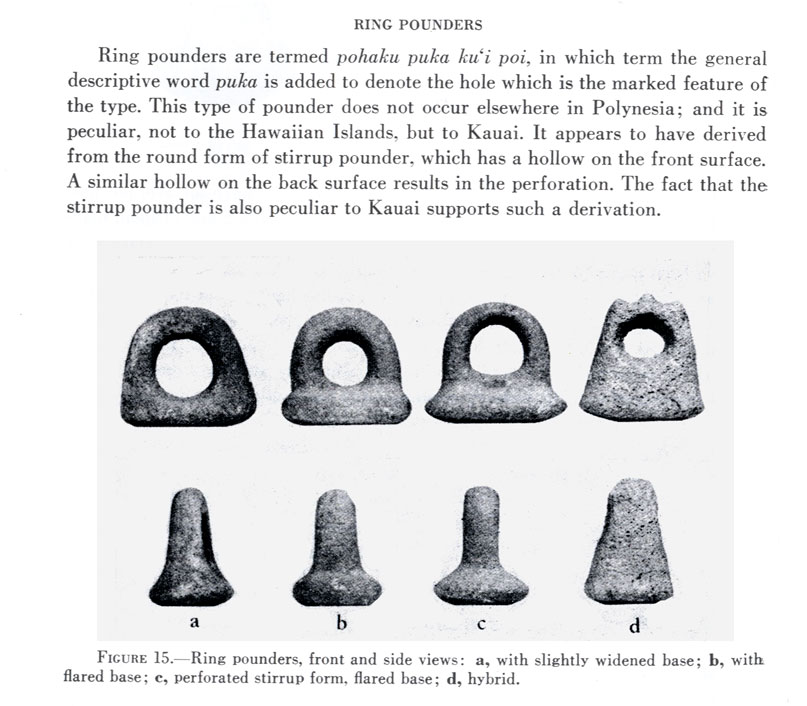
Ppā ahi. n. shovel (RSV), fire pan (KJV) (Preceded by ke) (Ier. 52.19) paahi [pa-a-hi]. s. Pa, pan, and ahi, fire. A fire pan. Ier. 52:19. paea. n. flint. Eng. (fire). pōhaku paeaflint (Isa. 50.7) ; agate, carbuncle (Isa. 54.12) paea [pa-e-a]. adj. Flinty; hard, as a rock. Isa. 50:7. Pohaku paea, a carbuncle. Puk. 28:17. NOTE.—This word is modern; probably it is the Hawaiian pronunciation for the word fire in connection with flint. s. A flint; a fire stone; he pohaku ahi. See the adjective. pahi₁. nvt. knife, flint; to skin, as cattle. pahi [pa-hi]. s. A knife; any cutting instrument of the knife kind; pahi kaua, a sword; pahi pelu, a jack-knife, &c. See the compounds. v. LIT. To knife, i. e., to cut a piece of meat thin as a knife; e oki lahilahi i ka io. pahi hahau. n. cleaver, chopping knife. lit., striking knife. pahihahau [pa-hi-ha-hau]. s. Pahi and hahau, to strike. A knife to strike with, i. e., a sword. pahi kahi. n. razor. cf. more common pahi ʻumiʻumi. lit., shaving knife. pahikahi [pa-hi-ka-hi]. s. Pahi and kahi, to cut. A razor. Isa. 7:20. See pahiumiumi. pahi kākiwi [pahi kā·kiwi]. n. sickle, scythe, cutlass. lit., bent knife. pahikakiwi [pa-hi-ka-ki-wi]. s. Pahi and kakiwi, bent. A crooked knife; a cutlass; a sickle, &c. Kanl. 23:26. pahi kaua. n. sword. lit., war knife. pahikaua [pa-hi-kau-a]. s. Pahi and kaua, war. A sword; a war knife. FIG. Power; oppressive power. Kin. 27:40. pahi kaua pālahalaha [pahi kaua pā·laha·laha]. n. cutlass. lit., flat war knife. pahi kekeʻe. n. sickle. pahi leka. n. letter opener. lit., letter knife. pahi maka lua. n. double-edged sword or knife. pahimakalua [pa-hi-ma-ka-lu-a]. s. Pahi and maka, edge, and lua, two. A double-edged sword or knife. pahi ʻō. n. dagger. lit., piercing knife. pahi olo, pahiolo. nvt. a saw; to saw. pahiolo [pa-hi-o-lo]. s. Pahi and olo, to vibrate. A saw, so called from its motion in using. 2 Sam. 12:13. pahi olo kā. n. hack saw. see kā₁, hack... (HE) pahiolo uila. n. var. spelling of pahi olo uila, electric saw. pahi olo uila, pahiolo uila. n. electric saw. (HE) pahi paʻipaʻi [pahi paʻi·paʻi]. n. pruning knife. pahipaipai [pa-hi-pai-pai]. s. Pahi and paipai, to prune. A pruning knife. Isa. 2:4. pahi pelu. n. jackknife, penknife, folding knife. pahipelu [pa-hi-pe-lu]. s. Pahi and pelu, to double over. A jack-knife; a pen-knife; any shut knife. pahi poʻo muku. n. short-bladed knife. lit., cut head knife. pahipoomuku [pa-hi-poo-mu-ku]. s. A knife like a razor; a butcher's knife. pahi ʻumiʻumi, pahiʻumiʻumi. n. razor. lit., beard knife. pahiumiumi [pa-hi-u-mi-u-mi]. s. Pahi and umiumi, beard. A beard knife, i. e., a razor. See pahikahi. pahi waka-waka. n. var. spelling of pahi wakawaka, flaming sword pahi wakawaka, pahi waka-waka [pahi waka·waka]. n. flaming sword (Kin. 3.24) ; saw, sword. lit., shining knife. pahiwakawaka [pa-hi-wa-ka-wa-ka]. s. Pahi and wakawaka, shining. A polished blade, as a saw, a sword; a flaming sword. Kin. 3:24. pāhoa [pā·hoa]. n. short dagger; sharp stone, especially as used for a weapon; Moloka'i name for stick for beating clothes; taboo sign. [(EP) PPN *pa-foa, beat bark-cloth] kūkulu i ka pāhoato set up a taboo sign pahoa [pa-ho-a]. s. A sharp stone; a broken piece of a stone with a sharp edge. A short wooden dagger; oo iho la laua ia ia i ka pahoa, they two pierced him with a pahoa, (short wooden sword.) Hookoke ia Lono me ka pahoa, he drew near to Captain Cook with a pahoa. pahu mea hana. n. tool box. (HE) pahupahu₃ [pahu·pahu]. redup. of pahu₄ to cut off short; odd-numbered...; blunt, dull. pahupahu [pa-hu-pa-hu]. adj. Blunt; obtuse; dull; omuku. paipu. n. pipe, faucet. Eng. tuko paipu ʻeaplastic pipe cement pākaikai₁ [pā·kai·kai]. vt. to pound, as with a pestle, especially small fish for bait. pakaikai [pa-kai-kai]. v. To pound, as with a pestle. pake, pate. n. putty. Eng. pake. n. putty. pākea₄ [pā·kea]. n. type of stone (no data). rare. pakea [pa-ke-a]. s. A species of white stone. pākīkō [pā·kī·kō]. n. stone adze. pakiko [pa-ki-ko]. The name of an instrument anciently used in war. palaea. n. pliers. Niʻihau. also palaea huki. palaka uila. n. plug, electric plug (HE) palau₂. nvt. plow; to plow. cf. ʻōʻō palau. Eng. pālau₂ [pā·lau]. n. war club; wooden implement with convex cutting edges, for cutting off ends of taro corm for planting (also pālau kōhi); knife. palau [pa-lau]. An instrument for cutting kalo tops; laau palau, me ka laau palau, o Kapahielihonua. Laieik. 167. paniani. n. var. spelling of pāniani₁, spanner, an instrument for making rope of hair or yarn; spun yarn. pāniani₁, paniani [pāni·ani]. n. same as pāaniani₁; spanner, an instrument for making rope of hair or yarn; spun yarn. pani uila. n. socket, electric outlet (HE) pao₁. vt. to scoop out, dub out, as a log for a canoe, or as of the action of the sea on the coast; to peck, chisel out, gouge, undermine, erode, bore. fig., blunt, cruel, harsh in speech; to rebuke; digging, scooping, etc. (preceded by ke). cf. paokeʻe, paokoke, paomoni. PEP *paʻo. Pao ka lima, ʻae ka waha.The hand bores from below, the mouth says yes. (ON 2599) Ua pao ʻia ʻo Pua e ka hoahānau.Pua was rebuked by the cousin. pao [pa-o]. v. Pa, to strike, and o, point. To peck with the bill, as a bird; pao iho la ka manu, he elepaio i ka huewai o ke kanaka a puka. To dig out with a chisel; to dig, as in a rock. Isa. 22:16. To dig down in the ground; to dig deeply, as in digging a deep pit. pāpaʻakea₁ [pā·paʻa·kea]. same as paʻakea, limestone. papaakea [pa-pa-a-ke-a]. s. The name of the soft white stone above Lahainaluna. pā pahiolo. n. saw blade (with ke) (KAN) pā pōhaku [pā pō·haku]. n. stone wall. papohaku [pa-po-ha-ku]. s. Pa, fence, and pohaku, stone. Stones laid into a wall; a stone wall. Nah. 35:4. Name of a kind of soft stone. paukūkū₁ [pau·kū·kū]. redup. of paukū₁, section, link, piece; stanza, verse, canto; article, as of law; paragraph; to section off, cut in sections, slice in sections... see lei paukūkū, var. of koʻi paukūkūan adze used for cutting sections in a canoe log that is to be made into a canoe pauma. vt. pump; to pump. Eng. pāuma. n. pump; to pump, as air or water. see peni pāuma, fountain pen. lit., pen (that) pumps. ke pihi pāuma eaair valve, as on a tire pāuma eaair pump, as for tires pauma [pau-ma]. s. Eng. A pump; he omowai, he omoliu. pele₄. vs. a term qualifying koʻi (adze), similar to kūpele. [(CE) PPN *pere, sudden, sharp movement, as in adzing, weeding, throwing] pia₆. n. a kind of stone, as used for adzes. pia [pi-a]. A kind of stone hammer. pia maka hinu. n. a type of stone used for adzes. see pia₆. pihi wili. n. nut, as in nuts and bolts (preceded by ke). lit., screw nut. also pihi. see kui kolū. pina. rare var. of pine, pin, needle... pina [pi-na]. s. A pin or instrument for fastening up the hair on the sides of the head; he mea mahamaha lauoho. NOTE.—This might seem to be from the English pin, but it is a genuine Hawaiian word. A pin. Ana Hon. 2. pine₁. nvi. pin, compass needle, peg, bolt, picket; stanchion to hold animal's head with yoke and pin; to pin. Eng. pine. n. clip; to clip together. Niʻihau. pine pepa. paper clip. pine lāʻau. peg (EH) pipi₆. lower part of an adze. (Malo 51)rare. pīwai₂ [pī·wai]. a type of hard rock used for adzes. piwai [pi-wai]. The name of a species of hard rock out of which kois were made. pōhā kea [pō·hā kea]. n. white stone, as limestone. pōhaku₁ [pō·haku]. nvs. hoʻopōhakuto harden, as lava; to petrify; hard. Fig., stubborn Ke kaʻa maila ka pōhaku.The thunder peals. pōhaku paʻapuna calcareous rock,calcium carbonate pohaku [po-ha-ku]. s. The general name of stones, rocks, pebbles, &c.; pohaku ula, a brick; a tile. Ezek. 4:1. Pohaku lepo, an adobie; a sun-dried brick. Puk. 1:14. O na mea paa he pohaku ia. Large stones were called pali pohaku; lesser ones pohaku uuku; melted stones or lava was called aa; small stones rubbed or worn smooth in the water were called iliili; the least of all hard substances was called one, sand. adj. Of the nature or quality of stone, hard. pōhaku aʻiaʻi. crystal (EH) pōhaku ʻalā [pō·haku ʻalā]. n. boulder, in Hawaiʻi, referring to poi pounder-size stones and larger. lit., ʻalā stone. pōhaku ʻānai [pō·haku ʻā·nai]. n. stone rubber. pōhaku ʻānai puaʻa [pō·haku ʻā·nai puaʻa]. n. stone for rubbing off singed hair of pigs. pōhaku ʻaumakua [pō·haku ʻau·makua]. n. stone believed possessed by an ʻaumakua god. pōhaku ʻeho [pō·haku ʻeho]. see ʻeho, red-hot stones put inside dressed animals in cooking... pōhaku hali [pō·haku hali]. n. a species of crab, perhaps one of the Leucosiidae, as Nucia sp. lit., stone-fetcher. pōhaku hānau [pō·haku hā·nau]. n. stones at Kūkaniloko, Oʻahu, and Holoholokū, Kauaʻi, against which chiefesses rested as they gave birth, hence called birth stones. He kapu nā pōhaku hānau aliʻi.The royal birth stones are taboo. pōhaku hekau [pō·haku hekau]. n. stone anchor. pōhaku hele [pō·haku hele]. var. of pōhaku hali, a species of crab... pohakuhele [po-ha-ku-he-le]. s. Pohaku and hele, to go. LIT. A walking stone. A species of crab which has a shell like a stone. pōhaku hoana. stone to sharpen tools, as adzes (EH) pōhaku hoʻoikaika [pō·haku hoʻo·ikaika]. n. stones for weight lifting, weight lifting. pōhaku hoʻokala [pō·haku hoʻo·kala]. n. stone to sharpen tools, as adzes. pōhaku hoʻokumu [pō·haku hoʻo·kumu]. n. foundation stone. (Ier. 51.26) pōhaku hoʻopā. n. var. spelling of pōhaku hoʻo pā, touchstone. pōhaku hoʻo pā, pōhaku hoʻopā [pō·haku hoʻo pā]. n. touchstone. pōhaku hoʻopaʻa wai [pō·haku hoʻo·paʻa wai]. n. caprock, in geology. lit., rock (which) plugs water. pōhaku kaʻa [pō·haku kaʻa]. n. millstone, rolling stone. pōhaku kaʻa palaoamillstone (Lunk. 9.53) pohakukaa [po-ha-ku-kaa]. s. Pohaku and kaa, to turn. A millstone. Kanl. 24:6. Pohakukaa palaoa. Lunk. 9:53. pōhaku kani [pō·haku kani]. same as pōhaku kīkēkē; also said to refer to rumbling thunder (For. 6:449) pōhaku kāpili waʻa [pō·haku kā·pili waʻa]. n. stone hammer used to tap chisels in making lashing holes in canoe parts. pōhaku kele [pō·haku kele]. n. flat stone used for skipping. pōhaku keʻokeʻo [pō·haku keʻo·keʻo]. n. marble. lit., white stone. (Hoik. 18.12) pōhaku kihi [pō·haku kihi]. n. cornerstone. (Ier. 51.26) pōhaku kīkēkē [pō·haku kī·kē·kē]. n. a kind of large stone that is resonant when struck. lit., knocking stone. pōhaku kīkē moʻo waʻa [pō·haku kī·kē moʻo waʻa]. n. stone for tamping canoe gunwale strakes. pōhaku kohi [pō·haku kohi]. n. stone breadfruit splitter. pōhaku kuai kua [pō·haku kuai kua]. n. bath rubber. lit., stone for rubbing back. pōhaku kuʻi ʻai [pō·haku kuʻi ʻai]. n. poi pounder. pōhaku kui ʻai pukapoi pounder with a hole in the center of the handle, through which the fingers are put, used on Kauaʻi. also pōhaku puka pōhaku kuʻi nanahu [pō·haku kuʻi na·nahu]. n. stone muller for charcoal. pōhaku kuʻi palaoa [pō·haku kuʻi palaoa]. n. whale-tooth pounder. pōhaku kuʻi poi [pō·haku kuʻi poi]. same as pōhaku kuʻi ʻai, poi pounder... pōhaku kuʻi waʻa [pō·haku kuʻi waʻa]. n. stone canoe breaker used in warfare; it had deep grooves in the middle, in which ropes were placed, and was hurled into opposing canoes and hauled back with the rope so as to be thrown again. pōhakukūkahi [pō·haku·kū·kahi]. n. monolith. pōhaku lana [pō·haku lana]. n. mooring rock for anchoring canoes, said to float, perhaps of pumice or perhaps mythical. lit., floating stone. (For. 4:295) pōhaku lepo [pō·haku lepo]. n. adobe, brick. lit., dirt rock. (Puk. 1.14) pohakulepo [po-ha-ku-le-po]. s. Pohaku and lepo, dirt. A brick made of dirt or soil mixed with grass or straw, and dried in the sun. See adobie. pōhaku lūʻau [pō·haku lūʻau]. n. fine-grained dark ʻalā stone, as used for adzes; water-worn basalt. lit., cooked-taro green rock, so called perhaps because of the dark color. pōhaku lūheʻe [pō·haku lū·heʻe]. stone weight fastened to the octopus lure, lūheʻe; general name for soft or porous stone. pōhaku maikaʻi [pō·haku mai·kaʻi]. n. precious stone. lit., good stone. (Hoik. 18.12) pōhaku makamae [pō·haku maka·mae]. n. gem, precious stone. pōhaku makua [pō·haku makua]. n. parent rock, i.e. rocks in upper surface of the earth which break down to form rocks, sand, dirt, etc. pōhaku mole [pō·haku mole]. n. perforated stone tied to the end of the bag in the pākuʻikuʻi net to hold it in place. lit., base rock. pōhaku o Kāne [pō·haku o kāne]. n. stone monuments that were places of refuge (puʻuhonua) where families made offerings, such as pig, red fish, kava, and tapas, to atone for wrong-doing. lit., stone of Kāne. (Kam. 64:32–3) pōhaku ʻoki ʻāina [pō·haku ʻoki ʻāina]. n. land-dividing rock. pōhaku ʻōmaʻomaʻo [pō·haku ʻō·maʻo·maʻo]. n. emerald. lit., green stone. (Hoik. 4.3) pōhaku paʻa [pō·haku paʻa]. n. firm, solid rock, basalt; general name for hard rocks, such as were used for adzes. cf. pōhaku lūheʻe. pohakupaa [po-ha-ku-paa]. s. Pohaku and paa, firm; solid. A rock. Iob. 28:9. NOTE.—Pohaku paa is the general name of hard or solid stones out of which kois were made, and pohaku paa stands in opposition to pohaku luehee, soft or porous stones. pōhaku paea [pō·haku paea]. n. firestone, flint, agate. (Ezek. 3.9) pohakupaea [po-ha-ku-pa-e-a]. s. Pohaku and paea, the Hawaiian pronunciation for the English word fire. A fire stone; a flint stone. Ezek. 3:9. A flint. pōhaku paheʻe ʻānai [pō·haku paheʻe ʻā·nai]. n. stone rubber. pōhaku pao [pō·haku pao]. n. stone chisel. pōhaku pele [pō·haku pele]. n. any lava rock, especially rock containing olivine crystals. pōhaku pelemaka [pō·haku pele·maka]. n. igneous rock, i.e. rock formed by the solidification of molten magma. lit., magma rock. pōhaku pele ʻōmaʻo. rock with olivine (EH) pōhaku pōpolo [pō·haku pō·polo]. n. same as pōhaku lūʻau; lit., pōpolo berry stone, so called perhaps because of the dark color of these berries.
pōhaku puka ea [pō·haku puka ea]. n. air stone, i.e. the porous rock in an aquarium that creates tiny bubbles at the surface of the water to facilitate the exchange of gases. lit., stone (from which) air emerges. pōhaku puna [pō·haku puna]. n. round coral piece, as used for polishing or rubbing; concrete. pōhaku ʻula [pō·haku ʻula]. n. brick, tile. lit., red stone. see ex. inā₁. (Ezek. 4.1) Inā kākou, e hana kākou i nā pōhaku ʻula.Let's get going and make bricks. (Kin. 11.3) pōhaku waikī [pō·haku wai·kī]. n. bullets or pellets from bursting bullets. lit., gun stone. pohakuwaiki [po-ha-ku-wai-ki]. s. Pohaku and wai, water, and ki, to shoot, as a gun. A name given to a ball or bullet formed anciently from a stone and adapted to a squirt-gun. See waiki. pōhaku wāwahi waʻa [pō·haku wā·wahi waʻa]. n. stone hammer used under water to break enemy canoe hulls in war. pōhāone [pō·hā·one]. n. sandstone. pōhuehue₄ [pō·hue·hue]. n. a kind of stone used for polishing canoes. pohuehue [po-hu-e-hu-e]. The name of a species of stone used in polishing canoes. polipoli₁ [poli·poli]. n. a soft, porous stone as used for polishing or for octopus lure sinkers polipoli [po-li-po-li]. s. Name of a species of soft porous stone. polipoli₂ [poli·poli]. vs. rounded, of an adze. (Malo 51) polipoli [po-li-po-li]. v. To soften, as a stone in the art of making stone adzes; o kahi malalo e polipoli ana, he pipi ka inoa. poʻo koʻi. nvs. adze-headed, a term of ridicule for one with a sharp or projecting forehead; also an insulting term for evil sorcerers, so-called because they were "frequently" beheaded. (Kam. 64:123) pookoi [poo-ko-i]. s. Poo, head, and koi, sharp as an axe. A person having a sharp or projecting forehead. NOTE.—Such were supposed to have something supernatural about them and had the power of using the pule anaana, that is, of praying people to death. A person lacking good sense; he mea i manaoia he lapuwale. Poʻolipilipi [poʻo-lipi·lipi]. n. a rain associated with Kalihi, Oʻahu, and Hilo, Hawaiʻi . lit., adzelike head, said to be so called because this heavy rain forced the people to spend so much time sleeping that their heads were sharpened as though by an adze. (For. 5:119) pounamu [pou·namu]. n. jade, jadeite. Māori. puhiahi. n. blowtorch (HE) puka uila. n. electrical outlet. see palaka. pūlewa₄ [pū·lewa]. n. a kind of stone from which sinkers were made for octopus hooks. [(FJ) PPN *pulewa, marine substance/creature with stone-like or rough exterior] pūlumi nīʻau [pū·lumi nīʻau]. same as pūpū nīʻau, broom made of coconut midribs tied together... puʻu lele. v. to remove a lump. Mamala ʻehaʻeha o ka lani, i ke koʻi puʻu lele, hana ʻoi, puʻu lele, hana ʻoi.The chief is sore and aching due to the adze removing lumps, a knife, removing lumps, a knife. (chant) puʻupā₂ [puʻu·pā]. n. a stone used for maika stones. rare. puupa [puu-pa]. s. Name of a stone from which maika stones were made.
TT. ʻōmaka T.T-fitting, for putting pipes together. tuko pīlali [tuko pī·lali]. n. silicone, used as an adhesive. lit., sticky glue.
U
ulei [u-lei]. s. Name of a tree, the timber very hard; from this tree instruments were made for cultivating the earth, as the oo, &c. uliuli₂ [uli·uli]. n. a kind of rock from which adzes were made. (Malo 19) ʻulu₄. n. name for kōnane stone. ʻūmiʻi₁ [ʻū·miʻi]. nvt. clamp, clip, clasp, staple, clutch, buckle, vise, trap; to pinch, clip, clasp, clamp, squeeze also ʻumiki. ka ʻūmiʻi ʻana i ka wāwaebinding of feet (as formerly of Chinese women) makaaniani ʻūmiʻispectacles held on the nose with clips, and without supporting handles on the ears; pince-nez ʻūmiʻi hoʻopaʻa. n. bench vise (KAN) une. n.v. lever; lever on a sewing machine that raises or lowers the presser foot; to pry. fig., to urge, disturb, harass. hoʻounecaus/sim une. vt. lever; to pry, as with a lever. une [u-ne]. v. To pry, as a stone with a lever; to bear down, as with a lever; to edge on; to pry up out of the dirt, as a stone; to loosen. s. A lever for prying with; a prying; a lifting up. The action or quality of a lever. Anat. 1. unu₁. n. small stone, pebble, stone chip; wedge, prop. cf. unu pehi ʻiole. hoʻounuto place stones; to pave, macadamize Kohala i ka unu paʻa.Kohala with the solid stone [firmness]. (ON 1815) unu [u-nu]. Small stones or chips of stones for propping up and sustaining large ones. A prop or wedge. See makia. The small stones used to fasten the posts of a house when erected in the ground. Any small stones. v. To prop up; to help hold up; e unu iki ae paha ka pono, to help a little perhaps will be well; to shove back or retract, as the skin in amputation. ūpā. n.v. var. spelling of ʻūpā, any instrument that opens and shuts... ʻūpā, ūpā [ʻū·pā]. n.v. mākala ʻūpāmasseter muscle, i.e. the muscle that closes the jaw upa [u-pa]. v. To act, as the jaws in eating; to open and shut, as the mouth in eating or speaking. To devour with greediness. To chew, as food, i. e., the action of the jaws in chewing. s. Any instrument that opens and shuts after the manner of shears, scissors, a compass, bellows, &c.; a carpenter's compass. Isa. 44:13. The action of the material heart in receiving and sending out blood. Anat. 44. NOTE—Cutting instruments were formerly made of shark's teeth. See the compounds of the upa class. adj. Strong, as a man who does a great deal of work or rows fast in a canoe. ʻūpā ahi [ʻū·pā ahi]. n. tongs for picking up hot coals. upaahi [u-pa-a-hi]. s. Upa and ahi, fire. Tongs. Puk. 25:38. ʻūpā hoʻopaʻa [ʻū·pā hoʻo·paʻa]. n. forceps. lit., tongs (that) hold fast. cf. ʻūmiʻi hoʻopaʻa. ʻupā makani. n. var. spelling of ʻūpā makani, bellows. ʻūpā makani, ʻupā makani [ʻū·pā makani]. n. bellows. upamakani [u-pa-ma-ka-ni]. s. Upa and makani, wind. Bellows. Ier. 6:29. ʻūpā mauʻu [ʻū·pā mauʻu]. n. grass shears. ʻūpā mikiʻao [ʻū·pā mikiʻao]. n. fingernail or manicure scissors. ʻūpā nihoniho. pinking shears (EH) ʻūpā nui [ʻū·pā nui]. n. shears. ʻūpā ʻoki nihoniho [ʻū·pā ʻoki niho·niho]. n. pinking shears. lit., shears for cutting points.
Wwaiahu [wai·ahu]. same as waiehu, a file... waianuʻukole [waia·nuʻu·kole]. n. name of a soft porous stone, as used in medicine or for octopus sinkers. (Malo 19)rare. waianuukole [wai-a-nuu-ko-le]. s. Name of a species of soft porous stone. waiehu [wai·ehu]. n. a file; formerly a rough stone used to grind and polish. waiehu [wai·ehu]. n. file, the tool. cf. apuapu. waiehu [wai-e-hu]. s. A file or rough stone; any substance that will grind or polish iron. waihona mea hana. n. tool chest (KAN) waimano₁ [wai·mano]. stone from which octopus sinkers were made. (Malo 19) waimano [wai-ma-no]. s. Name of a soft porous stone. wili hoʻomālō [wili hoʻo·mā·lō]. n. banding tool, as for putting metal bands on boxes, water tanks, etc. lit., drill (for) stretching. see kalapu hao. wili kāhei [wili kā·hei]. n. bit for boring, drilling. lit., circling drill. wilikahei [wi-li-ka-hei]. s. Wili and kahei, to tie round. A bit for boring rocks; a bit of any kind for boring. wilipuaʻa [wili·puaʻa]. n. corkscrew, hand drill, gimlet, screw auger (a euphemism for ulepuaʻa). |